
Reviewed · COOKING CLASSES
Cooking Class Typical Food in Arequipa
Arequipa’s food culture comes to life through a chopping board, a hot pan, and a plate you prepare yourself. This class teaches dishes such as lomo saltado, ceviche, and rocoto relleno, using local ingredients and traditional methods rather than simply serving you a finished meal.
I like the choice of three menus, since you can focus on familiar Peruvian favorites or try food tied more closely to Arequipa. I also like the large kitchen and garden setting, which gives you room to work, share the meal, and take photos.
The main caution is value. At $57 per person, you should expect real hands-on cooking, not just a short demonstration. One recent participant from Mexico felt the class involved little more than cutting vegetables and did not match the description, so confirm how much preparation you will personally do.
Key points to know before booking
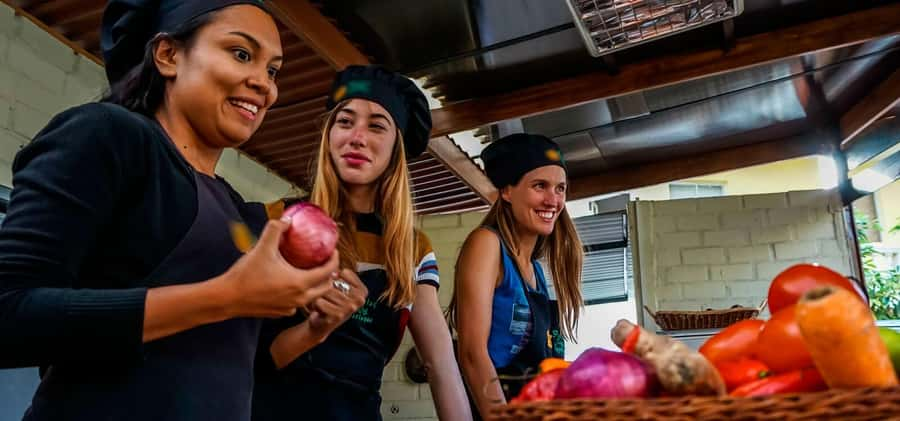
- Three menu choices: Pick a traditional Peruvian menu, an Arequipeño menu, or a marine menu, subject to ingredient availability.
- Local dishes you can prepare: Possible recipes include causa, lomo saltado, queso soltero, rocoto relleno, ceviche, and pescado a la chorrillana.
- About two hours in the kitchen: The activity is advertised as two hours, while the detailed schedule gives a cooking time of one hour and 45 minutes.
- English or Spanish instruction: A live instructor leads the class in either language.
- Food and drinks are included: Ingredients, the completed meal, soft drinks, and water are part of the price.
- Flexible booking terms: You can cancel up to 24 hours before the class for a full refund and reserve without paying immediately.
Cooking Peruvian food in an Arequipa garden kitchen
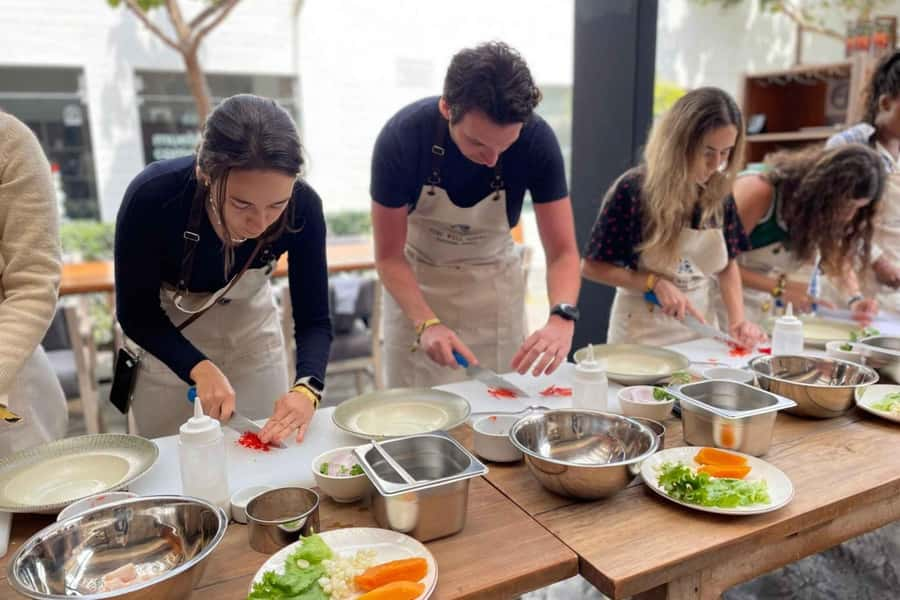
This is designed as a practical cooking class, not a market visit or a restaurant meal. You arrive at a large kitchen set in a garden environment, meet the instructor, and work through a menu built around a starter, main course, and dessert.
That setting matters. A spacious kitchen is more useful than a cramped demonstration counter when several people need to chop, mix, season, and cook at the same time. It also gives the class a relaxed social side. You can compare techniques with people from other countries, take photographs, and then sit down to taste what you made.
The description promises manual preparation, local ingredients, and traditional methods. Those are the parts that make this activity appealing. You are not simply learning that Peruvian food is popular. You are meant to handle the ingredients and leave with a recipe you can repeat at home.
Still, keep your expectations precise. The class is short, and the menu changes according to availability. That means the amount of preparation can vary. If you are booking mainly for serious instruction, ask in advance which dishes will be served and how much of the work participants complete themselves.
More Cooking Classes in Arequipa:
- Arequipa: Peruvian Cooking Class
★ 4.4 · 9 reviews - Cusco: Peruvian Cooking Class, Cocktails & Local Market Tour
★ 4.9 · 512 reviews - Cooking class and market tour with a local chef
★ 5.0 · 186 reviews
Choosing between the three menus
The menu is the most important decision you make. There are three possible styles, and each gives you a different introduction to Peru’s food traditions.
Traditional Peruvian menu
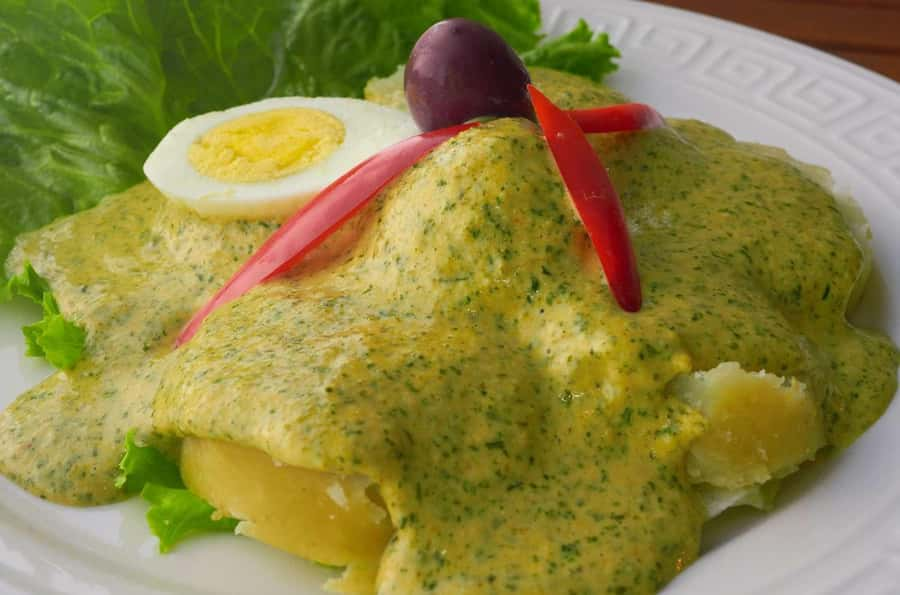
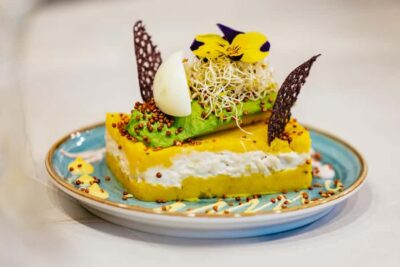
The traditional Peruvian option includes causa, lomo saltado, and dessert. Causa is a seasoned potato dish often shaped and layered, while lomo saltado combines beef, vegetables, and the Chinese-Peruvian cooking style that has become one of the country’s best-known foods.
Lomo saltado is likely the safest choice if you want a familiar, hearty dish with a clear cooking process. It also gives you a taste of Peru’s blended culinary identity, where local ingredients meet techniques brought by Chinese immigrants.
Causa offers a different lesson. Potatoes are central to Peruvian cooking, and this dish shows how a simple local staple can become a carefully seasoned starter. Since dessert is included, this menu gives you the broadest introduction to a full Peruvian meal.
Arequipeño menu
The Arequipeño menu includes queso soltero, rocoto relleno, and dessert. This is the strongest choice if your priority is food connected specifically to the Arequipa region.
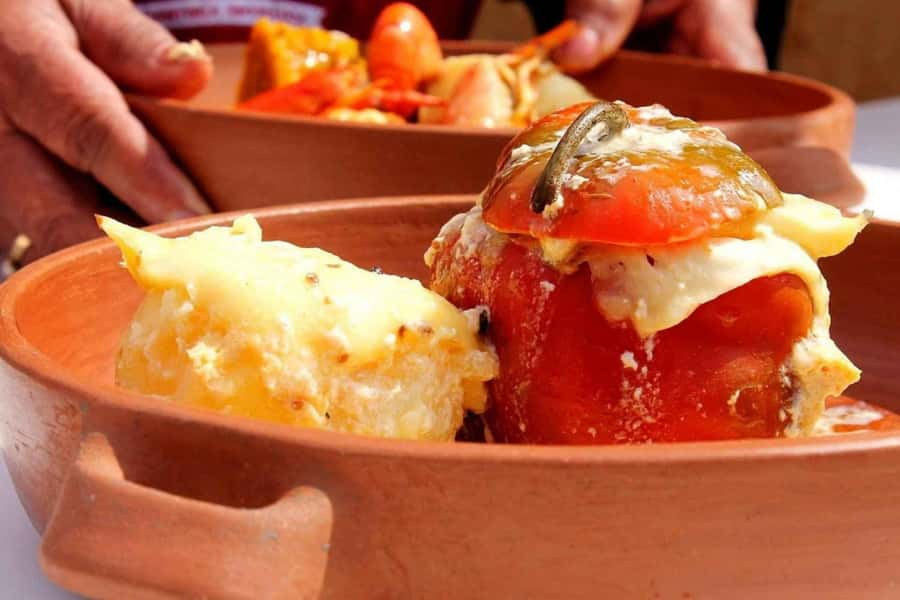
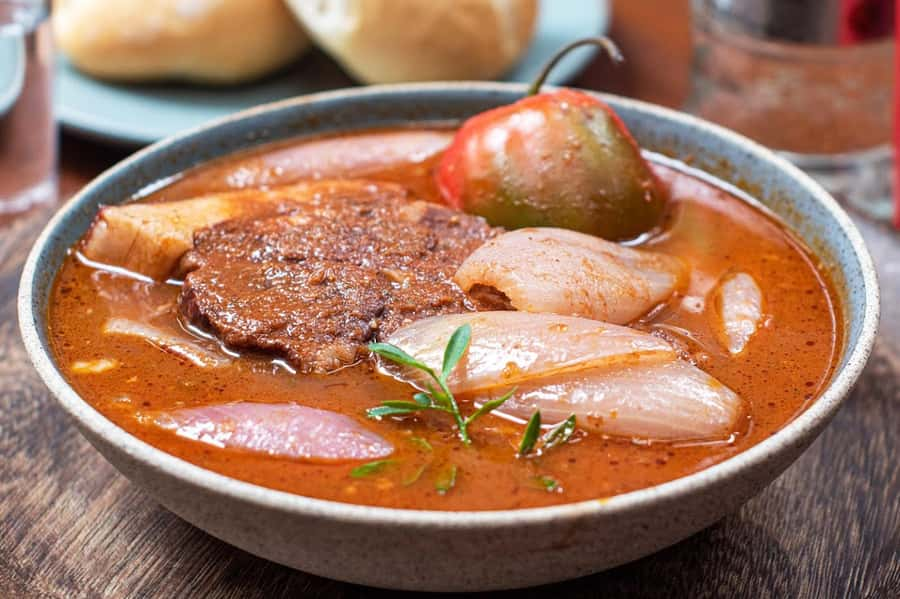
Queso soltero is a fresh cheese salad with local produce. Rocoto relleno is the more dramatic dish: a spicy rocoto pepper filled and cooked as a main course. The menu lets you sample both a lighter starter and one of Arequipa’s signature preparations.
Choose this option if you want your cooking class to say something about where you are, not just about Peru in general. Keep in mind that rocoto is a hot pepper. The activity information does not state how the heat is adjusted, so ask the instructor about spice levels if you are sensitive to chili.
More Food Tours in Arequipa:
- Arequipa Tasting Tour
★ 5.0 · 92 reviews - Arequipa Food Tour: Ancestral Cuisine & City Tour
★ 5.0 · 11 reviews - Lima: Ultimate Peruvian Food Tour
★ 4.9 · 700 reviews - Lima: Historic Center Street Food, Market, and Eateries Tour
★ 4.9 · 216 reviews
Marine menu
The marine menu includes ceviche, pescado a la chorrillana, and dessert. Ceviche is one of Peru’s most famous foods, built around fish, citrus, and seasoning. Pescado a la chorrillana gives you a second seafood preparation with a cooked sauce.
This menu is a good match for you if seafood is the main reason you want to take the class. It also offers a nice contrast between a bright ceviche and a warm fish dish.
The menu depends on ingredient availability. That point is especially important for the marine option, since fresh fish is central to both dishes. Confirm what is planned before you arrive if a particular menu is the reason you are booking.
What the hands-on portion should include
The stated format begins with ingredients for a starter, main course, and dessert. The instructor provides directions in English or Spanish while you work through the recipes in the kitchen.
In a well-run version of this class, you would expect to take part in basic preparation, seasoning, mixing, and cooking rather than watch from the side. The phrase manual preparations suggests active participation, and the main appeal is learning a process you can recreate after returning home.
The class also promises traditional methods. That does not necessarily mean a long culinary lesson or a detailed history of every ingredient. It means the food should be prepared in a way that reflects Peruvian and Arequipeño home cooking, within the limits of a two-hour session.
Here is where the recent negative feedback deserves attention. One participant said the class felt expensive for an activity that mainly involved cutting vegetables and did not match the description. I would treat that as a serious warning, not a reason to dismiss the class completely. The experience depends heavily on how much work the instructor assigns to each person.
Before booking, ask three direct questions:
- Which menu is available on your date?
- Which dishes will I personally prepare?
- Will I cook the main components, or mainly assist with chopping?
Those answers will tell you more about value than the attractive menu list alone.
Tasting the meal you prepared
After the preparation, you eat the food made during the class. This is more useful than receiving a separate restaurant meal because you can connect the final taste with the steps that produced it.
The tasting includes the starter, main course, and dessert. Soft drinks and water are also included. There is no indication that alcoholic drinks are part of the activity, so do not count on them being provided.
This final meal is also the point where the class becomes a practical souvenir. You may not remember every instruction, but you can remember the combination of ingredients, the look of the finished plate, and the order in which the dish came together.
The social side matters here too. The format encourages you to share the meal with other participants and exchange travel experiences. If you enjoy meeting people at the table, that adds value. If you want a private lesson with one-on-one attention, this may feel less focused, since the activity is presented as a shared class.
Is $57 a fair price?
The price is $57 per person. That is not a cheap meal in Arequipa, but you are paying for more than food. The fee covers the ingredients for three courses, kitchen use, instruction, the prepared meal, soft drinks, and water.
The value is reasonable if you receive active instruction and take part in most of the preparation. You are paying for a class plus lunch or dinner, along with the chance to learn recipes you can make later.
The value drops quickly if your role is limited to cutting a few vegetables while the instructor handles the real cooking. That is why the recent 2 out of 5 assessment is useful as a warning about expectations. The issue was not simply the price. It was the gap between the advertised hands-on format and the amount of participation that person felt they received.
I would book at $57 if you care about learning local food and can confirm that the class is genuinely practical. I would skip it if you mainly want a large meal for the lowest possible cost. A regular restaurant will almost certainly be a cheaper way to eat the dishes, though it will not teach you how to make them.
Timing, language, and planning your day
Classes are offered at 11 a.m. and 4 p.m., Monday through Saturday. The morning time works well as a cooking lunch, while the afternoon option can fit around sightseeing earlier in the day.
The activity is described as lasting two hours, with the detailed schedule listing one hour and 45 minutes. Plan for roughly two hours rather than relying on the shorter figure. That gives you time for instruction, preparation, tasting, and photographs without rushing to your next activity.
A live guide teaches in English or Spanish. Choose the language you can follow most easily, especially if you want to understand cooking instructions rather than simply copy the movements of the person beside you.
The provider is Inspires Viagens. No guide names are supplied, so you cannot request a specific instructor from the available information. Since the instructor’s approach will shape how active the class feels, this is another reason to ask about the format before paying.
Who will enjoy this class most?
This class suits you if you like food-based activities and want to do more than order Peruvian dishes at a restaurant. It is particularly appealing if you want to try Arequipeño recipes such as rocoto relleno and queso soltero, or if you want to take home a repeatable recipe for lomo saltado or ceviche.
It can also work well for couples, friends, and solo visitors who enjoy meeting people around a shared table. The garden kitchen and group format give the activity a social tone.
Families and beginners may like the clear three-course structure, though the supplied information does not specify a minimum age or children’s program. Ask before booking if you are traveling with young children.
This is less suitable for you if you want advanced culinary training, private coaching, or a guaranteed menu. It is also a poor fit if you dislike spicy food, seafood, or changing plans, since the available dishes depend on ingredients and some options use chili or fish.
Booking advice and final verdict
I would book this class only after confirming the exact menu and the hands-on workload. Those two details decide most of the value.
The strongest reason to go is the chance to prepare food tied to Peru and Arequipa, then eat your own three-course meal in a garden kitchen. The weakest point is the possibility that participation may be lighter than the description suggests.
Book it if you want a social introduction to Peruvian cooking, especially if the Arequipeño menu is available and the instructor confirms that you will cook the main dishes. Pass on it if the provider cannot explain your role clearly, or if $57 feels high for a short demonstration with limited work. Free cancellation up to 24 hours before the start gives you some protection, and the reserve-now, pay-later option helps keep your plans flexible.
FAQ
Where does the cooking class take place?
The class takes place in the Arequipa region of Peru, in a large kitchen environment set within a garden.
How much does the class cost?
The listed price is $57 per person.
How long does the activity last?
The activity is described as two hours. The detailed schedule gives a duration of one hour and 45 minutes, so plan on about two hours.
What time does the class start?
Classes begin at 11 a.m. or 4 p.m., Monday through Saturday.
Which languages are available?
The live instructor teaches in English or Spanish.
What food might I prepare?
Depending on ingredient availability, you might prepare a traditional Peruvian menu with causa and lomo saltado, an Arequipeño menu with queso soltero and rocoto relleno, or a marine menu with ceviche and pescado a la chorrillana. Dessert is included with each menu.
Are ingredients included?
Yes. Ingredients for the starter, main course, and dessert are included.
Are drinks included?
Soft drinks and water are included. The information does not state that alcoholic drinks are provided.
Can I cancel the booking?
Yes. You can cancel up to 24 hours in advance for a full refund. The reserve-now, pay-later option also lets you book without paying immediately.
Just added around Arequipa
- Walking tour through the Historic Center of Arequipa★ 4.0 · 3 reviews
- Trek to the Route of the Sillar and Culebrillas in Arequipa★ 4.0 · 9 reviews
- Arequipa, Historic and Colonial City and Santa Catalina Monastery★ 4.5 · 42 reviews
- 8-Hours Tour in Arequipa Laguna de Salinas with Pick-up★ 4.5 · 56 reviews
- Tour to the Sillar Route from Arequipa | Half Day★ 4.2 · 4 reviews
- Tour + Hike to the Sillar Route and Culebrillas in Arequipa★ 4.1 · 5 reviews
- Arequipa: The White City Origins – Sillar Route Half Day★ 5.0 · 4 reviews
- Sillar Stone Tour from Arequipa★ 4.0 · 22 reviews
Cooking Classes, compared.
Peruvian Cooking Class, Cocktails & Local Market Tour
Read our review →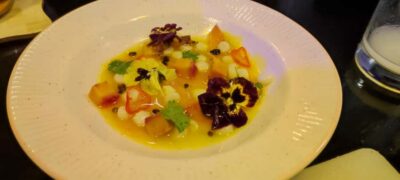
Cooking class and market tour with a local chef
Read our review →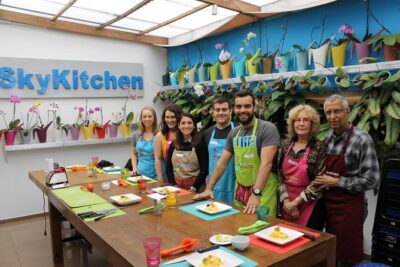
Market Tour, Tasting of 35 Fruits, and 4-Course Peruvian Cooking Class in Lima
Read our review →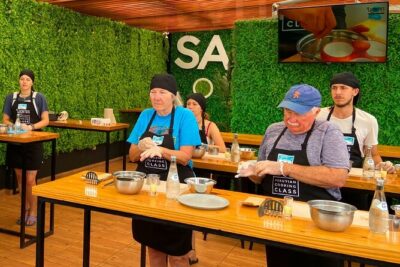
#1 Rated Cooking Classes with Local Market Tour & Pickup
Read our review →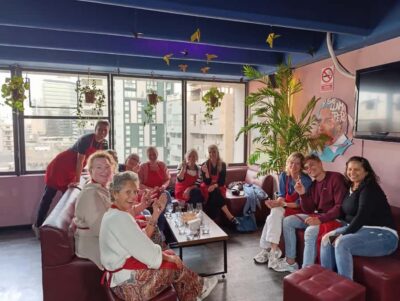
Amazing Peruvian Cooking Class Ceviche Seafood and Pisco Sour
Read our review →
Private Cooking + Market with Maido’s Former Creative Chef (+trasportation)
Read our review →
Vegan Peruvian Cooking Class Cocktails and Local Market in Cusco
Read our review →Browse the lists this tour appears in