
Reviewed · SILLAR ROUTE TOURS
Sillar Stone Tour from Arequipa
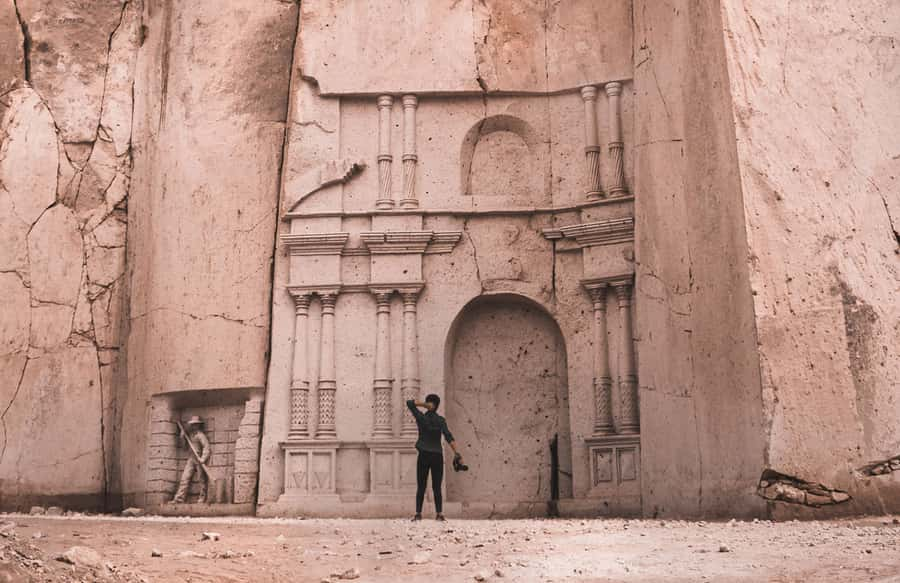
Arequipa’s famous white buildings begin outside the city, in the Culebrillas sillar quarries. This half-day outing shows you the stone at its source, then explains how masons cut and shape volcanic ignimbrite into blocks and decorative carvings. It is a useful way to understand why Arequipa’s historic center looks so different from other Peruvian cities.
I like the short transfer from central Arequipa and the chance to see working stonecutters rather than only admire finished buildings. I also like the small-group limit of 15 people, since a guide can usually handle questions more easily. The main consideration is that food, drinks, and entrance fees are not included, and the tour gives you only a few hours outside the city.
Key points to know
- Culebrillas is only about 3 kilometers from central Arequipa, so you spend more time exploring than sitting in a vehicle.
- Sillar is volcanic ignimbrite, formed by eruptions and later shaped by hand into building stone.
- The 1687 earthquake changed Arequipa’s building tradition, leading to much wider use of sillar.
- You can watch masons work and see carved examples, not just hear a general explanation.
- The tour ends at Plaza de Armas, a useful central drop-off for lunch, sightseeing, or another city walk.
- The four-hour format suits a free afternoon, but it is not a full tour of Arequipa’s museums and monuments.
Why sillar explains Arequipa’s white city
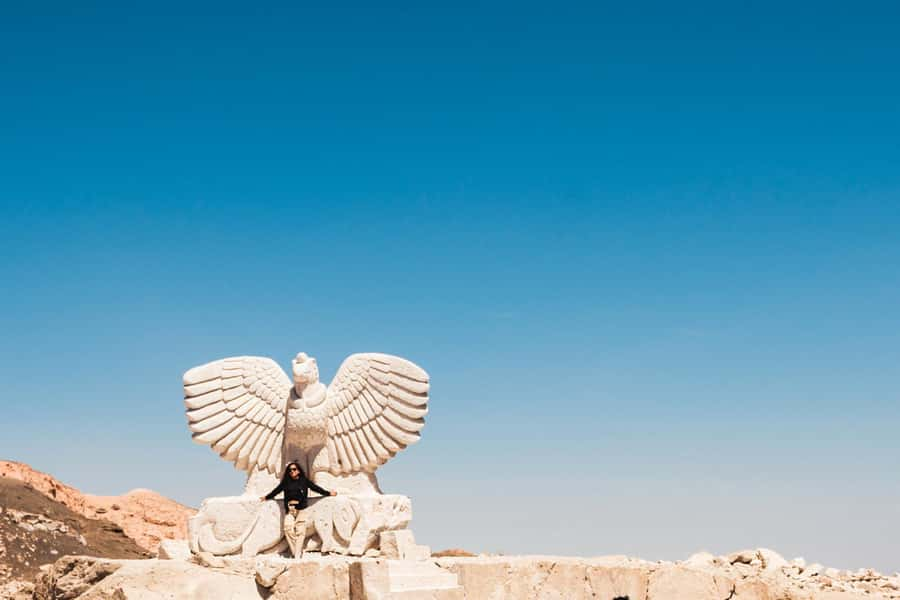
The white color of Arequipa’s colonial buildings is not simply a paint choice. It comes from sillar, a pale volcanic stone taken from quarries around the city, including the Culebrillas area near Cerro Colorado and Yura.
The stone began as ignimbrite produced by volcanic eruptions. At the quarry, masons remove and shape it by hand, patiently turning rough material into usable blocks and decorative pieces. You get to see this process in practical terms, which makes the city’s architecture easier to appreciate later.
The 1687 earthquake is an important part of the story. After major damage, Arequipa made much greater use of sillar in reconstruction. Over time, local builders refined the method, producing the white colonial architecture that gives the city its familiar name and appearance.
I find this kind of context more useful than simply being told that a building is old. Once you understand the material, you can look at Arequipa’s doorways, walls, and carved details with a better eye. The quarry visit gives the stone a human side too. It is not an abstract piece of geology. It is material that people cut, carry, shape, and fit into buildings.
More Sillar Route half-days in Arequipa:
- From Arequipa: Sillar Route Trek
★ 4.2 · 461 reviews - Sillar Route and Culebrillas Petroglyphs
★ 4.5 · 89 reviews - Sillar Route in Arequipa and viewpoint of the Volcanoes
★ 4.0 · 71 reviews
The short ride from central Arequipa
Pickup is available from accommodation in Arequipa’s city center. The listed bus or coach ride takes about 10 minutes, and the quarry area is described as roughly 3 kilometers from the center. That makes this a particularly easy outing if you want to see something beyond the Plaza de Armas without committing to a full-day excursion.
The route takes you away from central streets toward the quarry areas of Cerro Colorado and Yura. The vehicle transfer is brief, but it matters. You do not lose most of the morning or afternoon getting to the attraction, and the return to central Arequipa is just as simple.
A guide speaks English or Spanish, depending on the departure you book. The tour has a maximum of 15 participants, which is small enough to make questions practical. One English-language booking described the guide as patient and clear, a useful quality at a working site where the stone-cutting process may need careful explanation.
Pickup is limited to accommodation in central Arequipa. If you are staying outside the city center, confirm the meeting arrangement before paying. The final drop-off is at Plaza de Armas, not necessarily back at your accommodation, but that is often an advantage. You can continue with dinner, a museum, or an evening walk without arranging another ride into town.
Walking through the Quebrada de Culebrillas
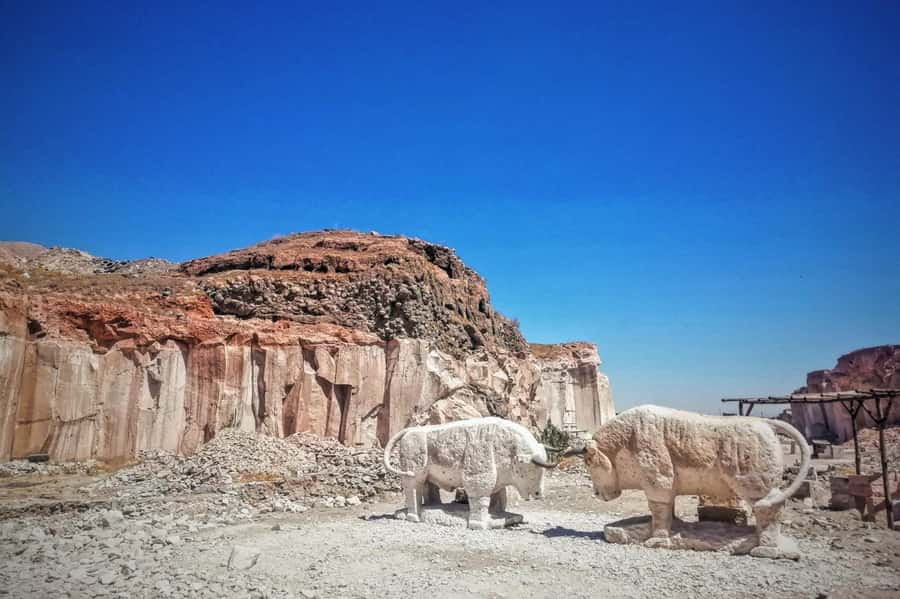
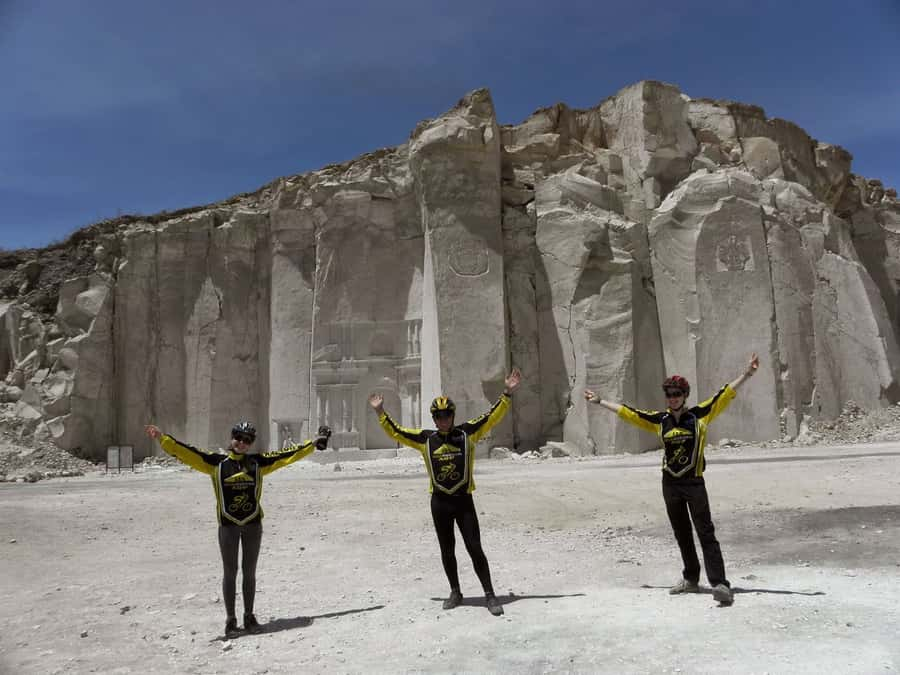
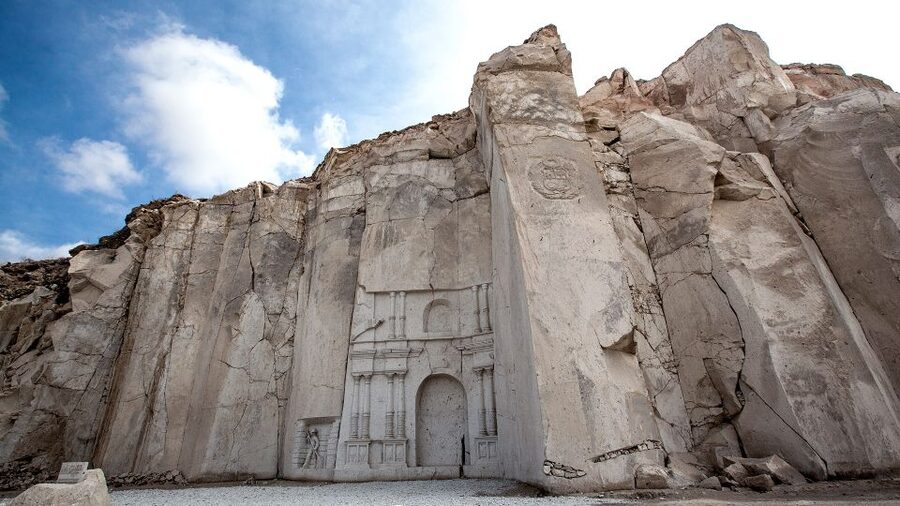
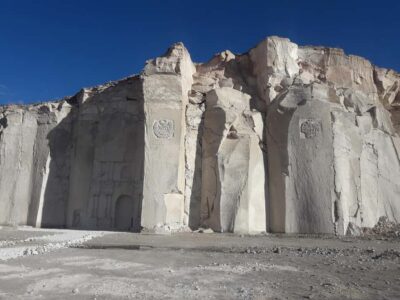
The main stop is the Quebrada de Culebrillas, a canyon-like quarry area where you can see the pale volcanic stone in its natural setting. The most interesting part is the change in scale. In Arequipa’s center, sillar appears as tidy walls and ornate facades. Here, you see the rough source material before it becomes architecture.
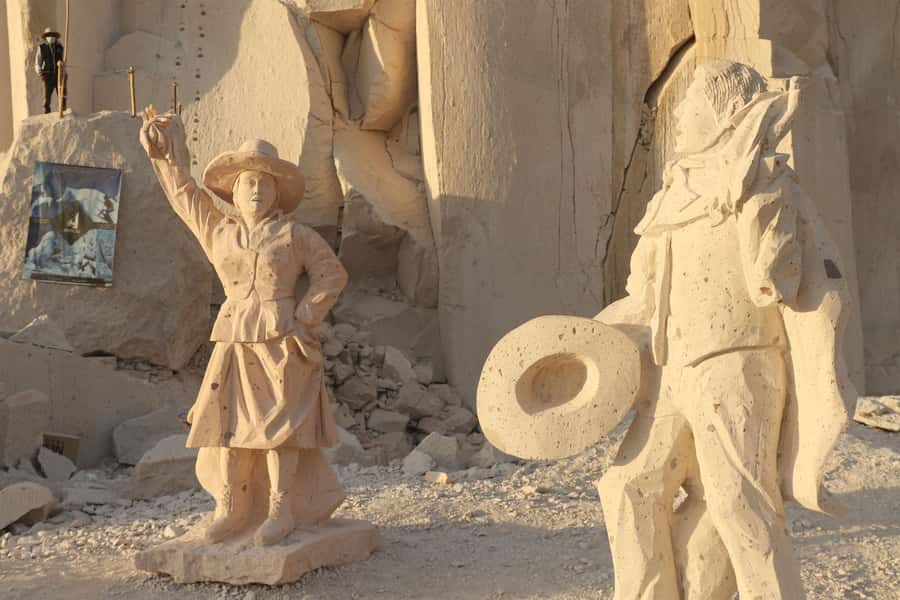
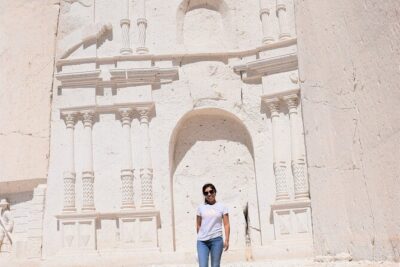
Your guide explains where the masons obtain the ignimbrite and how they prepare it. The tour also includes a look at the cutters’ daily work and examples of carvings. These details help connect quarry labor with the decorative features found around Arequipa.
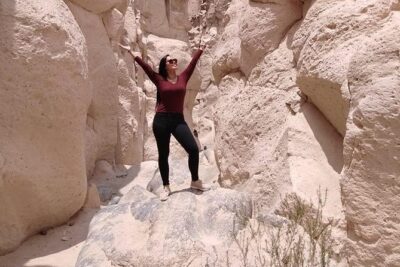
The canyon-like formations are one of the visual strengths of the visit. You are not only looking at a pile of building blocks. The quarry setting gives the stone a stronger sense of place, and the pale rock can create striking patterns along the walls and cuts.
Still, it is important to set the right expectation. This is a guided sightseeing stop, not a long hike or a technical geology lesson. The supplied information does not give a precise walking distance, and the tour is designed to fit within four hours. Comfortable shoes are sensible, but you should not book it expecting a strenuous trek through a large wilderness area.
The word quarry can also create the wrong picture. This is not a polished museum with exhibits behind glass. The appeal comes from seeing a working craft and the rough process behind a refined city. You may find some areas dusty or uneven, so comfortable clothing and water are sensible choices.
Watching masons turn volcanic stone into sillar
The demonstration of the carving process is the heart of the outing. Masons take ignimbrite and patiently develop it into sillar. Your guide explains the preparation, the work involved, and the story behind the stone.
That makes the stop more valuable than a quick photo break. You can watch the transition from natural volcanic material to a building product shaped by human hands. Carved samples show how the same stone can serve both a structural purpose and a decorative one.
I especially like this part for visitors who have already spent time around Arequipa’s colonial center. The city’s architecture can look uniform at first, with one pale facade blending into another. After the quarry visit, you have a practical question to ask yourself at each building: which parts are simple blocks, and which parts required extra carving and patience?
The process also gives you respect for the labor behind the city’s appearance. The tour does not present sillar as a ready-made product. It shows the stages that come before the finished arch, wall, or ornament.
The guide’s role matters here. A strong explanation can turn a brief look at stonecutting into a memorable lesson about Arequipa. The available feedback includes high marks for a patient guide who answered questions well, along with another high rating that simply described the guide as excellent. No guide names are provided, so you cannot request a particular person, but the tour is offered in English or Spanish.
A few more Arequipa days worth weighing up
- Tour to the Salinas Lagoon and National Reserve in Arequipa
★ 4.5 · 548 reviews - Arequipa: Chili River White Water Rafting with Hotel Pickup
★ 4.8 · 329 reviews - Walking tour in the Historic Center of Arequipa
★ 4.4 · 180 reviews - Adventure Day in Arequipa: Pillones Waterfall + Rock Forest
★ 4.7 · 120 reviews
What you see in Arequipa’s architecture afterward
The tour includes sightseeing connected with Arequipa, then returns you to the city. The most useful way to continue is to use the rest of your day to notice sillar in the historic center.
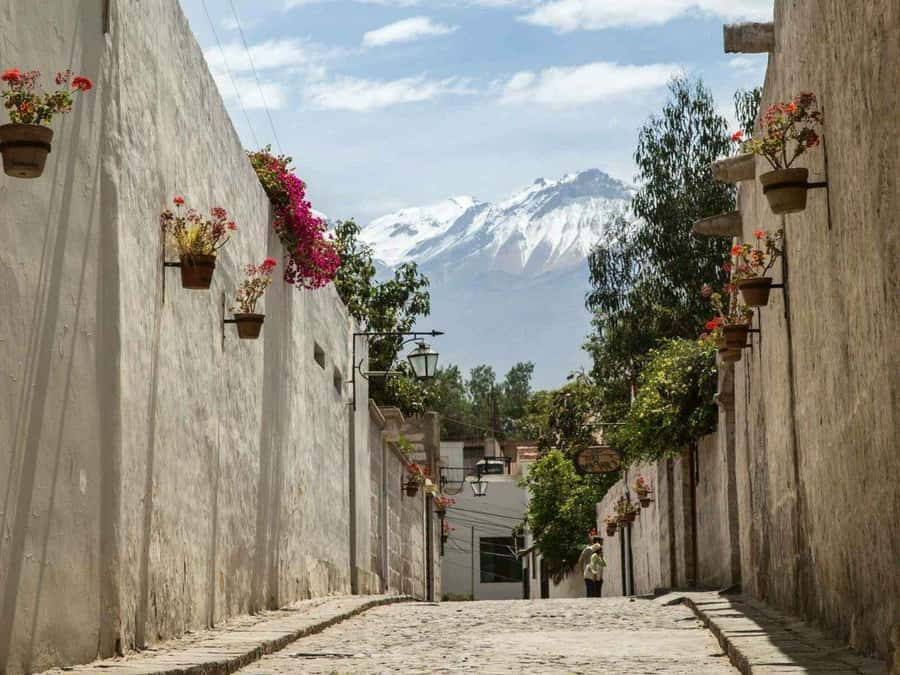
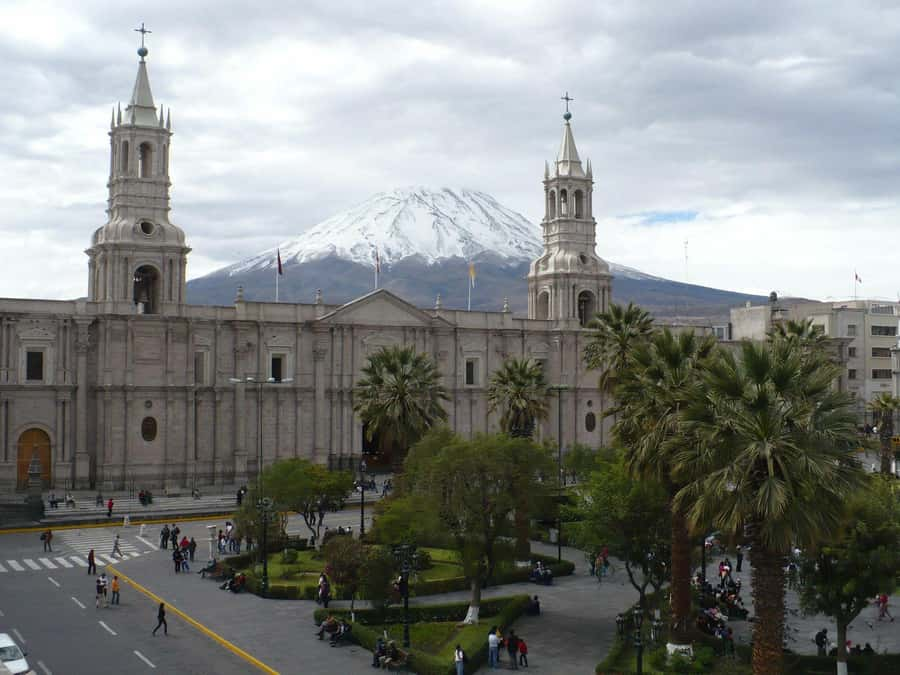
Look closely at the architecture around Plaza de Armas and the surrounding streets. You may notice how the pale stone catches sunlight, how carved details frame entrances, and how the material creates a consistent visual identity across different buildings.
The quarry does not replace a city walking tour. It does something different. A city tour shows you the finished result, while Culebrillas shows you the source and the craft. If you have limited time in Arequipa, combining this outing with independent sightseeing around the central square gives you a fuller picture without needing another long excursion.
The return point at Plaza de Armas is convenient for this reason. You can have lunch, visit another attraction, or simply sit in the square and look again at the white facades with fresh context.
Is four hours enough?
For the stated focus, four hours is a sensible length. The quarry is close to Arequipa, and the schedule includes transport, a guided visit, sightseeing, and a return to the main square. You can fit it into a morning or afternoon rather than surrendering an entire day.
A half-day format is especially useful if you are building a busy Arequipa schedule. You might use the other half of the day for the city center, a museum, or a separate meal stop. The outing also works well if you have already seen the main square and want a different kind of experience.
The short duration does mean the tour has limits. You should not expect an extended study of Arequipa’s colonial buildings, a broad regional excursion, or a leisurely meal at the quarry. Food and drinks are not included, so carry water and plan to eat before or after the tour.
The supplied schedule includes references to Arequipa sightseeing, Quebrada de Culebrillas, and a Plaza de Armas drop-off. It does not provide a minute-by-minute breakdown or a separate meal stop. The experience is best understood as a focused quarry visit with transportation and guiding, not a full sightseeing circuit of every important city landmark.
The value of the $29 price
At $29 per person, this is a reasonable price if you value transport, a guide, and a close look at a local craft. You are paying for more than a ride to a quarry. The cost includes hotel pickup in central Arequipa, an English- or Spanish-speaking guide, the small-group format, and drop-off at Plaza de Armas.
The value is strongest for visitors who would otherwise need to arrange transport and find an explanation on their own. Sillar is easy to photograph but less easy to understand without context. A guide connects the volcanic origin, the 1687 earthquake, the quarry work, and the architecture in one short outing.
The price does not cover food, drinks, or entrance fees. Since no entrance price is supplied, budget a little extra rather than assuming the $29 covers every possible cost. Bring water, wear comfortable shoes, and keep some flexibility in your plans.
A rating of 4 out of 5 from 22 bookings suggests a generally positive but not flawless experience. The strongest praise centers on the interesting quarry setting, clear explanations, patient guiding, and smooth hotel pickup. The shorter comments are less specific, so you should book for the subject itself rather than expecting a highly elaborate production.
Who will enjoy this outing most
I would recommend this tour to you if you like understanding how a city was built, not just photographing its prettiest streets. It is also a good fit if you want a short cultural outing with little travel time and a guide who can answer questions in English or Spanish.
The tour suits:
- First-time visitors who want context for Arequipa’s white architecture
- People with a free morning or afternoon
- Small groups and solo visitors who prefer a guided outing
- Anyone interested in local stonework, carving, or volcanic materials
- Visitors who want central pickup and a central return point
I would be more cautious if your main goal is a long hike, a full architectural tour, or a food-focused experience. The quarry is the reason to book. The city sightseeing supports that theme, but it does not turn the outing into a complete tour of Arequipa.
Comfortable shoes are a practical choice, along with water and clothing suited to outdoor conditions. The information provided does not promise accessibility features, walking distances, or detailed quarry facilities, so ask the operator directly if those points are important to you.
Booking flexibility and practical details
You can cancel up to 24 hours before the activity for a full refund. The reserve-now-and-pay-later option also gives you flexibility while your Peru plans are still changing.
Starting times depend on availability, so check the date before booking. Pickup is included only from accommodation in Arequipa city center, and the tour ends at Plaza de Armas.
The group limit is 15 people. That is not a private tour, but it is small enough to keep the visit more personal than a large coach outing. If you want the best chance to ask about carving methods, the earthquake, or the stone’s volcanic origin, have your questions ready for the quarry stop.
Should you book the Sillar Stone Tour?
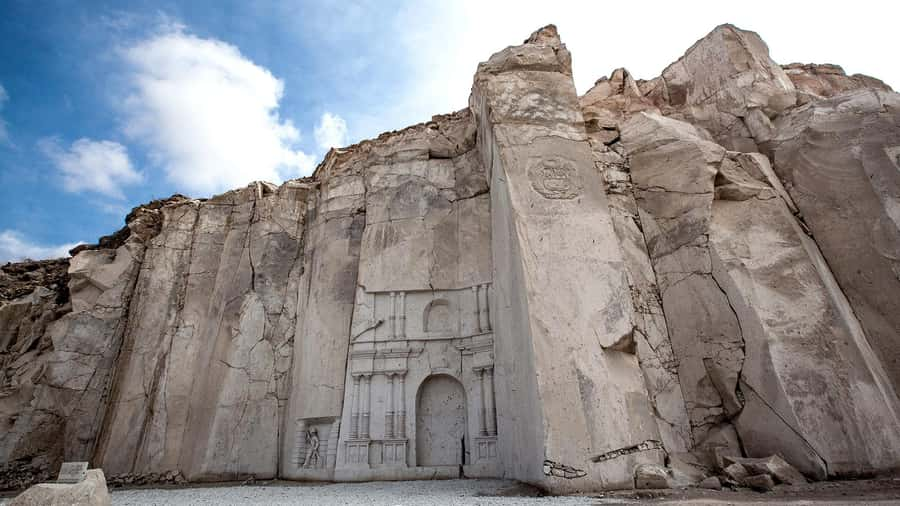
Book it if you want a compact, affordable outing that explains the material behind Arequipa’s famous white architecture. The Culebrillas quarry, canyon-like formations, stonecutting, and carved examples give the city’s buildings a clear human and geological story.
Skip it if you want a full-day adventure, extensive hiking, or a meal included. For most visitors with a free half-day, though, the $29 cost and central pickup make this a practical addition to an Arequipa itinerary. I would pair it with independent time around Plaza de Armas, where you can see the finished sillar work after learning how it begins.
FAQ
How long does the Sillar Stone Tour from Arequipa last?
The activity lasts four hours, including transportation, guided sightseeing, the visit to Quebrada de Culebrillas, and drop-off at Plaza de Armas.
Where does the tour pick up?
Pickup is included from accommodation in Arequipa city center. The stated pickup location is Arequipa.
Where does the tour finish?
The tour finishes with drop-off at Plaza de Armas in Arequipa.
What language is the guide?
The live guide is available in English or Spanish.
What is included in the price?
The price includes hotel pickup from central Arequipa accommodation, a guide, and drop-off at the main square.
What should I bring?
Bring comfortable shoes, water, and comfortable clothing. Food and drinks are not included.
Just added around Arequipa
- Walking tour through the Historic Center of Arequipa★ 4.0 · 3 reviews
- Trek to the Route of the Sillar and Culebrillas in Arequipa★ 4.0 · 9 reviews
- Arequipa, Historic and Colonial City and Santa Catalina Monastery★ 4.5 · 42 reviews
- 8-Hours Tour in Arequipa Laguna de Salinas with Pick-up★ 4.5 · 56 reviews
- Tour to the Sillar Route from Arequipa | Half Day★ 4.2 · 4 reviews
- Tour + Hike to the Sillar Route and Culebrillas in Arequipa★ 4.1 · 5 reviews
- Arequipa: The White City Origins – Sillar Route Half Day★ 5.0 · 4 reviews
- Rock Climbing in Arequipa, Perú★ 5.0 · 28 reviews
Sillar Route Tours, compared.
Sillar Route in Arequipa and viewpoint of the Volcanoes
Read our review →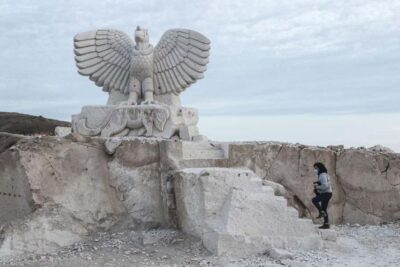
4 hours Tour: Route of Sillar with Trek in Culebrillas
Read our review →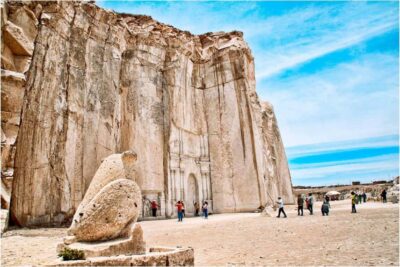
Route of the Sillar | Quarries of Añashuaycos | Half day
Read our review →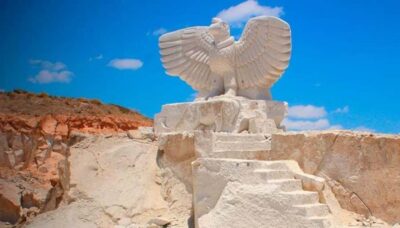
4-hour excursion: Sillar Route with Hiking in Culebrillas
Read our review →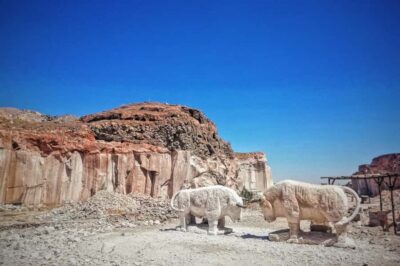
Trek to the Route of the Sillar and Culebrillas in Arequipa
Read our review →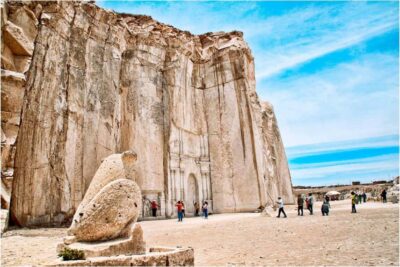
Arequipa | Tour of the Sillar Route + Culebrillas Canyon
Read our review →Browse the lists this tour appears in