
Reviewed · SILLAR ROUTE TOURS
Tour to the Sillar Route from Arequipa | Half Day
Arequipa’s white buildings begin to make sense when you see where their stone comes from. This five-hour trip to the Sillar Route takes you from city streets to Añashuayco Quarry, where local artisans cut and shape the pale volcanic rock used across Arequipa. I like the direct link between the city and its building material, and I like that the route includes both working quarry scenes and the narrow Culebrillas Canyon. The main drawback is time: the schedule is tight, and one booking reported that the guide spoke too softly and allowed too little time to explore independently.
I also like the opening viewpoint, where you can see the volcanoes around Arequipa before reaching the quarries. The route has been recognized as Intangible Cultural Heritage of the Nation, which gives the visit added cultural weight. Bring sunscreen, your passport or ID, and a little patience if your group wants a slower look at the stonework.
Key points at a glance
- Watch sillar artisans at Añashuayco Quarry: See how the white volcanic stone is cut and shaped by hand.
- Walk inside Culebrillas Canyon: Follow a roughly 20-minute route between walls reaching up to 20 metres high.
- Connect Arequipa with its famous white buildings: The quarry explains why the city is called the White City.
- See undeciphered petroglyphs: The final stop features carved figures whose meaning remains unknown.
- Plan for a $35 total base cost: The tour is $25, with another $5 for the Sillar Route and $5 for Culebrillas Canyon.
- Use the early return to your advantage: Pickup begins at 8:50 a.m., and you should be back in Arequipa around 1 p.m.
Why the Sillar Route explains Arequipa
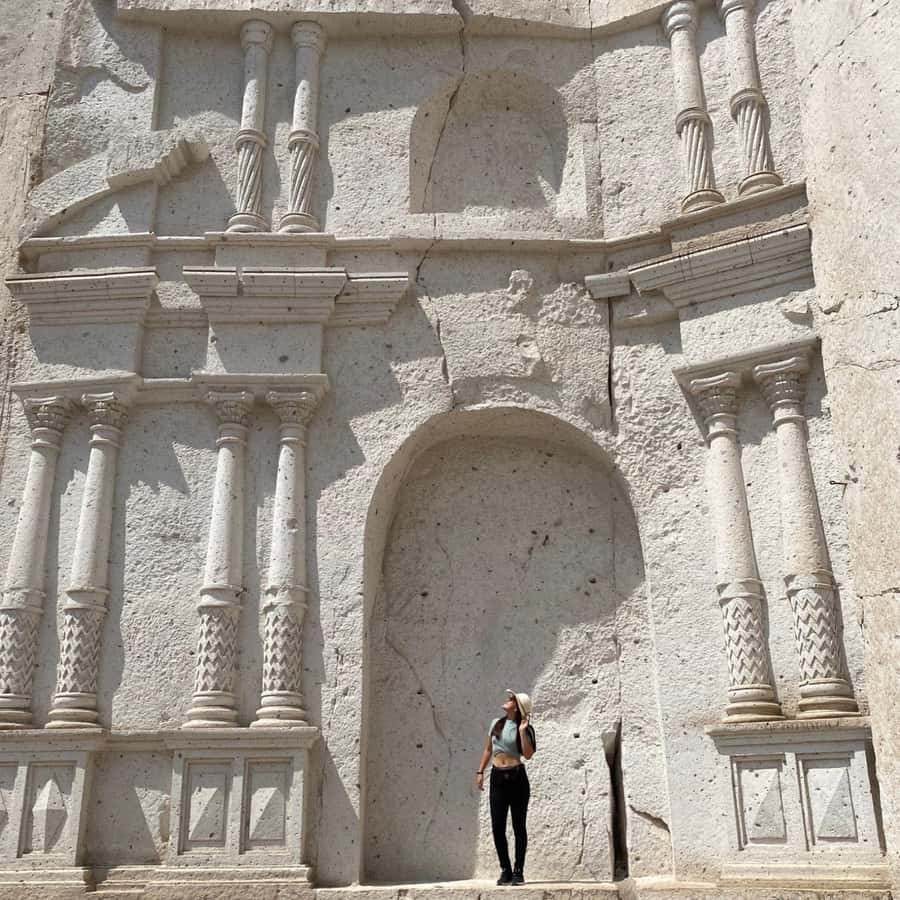
Arequipa is famous for its white colonial buildings, but the nickname can feel abstract when you only see polished facades and city churches. The Sillar Route supplies the missing piece. You get to see the stone in its natural setting, watch it being worked, and then understand how it became part of Arequipa’s identity.
Sillar is the pale stone used in much of the city’s traditional construction. The quarry visit turns a sightseeing detail into something physical. You can watch local workers deal with the material rather than simply hear a guide describe it from a plaza.
That connection is the strongest reason to take this outing. You are not just visiting a scenic canyon. You are seeing part of the craft that shaped Arequipa’s built character and earned recognition as Intangible Cultural Heritage of the Nation.
The route also gives you a change of pace from the city. The tour starts with a viewpoint over the volcanoes, then moves into the quarry area and finally into the canyon. The sequence works well because it begins with a broad view and ends with close-up details in stone.
More Sillar Route half-days in Arequipa:
- From Arequipa: Sillar Route Trek
★ 4.2 · 461 reviews - Sillar Route and Culebrillas Petroglyphs
★ 4.5 · 89 reviews - Sillar Route in Arequipa and viewpoint of the Volcanoes
★ 4.0 · 71 reviews
The 8:50 a.m. pickup and first viewpoint
Pickup from your accommodation in Arequipa is scheduled for 8:50 a.m. Transport is by bus or minibus, with a live guide speaking English or Spanish. Since the outing lasts about five hours, the morning timing leaves most of the afternoon open.
The first stop is a viewpoint facing the volcanoes around Arequipa. This is a useful start rather than a filler stop. It gives you a sense of the setting before you reach the quarries, and it lets you see how the city sits among major volcanic peaks.
The supplied information does not name the volcanoes or provide a guaranteed length of time at the viewpoint, so do not plan around a long photo session. Still, have your camera ready early. The route moves on toward Añashuayco Quarry, and the viewpoint helps frame the rest of the day.
The early departure also makes sense in practical terms. You will be walking later, and the canyon portion is easier to approach while the excursion is still in its morning schedule. Bring water if you need it, though water is not listed among the included services.
Añashuayco Quarry and the work behind the White City
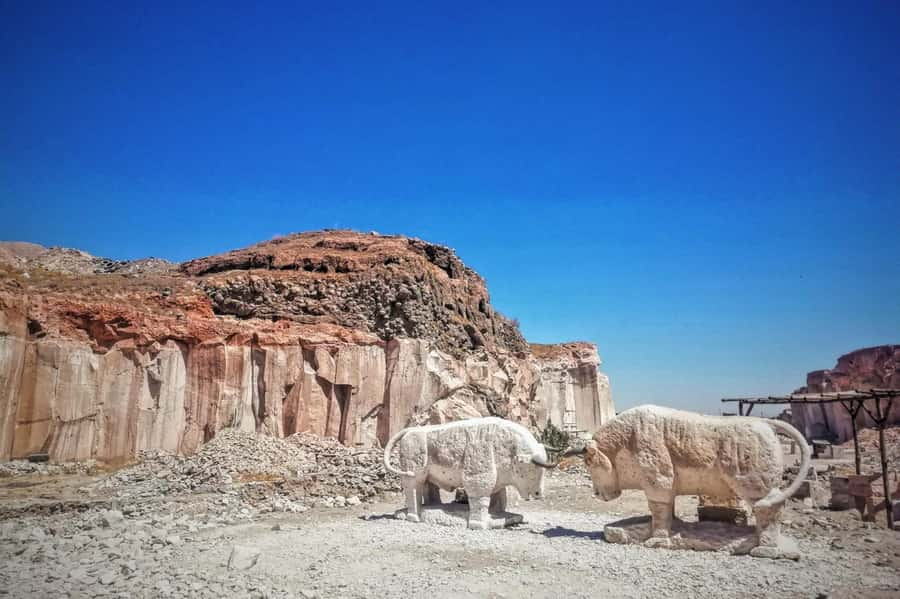
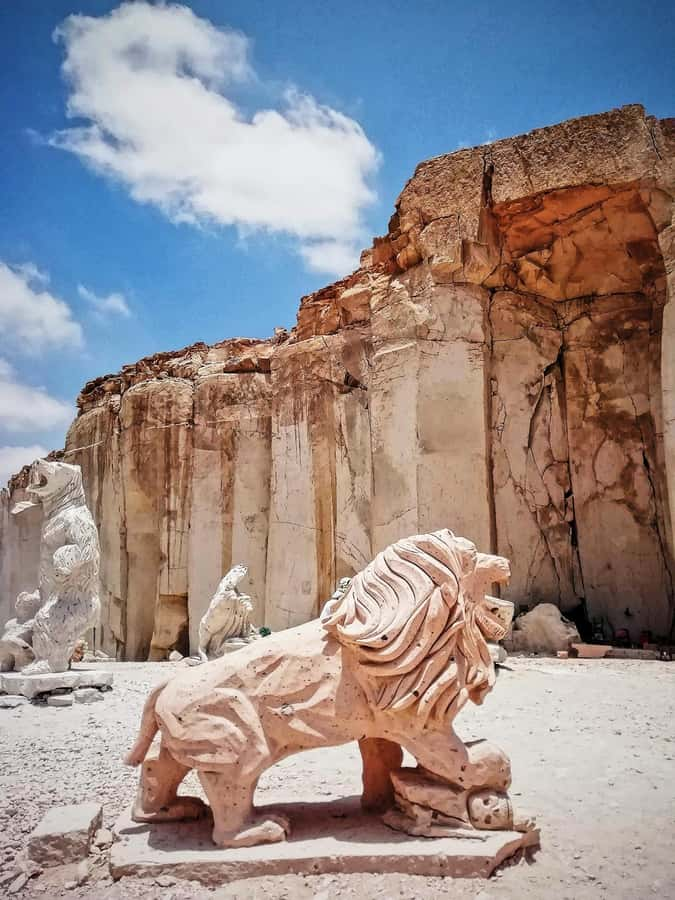
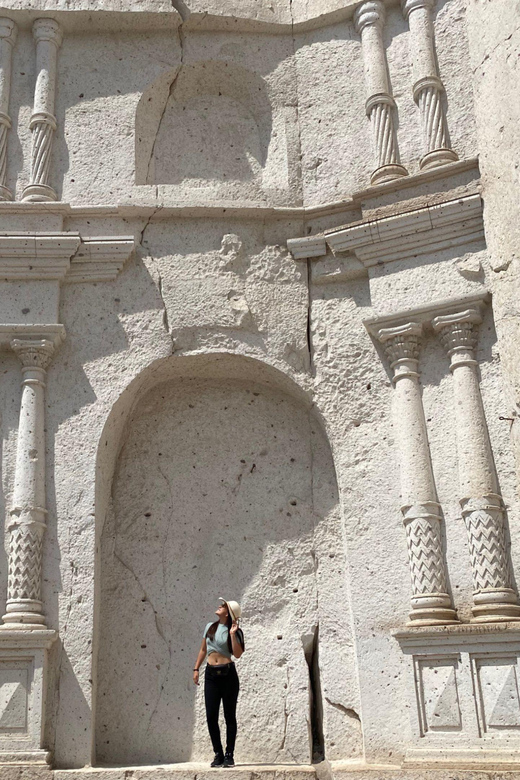
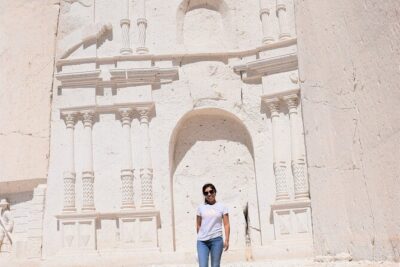
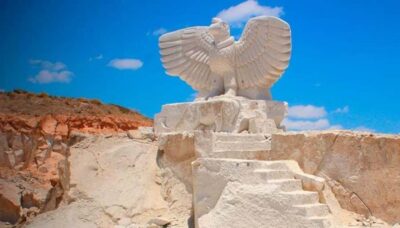
Añashuayco Quarry is the heart of the experience. Here, you can observe local artisans working the sillar and learn how the stone is carved. This is the stop that gives the tour its cultural purpose.
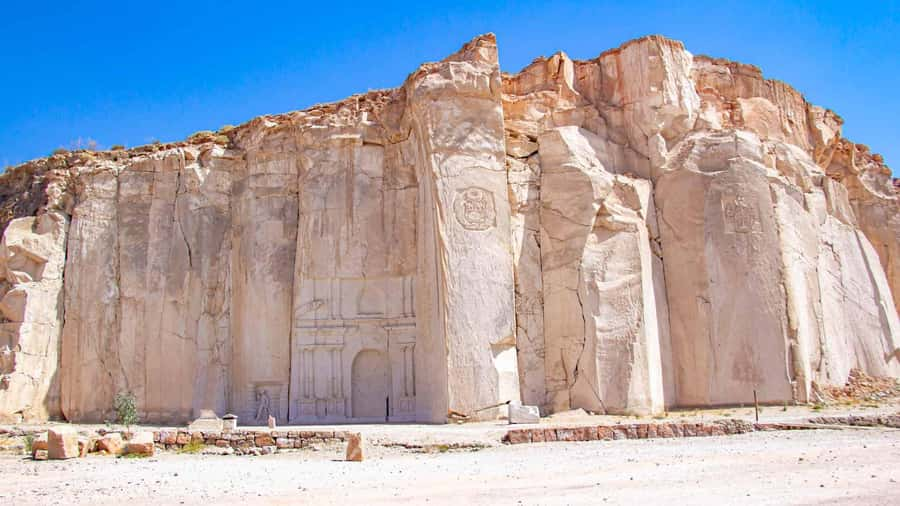
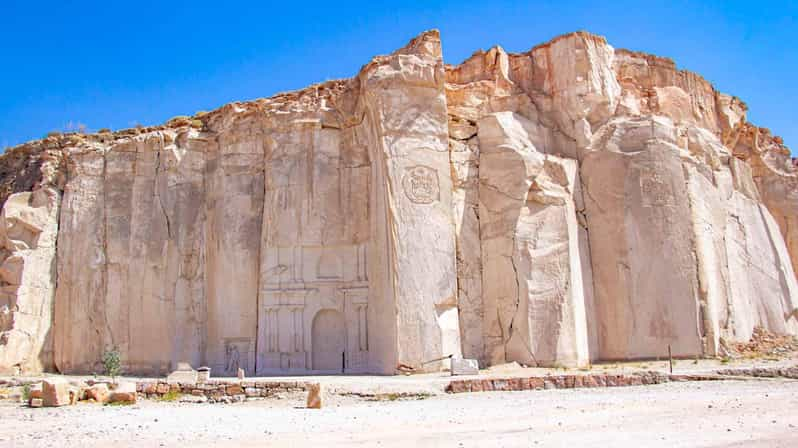
The quarry is not only a place to look at stone. Its walls show the scale of the work. Quarrying has formed a canyon of pale cliffs, so you see both the material and the space created by taking it from the earth.
I would pay close attention to the carving process. The value here comes from watching skilled work in progress, not from rushing through the area for a few photographs. Ask your guide to explain how the stone is cut and shaped if the group moves quickly.
This is also where the guide matters most. One booking praised the tour because everything was explained clearly in English. Another had a very different experience because the guide spoke too quietly, even after being asked to speak louder. That is a useful warning: stay near the guide, ask for repetition when needed, and do not be shy about requesting a louder explanation.
The supplied details do not identify individual guides, so you cannot choose a particular guide in advance. The service is offered in English and Spanish, but the quality of the experience will depend partly on how clearly the information is delivered on the day.
Culebrillas Canyon and its 20-minute walk
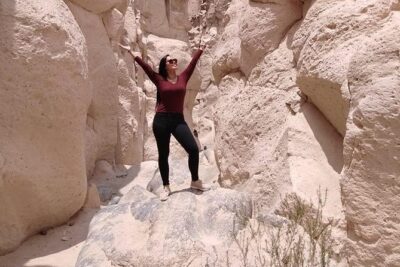
After Añashuayco, the vehicle travels for about 30 minutes to Quebrada de Culebrillas. This second site changes the mood of the outing. Instead of watching quarry work in an open cutting area, you enter a narrow canyon with walls reaching up to 20 metres high.
The walk through the canyon lasts about 20 minutes. That is short enough for many people who want an easy cultural outing rather than a full-day hike, but you should still wear sensible shoes. The path takes you inside the canyon, so the main attraction is the feeling of moving between the high stone walls.
Do not expect a long walking route. The value is in the canyon’s form and the brief chance to look closely at its walls. If you prefer time to wander, photograph details, or pause in quiet places, the fixed schedule may feel rushed.
One booking specifically found that too little time was allowed for personal exploration along the Sillar Route. I would treat that as the key caution for this tour. The itinerary covers several locations in one morning, so the guide may keep the group moving to reach the return time.
The canyon visit is also where the packing advice matters. Biodegradable sunscreen is recommended, along with personal medication. One booking noted that information about mosquito protection for the canyon was not made clear, so you may wish to consider that advice before leaving, while remembering that the tour does not provide travel insurance or personal supplies.
A few more Arequipa days worth weighing up
- Route of the Sillar | Quarries of Añashuaycos | Half day
★ 4.2 · 35 reviews - From Arequipa: Sillar Route Excursion | Half Day |
★ 4.0 · 5 reviews - Arequipa: The White City Origins – Sillar Route Half Day
★ 5.0 · 4 reviews - Arequipa: Half Day Sillar Route and Culebrillas Canyon + Yanahuara Viewpoint
★ 3.8 · 4 reviews
Petroglyphs with an unanswered story
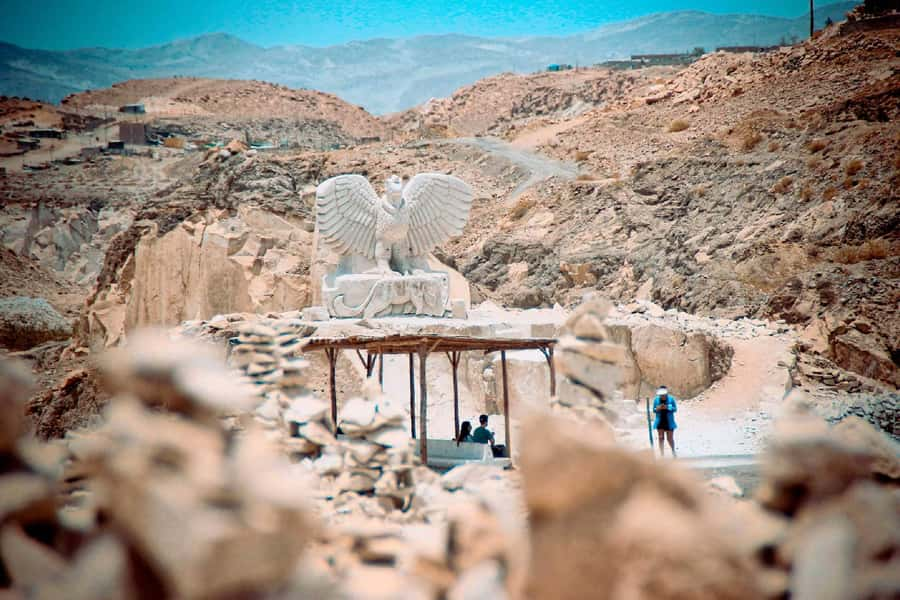
The final stop is the canyon’s petroglyphs. These are figures carved into the stone, and their meaning has not been deciphered. That uncertainty gives the site a quiet appeal. You are looking at marks whose full story is still unknown, rather than a display with every answer printed beside it.
Your guide can place the carvings within the route, but the supplied information does not specify their age, exact subjects, or the number of figures. Keep that limit in mind. The attraction is the chance to see them in the canyon, not a guaranteed archaeological explanation covering every detail.
This stop rewards careful looking. The carvings may not be as immediately dramatic as the tall canyon walls, but they add another layer to the visit. You move from modern stone workers at Añashuayco to older marks left on the rock at Culebrillas.
Because the walk is only about 20 minutes and the schedule is shared with the rest of the group, take the chance to focus when the guide points out the petroglyphs. A pen is included on the recommended packing list, perhaps useful for taking notes, but you should not mark the stone or handle the carved surfaces.
Is the $25 price good value?
The advertised price is $25 per person. You must add $5 for entry to the Sillar Route and another $5 for Culebrillas Canyon, bringing the listed base cost to $35 per person before any extra spending or travel insurance.
That is a fair price if you want transport from your accommodation, a bilingual guide, and several connected sites in a single morning. The quarry, viewpoint, canyon, and petroglyphs would be awkward to combine without organized transport, especially with only five hours available.
The value is strongest for first-time visitors who want an introduction to Arequipa’s white stone and nearby cultural sites. You get a clear theme rather than a random collection of stops. The extra entrance fees are not hidden in the advertised price, but you should include them when comparing this outing with other options.
The tour is less appealing if you want a long, unhurried visit at the quarry. The schedule includes travel between sites and a set return to Arequipa at around 1 p.m. You are paying for convenience and coverage, not for a full day of independent study.
Additional costs are not specified. Travel insurance is not included, and personal expenses are your responsibility. Reserve now and pay later is available, and cancellation is free up to 24 hours before the activity for a full refund, which helps if your Arequipa plans are still shifting.
Who should book this half-day outing?
I would recommend this route to you if you want to understand Arequipa through its materials and local craft. It suits anyone who enjoys a mix of scenery, cultural explanation, a short walk, and unusual details such as undeciphered petroglyphs.
It is also a good fit if you have only one morning free. The 8:50 a.m. pickup and return around 1 p.m. leave the rest of the day available. You can fit it around other plans without giving up a full day.
Families and visitors who do not want a long hike may appreciate the limited walking time. The Culebrillas section lasts about 20 minutes, while the quarry visit adds interest without requiring a major trek.
You may want a different format if you need lots of time alone at each stop or if you depend on a very detailed spoken explanation. The clearest practical concern is the uneven guide experience. Stay close to the guide and ask for louder or repeated explanations when necessary.
Bring your passport or ID card, biodegradable sunscreen, personal medication, and a pen. The information does not list a required clothing standard, so focus on practical comfort for the quarry and canyon walk.
Should you book the Sillar Route?
Book it if the idea of seeing the stone behind Arequipa’s White City appeals to you. The combination of working artisans, pale quarry cliffs, a 20-minute canyon walk, and mysterious petroglyphs gives this short excursion a clear purpose.
At $35 including the two listed entrance fees, it offers solid value for a five-hour morning with transport and a bilingual guide. Just keep your expectations in line with the schedule. You will see several places, but you may not get long independent time at each one.
The best reason to choose this tour is its direct cultural link to Arequipa. The main reason to hesitate is the reported lack of speaking volume and limited time for self-guided exploration. If you can accept a brisk group pace and take an active role in asking questions, this is a useful and distinctive addition to an Arequipa visit.
FAQ
How long does the Sillar Route tour last?
The tour lasts five hours. Pickup begins at 8:50 a.m., and the group is expected to return to Arequipa around 1 p.m.
How much does the tour cost?
The tour price is $25 per person. You must also pay $5 to enter the Sillar Route and $5 to enter Culebrillas Canyon, making the listed base total $35 per person.
Are entrance fees included?
No. The Sillar Route entrance fee and Culebrillas Canyon entrance fee are separate charges of $5 each.
Is hotel pickup included?
Yes. Pickup from your accommodation in Arequipa is included.
What languages does the guide speak?
The live guide service is available in English and Spanish.
What transport is used?
Transport is provided by bus or minibus.
What will I see at Añashuayco Quarry?
You will see local artisans working and carving sillar stone. You can also view the canyon-like cliffs formed by quarrying.
How long is the walk at Culebrillas Canyon?
The walk through the canyon takes approximately 20 minutes. The canyon walls reach up to 20 metres high.
Can I cancel the booking?
Yes. You can cancel up to 24 hours in advance for a full refund. Reserve now and pay later is also available.
Just added around Arequipa
- Walking tour through the Historic Center of Arequipa★ 4.0 · 3 reviews
- Trek to the Route of the Sillar and Culebrillas in Arequipa★ 4.0 · 9 reviews
- Arequipa, Historic and Colonial City and Santa Catalina Monastery★ 4.5 · 42 reviews
- 8-Hours Tour in Arequipa Laguna de Salinas with Pick-up★ 4.5 · 56 reviews
- Tour + Hike to the Sillar Route and Culebrillas in Arequipa★ 4.1 · 5 reviews
- Arequipa: The White City Origins – Sillar Route Half Day★ 5.0 · 4 reviews
- Sillar Stone Tour from Arequipa★ 4.0 · 22 reviews
- Rock Climbing in Arequipa, Perú★ 5.0 · 28 reviews
Sillar Route Tours, compared.
Sillar Route in Arequipa and viewpoint of the Volcanoes
Read our review →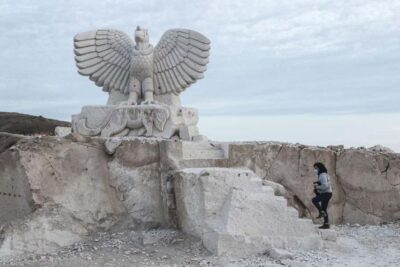
4 hours Tour: Route of Sillar with Trek in Culebrillas
Read our review →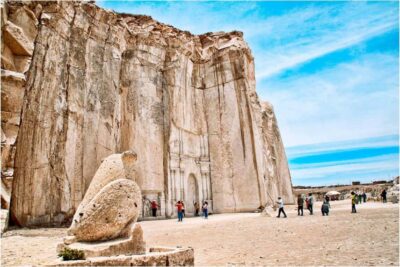
Route of the Sillar | Quarries of Añashuaycos | Half day
Read our review →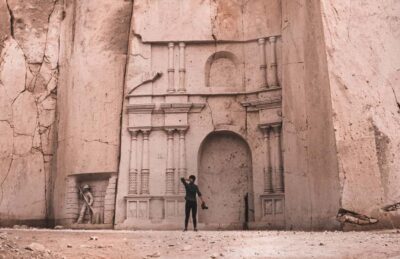
4-hour excursion: Sillar Route with Hiking in Culebrillas
Read our review →
Trek to the Route of the Sillar and Culebrillas in Arequipa
Read our review →Browse the lists this tour appears in