
Reviewed · SILLAR ROUTE TOURS
From Arequipa: Sillar Route Excursion | Half Day |
Arequipa’s famous white buildings begin in the desert outside town, where workers cut pale volcanic stone by hand. This Sillar Route excursion takes you to the quarries and canyon that explain why the city is called the White City. I like the direct link between what you see in Arequipa and the work happening outside it, and I like that the tour adds a short canyon walk and petroglyphs instead of stopping at a single quarry.
I also like the modest price and hotel pickup near the main square. The main caution is timing: the tour is advertised as 390 minutes, but the given schedule runs from 8:50 a.m. until about 1 p.m., so confirm the exact departure and return time. Bring cash for the US$10 in entrance fees, and pack mosquito repellent, since it may be needed at Culebrillas.
Key points to know before you go
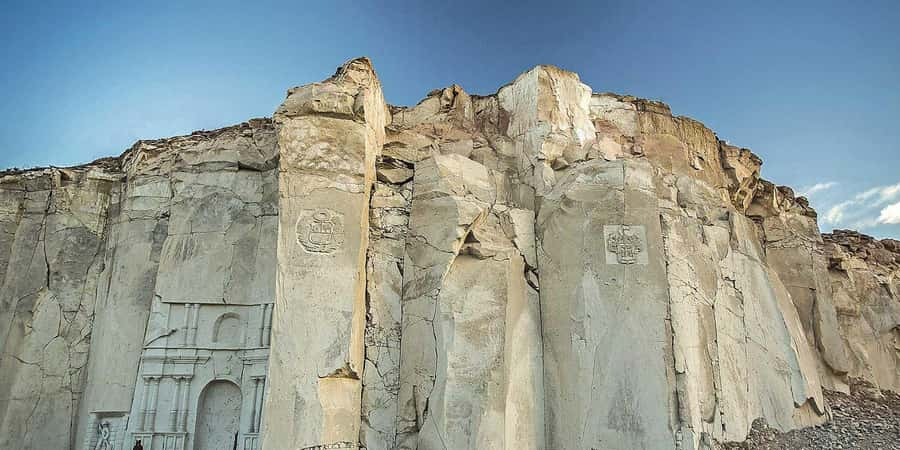
- See the source of Arequipa’s white stone: Añashuayco Quarry shows how local masons cut and shape sillar.
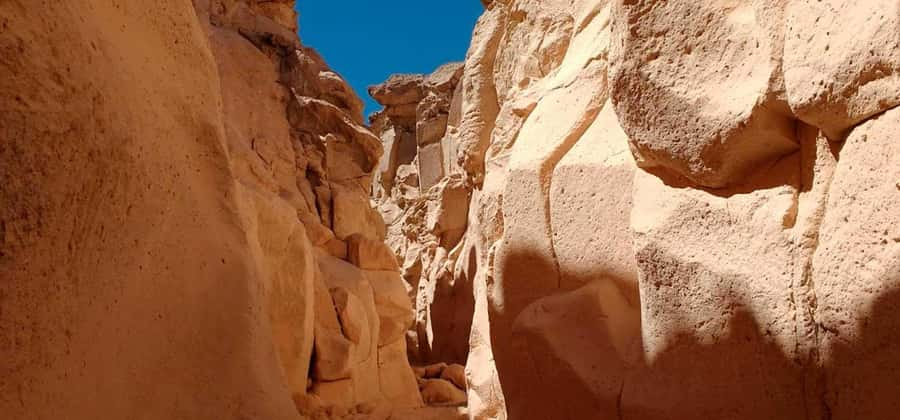
- Walk into Culebrillas Canyon: A roughly 20-minute walk takes you between walls reaching up to 20 meters high.
- Look for ancient rock carvings: Petroglyphs are the final stop, though their meaning remains unknown.
- Use the bilingual guide option: English and Spanish tours are available, and guide Tony has been praised for explaining clearly in both languages.
- Budget at least US$35: The US$25 tour price does not include the US$5 quarry entrance or US$5 Culebrillas entrance.
- Pack for a dry, exposed outing: Take water, sun protection, cash, ID, medication, a camera, and mosquito repellent.
Why the Sillar Route matters in Arequipa
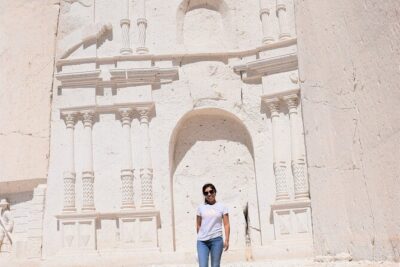
Sillar is more than a pale building material. It is the stone that gives Arequipa its bright appearance, especially around the historic center. On this outing, you get to see the material at its source and watch the early stages of the process that turns volcanic rock into blocks, walls, arches, and carved decoration.
The work has been declared Intangible Cultural Heritage of the Nation. That matters because the value is not only in the stone itself. The craft depends on local skills passed from worker to worker, along with the methods used to cut, shape, and finish the blocks.
I find this kind of visit more useful than simply photographing white colonial façades in town. You see the labor behind the architecture. You also get a clearer sense of why Arequipa’s appearance is tied to its surroundings, rather than being just a design choice made by old builders.
The route combines industry, geology, scenery, and archaeology. None of these stops requires a full day, but together they make a good short trip outside the city.
More Sillar Route half-days in Arequipa:
- From Arequipa: Sillar Route Trek
★ 4.2 · 461 reviews - Sillar Route and Culebrillas Petroglyphs
★ 4.5 · 89 reviews - Sillar Route in Arequipa and viewpoint of the Volcanoes
★ 4.0 · 71 reviews
The morning pickup and volcano viewpoint
Pickup is offered from your hotel if it is near Arequipa’s main square. The stated departure time is 8:50 a.m., so you should enter your hotel name accurately when booking and make sure the operator has a way to reach you. After booking, you are asked to contact the emergency number, which is worth doing before the morning of the trip.
The vehicle takes you toward the Sillar Route, described as one of Peru’s historic roads. Before reaching the quarry, the group stops at a viewpoint for views of the volcanoes around Arequipa. The exact volcanoes are not named in the tour details, so treat this as a scenic orientation stop rather than a promised close-up of one particular peak.
This first pause gives you a useful frame for the rest of the trip. The pale stone, dry surroundings, and volcanic setting are connected. Take your camera out here, but keep in mind that conditions can affect visibility. The tour includes transport, but it does not specify the vehicle type or group size.
Añashuayco Quarry and the work behind the White City
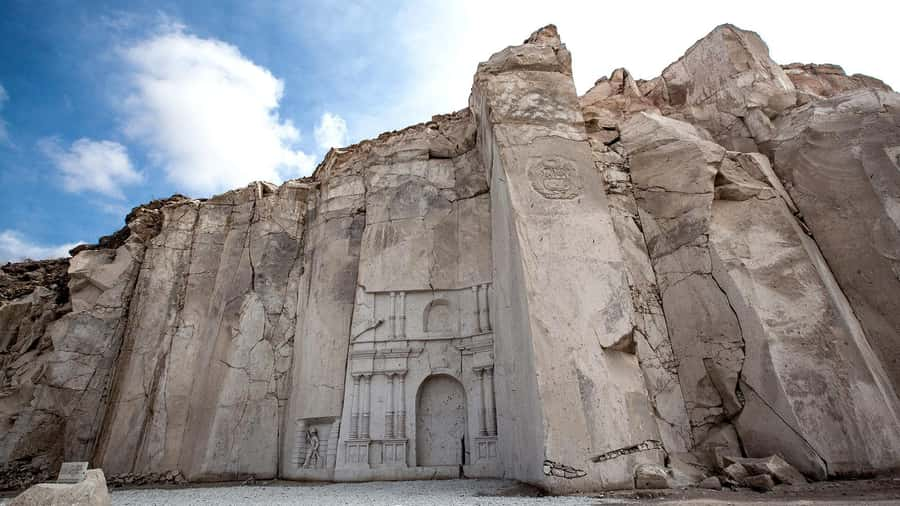
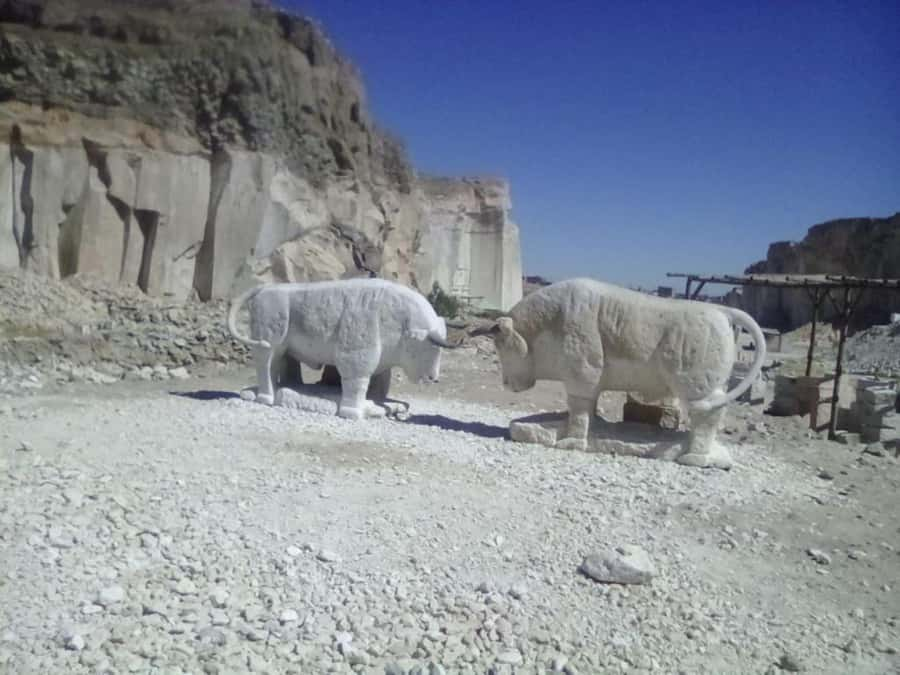
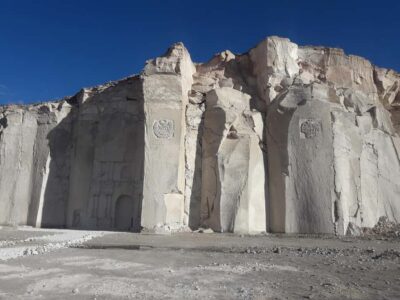
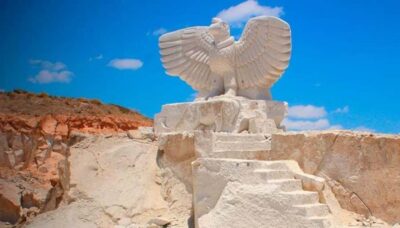
The first major stop is Añashuayco Quarry. Here, local masons demonstrate how sillar is worked and explain the carving process. This is the most important stop for understanding Arequipa’s architecture because you are seeing the stone before it becomes part of a building.
Expect a working quarry rather than a polished museum. The appeal comes from watching the material being cut and shaped in its original setting. Your guide should connect the tools and techniques with the white stone buildings you have seen in town.
The quarry also offers a striking view of an immense cliff canyon formed by the extraction of sillar. This is where the human activity becomes visible on a much larger scale. The walls show how years of removing stone have changed the shape of the site.
I would give this stop your full attention even if you are mainly interested in photography. Pictures of the pale cliff, carved blocks, and workers can be memorable, but the explanation is what turns the quarry from a photo stop into a lesson about local craft.
You should also expect sun and exposed conditions. The supplied information does not specify shade, water service, or restroom facilities, so bring your own water and plan for a basic outdoor visit. Comfortable walking shoes are sensible, even though the stated walking time is short.
Culebrillas Canyon and its 20-meter walls
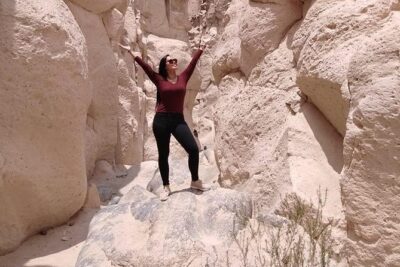
After leaving Añashuayco, the trip continues for about 30 minutes to the Quebrada de Culebrillas. This is a water-cut canyon with walls reaching up to 20 meters high. The route enters the canyon for a walk of roughly 20 minutes.
The canyon changes the pace. At the quarry, the focus is on people and stonework. At Culebrillas, the setting becomes quieter and more enclosed, with the walls providing the main visual drama. The walk is short, but it is still an active part of the tour, not simply a roadside viewpoint.
I like this balance. You get a clear cultural reason for visiting the area, then a bit of adventure without committing to a long trek. If you want a demanding hike, this will not be enough. If you want to stretch your legs and see a different side of the route, 20 minutes is just enough to make the stop feel worthwhile.
The entry fee for Culebrillas is separate and costs US$5 per person. Add that to the US$5 entrance fee for the Ruta del Sillar, and the advertised US$25 price becomes at least US$35 before personal purchases or other extras.
Bring cash. The tour specifically lists cash among the items to carry, and the entrance charges are not included in the booking price. The details do not state the trail surface or difficulty, so you should be ready for an outdoor canyon walk rather than assuming a fully paved path.
A few more Arequipa days worth weighing up
- Route of the Sillar | Quarries of Añashuaycos | Half day
★ 4.2 · 35 reviews - Tour to the Sillar Route from Arequipa | Half Day
★ 4.2 · 4 reviews - Arequipa: The White City Origins – Sillar Route Half Day
★ 5.0 · 4 reviews - Arequipa: Half Day Sillar Route and Culebrillas Canyon + Yanahuara Viewpoint
★ 3.8 · 4 reviews
Petroglyphs at the final stop
The last stop on the route is the canyon’s petroglyphs. These are figures carved into stone, and their meaning is not known. That uncertainty is part of the interest, but it also means you should not expect a detailed interpretation that explains every figure with confidence.
Your guide can point out the carvings and place them within the wider setting. Look closely, since rock markings can be easy to miss when you are also taking in the canyon walls. A camera with a zoom function may help, though the tour only promises the chance to see the petroglyphs, not a particular number or style.
This stop adds an archaeological note to a trip otherwise centered on quarrying and geology. It also reminds you that the area’s story did not begin with modern stone extraction. The available information does not provide dates or identify the people who made the carvings, so keep your expectations measured.
Guides, language, and the human side of the trip
The tour is offered in English and Spanish. That is important in Arequipa, where a bilingual guide can make the difference between seeing a quarry and understanding it.
One guide named Tony has been singled out for his humor and clear explanations in both languages. His ability to switch between English and Spanish was especially useful for a mixed group. The information does not guarantee that Tony will lead every departure, so consider him an example of the guiding style you may receive rather than a confirmed assignment.
The guide is also your main link to the living craft. The quarry itself is impressive, but without context you may not understand how the workers shape the stone or why the trade matters to Arequipa. Ask questions about the carving process, the quarry walls, and the use of sillar in the city.
A good guide should also help the group manage the short stops. One benefit of this excursion is that the schedule gives you enough time at each location without turning the outing into an all-day commitment. Still, the exact timing can vary, so check your pickup instructions carefully.
Is the US$25 price a good value?
At US$25 per person, the tour is inexpensive for a guided outing with hotel pickup, transport, and a professional guide. The value becomes stronger if you want to see the quarry and canyon but do not want to arrange transport yourself.
The advertised price is not the final minimum cost. Add US$5 for the Ruta del Sillar entrance and US$5 for Culebrillas, bringing the basic total to US$35 per person. You will also need money for any snacks, drinks, or other personal purchases.
For that total, you receive several different elements: a volcano viewpoint, the Añashuayco Quarry, the Culebrillas Canyon walk, and the petroglyphs. You also get an explanation of sillar production and access to places that are not part of a standard stroll around Arequipa’s center.
The main tradeoff is depth. This is a half-day style excursion, not a full cultural workshop. You will see the work and hear about it, but the details do not indicate that you will carve stone yourself or take part in a hands-on class.
Timing, preparation, and small practical warnings
The itinerary says pickup is at 8:50 a.m. and return to Arequipa is around 1 p.m. The activity is also listed as lasting 390 minutes, which is longer than that stated schedule. Ask the operator to confirm the true duration before you commit it to a lunch reservation, bus departure, or afternoon activity.
Reserve at least one day ahead. After booking, contact the emergency number as requested, and provide the name of your hotel. Pickup applies to hotels near the main square, so you should not assume that every address in Arequipa is included.
Pack the following:
- Passport or national ID
- Cash for both entrance fees
- Camera
- Personal medication
- Water and sun protection
- Comfortable shoes for the canyon walk
- Mosquito repellent
Mosquito repellent deserves special attention. It is not included in the listed packing advice, but it may be useful at Culebrillas. One visitor had to buy it locally at a high price because mosquitoes were present. I would bring a small bottle rather than depend on an on-site purchase.
Weapons, sharp objects, alcohol, and drugs are not allowed. The tour does not provide detailed accessibility information, so ask before booking if a canyon walk or uneven outdoor ground could be a concern for you.
Free cancellation is available up to 24 hours before the activity for a full refund. You can also reserve and pay later, which helps if your Arequipa plans may change.
Who will enjoy this excursion most?
I would recommend the Sillar Route to you if you want a short outing with a clear connection to Arequipa’s architecture. It is especially useful early in a stay, since the quarry visit gives you context for the white stone buildings you will see afterward in the city.
It also suits photographers who want pale quarry walls, a canyon walk, volcano views, and carved rock in one outing. Bring a camera, but leave room for the guide’s explanation. The pictures will mean more when you know what you are looking at.
The tour fits visitors who prefer moderate activity rather than a long hike. The Culebrillas walk lasts about 20 minutes, and the stated program gives you just enough time at each site. You should be comfortable with an outdoor route and changing ground conditions.
I would think twice if you want a slow, highly detailed archaeological visit or a full-day cultural program. The petroglyphs are not explained with known meanings, and the tour is designed to cover several sites in one morning. It works best as a focused introduction.
Should you book the Sillar Route?
Book it if you want to understand the source of Arequipa’s white stone, meet the idea of local quarry work, and add a short canyon walk without spending a full day away from the city. The combination of Añashuayco Quarry and Culebrillas is the main reason to choose it over a simple city tour.
Plan for a real cost of at least US$35, carry cash and repellent, and confirm the schedule because the listed duration and return time do not match perfectly. With those details handled, this is a practical, fairly priced way to see the craft and setting behind the White City.
FAQ
Where does pickup take place?
Pickup is from your hotel if it is near Arequipa’s main square. You must provide the name of your hotel when booking.
What time does the tour start?
The stated pickup time is 8:50 a.m. You should confirm the exact starting time when checking availability.
What time does the excursion return to Arequipa?
The provided schedule says the group returns around 1:00 p.m. The activity is also listed as lasting 390 minutes, so confirm the final timing before booking other plans.
How much does the excursion cost?
The advertised price is US$25 per person. Two separate entrance fees cost US$5 each, one for the Ruta del Sillar and one for Culebrillas.
What is included in the price?
The price includes hotel pickup, tourist transport, and a professional guide.
What languages are available?
The tour is available in English and Spanish. Guide Tony has led tours in both languages, but a specific guide is not guaranteed.
How long is the walk in Culebrillas Canyon?
The walk inside the canyon lasts about 20 minutes. The canyon walls reach up to 20 meters high.
What should I bring?
Bring your passport or ID card, camera, cash, and personal medication. Mosquito repellent is also a sensible addition because mosquitoes may be present.
Can I cancel the tour?
You can cancel up to 24 hours in advance for a full refund. The reserve now and pay later option lets you hold a place without paying immediately.
Just added around Arequipa
- Walking tour through the Historic Center of Arequipa★ 4.0 · 3 reviews
- Trek to the Route of the Sillar and Culebrillas in Arequipa★ 4.0 · 9 reviews
- Arequipa, Historic and Colonial City and Santa Catalina Monastery★ 4.5 · 42 reviews
- 8-Hours Tour in Arequipa Laguna de Salinas with Pick-up★ 4.5 · 56 reviews
- Tour to the Sillar Route from Arequipa | Half Day★ 4.2 · 4 reviews
- Tour + Hike to the Sillar Route and Culebrillas in Arequipa★ 4.1 · 5 reviews
- Arequipa: The White City Origins – Sillar Route Half Day★ 5.0 · 4 reviews
- Sillar Stone Tour from Arequipa★ 4.0 · 22 reviews
Sillar Route Tours, compared.
Sillar Route in Arequipa and viewpoint of the Volcanoes
Read our review →
4 hours Tour: Route of Sillar with Trek in Culebrillas
Read our review →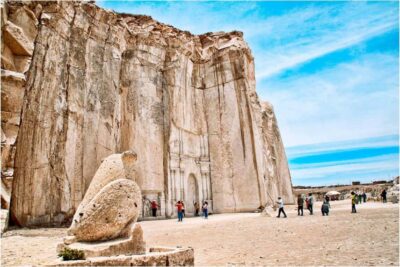
Route of the Sillar | Quarries of Añashuaycos | Half day
Read our review →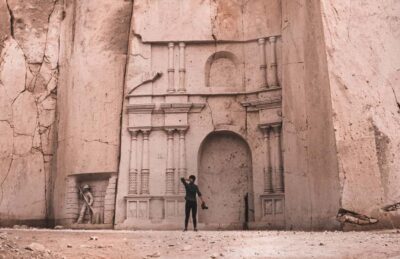
4-hour excursion: Sillar Route with Hiking in Culebrillas
Read our review →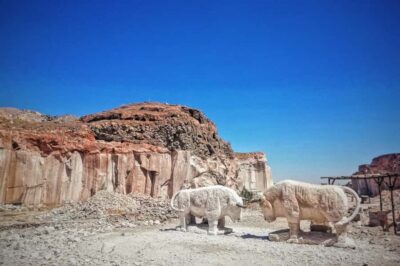
Trek to the Route of the Sillar and Culebrillas in Arequipa
Read our review →Browse the lists this tour appears in