
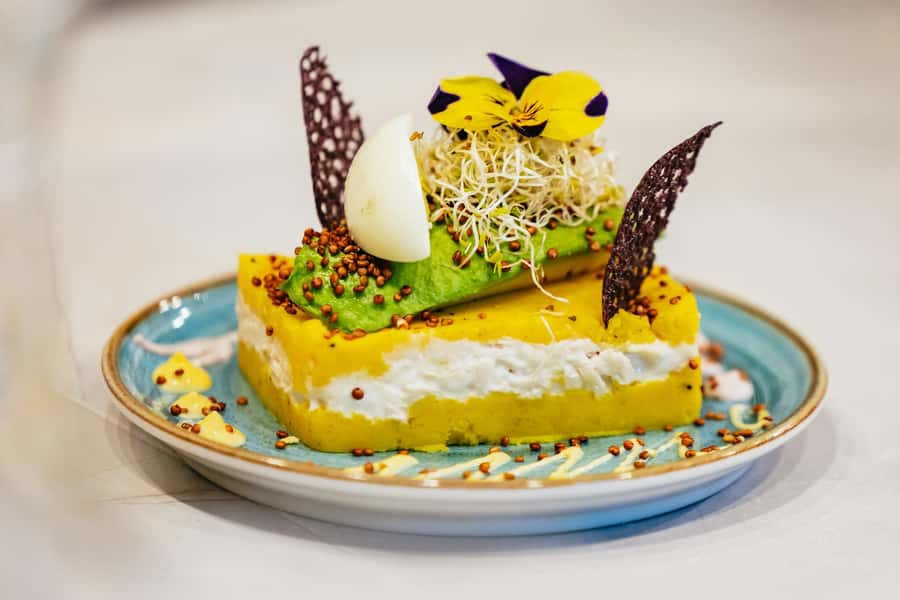
Reviewed · COOKING CLASSES
Cusco: Peruvian Cooking Class, Cocktails & Local Market Tour
San Pedro Market is the real opening act here. You’ll see potatoes, quinoa, cacao, bread, cheese, fruit, and other Peruvian staples before using market ingredients in a cooking studio in Cusco’s historic center. Chef Jesus leads the class, though some sessions may be handled by Jorge or Eric.
I like the combination of market tasting and hands-on cooking, and I like that the class includes two cocktails plus a full meal rather than one small dish. The main consideration is that the cooking involves plenty of preparation and assembly, not restaurant-style cooking from raw ingredients at every stage. Four hours can also feel long if you want a quick activity.
Key points to know before booking
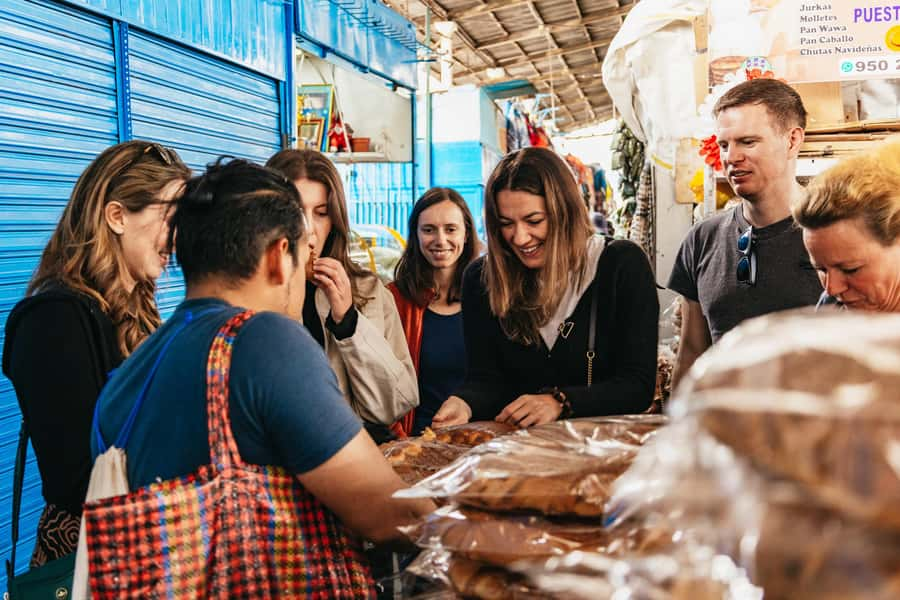
- San Pedro Market comes first: Explore one of Cusco’s oldest markets and sample products such as cheese, bread, chocolate, fruit, and coffee.
- Three Peruvian dishes are included: Make ceviche, causa limeña, and a quinoa tamal, then finish with picarones and honey.
- Two cocktails are part of the class: Pisco drinks are included, with nonalcoholic versions available.
- Dietary needs are taken seriously: Vegetarian, vegan, gluten-free, sugar-free, and nonalcoholic choices are available.
- The group is capped at 10 people: That keeps the class more personal and gives you a fair chance to work with the chef.
- Plan for a full afternoon: The experience lasts four hours and is taught in English.
San Pedro Market gives the class its local footing
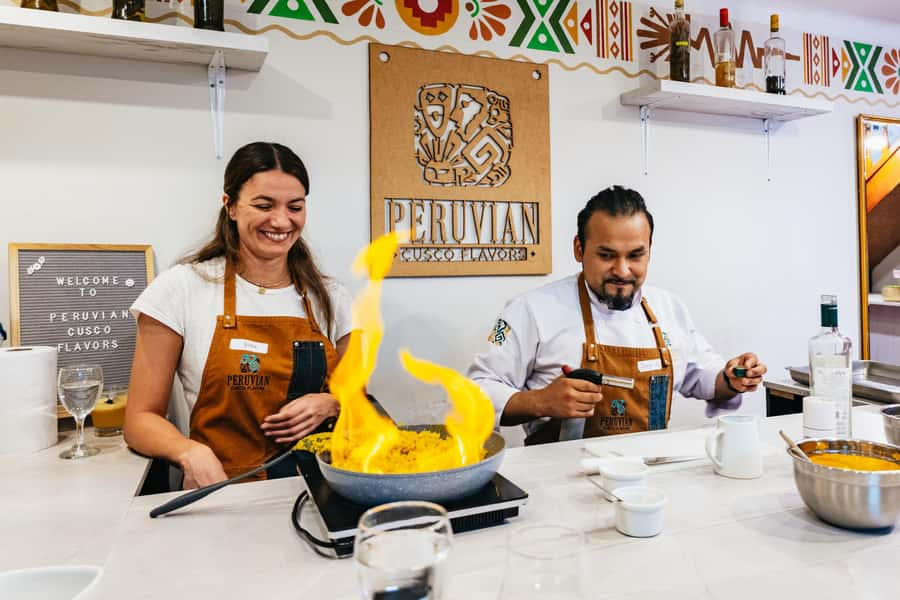
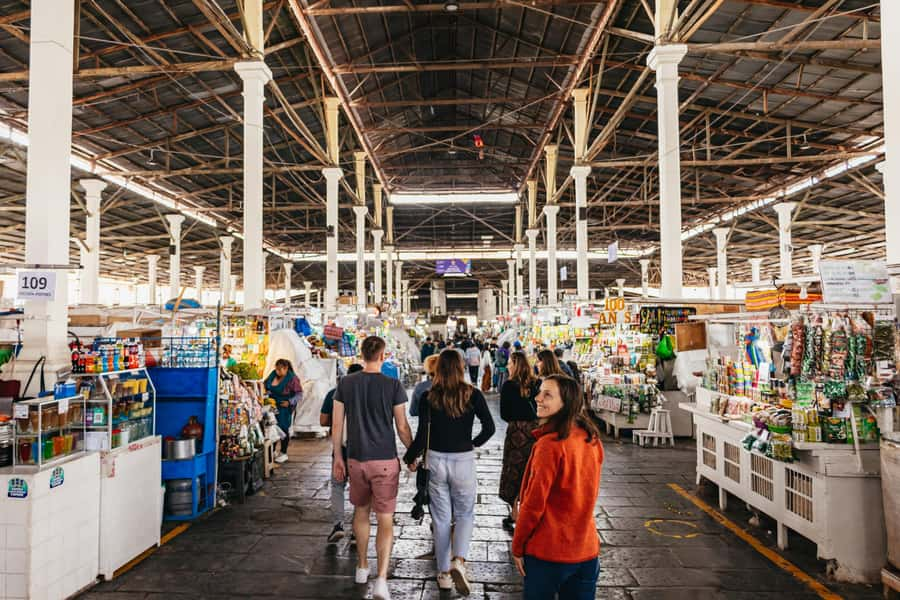
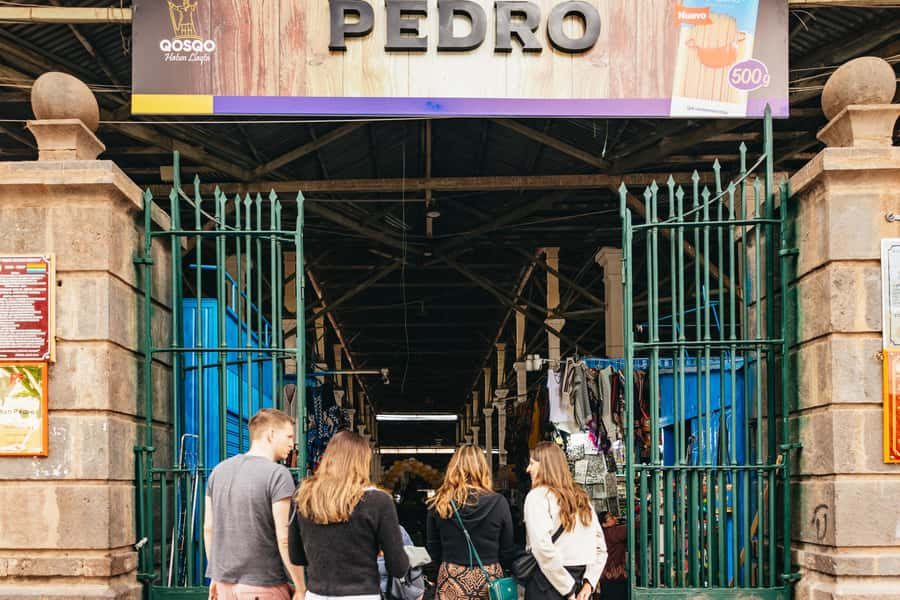
Meet at Door Number 1 of San Pedro Market. This is more than a convenient meeting point. It sets up the cooking class by showing you the ingredients in their everyday setting before you sit down to prepare them.
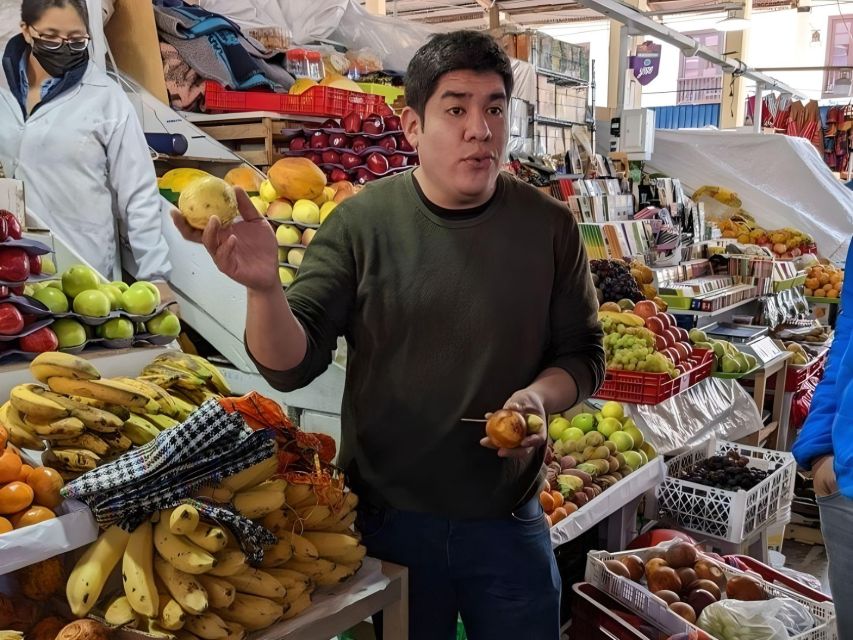
The market section covers the things that make Peruvian cooking so appealing: potatoes in many forms, quinoa, cacao, chocolate, bread, cheese, fruit, and other local produce. You’ll have the chance to taste some items, including cheese, bread, chocolate, coffee, and passion fruit. I like this approach because it gives you a better sense of what is familiar, what is new, and what has a place in local meals.
The market can also be the most memorable part of the experience. You are not simply walking past stalls while a guide lists ingredients. The chef uses the stop to explain what goes into the meal and, in some sessions, buys ingredients there for the class. That connects the market visit to the food you prepare later.
One practical point: market conditions can change. During one session, San Pedro Market was closed for cleaning, so the group visited a nearby local food market instead. The change did not remove the food-focused part of the tour, and the chef was still able to show the produce and purchase ingredients. Still, if the exact market setting matters to you, keep in mind that a temporary change is possible.
Wear comfortable shoes. The first part involves walking through the market, and you’ll later take a short walk to the cooking studio. Comfortable clothes are also a good idea since you will be working around food for several hours.
More Cooking Classes in Cusco
- Cooking class and market tour with a local chef
★ 5.0 · 186 reviews - Private Andean Cooking Class, Pachamanca
★ 5.0 · 54 reviews - Vegan Peruvian Cooking Class Cocktails and Local Market in Cusco
★ 5.0 · 46 reviews
The walk to the cooking studio is short, but useful
After the market, you head to a cooking studio in Cusco’s historic center. The change of setting works well. San Pedro gives you the sights, smells, and shopping experience, while the studio provides a cleaner and more organized place to prepare the food.
You’ll get settled, put on an apron, and work with the chef and assistants. The group limit of 10 matters here. A larger class could make a hands-on lesson feel like a demonstration, but a small group gives you more room to ask questions and take part in plating.
The class is taught in English. Chef Jesus is the named instructor for the experience, and sessions have also been led by chefs called Jorge and Eric. The consistent thread is the chef’s role as both teacher and guide. You are given background on the dishes and their place in Peruvian food, not just a list of steps to copy.
I especially like the way the class links technique with presentation. One session included instruction on how to plate the causa attractively, which makes the meal feel more special and gives you something useful to repeat at home.
Start with pisco cocktails and settle into the group
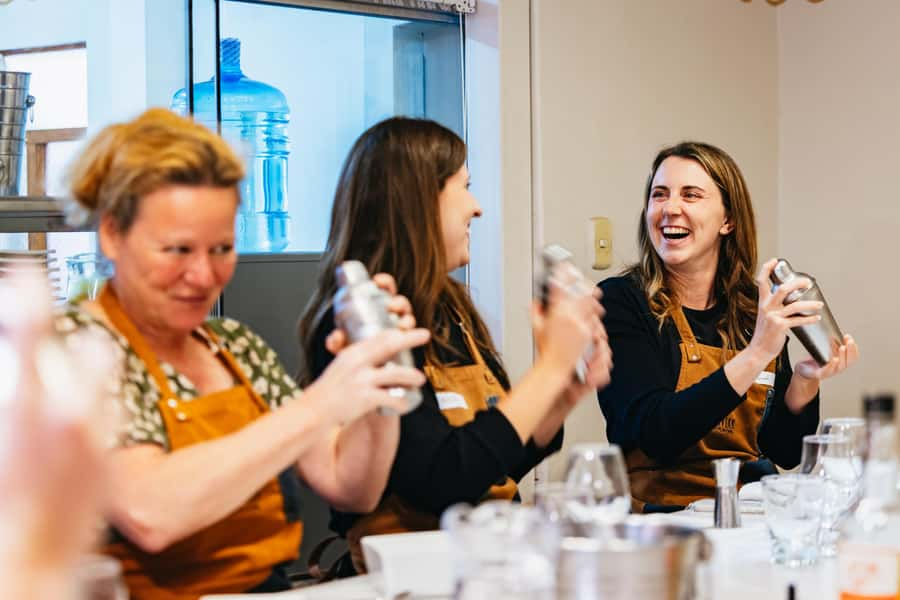
The first kitchen activity is a Peruvian cocktail. You’ll prepare two drinks during the class and sip them as you continue cooking. Pisco gives the lesson a clear local flavor, and the drinks help turn the class into a social activity rather than a silent demonstration.
Nonalcoholic versions are available, so you do not need to drink alcohol to take part. That is useful for anyone avoiding alcohol, and it also allows mixed groups to enjoy the same activity together.
The cocktails are not just an extra drink added to the price. They give you an easy first task while the group gets comfortable. Cooking beside people you have just met can feel awkward at first, but mixing drinks and sharing food makes conversation easier.
You should still pace yourself. The class includes two cocktails, three main dishes, and dessert. One of the best practical tips is to arrive hungry, since the food adds up quickly.
Ceviche brings fresh flavor to the table
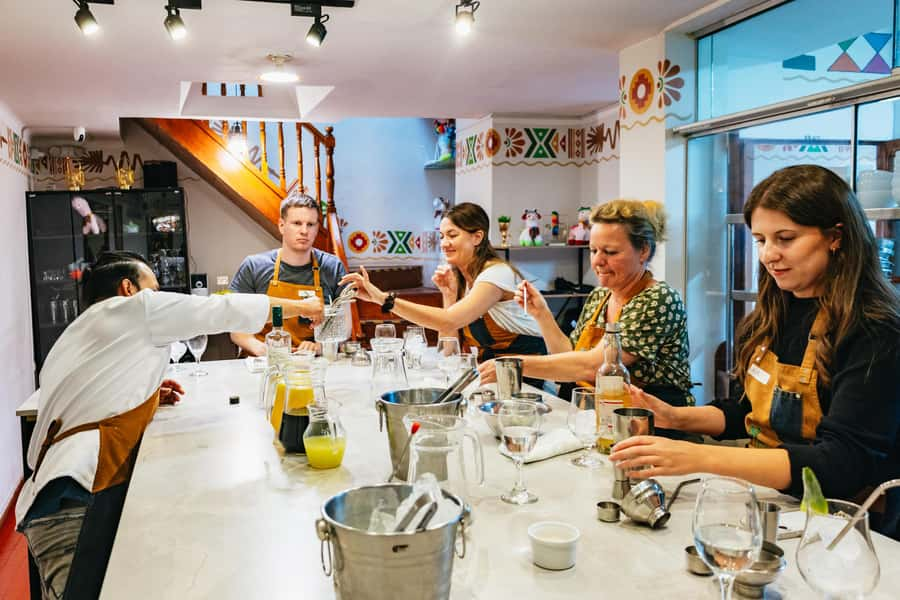
Ceviche is one of the three central dishes. The chef explains the steps and the background before you prepare and eat it. The dish gives you a direct introduction to the bright, sharp flavors associated with Peruvian cooking.
The class format appears designed to keep the pace manageable. You are not expected to handle every task alone from beginning to end. Some ingredients and steps may be prepared in advance, while you work through the key parts with the chef. That makes the class approachable for beginners, though anyone looking for a serious professional kitchen session may find it lighter on technical cooking.
Several participants singled out the ceviche as a favorite, along with the other dishes. I would treat this as a lesson in flavor, ingredients, and presentation rather than a chef-training course. You get to understand how the dish comes together and then eat it fresh at the table.
If you have dietary restrictions, mention them when booking and again at the start. Vegetarian and vegan alternatives are available, but one participant reported some confusion about a gluten-free request. The broader experience shows that the team can make adjustments, but clear communication is still wise.
Same base, a completely different kind of day:
- Cusco: Humantay Lake Tour with Breakfast and Buffet Lunch
★ 4.9 · 2,976 reviews - Cusco: Half-Day City Tour with Sacsayhuaman and Q’enco
★ 4.6 · 1,129 reviews - From Cusco: Vinicunca Rainbow Mountain ATV Tour with Meals
★ 4.6 · 1,060 reviews - City Tour Cusco Qoricancha Sacsayhuaman y Tambomachay
★ 4.7 · 617 reviews
Causa limeña is the class’s creative centerpiece
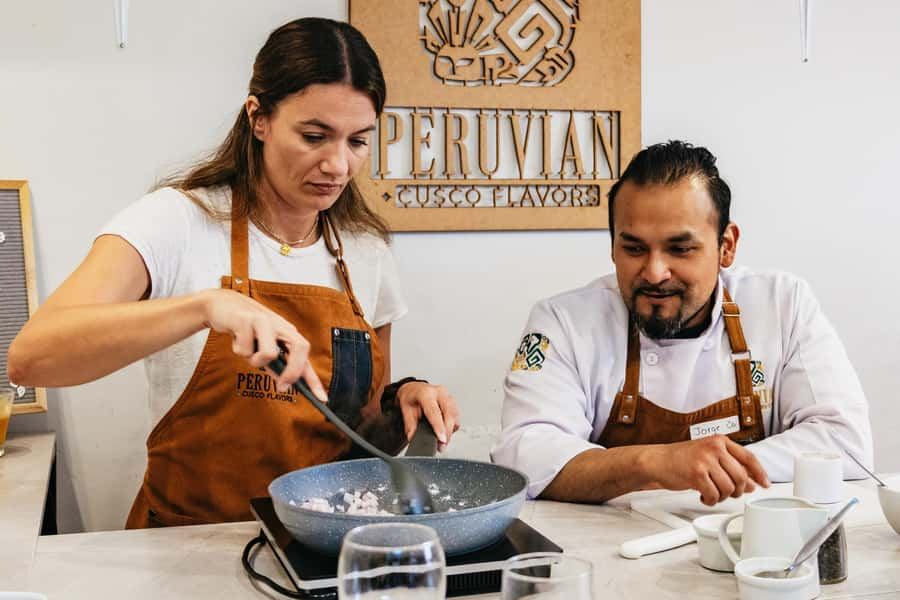
Causa limeña is built around potato and is one of the dishes where presentation becomes part of the fun. You’ll assemble the dish under the chef’s direction and learn how to make it look polished.
This is also where the class feels especially friendly to noncooks. You do not need to arrive with knife skills or restaurant experience. The chef breaks down the process, helps with the assembly, and shows you how the separate parts become a finished dish.
The class may not involve constant cooking over heat. One participant described it as more assembling than cooking, which is a fair expectation to set. That is not a flaw for most people. It means you can focus on Peruvian ingredients, combinations, and plating without spending the whole afternoon waiting beside a stove.
I like causa as a teaching dish because it shows how a familiar ingredient can become something far more refined. You will also leave with a useful idea for entertaining at home, since the dish can be prepared in layers and presented neatly.
Quinoa tamal adds a highland ingredient
The third savory dish is a quinoa tamal. Quinoa is strongly associated with the Andes, and including it gives the class a clear connection to the Cusco region.
The chef explains the preparation step by step, then helps you put the dish together. As with the causa, the focus is on learning the ingredients and method while working as a group. You are not left to guess what to do next.
This part is valuable if you want more than a standard ceviche lesson. Ceviche is famous outside Peru, but quinoa brings you closer to ingredients connected with the Andean highlands. It also gives vegetarian and vegan participants a practical option, since the menu can be adjusted for those diets.
The class offers gluten-free choices as well. Ask what changes will be made before you start, especially if you have a serious allergy. The food can be adapted, but the information provided does not promise a separate allergy-free kitchen.
Picarones finish a generous meal
Picarones with honey provide the sweet ending. They are a traditional Peruvian treat and a good way to finish a menu that already includes several savory courses and drinks.
The dessert is listed as a tasting rather than one of the three main dishes, but it helps make the experience feel like a complete meal. A sugar-free option is available, and gluten-free choices are also offered.
By the time dessert arrives, you will likely have spent several hours tasting, mixing, assembling, and talking. The shared table is an important part of the experience. This is not a class where you prepare food and immediately leave. You sit down with your cooking companions and eat what the group has made.
Some sessions also provide recipes by email afterward. That is a useful extra because the class is easy to remember but harder to recreate without written instructions. You may need to find equivalent ingredients at home, yet the recipes give you a practical starting point.
What the $67 price includes
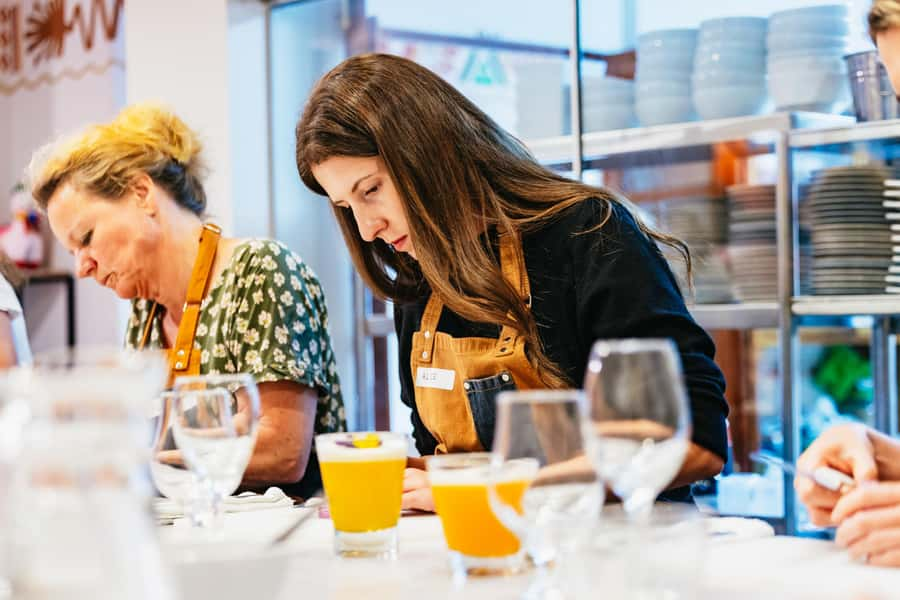
At $67 per person, the cost is reasonable for a four-hour experience that combines a guided market visit, a professional chef, two cocktails, three dishes, dessert, ingredients, and water.
The value depends on what you want from a cooking class. If your priority is the cheapest way to eat lunch in Cusco, this is not it. If you want a meal plus a market introduction, cultural context, drinks, and instruction, the price covers a lot in one afternoon.
You are also paying for the structure. The chef chooses the ingredients, explains the dishes, manages the timing, and helps the group produce a meal that feels presentable. That removes the uncertainty of trying to navigate San Pedro Market alone and then figure out how to reproduce a Peruvian recipe in a rented kitchen.
The small group helps the value. A limit of 10 participants is not private instruction, but it is small enough to keep the session interactive. Your experience will also depend partly on the group itself. Cooking together tends to create conversation quickly, especially once the cocktails and food appear.
Who should book this Cusco cooking class?
I would choose this experience if you want a social activity with food at its center. It suits first-time visitors who want a quick introduction to Peruvian ingredients, as well as returning visitors who want to spend an afternoon doing something beyond churches, ruins, and viewpoints.
It is a good choice during your first days in Cusco because the pace is gentle and the market gives you an early look at local food. It can also work well before an Inca Trail trip, although you should avoid scheduling it when you need a quiet evening or strict rest.
Food lovers will appreciate the range. You do not make only one famous dish. You taste market products, prepare ceviche, causa, and quinoa tamal, mix two pisco drinks, and finish with picarones.
Families should note the age rule. Children under 10 are not accepted. A 12-year-old took part successfully, and mocktails are available, but the activity is still four hours long and includes alcohol-focused content for adults.
You should be comfortable with an English-language class. The available language is English, and no other language option is provided.
Helpful details before you go
Book with your dietary needs clearly stated. Vegetarian, vegan, and gluten-free menus are available, and nonalcoholic cocktails can be prepared. Sugar-free dessert options are also available.
Wear shoes you can walk in and clothes you do not mind wearing around food. The meeting point is Door Number 1 at San Pedro Market, and the cooking studio is reached on foot.
The activity offers free cancellation up to 24 hours before the start time, and you can reserve now and pay later. Starting times vary, so check the available schedule when choosing your date.
Should you book it?
Yes, if you want a four-hour food experience that mixes local shopping, cooking, drinks, and conversation. The market visit is more than filler, and the menu gives you a useful sample of Peruvian coastal and Andean flavors.
I would skip it only if you want advanced cooking instruction, dislike group activities, or have less than four hours to spare. For most visitors, the combination of San Pedro Market, a small English-speaking group, adaptable recipes, and a full meal makes this one of the better-value food activities in Cusco.
FAQ
Where does the Cusco cooking class begin?
The experience begins at Door Number 1 at San Pedro Market in Cusco.
How long does the cooking class and market tour last?
The complete activity lasts four hours.
What dishes will I prepare?
You will prepare ceviche, causa limeña, and a quinoa tamal. The experience also includes a tasting of picarones with honey.
Are cocktails included?
Yes. Two pisco cocktails are included. Nonalcoholic versions are available.
Can the menu accommodate dietary restrictions?
Yes. Vegetarian, vegan, and gluten-free menus are available. Sugar-free and nonalcoholic options are also offered.
Is the activity taught in English?
Yes. The available language for the live tour is English.
Are children allowed to join?
Children under 10 are not permitted to participate.
More Market Tours in Cusco
- Cusco City Sightseeing, San Pedro Market, Cathedral and Qorikancha Temple
★ 4.5 · 139 reviews - Cusco: Peruvian Cooking Class & Market Tour
★ 4.9 · 19 reviews - Pisac Indian Market and Ollantaytambo Fortress with Lunch
★ 4.5 · 395 reviews - Lima: Historic Center Street Food, Market, and Eateries Tour
★ 4.9 · 216 reviews
More Bar Crawls in Cusco
- Cusco Pub Crawl: Bar Tour, Drinks And Club with no waiting lines
★ 5.0 · 76 reviews - Cusco: Pub Crawl with Skip-the-Line Access and Drinks
★ 4.6 · 57 reviews - Arequipa: Pub Crawl with Skip-The-Line Access and Drinks
★ 3.0 · 4 reviews
Just added around Cusco
- Waqrapukara 1 day trekking + meals★ 3.9 · 3 reviews
- Visit to the Cochahuasi Animal Sanctuary with rescued animal★ 4.1 · 4 reviews
- Vinicunca Mountain Tour – Full Day Tour to Rainbow Mountain★ 3.4 · 4 reviews
- Valle Sur Cusco | half day★ 4.3 · 3 reviews
- Trek to Humantay Lake from Cusco★ 4.9 · 8 reviews
- Trek to Choquequirao 4 days★ 3.8 · 4 reviews
- rainbow mountain full day★ 5.0 · 44 reviews
- Tour to the HUMANTAY LAGOON from CUSCO★ 5.0 · 35 reviews
Cooking Classes, compared.
Cooking class and market tour with a local chef
Read our review →
Market Tour, Tasting of 35 Fruits, and 4-Course Peruvian Cooking Class in Lima
Read our review →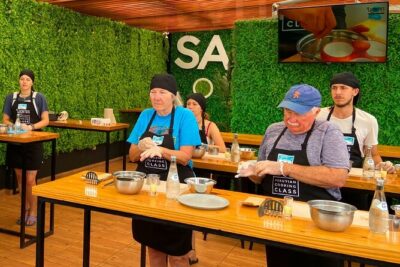
#1 Rated Cooking Classes with Local Market Tour & Pickup
Read our review →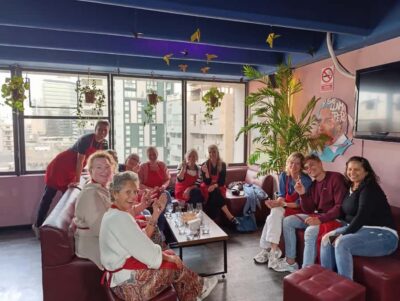
Amazing Peruvian Cooking Class Ceviche Seafood and Pisco Sour
Read our review →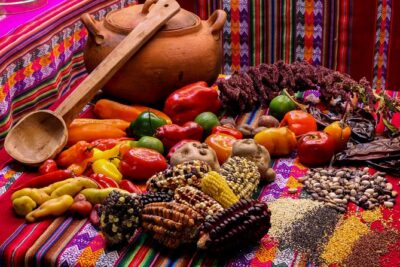
Private Cooking + Market with Maido’s Former Creative Chef (+trasportation)
Read our review →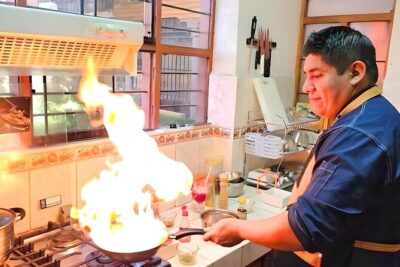
Vegan Peruvian Cooking Class Cocktails and Local Market in Cusco
Read our review →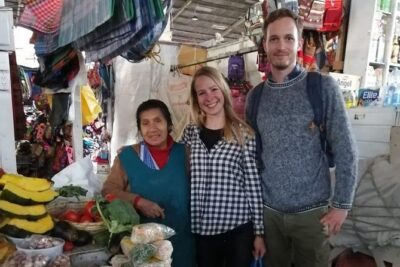
Browse the lists this tour appears in