
Reviewed · COOKING CLASSES
Cusco Cooking Class by ChocoMuseo in Cusco
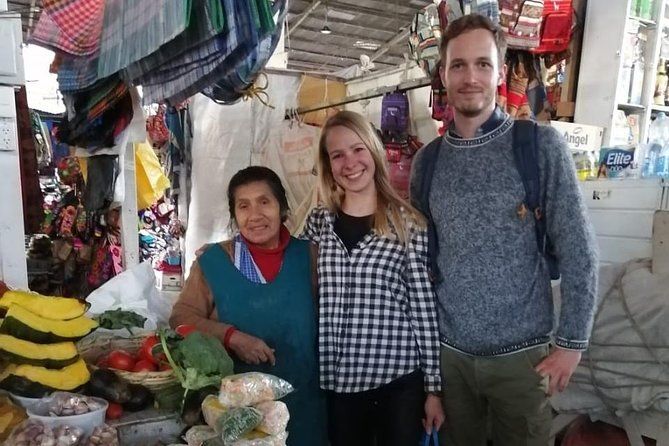
San Pedro Market is the star here. You begin among Cusco’s local produce, meats, cheeses, breads, and unusual Peruvian ingredients, then carry that market lesson into a hands-on cooking class. I like the direct link between shopping and cooking, and I like that ceviche and a pisco sour give you two very different tastes of Peru in one evening.
The main thing to consider is that market access can vary. One Wednesday class could not visit because the market was closing early for cleaning, although the cooking and meal still went ahead. This is also a group activity, with up to 25 people, so you may not get the intimate feel of a private lesson.
Key points to know before booking
- San Pedro comes first: You see where local ingredients are sold before handling them in the kitchen.
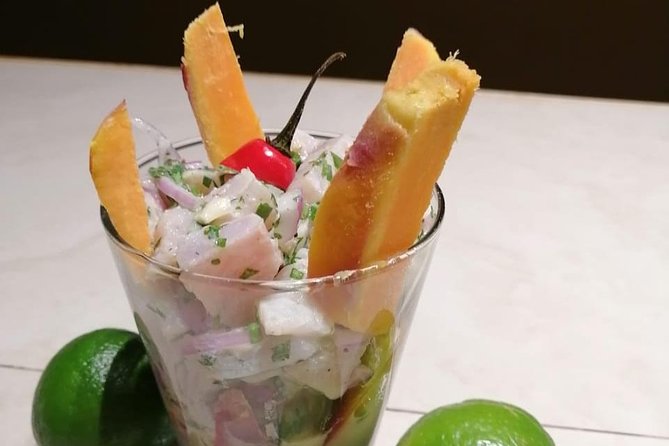
- Ceviche is part of the lesson: You get a practical introduction to one of Peru’s best-known dishes.
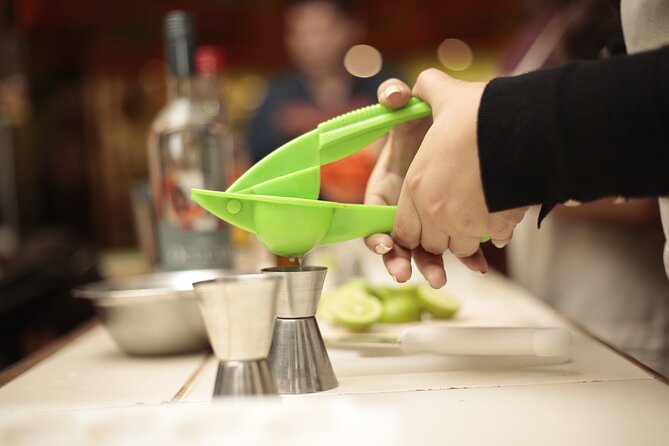
- Your pisco sour is hands-on: The cocktail is prepared during class and included with dinner.
- A bilingual chef leads the class: Instructors have included Jil and Yil, both praised for clear English and an easy teaching style.
- Dinner is included: You eat the traditional dishes you help prepare, rather than simply watching a demonstration.
- The price covers more than a meal: At $54.06 per person, you also receive recipes, drinks, market time, and guided instruction.
San Pedro Market gives the class its local flavor
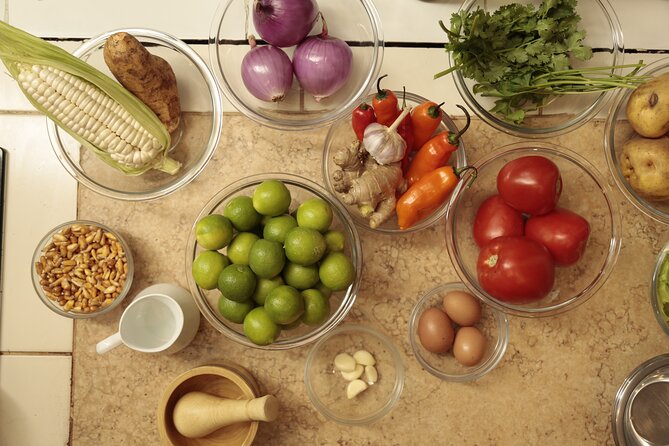
I like food classes that begin before the chopping board. At Mercado Central de San Pedro, you get a look at the raw materials of Peruvian cooking: fruits, vegetables, meats, cheeses, breads, and products that may be new to you.
This is not just a quick walk past stalls. The point is to see how ingredients are selected and used. Your chef helps connect what you see in the market with the dishes prepared later. That makes the cooking lesson easier to understand, especially if you have never worked with some Peruvian ingredients.
The market stop also gives the evening a stronger sense of place than a class held entirely inside a restaurant. You are not simply handed a premeasured basket of ingredients. You start with the food culture of Cusco itself, then move into the kitchen.
Still, keep expectations sensible. San Pedro Market is a working market, not a polished food hall. It can be crowded, noisy, and visually intense. That is part of its value, but you should be comfortable with a real local market rather than expecting a calm guided tour.
Market timing may also affect the route. A Wednesday class once had to skip the market because cleaning began early. The cooking portion continued, but if San Pedro is especially important to you, ask about the schedule before you book.
More Cooking Classes in Cusco
- Cusco: Peruvian Cooking Class, Cocktails & Local Market Tour
★ 4.9 · 512 reviews - Cooking class and market tour with a local chef
★ 5.0 · 186 reviews - Private Andean Cooking Class, Pachamanca
★ 5.0 · 54 reviews
From market ingredients to a Peruvian meal
After the market, the bilingual chef guides you through several traditional dishes. The information provided specifically calls out ceviche, one of Peru’s most famous preparations.
Ceviche is a useful dish for a cooking class because it teaches more than a recipe. You learn how fresh ingredients, citrus, seasoning, and preparation come together without a long cooking time. The class gives you a chance to take part instead of watching a chef work at a distance.
The exact menu can vary, so do not expect a fixed restaurant-style list beyond the advertised Peruvian dishes. The appeal is the process: selecting ingredients, learning basic techniques, preparing food with guidance, and then eating what you made.
That hands-on format suits people who want to bring a little of Peru home with them. Printed recipes are included, which gives the evening value after you leave Cusco. The recipes will not replace practice, but they are more useful than a vague memory of what the chef did.
I also like the class for mixed skill levels. You do not need to arrive as a serious cook. The instructor explains the work as you go, and the focus is on preparing a good meal together, not passing a cooking exam.
The chefs make a big difference
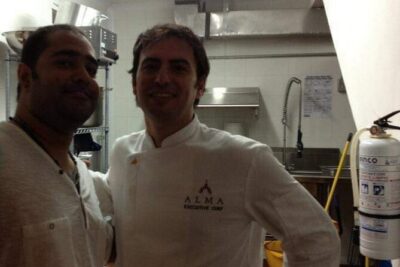
The class is led by a bilingual chef, and the instructor’s personality will shape much of your evening. Past sessions have included Jil, described as funny and engaging, and Yil, who helped with ingredient choices, cooking methods, presentation, and local food customs.
That matters because a food class can become either a lively shared meal or a slow demonstration. The strongest comments about this experience focus on the chef’s ability to explain, adapt, and keep the group involved.
One solo participant had dietary concerns, and Yil suggested modifications that allowed the meal to go ahead. That is a useful sign for anyone with food restrictions, although you should still explain your needs when booking or before class. The supplied information does not promise a fully customized menu, so do not assume every request can be handled.
The maximum group size is 25 people. That is large enough for a social class, but it also means the amount of individual attention may vary. If your group is small, you may receive more direct help. One small class had only two people and felt like a private lesson, but that should be viewed as good fortune rather than the standard setup.
Making a pisco sour from scratch
The pisco sour is not just a drink served at the end. You make your own, then raise it in a toast to your time in Peru.
Pisco is Peru’s national spirit, and the cocktail is a simple way to add local context to the meal. The experience includes pisco and soft drinks, so you do not need to budget separately for the advertised beverages.
The cocktail portion also breaks up the cooking. After handling ingredients and following instructions, you get a social moment with the group. If you are traveling with family or friends, this is likely to be one of the easiest parts of the class to enjoy together.
Wine and local craft beer are not included, but they can be added to the experience. Since the pisco sour is included, the extra drinks are optional rather than necessary.
Use ordinary caution with the alcohol. Cusco sits at high altitude, and a pisco sour may affect you more quickly than expected, especially if you have just arrived or have spent the day walking. The tour data does not provide a special altitude policy, so pace yourself and use the included soft drinks if needed.
More cacao and chocolate workshops:
- Chocolate Workshop in Cusco with Premium Organic Cacao
★ 5.0 · 75 reviews - Cusco: Chocolate Workshop with the Best Local Organic Cacao
★ 4.5 · 23 reviews - 1.5h Cusco Chocolate Workshop – Truffles & Hot Chocolate
★ 4.3 · 8 reviews - Cusco: Bean to bar chocolate workshop
★ 5.0 · 3 reviews
Dinner turns the lesson into a full evening
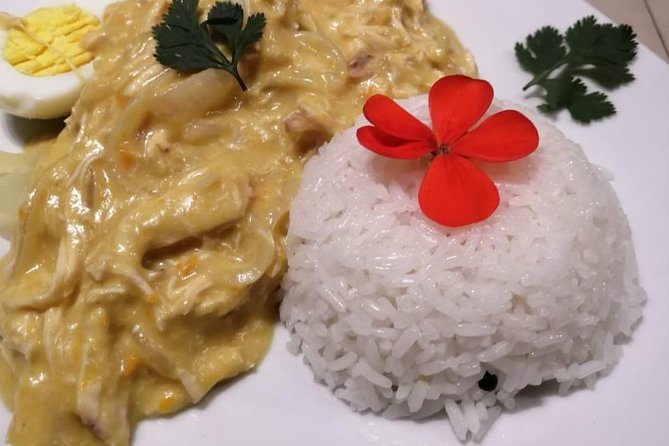
The class ends with a typical Peruvian meal made from the dishes prepared during the session. I consider this a strong part of the value. You are not paying for a short demonstration followed by a small sample. You take part in the preparation, then sit down to eat.
The meal also gives you a chance to compare your own work with the chef’s guidance. That is where a cooking class becomes more memorable than a standard restaurant dinner. You learn how the ingredients fit together, then taste the result while the steps are still fresh in your mind.
The experience is described as lasting about four hours, so plan it as an evening commitment rather than a quick activity between sightseeing stops. You will have time for the market, instruction, cooking, the pisco sour, and dinner.
The included meal is a great typical Peruvian dinner, but the exact dishes are not fully listed. Ceviche is specifically mentioned, while the rest of the menu may depend on the class. If you need to know every dish in advance, contact the provider before booking.
How the $54.06 price holds up
At $54.06 per person, this is not the cheapest way to eat in Cusco. You can find a meal for much less, and you can visit San Pedro Market without paying for a class.
The value comes from combining several activities into one organized evening:
- A guided market visit
- Bilingual cooking instruction
- Several Peruvian dishes
- A handmade pisco sour
- Dinner
- Pisco and soft drinks
- Printed recipes to take home
I think the price makes sense if you want participation rather than a simple meal. You are paying for instruction, cultural context, ingredients, drinks, and the time of the chef, not just the food on your plate.
It is an especially sensible choice for a first visit to Cusco. You get a practical introduction to Peruvian cooking without having to arrange the market visit, find a suitable class, shop for ingredients, and choose a restaurant afterward.
For a family, the cost adds up quickly. You should decide whether everyone wants to cook, since the value is lower for someone who would rather sit and eat. The experience has received strong marks overall, with 97 percent of bookers recommending it and a 4.9 rating from 29 reviews, but those figures do not change the basic question: do you want a lesson or only dinner?
Who will enjoy this Cusco cooking class
I would choose this class for several types of visitors:
- First-time visitors to Peru: You get food, market culture, and a national cocktail in one activity.
- Couples and friends: The shared chopping, cooking, and drinks create an easy social evening.
- Families with older children: The hands-on format can keep children involved, though the alcohol portion is for adults.
- Solo visitors: A group class gives you a built-in social setting, and a small group may offer extra attention.
- Home cooks: The printed recipes and market guidance give you ideas to use after the trip.
- People wanting a quieter day after hiking: The class provides an indoor activity with food and conversation, though it still lasts about four hours.
I would be less likely to recommend it if you have a strict schedule, dislike group activities, or want a highly specific menu. It is also not the right pick if your main goal is chocolate making. ChocoMuseo offers chocolate classes too, but this experience is centered on Peruvian cooking, San Pedro Market, ceviche, pisco, and dinner.
Meeting in central Cusco
The class starts and ends at ChocoMuseo, at Plaza Regocijo in Cusco. That central meeting point is practical if you are already sightseeing in the historic center.
The tour does not include transportation to or from the meeting point. It is near public transportation, and the activity ends where it begins, so you should plan your own way back to your lodging.
Confirmation is provided at booking. Service animals are allowed. These are small practical details, but they matter when you are arranging a full Cusco itinerary.
The cancellation terms are straightforward: you can cancel at least 24 hours before the local start time for a full refund. Cancellations or changes made inside that 24-hour window are not refunded or accepted.
Is this Cusco food tour worth booking?
I would book it if you want to do more than taste Peruvian food. The market visit gives the class a local beginning, the cooking keeps you involved, and the pisco sour and dinner make the evening feel complete.
The biggest variable is the market stop. If San Pedro is a must for you, check the day and timing before you reserve, since early cleaning can affect access. Also remember that a group of up to 25 people will not feel like a private chef lesson.
For most visitors, the $54.06 price is fair because it covers a four-hour activity, food, drinks, instruction, and recipes. Choose it for practical cooking, local ingredients, and a relaxed evening meal. Skip it only if you want a private class, a guaranteed fixed menu, or a quick activity with no group element.
FAQ
Where does the Cusco cooking class start?
The class starts at ChocoMuseo, Plaza Regocijo, Cusco 08000, Peru.
Where does the activity end?
The activity ends back at the ChocoMuseo meeting point.
How long does the cooking class last?
The experience lasts approximately four hours.
Is a market visit included?
Yes. The itinerary includes Mercado Central de San Pedro, where you see local fruits, vegetables, meats, cheeses, breads, and other Peruvian ingredients.
Is dinner included?
Yes. A typical Peruvian dinner is included, along with pisco and soft drinks.
Is the pisco sour included?
Yes. You prepare your own pisco sour during the class. Wine and local craft beer can be added separately.
How far in advance can I cancel for a full refund?
You must cancel at least 24 hours before the experience starts, based on local time, to receive a full refund.
Just added around Cusco
- Waqrapukara 1 day trekking + meals★ 3.9 · 3 reviews
- Visit to the Cochahuasi Animal Sanctuary with rescued animal★ 4.1 · 4 reviews
- Vinicunca Mountain Tour – Full Day Tour to Rainbow Mountain★ 3.4 · 4 reviews
- Valle Sur Cusco | half day★ 4.3 · 3 reviews
- Trek to Humantay Lake from Cusco★ 4.9 · 8 reviews
- Trek to Choquequirao 4 days★ 3.8 · 4 reviews
- rainbow mountain full day★ 5.0 · 44 reviews
- Tour to the HUMANTAY LAGOON from CUSCO★ 5.0 · 35 reviews
Cooking Classes, compared.
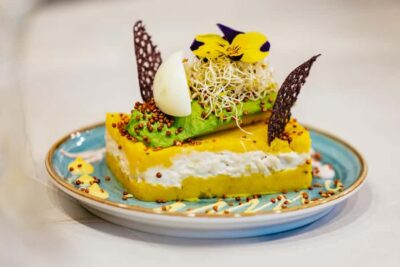
Peruvian Cooking Class, Cocktails & Local Market Tour
Read our review →
Cooking class and market tour with a local chef
Read our review →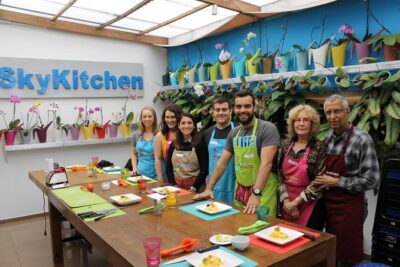
Market Tour, Tasting of 35 Fruits, and 4-Course Peruvian Cooking Class in Lima
Read our review →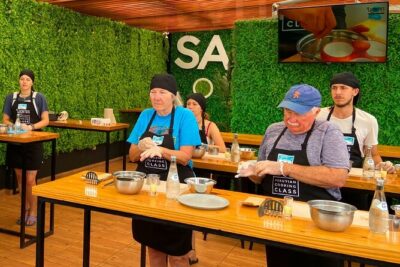
#1 Rated Cooking Classes with Local Market Tour & Pickup
Read our review →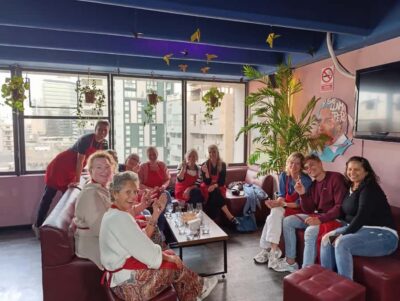
Amazing Peruvian Cooking Class Ceviche Seafood and Pisco Sour
Read our review →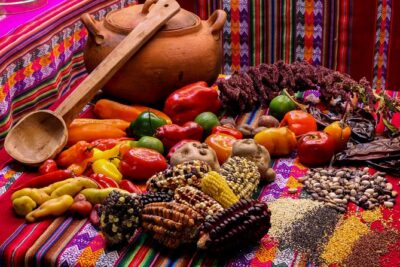
Private Cooking + Market with Maido’s Former Creative Chef (+trasportation)
Read our review →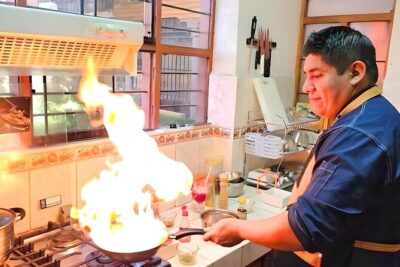
Vegan Peruvian Cooking Class Cocktails and Local Market in Cusco
Read our review →Browse the lists this tour appears in