
Reviewed · WORKSHOPS
Chocolate Workshop in Cusco with Premium Organic Cacao
Cusco’s chocolate story gets a hands-on treatment here. You work with 100% organic Chuncho cacao from the Sacred Valley, learn Belgian-style techniques, and leave with roughly 21 pralines and 10 mendiants in a personalized box. I like the sunset timing, which pairs chocolate making with broad views over Cusco, and I like the friendly, informal teaching style reported from instructors such as David, Abelardo, and Randy. The main drawback is simple: this is a chocolate-making class, not a full bean-to-bar demonstration, so you will not process cacao beans from scratch.
I especially like the chance to make choices rather than just watch. You can pick from local jams, nuts, coconut, and dried fruit for your fillings and toppings, then use leftover chocolate in a hot drink. The class costs $45 per person, which is fair if you value the take-home box and a guided activity, though it is more than a quick chocolate tasting.
Key points at a glance
- Sacred Valley cacao: The workshop uses organic, artisanal Chuncho cacao from the Cusco region.
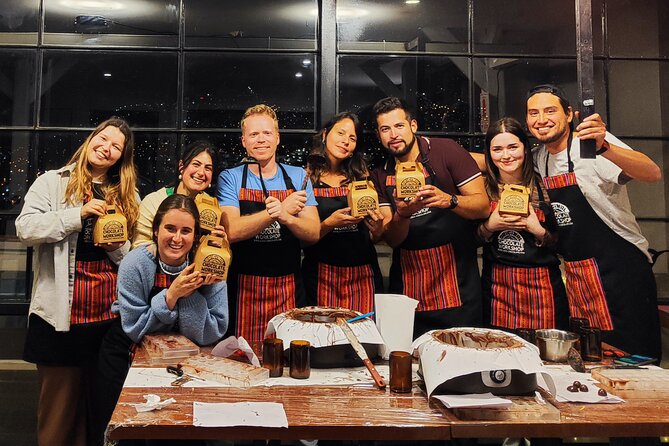
- A generous take-home portion: You make about 21 pralines and 10 mendiants, then pack them in a personalized box.
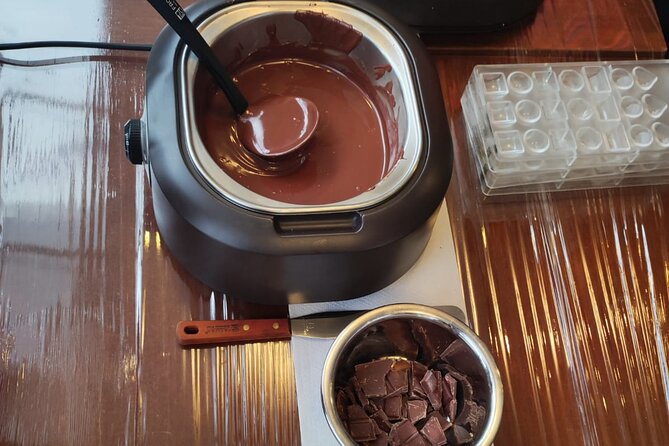
- Belgian-style instruction: You learn to prepare ganache, shape bonbons, and make hot chocolate.
- Cusco sunset views: The setting looks over the city, especially appealing during the 5:00 pm session.
- Small-group feel: The maximum group size is 15, with hands-on help from the class leader.
- Good for a lighter evening: The two-and-a-half-hour class offers an easy activity while you get used to Cusco’s altitude.
What makes Cusco chocolate worth your time
Cusco is best known for Inca sites, colonial churches, markets, and mountain trips. Chocolate can slip down the list. That is exactly why this class works well in a Cusco itinerary: it gives you a close look at a local product without requiring a full day away from the city.
The cacao comes from the Sacred Valley of the Incas, an area already on many visitors’ routes to places such as Pisac, Ollantaytambo, or Machu Picchu. Chuncho cacao is prized for its quality, and using it here gives the class a stronger local connection than a generic chocolate lesson using imported couverture.
Before you start making sweets, the instructor explains the background of cacao and chocolate in the region. The historical portion is not the whole point of the class, but it helps connect the finished bonbons to Peru rather than treating them as simple candy.
The class also offers a good break from sightseeing. Cusco sits at a high elevation, and the schedule gives you a chance to sit down, work at a relaxed pace, and enjoy a warm drink. I would not treat this as a medical solution for altitude adjustment, of course, but it is a gentler evening plan than a long walk or a packed cultural program.
More cacao and chocolate workshops:
- Cusco Cooking Class by ChocoMuseo in Cusco
★ 5.0 · 29 reviews - Cusco: Chocolate Workshop with the Best Local Organic Cacao
★ 4.5 · 23 reviews - 1.5h Cusco Chocolate Workshop – Truffles & Hot Chocolate
★ 4.3 · 8 reviews
Entering the workshop near central Cusco
The meeting point is C. Pasñapakana 133, Cusco 08000. The activity begins and ends there, so you do not have to arrange a separate ride back after the class.
The location is near public transportation, but the available details do not promise hotel pickup. Plan to reach the meeting point on your own and allow time to find it. Cusco’s streets can be confusing, particularly after dark, so checking the address before leaving your hotel is sensible.
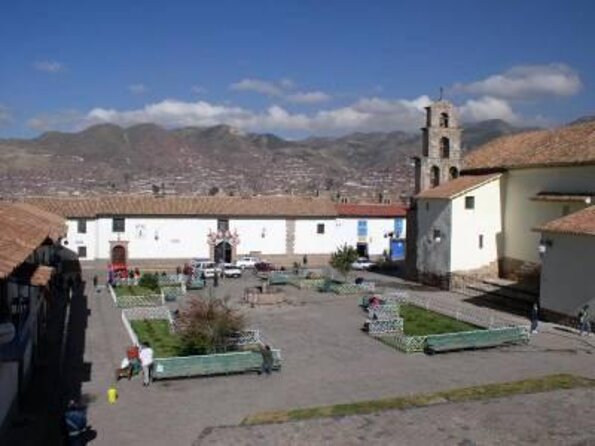
The setting is one of the class’s strongest features. Several participants appreciated the view over Cusco, with the late afternoon session lining up nicely with sunset and the city lights. You get more than a table and a demonstration. The workshop adds a visual side trip without asking you to leave town.
The listed start time is 5:00 pm. The activity information also refers to several possible start times, so confirm the exact option shown for your booking. A two-and-a-half-hour session means you will likely finish around 7:30 pm if you attend the 5:00 pm class.
Learning the chocolate process, without processing cacao beans
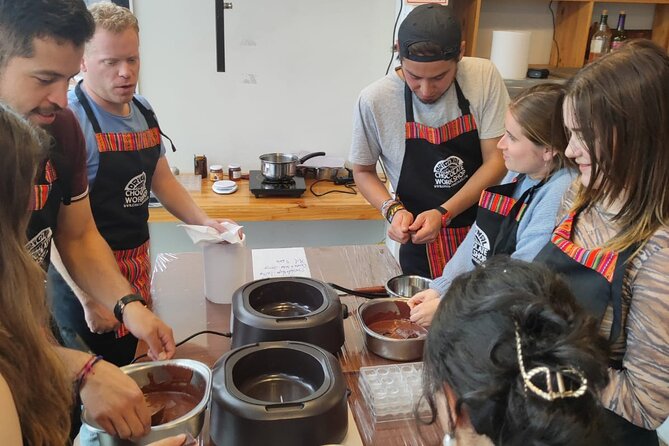
The instructor begins with an explanation of how chocolate is made and the place cacao holds in local culture. You then move into the practical work.
One point deserves a clear explanation. The class involves melting prepared chocolate and turning it into pralines, mendiants, ganache, and hot chocolate. It does not include roasting, grinding, or processing raw cacao beans. If you want to see the full farm-to-bar chain, you will need a different type of cacao visit.
That limitation does not make the workshop shallow. It lets you focus on the skills you can use during the session: working with chocolate, preparing ganache, selecting fillings, and placing toppings. You also get a finished result rather than spending most of the time watching machinery or waiting for chocolate to set.
The personal attention matters here. The group can reach 15 people, and the class leader provides hands-on guidance. Names mentioned for instructors include David, Abelardo, Randy, and Titch, with Damaso helping in at least one session. Your instructor may vary, but the class is designed around direct assistance rather than a large lecture.
David is described as funny and clear in his explanations. Abelardo is a Belgian-trained instructor who divides his time between Belgium and Cusco. Those details give you a sense of the teaching style: relaxed, social, and focused on making the work approachable.
Making 21 pralines and 10 mendiants
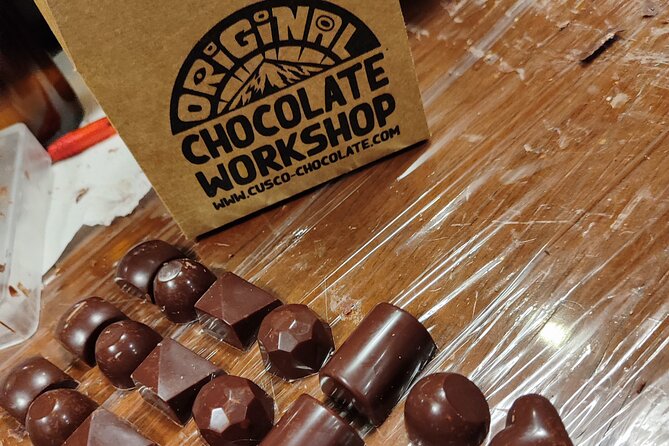
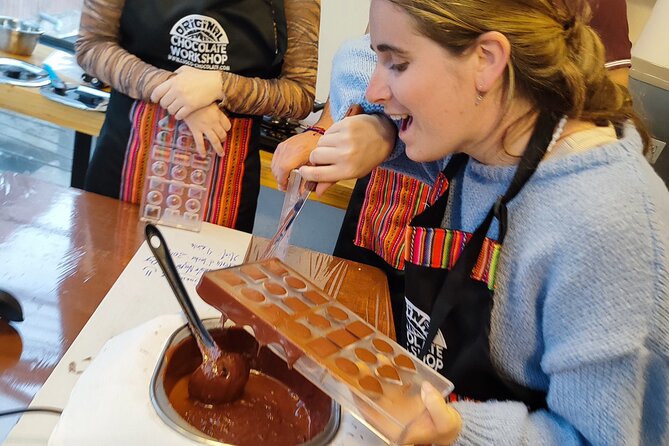
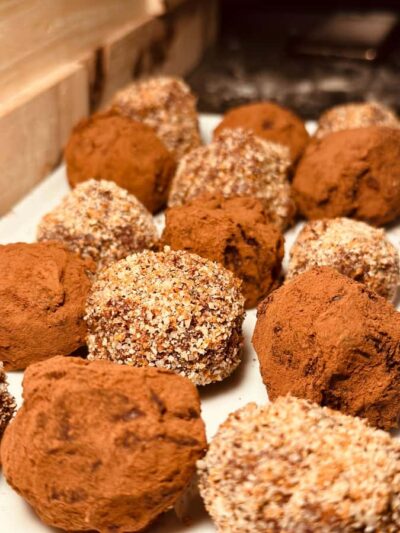
The main activity is making your own chocolates. You create about 21 pralines and 10 mendiants, a substantial amount for a two-and-a-half-hour class.
Pralines are filled chocolates, while mendiants are typically chocolate discs topped with ingredients such as nuts or dried fruit. The exact shapes and presentation can depend on the class, but the workshop gives you several ways to personalize the batch.
The filling choices include homemade local jams and a wide range of local and organic nuts. Other ingredients mentioned in the experience include coconut flakes and dried fruits. This is where the class becomes more than a demonstration. You can build a box that suits your taste instead of accepting a fixed selection.
You will also learn to prepare ganache. That is useful because ganache forms the soft center of many truffles and filled chocolates. The instructor guides you through the process, then helps you turn the chocolate and fillings into finished pieces.
Do not expect every piece to look like it came from a professional pastry counter. That is part of the charm. You are learning, choosing toppings, and handling the ingredients yourself. The result is personal, and the class gives you enough chocolate to make the effort feel worthwhile.
More hands-on workshops in Cusco:
- The Textile Workshop Experience in Cusco Region
★ 5.0 · 118 reviews - Pisco Sour Secrets: Hands-On Mixology in Historic Cusco
★ 4.5 · 50 reviews - Cusco: Bean to bar chocolate workshop
★ 5.0 · 3 reviews - Sacred Valley Textile Workshop – Dyeing & Weaving in Cusco
★ 5.0 · 92 reviews
Hot chocolate and a view over Cusco
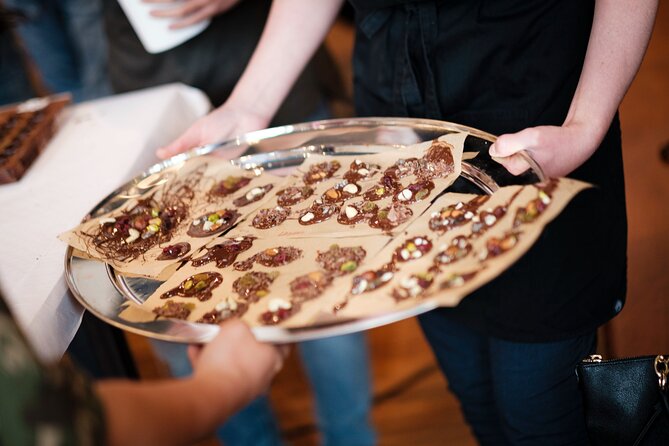
The class includes a hot chocolate that you prepare yourself. The remaining chocolate can also be used to create a special hot drink, so the workshop ends with something warm rather than only a box of sweets.
The timing works particularly well in the early evening. From the workshop, you can look across Cusco as daylight fades. The combination of sunset, city views, and chocolate gives the activity a memorable rhythm that a daytime kitchen class might lack.
This is also a useful option for a first or second evening in town. You can enjoy a low-pressure activity, hear practical suggestions from the instructor, and ask for ideas about what to do afterward. The class ends back at the meeting point, and one session was followed by dinner at a restaurant in the same general setting, though dinner is not listed as part of this chocolate experience.
The view is not a substitute for Cusco’s major lookouts, but it adds real value to the workshop. You are not only standing at a counter for two and a half hours. You have a changing city scene to enjoy while the chocolate cools and your creations take shape.
What you take home for $45
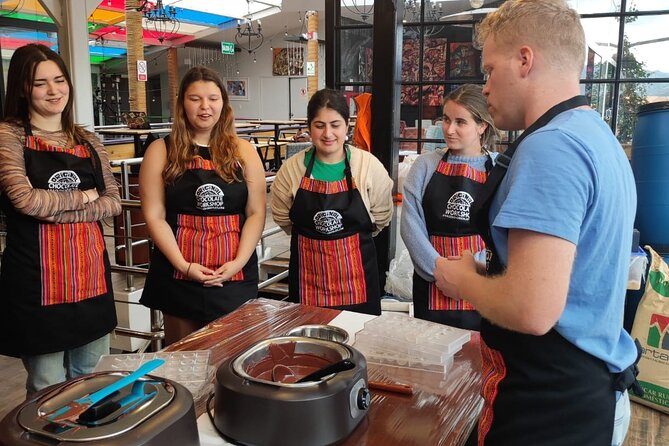
The price is $45 per person. I see the value in it if you want three things at once: an organized activity, a local food connection, and edible souvenirs.
The take-home amount is generous. You make around 21 pralines and 10 mendiants, then receive a personalized box for carrying them away. That is considerably more satisfying than a short tasting with two or three samples. You can share the chocolates with family and friends, though you may decide to keep the best pieces for yourself.
The price also covers the instruction and the interactive work. You are not paying only for ingredients. You get an instructor, a prepared workshop, a setting with city views, a hot chocolate lesson, and time to ask questions.
Still, value depends on your interests. If you mainly want to buy excellent Peruvian chocolate, a shop will be faster and cheaper. If you want a detailed cacao-farm visit or a technical pastry course, this class may not go far enough. For an evening activity that combines making, tasting, and sightseeing, the price is reasonable.
Who will enjoy this class most
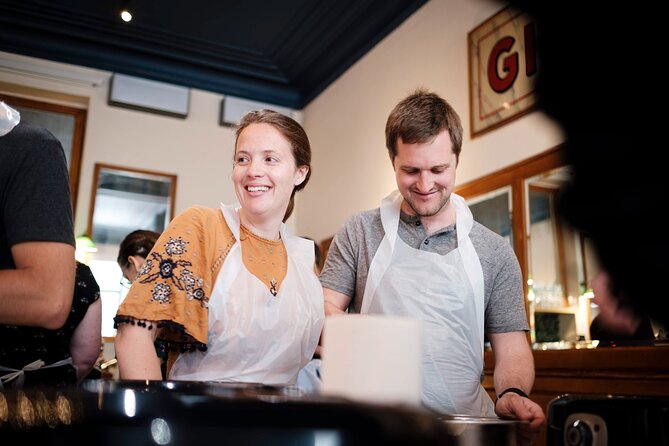
I would recommend this workshop to couples, families with children aged 12 and older, solo visitors, and friends looking for something different from another restaurant meal.
It suits people who like to participate. You will get more from the class if you enjoy choosing flavors, working with your hands, and accepting that homemade chocolates may have uneven shapes. The instructors’ humor and informal style also make it a good match for people who prefer a social class over a formal culinary demonstration.
Families should note the minimum age of 12. Younger children are not included in the stated participation rules. The maximum group size is 15, so the session may be lively, but it is not designed as a private class.
Solo visitors can fit in comfortably. One session had only two students, while another included a family group of four. Group size can vary, which means the mood may range from intimate to more social.
I would be more cautious about booking it on a very tight schedule. The activity lasts about two and a half hours, and the 5:00 pm start takes up most of the evening. Give yourself enough time to reach the meeting point and avoid scheduling a fixed dinner immediately afterward.
Practical details before you book
You receive confirmation at the time of booking. The activity is near public transportation, and service animals are allowed.
The class is available to adults and children aged 12 or older. The maximum is 15 participants. The experience begins and ends at C. Pasñapakana 133.
Cancellation is free up to 24 hours before the start time. You need to cancel at least 24 hours ahead for a full refund. Changes or cancellations inside that window are not accepted, and the local start time controls the cutoff. The class also requires a minimum number of participants. If that minimum is not reached and the operator cancels, you are offered another date or experience, or a full refund.
Ask the instructor for Cusco tips before you leave. That small feature can be useful, especially early in your stay when you are still deciding how to fill the next day.
Should you book the Cusco Chocolate Workshop?
I would book it if you want a relaxed, hands-on evening with a strong local ingredient, a generous box of chocolate, and views over Cusco. The organic Chuncho cacao, Belgian-style methods, sunset setting, and friendly instruction give the class more character than a basic candy-making session.
I would skip it if your main goal is to handle cacao beans from the beginning or visit a working cacao farm. This workshop starts with prepared chocolate and focuses on making pralines, mendiants, ganache, and hot chocolate.
For most people, the class is a good Cusco add-on, especially during the first few days in town or on an evening when you want something easy but still memorable. At $45, it earns its price through the amount you make and take home. Just confirm your start time, plan your route to Pasñapakana 133, and leave room in your evening for the sunset view.
FAQ
How long does the chocolate workshop last?
The workshop lasts approximately two and a half hours.
Where does the activity begin and end?
It begins at C. Pasñapakana 133, Cusco 08000, Peru, and ends back at the same meeting point.
What time does the workshop start?
The listed start time is 5:00 pm. The activity information also refers to several possible start times, so check the time attached to your booking.
How much chocolate will I make?
You will make around 21 pralines and 10 mendiants, then receive a personalized box for taking them home.
Is the workshop suitable for children?
Yes. The workshop is available to adults and children aged 12 and older.
What happens if I need to cancel?
You can cancel up to 24 hours before the experience for a full refund. Cancellations or changes made less than 24 hours before the start time are not accepted for a refund.
Just added around Cusco
- Waqrapukara 1 day trekking + meals★ 3.9 · 3 reviews
- Visit to the Cochahuasi Animal Sanctuary with rescued animal★ 4.1 · 4 reviews
- Vinicunca Mountain Tour – Full Day Tour to Rainbow Mountain★ 3.4 · 4 reviews
- Valle Sur Cusco | half day★ 4.3 · 3 reviews
- Trek to Humantay Lake from Cusco★ 4.9 · 8 reviews
- Trek to Choquequirao 4 days★ 3.8 · 4 reviews
- rainbow mountain full day★ 5.0 · 44 reviews
- Tour to the HUMANTAY LAGOON from CUSCO★ 5.0 · 35 reviews
Workshops, compared.
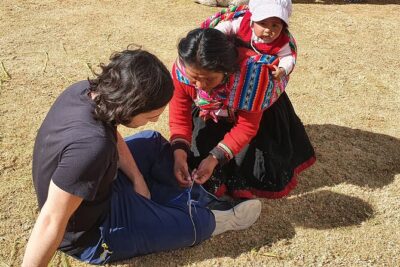
The Textile Workshop Experience in Cusco Region
Read our review →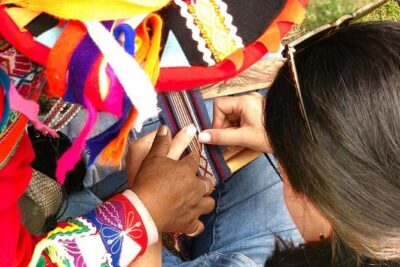
Sacred Valley Textile Workshop – Dyeing & Weaving in Cusco
Read our review →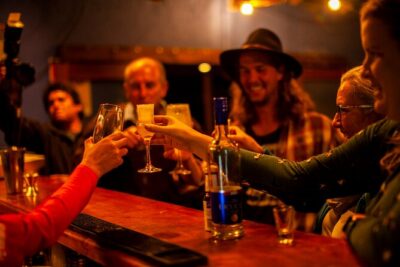
Pisco Sour Secrets: Hands-On Mixology in Historic Cusco
Read our review →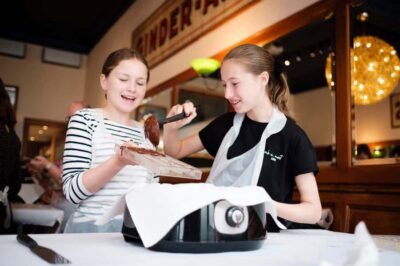
Chocolate Workshop with the Best Local Organic Cacao
Read our review →
1.5h Cusco Chocolate Workshop – Truffles & Hot Chocolate
Read our review →Browse the lists this tour appears in