
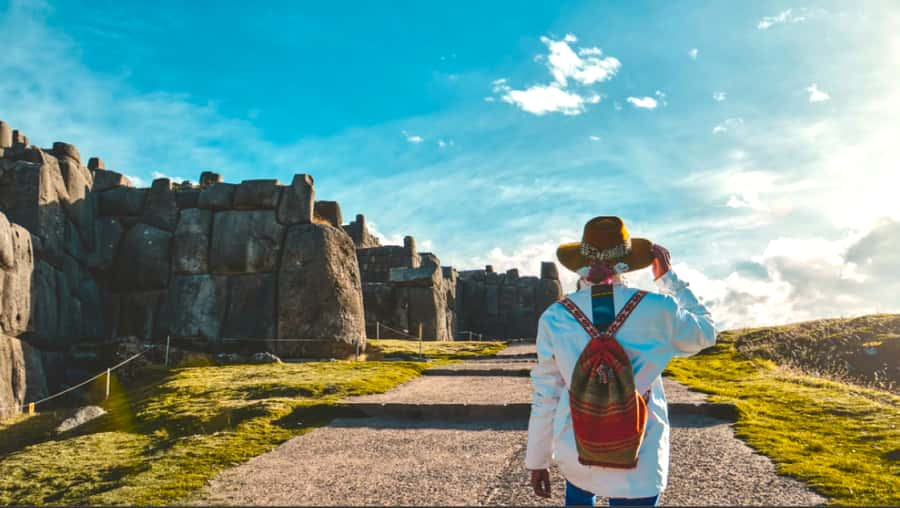
Reviewed · SACSAYHUAMAN & CUSCO RUINS TOURS
City Tour Cusco Qoricancha Sacsayhuaman y Tambomachay
Cusco’s best introduction may be a half-day route that moves from the city’s Spanish-built center to the huge Inca stones above town. This tour links Qorikancha, Sacsayhuamán, Qenqo, Puka Pukara, and Tambomachay, so you get both city context and major archaeological sites without arranging several taxis.
I like the clear progression from the Temple of the Sun to the hilltop ruins, and I like the chance to ask questions in English or Spanish throughout. Guides such as Nilo, Erick, Manuel, and Sergio have been praised for lively explanations and patient answers. The main catch is cost clarity: the $13 tour price does not include Qorikancha’s S/20 entrance fee or the S/70 Cusco Tourist Ticket.
Key points to know before booking
- Five major stops in one half-day: You visit Qorikancha, Sacsayhuamán, Qenqo, Tambomachay, and Puka Pukara.
- Two departure choices: The morning tour runs from 9:00 AM to about 2:00 PM. The afternoon option runs from 1:00 PM to about 6:30 PM.
- Shared transport saves effort: A coach connects the sites, which is useful because the outer ruins sit uphill from the historic center.
- Guides shape the experience: English and Spanish live guiding is available, with audio support in both languages.
- Extra admission costs matter: Bring cash for the Qorikancha fee and Cusco Tourist Ticket.
- Best early in your stay: The route gives you a practical map of Cusco’s history, streets, viewpoints, and major sites.
Why this route works as a first day in Cusco
I would place this tour near the start of a Cusco visit. It gives you a working timeline of the city: Inca religion, imperial stonework, Spanish colonial reuse, ceremonial sites, military control points, and water worship.
That broad sweep matters because Cusco can feel like several cities stacked on top of one another. At Qorikancha, you see the collision of Inca and Spanish power in one building. At Sacsayhuamán and the nearby ruins, you see how the Inca shaped stone, hillsides, water, and roads into a powerful urban setting.
The tour is listed at $13 per person, which is a strong price for five hours of guiding and shared transportation. It is not the full price, though. Add S/20 for Qorikancha and S/70 for the Cusco Tourist Ticket. Carry soles so you are ready for the admission desks and any small purchases along the way.
You should also allow for a tip. The tour information does not present one fixed gratuity, but one direct account described about 30 soles as an expected tip, while another said people commonly contributed around 35 soles. Treat that as a practical budgeting suggestion, not a compulsory fee.
More City Tours in Cusco
- Cusco: Half-Day City Tour with Sacsayhuaman and Q’enco
★ 4.6 · 1,129 reviews - Cusco: Sightseeing Tour of the City on an Open-Top Bus
★ 4.0 · 481 reviews - Open Bus Cusco City Tour
★ 4.5 · 219 reviews
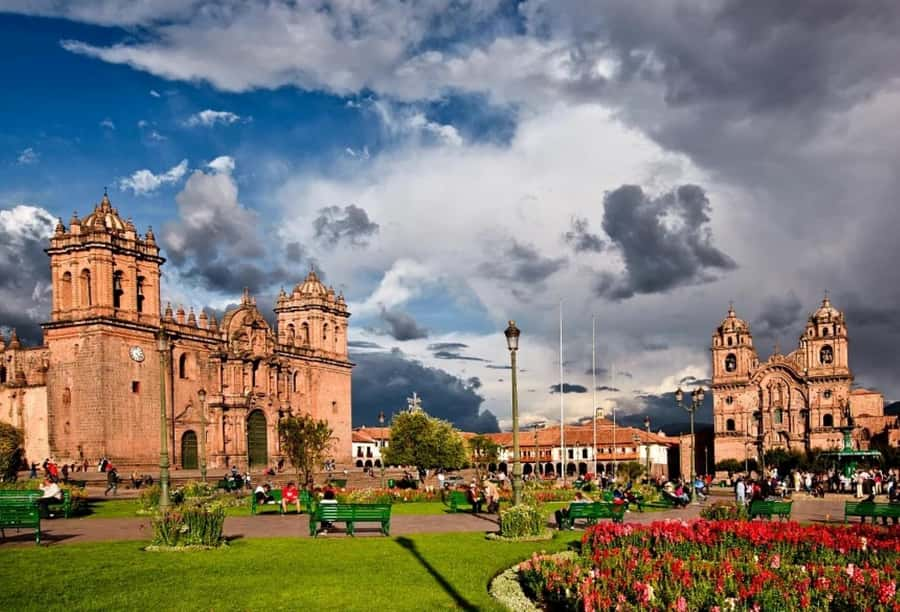
Meeting at the fountain in Plaza de Armas
The meeting point is beside the central fountain in Cusco’s Main Square, next to the Inca monument. The listed coordinates are -13.516772, -71.9787231. Arrive 10 minutes early, since the square can be confusing when you are still getting used to Cusco’s layout.
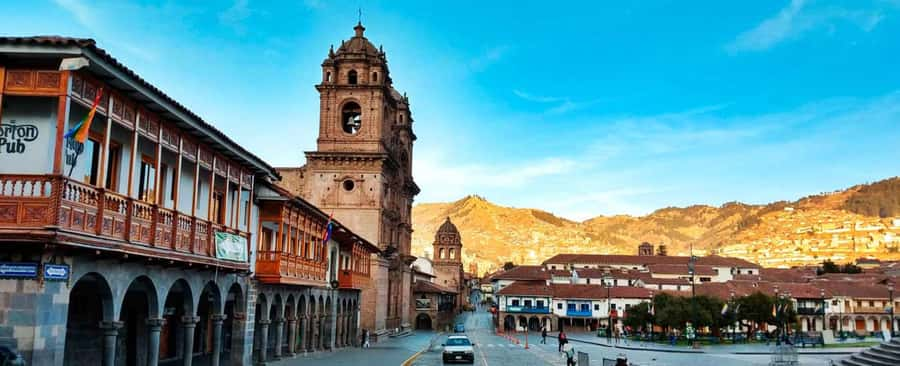
The opening walk around Plaza de Armas takes about seven minutes. Your guide introduces the route and sets the historical frame before leading the group to Qorikancha.
The square is a smart starting point. It lets you see Cusco’s colonial center before heading to the ruins outside it. It also gives you a chance to identify the end point, Plaza Regocijo, which is in the historic center and close to many restaurants and hotels.
Qorikancha: the Inca Temple of the Sun
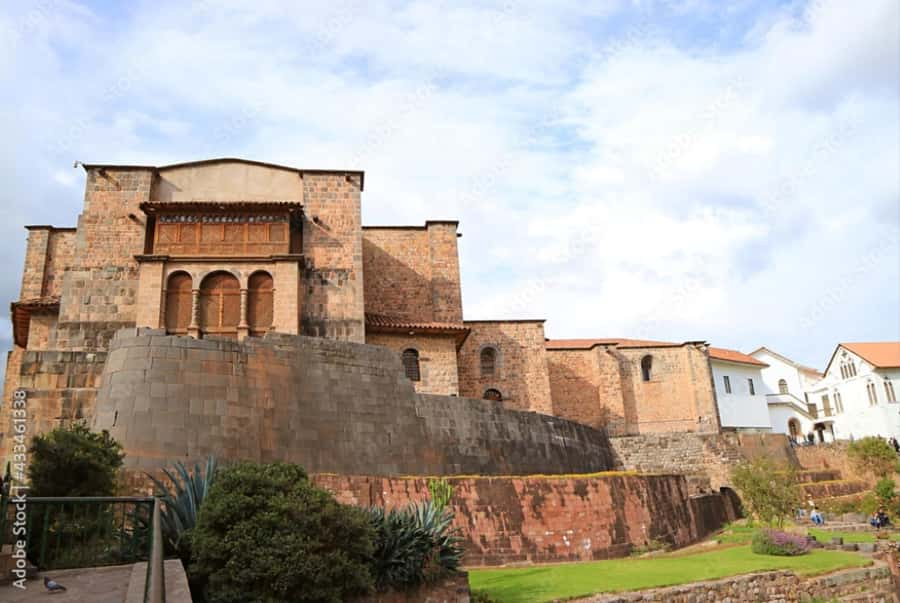
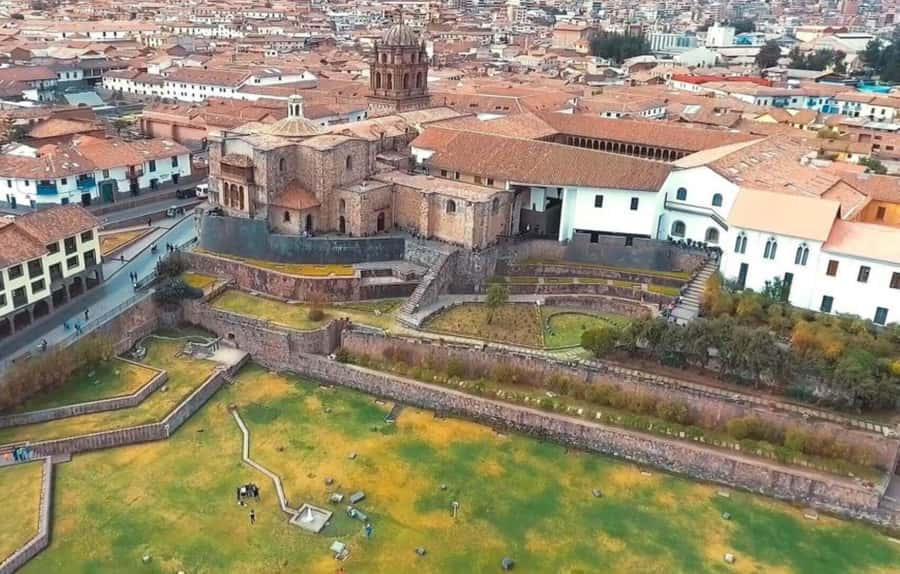
Qorikancha is the first major stop, with about 40 minutes for photographs, explanation, and sightseeing. It was the most important religious site of the Inca Empire, and the visit focuses on its ceremonial role and finely fitted stone walls.
The most useful part is seeing how the Santo Domingo Convent was built on the temple’s foundations. This is not just an architectural curiosity. It shows how Spanish power claimed an important Inca religious site and reshaped it for a new faith and government.
Your guide can help you read the building in layers. Look for the contrast between the precise Inca masonry and the later colonial structure. The stop is relatively short, so listen closely and ask questions rather than trying to inspect every corner at your own pace.
Qorikancha requires a separate S/20 entrance fee. That charge is not part of the $13 tour price, so check your cash before setting out. If you are comparing this tour with a simple walking tour of the center, this ticket is one reason the final cost will be higher.
Sacsayhuamán and the stones above Cusco
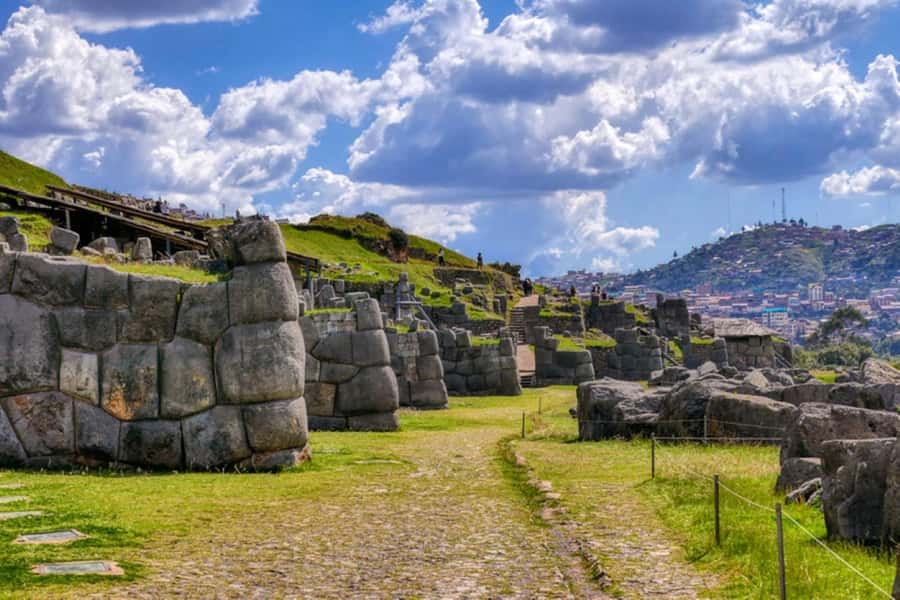
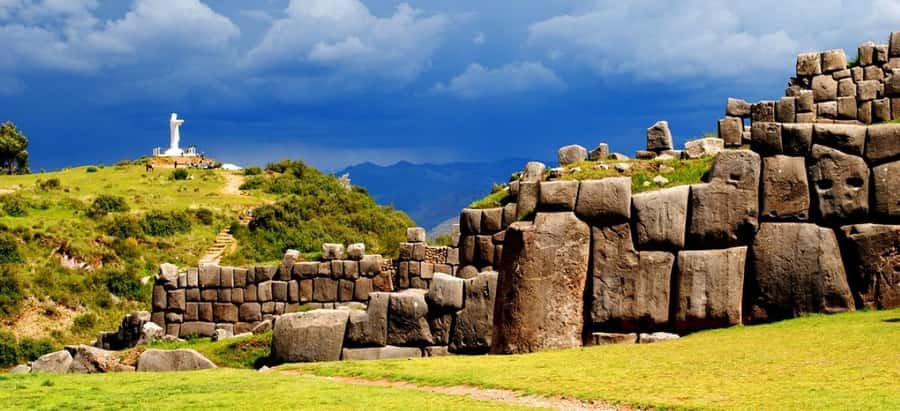
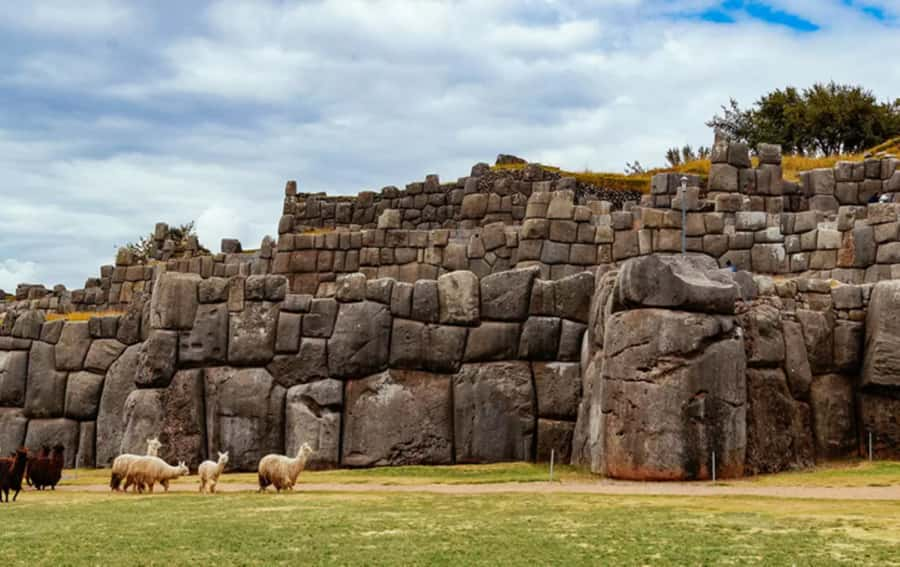
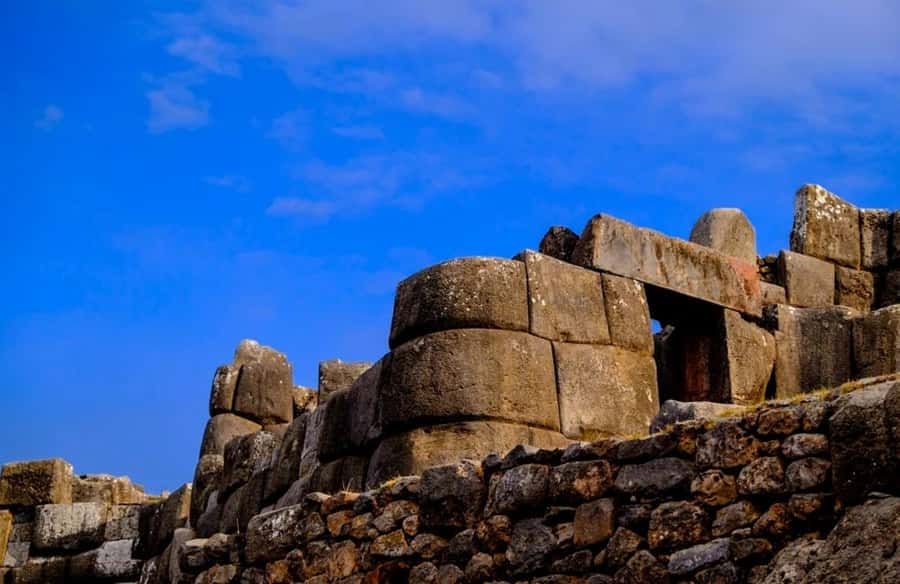
After Qorikancha, shared transport takes about 25 minutes to Sacsayhuamán. You have roughly 40 minutes there for a guided visit, free time, photographs, and views over Cusco.
The massive stone blocks are the obvious draw, but the guide’s explanation is what gives them meaning. You will hear about the site’s strategic and ceremonial roles and how it formed part of the Inca setting above the city.
Bring your camera, but do not spend the whole stop looking through it. The views are one of the pleasures here, and the wide outlook helps you understand Cusco’s bowl-shaped setting better than a map can.
This is also where altitude and sun can catch up with you. Wear comfortable clothing, use sunscreen, and carry water in your daypack. The supplied information recommends sunglasses and a sun hat, and both are sensible. Move at a steady pace and take the free time seriously if you need a breather.
More Inca ruins above Cusco:
- Cusco City Sightseeing, San Pedro Market, Cathedral and Qorikancha Temple
★ 4.5 · 139 reviews - Cusco: 3-Hour Horse Riding Tour to the Temple of the Moon
★ 5.0 · 105 reviews - Cusco City Sightseeing and Sacsayhuaman Archeological Park Tour
★ 4.5 · 101 reviews - Horse Riding Chacan Mountain And Temple Of The Moon
★ 5.0 · 78 reviews
Qenqo’s carved rock and ritual spaces
A short 10-minute ride leads to Qenqo, also written Q’enco in some references. The visit lasts about 25 minutes and includes a guided walk, photographs, and views along the route.
Qenqo is a ceremonial center with carved rock formations, altars, and underground passages. It is a smaller, more enclosed experience than Sacsayhuamán, so your guide’s explanation is especially useful. Without context, it can be easy to see only weathered stone. With context, you can start to understand how rock and enclosed spaces were used in ritual settings.
The stop is brief. If you want long quiet time at each ruin, this schedule may feel tight. If you prefer a well-paced introduction to several sites, the 25 minutes keeps the route moving.
Tambomachay and the Inca relationship with water
The coach ride to Tambomachay takes about 15 minutes. The site visit lasts around 20 minutes, with a break, free time, photographs, and guided sightseeing.
Tambomachay is known as the Inca Baths. Its channels and fountains still flow, and the site was linked to the worship of water. This stop gives the tour a useful change of subject after the stonework and ritual spaces at Sacsayhuamán and Qenqo.
Watch the water channels closely. The value here is not scale. Tambomachay is more intimate, and the continuing flow makes the ancient engineering easier to picture. You may also appreciate the views on the way, since the route reaches higher ground outside central Cusco.
The short visit means you should arrive ready to listen and take a few photographs, not expect a long independent exploration. Keep your daypack light and your hands free for uneven walking.
Puka Pukara, the control point by the road
Puka Pukara follows Tambomachay in the listed route, after a five-minute coach ride. The stop takes about 20 minutes and focuses on photographs, a guided explanation, and views from the road.
Puka Pukara was an ancient military and control post. It also served as a resting place for Inca travelers. Its terraces and defensive features make more sense when you picture it as part of a working road system, rather than an isolated ruin.
This is a quick stop, but it adds an important practical side to the tour. The Inca world was not only temples and royal ceremonies. It also needed checkpoints, resting places, routes, and people who could manage movement through the empire.
Afterward, the return to central Cusco takes about 30 minutes. The tour ends at Plaza Regocijo or a nearby point in the historic center.
What the guiding is really worth
The strongest part of this experience is the human explanation. Several guides have been singled out by name in direct feedback, including Nilo, Erick, Manuel, Sergio, Luis, Condor, Kali, and others. The consistent strengths are clear English, enthusiasm, historical detail, humor, and willingness to answer questions.
Nilo appears especially often in the feedback. He has been praised for strong English, careful answers, useful city views, help with photographs, and a lively explanation of Inca culture. Erick is described as funny, energetic, and easy to understand. Manuel is noted for his passion for Peruvian culture, while Sergio helped one visitor use the tour to get oriented to Cusco.
Guide quality can vary on any shared departure, so I would not book on the assumption that one particular person will lead your group. Still, the pattern suggests that the provider has several capable guides rather than relying on a single star performer.
The group may be bilingual. One English-speaking participant felt the explanation leaned about 65 percent Spanish and 35 percent English on a particular departure. If every detail in English matters to you, ask at the start how the guide will divide the commentary. English and Spanish guiding are offered, but the balance within a mixed group may change.
An audio guide is also included in English and Spanish. That gives you a useful backup, though it is worth confirming how it will be provided on your departure.
Small extras, shops, and the end of the afternoon
Some accounts describe pleasant extras such as a Pisco sour at the end, chocolate, a llama keychain, an altitude remedy, or a stop where a guide demonstrated musical instruments. These touches can make the outing feel more personal, but they are not listed as guaranteed inclusions, so do not book for them.
A few stops at shops have also been reported. For some people, this is a chance to see local products or pick up a small souvenir. For others, it interrupts the archaeological focus. If you prefer a strictly site-to-site route, ask your guide early about the planned stops.
The listed included services are the shared tourist transport, professional local guide, visits to the main attractions, and assistance during the tour. Food, drinks, souvenirs, and entrance fees are not promised as standard inclusions.
Timing, walking, and altitude
The morning departure begins at 9:00 AM and finishes around 2:00 PM. The afternoon departure begins at 1:00 PM and ends around 6:30 PM. The morning option leaves your afternoon open for museums, markets, or a relaxed meal. The afternoon option may suit you if you want a slower start.
Although transport handles the longer connections, this is not a sit-down coach ride. You walk around Plaza de Armas, Qorikancha, Sacsayhuamán, Qenqo, Tambomachay, and Puka Pukara. Bring comfortable clothes, sturdy everyday footwear, sunscreen, a hat, sunglasses, a camera, cash, and a small daypack.
The tour information contains conflicting accessibility notes. It describes the activity as wheelchair accessible but also says it is not suitable for wheelchair users. Because the ruins include walking and uneven archaeological areas, contact the provider before booking if accessibility affects your plans.
Do not bring weapons, sharp objects, drones, alcohol, drugs, fireworks, or loose clothing. Littering, loud noise, fires, and nudity are prohibited. You should also carry a passport or identification card, and the information advises that your passport must have six months of validity for trips.
Who should book this Cusco tour
I would recommend it to first-time visitors who want a fast, organized introduction to Cusco and the nearby ruins. It suits solo visitors especially well because the shared format provides transport, a guide, and a ready-made route without the cost of hiring a private vehicle.
It also works for families and mixed-age groups if everyone can manage the walking and altitude. One direct account described a guide keeping three generations engaged, which suggests the route can work across ages when the guide keeps the pace lively.
You may want something else if you have already visited all five sites, dislike shared transport, or want long periods at each ruin. A private tour would give you more control, but this $13 starting price is hard to match for the amount of ground covered.
Should you book it?
Book this tour if you want good historical orientation, major sights, and simple transport in one half-day. It is especially useful on your first or second day in Cusco, when the city’s Inca and Spanish layers still feel hard to sort out.
Just budget for the S/20 Qorikancha admission, the S/70 Tourist Ticket, and a possible tip. Confirm the language balance, accessibility, and any shop stops if those points matter to you. With those expectations set, this is a practical and unusually good-value way to get your bearings before exploring Cusco on your own.
FAQ
Where does the tour meet?
The meeting point is beside the central fountain in Cusco’s Plaza de Armas, next to the Inca monument. The coordinates provided are -13.516772, -71.9787231.
What time does the morning tour start?
The morning departure starts at 9:00 AM and runs until approximately 2:00 PM.
What time does the afternoon tour start?
The afternoon departure starts at 1:00 PM and ends at approximately 6:30 PM.
How long does the activity last?
The tour lasts about five hours, although the listed afternoon schedule runs for approximately five and a half hours.
Which sites are included?
The route includes Plaza de Armas, Qorikancha, Sacsayhuamán, Qenqo, Tambomachay, and Puka Pukara.
Is transportation included?
Yes. Shared tourist transportation is included for the connections between the historic center and the archaeological sites.
Are entrance fees included?
No. Qorikancha costs S/20, and the Cusco Tourist Ticket costs S/70. These fees are separate from the tour price.
What languages are available?
Live guiding is available in English and Spanish. An audio guide is also listed in English and Spanish.
Can I cancel the booking?
You can cancel up to 24 hours in advance for a full refund. Reserve now and pay later is also available.
What should I bring?
Bring your passport or identification, sunglasses, a sun hat, camera, sunscreen, comfortable clothes, cash, and a daypack.
Just added around Cusco
- Waqrapukara 1 day trekking + meals★ 3.9 · 3 reviews
- Visit to the Cochahuasi Animal Sanctuary with rescued animal★ 4.1 · 4 reviews
- Vinicunca Mountain Tour – Full Day Tour to Rainbow Mountain★ 3.4 · 4 reviews
- Valle Sur Cusco | half day★ 4.3 · 3 reviews
- Trek to Humantay Lake from Cusco★ 4.9 · 8 reviews
- Trek to Choquequirao 4 days★ 3.8 · 4 reviews
- rainbow mountain full day★ 5.0 · 44 reviews
- Tour to the HUMANTAY LAGOON from CUSCO★ 5.0 · 35 reviews
Sacsayhuaman & Cusco Ruins Tours, compared.
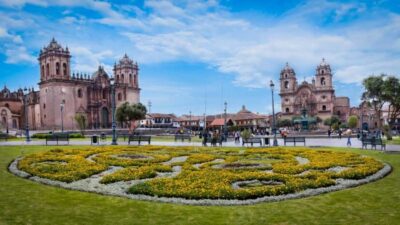
Half-Day City Tour with Sacsayhuaman and Q’enco
Read our review →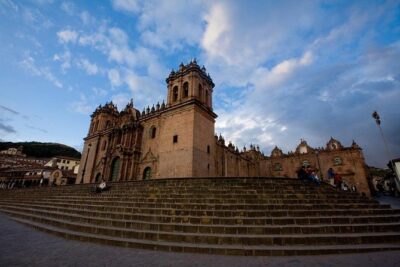
Cusco City Sightseeing, San Pedro Market, Cathedral and Qorikancha Temple
Read our review →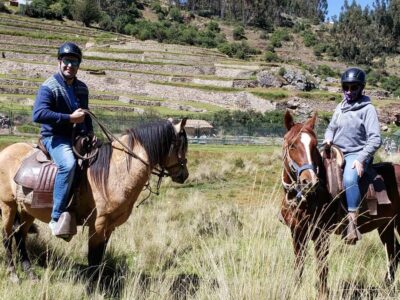
3-Hour Horse Riding Tour to the Temple of the Moon
Read our review →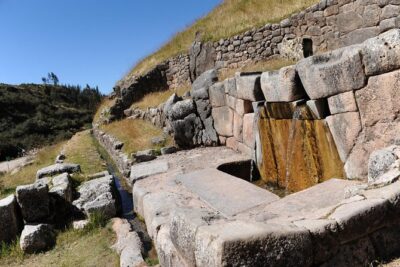
Cusco City Sightseeing and Sacsayhuaman Archeological Park Tour
Read our review →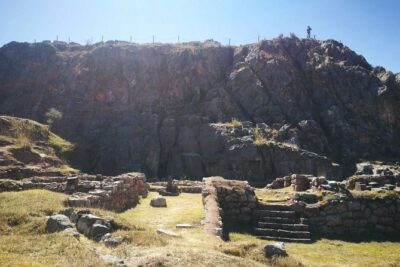
Horse Riding Chacan Mountain And Temple Of The Moon
Read our review →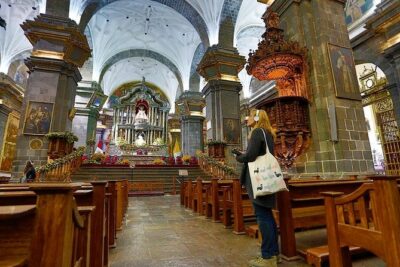
Cusco 4-Hour Private Tour Including Sacsayhuaman and Qenqo
Read our review →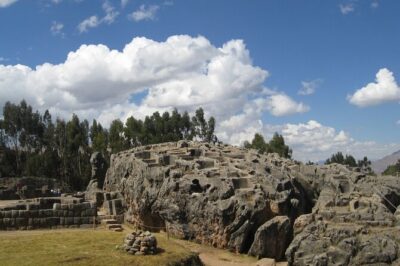
Sacsayhuaman Temple, Tambomachay and Puca Pucara Half-Day Tour
Read our review →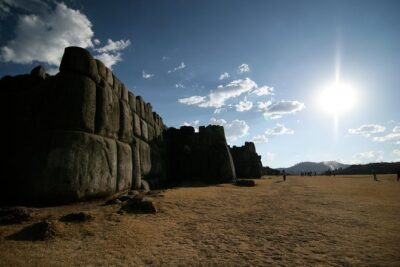
Half-Day City Tour of Cusco Including Tambomachay
Read our review →Browse the lists this tour appears in