
Reviewed · AREQUIPA TOURS
Arequipa | Ascent to Chachani Volcano 2 days / 1 night
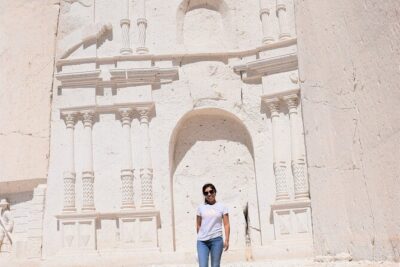
Chachani is not a sightseeing stop with a quick photo and a short walk. It is a serious high-altitude mountain climb, beginning with a 4×4 ride from Arequipa and ending with a sunrise summit attempt. Along the way, you get a close look at the volcanic world that supplied the white stone used in Arequipa’s churches, the reason the city is called the White City.
I like two things right away: the small group of up to 10 keeps the outing personal, and the price includes hotel pickup, a 4×4, an English- or Spanish-speaking guide, a tent night, lunch, and breakfast. The main catch is the altitude and the spare setup. You need to bring or arrange your own trekking shoes, poles, backpack, snacks, and enough personal water for a demanding climb.
Key points before you book
- The summit attempt starts at 2 a.m., so this is a mountain outing, not a relaxed day tour.
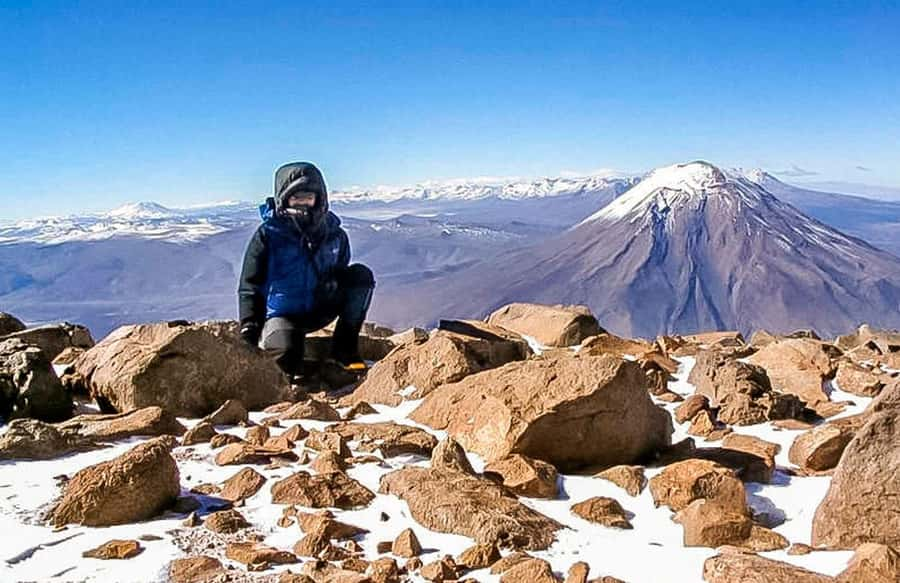
- Base camp sits at 5,200 meters, where cold, thin air can make even simple tasks harder.
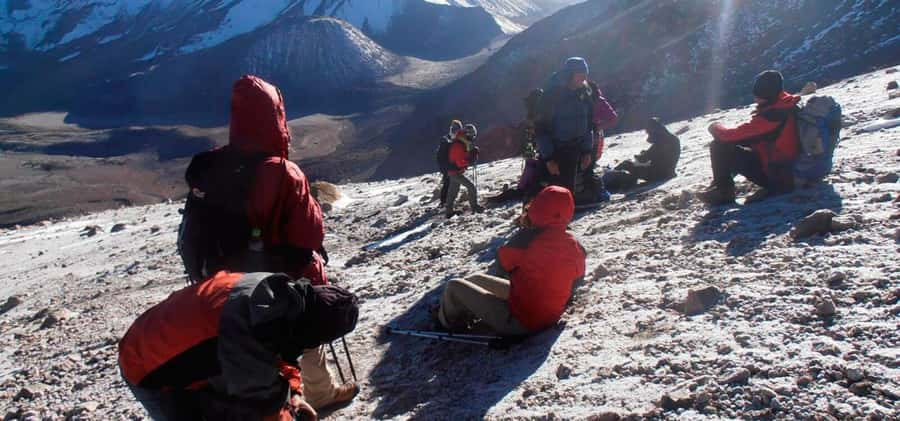
- The first day is gradual, with about two hours of walking before camp, while the summit morning is the intense section.
- A 4×4 handles the rough approach, cutting out a long approach walk from Arequipa.
- Meals are simple and practical, with soup and pasta or canned food for lunch, followed by breakfast before the climb.
- You need your own trekking equipment and snacks, though one verified booking notes that the operator may have gear available for the adventure.
Chachani is a real climb, not a volcano viewpoint
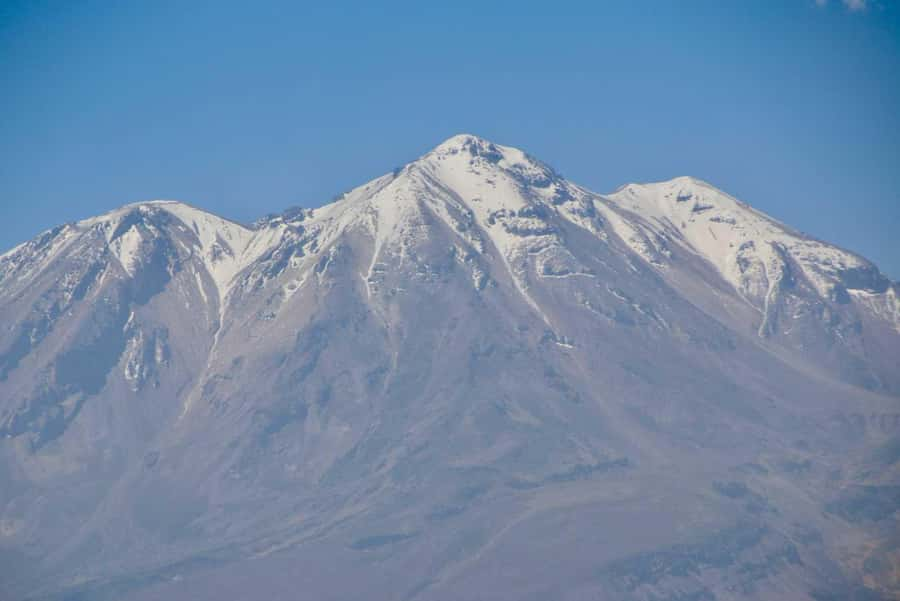
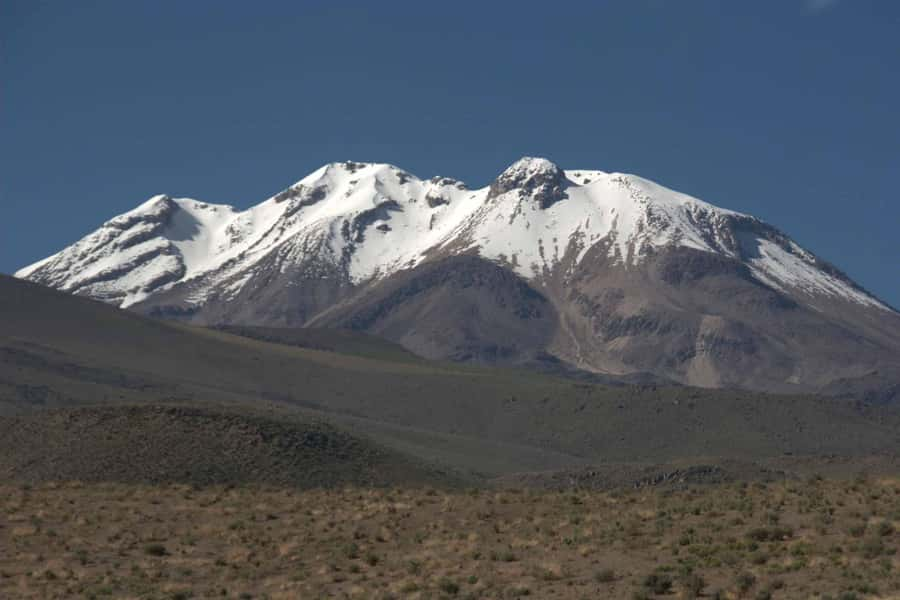
The appeal of Chachani is its scale and setting. From Arequipa, you leave the city and head toward the volcanic highlands in a 4×4, eventually reaching Pampa Cañahuas on the back side of the volcano at about 10 a.m. The route then shifts from road travel to walking.
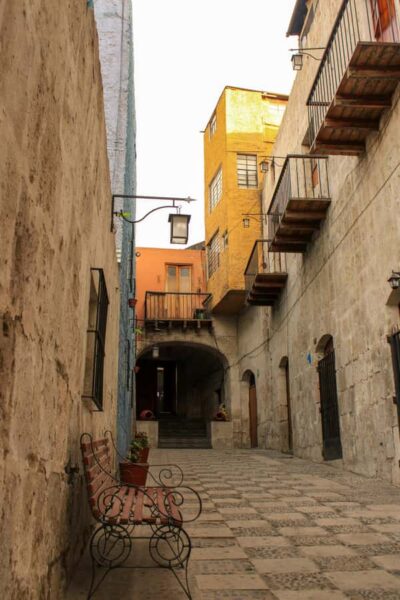
Arequipa’s white-stone identity gives this trip an extra layer of interest. The pale volcanic stone used to build many of the city’s churches is tied to the area’s volcanic past. You will not simply be looking at a famous city from street level. You will be moving into the volcanic country that helps explain Arequipa’s nickname, the White City.
Still, the mountain asks for respect. The base camp is at 5,200 meters, which is high enough for altitude to affect your pace, sleep, appetite, and energy. The information provided does not give a summit elevation, so I would not book this based on a number alone. Book it because you are prepared for a long, cold, high-altitude ascent.
A few more Arequipa days worth weighing up
- From Puno: Uros, Amantaní & Taquile Islands 2-Day Tour
★ 4.5 · 452 reviews - From Cusco: 2-Day Trip to the Sacred Valley and Machu Picchu
★ 4.6 · 265 reviews - Cusco: Machu Picchu 2-Day Inca Trail with Panoramic Train
★ 4.9 · 260 reviews
From Arequipa to Pampa Cañahuas in a 4×4
Pickup begins at 7:30 a.m. from your hotel in Arequipa. The stated pickup points include the Historical Centre and Plaza de Armas, and hotel pickup is offered from any hotel in Arequipa. You should wait in the hotel lobby from 10 minutes before the scheduled time.
The 4×4 matters here. It takes you over the approach route to Pampa Cañahuas and the rear side of Chachani, saving your legs for the climb itself. At about 10 a.m., the guide gives basic recommendations and helps you get ready for the walk.
This is also the moment to check your personal kit. Make sure your jacket, change of clothes, medication, shoes, backpack, poles, snacks, and water are accounted for. The operator includes transport and basic camp meals, but not trekking equipment. One booking describes the guide as focused on helping with the summit rather than putting on a polished tourist show, which fits the practical nature of this outing.
The two-hour walk to camp at 5,200 meters
The first walking section takes about two hours and follows gradual, low-intensity ascents. That sounds gentle, but altitude changes the meaning of easy. At 5,200 meters, a mild slope can feel like work, especially if you are still adjusting to the thin air.
You will walk to the base camp, where the tents are set up for the night. Lunch is simple: soup and pasta or canned food. This is not a meal-focused tour, but the warm soup and carbohydrates have a clear purpose. You need fuel before the early start.
The camp routine is spare. At nightfall, you have tea and go to sleep. The early bedtime is necessary because the alarm comes at 2 a.m. Do not expect a long evening, entertainment, or a comfortable lodge. The tent night gives you a place to rest near the climb, but the combination of cold, altitude, and an early wake-up can make sleep difficult.
A practical concern deserves attention here. One participant noted that more water for cooking would have helped and that water ran short during the intense ascent. Since snacks are not included and personal equipment is your responsibility, ask about the water plan before departure and carry enough for your own needs. The supplied details do not specify a water amount, so do not assume every need is covered by the tour.
The 2 a.m. start and the climb toward sunrise
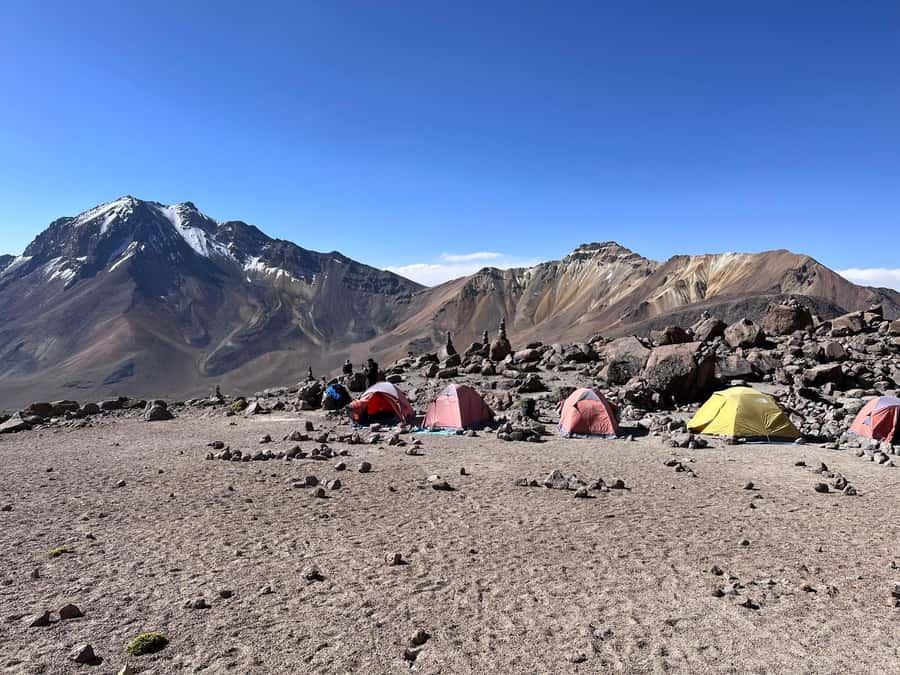
Day two begins at 2 a.m. You get dressed, check that your gear is ready, eat breakfast, and begin the summit climb. The early hour is not a gimmick. It gives you the chance to reach the top around 5 a.m., if weather and pace allow, with the surrounding peaks visible in the morning light.
This is the hardest part of the trip. The supplied description calls it an intense hike, and you should treat that as the central fact of the experience. You will need steady effort, patience, warm clothing, and the ability to move for several hours at altitude. The guide checks that the group is ready before setting out, but you remain responsible for being honest about your condition.
The small group limit of 10 is useful during this section. A guide can pay more attention to each person than on a large coach excursion, and the outing is built around reaching the mountain rather than rushing through a list of stops. The guide speaks English and Spanish, so you can receive instructions and practical support in either language.
There is no promise that every participant reaches the summit. Weather conditions matter, and the timing is described as an estimate. If conditions are good, the group expects to reach the summit around 5 a.m. That wording is important. Chachani is a mountain outing with changing conditions, not a guaranteed viewpoint.
Same base, a completely different kind of day:
- Tour to the Salinas Lagoon and National Reserve in Arequipa
★ 4.5 · 548 reviews - From Arequipa: Sillar Route Trek
★ 4.2 · 461 reviews - Arequipa: Chili River White Water Rafting with Hotel Pickup
★ 4.8 · 329 reviews - Walking tour in the Historic Center of Arequipa
★ 4.4 · 180 reviews
Sunrise views of Coropuna, Ampato, and Misti
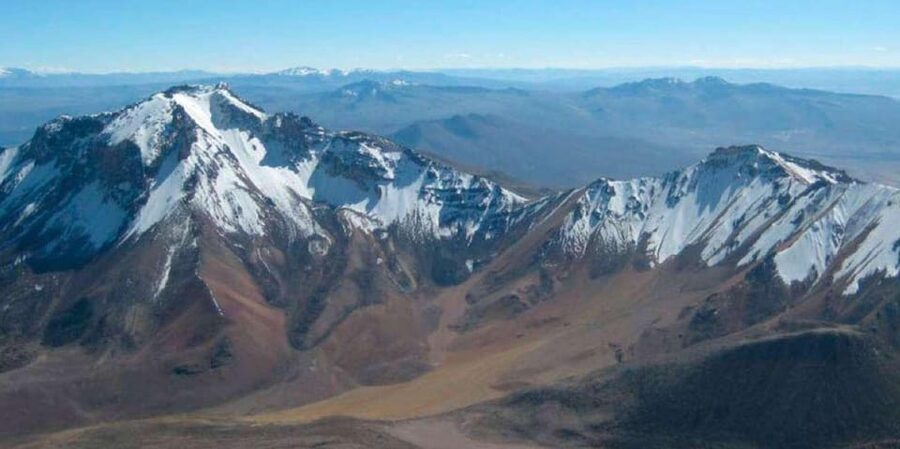
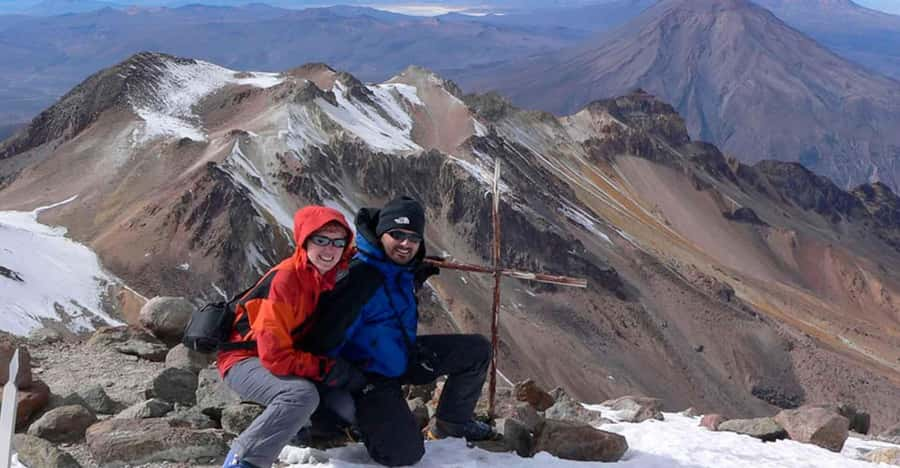
At the summit, you have free time to regain strength and look across the surrounding volcanoes. The named views include Coropuna, the snow-covered peaks of Ampato and Hualca Hualca, active Sabancaya, Misti, and Ubinas.
This is the payoff for the cold start and slow uphill work. You are not only looking toward one volcano. You are seeing a broad group of major Andean peaks from a high point on Chachani. The view also puts Arequipa’s volcanic setting into clearer focus.
Free time at the top is welcome, but it is likely to be purposeful rather than leisurely. You need to rest, take in the view, and protect your energy for the descent. Keep your jacket and personal medication close, and do not leave snacks or water behind at camp if you may need them on the way down.
The summit stop is also weather-dependent. Clouds, wind, or poor conditions can change what you see and how long you stay. The value of the trip is not only a perfect summit photograph. It is the chance to make a guided attempt on a major volcano from Arequipa, with a small group and a route that includes an overnight camp.
Descending to camp and returning to Arequipa
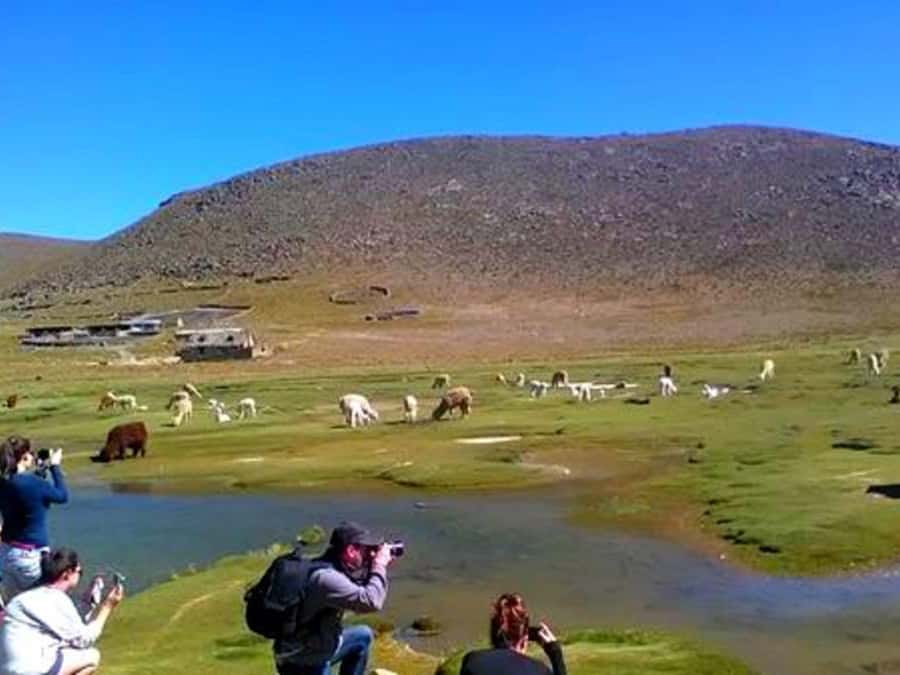
After the summit stop, you descend to base camp. The return is not described as a single fast walk. You make several rest stops along the way, which matters after the night start and the uphill effort.
Once you reach the starting point, the waiting 4×4 takes you back to Arequipa. Drop-off is listed at Plaza de Armas or in the Historical Centre. That makes the finish convenient if you are staying in central Arequipa, though you may be tired enough to want a quiet afternoon rather than another activity.
The second day is long in practical terms. You wake at 2 a.m., climb, rest at the summit, descend, and ride back to the city. Plan little else for that day. The tour has a two-day label, but the summit morning carries most of the physical demand.
What the $144 price really covers
At $144 per person, the package offers good value if you need an organized mountain attempt. It includes pickup, 4×4 transport, a guide in English or Spanish, one night in a tent, lunch on the first day, and breakfast on the second.
The included 4×4 transfer is especially useful. Reaching the back of Chachani independently would require arranging transport to a remote starting point, and the tour handles that part for you. The guide is also important because the climb is high-altitude and weather-sensitive.
The price does not cover poles, shoes, backpacks, or snacks. That lowers the all-in cost only if you already have suitable gear or can borrow or rent it. The supplied information also says the operator has any gear you may need for the adventure, but you should confirm availability, condition, and cost before relying on that option.
Meals are basic rather than generous. Lunch is soup and pasta or canned food, and breakfast comes before the summit departure. Bring snacks you know you can eat while tired, and clarify the water arrangements. These are small costs compared with the package price, but they matter on a climb.
Flexible booking helps if your plans are uncertain. You can reserve now and pay later, and cancellation is available up to 24 hours before departure for a full refund. The briefing takes place one day before the climb at 6 p.m., so keep that appointment free.
Who should book Chachani
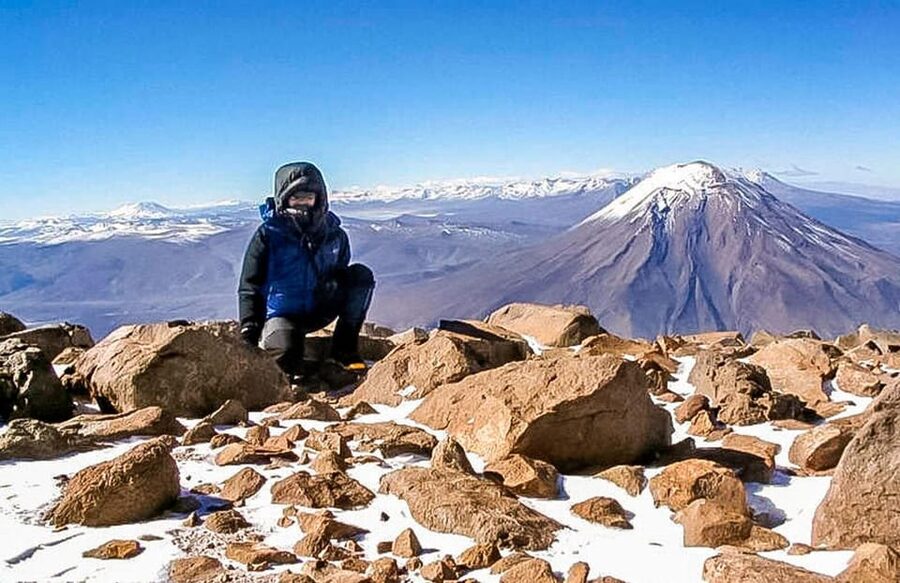
This outing suits fit adults who want a serious mountain experience and understand that comfort comes second to the climb. It is a good match if you like small groups, simple camping, early starts, and a guide whose main job is to help you make a safe summit attempt.
It is not suitable for pregnant women, people with back or heart problems, wheelchair users, or anyone over 60 under the stated restrictions. Those limits are direct and should not be treated as suggestions.
You should also think hard about altitude. The gradual first walk may feel manageable, but the camp is at 5,200 meters and the summit morning is intense. If you are unsure about your ability to handle the height, ask a medical professional before booking and discuss your concerns at the briefing.
This is not the right choice if you want a soft adventure with a comfortable bed, full meals, and plenty of time. It is also not ideal if you need a guaranteed summit or dislike hiking in darkness. The experience asks you to accept basic conditions in exchange for a direct encounter with Chachani and the volcanoes around Arequipa.
Practical packing advice for this specific climb
Bring the required basics: your passport, a change of clothes, a jacket, and personal medication. Add the trekking items that are not included, especially suitable shoes, a backpack, and poles if you use them.
Pack snacks for the walk and summit morning. The included meals cover lunch and breakfast, but snacks are excluded, and the climb is long enough that you should not depend on finding food along the route.
Water deserves special care. Since the provided information does not state how much is supplied, confirm the plan at the briefing and carry enough for your own drinking needs. A shortage of water is an avoidable problem on a demanding ascent.
Use the 6 p.m. briefing the day before to ask about the exact gear available, the weather outlook, the water supply, and the plan if conditions change. That short meeting can help you decide if your pack and clothing are truly ready.
Should you book this Chachani ascent?
Book it if you want a focused, small-group climb with practical support, a 4×4 approach, one night at high camp, and a chance to see Coropuna, Ampato, Sabancaya, Misti, and other volcanoes at sunrise. The $144 price is fair for the transport, guide, tent, and meals, provided you budget for equipment and snacks.
Skip it if you want a relaxed volcano visit or if the 2 a.m. start, 5,200-meter camp, and intense summit hike sound beyond your comfort level. For prepared hikers who accept basic conditions, Chachani offers a more genuine mountain day than a quick lookout stop, but it demands real effort in return.
FAQ
Where does pickup take place in Arequipa?
Pickup is available from any hotel in Arequipa. The listed meeting areas include the Historical Centre and Plaza de Armas. Wait in your hotel lobby from 10 minutes before the scheduled pickup.
What time does the tour begin?
Pickup begins at 7:30 a.m. on the first day. The summit day starts at 2 a.m. after breakfast and a gear check.
Where do I sleep during the tour?
You spend one night in tents at the base camp, located at 5,200 meters above sea level.
Are meals included?
Lunch is included on the first day, with soup and pasta or canned food. Breakfast is included on the second day before the summit climb. Snacks are not included.
Is trekking equipment included?
No. Poles, shoes, and backpacks are not included. The available information says the operator may have gear for the adventure, so confirm what is available before departure.
What languages does the guide speak?
The live guide service is available in English and Spanish.
Just added around Arequipa
- Walking tour through the Historic Center of Arequipa★ 4.0 · 3 reviews
- Trek to the Route of the Sillar and Culebrillas in Arequipa★ 4.0 · 9 reviews
- Arequipa, Historic and Colonial City and Santa Catalina Monastery★ 4.5 · 42 reviews
- 8-Hours Tour in Arequipa Laguna de Salinas with Pick-up★ 4.5 · 56 reviews
- Tour to the Sillar Route from Arequipa | Half Day★ 4.2 · 4 reviews
- Tour + Hike to the Sillar Route and Culebrillas in Arequipa★ 4.1 · 5 reviews
- Arequipa: The White City Origins – Sillar Route Half Day★ 5.0 · 4 reviews
- Sillar Stone Tour from Arequipa★ 4.0 · 22 reviews
Arequipa Tours, compared.
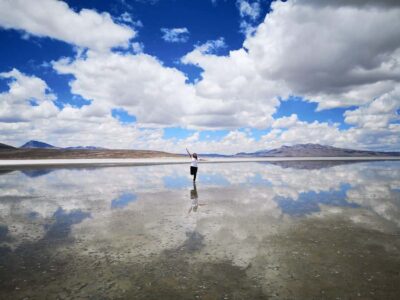
Tour to the Salinas Lagoon and National Reserve in Arequipa
Read our review →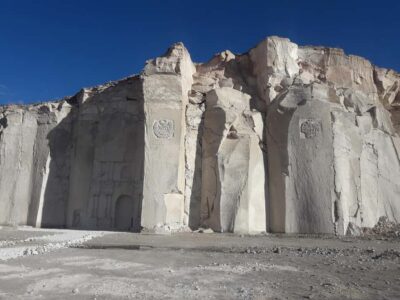
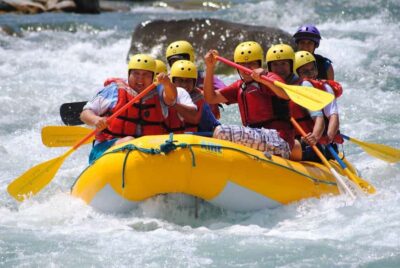
Chili River White Water Rafting with Hotel Pickup
Read our review →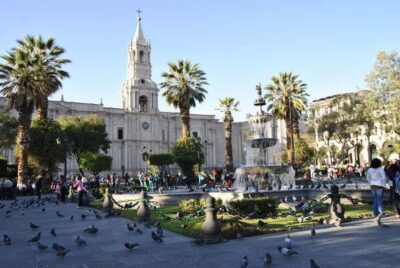
Walking tour in the Historic Center of Arequipa
Read our review →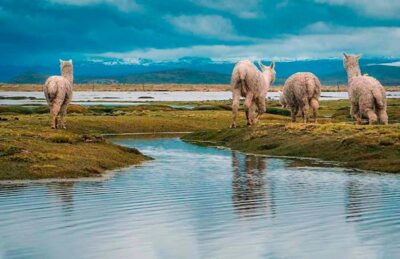
Adventure Day in Arequipa: Pillones Waterfall + Rock Forest
Read our review →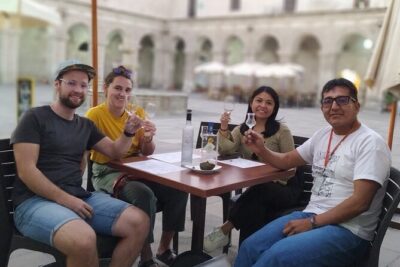
Browse the lists this tour appears in