
Reviewed · DAY TRIPS IN MACHU PICCHU
From Cusco: 2-Day Trip to the Sacred Valley and Machu Picchu
Machu Picchu is the headline, but the best surprise here is how much Inca history you see before reaching the famous citadel. In two days, you move from the terraces and cemetery at Pisac to Ollantaytambo’s stonework, then arrive at Machu Picchu by train rather than spending days on a trail.
I like the small group limit of 15, which should make the guiding more personal, and I like having the key transport arranged for you. The guides praised by name include William, Wally, Uriel, and Lennin, with Uriel especially noted for combining historical detail with a photographer’s eye. You also get a night in Aguas Calientes, so Machu Picchu does not become a frantic day trip from Cusco.
The main drawback is cost control. At $370 per person, the package buys ease, but Pisac and Ollantaytambo entrance fees, lunch in the Sacred Valley, drinks, and possibly your preferred accommodation category add to the bill. The schedule is also full, and your Machu Picchu experience depends partly on weather and your assigned train seats.
Key points at a glance
- Pisac combines ruins and a major craft market: See terraces, irrigation works, stone walls, and the Inca Empire’s largest cemetery before shopping for textiles, ceramics, alpaca goods, and instruments.
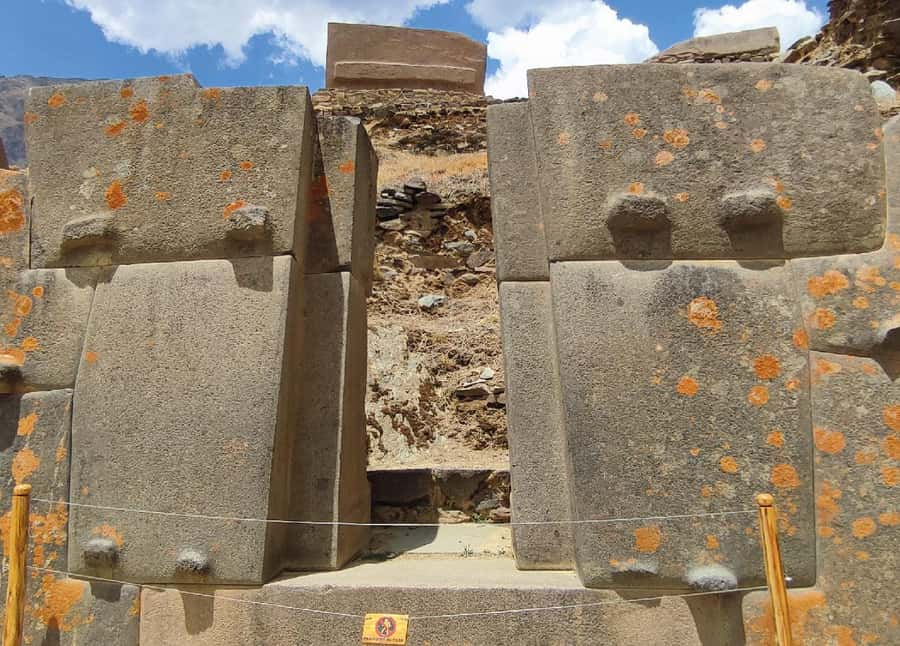
- Ollantaytambo gives you close contact with Inca stonework: Temples, terraces, storehouses, and a huge monolith make this one of the strongest stops on day one.
- The train is part of the experience: Choose a Tourist or Panoramic category and watch the Urubamba River corridor from the carriage.
- Aguas Calientes breaks up the journey: Spending the night near Machu Picchu means you are not returning to Cusco immediately after the ruins.
- The package removes much of the planning: Hotel transfers, trains, buses, entrance to Machu Picchu, guides, lodging if selected, lunch in Aguas Calientes, and assistance are covered.
- The price is for convenience, not budget travel: You still need to allow about $22 for the Pisac and Ollantaytambo sites, plus day-one lunch and drinks.
Why this two-day route works
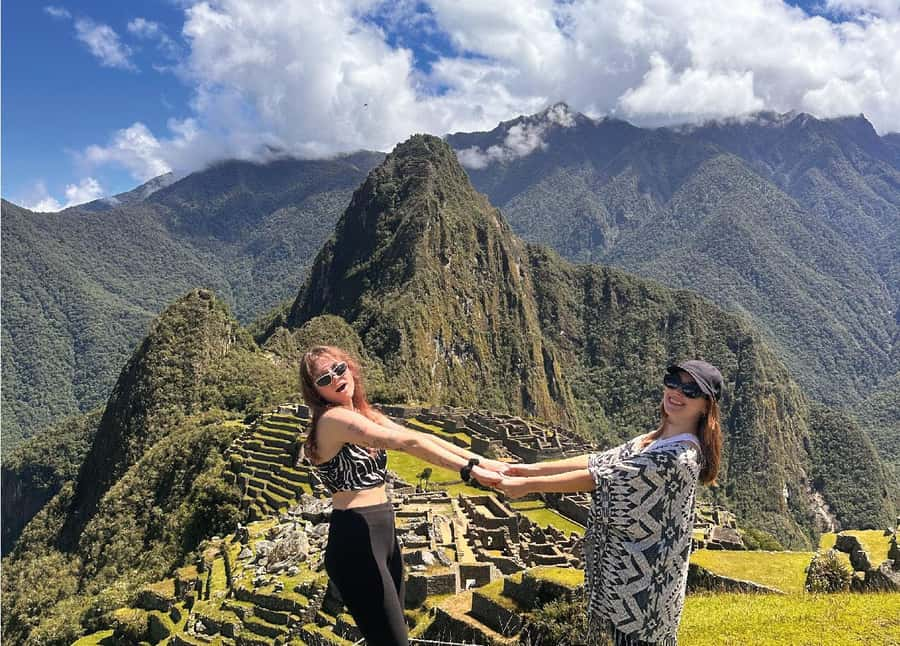
This is a compact introduction to the Cusco region. You see several major Inca sites without committing to a multi-day hike, and you travel between them by road, rail, and bus. That makes the trip suitable if you want the famous ruins but prefer a set plan.
The route also follows a sensible order. Pisac introduces the Sacred Valley from a high archaeological site, Urubamba provides a meal stop, and Ollantaytambo brings you closer to the railway. After the first day’s ruins, the train carries you to Aguas Calientes, leaving Machu Picchu for the following morning.
The pace is not leisurely. You will spend much of day one moving between sites, and Machu Picchu requires an early start. Still, the overnight stop matters. You can put away the long road journey, sleep near the mountain, and focus on the citadel the next day.
Pickup is from accommodation in Cusco’s historic center. You need to wait in the lobby 15 minutes before pickup, but do not assume the exact time too early. It depends on the confirmed train departure, and the provider sends the final pickup information a couple of days before departure.
More Day Trips in Machu Picchu
- Machu Picchu Day Trip from Cusco
★ 4.5 · 1,644 reviews - From Cusco: 1-day Machu Picchu Tour by Train
★ 4.6 · 138 reviews - Machupicchu 1 day tour
★ 5.0 · 128 reviews
Pisac, where farming and burial grounds meet
Pisac is more than a quick photo stop. Its Inca complex includes sturdy stone walls, broad agricultural terraces, and irrigation systems that show how carefully the settlement used the steep mountain slopes. You also see what is described as the largest cemetery in the Inca Empire, an important reminder that this was a lived and ceremonial place, not just a defensive outpost.
I like beginning here because the site introduces the practical side of Inca construction. The terraces were not decoration. They supported farming, managed water, and made difficult ground useful. Your guide can help connect those features to the wider Sacred Valley.
You should plan for walking and uneven archaeological ground. The supplied information does not give a detailed accessibility description, so ask the provider before booking if you have mobility concerns. The entrance fee is not included and costs about $22 for Pisac and Ollantaytambo together.
After the ruins, the group stops at Pisac’s craft market. This is a different kind of experience from the archaeological site, with stalls selling ceramics, woven textiles, jewelry, Andean instruments, alpaca products, and souvenirs. It is a useful place to compare patterns and prices, but remember that browsing does not need to become shopping.
The market can also make the morning feel less rushed. You have a chance to look at local products after the guide-led site visit, though the exact free time is not specified. If you want a particular textile or instrument, ask how much time is available before wandering too far from the meeting point.
Urubamba and the practical lunch stop
The road continues through the Sacred Valley to Urubamba, where lunch is purchased separately. Restaurants offer traditional dishes made with fresh local products, but the package does not include this meal or drinks.
That detail affects the real cost. The advertised $370 covers many important items, yet you should carry money for lunch on day one, drinks, and the two archaeological entrances. Some arrangements may offer a buffet lunch as an optional purchase, but do not treat it as part of the listed price.
Urubamba is mainly a pause between the two major archaeological sites. Use it to eat, refill your water, and prepare for the afternoon. You will appreciate that break because the rest of the day leads directly to Ollantaytambo and then the train station.
Ollantaytambo and the Inca builders
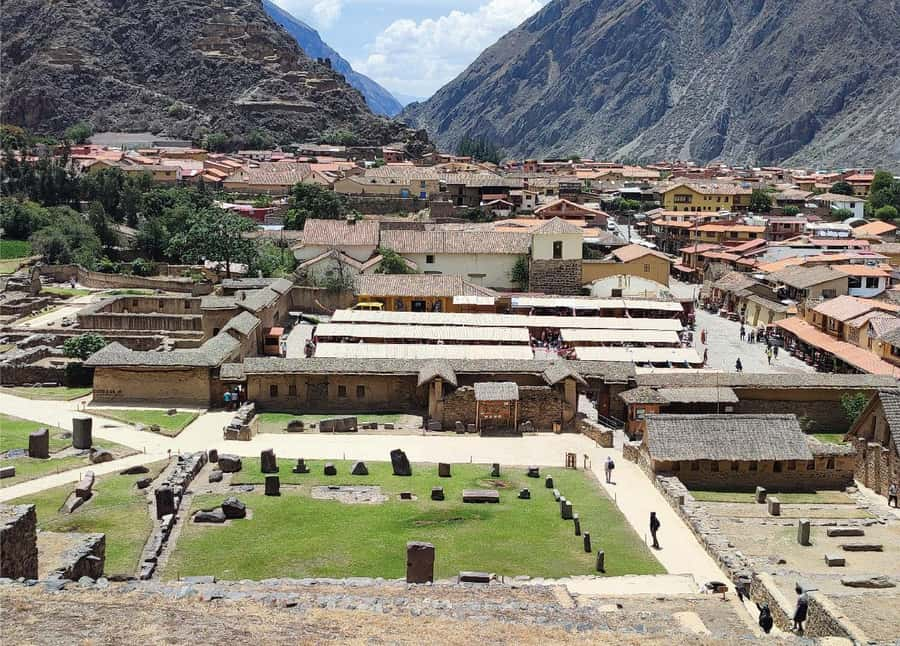
Ollantaytambo is one of the most memorable parts of the first day. The archaeological complex includes temples, terraces, storehouses, and a large Inca monolith. Its stonework gives your guide plenty to explain, especially the techniques used to shape and fit enormous blocks.
This is where the trip becomes especially useful for first-time visitors. Rather than seeing Machu Picchu as an isolated wonder, you get another example of Inca planning and construction first. The guide can point out how the site functioned as a city and ceremonial center, not merely as a scenic ruin.
The climb and paths may feel demanding after Pisac, particularly because you are at high altitude in the Cusco region. The exact walking time is not provided, so wear solid shoes and keep your day bag light. The Ollantaytambo entrance is also outside the package price.
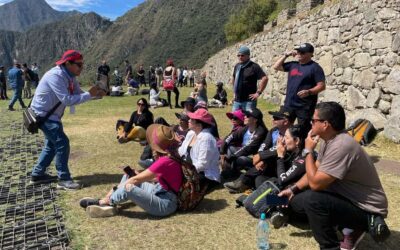
The guides are a strong part of the experience when the right match is made. William and Wally have been singled out for lively, clear explanations on the Sacred Valley portion. If your group includes a Spanish speaker and an English speaker, the listed service provides guiding in both languages, so you should not be left out of the main explanations.
Same base, a completely different kind of day:
- From Cusco: Full-Day Group Tour of Machu Picchu
★ 4.7 · 1,767 reviews - Machu Picchu: Full-Day Tour from Cusco with Optional Lunch
★ 4.6 · 927 reviews - Cusco: 4-Day Inca Trail to Machu Picchu with Accommodation
★ 4.8 · 432 reviews - Cusco: Machu Picchu 2-Day Inca Trail with Panoramic Train
★ 4.9 · 260 reviews
The train from Ollantaytambo to Aguas Calientes
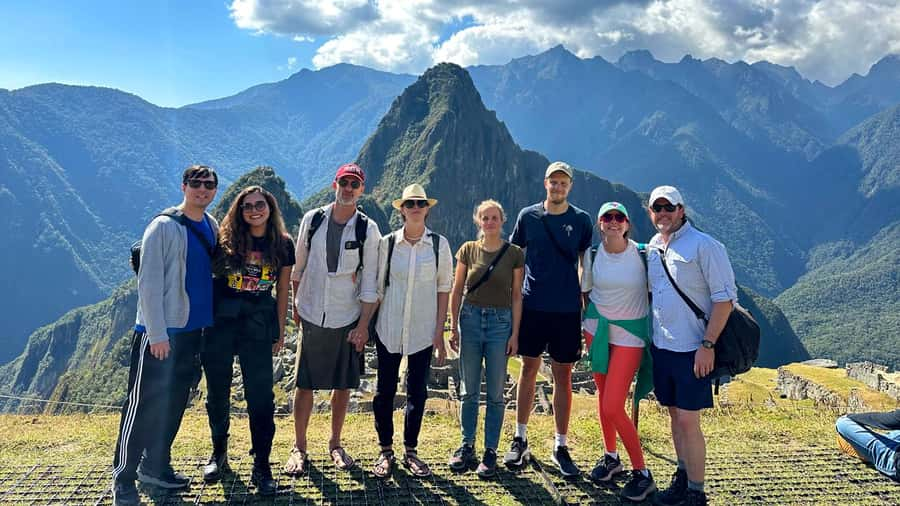
From Ollantaytambo, you board the train to Aguas Calientes, also called Machu Picchu Pueblo. You choose between a Tourist Train and a Panoramic Train, according to the option selected at booking.
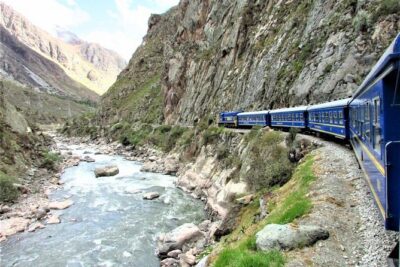
The journey is not just a transfer. The route follows the Urubamba River corridor, with mountain views and the famous canyon scenery along the way. The carriage provides a welcome change after a full day on the road and at archaeological sites.
Seat position can affect what you see. One side of the train offers better river views in places, and you may not receive the preferred side in both directions. You can ask about seating, but there is no promise that the operator can arrange one direction on each side. If scenery matters greatly to you, treat the train category as a comfort choice rather than a guarantee of the best window.
On arrival, follow the local representative to your accommodation. The package includes lodging only if you select that option, with standard and superior categories available. Check exactly which category you are purchasing, since the price and comfort level can differ.
The evening in Aguas Calientes is free from the main guided program. That gives you time to eat, rest, and prepare for an early departure. It is one of the package’s useful features because you are already near Machu Picchu instead of trying to reach the mountain from Cusco that morning.
Early buses and the first view of Machu Picchu
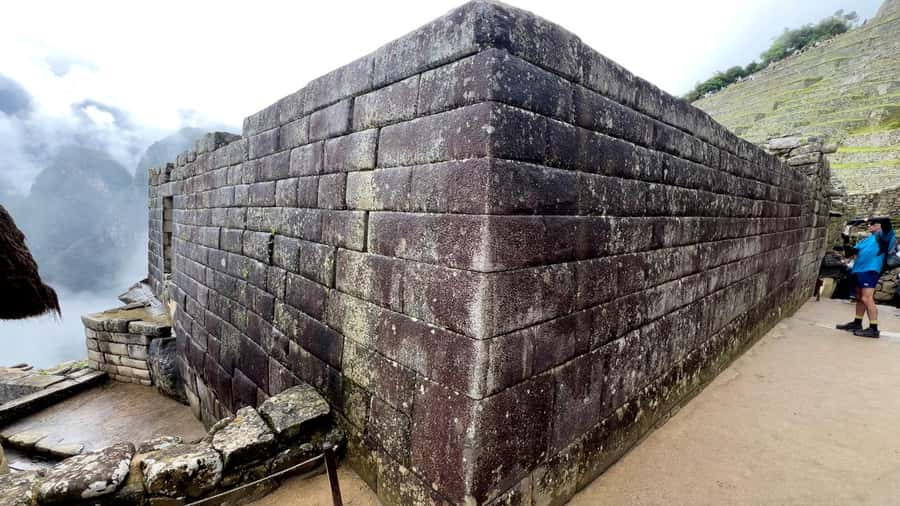
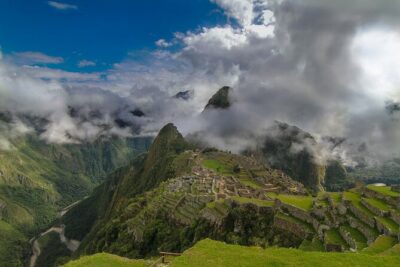
The second day begins with a bus from Aguas Calientes up to Machu Picchu. From the road, you can see the Urubamba River shaping the canyon below. The mountain route is part of the approach, and the view improves as the bus climbs.
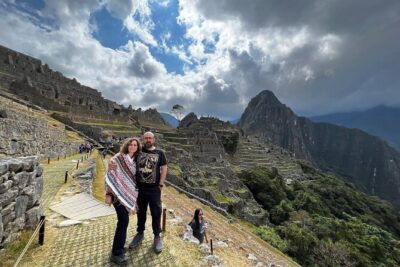
Your Machu Picchu entry time matters. One booking had a 7:00 am slot in late December, when cloud and rain limited the view. That is a reminder that early entry can offer a cooler, quieter start but does not guarantee clear conditions. Weather can change quickly, so bring suitable layers and accept that the mountain may reveal itself slowly.
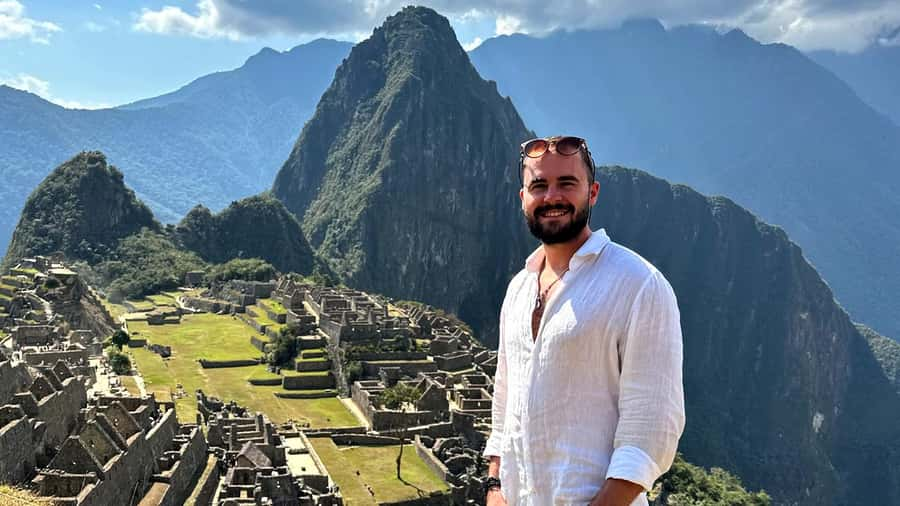
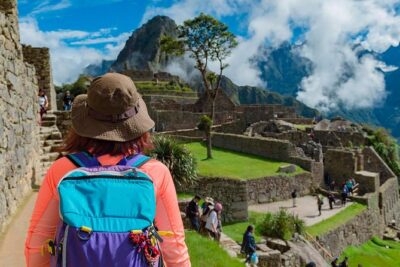
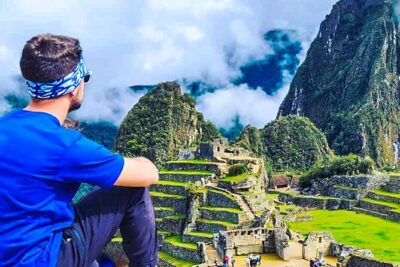
Inside the citadel, the guide leads you through terraces, stairways, and ceremonial structures while explaining the site’s purpose and past. Uriel has been praised for his engaging historical explanations and photography help, which is useful if you want more than a quick route through the ruins. He is not guaranteed for every departure, but the standard service includes a certified guide in English or Spanish.
The guided visit is the heart of the trip. Machu Picchu can look like a series of dramatic walls when seen alone. With context, the terraces, water systems, stone buildings, and ceremonial areas become easier to understand. Your guide also helps you follow the route rules and make the most of the time allowed inside.
Do not expect complete freedom to wander wherever you want. Entry rules and assigned circuits at Machu Picchu can change, and the supplied details do not specify the circuit or exact visit length. Keep your passport or identification card with you, as it is required for the activity.
Lunch and the journey back to Cusco
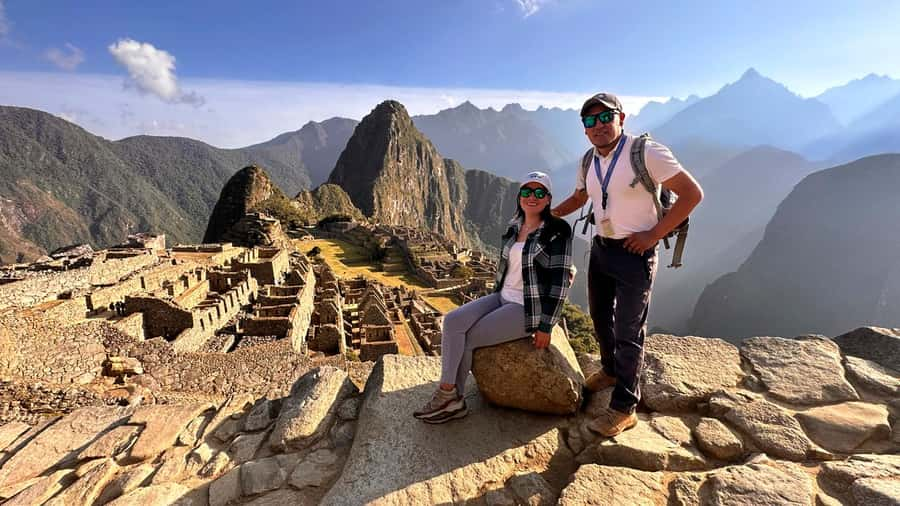
After the guided visit, you return to Aguas Calientes for lunch. This meal is included, unlike the Sacred Valley lunch on day one. You then board the train back to Ollantaytambo, where a bus connects with Cusco.
This return route is long enough that the organized transfer has real value. You do not need to find a taxi at the station or work out which bus continues to Cusco. A representative or guide handles the connection, and 24-hour assistance is included if something goes wrong.
The downside is that the final day is built around fixed train times. You cannot simply linger at Machu Picchu for as long as you wish, and delays or changes in the railway schedule can affect the day. Your pickup time, train departure, and bus connection should all be confirmed before you set out.
What the $370 price really buys
At $370 per person, this is not the cheapest way to visit Machu Picchu. You could potentially lower the cost by arranging entrance tickets, trains, lodging, guides, and buses yourself. The package earns its price through coordination.
The listed inclusions cover hotel pickup and drop-off, both guided visits, round-trip train travel, the Machu Picchu buses, Machu Picchu entrance, a certified guide, accommodation when selected, lunch in Aguas Calientes, and 24-hour assistance. For a first visit, that removes several pieces that can be difficult to coordinate separately.
The value improves if you are nervous about railway connections or do not speak Spanish. One English-speaking visitor described receiving a clear explanation from a representative before departure, along with help from the hotel to the bus and from the train station to the next location. That kind of support can matter more than saving a modest amount.
The price is less attractive if you want a slow Sacred Valley visit, control over every restaurant, or maximum flexibility at Machu Picchu. Add the approximately $22 entrance cost for Pisac and Ollantaytambo, day-one lunch, drinks, and any accommodation upgrade before deciding.
Who should book this experience?
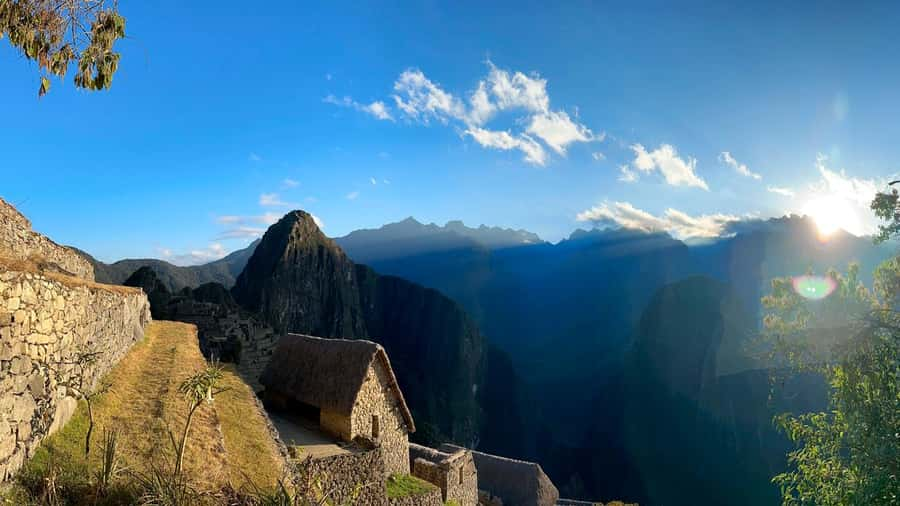
I would choose this trip if you want Machu Picchu without a trek and prefer having transport arranged from start to finish. It suits first-time visitors, solo bookers who want support, and people who value English or Spanish guiding at the major sites.
It also works well if you want more than a single day at Machu Picchu. Pisac and Ollantaytambo give the trip substance, while the overnight stay in Aguas Calientes prevents the visit from feeling like a rushed out-and-back journey.
I would look elsewhere if your main goal is the lowest possible price, a private guide, or a slow schedule. You should also think carefully before booking if you dislike fixed departure times, compact group sightseeing, or non-refundable arrangements. The Machu Picchu entrance portion cannot be refunded after cancellation under the stated rules.
FAQ
What is included in the $370 price?
The package includes hotel pickup and drop-off, guided visits in the Sacred Valley and at Machu Picchu, round-trip train travel in the selected category, round-trip bus tickets between Aguas Calientes and Machu Picchu, Machu Picchu entrance, a certified guide, lunch in Aguas Calientes, and 24-hour assistance. Accommodation is included only when that option is selected.
Are Pisac and Ollantaytambo entrance fees included?
No. Entrance to Pisac and Ollantaytambo costs approximately $22 in total and is paid separately.
Is lunch in the Sacred Valley included?
No. Lunch in the Sacred Valley is not included. You purchase it at a restaurant in or near Urubamba, and drinks are also excluded.
Which languages are available?
The live guides speak Spanish and English. The Sacred Valley and Machu Picchu portions are both offered in those languages.
Where does hotel pickup take place?
Pickup is available from accommodation in the historic center of Cusco. You should wait in your hotel lobby 15 minutes before the scheduled time.
Do I need to choose a train category?
Yes. The round-trip ticket is provided according to the category selected, with Tourist Train and Panoramic Train options available.
What should I bring to Machu Picchu?
Bring your passport or identification card. Large bags and luggage are not allowed, so carry only a small day bag with essential items.
More 2-Day Experiences in Machu Picchu
- From Cusco: 2-Day Inca Trail to Machu Picchu
★ 4.2 · 244 reviews - Machu Picchu: Inca Trail 2-Day Overnight Guided Tour
★ 4.9 · 203 reviews - Short Inca trail to MachuPicchu || 2days – 1nigth ||
★ 5.0 · 103 reviews - 2-Day Machu Picchu Tour by train from Cusco ( All included )
★ 5.0 · 85 reviews
Just added around Machu Picchu
- Private Tour Guide in Machupicchu from Aguas Calientes.★ 5.0 · 40 reviews
- Machupicchu Guide Service★ 5.0 · 42 reviews
- Inca Trail Machu Picchu 4 Days★ 5.0 · 39 reviews
- Machu Picchu, Cusco & Lima 7-Day Tour★ 5.0 · 30 reviews
- 7 Days: Lima, Ica, Cusco & Machupicchu with local flights★ 5.0 · 52 reviews
- Machu picchu one day by train all included★ 4.5 · 53 reviews
- Exclusive Huayna Picchu Tour in 1 Day from Cusco★ 5.0 · 31 reviews
- Wonderful Cusco 5-Day Tour with Entrance to Machupicchu★ 5.0 · 46 reviews
Day Trips in Machu Picchu, compared.
Browse the lists this tour appears in