
Reviewed · INCA TRAIL TREKS
Inca Trail Machu Picchu 4 Days
The best part of this four-day Inca Trail is the way Machu Picchu comes at the end of a real journey. You start beside the Urubamba River, climb through high mountain country, pass old Inca sites, and reach the Sun Gate before entering the citadel. Wiñayhuayna and Phuyupatamarca give you two memorable ruins before the final morning.
I like the small group limit of 10, and I like that the price includes tents, three lunches, three dinners, three breakfasts, snacks, cooks, porters, transport, and the return train. Guide Franklin has been especially attentive with pacing, history, and group care. The main catch is simple: this is a demanding trek, with up to nine hours of walking and a high point around 4,200 meters.
Key points to know before you book
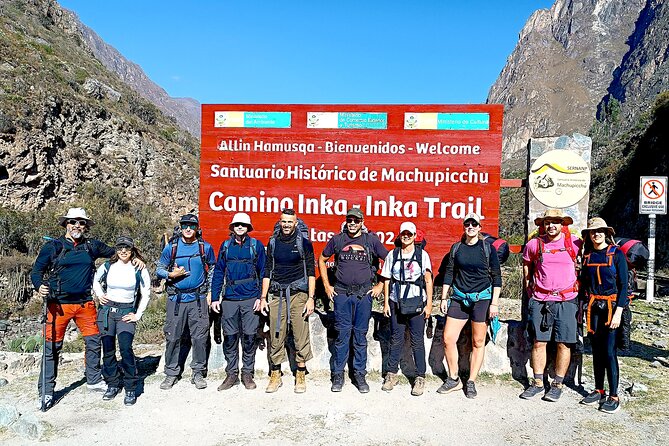
- You begin at 5:30 am in Cusco, then travel through the Sacred Valley to Kilometer 82.
- Day two is the hardest, with the climb to Warmihuañusca, known as Death Pass, at about 4,200 meters.
- The third day is packed with Inca sites, including Phuyupatamarca, an Inca tunnel, and Wiñayhuayna.
- You enter Machu Picchu through the Sun Gate, with arrival planned around 8:00 am.
- Meals are a real strength, with cooks preparing breakfast, lunch, dinner, and snacks in camp.
- The $905 price covers major trail costs, but not your first breakfast, sleeping bag, lunch, or an extra porter.
Why this Inca Trail feels different
The classic Inca Trail is not simply a route to Machu Picchu. It is a four-day walk through changing climates and old stonework, with the ruins appearing as part of the route rather than as isolated stops.
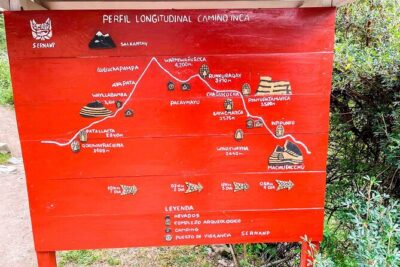
You begin at 2,200 meters near the Urubamba River and finish at Machu Picchu at about 2,400 meters. In between, you climb to high passes, cross cloud forest, walk through tunnels, and sleep at camps with mountain views. The reward is not only the citadel itself. It is the sense that you have reached Machu Picchu by following an ancient road.
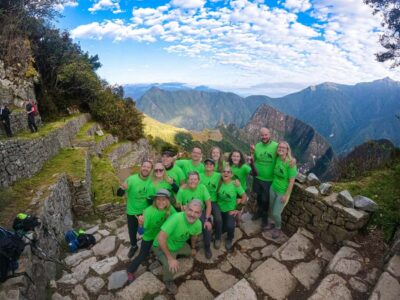
Dreamy Tours limits the group to 10 people. That matters on a trail where the pace can spread out. You can walk at your own speed on the second day, while the guide makes short stops to keep everyone together and explain the sites.
The trip costs $905 per person. That is a serious outlay, but the package includes much of the hard-to-arrange work: permits, transport from Cusco, camps, food, porters, a cook, first aid, oxygen, the bus from Machu Picchu village to the citadel, and the return train to Ollantaytambo when available. You still need to budget for a sleeping bag, breakfast on day one, lunch after the citadel visit, and possibly an extra porter.
More Inca Trail departures:
- Cusco: 4-Day Inca Trail to Machu Picchu with Accommodation
★ 4.8 · 432 reviews - Cusco: Machu Picchu 2-Day Inca Trail with Panoramic Train
★ 4.9 · 260 reviews - From Cusco: 2-Day Inca Trail to Machu Picchu
★ 4.2 · 244 reviews
Day one: Cusco to Kilometer 82 and Ayapata
Your pickup begins at 5:30 am in Cusco. The early start is practical, not glamorous, so arrange your bags and breakfast plans the night before. The route heads toward the Sacred Valley, with a brief stop in Ollantaytambo where you can buy or eat breakfast before reaching the trailhead.
At Kilometer 82, everyone must present documents for registration and control. After crossing the Urubamba River, you begin the Inca Trail. The first day is described as an easier walking day, which is welcome because you are still adjusting to the schedule and the altitude.
Lunch comes at Miskay, beside a small river. Here your guide explains the archaeological complex of Llactapata, giving the first historical context before the trail grows more demanding. This early stop helps you see that the ruins are part of a larger network of roads, farms, settlements, and sacred places.
The path continues toward Wayllabamba at 3,100 meters before climbing to Ayapata, where you camp for the night. The total walking time is about seven hours. That is not a gentle sightseeing stroll, even if the day is easier than what follows.
You receive dinner and camp support, including tents, a dining area, tables, chairs, and bathroom equipment. The food is prepared by a cook using the supplied kitchen gear. One useful detail from the experience is the regular evening tea time, reported as about 30 minutes before dinner. It gives you a chance to warm up, drink, and ask about the next day.
Day two: Llulluchapampa and the climb to Death Pass
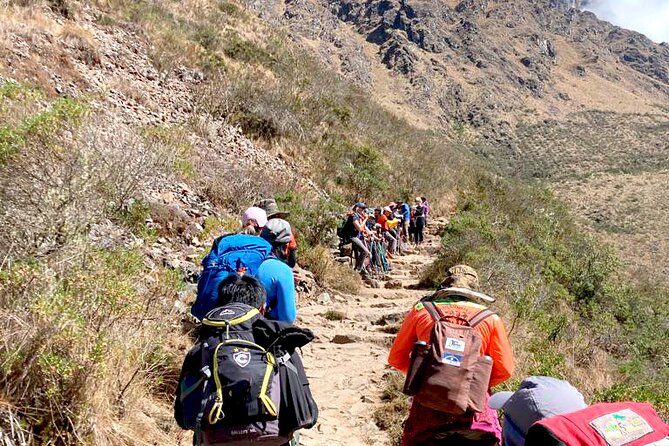
Day two is the physical test. You walk for about eight to nine hours in cold conditions, beginning with a three-kilometer climb toward Llulluchapampa at roughly 3,850 meters.
The route passes through rainforest and follows the sound of water. That change in setting is part of the appeal of the Inca Trail. You are not walking through one fixed type of country. The vegetation, temperature, and views shift as you gain height.
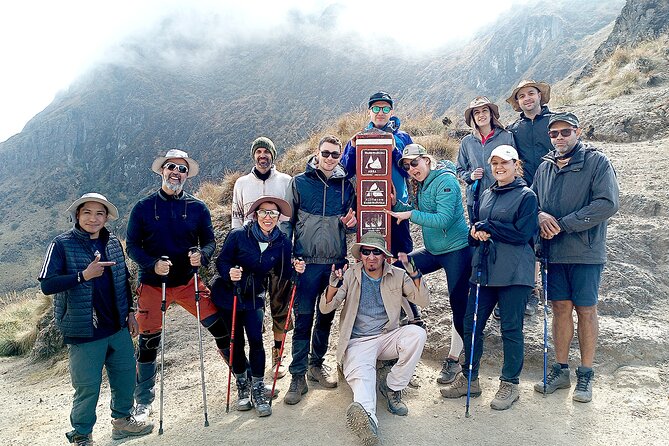
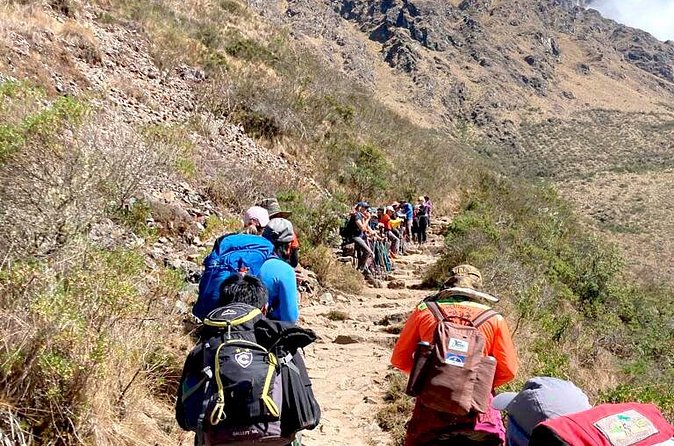
From Llulluchapampa, the trail continues upward for two to three hours to Warmihuañusca, or Death Pass. At around 4,200 meters, this is the highest and hardest point of the trek. The best approach is to keep your pace steady, take the short breaks offered by the guide, and avoid treating the climb as a race.
After the pass, you descend steeply toward the Pacaymayu River. The downhill section can be just as tiring as the climb, especially on knees and thighs. The route then continues toward Runkurakay Pass at about 3,050 meters before reaching Chaquicocha camp at roughly 3,650 meters.
This day rewards patience more than speed. You may feel strong in the morning and tired by late afternoon, so carry only what you need during the day and use the support team well. The package includes porters and food carriers, but an extra porter is not included. If you want help with a larger personal bag, ask about that before departure.
The camp has mountain views and a place to rest after the long walk. Oxygen and first-aid equipment are included, but you should still take the physical fitness requirement seriously. This is a high-altitude trek, not a casual walk with occasional ruins.
Day three: tunnels, baths, and Wiñayhuayna
The third day is often the visual highlight. You leave Chaquicocha and enter a different ecosystem, with cloud forest and a gentler rhythm after the previous day’s long climb.
The route passes two small lakes near the top of a second pass at about 3,950 meters. You then walk through a small Inca tunnel, with views toward the Urubamba River and the Sacred Valley. The combination of stone engineering and mountain setting is what makes this section special.
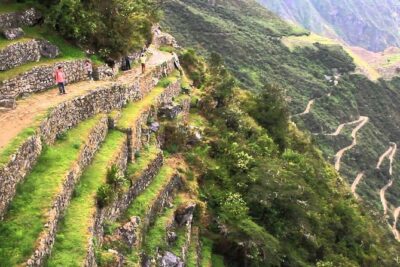
Phuyupatamarca, meaning city above the clouds, comes next at about 3,600 meters. The site is well preserved and includes a long chain of Inca baths. These channels and stone pools show how carefully the Incas managed water, even in steep mountain terrain.
Another Inca tunnel leads toward Wiñayhuayna, meaning forever young. At about 2,650 meters, it is one of the most memorable sites on the route. The terraces and structures cling to the mountain above the Urubamba valley, and the setting makes the approach feel earned.
The day covers about six hours, shorter than day two, but it is still not effortless. Much of the route involves stone steps and descending paths. Good footwear matters, and you should be ready for wet or uneven surfaces. The description does not promise a dry trail, so pack clothing that can handle changing conditions.
The day ends with first views of the Machu Picchu mountain. You do not yet enter the citadel, which is a good thing. The delay keeps the final morning distinct and gives you time to take in the route’s last major ruins without rushing through them.
A few more Machu Picchu days worth weighing up
- Cusco Sacred Valley and Machupicchu 4 Days
★ 5.0 · 80 reviews - Ancascocha Trek To Machu Picchu 4 Days And 3 Nights
★ 5.0 · 77 reviews - 4 Day Inca Trail Trek to Machu Picchu Multi day tour
★ 5.0 · 70 reviews - Classic Inca Trail 4 Days to Machu Picchu
★ 5.0 · 69 reviews
Day four: entering through the Sun Gate
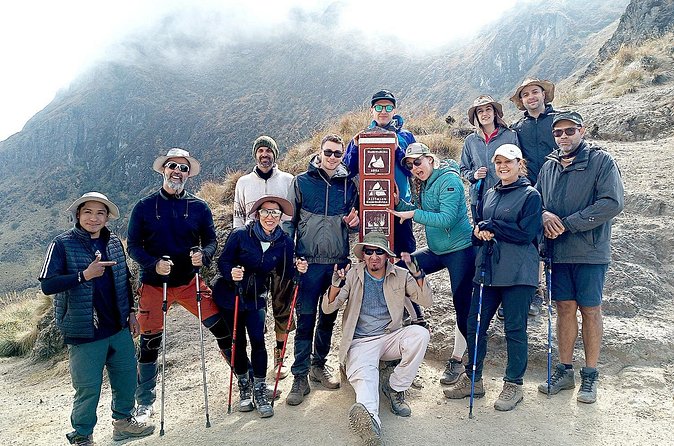
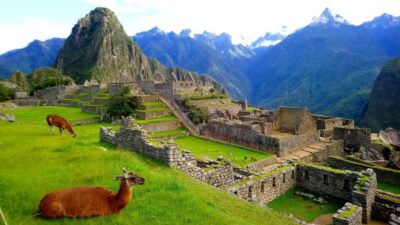
After breakfast, you set out for Inti Punku, the Sun Gate. The final climb takes close to an hour, and this is where the effort of the previous three days pays off. The first view of Machu Picchu comes from above, with the citadel spread below you.
Arrival at the archaeological site is planned for around 8:00 am. The guided visit lasts about two hours. Your guide explains the purpose of the buildings and the work behind the stone construction, which helps turn a postcard view into a place you can read and understand.
After the guided visit, you have free time to explore on your own. The stated options include the Inca Bridge, other Inca monuments, and Huayna Picchu, though any separate access or timed entry should be confirmed before booking because the package details do not specify those arrangements.
The final walking time is about three hours, but the day also includes the guided visit, the bus connection, lunch plans, and the return train. Lunch at Machu Picchu or in Aguas Calientes is not included, so keep money available for that meal.
You descend to Aguas Calientes, also called Machu Picchu Pueblo, and take the return train to Ollantaytambo, depending on availability. Tourist transport then continues to Cusco. The schedule can feel tight, especially after a long morning at the ruins, so follow the guide’s timing closely. One account noted some pressure around schedules and connections, which is worth keeping in mind.
Food, camps, and the people behind the trek
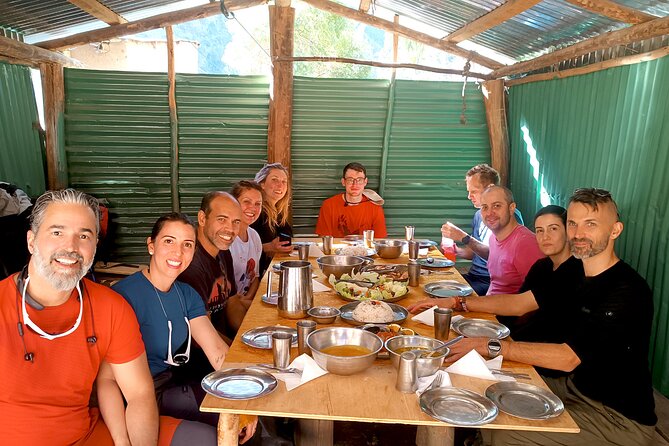
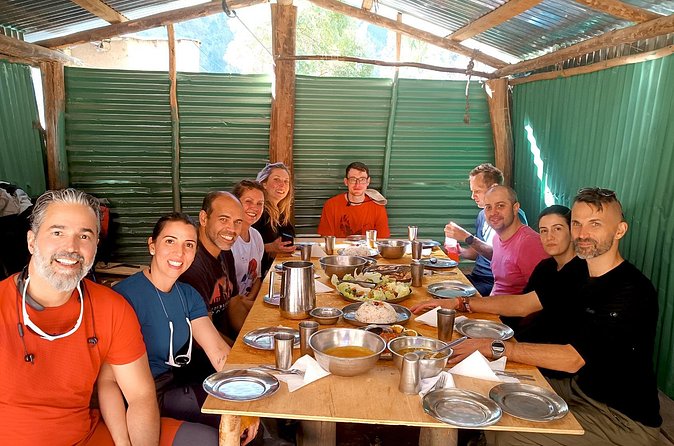
For a four-day camping trip, food can shape your whole experience. This package includes three breakfasts, three lunches, three dinners, and three snacks. The cook and support team prepare meals in camp, and the equipment includes a kitchen, dining tent, tables, and chairs.
The food has earned unusually strong praise. Meals have included a cake baked during the trek, which is no small feat when the kitchen must be carried along the trail. Tea time before dinner is another thoughtful touch, especially after a cold or wet day.
Porters also make the trip possible in a practical sense. They carry tents, cooking equipment, food, dining supplies, and portable bathroom equipment. You should still pack lightly and respectfully. The fact that porters carry the camp does not mean you should bring a full suitcase.
Guide quality matters just as much as the gear. Franklin is described as good at keeping the group together while allowing time to explore. He also explains the purpose of ruins and their role in Inca culture and the economy. Guides are available in Spanish or Portuguese on request, so confirm your preferred language before paying.
Who will get the most from this trip
This trek suits you if you want the classic Inca Trail, prefer a small group, and are ready for long days at altitude. You should have a strong fitness level and be comfortable walking for six to nine hours, often on steep stone paths.
It is also a good fit if you value an organized camp. You do not need to arrange tents, cooking equipment, meals, porters, the Machu Picchu bus, or the return train yourself. That convenience helps you focus on walking and the ruins.
This is less suitable if you want a relaxed Machu Picchu visit with minimal exertion. The early pickup, high pass, cold camps, steep descents, and fixed transport schedule require commitment. A sleeping bag is not included, and the tour is non-refundable and cannot be changed after booking, so your dates and fitness should be settled first.
The tour operates during the stated period from July 27, 2023, through November 26, 2026. It is commonly booked about 60 days ahead, which is a useful planning guide even though availability can change.
Should you book the $905 Inca Trail?
I would choose this tour if your main goal is to reach Machu Picchu by the classic four-day route, with strong logistical support and a small group. The best value lies in what is bundled into the price: permits, transport, camps, meals, cooks, porters, a guide, first aid, oxygen, the Machu Picchu bus, and the return train.
I would pause if you are uncertain about the physical challenge or want a flexible schedule. Day two is long and high, and day four includes several transport connections after the main visit. The non-refundable policy makes that decision more important.
For a fit hiker who wants ruins, mountain passes, camp life, and a dramatic arrival through the Sun Gate, this is a well-supported way to experience the Inca Trail. Bring the right gear, plan for the cold, confirm your language and train details, and treat the altitude with respect.
FAQ
How long is the Inca Trail tour?
The tour lasts four days and three nights, with approximately seven hours of walking on day one, eight to nine hours on day two, six hours on day three, and about three hours on day four.
What is the highest point on the route?
The highest point is Warmihuañusca, known as Death Pass, at approximately 4,200 meters.
Is food included?
Yes. The package includes three breakfasts, three lunches, three dinners, and three snacks. Breakfast on the first day and lunch at Machu Picchu or Aguas Calientes are not included.
Is camping equipment provided?
Yes. Tents, mats, bathroom equipment, a dining area, tables, chairs, kitchen equipment, and food carriers are included. A sleeping bag is not included.
What language is the guide?
The guide is available in Spanish or Portuguese on request. Confirm your preferred language when booking.
How many people are in the group?
The maximum group size is 10 people.
Just added around Machu Picchu
- Private Tour Guide in Machupicchu from Aguas Calientes.★ 5.0 · 40 reviews
- Machupicchu Guide Service★ 5.0 · 42 reviews
- Machu Picchu, Cusco & Lima 7-Day Tour★ 5.0 · 30 reviews
- 7 Days: Lima, Ica, Cusco & Machupicchu with local flights★ 5.0 · 52 reviews
- Machu picchu one day by train all included★ 4.5 · 53 reviews
- Exclusive Huayna Picchu Tour in 1 Day from Cusco★ 5.0 · 31 reviews
- Wonderful Cusco 5-Day Tour with Entrance to Machupicchu★ 5.0 · 46 reviews
- A Day at Machu Picchu, Journey to the Heart of the Andes★ 5.0 · 55 reviews
Inca Trail Treks, compared.
4-Day Inca Trail to Machu Picchu with Accommodation
Read our review →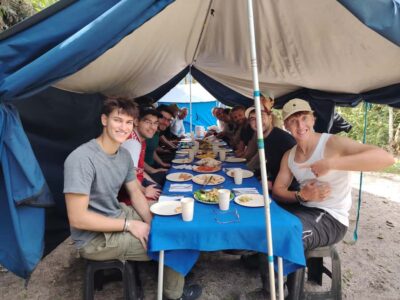
Machu Picchu 2-Day Inca Trail with Panoramic Train
Read our review →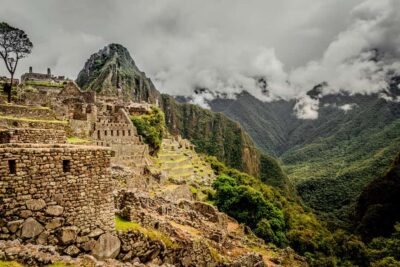
Short Inca trail to MachuPicchu || 2days – 1nigth ||
Read our review →
4 Day Inca Trail Trek to Machu Picchu Multi day tour
Read our review →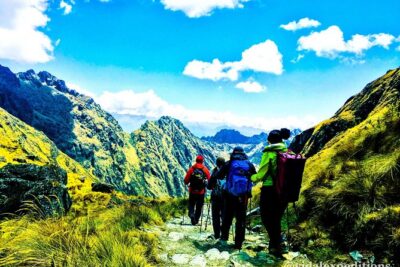
Browse the lists this tour appears in