
Reviewed · HIKING & TREKKING
4 days/3 nights: Inka Jungle Trek to Machu Picchu
The best part of this four-day trip is the variety. You ride a bicycle down from Abra Málaga, walk beside the Urubamba River, soak at Cocalmayo, follow an old Inca road, and reach Machu Picchu on foot. I especially like the active route and the chance to sleep in small local towns instead of spending every night in a large tourist center.
I also like that the $420 price includes Machu Picchu entry, three nights of lodging, nine meals, the return train, and transport back to Cusco. Guide Gustavo Candia receives repeated praise for his care and English. The main caution is Day 2, which lasts seven to eight hours, and Day 3, when you may be expected to carry a large pack for about 11 kilometers unless your guide clearly explains luggage arrangements.
Key points at a glance
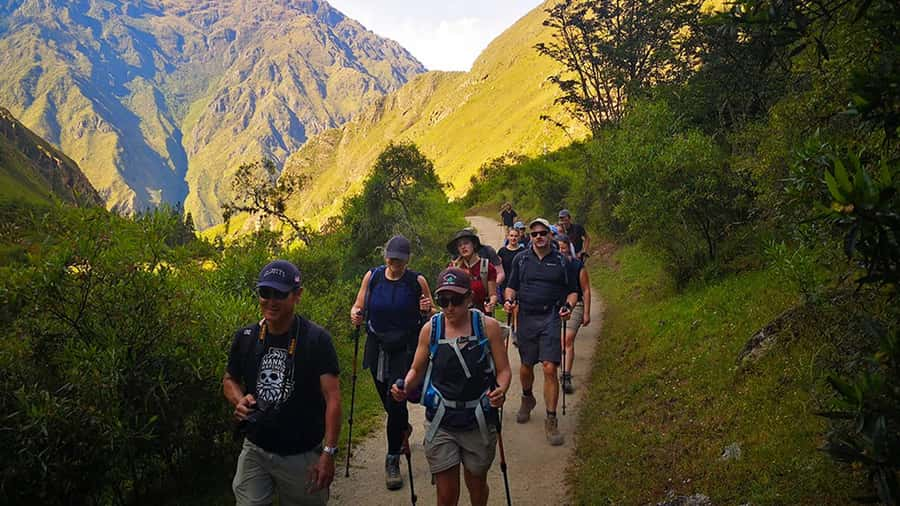
- A four-day route with real variety: Bicycle downhill, hike old Inca paths, cross the Urubamba River, and walk beside the railway to Aguas Calientes.
- A strong guide can shape the trip: Gustavo Candia is named repeatedly for his attention, English, and ability to explain the route and its risks.
- Day 2 is the physical test: Expect seven to eight hours of walking over repeated ascents and descents.
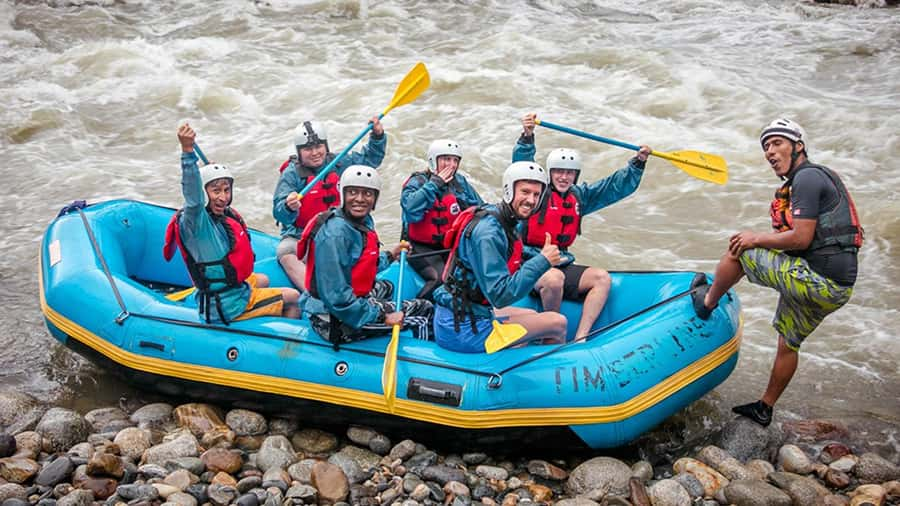
- Rafting is weather dependent: The optional Day 1 rafting trip uses Class III and IV rapids, but high water can cancel it without a refund.
- Machu Picchu entry is included: The return train from Aguas Calientes to Ollantaytambo and onward bus transport to Cusco are also covered.
- Pack for changing conditions: Bring hiking shoes, sun protection, swimwear, a towel, insect repellent, personal medication, and cash.
What the Inka Jungle Trek actually feels like
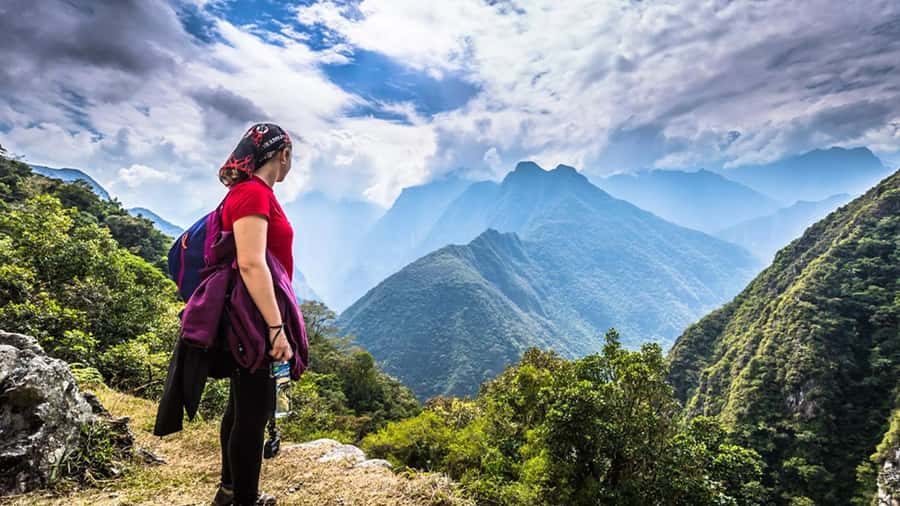
This is not a classic four-day high mountain trek. It is an active route through changing climates, with the Andes giving way to warmer jungle country as you descend toward Machu Picchu. You get more activities than on a standard walking itinerary, but you also accept a less predictable rhythm and some basic accommodation.
The group is limited to 15 people, which is a useful size for a trip with several moving parts. You can ask questions, keep track of your guide, and get to know the people around you without feeling like part of a large procession. English and Spanish guiding is available.
The route has a clear appeal for you if you want Machu Picchu to be the final part of a wider adventure. You are not simply transported to Aguas Calientes and sent up to the ruins. You earn the arrival with a bicycle descent, river paths, local meals, hot springs, and a long walk beside the train tracks.
The tradeoff is that the experience is not polished at every point. Hostel rooms vary, the third day can be tiring if you carry too much, and guide support matters greatly when someone is injured or struggling. Pack sensibly and ask direct questions at the first briefing.
More Hiking Tours in Machu Picchu
- Machu Picchu: 5-Day Salkantay Trek with Panoramic Train
★ 5.0 · 79 reviews - Ancascocha Trek To Machu Picchu 4 Days And 3 Nights
★ 5.0 · 77 reviews - 4 Day Inca Trail Trek to Machu Picchu Multi day tour
★ 5.0 · 70 reviews
Day 1: Abra Málaga to Santa María by bicycle
Pickup from your Cusco hotel is scheduled for 6:30 in the morning. The private vehicle takes about four hours through the Málaga pass to San Luis, where the cycling section begins.
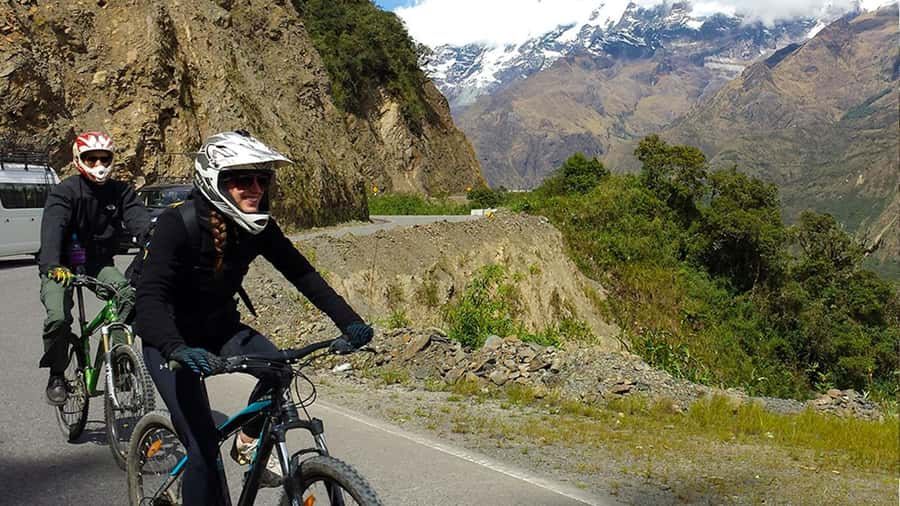
The main event is a downhill bicycle ride lasting about three to four hours. You move from high mountain scenery toward warmer forest conditions, with the road providing a changing view at every turn. The descent is the most accessible of the trip’s adventure activities because the route is mostly downhill, but you still need confidence on a bicycle and a steady focus on the road.
You also visit the archaeological center of Huamanmarca. It gives the first day more substance than a simple ride through pretty scenery. The route connects the modern adventure with older Inca movement through the region, while the changing plant life shows how quickly the climate shifts as you lose altitude.
Santa María is your overnight stop. Accommodation is in a hostel, and three breakfasts, three lunches, and three dinners are included across the tour, though breakfast on the first morning is not included. Bring cash for that meal and for personal expenses.
Rafting on the Urubamba River is scheduled for around 3 p.m. and uses rapids rated Class III and IV. It is listed among the included activities, but the schedule treats it as optional, and river conditions control whether it goes ahead. From January 1 through March 31, high water can cancel the activity, with no refund.
That policy matters. If rafting is a major reason you are booking, treat it as a possible extra rather than a guarantee. You still have the bicycle descent and the rest of the route, but there is no replacement payment when high water makes rafting unsafe.
Day 2: An old Inca road, river crossings, and Cocalmayo
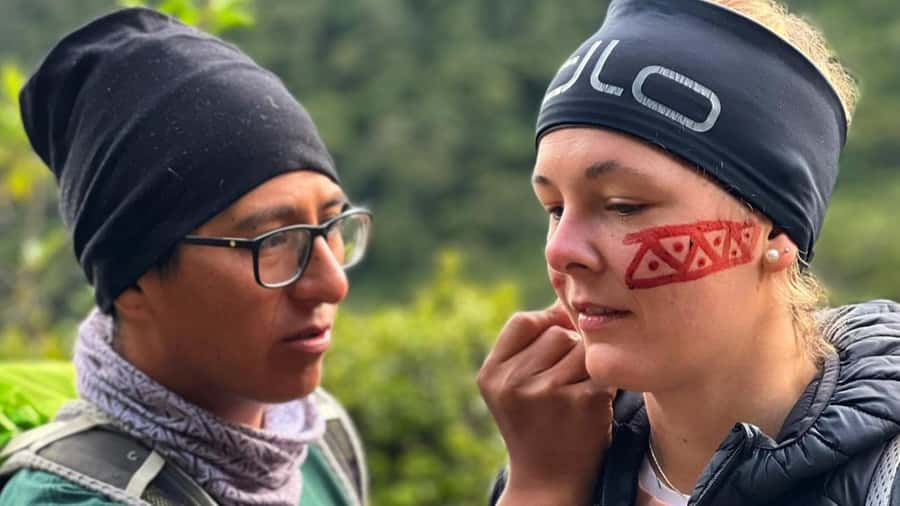
After an early breakfast, you begin the hardest walking day. The route follows the Urubamba River for roughly seven to eight hours, with repeated uphill and downhill sections.
Part of the walk uses an ancient Inca road that remains in good condition. That is one of the most valuable parts of the itinerary because you are not only looking at ruins from a distance. You are moving along a route built for travel, while the guide can point out plants, local remedies, birds, and the way people still use the surrounding countryside.
The scenery changes constantly, but this is not a casual nature walk. The length and uneven ground demand reasonable fitness. You should be comfortable walking for most of a day, with breaks, in warm conditions. Hiking shoes are a sensible choice, and hiking pants may be more comfortable than loose cotton clothing.
The route includes a crossing of the Urubamba River by oroya, a small cable crossing. It is a memorable detail, but it also makes the day feel more adventurous than a normal path walk. Listen closely to the guide and follow instructions at every crossing.
The reward is Cocalmayo, the hot springs near Santa Teresa. Entrance is not included, so set aside money for the bathing area. You will need your swimsuit and a towel, both of which are on the recommended packing list.
Santa Teresa is your second overnight stop. The itinerary describes the lodging as a hostel, and the quality may be simple. The value here is the location and the chance to recover after the longest walking day, not hotel luxury.
Day 3: Santa Teresa to Aguas Calientes
The morning offers an optional zip line at Cola de Mono. It adds another short burst of activity before the walking section, and the price information lists zip lining among the included features. Confirm the timing and exact arrangements with your guide, especially if you prefer to save energy for the walk.
After breakfast, you walk toward Hidroeléctrica through a narrow canyon. The climate is described as pleasant, and this section gives you the first clear view toward Machu Picchu Mountain.
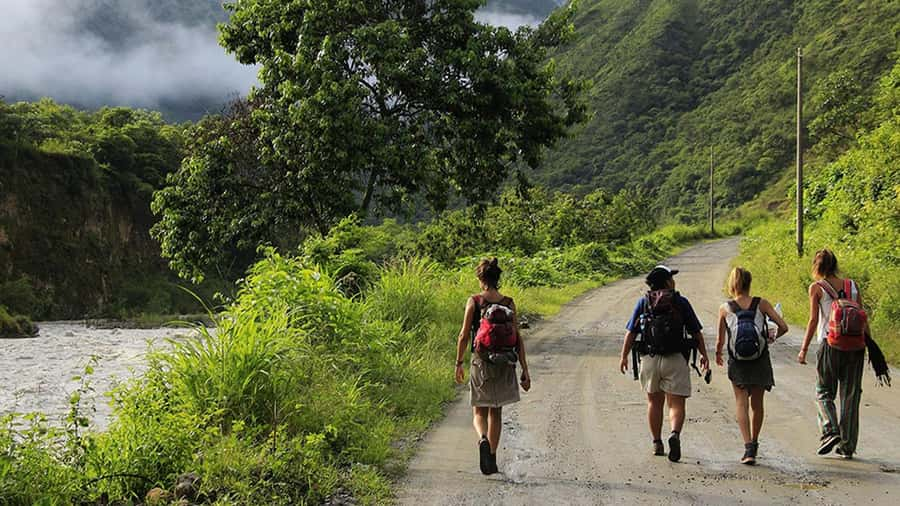
Lunch is at Hidroeléctrica. From there, you continue along the railway tracks for about three hours to Aguas Calientes, the town below Machu Picchu. The railway walk is flat compared with Day 2, but three hours on a hard, straight route can still be tiring. Good footwear matters here, even though the route does not have the same climbs.
Pay close attention to your luggage plan. One participant reported being expected to carry a heavy backpack for roughly 11 kilometers because the need for a smaller day pack had not been explained at the briefing. That is an avoidable problem. Before leaving Santa Teresa, ask what you must carry, what can be transferred, and where your main bag will be during the walk.
You sleep in a hotel in Aguas Calientes. This is a valuable part of the package because you are already at the gateway to Machu Picchu instead of arriving by train on the same morning as your visit. Still, accommodation standards can vary. One account described a poor final room and no option to change it, so you should choose this trip for the route and activities rather than guaranteed hotel comfort.
More Hiking Tours in Urubamba:
- From Cusco: Salkantay trek 5 days/4 nights meals included
★ 4.0 · 3 reviews - From Arequipa: Sillar Route Trek
★ 4.2 · 461 reviews - From Cusco: 7 Lakes Ausangate Trek with Breakfast and Lunch
★ 4.8 · 360 reviews - From Arequipa: 2-Day Colca Canyon Trekking Tour
★ 4.8 · 243 reviews
Day 4: Early entry to Machu Picchu
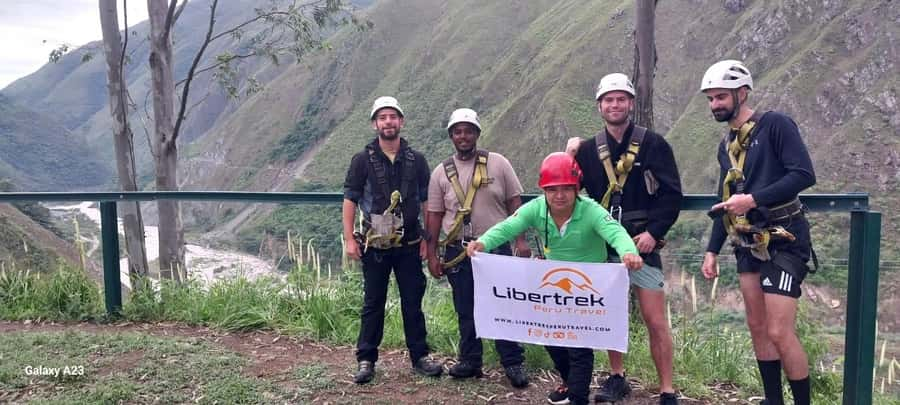
The final morning begins with the walk from Aguas Calientes to Machu Picchu. The aim is to enter early and possibly see the ruins in the morning light. This walk saves the optional bus fare, listed as $24 for the return journey up and down, but it adds another uphill effort after three active days.
The guided visit covers major points such as the Inti Watana, Temple of the Condor, and Sacred Rock. Machu Picchu entry is included in the $420 cost, which is important because the ticket is one of the more expensive pieces of a Peru itinerary.
There is one detail to confirm before you go: the ticket group and guide coverage. One account describes receiving a Group 2 ticket while the rest of the group had Group 3 tickets, resulting in less time with the guide inside the site. That does not mean every departure will have the same problem, but it is worth asking how the group will be divided and whether the guide will accompany everyone through the ruins.
Wayna Picchu is not included. The optional ticket costs $65, and it should be arranged only if the required entry is available for your date. The standard visit already provides the principal sights, so Wayna Picchu is an add-on rather than a missing part of the basic trip.
After Machu Picchu, you return to Aguas Calientes and take the tourist train to Ollantaytambo. A tourist bus then continues to Cusco and drops you at your hotel. The package also lists private transport from your hotel to Cusco airport, a useful extra if your departure plans match the scheduled arrangement.
How much value you get for $420
At $420 per person, this is a good-value package if you want a full route rather than a simple Machu Picchu transfer. The price includes transport from Cusco to the trailhead, a qualified adventure guide, Machu Picchu entry, three nights of accommodation, three breakfasts, three lunches, three dinners, bicycle equipment, rafting, zip lining, the return train, and the bus from Ollantaytambo to Cusco.
You still pay for the first day’s breakfast, lunch in Aguas Calientes, Cocalmayo hot springs, and optional Wayna Picchu and Machu Picchu buses. Those extras are easy to budget for, but they mean the advertised price is not the complete cost of every choice.
The strongest value comes from combining several experiences in one booking. You get active travel, meals, lodging, entry, and the train without arranging each part yourself. The weaker point is consistency. Basic hostels and variable guide support mean you should not compare this with a high-end lodge-based tour.
The repeated praise for guide Gustavo Candia is worth noting. He is described as attentive, strong in English, and good at explaining the route, local history, and safety issues. A guide who tells you not to drink untreated stream water and explains trail hazards can make a real difference on a trip like this.
Fitness, packing, and practical concerns
You need more than ordinary sightseeing fitness, but you do not need to be a specialist trekker. The biggest demands are the seven to eight hours on Day 2, the three-hour railway walk on Day 3, and the uphill walk from Aguas Calientes to Machu Picchu.
Pack light, but do not pack carelessly. Bring:
- Passport
- Hiking shoes and comfortable clothing
- Hiking pants
- Sunglasses, hat, and sunscreen
- Swimwear and a towel
- Insect repellent
- Camera
- Personal medication
- Cash
- A small day pack
Ask specifically about the luggage arrangement before the long walking sections. A small backpack should hold water, sun protection, rain protection if needed, medication, and anything you need during the day. Carrying a full travel pack can turn an enjoyable route into a painful one.
The tour provides a first aid kit, but that does not replace your own medication or preparation. If you have a knee issue or another condition that could affect long walking days, discuss it with the operator before booking.
Free cancellation is available up to 24 hours before the activity for a full refund, and you can reserve now and pay later. Those policies offer useful flexibility, but the rafting no-refund rule is separate and should be read carefully.
Who should book this route
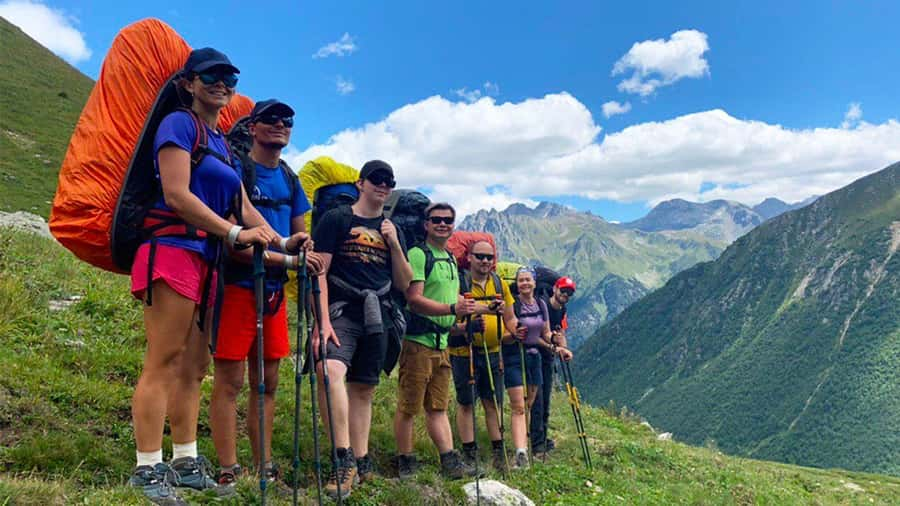
I would choose this trip if you want a social, active way to reach Machu Picchu and like having transport, meals, entry, and the train handled in one package. It suits people who prefer a changing route to a single long mountain trek, and it gives you several memorable activities without requiring four nights of camping.
It is also a good fit if you enjoy local hostels and family-style restaurants more than polished hotels. You will spend time in Santa María and Santa Teresa, where the experience is tied to small towns, river routes, and local services.
I would think twice if you need carefully controlled logistics, guaranteed rafting, high hotel standards, or close support every minute of the walk. The route is active, and one poor briefing about luggage or one missed guide connection can affect the final two days.
Should you book the Inka Jungle Trek?
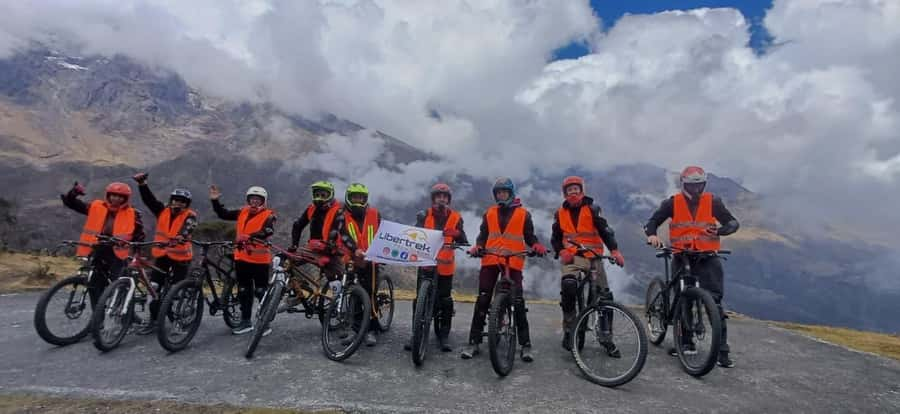
Book it if the bicycle descent, river country, hot springs, zip line, and old Inca paths sound as appealing as Machu Picchu itself. The package offers strong value, a small group, and a route with far more variety than a direct train visit.
Before paying, confirm three things in writing: the luggage plan for Day 3, how guide coverage works inside Machu Picchu, and the conditions around rafting during the January to March high-water period. If those points are clear and you are ready for a long walking day, this is an energetic and rewarding way to reach the Inca citadel.
FAQ
How long is the Inka Jungle Trek?
The tour lasts four days and three nights, beginning with pickup in Cusco and ending with transport back to Cusco after Machu Picchu.
Is Machu Picchu entry included?
Yes. Entry to Machu Picchu is included in the $420 price. Wayna Picchu entry is separate and costs $65.
Is the rafting activity guaranteed?
No. Rafting depends on weather and river conditions. From January 1 through March 31, high water may cancel the activity, and no refund is provided if that happens.
Are meals included?
The package includes three breakfasts, three lunches, and three dinners during the trek. Breakfast on the first day and lunch in Aguas Calientes are not included.
Is transport back to Cusco included?
Yes. The tourist train from Aguas Calientes to Ollantaytambo and tourist transportation from Ollantaytambo to Cusco are included. Private transport from your hotel to Cusco airport is also listed.
What languages are available for the guide?
Guiding is available in English and Spanish. The tour is limited to 15 participants.
More 4-Day Experiences in Urubamba
- Cusco: 4-Day Inca Trail to Machu Picchu with Accommodation
★ 4.8 · 432 reviews - Puerto Maldonado: 4-Day Tambopata Rainforest Tour
★ 4.6 · 213 reviews - Puerto Maldonado: Sandoval Lake 4-Day, 3-Night Guided Tour
★ 4.5 · 90 reviews - 4 Day Tour to the Manu National Park
★ 5.0 · 81 reviews
Just added around Urubamba
- Sun and Moon Tour★ 4.5 · 3 reviews
- Sacred Valley Tour 1 Day★ 5.0 · 3 reviews
- Super Sacred Valley★ 3.8 · 6 reviews
- Peru in 5 days: Lima, Cusco, Machupicchu & Rainbow Mountain★ 5.0 · 3 reviews
- Machupicchu 2025: The best ticket Circuit 2★ 3.5 · 6 reviews
- Machu Picchu: 1-day tour by Vistadome Panoramic train★ 4.7 · 15 reviews
- Machu Picchu: historical and photographic guided tour★ 4.9 · 27 reviews
- Guided tour of Cusco and its 4 ruins★ 3.8 · 3 reviews
Hiking & Trekking, compared.
7 Lakes Ausangate Trek with Breakfast and Lunch
Read our review →
Rainbow Mountain Tour and Red Valley Hike (Optional)
Read our review →
Full-Day Rainbow Mountain & Red Valley Trekking Tour
Read our review →
Browse the lists this tour appears in