
Reviewed · SACRED VALLEY TOURS
Sun and Moon Tour
The most memorable part of this day is the way it links Lake Titicaca’s island scenery with Inca sacred sites. You move from Pikokaina on the southern end of the Island of the Sun to the Sacred Rock and Chinkana at Challapampa, then continue to the Moon Island. It is a full day, but the route gives you a clear look at the lake’s major island sights.
I like the well-planned timing, with an 08:00 hotel pickup and an expected return to Copacabana around 17:00. I also like having entrance tickets, a shared speedboat, and an English-Spanish guide included in the $120 price. The main consideration is the pace: several visits involve walking and descending old stone stairs, so this is not a relaxed boat-only outing.
Key points to know
- Pikokaina begins the cultural story: Visit the Temple of the Sun on the southern part of the Island of the Sun.
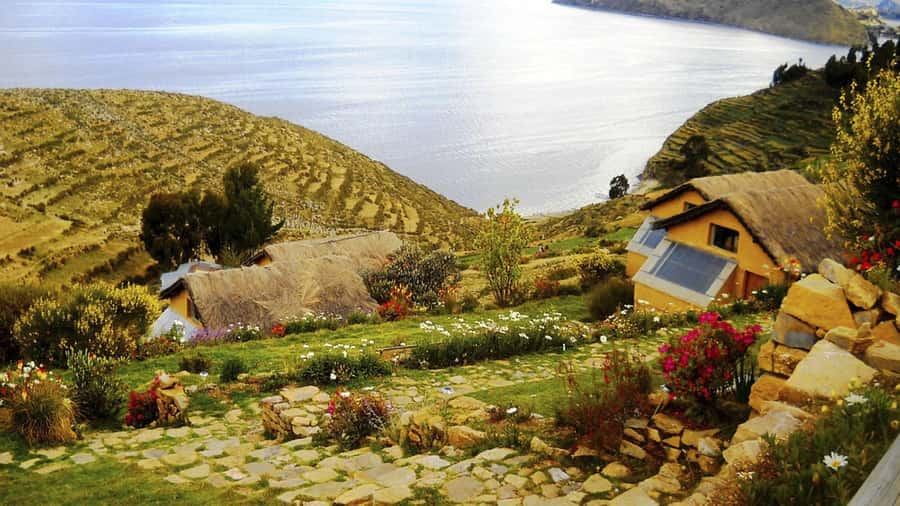
- Yumani adds a physical challenge: The Inca-era stairs lead down to the fountain of eternal youth and an Inca garden.
- Challapampa brings the island’s mythology forward: See Chinkana and the Sacred Rock, linked to Andean creation stories.
- Moon Island completes the route: Explore the Temple of the Moon and the house of the Virgins of the Sun.
- The day runs from 08:00 to about 17:00: You get a full circuit from Copacabana, not a short lake excursion.
- The guide is a major part of the experience: English and Spanish guiding helps explain the sites rather than leaving you to guess at the ruins.
A full day across Lake Titicaca
This tour is built around movement. You are picked up at your hotel in Copacabana at 08:00, taken to the pier, and then set out by shared speedboat. The boat is not just a transfer between stops. It gives you time to see how large Lake Titicaca feels and how the islands shape the route.
At $120 per person, the price makes the most sense if you want a guided day with transport and admission handled together. You are paying for the boat, entrance tickets, the guide, and the complete visit to both islands. If you only want a quick ride on the lake, this is more than you need. If you want the main archaeological stops on the Island of the Sun and Moon Island in one day, the package is more useful.
The shared boat also means you should expect a group outing rather than a private, custom-paced trip. That keeps the cost below a private charter, but your time at each stop follows the planned schedule. The day is carefully arranged, though, and a recent June itinerary covered the southern and northern parts of the Island of the Sun as well as Moon Island.
A few more Urubamba days worth weighing up
- Cusco:Sacred Valley Pisaq,Ollantaytambo,Chinchero with Lunch
★ 4.8 · 183 reviews - From Cusco: Chinchero, Moray, Maras and Ollantaytambo
★ 4.5 · 83 reviews - from Urubamba & Ollantaytambo:Sacred Valley Full-Day Private
★ 4.9 · 31 reviews
Pikokaina, the Temple of the Sun
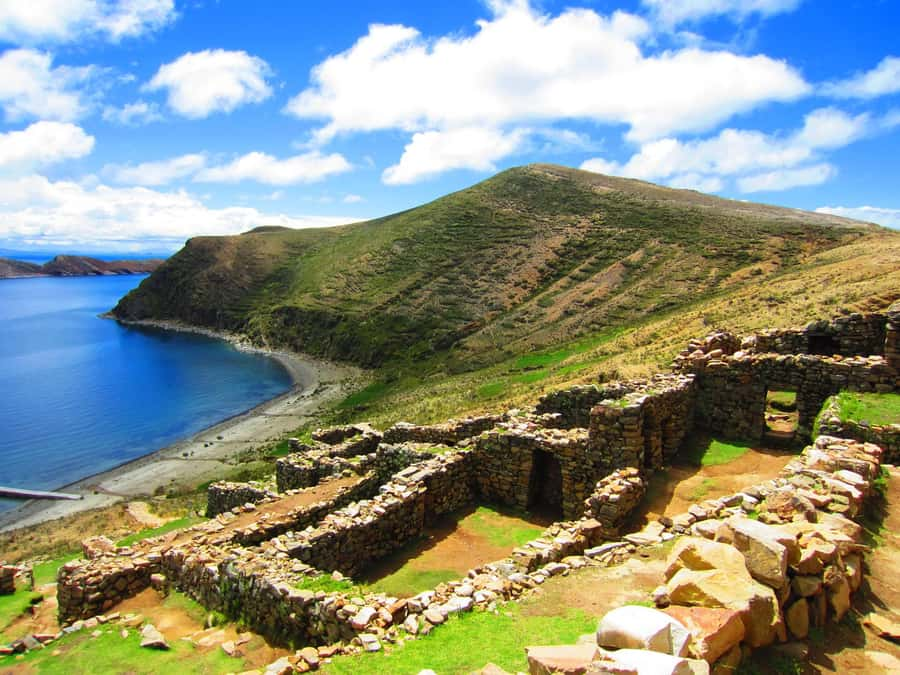
The first major stop is Pikokaina, an archaeological site on the southern part of the Island of the Sun. It is identified as the Temple of the Sun, so this is where the tour begins to connect the lake setting with Inca religious tradition.
I find this a good opening stop because it gives your guide room to explain the meaning of the island before you begin the longer walking sections. Ruins can look like piles of old stone when seen without context. A live guide in English or Spanish helps turn the remains into part of a larger story about the Incas and Andean culture.
The stop is also a reminder that this is not only a scenic cruise. You will be visiting archaeological places where the setting matters as much as the surviving structures. Keep your attention on the relationship between the ruins, the lake, and the island route. The information supplied for the tour does not give a detailed breakdown of the structures at Pikokaina, so your guide’s explanation will shape how much you take from the visit.
The Yumani stairs and the fountain of eternal youth
From the southern part of the island, you descend the Yumani stairs. These steps date back to the Inca era and lead toward the fountain of eternal youth and an Inca garden.
This is one of the tour’s most distinctive stops, but it is also the part that requires the most care. The stairs are old, and the route involves a sustained descent. You should allow yourself time, use the available hand support if present, and avoid treating this as a race. The tour schedule is set, but moving steadily is more sensible than rushing down the steps.
The fountain of eternal youth gives the walk a memorable destination. The name belongs to the island’s traditional cultural story, not a promise that you will return home with a new passport photo. The Inca garden adds another layer, showing that the stop is not simply a stairway with a famous label.
I like this section because it combines a physical route with a specific place of meaning. You are not just walking from one transport point to another. You are following an old path and reaching features tied to local tradition. At the same time, anyone who has difficulty with stairs should think carefully before booking a day that includes this descent.
Challapampa, Chinkana, and the Sacred Rock
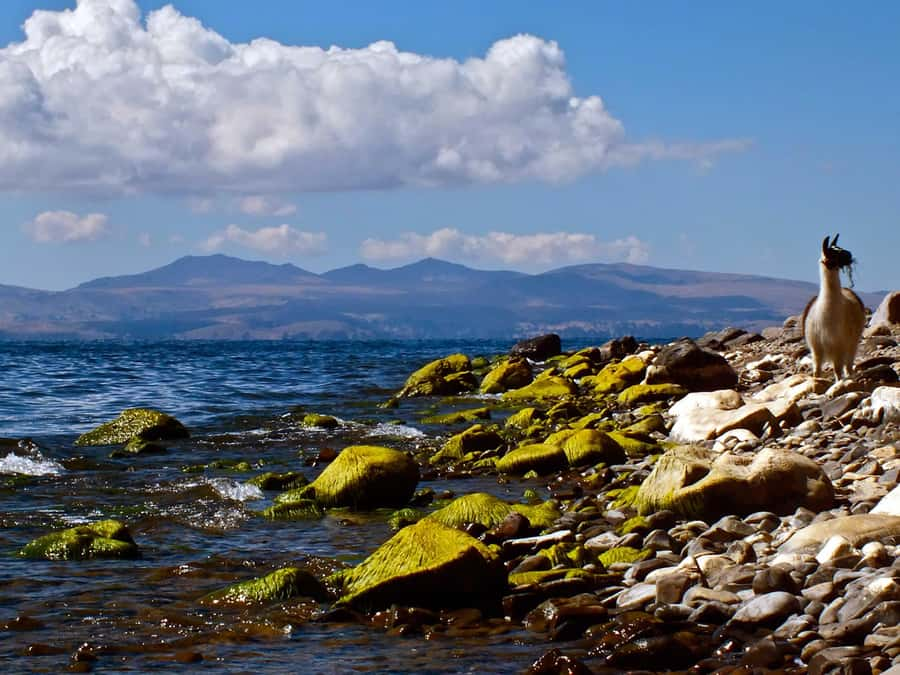
After returning to the pier, the boat continues to Challapampa. Here you visit Chinkana and the Sacred Rock, a site connected with important Andean origin stories.
The Sacred Rock is described as the place where the sun star and the founders of Andean culture were born according to mythological stories. That makes it one of the most meaningful stops for anyone interested in how the region explains its beginnings. The value is not only in seeing a stone or archaeological remains. It is in hearing how the place fits into Andean mythology.
Chinkana is another archaeological visit at Challapampa. The schedule places it alongside the Sacred Rock, so you get both a physical site and the cultural narrative attached to it. Your guide is especially important here. A bilingual guide can explain the difference between what you are seeing in the remains and what belongs to the mythic tradition surrounding the area.
The timing also matters. By this point, you have already visited the southern part of the Island of the Sun, walked down the Yumani stairs, returned to the pier, and taken another boat ride. Challapampa gives the day a second substantial stop on the same island rather than limiting you to the south.
Same base, a completely different kind of day:
- Machu Picchu: Group Guided Tour
★ 4.7 · 102 reviews - Machu Picchu: Tour Guide Service & Entrance Ticket Circuit-2
★ 4.6 · 90 reviews - Cusco: One Day Tour to Machu Picchu with Train Transfers
★ 4.8 · 28 reviews - Machu Picchu: historical and photographic guided tour
★ 4.9 · 27 reviews
Moon Island and the Temple of the Moon
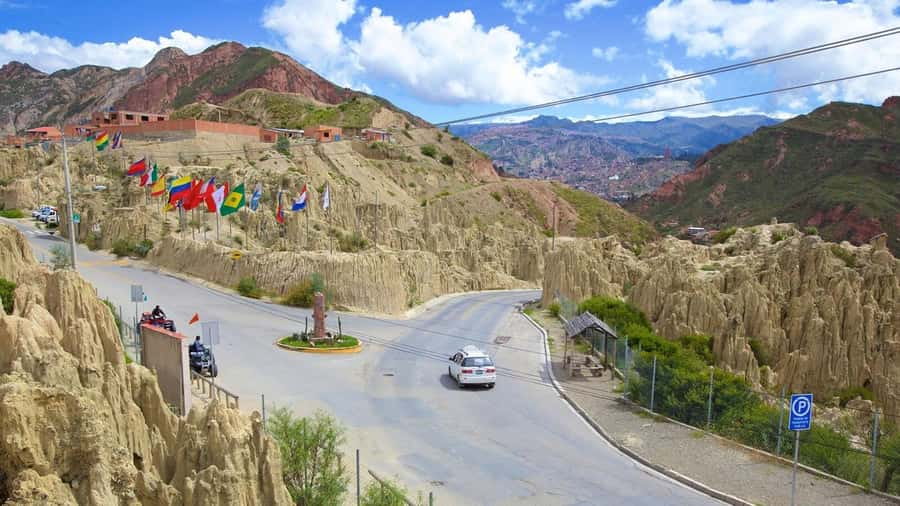
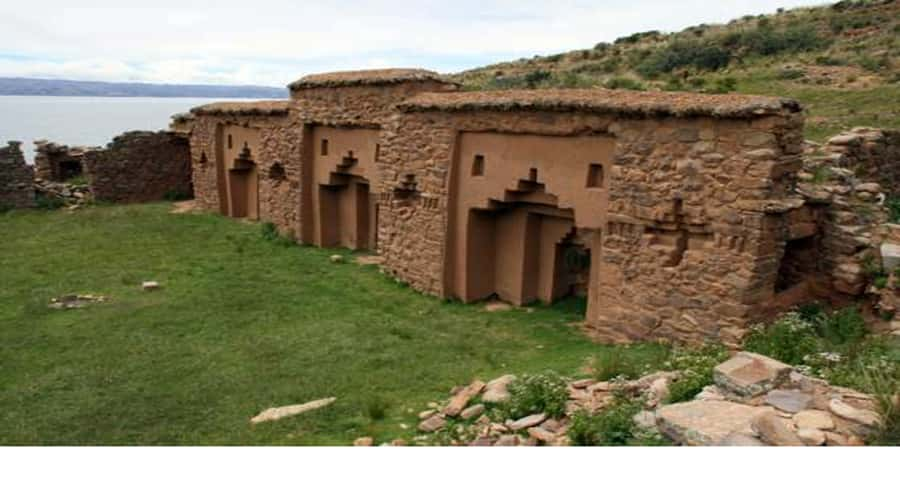
The boat then carries you to Moon Island. The visit includes the archaeological remains of the Temple of the Moon and the house of the Virgins of the Sun.
This final island stop broadens the day. You are not simply repeating the same kind of ruin twice. The tour presents Moon Island as a separate sacred place with its own remains and cultural associations. If you have already spent the morning thinking about the Temple of the Sun, the Temple of the Moon gives the route a natural balance.
The house of the Virgins of the Sun is another reason to pay attention to the guide’s explanation. The name points to an organized religious and social tradition within the Inca world. The available tour information does not provide a full account of the building or its surviving features, so do not expect a long museum-style presentation. Instead, you will learn on site while moving through the archaeological remains.
Moon Island comes relatively late in the day. That can be a strength because the route builds toward a second island and a final group of sites. It can also be tiring. You should expect the experience to feel like a full cultural excursion by this stage, not a quick add-on before returning to Copacabana.
The guide makes the ruins easier to understand
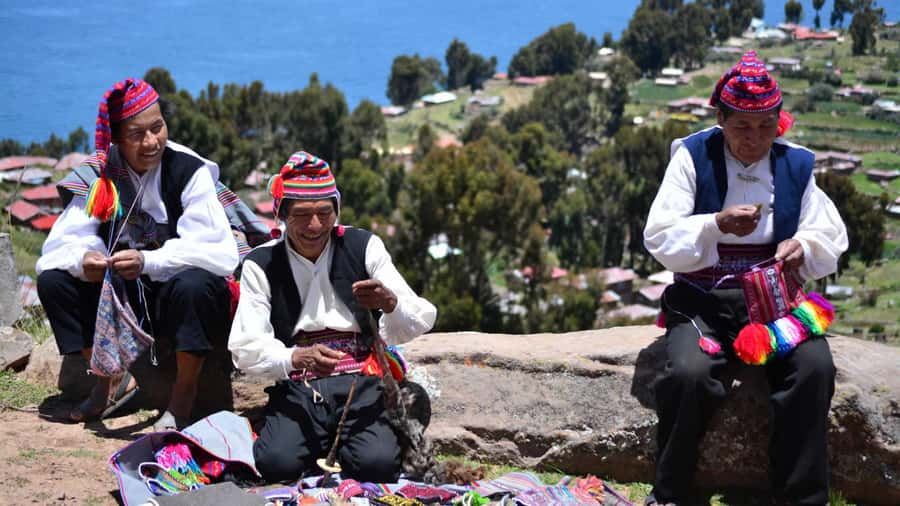
The tour includes a professional English-Spanish guide, and the guide’s role matters more here than it would on a simple sightseeing cruise. Several locations are connected with Inca religion, Andean origin stories, and island traditions. Without explanation, you may see stone walls and stairways but miss why these places matter.
The strongest praise in the available feedback is directed at the guide. The guide was described as kind, well informed, and helpful, with a strong ability to explain Inca culture. That fits this itinerary well. You need someone who can connect Pikokaina, the Sacred Rock, the Temple of the Moon, and the Virgins of the Sun rather than presenting them as unrelated stops.
The guide’s language is listed as English and Spanish. If you want more than photographs, stay close enough to hear the explanations at each site. This is particularly useful at the Sacred Rock, where the mythological meaning is central to the visit.
What the $120 price includes
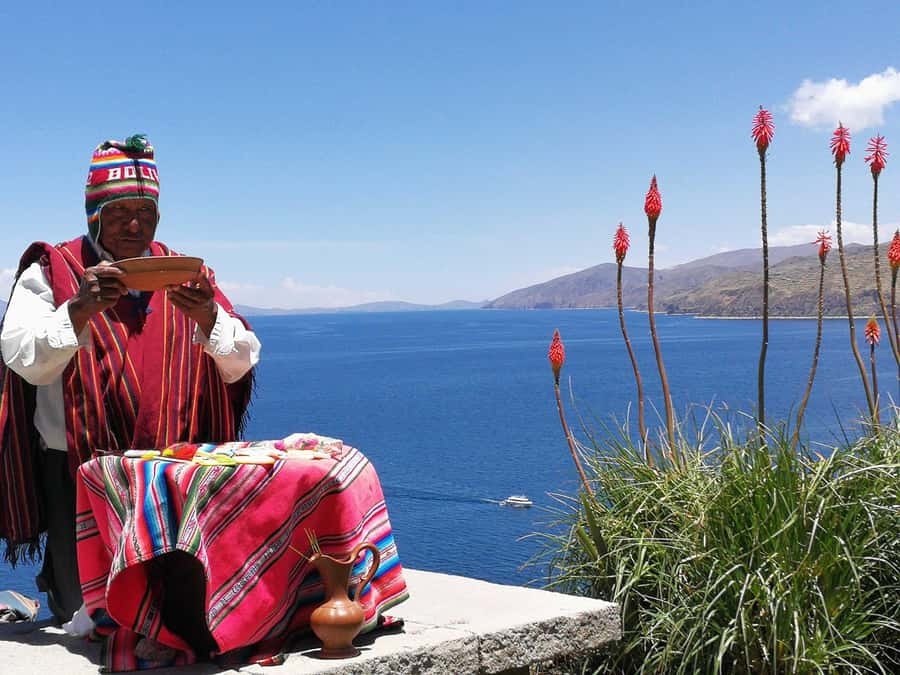
The $120 cost includes the shared speedboat, entrance tickets to each place visited, the full excursion to the Island of the Sun and Moon Island, and the professional bilingual guide.
That is a fair structure for a long day because several costs are bundled. You do not need to arrange separate boat legs between the islands or buy admissions one site at a time. The inclusion of a guide also gives the price more value than a basic transport service.
The main limitation is that the boat is shared. You are not paying for a private vessel or your own timetable. If you want to linger at one ruin, skip a stairway, or change the order, this organized route may feel restrictive. If your goal is to cover both islands from Copacabana in one day, the shared format is a practical compromise.
The tour also offers free cancellation up to 24 hours before the activity and a reserve-now, pay-later option. Those terms are useful when your Lake Titicaca plans depend on weather, transport, or a changing schedule. Check availability for the actual starting time, since the listed pickup is 08:00 but availability determines the operating date.
Who should book this tour
I would choose this tour if you want to see the major named sites on both islands without arranging separate transport. It suits visitors who enjoy archaeology, Inca culture, Andean mythology, and a full day on the water.
It is also a good fit if you prefer a guide to explain what you are seeing. The English-Spanish format makes the excursion more approachable, and the guide’s reported strengths in cultural explanation are important here.
You should think twice if you dislike scheduled group outings or if descending old stairs would be difficult. The tour includes the Yumani stairs and several archaeological visits, so it asks more of you than a boat ride with a single short stop. The supplied information does not state the group size, lunch arrangements, or accessibility details, so you should confirm those points before booking if they matter to you.
Practical verdict from Copacabana
This is an ambitious one-day route, but its strength is the range of places it covers. You see the southern Island of the Sun, continue to Challapampa, visit Moon Island, and return to Copacabana around 17:00. The boat links the sites efficiently, while the guide supplies the cultural thread.
I especially like the balance of famous stops and less obvious details: Pikokaina, the Yumani stairs, the fountain of eternal youth, Chinkana, the Sacred Rock, and the Temple of the Moon. The day is not just a photo stop at Lake Titicaca. It gives you several ways to understand why these islands matter.
Should you book the Sun and Moon Tour?
Book it if you want a structured full-day visit to both islands, with boat transport, admissions, and a bilingual guide included. The strong point is the complete route and the guide’s cultural explanation.
Skip it if you want a slow, private day or if the Yumani stairs and repeated walks are a serious concern. For most visitors starting in Copacabana who want the main Island of the Sun and Moon Island sites in one outing, the $120 price offers solid value.
FAQ
Where does the Sun and Moon Tour begin?
The tour begins with hotel pickup in Copacabana at 08:00.
How long does the tour last?
It is a one-day tour, with an approximate return to Copacabana at 17:00.
Which islands does the tour visit?
The route visits the Island of the Sun and Moon Island.
What archaeological sites are included?
The tour includes Pikokaina, Chinkana, the Sacred Rock, the Temple of the Moon, and the house of the Virgins of the Sun.
Is the Yumani staircase part of the tour?
Yes. You descend the Inca-era Yumani stairs and visit the fountain of eternal youth and the Inca garden.
Is transportation included?
Yes. A shared speedboat is included for the route across Lake Titicaca and between the islands.
Are entrance tickets included?
Yes. Entrance tickets to each place visited are included.
What languages does the guide speak?
The live guide service is available in English and Spanish.
Just added around Urubamba
- Sacred Valley Tour 1 Day★ 5.0 · 3 reviews
- Super Sacred Valley★ 3.8 · 6 reviews
- Peru in 5 days: Lima, Cusco, Machupicchu & Rainbow Mountain★ 5.0 · 3 reviews
- Machupicchu 2025: The best ticket Circuit 2★ 3.5 · 6 reviews
- Machu Picchu: 1-day tour by Vistadome Panoramic train★ 4.7 · 15 reviews
- Machu Picchu: historical and photographic guided tour★ 4.9 · 27 reviews
- Guided tour of Cusco and its 4 ruins★ 3.8 · 3 reviews
- Private Guide in Machu Picchu for 3 Hours★ 4.2 · 17 reviews
Sacred Valley Tours, compared.

Sacred Valley & Maras Salt Mines Tour with Lunch
Read our review →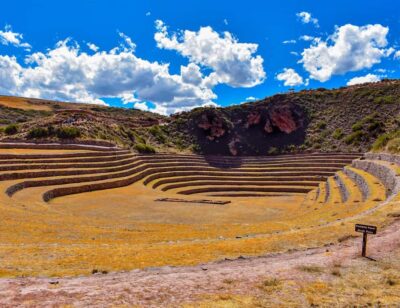
Moray, Maras Salt Mines & Chinchero Weavers Tour
Read our review →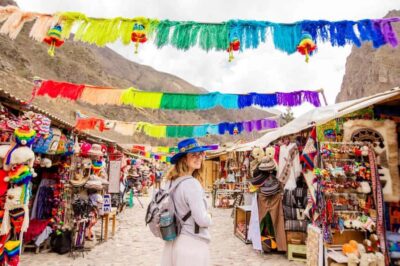
Sacred Valley, Pisac, Ollantaytambo, Salt Mines Moray
Read our review →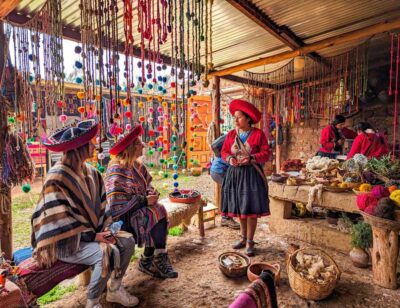
Chinchero,Moray & Salt Mines drop-off in Ollantaytambo
Read our review →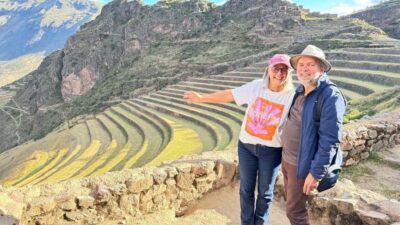

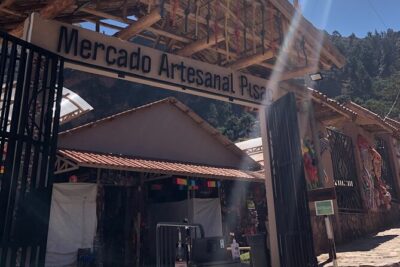
Pisac Indian Market and Ollantaytambo Fortress with Lunch
Read our review →
Browse the lists this tour appears in