
Reviewed · HIKING & TREKKING
Salkantay Trek: 5 Days to Machu Picchu
The real draw here is the sharp change in scenery: icy peaks and a high mountain pass give way to coffee plants, orchids, hot springs, and the tropical route toward Machu Picchu. I like the small group size of up to 12 and the practical support, including horses for food and baggage, an emergency horse, a cook, sleeping gear, and an inflatable mattress.
I also like that you reach Machu Picchu after walking in, rather than simply arriving by train. The trade-off is serious: the second day is long and strenuous, the Salkantay Pass reaches 4,650 meters, and the 4:30 a.m. pickup on day one leaves no room for a lazy start. Your legs need to be ready.
Key points at a glance
- 4,650-meter Salkantay Pass: The highest point comes on day two, with views of Salkantay, Humantay, Tucarhuay, and Pumasillo.
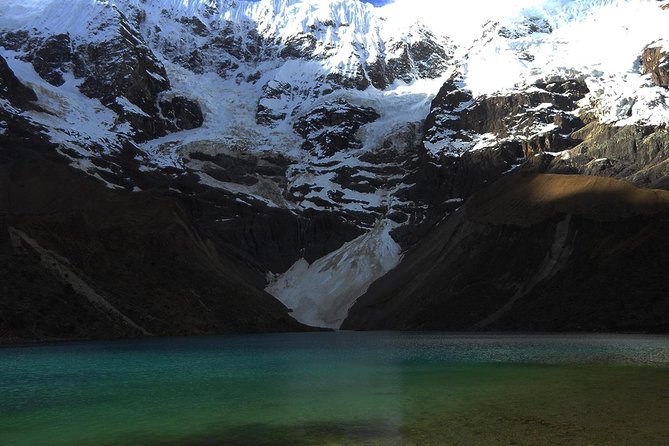
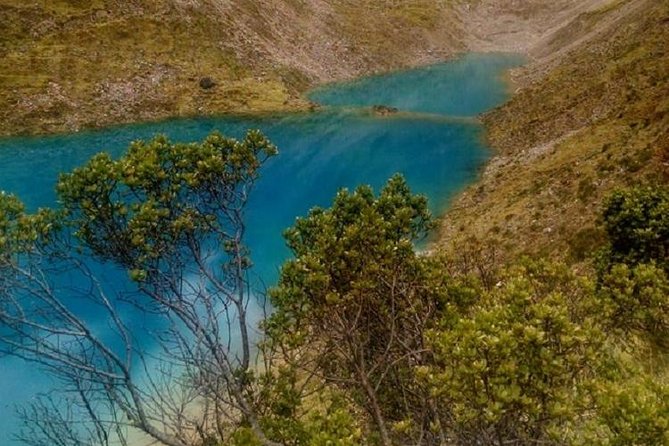
- Humantay Lake on day one: You hike to a striking mountain lake before settling into your first campsite at Soraypampa.
- Three nights camping, one night in a hotel: You sleep outdoors for most of the route, then spend the final night in Aguas Calientes.
- Food is a major strength: A professional cook provides four breakfasts, lunches, dinners, and afternoon hot drinks.
- Bags are carried by horses: Up to 7 kilograms of personal items can travel with the muleteers, leaving you with a lighter daypack.
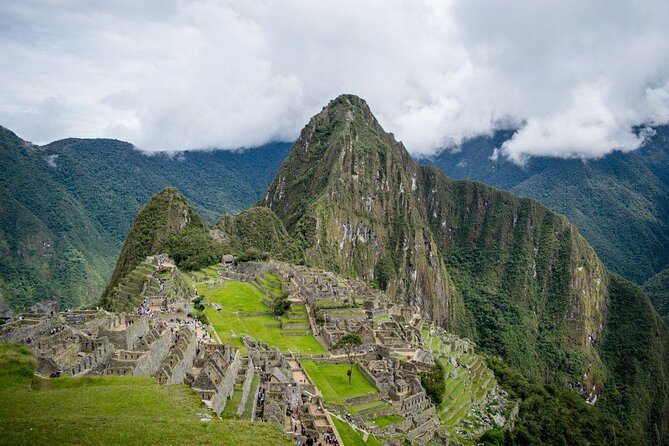
- Machu Picchu comes after five days of walking: The final visit includes a guided tour of the temples, terraces, palaces, and platforms.
Why choose Salkantay instead of the Inca Trail?
The Salkantay route gives you a big mountain experience without following the classic Inca Trail. Its appeal is not just fewer crowds. You also get a wider range of scenery in a single trip, from high Andean terrain to warm forest near Machu Picchu.
The route begins near Mollepata and Challacancha, climbs toward Soraypampa and Humantay Lake, then crosses the Salkantay Pass. After that, you descend through greener country, passing coffee plantations, orchids, bromeliads, and plants used in local medicine.
That variety makes this a good choice if you want the journey to feel like a real expedition. You are not walking through one type of terrain for five days. The temperature, vegetation, and trail character change often.
The cost is $909. That is not a cheap walk, but the price covers much of what makes a five-day trek expensive to operate: private transport to the trailhead, three campsites, a hotel night, meals, a cook, guides, horses, camping equipment, a sleeping bag, poles, the train to Ollantaytambo, and transport onward to Cusco.
You still need to budget for the Machu Picchu shuttle bus if you do not want to walk between the citadel and Aguas Calientes. It costs $12 one way or $24 round trip. Entrance to Huayna Picchu costs an additional $25, and breakfast on the first morning and lunch on the final day are not included.
More Hiking Tours in Machu Picchu
- Machu Picchu: 5-Day Salkantay Trek with Panoramic Train
★ 5.0 · 79 reviews - Ancascocha Trek To Machu Picchu 4 Days And 3 Nights
★ 5.0 · 77 reviews - 4 Day Inca Trail Trek to Machu Picchu Multi day tour
★ 5.0 · 70 reviews
Day one: from Cusco to Humantay Lake
Your pickup is scheduled for 4:30 a.m. from the Plaza de Armas area in Cusco. The early departure helps fit a lot into the day, but you should have your clothing, water, and small daypack ready the night before.
The bus passes through Izcuchaca and Limatambo before reaching Mollepata at about 2,900 meters. You have breakfast there, and this is also when you hand over up to 5 kilograms of personal belongings to the muleteers, according to the daily plan. The included baggage support is one of the trip’s practical advantages, though you should confirm the exact baggage allowance during the pre-trek briefing because the inclusions also refer to 7 kilograms per person.
From Mollepata, transport takes you to Challacancha, at about 3,380 meters. The walking begins here. You hike for roughly three hours toward Soraypampa, which sits at about 3,900 meters.
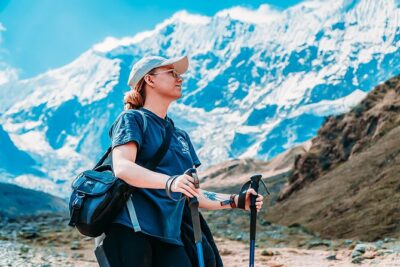
Lunch comes at the campsite, followed by the walk to Humantay Lake. The lake is the day’s visual prize, framed by high mountain slopes and snow-covered peaks. The round trip adds effort after an already early start, so do not treat this as a casual photo stop.
You return to camp to rest. This first night is a useful test of how your body handles the altitude. If you have had altitude sickness before, bring the medicine recommended by your doctor and discuss the trek with your doctor before arriving.
Day two: the hard push to Salkantay Pass
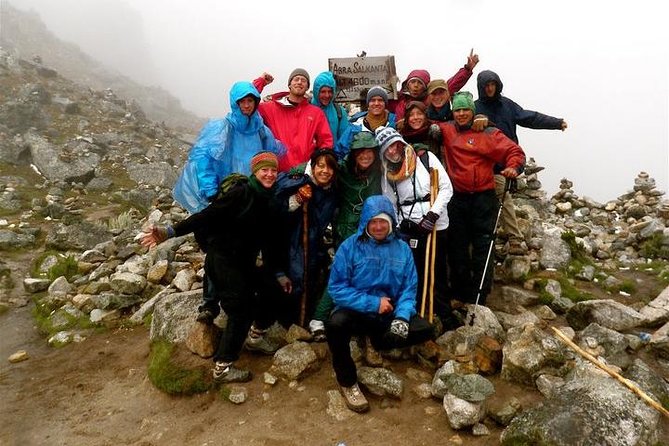
Day two is the toughest part of the trip for most people. Breakfast is at 5 a.m., and you start from Soraypampa for the climb to Abra Salkantay, the highest point of the trek at about 4,650 meters.
The climb takes around three hours. Along the way, you pass Salkantaypampa and Soyrococha, a small lagoon, while the mountains of Salkantay, Humantay, Tucarhuay, and Pumasillo come into view. At this height, cold, wind, thin air, and steep ground can all slow you down.
The day’s full walking time is listed at about 10 hours. After reaching the pass, you descend for around three hours to Huayracmachay, at roughly 3,800 meters, where lunch is served. You then continue down to Chaullay, at about 2,900 meters, for the night’s campsite.
This is where the included support matters. The guide can adjust the pace, and an emergency horse can be ridden if you feel ill or cannot keep up. Some people have also rented horses along the route when steep descents proved hard on their knees. That option should be confirmed with the operator, since the standard inclusions mention an emergency horse but do not promise a private riding horse for every section.
The descent is easier for some people than the climb, but not for everyone. If your knees dislike steep downhill walking, use trekking poles, take short steps, and tell your guide early rather than waiting until pain becomes a problem.
Day three: coffee country and Santa Teresa
The route changes sharply on day three. Breakfast is at 6 a.m., followed by about five and a half hours of walking through the forested slopes below the high mountains.
The trail includes moderate ascents and descents. You pass coffee plantations, orchids, bromeliads, and plants used for natural medicine. This section gives you a closer look at the living side of the Andes, rather than only the giant mountain views of the first two days.
You walk to Playa Sahuayaco for lunch. From there, included transport takes you to the campsite at Santa Teresa. This transfer is welcome after several hours on foot.
Santa Teresa offers an optional visit to the thermal baths at Cocalmayo. The entrance ticket is not included, so bring extra money if you want the soak. The warm water can be a pleasant way to ease tired muscles, but it is an option, not part of the base price.
The warmer climate also brings insects. Pack mosquito repellent and light, long clothing. The change from cold high country to humid forest is one of the route’s best features, but it also means you need to pack for two very different climates.
Tea and dinner are served back at camp around 6 p.m. The food program deserves real attention here. The cook prepares four breakfasts, four lunches, four dinners, and four afternoon hot drinks. Vegetarian meals are available at no extra cost if you request them when booking.
More Salkantay trek options:
- Small Group 5 Days Salkantay and Machu Picchu by Llactapata Tour
★ 5.0 · 88 reviews - Salkantay Trek 4 Days to Machu Picchu by Glamping Sky Lodge Dome
★ 5.0 · 68 reviews - Salkantay Trek to Machu Picchu in 4 days
★ 4.5 · 50 reviews - Salkantay Trek To Machu Picchu 5 Days And 4 Nights
★ 5.0 · 44 reviews
Day four: walking beside the railway to Aguas Calientes
Day four begins in the tropical zone, with breakfast before transport and walking toward Hydroelectric. Lunch is served at a restaurant there.
From Hydroelectric, you continue on foot toward Aguas Calientes. This section is less about gaining altitude and more about following the route through warm forest toward the Machu Picchu area. The walk lets you approach the destination under your own power, though it is still a long trip after three demanding days.
You spend the final night in a hotel in Aguas Calientes rather than in a tent. That change is welcome. You can shower, organize your belongings, and get ready for the early visit to Machu Picchu.
Dinner with the guide is scheduled for 6:30 p.m. The group also reviews the plan for the final morning. Pay attention here, since the last day involves an early start, timed access, a guided visit, and transport back to Cusco.
Day five: Machu Picchu before the return journey
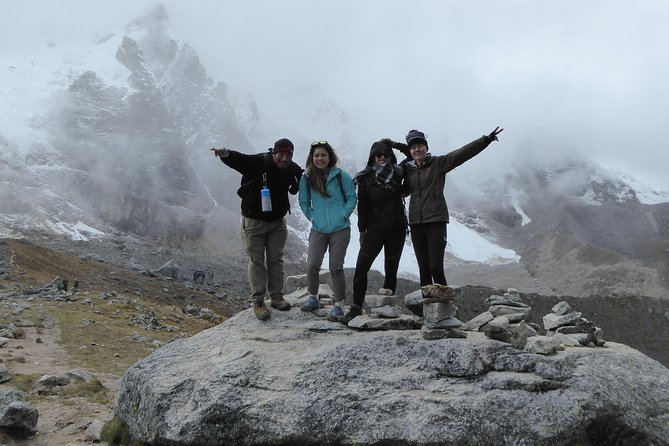
You wake early for the visit to Machu Picchu. The guided tour covers the citadel’s temples, terraces, palaces, and platforms, followed by free time for photographs and independent exploration.
The formal guided portion is listed at about two hours. That is enough for an introduction, but it is not an all-day archaeological seminar. If you want Huayna Picchu, you need to pay the separate $25 entrance fee and arrange it as part of your booking.
The shuttle bus between Aguas Calientes and Machu Picchu is also not included. You can pay $12 each way, or walk if you prefer and have enough time. The exact choice depends on your energy and the schedule assigned to your group.
After the visit, you descend to Aguas Calientes and board the tourist train to Ollantaytambo. A representative meets you there, and the included tourist bus continues to Cusco, with a hotel drop-off.
The return is a long travel day. Do not plan an important evening reservation in Cusco unless you have plenty of flexibility.
Camping, meals, and what you carry
The camping setup is more comfortable than a bare-bones trek. You get a personal double tent, with a larger four-person tent used for extra room and backpack storage, plus an inflatable Therm-a-Rest mattress, sleeping bag rated to about -5°C, blanket, and pillow.
You also receive a duffel bag for personal belongings. Horses carry food, cooking gear, camping equipment, and a limited amount of each person’s clothing. You still need a daypack with water, rain protection, warm layers, sunscreen, medication, and anything you need during the day.
Water is provided each day, except during the first four hours of the trek. Bring your own supply for that opening stretch.
The food is one of the strongest parts of the package. Several guides and cooks have been praised by name, including Carlos, Nico, Juan de Dios, Diego, Alvina, Leoncio, Clemente, and Louis. Staff assignments can vary, so treat these names as examples rather than a guarantee. The consistent point is that the cooking team is a central part of the experience, with filling meals and vegetarian preparation available when requested ahead of time.
Guides, group size, and the human side
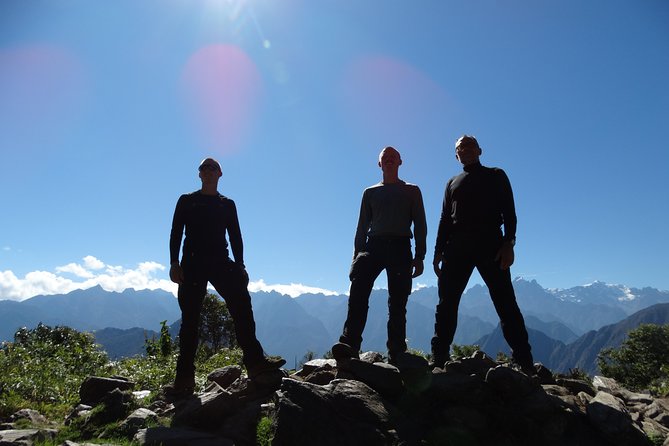
The maximum group size is 12, which is small enough for the guide to keep an eye on the group without turning every stop into a crowded procession.
Guides associated with this trip have included Carlos, Nico, Juan de Dios, Diego, Jennifer, Edy, Alvina, and Daniel. Their reported strengths include English communication, mountain knowledge, Inca culture, plant life, humor, and careful pacing. Again, the exact guide depends on your departure date.
A good guide matters on this route. The pass is high, the second day is long, and some people respond to altitude better than others. You should feel comfortable telling the guide if you need to slow down, rest, or use the emergency horse.
Who should book this trek?
You should consider it if you want:
- A five-day route with major changes in scenery
- A small group rather than a large departure
- Support from horses, cooks, and a bilingual guide
- Camping combined with one hotel night
- A walking approach to Machu Picchu
- A route that includes both high mountains and tropical forest
You should think twice if you dislike early mornings, basic campsites, long walking days, steep descents, or unpredictable mountain weather. The stated minimum age is four, but that does not mean the trek is suitable for every young child. The company asks for moderate physical fitness, and day two is a serious mountain hike.
The 94 percent recommendation rate and 4.9 rating from 33 ratings point to a strong overall record, but one important caution appears in the trip’s own shape: conditions can vary, comfort is basic on camping nights, and the route is physically demanding. The scenery and service may be excellent, but they do not remove the need for preparation.
Practical booking advice
A pre-trek briefing takes place at your hotel the day before departure. Use it to confirm pickup, baggage weight, the walking pace, meal needs, train arrangements, and optional costs.
The meeting information lists the Plaza de Armas area in Cusco, with the driver dropping you at your hotel at the end. Pickup is offered, but confirm the exact pickup point and time during the briefing.
Cancellation terms are strict close to departure. You receive a full refund if you cancel at least six full days before the start time, 50 percent if you cancel two to six full days ahead, and no refund within two days. Travel insurance is not included, so insurance is sensible for a five-day high-altitude trip.
Should you book the Salkantay Trek?
I would book this if you want the full route experience rather than the easiest way to reach Machu Picchu. The combination of Humantay Lake, the Salkantay Pass, forest trails, Santa Teresa, and a final night in Aguas Calientes gives you much more than a single famous ruin.
The best value comes from the support package: meals, cooks, horses, tents, sleeping gear, poles, guides, transport, and the return train. The main warning is the physical cost. Prepare for the 4:30 a.m. start, train before coming to Peru, and respect the altitude.
If you can handle long days and simple camping, this is a strong choice for an active visit to Machu Picchu. If you want comfort, short walks, and a relaxed schedule, choose a shorter route instead.
FAQ
How long is the Salkantay Trek?
The experience lasts approximately five days, including the visit to Machu Picchu and the return journey to Cusco.
What time does the trek begin?
Pickup begins at 4:30 a.m. on day one.
What is the highest point on the trek?
The highest point is Abra Salkantay, at approximately 4,650 meters above sea level.
Is Humantay Lake included?
Yes. The first day includes the walk to Humantay Lake after reaching Soraypampa.
How many nights do you camp?
You spend three nights at campsites and one night in a hotel in Aguas Calientes.
Are meals included?
The package includes four breakfasts, four lunches, four dinners, and four afternoon hot beverages. Breakfast on day one and lunch on the final day are not included.
Is vegetarian food available?
Yes. Vegetarian meals are available at no additional cost if you advise the company when booking.
Are my personal belongings carried for me?
Horsemen and horses carry food, camping equipment, cooking equipment, and a stated allowance of personal belongings for each person. The itinerary refers to 5 kilograms at the first breakfast, while the inclusions refer to 7 kilograms per passenger, so confirm the exact limit at the pre-trek briefing.
Is the Machu Picchu shuttle bus included?
No. The shuttle costs $12 one way or $24 round trip.
Is Huayna Picchu included?
No. Entrance to Huayna Picchu costs an additional $25.
What is the cancellation policy?
You receive a full refund when canceling at least six full days before the start time. Cancellations made two to six full days ahead receive a 50 percent refund. Cancellations within two days are not refunded.
More 5-Day Experiences in Machu Picchu
- Ultimate Lares Trek & Inca Trail 5 days
★ 5.0 · 47 reviews - Wonderful Cusco 5-Day Tour with Entrance to Machupicchu
★ 5.0 · 46 reviews - 5-Day: Salkantay Trek to Machupicchu and Humantay Lake
★ 5.0 · 42 reviews - Salkantay 5-Day Trek To Machu Picchu
★ 5.0 · 39 reviews
Just added around Machu Picchu
- Private Tour Guide in Machupicchu from Aguas Calientes.★ 5.0 · 40 reviews
- Machupicchu Guide Service★ 5.0 · 42 reviews
- Inca Trail Machu Picchu 4 Days★ 5.0 · 39 reviews
- Machu Picchu, Cusco & Lima 7-Day Tour★ 5.0 · 30 reviews
- 7 Days: Lima, Ica, Cusco & Machupicchu with local flights★ 5.0 · 52 reviews
- Machu picchu one day by train all included★ 4.5 · 53 reviews
- Exclusive Huayna Picchu Tour in 1 Day from Cusco★ 5.0 · 31 reviews
- Wonderful Cusco 5-Day Tour with Entrance to Machupicchu★ 5.0 · 46 reviews
Hiking & Trekking, compared.
7 Lakes Ausangate Trek with Breakfast and Lunch
Read our review →
Rainbow Mountain Tour and Red Valley Hike (Optional)
Read our review →
Full-Day Rainbow Mountain & Red Valley Trekking Tour
Read our review →
Browse the lists this tour appears in