
Reviewed · HIKING & TREKKING
Salkantay 5-Day Trek To Machu Picchu
The Salkantay route gives you a big mountain challenge before the reward of Machu Picchu. In five days, you move from cold, high-altitude camps beneath snow-covered peaks to warm jungle valleys, tropical plants, waterfalls, and the town of Santa Teresa. The highest point reaches 15,200 feet, so this is serious hiking, not a gentle walk with a famous finish.
I like two things especially. First, the scenery changes almost by the hour, from Humantay Lake and glaciated peaks to the Santa Teresa River and tropical fruit country. Second, the practical package is strong: meals, tents, mules for gear, a hotel night, trains, buses, entrance fees, and a guided Machu Picchu visit are included. The main caution is the physical demand. Long days, steep ground, altitude, cold, heat, and basic camping make preparation essential.
Key points to know before booking
- The Salkantay Pass reaches 4,650 meters: Day 2 is the hardest section, with a long climb and a full day of walking.
- Humantay Lake is a highlight on Day 1: The side hike adds about three hours of walking at high altitude.
- You carry only a small personal load: Mules and horsemen transport camping equipment plus up to 7 kilograms per person.
- Three nights are spent camping: The highest camp is also the coldest, at 3,920 meters.
- The final approach to Machu Picchu is on foot: You walk from the Hydroelectric Station to Aguas Calientes unless you pay for optional transport.
- The group is capped at 16 people: The average group size is listed as four, which can make a demanding trek easier to manage.
Why the Salkantay route is worth the effort
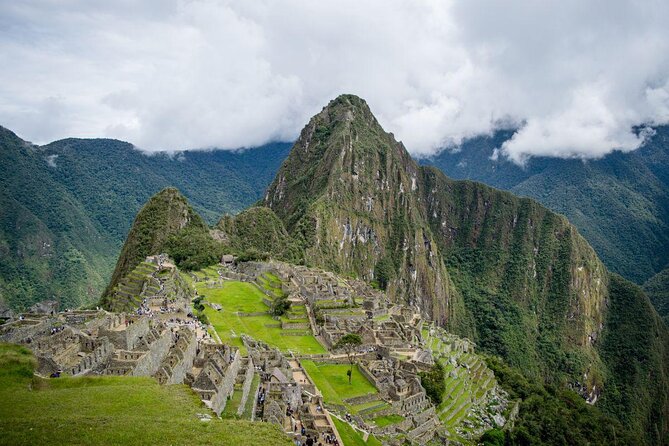
The Salkantay trek is a good choice if you want more than a direct trip to Machu Picchu. The route shows you several parts of Peru in one demanding journey. You begin among bare Andean slopes and snow-covered mountains, then descend through warmer valleys and jungle vegetation before reaching Aguas Calientes.
That change is the heart of the experience. You are not simply walking toward an archaeological site. You are watching the climate change as your altitude drops from around 4,000 meters to about 1,700 meters. One morning may call for gloves and thermal layers. A day later, you may want a swimsuit for Santa Teresa’s hot springs.
The route also offers a closer look at rural Peru. Villages and small settlements such as Soraypampa, Challhuay, Colcapampa, La Playa, and Santa Teresa form part of the journey. The experience remains firmly outdoors, with local guides, cooks, horsemen, and mule handlers supporting the group along the way.
At $797 per person, the price is not low, but it covers many costly pieces. You receive transport from Cusco to the trailhead, three camping nights, one night in a three-star hotel, four breakfasts, four lunches, four dinners, three snacks, camping equipment, mules, entrance fees, the Machu Picchu bus, the train to Ollantaytambo, and onward transport to Cusco.
The value depends on what you want. If you only need to reach Machu Picchu, a train-based visit will be easier and likely less tiring. If you want a full mountain journey with support and meals arranged, this package saves you from organizing each part separately.
More Hiking Tours in Machu Picchu
- Machu Picchu: 5-Day Salkantay Trek with Panoramic Train
★ 5.0 · 79 reviews - Ancascocha Trek To Machu Picchu 4 Days And 3 Nights
★ 5.0 · 77 reviews - 4 Day Inca Trail Trek to Machu Picchu Multi day tour
★ 5.0 · 70 reviews
Day 1: Mollepata, Soraypampa, and Humantay Lake
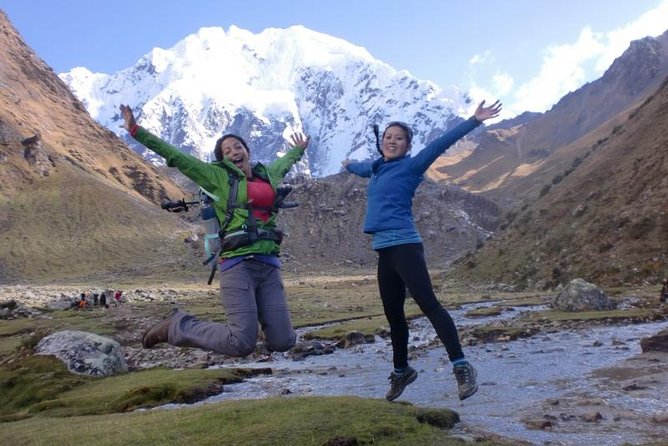
Your day begins early, with pickup in Cusco between 5:00 and 6:00 am. The group travels by tourist-class bus to Mollepata, at about 2,900 meters. This is a useful first stop for stretching your legs and buying snacks, since bottled water and some trail supplies are not included.
From Mollepata, a vehicle continues to Challacancha. Here, the guide checks equipment and prepares the group for the first serious walking section. The route to Soraypampa takes about three hours and rises to 3,920 meters.
Lunch at Soraypampa comes with broad views of snow-covered Andean peaks. This is also where you feel the altitude most clearly. Even if the distance looks manageable, the thin air can slow you down. Walk steadily, drink often, and do not treat the first day as a race.
The side trip to Humantay Lake takes about 1.5 hours each way. The lake is one of the visual highlights of the route, set below the high mountain peaks. The extra climb matters, though. After the morning walk and lunch, you still have to gain and lose altitude before returning to camp.
The first campsite, at 3,920 meters, is the highest and coldest of the trip. You sleep in a tent with a basic sleeping pad, and couples receive their own tent while solo participants share with another person. A sleeping bag is not included, so you need to rent or bring one in Cusco.
This first night rewards warm layers, dry socks, a hat, gloves, and a good rain layer. Electricity may be limited or unavailable, so keep a flashlight, spare batteries, and a power bank or other backup if you need one.
Day 2: The 15,200-foot Salkantay Pass
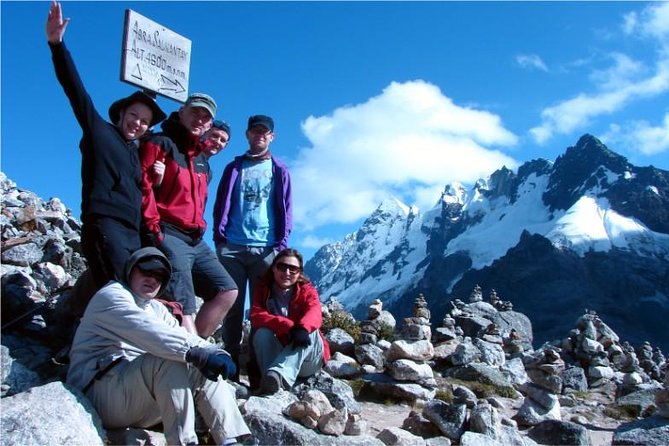
Day 2 is the physical test. After breakfast at about 6:00 am, you walk for around four hours toward the highest point of the trip, the Salkantay Pass at 4,650 meters.
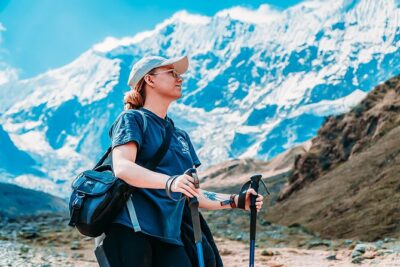
The pass lies between the Salkantay and Humantay mountains. Salkantay rises to 6,267 meters, while Humantay reaches 5,900 meters. Snow is possible near the pass, and the mountain views are the main reward for the climb.
An optional horse rental is available for the ascent, priced at approximately 100 to 120 soles. This can be a practical choice if the altitude affects you or if you want to save strength for the long descent. It is best to think of this option without embarrassment. The goal is to complete the route safely, not to prove a point to the mountain.
After the pass, you descend for about two hours to Huayracpampa, where lunch is served. The downhill section may feel easier on your lungs, but it can be tiring on your knees and ankles. Trekking poles are worth bringing or renting in Cusco.
The afternoon continues for roughly three hours toward Challhuay or Colcapampa, near the start of the high jungle. The total day covers about 22 kilometers and takes nine to ten hours. This is the longest and hardest day, so you should have a moderate level of fitness before arriving in Peru.
The change in scenery begins here. High, cold mountain country gives way to more vegetation and warmer air. That shift is one of the pleasures of the Salkantay route, but it also means you need to adjust your clothing throughout the day.
Day 3: Waterfalls, fruit country, and Santa Teresa
Day 3 starts at around 6:30 am. The walking is shorter, about 15 kilometers and 5.5 hours, but the route still requires steady effort. You move through the upper jungle, crossing the Santa Teresa River and several smaller streams.
This is a more relaxed day visually. You pass waterfalls, tropical plants, and fruit-growing areas. The route gives your body a break from the high-altitude climb, though wet ground and uneven paths can still make the walking demanding.
Lunch is served at La Playa, around 2,200 meters. From there, a car takes the group to Santa Teresa, at about 1,700 meters. The lower altitude brings warmer conditions and a different rhythm after two cold mountain nights.
Santa Teresa’s hot springs are available at an extra cost of 20 soles. I would consider this a worthwhile add-on if you still have energy. Soaking in warm water after several hard days can help tired legs, and the stop gives the group a social break before the final approach to Machu Picchu.
Bring a swimsuit if you plan to use the springs. Also keep some cash available. Prices for water, sports drinks, snacks, and optional activities can rise along the route, and bottled water is not included.
The group camps again in Santa Teresa. Compared with the high camp, this should feel warmer and more comfortable, but it is still a camping night. You will want to keep your headlamp, toiletries, and next morning’s clothes easy to reach.
More Salkantay trek options:
- Small Group 5 Days Salkantay and Machu Picchu by Llactapata Tour
★ 5.0 · 88 reviews - Salkantay Trek 4 Days to Machu Picchu by Glamping Sky Lodge Dome
★ 5.0 · 68 reviews - Salkantay Trek to Machu Picchu in 4 days
★ 4.5 · 50 reviews - Salkantay Trek To Machu Picchu 5 Days And 4 Nights
★ 5.0 · 44 reviews
Day 4: Walking beside the railway to Aguas Calientes
After breakfast at about 8:00 am, the final trail day begins with an approximately three-hour walk from Santa Teresa to the Hydroelectric Station. The route covers about 18 kilometers in total and takes around six hours.
The walking is described as relaxing compared with Day 2, but it is not effortless. You still have several hours on your feet, followed by another three-hour walk from the Hydroelectric Station to Aguas Calientes. The latter section is a gradual uphill route.
A box lunch is served at the Hydroelectric Station. From here, you have two paid alternatives. A bus from Santa Teresa to the station costs about 10 soles, and a train from the station to Aguas Calientes costs about $28. These options can save time and energy, especially if your legs are struggling.
The included plan has you walk this portion. That is part of the appeal for hikers who want the full route, but it is also the point where fatigue can catch up with you. Bring a small daypack with water, rain protection, sunscreen, and snacks. The mules carry up to 7 kilograms per trekker, but you still need easy access to personal essentials.
You sleep in a three-star hotel in Aguas Calientes, sharing a room with another solo participant or having a private room if you are a couple. This change from tents to a hotel is welcome. You can shower, recharge, organize your belongings, and prepare for the early start at Machu Picchu.
Dinner is at a traditional local restaurant. The guide does not accompany you during the bus and train portions of the trip, so pay attention to instructions and meeting times when transfers are involved.
Day 5: Early buses and a guided Machu Picchu visit
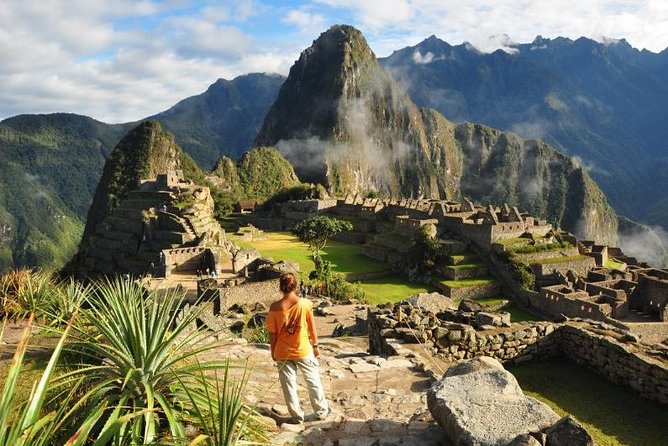
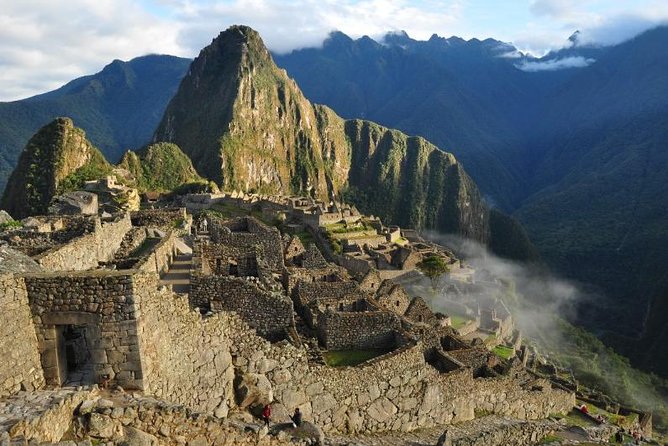
The final morning begins early. The group catches one of the first buses at 5:30 am for the approximately 25-minute ride from Aguas Calientes to Machu Picchu.
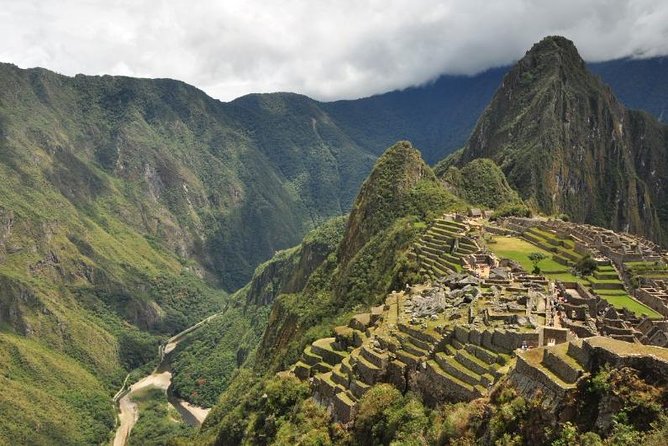
The early departure is sensible. Morning mist can hang over the site, and the first light gives the stone terraces a changing appearance as the clouds lift. You will also have more time at the archaeological site before returning to Aguas Calientes.
Your guide leads an approximately two-hour walking tour. This gives you an organized introduction before you explore on your own. After the guided portion, you have time to look around independently, within the access rules and schedule for your admission.
Huayna Picchu and Machu Picchu Mountain are optional paid hikes. These require advance planning. Huayna Picchu must be booked at least two weeks ahead, while Machu Picchu Mountain must be booked at least one week ahead. Do not assume you can add either climb at the last minute.
After Machu Picchu, you take the bus back to Aguas Calientes. The included return train goes to Ollantaytambo, followed by a bus to Cusco. Drop-off is expected late in the day at Plaza San Francisco, and you make your own way from there to your accommodation.
That final return is long. You should avoid scheduling a flight or an important appointment immediately afterward. An extra night in Aguas Calientes can be arranged if you prefer a slower finish.
Food, camping, and what the price covers
Meals are a real part of the value here. The package includes four breakfasts, four lunches, four dinners, and three snacks, with typical menus prepared during the trek. Breakfasts may include porridge, quinoa, oats, eggs, pancakes, bread, and hot drinks.
Lunch and dinner may include soup, quinoa, rice, pasta, chicken, beef, potatoes, or Peruvian dishes such as ají de gallina and ajiaco de olluco. Vegetarian meals are available if you request them at least two days before departure.
The food is designed for walking days, with generous portions and hot drinks. Still, bring personal snacks you know you will eat. Energy bars, crackers, dried fruit, and electrolyte drinks are useful, and prices along the trail may be two or three times higher than in Cusco.
Camping equipment includes a tent for two people and a basic sleeping pad. You need your own sleeping bag or must rent one. The horsemen and mules carry cooking and camping supplies, along with up to 7 kilograms of your belongings per person.
That allowance includes 3 kilograms for a sleeping bag and mattress, plus 4 kilograms for personal items. Pack carefully. Keep your passport, medication, rain jacket, warm layer, camera, water bottle, and valuables in your daypack.
Fitness, altitude, and practical preparation
You need a moderate level of fitness for this trip. The distances are not the only issue. Altitude, steep climbs, long descents, changing temperatures, and several early mornings all add to the strain.
The first campsite sits at 3,920 meters, and the highest point reaches 4,650 meters. You should allow time in Cusco to adjust before starting, although the supplied information does not specify an acclimatization schedule. Take altitude symptoms seriously and tell your guide if you feel unwell.
Pack hiking boots, sandals, warm socks, thermal layers, a fleece or sweater, gloves, a sun hat, sunscreen, sunglasses, rain pants, and a poncho. Conditions can shift quickly between the high Andes and the jungle.
A small first-aid kit, hand sanitizer, personal medications, a water bottle, waterproof bags, a flashlight, spare batteries, and extra memory cards are useful. There is limited to no electricity during much of the trek, so do not count on regular charging.
The tour provides an emergency oxygen bottle, but that should not be treated as a substitute for preparation. The route is demanding enough that a recent, honest assessment of your fitness matters.
Group size, guide support, and small details
The maximum group size is 16, with an average group of four. A smaller group can make a long day easier to manage, particularly when the pace needs to change because of altitude or weather.
A professional bilingual guide leads the trek and the Machu Picchu tour. You receive a pre-departure briefing in Cusco at the local office one day before departure, usually at 7:00 pm for the Salkantay trek. You also need to check in with your passport before that briefing.
The briefing covers departure details, equipment rental, what to bring, and questions about the route. This is the right time to arrange a sleeping bag, hiking poles, or other missing gear.
The listed departure days are Monday, Wednesday, Thursday, and Saturday. Daily departures are available with a group of four or more. There are no departures in January and February because of unfavorable weather conditions.
You must provide your full name, birth date, nationality, passport number, and passport expiry date when booking. Your passport must be valid for at least six months after the travel date. If you renew the passport used for the booking, carry the old passport or a photocopy.
Who should book this Salkantay trek?
I would recommend this trip to you if you want a physical challenge, changing scenery, and a supported route to Machu Picchu. It suits hikers who enjoy long days outdoors and do not mind trading comfort for better mountain views.
It also works well if you want most costs arranged in advance. Transport, meals, tents, mules, a hotel night, trail access, and the Machu Picchu visit are bundled together. Vegetarian food is available, and the group size is limited.
I would hesitate if you dislike camping, have little recent walking experience, or are uneasy with high altitude. The optional horses, bus, and train can help, but they do not turn the trip into an easy excursion.
The experience is listed for ages seven and up, but the route’s physical demands deserve more attention than the minimum age. Families should consider the long Day 2, the cold first camp, and the several hours of walking on Days 3 and 4.
The booking is non-refundable and cannot be changed for any reason. That makes travel insurance and careful passport details sensible. Tips are optional, though customary, with suggested amounts for the guide, assistant guide, horsemen, and cook.
Should you book it?
Book this Salkantay trek if the journey matters as much as Machu Picchu. The high pass, Humantay Lake, jungle descent, Santa Teresa hot springs, and long approach from the Hydroelectric Station give you a fuller picture of the Andes than a quick train visit.
Choose another option if you want comfort, flexible cancellation, or a short route. At $797, the tour offers good value for a supported five-day trip, but you are paying with effort as well as money. Arrive prepared, pack for cold and rain, and be ready for one very long mountain day.
FAQ
How long is the Salkantay trek?
The experience lasts approximately five days and four nights. It includes three nights of camping and one night in a three-star hotel in Aguas Calientes.
How high does the trek go?
The highest point is the Salkantay Pass at 4,650 meters, or about 15,200 feet. The first campsite is at 3,920 meters.
Is Machu Picchu admission included?
Yes. Entrance to Machu Picchu, the round-trip tourist bus between Aguas Calientes and Machu Picchu, and a guided visit are included.
Are meals included?
Yes. The package includes four breakfasts, four lunches, four dinners, and three snacks. Day 1 breakfast, Day 5 lunch, and bottled water are not included.
Can I request vegetarian food?
Yes. A vegetarian option is available for every meal if you request it at least two days before departure.
Do mules carry my luggage?
Horsemen and mules carry cooking and camping equipment plus up to 7 kilograms for each trekker. This includes 3 kilograms for a sleeping bag and mattress and 4 kilograms of personal items.
Is a sleeping bag included?
No. You must bring or rent a sleeping bag in Cusco. A basic sleeping pad and a tent for two people are included.
Can I take a train from the Hydroelectric Station to Aguas Calientes?
Yes, but it costs extra, with the listed price at about $28. The included plan has you walk from the Hydroelectric Station to Aguas Calientes.
More 5-Day Experiences in Machu Picchu
- Ultimate Lares Trek & Inca Trail 5 days
★ 5.0 · 47 reviews - Wonderful Cusco 5-Day Tour with Entrance to Machupicchu
★ 5.0 · 46 reviews - 5-Day: Salkantay Trek to Machupicchu and Humantay Lake
★ 5.0 · 42 reviews - Salkantay Trek: 5 Days to Machu Picchu
★ 5.0 · 33 reviews
Just added around Machu Picchu
- Private Tour Guide in Machupicchu from Aguas Calientes.★ 5.0 · 40 reviews
- Machupicchu Guide Service★ 5.0 · 42 reviews
- Inca Trail Machu Picchu 4 Days★ 5.0 · 39 reviews
- Machu Picchu, Cusco & Lima 7-Day Tour★ 5.0 · 30 reviews
- 7 Days: Lima, Ica, Cusco & Machupicchu with local flights★ 5.0 · 52 reviews
- Machu picchu one day by train all included★ 4.5 · 53 reviews
- Exclusive Huayna Picchu Tour in 1 Day from Cusco★ 5.0 · 31 reviews
- Wonderful Cusco 5-Day Tour with Entrance to Machupicchu★ 5.0 · 46 reviews
Hiking & Trekking, compared.
7 Lakes Ausangate Trek with Breakfast and Lunch
Read our review →
Rainbow Mountain Tour and Red Valley Hike (Optional)
Read our review →
Full-Day Rainbow Mountain & Red Valley Trekking Tour
Read our review →
Browse the lists this tour appears in