
Reviewed · SILLAR ROUTE TOURS
Arequipa: The White City Origins – Sillar Route Half Day
Arequipa’s famous white buildings begin at the quarry, where blocks of pale volcanic stone are cut by hand. This four-hour outing takes you to Añashuayco and Culebrillas, where you can see the stone being worked, meet master cutters, and walk through a narrow ravine marked with Wari petroglyphs.
I like the direct contact with local craft workers, and I like that the tour explains more than stone. Guides such as Andreas and Fiorella have also shared useful details about Arequipa, its districts, and Peruvian culture. The main drawback is that the $23 price does not include the S/ 5 entrance fee, a payment to the stonecutters, food, drinks, or a ride back to your hotel.
Key points to know before you go
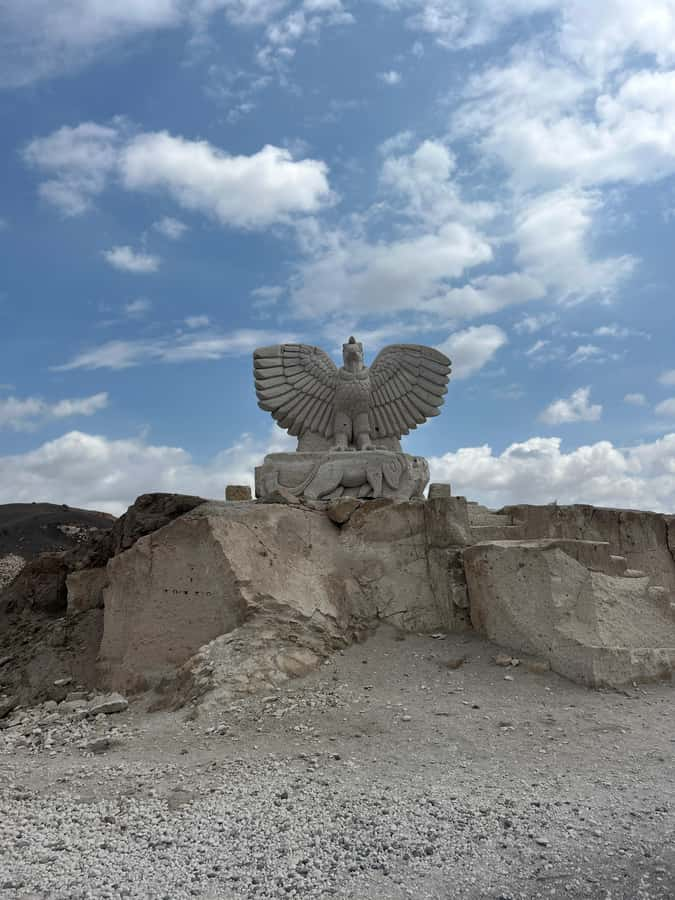
- Two different quarry experiences: Añashuayco focuses on stonecutting and craft, while Culebrillas offers a narrow ravine and Wari-era petroglyphs.
- The Pink Sillar is a sunlight effect: Its pink tone comes from a mix of sillar, sand, and rock.
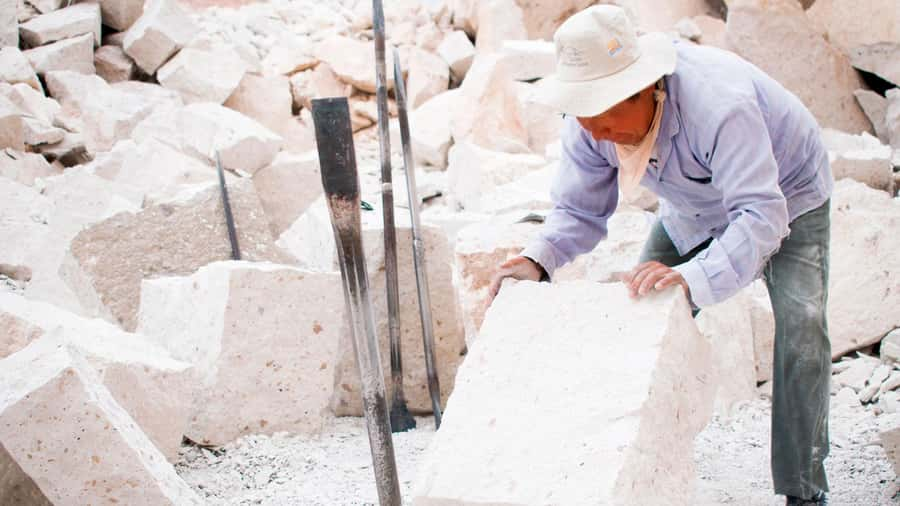
- You meet working artisans: Master cutters demonstrate traditional tools and explain how the stone is extracted and shaped.
- A useful short outing: Four hours gives you a clear introduction without taking up a full day in Arequipa.
- The tour includes central pickup: Transportation and hotel pickup are provided from centrally located hotels in the historic center.
- Bring small cash: You need money for the S/ 5 entrance charge, optional handicrafts, and payments to the master cutters.
Why Arequipa’s white stone matters
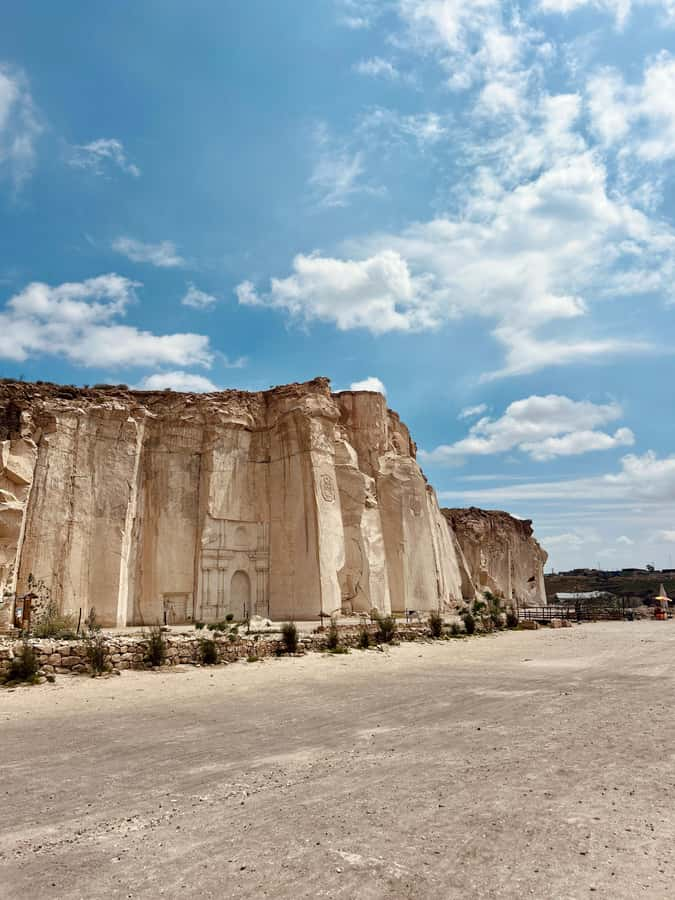
Arequipa is often called the White City because so many important buildings were made from sillar, a light volcanic stone. The material gives the city a bright, pale look, but the stone is not simply a decorative building block. It is part of Arequipa’s identity and local craft tradition.
The tour helps you connect the city center with its source. Instead of seeing only finished colonial facades, you visit the quarries where workers cut, shape, and decorate the material. That change in viewpoint is the main reason to take the outing.
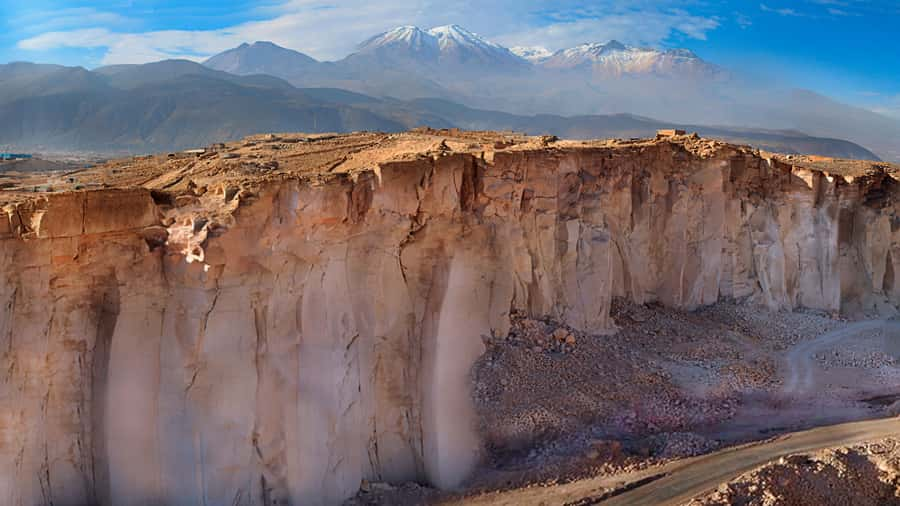
Sillar is volcanic material formed from ash and rock. At the quarries, the stone appears in large pale walls and cut blocks. You also see examples of the handwork that turns it into facades, carvings, and small decorative pieces.
I find that this context makes a later walk through Arequipa more rewarding. When you see a white doorway or carved church detail, you have a better sense of the labor behind it. The tour does not replace a visit to the city’s historic buildings, but it gives those buildings a useful origin story.
More City Tours in Arequipa
- Arequipa Walking Tour city center and drinks experience
★ 5.0 · 72 reviews - Arequipa, Historic and Colonial City and Santa Catalina Monastery
★ 4.5 · 42 reviews - Arequipa: City and Country Tour
★ 3.7 · 27 reviews
Morning pickup from central Arequipa
The day begins with pickup from a centrally located hotel in Arequipa’s historic center. You are asked to wait in the lobby 10 minutes before the scheduled pickup time, a small but important detail in a city where vehicles may need to work around busy central streets.
Transportation is included, and the route heads toward Cerro Colorado. The tour is designed as a half-day activity, so you return to central Arequipa at the end rather than spending the whole day outside the city.
The pickup area is limited to centrally located hotels. If your accommodation is outside the historic center, you should confirm the meeting point before booking. Hotel drop-off is not included, so plan to walk or arrange your own return from the city center.
The guide speaks English or Spanish. Past groups have had guides named Andreas and Fiorella. Andreas was especially good at adding information about Arequipa, its people, districts, and Peruvian culture, while Fiorella was noted for her friendly manner and good humor. The guide assigned to your departure may differ, but the tour is set up for more than a simple drive to the quarries.
Añashuayco Quarry and the work of sillar
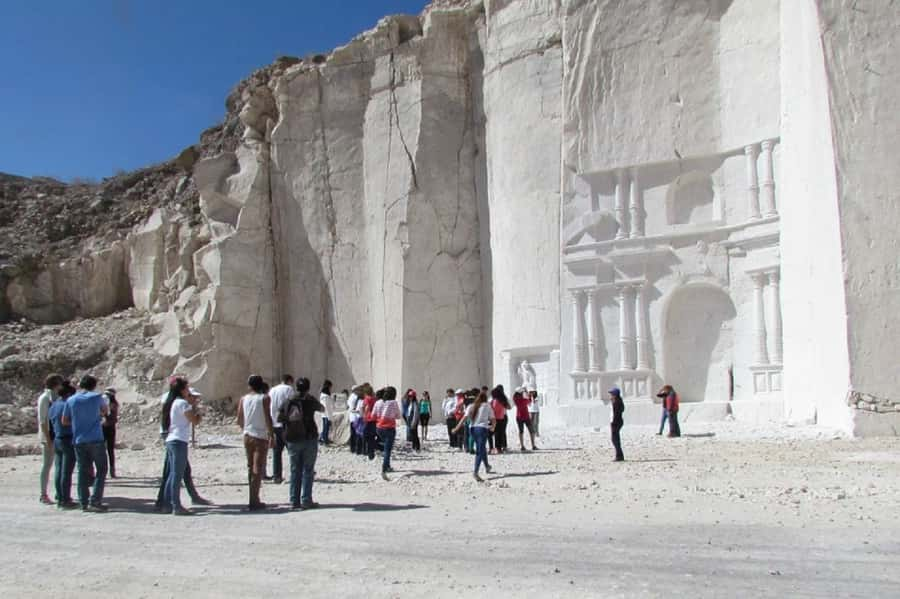
The first main stop is the Añashuayco Quarries, located near the Chachani Volcano and beside the Chili River. Here, the setting combines open quarry walls with the sound and sight of ongoing stonework.
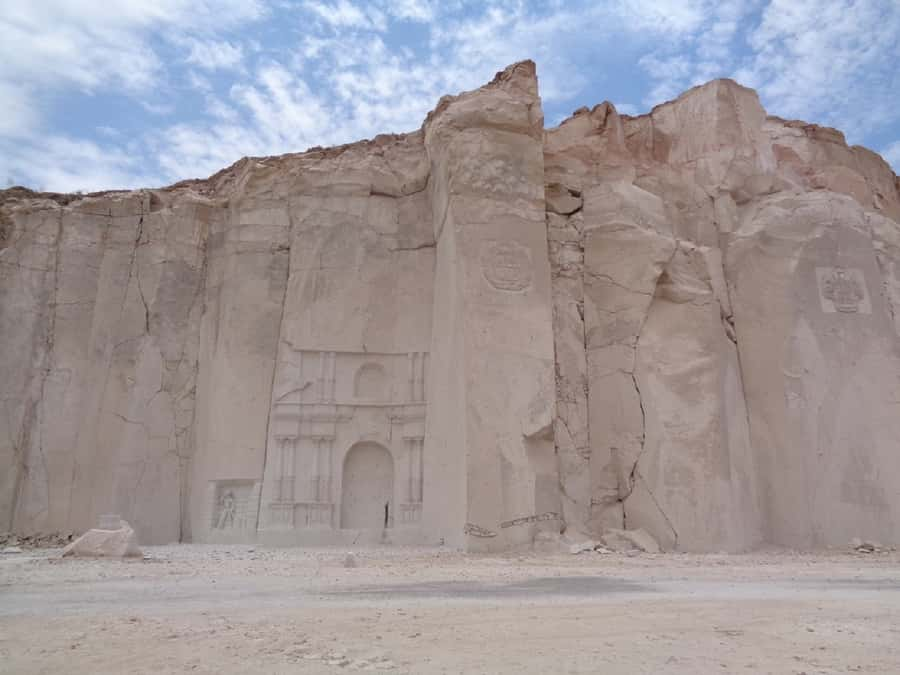
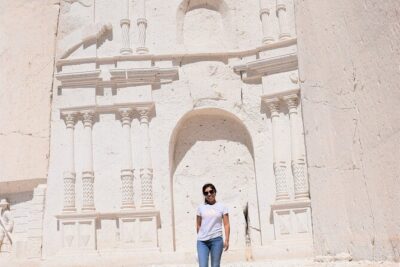
You walk through the area used by master stonecutters. This is the part of the tour that gives the experience its human focus. You can see handcrafted pieces, including colonial-style facades and carved designs, and learn how artisans shape sillar with traditional tools.
The demonstration matters because sillar work is slow and physical. The stone may look soft compared with darker rock, but producing a clean block or detailed carving still requires skill. You get a closer look at how extraction and shaping are done rather than viewing the quarry as an empty pit.
The visit also gives you time to ask questions. If you are interested in architecture, the craft element may be the strongest part of the morning. If you mainly want scenic views, the quarry is less polished and more industrial. It is a working site, not a museum built for comfort, so expect an outdoor walk and uneven ground.
You may also purchase handicrafts from the artisans. This is optional, and the tour price does not include any purchases. Carry cash if you would like to buy a small carved piece or support the local workshops directly.
The Pink Sillar in afternoon-style light
One of the more unusual features at Añashuayco is the Pink Sillar area. The stone appears strongly pink in sunlight because of the combination of sillar, sand, and rock.
The color may change with the light, so this is not a separate kind of bright pink stone in the way a painted wall would be. It is a natural visual effect created by the materials in the quarry and the sun touching the exposed surfaces.
This stop is useful for photographs, but I would not make it the sole reason to book. The color is only one piece of the outing. The stronger value comes from seeing the quarry, learning how the stone is used, and meeting the people who work with it.
Bring sunglasses and a hat. There may be little shade in an open quarry, and the pale stone can make bright conditions feel stronger. Sunscreen is also listed among the recommended items.
More Sillar Route half-days in Arequipa:
- From Arequipa: Sillar Route Trek
★ 4.2 · 461 reviews - Sillar Route and Culebrillas Petroglyphs
★ 4.5 · 89 reviews - Sillar Route in Arequipa and viewpoint of the Volcanoes
★ 4.0 · 71 reviews - 4 hours Tour: Route of Sillar with Trek in Culebrillas
★ 4.2 · 69 reviews
Culebrillas Ravine and Wari carvings
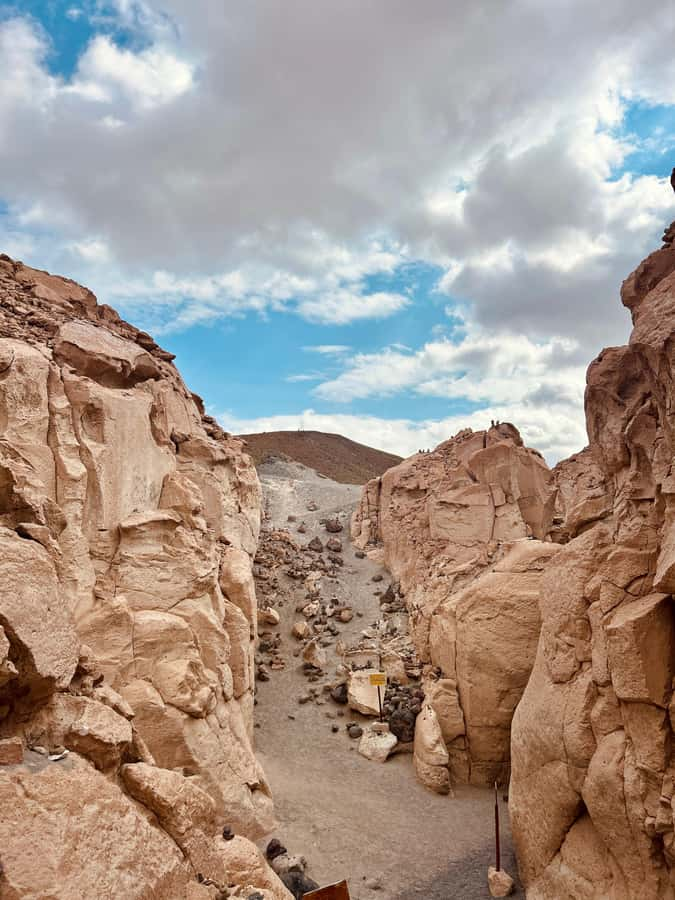
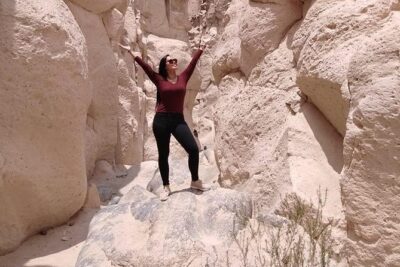
The second quarry visit takes you to Culebrillas, a narrow natural ravine formed by water and wind erosion. You walk between tall walls that reach about 30 meters in height, giving this stop a very different feel from the more open work areas at Añashuayco.
The ravine is one of the tour’s best changes of pace. At the first quarry, your attention is on people, tools, and cut stone. At Culebrillas, you look at the shape of the rock itself and the marks left on its walls.
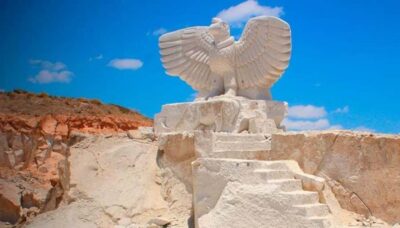
The walls contain petroglyphs linked to the Wari culture, an Andean civilization that flourished from the 7th through the 13th centuries AD. The drawings include birds, felines, and snakes. Their exact meaning is not explained in the supplied tour details, so you should treat the guide’s explanation as a chance to learn rather than expect a full archaeological lecture.
The walk through the ravine is short enough to fit a half-day schedule, but the ground may not be perfectly even. Comfortable clothing is recommended, and sensible shoes are a good choice. The activity is described as suitable for all ages, though very young children must sit on a parent’s lap during transportation if they are age two or younger.
Culebrillas also shows why the route is more than a quarry visit. You are seeing geology, old human markings, and present-day stonework in one morning. The combination makes the outing more varied than a simple stop at a single extraction site.
What the four-hour schedule gives you
Four hours is a practical length for this experience. You have enough time to visit both quarry areas, see demonstrations, walk through Culebrillas, and return to the city without giving up an entire day.
The short format works well if you are fitting the Sillar Route between other Arequipa plans. It also suits you if you want a clear introduction rather than a long specialist excursion. One past booking described it as a good choice for a limited schedule, while also noting that someone interested only in reaching the quarry or canyon could use a taxi instead.
That comparison is worth taking seriously. A taxi may be more direct if your only goal is to take a few photographs. The paid tour earns its price through transportation, a bilingual guide, explanations about the stone, access to artisan workshops, and a planned visit to both Añashuayco and Culebrillas.
The $23 cost per person is reasonable for a guided half-day outing, especially if you value interpretation and do not want to arrange transport yourself. It is less attractive if you prefer to move independently or plan to spend only a short time at one site.
The extra charges are modest but should be part of your budget. Entrance costs S/ 5 per person in local currency. You also pay the master cutters separately, and any handicrafts are optional purchases. Food and drinks are not supplied, so eat before departure or carry what you need, since no meal stop is promised.
Who will enjoy this experience most
I would recommend the tour to you if you want to understand how Arequipa’s white architecture connects to local labor and volcanic geology. It suits people interested in craft, architecture, archaeology, and short cultural outings.
It is also a good fit for families because the activity is listed as suitable for all ages. Children may find the quarry walls, stone carvings, and petroglyphs more engaging than a long city lecture. Parents should still bring sun protection and comfortable clothes, and remember that children age two and younger ride on a parent’s lap at no charge.
The tour is useful for first-time visitors who want an introduction to the area around Arequipa. Guides may add information about the city, its districts, and Peruvian culture, so the experience can help you get your bearings beyond the central streets.
You may want to skip it if you dislike outdoor walking, want a fully independent day, or have little interest in how stone is extracted and shaped. The route is not simply a scenic drive. Its main purpose is to show you the source and craft of sillar.
What to bring and what to expect on site
Keep your passport with you, along with sunglasses, sunscreen, a hat, and comfortable clothes. Cash is especially useful for the entrance charge, the master cutters, and optional crafts.
The tour includes a first aid kit and a COVID kit. Those supplies are included as part of the service, but you should still prepare for an outdoor setting with sun exposure and uneven walking surfaces.
Food and drinks are not included. The information does not specify a meal or refreshment stop, so do not count on one during the four hours. A small bottle of water would be a sensible personal item, though the tour details only specifically require cash, sun protection, and comfortable clothing.
Free cancellation is available up to 24 hours before the scheduled activity, and you can reserve while paying later. Those terms are useful if your Arequipa plans may shift, but you should still check the exact start time when booking because departure times depend on availability.
Should you book the Sillar Route?
Book it if you want the story behind Arequipa’s white buildings, not just another viewpoint. The best parts are the contact with stonecutters at Añashuayco, the Pink Sillar, and the unusual Culebrillas ravine with Wari petroglyphs.
At $23, it offers solid value for a four-hour guided trip with transport and bilingual service. Just allow for the S/ 5 entrance fee, separate payments to the master cutters, optional crafts, and your own return from central Arequipa.
If you have only a few hours and want a structured introduction, this is an easy choice. If you only want to reach one quarry for photographs, a taxi may be simpler. For most people interested in Arequipa’s architecture, craft, and nearby cultural sites, the guided route gives you more meaning for the morning.
FAQ
How long does the Sillar Route tour last?
The tour lasts four hours, including the visits to Añashuayco and Culebrillas and the return to central Arequipa.
What language is the guide?
The tour is available with a live guide in English or Spanish.
Where does hotel pickup take place?
Pickup is available from centrally located hotels in Arequipa’s historic center. You should wait in the hotel lobby 10 minutes before the scheduled pickup.
Is hotel drop-off included?
No. Transportation and hotel pickup are included, but hotel drop-off is not included.
What is the entrance fee?
The entrance fee is S/ 5 per person, payable in local currency. It is not included in the tour price.
Are food and drinks included?
No. Food and drinks are not included in the activity.
Can I buy handicrafts during the tour?
Yes. You have the option to purchase handicrafts at the artisan workshops. These purchases are not included in the tour price.
Is the activity suitable for children?
Yes. The activity is suitable for all ages. Children age two and younger are complimentary when sitting on a parent’s lap.
More Half-Day in Arequipa
- Route of the Sillar | Quarries of Añashuaycos | Half day
★ 4.2 · 35 reviews - From Arequipa: Sillar Route Excursion | Half Day |
★ 4.0 · 5 reviews - Tour to the Sillar Route from Arequipa | Half Day
★ 4.2 · 4 reviews - Arequipa: Half Day Sillar Route and Culebrillas Canyon + Yanahuara Viewpoint
★ 3.8 · 4 reviews
Just added around Arequipa
- Walking tour through the Historic Center of Arequipa★ 4.0 · 3 reviews
- Trek to the Route of the Sillar and Culebrillas in Arequipa★ 4.0 · 9 reviews
- Arequipa, Historic and Colonial City and Santa Catalina Monastery★ 4.5 · 42 reviews
- 8-Hours Tour in Arequipa Laguna de Salinas with Pick-up★ 4.5 · 56 reviews
- Tour to the Sillar Route from Arequipa | Half Day★ 4.2 · 4 reviews
- Tour + Hike to the Sillar Route and Culebrillas in Arequipa★ 4.1 · 5 reviews
- Sillar Stone Tour from Arequipa★ 4.0 · 22 reviews
- Rock Climbing in Arequipa, Perú★ 5.0 · 28 reviews
Sillar Route Tours, compared.
Sillar Route in Arequipa and viewpoint of the Volcanoes
Read our review →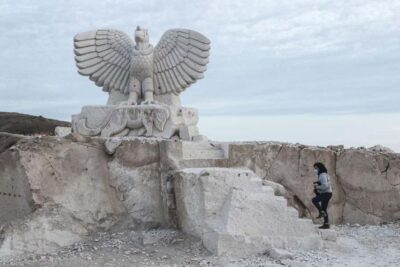
4 hours Tour: Route of Sillar with Trek in Culebrillas
Read our review →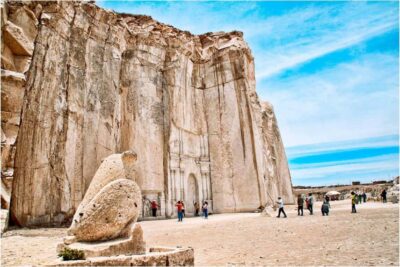
Route of the Sillar | Quarries of Añashuaycos | Half day
Read our review →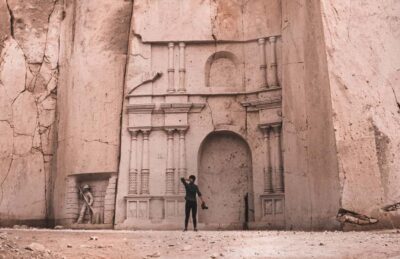
4-hour excursion: Sillar Route with Hiking in Culebrillas
Read our review →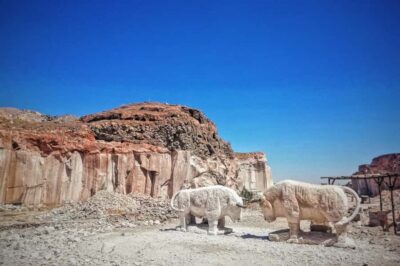
Trek to the Route of the Sillar and Culebrillas in Arequipa
Read our review →Browse the lists this tour appears in