
Reviewed · HIKING & TREKKING
Salkantay Trek to Machu Picchu 5D/4N or 4D/3N by glamping
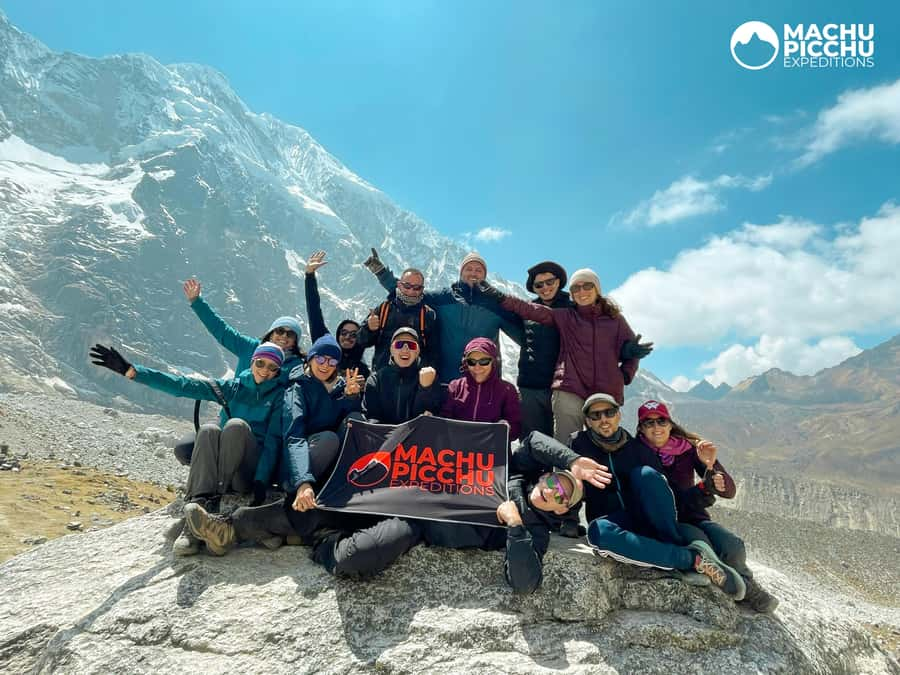
The best part of this route is the dramatic change in scenery. You start high among icy Andean peaks at Humantay Lake and Salkantay Pass, then descend into warm forest, coffee country, and the Urubamba Valley before reaching Machu Picchu. It feels like several Peruvian trips in one.
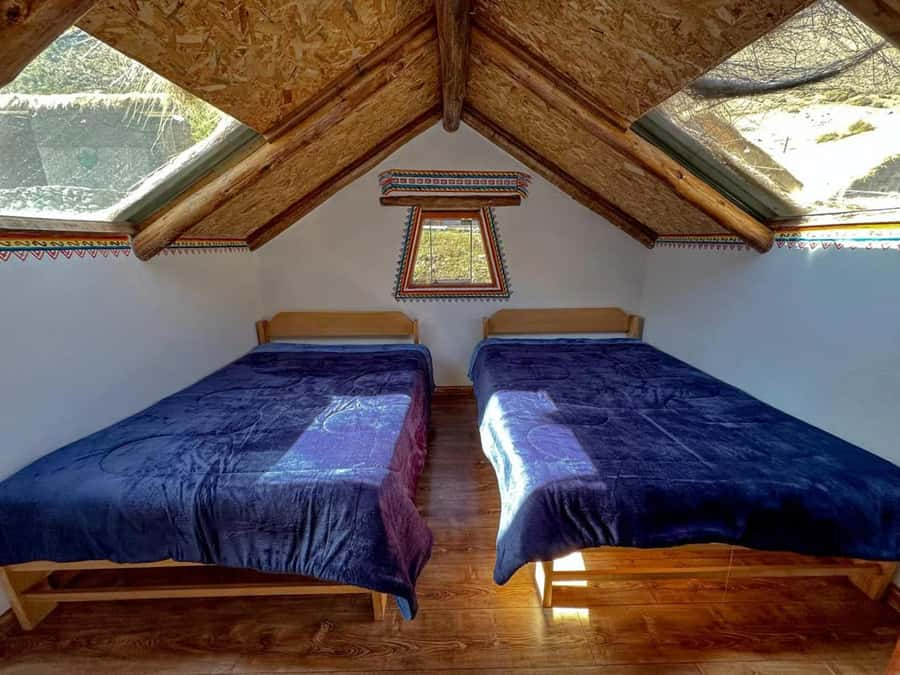
I especially like the small group size, capped at 15, and the mountain cooking. Fresh breakfast, lunch, and dinner prepared on the trail can make a long hiking day much easier. The glass-roof cabin, sky huts, and jungle domes also add comfort without removing the sense that you are far from town.
The main consideration is the price and what it leaves out. The advertised $35 per person is strikingly low, but Machu Picchu admission, hot springs, drinking water, the final lunch, and the return journey are extra. The route also includes steep climbs, high altitude, and a long rail-side walk.
Key points before you book
- Humantay Lake reaches 4,200 meters, so the first day is scenic but physically serious.
- Salkantay Pass rises to 4,630 meters, with views of 6,271-meter Salkantay Mountain.
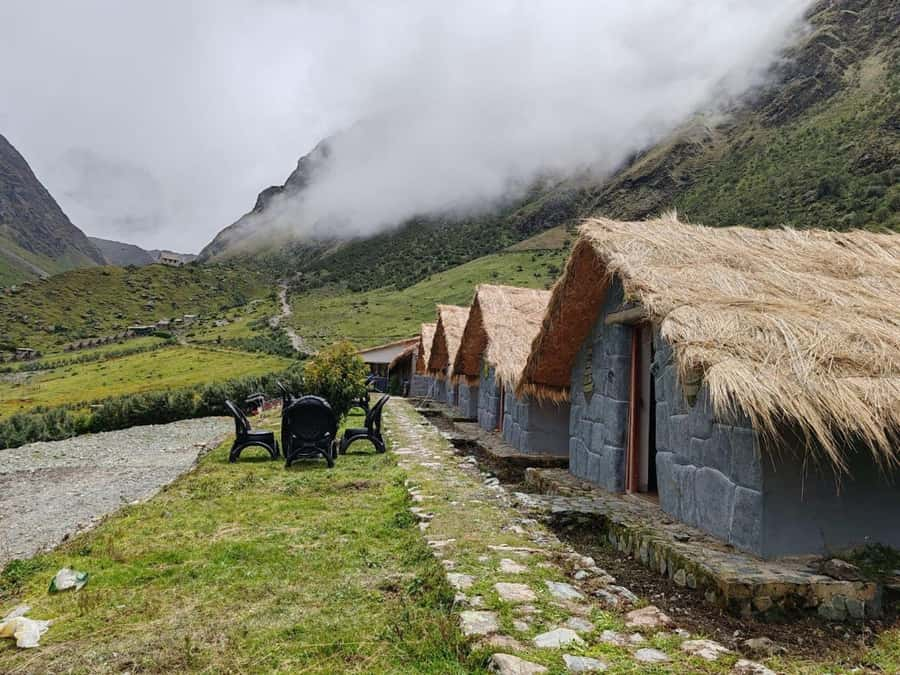
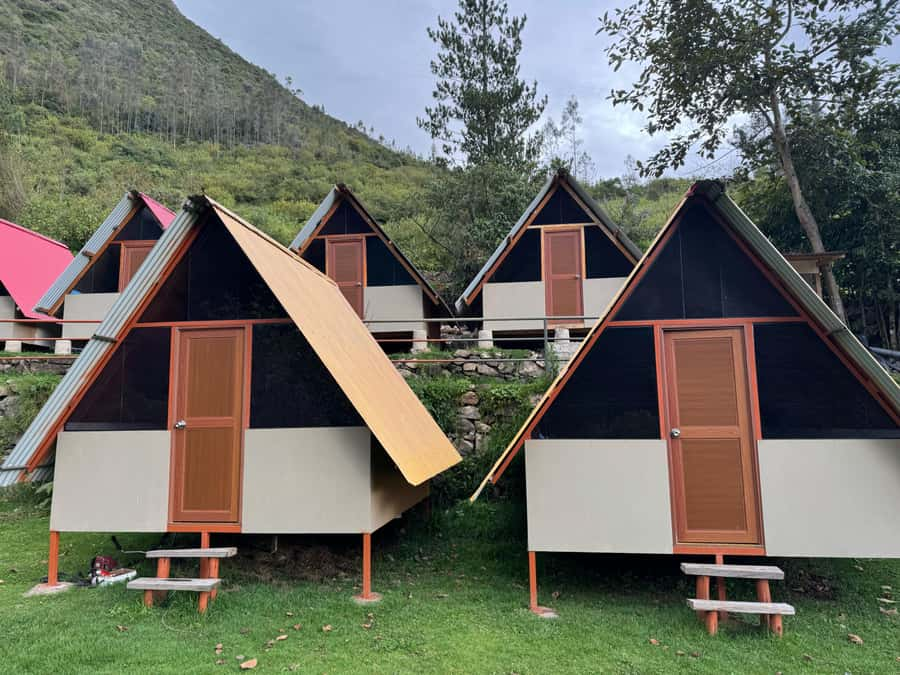
- Three unusual camp stays replace ordinary tent nights: a glass-roof cabin, sky huts, and jungle domes.
- Food is a real strength, with a professional chef preparing four lunches and four dinners, plus breakfasts and snacks.
- Llactapata offers a quieter archaeological stop with views toward Machu Picchu before the route descends to Hidroelectrica.
- The final rail-side walk is useful but not fun, and you should budget for the optional train if you prefer to skip it.
Why choose Salkantay instead of the Inca Trail?
Salkantay is a strong choice if you want mountain scenery and a more remote route to Machu Picchu. It is not the classic stone-paved Inca Trail, and it does not give you the same famous final entry through the Sun Gate. Instead, it takes you across open high country, over a major mountain pass, and down into a much warmer forest zone.
That variety is the route’s great reward. You get snow-covered peaks, high-altitude lakes, steep valleys, coffee plantations, hot springs, and an archaeological site with a view toward Machu Picchu. The scenery changes so fast that each day feels distinct.
The trade-off is comfort and effort. This is a rugged trek, not a gentle walking holiday. The highest sections are cold and thin-aired, while the lower sections can be warm and humid. You need a reasonable level of fitness, and the operator specifically excludes people with heart, respiratory, mobility, or serious back problems. It is also not intended for children under 18 or people over 70.
Groups are limited to 15, which matters on a route with mixed fitness levels. You may still wait for slower members. One booking had a group split between younger and older hikers, with some delays while people caught up. A patient pace helps everyone enjoy the route.
More Hiking Tours in Machu Picchu
- Machu Picchu: 5-Day Salkantay Trek with Panoramic Train
★ 5.0 · 79 reviews - Ancascocha Trek To Machu Picchu 4 Days And 3 Nights
★ 5.0 · 77 reviews - 4 Day Inca Trail Trek to Machu Picchu Multi day tour
★ 5.0 · 70 reviews
Day 1: Cusco to Humantay Lake and the glass-roof cabin
The day starts early, with pickup at about 4 a.m. from a hotel in Cusco’s historic center. That early start is not glamorous, but it gives you time to reach Mollepata for breakfast and then continue toward Challacancha, where the walking begins.
From Challacancha, you hike toward Soraypampa. This first section introduces the high mountains without immediately throwing you at the toughest climb. After lunch and a rest at camp, you continue uphill to Humantay Lake at 4,200 meters.
Humantay is the visual prize of the day. The lake sits below steep mountain slopes, and the setting is especially striking after the climb. Do not treat the lake as a casual afternoon stroll. The altitude can make the ascent feel harder than the distance suggests, and you will already have been awake for several hours.
Your first camp is a cabin with a glass roof. That feature is more than a photo opportunity. A clear night can let you watch the sky from bed, while the enclosed cabin gives you a more sheltered night than a standard tent. The camp includes a personal pad and pillow, but you should clarify the sleeping bag arrangement because a sleeping bag is available to rent for $10 for the trek.
Dinner is prepared by the trekking chef. Tea time includes items such as popcorn, cookies, chocolate, and coffee, and coca tea is served in the morning at camp. These small food breaks matter on a route where the next climb can begin soon after breakfast.
Day 2: The 4,630-meter Salkantay Pass
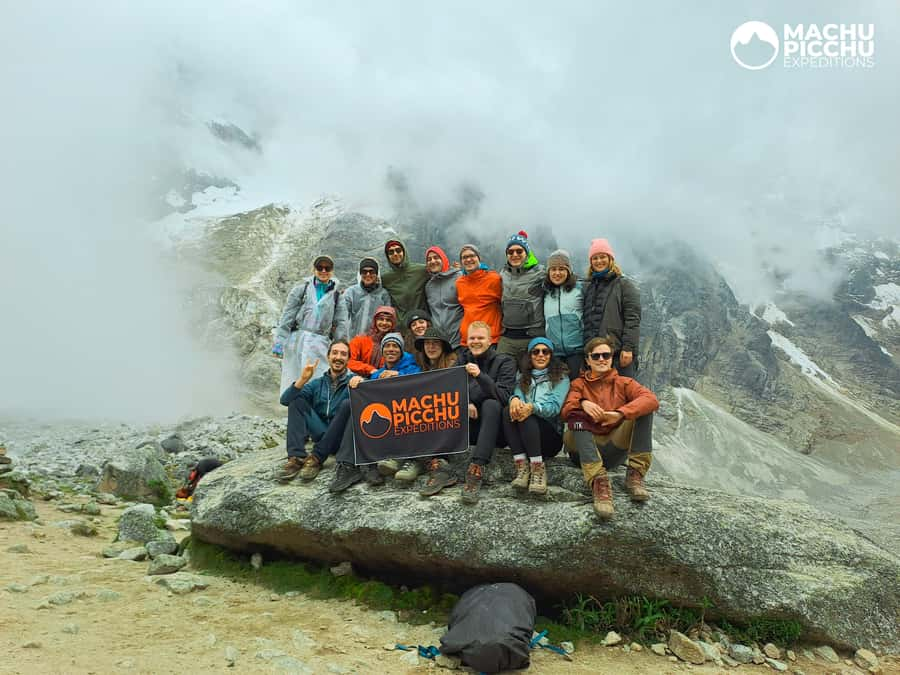
Day two is the toughest high-altitude section. You are woken with coca tea, eat breakfast, and begin the climb toward Salkantay Pass by way of the Trail of the 7 Snakes.
The name tells you something about the route. Expect a demanding uphill section with repeated bends rather than a quick, direct climb. At the pass, you reach 4,630 meters and look toward Salkantay Mountain, which rises to 6,271 meters. This is the trek’s biggest mountain moment, but also the point where altitude deserves your full attention.
Wear warm layers, gloves, a hat, and a long-sleeved shirt. The supplied packing advice is sensible: bring sunglasses, sunscreen, hiking shoes, hiking pants, and a reusable bottle. A daypack should carry the things you need during the walk, while horses carry up to 6 kilos of your belongings in the provided duffle bag.
After the pass, the route descends toward Collpapampa at about 2,950 meters. That drop is welcome because the air becomes easier, but downhill walking can be hard on knees. Trekking poles are useful, and you can rent a pair for $10 for the entire trek.
The night is spent in sky huts. These are a step away from basic camping and give the second night a memorable setting. Dinner follows another long day, and the early start means most people will value rest more than extra social time.
Day 3: Hot springs, coffee, and the move into the jungle
The third morning begins around 6 a.m. with tea and breakfast. You leave camp and walk through the Santa Teresa Valley toward La Playa. The route marks a major change in climate and scenery as the high mountains give way to warmer country.
This is also the day with the most optional activities. Cocalmayo hot springs are available for an additional PEN 10 entrance fee, plus PEN 40 for transportation. The warm pools can be a welcome recovery stop after two demanding days, but remember to bring swimwear, a towel, and sandals.
You can also add a zipline for $28. It is not included, so decide before the day becomes busy. If you prefer a slower afternoon, you can simply rest at camp instead. That choice makes sense if your legs are tired or you want time to enjoy the jungle setting without adding another activity.
The coffee tour gives this day a local focus. Rather than spending the entire trek on mountain viewpoints, you get a look at one of the products associated with the warmer valleys. The exact length and format of the coffee experience are not specified, so ask the operator what the visit includes before you commit your afternoon.
That evening, you sleep in a jungle dome at Lucmabamba. Falling asleep to natural sounds is part of the appeal, but facilities are basic in practical ways. Hot showers cost PEN 10 at the second and third camps, and Wi-Fi costs S/. 5 at the first camp and S/. 10 at the second and third. Free electricity is available at all camps for charging devices, although bringing a power bank is still wise.
More Salkantay trek options:
- Small Group 5 Days Salkantay and Machu Picchu by Llactapata Tour
★ 5.0 · 88 reviews - Salkantay Trek 4 Days to Machu Picchu by Glamping Sky Lodge Dome
★ 5.0 · 68 reviews - Salkantay Trek to Machu Picchu in 4 days
★ 4.5 · 50 reviews - Salkantay Trek To Machu Picchu 5 Days And 4 Nights
★ 5.0 · 44 reviews
Day 4: Llactapata, Hidroelectrica, and the long walk to Aguas Calientes
Day four begins with the final major climb. From Lucmabamba, you take a section of the original Inca Trail and climb for roughly two hours to Llactapata at 2,700 meters.
Llactapata is important because it gives you an early view toward Machu Picchu from across the valley. It is not the same as entering the citadel, but it builds anticipation and adds an archaeological stop before the main visit. You then descend for about two hours to Hidroelectrica.
Lunch is served in Hidroelectrica, after which you walk toward Aguas Calientes. This is the least appealing walking section for many people. Much of it follows the railway, and the route can feel repetitive after the mountain paths and forest trails. The walk takes about two hours, and there is no included alternative.
You can arrange a train instead, but the optional return train listed for the final journey does not solve this particular section unless the operator offers a separate arrangement. Ask clearly before departure if you strongly want to avoid the rail-side walk. The important point is that the route to Aguas Calientes is partly a practical transfer, not a scenic highlight.
In Aguas Calientes, you check into a three-star hotel and eat dinner at around 7 p.m. Hotel quality can vary. One stay had a loud room and no hot water, so do not assume the hotel will feel luxurious simply because it is rated three stars. Still, a real bed after four days of trekking is welcome.
Day 5: Machu Picchu and the return to Cusco
The final morning is built around Machu Picchu. A guided visit lasts about 1.5 hours, followed by free time. The included guided entry is limited to Circuit 2B, with entry times listed as 6, 7, or 8 a.m. Machu Picchu admission itself is not included, and the stated 7 a.m. Circuit 2B ticket costs $45, subject to availability through the Peruvian government ticket system.
That cost is important. The advertised tour price does not give you the full amount needed to reach the citadel and return to Cusco. You should confirm the exact circuit, entry hour, and ticket status before paying for the trek.
Depending on the ticket and your energy, you may be able to add Huayna Picchu, Machu Picchu Mountain, the Sun Gate, or the Inca Bridge. These options require planning and are not simply extra time inside the main route, so check availability and physical demands in advance.
The standard return from Hidroelectrica to Cusco costs $12 by bus, but you first need to walk about two hours from Aguas Calientes to Hidroelectrica. A train option costs about $90 and runs from Machu Picchu town to Ollantaytambo in roughly 1 hour and 50 minutes, followed by about two hours by bus to Cusco. The train is expensive, but it can be worth it if you are tired or do not want another rail-side walk.
The food and camp setup
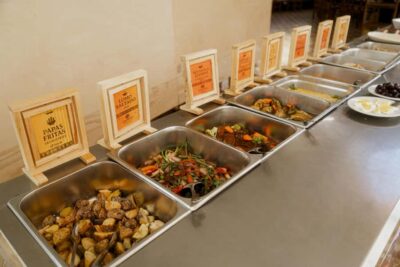
The food may be the strongest practical feature of this trip. A professional chef prepares five breakfasts, four lunches, four dinners, and three snacks, with afternoon tea each day. Several meals are vegetarian, and vegetarian or vegan food can be requested without an extra charge.
That level of cooking changes how a long trek feels. You are not relying only on packaged food or restaurant stops. A hot meal and a regular snack schedule can help you keep moving when the altitude and early starts begin to wear you down.
The camps combine comfort and simplicity. You get three nights in glamping-style accommodation, including the glass-roof cabin, sky huts, and jungle domes, plus one hotel night in Aguas Calientes. A chef, cooking equipment, horses, first-aid supplies, walkie-talkies, and an oxygen bottle are included.
You still need to plan for small charges. Drinking water is not included, and hot showers and Wi-Fi cost extra. Cash is essential for those purchases, entrance fees, rentals, and optional activities.
Guides, safety, and group feel
The tour includes English and Spanish-speaking guides, and the group is limited to 15 people. Guides named in the operation’s feedback include Ruben, Roger, Reynaldo, Tupac, and Nidia. The guide team is responsible for pacing, route information, emergency equipment, and the guided visit to Machu Picchu.
The supplied safety equipment includes a first-aid kit, walkie-talkies, and oxygen for emergencies. Those are reassuring additions, but they do not remove the need to prepare for altitude. Spend time in Cusco before the trek if possible, follow the guide’s pace, and speak up early if you feel unwell.
The route is not suitable for pregnant people, wheelchair users, anyone with mobility limitations, or people with heart, respiratory, or epilepsy-related conditions. It is also not designed for children under 18 or people over 70. Those limits are strict for good reason: the pass is high, the first two days are demanding, and the route includes long ascents and descents.
Is the $35 price good value?
At $35 per person, the advertised price looks far below what most people would expect for five days of transport, food, guides, horses, camping, and a Machu Picchu visit. You should treat it as a starting price and check exactly what is available for your date.
The extras add up:
- Machu Picchu entry: listed at $45 for Circuit 2B at 7 a.m., subject to availability
- Zipline: $28
- Return bus from Hidroelectrica: $12
- Optional train return: about $90
- Sleeping bag: $10
- Walking sticks: $10
- Cocalmayo hot springs: PEN 10 entry plus PEN 40 transport
- Humantay Lake: PEN 20 entry
- Showers, Wi-Fi, drinking water, and final lunch: extra
The value is strongest if you want the full support of a guided trek, fresh cooking, horse-supported luggage, and unusual camp stays. It is less attractive if you want a low-cost trip with no surprises, since several basic items are not included. Get a written breakdown of the total before you pay.
What to pack for this route
Pack for two climates and several kinds of weather. Warm clothing, gloves, a hat, sunglasses, a long-sleeved shirt, and sunscreen are needed for the high sections. Hiking shoes, trekking trousers, a daypack, a flashlight, and a charged phone are basic requirements.
Add swimwear, a towel, and sandals for Cocalmayo. Bring biodegradable sunscreen and insect repellent for the warmer valley sections. A reusable bottle and power bank are also useful, especially since drinking water and charging conditions require some planning.
Your passport or ID card is required. Carry cash for entrance fees, showers, Wi-Fi, rentals, hot springs, transport, and food not covered by the package. The operator provides a duffle bag for up to 6 kilos, which horses carry, but keep your daily essentials in your daypack.
Should you book this Salkantay trek?
Book it if you want a demanding but varied route with high mountains, hot springs, coffee country, glamping-style camps, and a guided Machu Picchu visit. The fresh cooking, thoughtful camp setup, and small group limit give this trek more comfort than a basic backpacking trip.
Think twice if you dislike early starts, altitude, steep climbs, basic camp services, or long walking days. The rail-side approach to Aguas Calientes is a weak point, and the final cost will be much higher than $35 once tickets, water, transport, and optional extras are added.
For a fit adult who wants the scenery and does not need every part of the route to be polished, this is a promising Salkantay option. Confirm the 4-day or 5-day format, Machu Picchu ticket, hotel, return transport, and all extra charges before booking. That short check can prevent the only real unpleasant surprise.
FAQ
How long is the Salkantay trek?
The experience is offered as a 5-day, 4-night or 4-day, 3-night option. The detailed schedule provided covers five days, with three glamping-style camp nights and one night in a three-star hotel in Aguas Calientes.
Is Machu Picchu entrance included?
No. Machu Picchu admission is extra. Circuit 2B at 7 a.m. is listed at $45, subject to availability through the official Peruvian government ticket site.
What is the highest point on the trek?
Salkantay Pass is the highest point, at approximately 4,630 meters. Humantay Lake reaches about 4,200 meters, and Salkantay Mountain rises to 6,271 meters.
Is food included?
Yes. The package includes five breakfasts, four lunches, four dinners, three snacks, and three afternoon tea services. Vegetarian and vegan meals are available on request without an additional charge.
Are hot springs and ziplining included?
No. Cocalmayo hot springs require a PEN 10 entrance fee and PEN 40 transportation fee. The optional zipline costs $28.
How do you return to Cusco after Machu Picchu?
The listed bus from Hidroelectrica to Cusco costs $12, but you first walk about two hours from Aguas Calientes to Hidroelectrica. An optional train to Ollantaytambo costs about $90, followed by a bus to Cusco.
Just added around Machu Picchu
- Private Tour Guide in Machupicchu from Aguas Calientes.★ 5.0 · 40 reviews
- Machupicchu Guide Service★ 5.0 · 42 reviews
- Inca Trail Machu Picchu 4 Days★ 5.0 · 39 reviews
- Machu Picchu, Cusco & Lima 7-Day Tour★ 5.0 · 30 reviews
- 7 Days: Lima, Ica, Cusco & Machupicchu with local flights★ 5.0 · 52 reviews
- Machu picchu one day by train all included★ 4.5 · 53 reviews
- Exclusive Huayna Picchu Tour in 1 Day from Cusco★ 5.0 · 31 reviews
- Wonderful Cusco 5-Day Tour with Entrance to Machupicchu★ 5.0 · 46 reviews
Hiking & Trekking, compared.
7 Lakes Ausangate Trek with Breakfast and Lunch
Read our review →
Rainbow Mountain Tour and Red Valley Hike (Optional)
Read our review →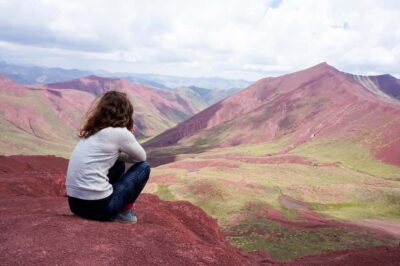
Full-Day Rainbow Mountain & Red Valley Trekking Tour
Read our review →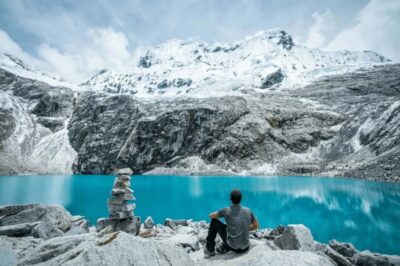
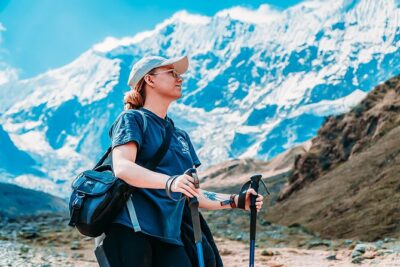
Browse the lists this tour appears in