
Reviewed · CITY TOURS
Cusco: Half-Day Historic City Tour
Cusco’s best introduction to Inca archaeology comes in one busy sweep: you begin with the Cathedral and Qoricancha, then climb above town for Sacsayhuaman, Qenqo, Puca Pucara, and Tambomachay. For $18, the tour gives you transport and an English-speaking guide without making you arrange each ruin yourself.
I like the efficient route and the afternoon start, which leaves your morning open for Cusco’s markets or museums. I also like the air-conditioned ride between sites, especially at altitude, when walking uphill all day can wear you down. The tradeoff is time: several stops feel brief, and the craft-center visit can include sales pitches. The entrance fees also add a sizable amount to the low advertised price.
Key points at a glance
- Four Inca sites after the city center: Sacsayhuaman, Qenqo, Puca Pucara, and Tambomachay make this a useful first look at the ruins around Cusco.
- Two major interior visits: The Cathedral and Qoricancha provide art, colonial history, and insight into how Spanish Cusco was built over Inca foundations.
- A fast but practical schedule: Pickup begins around 1:00 PM, with return near Santa Catalina Street at about 7:30 PM.
- Low starting price, extra admissions: Cathedral, Qoricancha, and the tourist ticket are not included, adding 110 soles in stated fees.
- Small-group format: The practical information lists a maximum of 12 people, though the highlights describe groups of up to 20, so confirm the final group size when booking.
- Best for first-time visitors: You see many important sites in one afternoon, but a longer tour gives you more time at each ruin.
What the $18 price really covers
The $18 price is appealing because it covers hotel pickup in central Cusco, transport, and a local guide. That makes it a useful deal if you want a broad orientation without paying for a private vehicle.
The low price does not cover the main admissions. You need 25 soles for the Cathedral, 15 soles for Qoricancha, and 70 soles for the tourist ticket. That is 110 soles in additional stated fees, paid in local currency. Add those costs before deciding that this is an ultra-cheap tour.
The extra admissions still buy you a worthwhile day if you plan to visit the sites anyway. You are paying for a route that links several places scattered around Cusco, plus a guide who puts them in order. But the value drops if you dislike quick stops or already have detailed plans for the same ruins.
Bring cash in soles. The tour information specifically says the admissions should be paid in local currency, and carrying small amounts makes the start of the tour easier.
More City Tours in Cusco
- Cusco: Half-Day City Tour with Sacsayhuaman and Q’enco
★ 4.6 · 1,129 reviews - City Tour Cusco Qoricancha Sacsayhuaman y Tambomachay
★ 4.7 · 617 reviews - Cusco: Sightseeing Tour of the City on an Open-Top Bus
★ 4.0 · 481 reviews
Beginning inside Cusco’s Cathedral
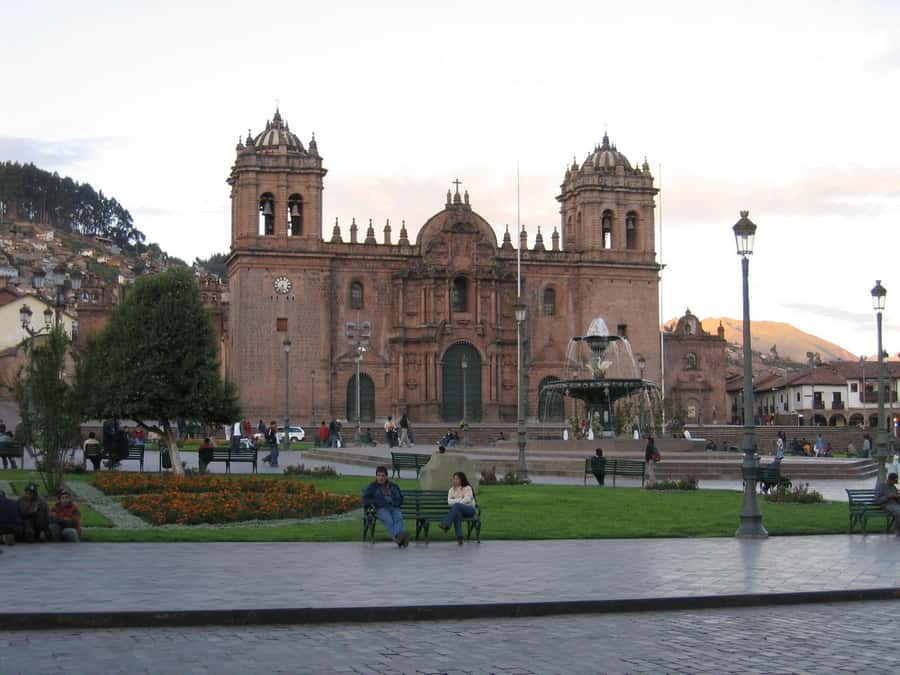
The tour starts in the city center with the Cathedral of Cusco, a UNESCO World Heritage Site filled with paintings, carvings, and sculptures. This is not just a quick exterior photo stop. You go inside, where the guide explains the artwork and the layers of history tied to Cusco’s colonial center.
The Cathedral is a useful first stop because it introduces the Spanish side of Cusco before the tour moves to Inca stonework. You can expect a guided explanation of the church’s details, followed by a transition to Qoricancha. One strong part of the visit is the attention to small artistic features that are easy to miss if you enter alone.
The visit is also where the pace begins to matter. This is a large tour program with several major stops still ahead, so you should not expect a long, quiet study of every painting or sculpture. If church art is your main interest, leave extra time on another day.
Qoricancha and the temple beneath the museum
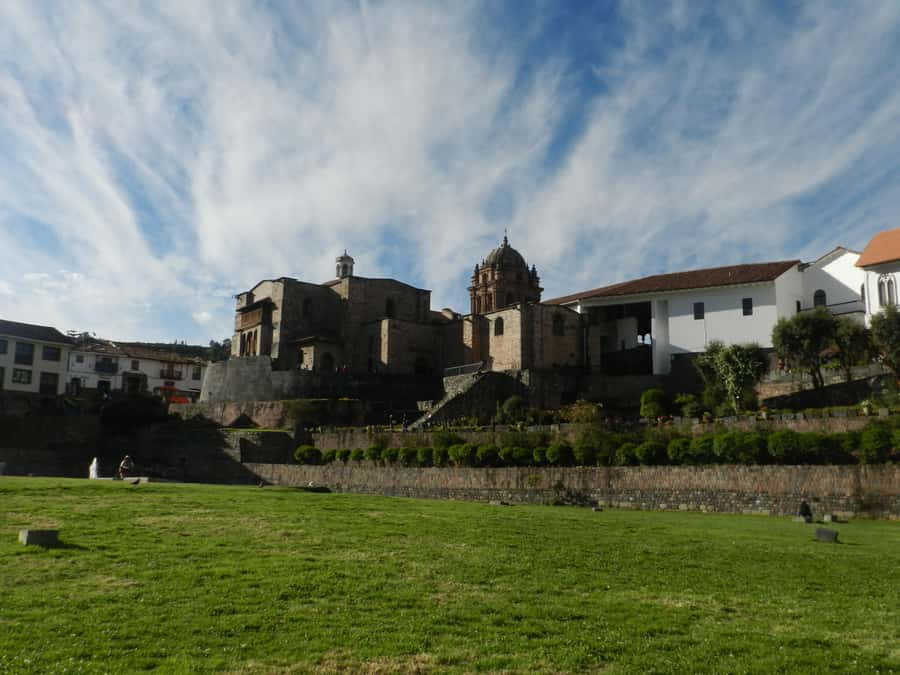
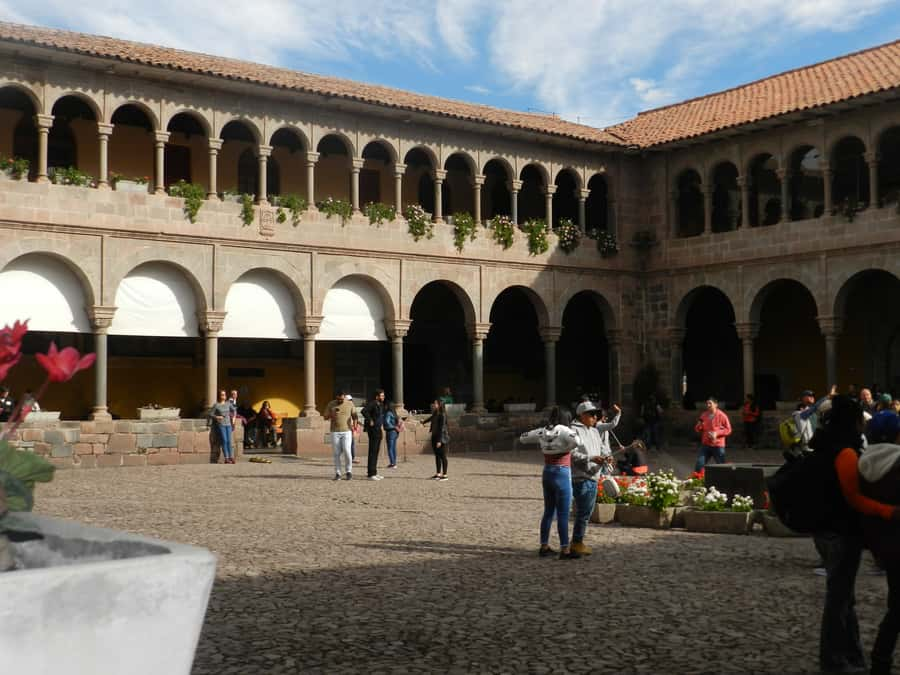
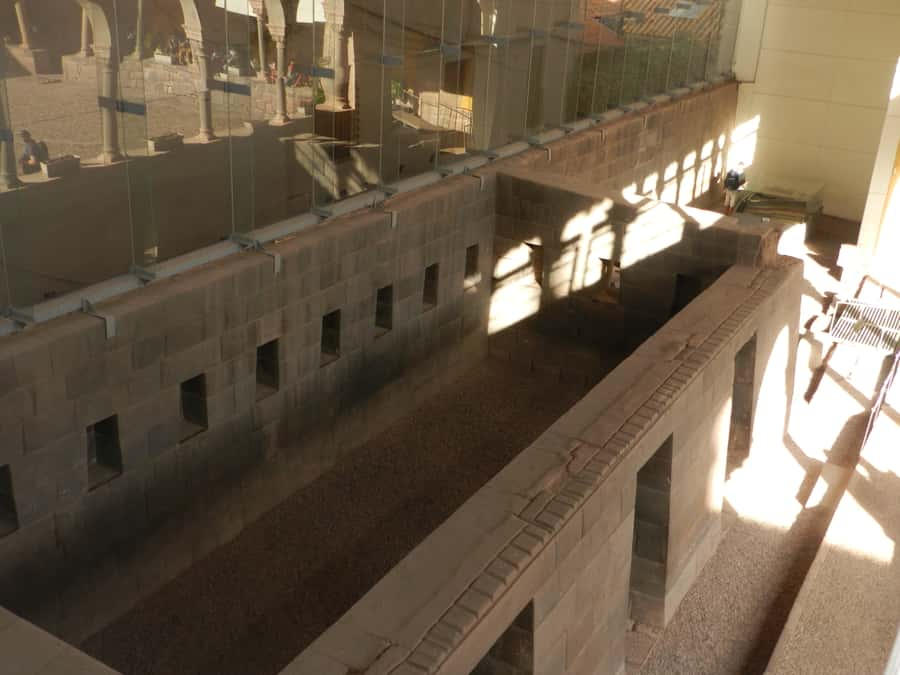
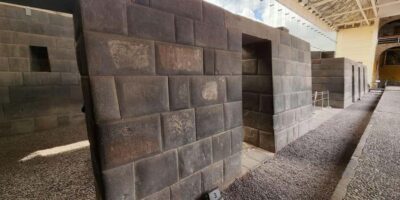
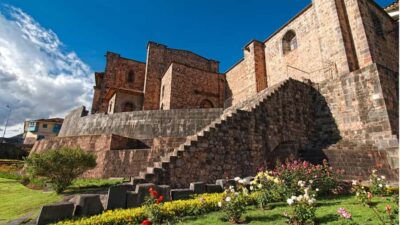
Qoricancha was an Inca-era temple dedicated to the Sun. The site now presents a striking meeting of Inca and Spanish history, making it one of the most important stops in central Cusco.
The guide helps explain why the place matters beyond its stone walls. Qoricancha connects the Inca religious world with the colonial city that followed. You will see why this building is often treated as a key to understanding Cusco, even though the tour allows only a limited amount of time here.
The stated entrance fee is 15 soles, separate from the tour cost. Keep that in mind when comparing this activity with tours that advertise a higher price but include admissions.
A practical point: the tour begins at 1:00 PM with hotel pickup, but the exact order and meeting arrangement can depend on the group. Confirm your hotel details when booking and wait in the reception area at the assigned time. If your hotel is outside the city center, pickup is arranged from the Inka Ahy statue in the main square.
Sacsayhuaman, the first major ruin above Cusco
From central Cusco, the air-conditioned coach travels about 2 kilometers to Sacsayhuaman. The site is a huge complex made up of 33 archaeological areas and is generally associated with military use.
Sacsayhuaman is the stop where the scale of Inca construction becomes easiest to grasp. The massive stonework and open setting give you a stronger sense of the site than a short visit in the city center can provide. Your guide gives an overview, then you have some time to look around on your own.
That balance is useful, but do not expect a full archaeological lecture. Several people found the explanations clear and helpful, while also wishing for more time at the individual ruins. The tour is designed to show you the main shape of the area, not to let you study every wall at length.
Wear hiking shoes or sturdy walking shoes. The tour is not designed for people with mobility impairments or wheelchair users, and the ruins involve outdoor walking over uneven ground. A hat, sunscreen, and weather-ready clothing are sensible in Cusco’s strong high-altitude sun.
More Historical Tours in Cusco:
- Cusco: Historical Guided City Tour with 4 Inca Ruins
★ 4.5 · 99 reviews - Cusco: Historic Walking Tour with Pisco Sour and Music Show
★ 4.6 · 65 reviews - Pisco Sour Secrets: Hands-On Mixology in Historic Cusco
★ 4.5 · 50 reviews - Historic/music Cusco FreeWalkingTour “free drink” Group Tour
★ 4.9 · 11 reviews
Qenqo, a sacred place with a short visit
Qenqo means labyrinth, and the site is associated with ceremonies honoring the Sun, Moon, and stars. It is a different kind of stop from Sacsayhuaman, with a more enclosed and ceremonial feel.
The guide explains the religious role traditionally connected with the site. You then have time to inspect the area, though the stop can feel quick because the route must also cover Puca Pucara and Tambomachay.
I would pay close attention here, since the history is easier to miss when the group is moving fast. If you want to understand the meaning of the ceremonial spaces, stay near the guide during the explanation, then use your independent time for photographs and a closer look.
Puca Pucara and the road beyond Cusco
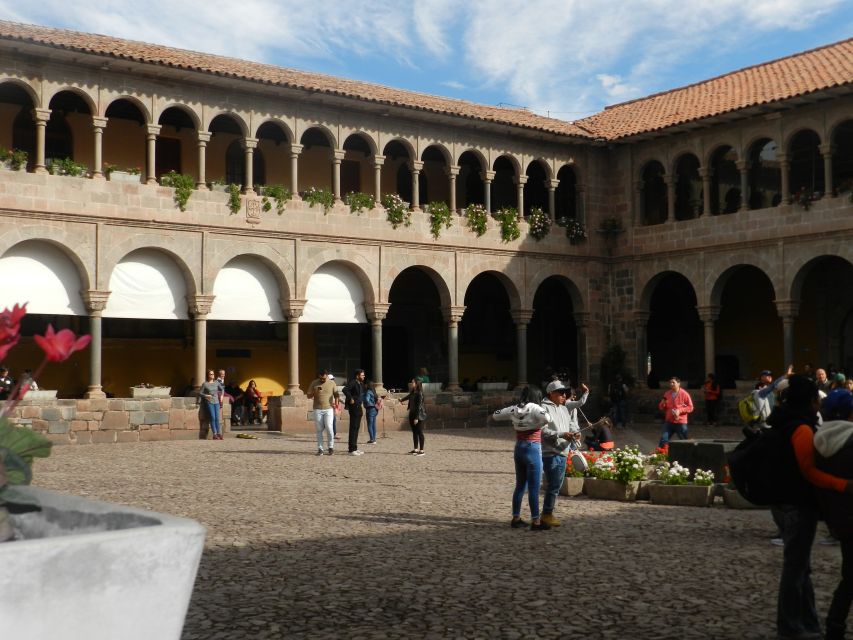
About 7 kilometers from the city center, Puca Pucara presents a different picture of Inca planning. The complex includes halls, inner plazas, aqueducts, watchtowers, and paths. It is associated with military duties and food storage.
This stop helps broaden the usual image of Inca sites. You are not only looking at temples or royal structures. The arrangement suggests movement, observation, storage, and practical control of the surrounding route.
The drawback is the same one found throughout this tour: the guide gives you a brief explanation and then the group moves on. That is fine if your aim is to see the main sites in one afternoon. If you want detailed architectural study, you will need a slower visit on another day.
Tambomachay and its fresh water spring
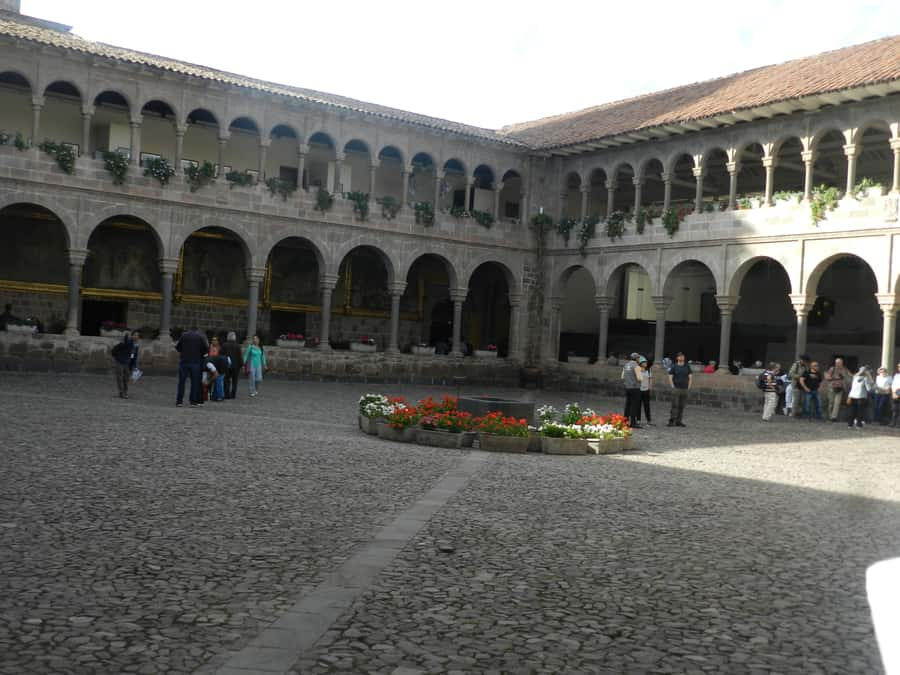
Tambomachay is the final major archaeological stop, known for its fresh water spring. Water gives the site a different mood from the high walls and open military spaces earlier in the afternoon.
Your guide explains the site’s place in Inca culture, then you have a short chance to view the channels and spring. This is a good point in the route because it adds a ceremonial and practical water feature to the story of the day.
The sequence also makes physical sense. You visit the farther sites together, then return toward Cusco rather than arranging separate trips. Still, expect a full afternoon outdoors. Weather can change quickly, and the tour runs rain or shine, so pack a light layer even if the afternoon begins bright.
The craft center and the commercial side of the tour
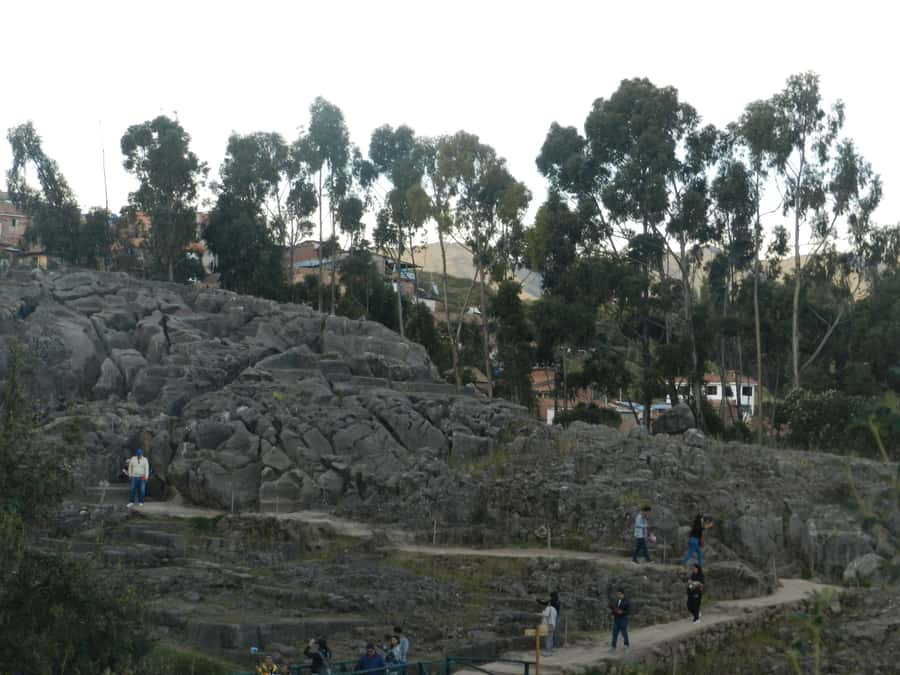
The final stop is a craft center where a local guide explains ancient Inca crafts and shows you how to identify traditional garments made from vicuña wool. This can be useful if you are considering a purchase and want basic help sorting genuine materials from cheaper imitations.
A related presentation may explain how to distinguish real and fake alpaca garments. That practical lesson is one of the more useful details of the stop, especially for anyone shopping for textiles in Cusco.
You should also know that this is a commercial stop. Some tour programs include sales presentations, and this one may feature several. Past experiences included a woman boarding the bus to sell anise-based alcohol and a man selling a book. The anise presentation was described as enjoyable, but the book pitch was less well received.
I would treat the craft center as an optional shopping opportunity, not as a major cultural site. Listen to the explanation, ask questions, and buy only if you genuinely want something. The tour should not be judged solely on this stop, but shoppers who dislike sales pressure may find it frustrating.
Transport, group size, and the pace of the afternoon
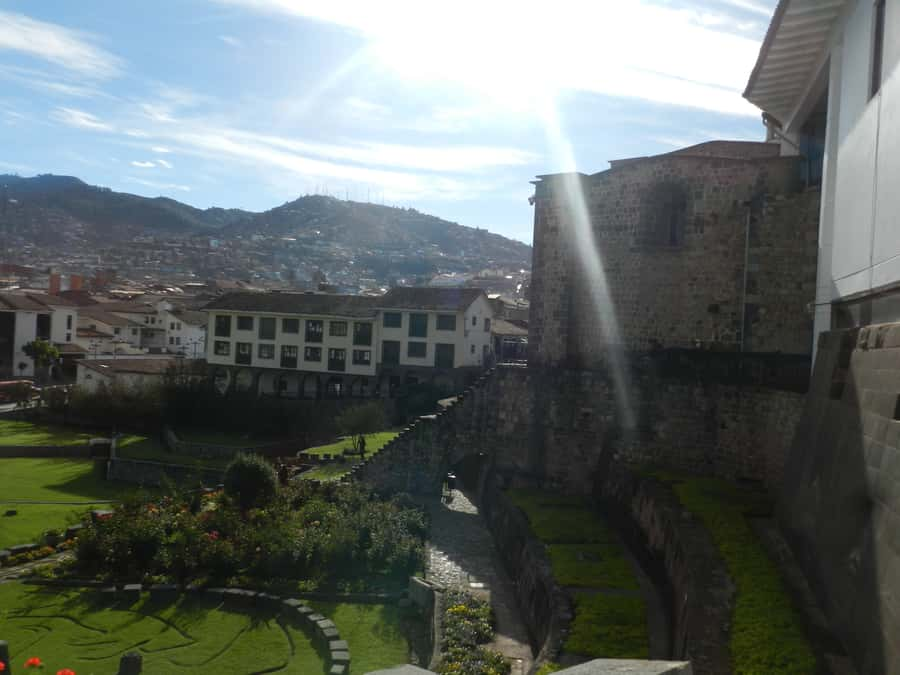
The tour uses air-conditioned transport between the city and the outer ruins. The vehicle is described as an air-conditioned coach, while one account refers to a small van, so the exact vehicle may depend on the group size. Either way, you avoid arranging taxis between four separate archaeological sites.
The tour information describes a small group limited to 12 people, while the highlights refer to groups of up to 20. That difference is worth checking before you pay. A smaller group usually makes it easier to hear the guide and ask questions, while a larger group can make short stops feel even more rushed.
The schedule starts at 1:00 PM and returns to Santa Catalina Street, near Cusco’s main square, at about 7:30 PM. The published duration is seven hours, so allow roughly the full afternoon and early evening.
The route is packed. You visit the Cathedral, Qoricancha, Sacsayhuaman, Qenqo, Puca Pucara, Tambomachay, and the craft center in one outing. That is the main strength of the tour, but it also explains why some stops receive only a brief talk and a short period to explore.
Guide quality can shape the whole day
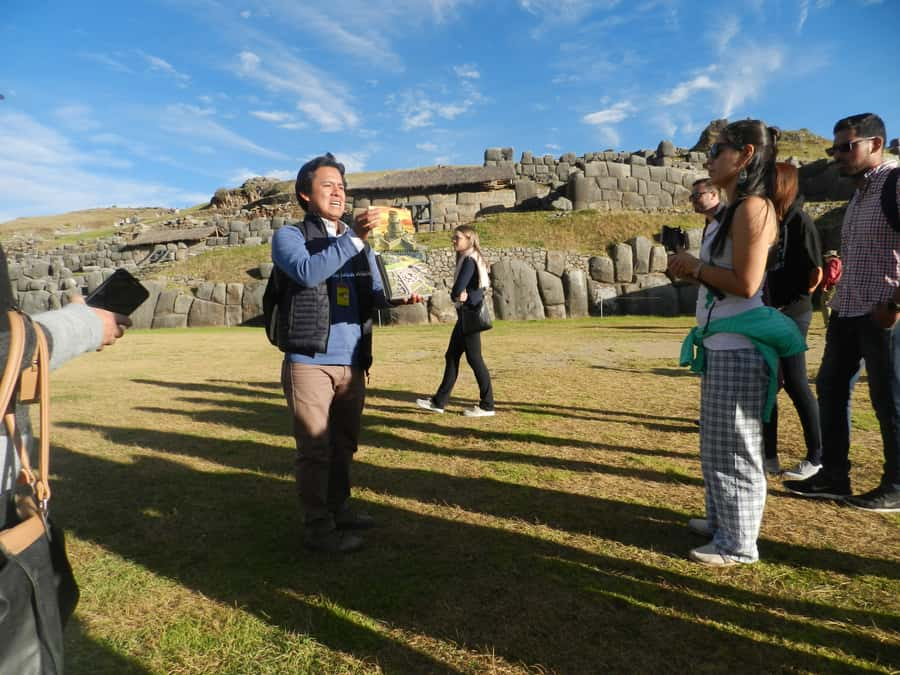
A good guide makes this route much more rewarding. The strongest accounts of the tour describe clear explanations and a guide who connected the sites into one story. One person particularly valued seeing all the major archaeological sites in a single day with an experienced guide.
The quality may not be completely predictable. One account described a guide as repetitive and long-winded, even though the sites themselves were worth seeing. Another found the explanations helpful but wished for more time at each stop. There was also a report of an English booking that included a substantial amount of Spanish after additional people joined the group.
Since the tour is advertised with an English-speaking live guide, confirm the language arrangement when you book. If you need an English-only experience, tell the operator clearly. Stay close to the guide during each explanation, because the group may move quickly between the short talks and free time.
Who will get the most from this Cusco tour
I would choose this tour if you are visiting Cusco for the first time and want a practical overview before deciding where to return. It covers the main historic center sights and the most accessible cluster of ruins outside town.
It also suits you if you have limited time, want a low upfront price, or do not want to negotiate transport. The afternoon departure leaves your morning open, and the route gives you a useful sense of how the city connects to the surrounding archaeological sites.
I would choose something longer if you prefer slow visits, detailed explanations, or plenty of time for photographs. Families with young children may find the long sequence of stops tiring, though no specific age restriction is given. People with mobility impairments and wheelchair users should not book this activity, since it is not considered suitable for them.
Bring your passport or ID, sun hat, sunscreen, cash, hiking shoes, and clothing suited to the weather. Pets are not allowed, except assistance dogs.
Should you book the Cusco Historic City Tour?
Book it if you want to see the Cathedral, Qoricancha, and four major Inca sites in one organized afternoon. The $18 base price is good for transport and a guide, provided you budget another 110 soles for the stated admissions and accept the brisk pace.
Skip it if you want deep time at each ruin, dislike craft-center sales stops, or need a guaranteed small English-only group. For many first visits, though, this is a sensible orientation tour. Use it to learn the layout and main story of Cusco, then return independently to the places that deserve a slower look.
FAQ
How long does the Cusco Historic City Tour last?
The published duration is seven hours. Pickup begins at about 1:00 PM, and the coach returns near Santa Catalina Street at approximately 7:30 PM.
What sites does the tour visit?
The tour visits the Cathedral of Cusco, Qoricancha, Sacsayhuaman, Qenqo, Puca Pucara, Tambomachay, and a craft center.
Are entrance fees included?
No. The Cathedral costs 25 soles, Qoricancha costs 15 soles, and the tourist ticket costs 70 soles. These fees should be paid in local currency.
Is transportation included?
Yes. Transportation is included, with an air-conditioned coach or similar vehicle used for the route between Cusco and the archaeological sites.
Is hotel pickup available?
Pickup is included for hotels in the city center. If your hotel is outside the center, pickup is arranged from the Inka Ahy statue in the main square.
What language is the tour conducted in?
The tour includes a live English-speaking guide. Confirm the language arrangement when booking if an English-only tour is important to you.
What should I bring?
Bring your passport or ID card, sun hat, hiking shoes, sunscreen, cash, and clothing suited to the weather.
Can wheelchair users join the tour?
No. The activity is not suitable for wheelchair users or people with mobility impairments.
More Half-Day in Cusco
- Cusco: City Tour | Half-Day Tour to 4 Archaeological Sites
★ 4.6 · 206 reviews - Cusco: Half-Day City Tour
★ 4.2 · 129 reviews - Cusco: Half-Day Horseback Riding at Devil’s Balcony
★ 4.9 · 89 reviews - Half-Day City Tour of Cusco Including Tambomachay
★ 4.5 · 59 reviews
Just added around Cusco
- Waqrapukara 1 day trekking + meals★ 3.9 · 3 reviews
- Visit to the Cochahuasi Animal Sanctuary with rescued animal★ 4.1 · 4 reviews
- Vinicunca Mountain Tour – Full Day Tour to Rainbow Mountain★ 3.4 · 4 reviews
- Valle Sur Cusco | half day★ 4.3 · 3 reviews
- Trek to Humantay Lake from Cusco★ 4.9 · 8 reviews
- Trek to Choquequirao 4 days★ 3.8 · 4 reviews
- rainbow mountain full day★ 5.0 · 44 reviews
- Tour to the HUMANTAY LAGOON from CUSCO★ 5.0 · 35 reviews
City Tours, compared.
Half-Day City Tour with Sacsayhuaman and Q’enco
Read our review →
City Tour Cusco Qoricancha Sacsayhuaman y Tambomachay
Read our review →
City Tour | Half-Day Tour to 4 Archaeological Sites
Read our review →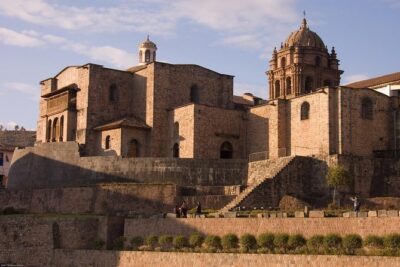
City Tour in Cusco & visit Museum South American Camelid Private.
Read our review →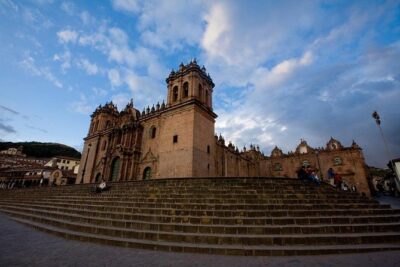
Cusco City Sightseeing, San Pedro Market, Cathedral and Qorikancha Temple
Read our review →
Browse the lists this tour appears in