
Reviewed · CITY TOURS
Cusco: City Tour | Half-Day Tour to 4 Archaeological Sites
The best thing about this Cusco tour is its range. In four hours, you move from the decorated colonial walls of Qoricancha to the huge fitted stones of Sacsayhuamán, then on to three smaller Inca sites in the hills. I like the hotel pickup and the mix of short walks with transport. I also like that guides such as Luis, Maribel, and Fabrisio explain both Inca history and present-day Cusco.
The main catch is that entry tickets are not included, and the bilingual format can stretch the timing. Most guides handle English and Spanish carefully, but explanations take longer when repeated. Ask about ticket arrangements and any added shopping stop before setting aside your afternoon.
Key points to know before booking
- Five important sites in one half-day: Qoricancha, Sacsayhuamán, Qenqo, Puca Pucara, and Tambomachay are covered.
- Strong guide reports: Luis, Maribel, Fabrisio, Joel, Yenny, and others have been praised for clear explanations and friendly group care.
- Tickets cost extra: Qoricancha requires 20 soles, while the tourist ticket costs 70 to 120 soles depending on the ticket type.
- Bilingual pacing matters: English and Spanish are both used, so a four-hour plan may feel tight with a larger mixed-language group.
- Useful afternoon timing: A 2 p.m. departure can finish with evening views over Cusco and leave you near dinner time.
- Hotel pickup is limited to central Cusco: Pickup is included from hotels in the historic center.
Five Inca sites, one useful introduction to Cusco
Cusco can feel like two cities placed on top of each other. Spanish churches and colonial streets occupy the old Inca capital, while major stone compounds remain on the city edge and in the surrounding hills.
This tour gives you a quick reading of that layered past. You start near the main square, visit Qoricancha, and then ride uphill to the four archaeological sites outside the center. The route is efficient because you are not trying to walk between every stop.
At $29 per person, the tour is priced as an inexpensive way to get transport, a bilingual guide, and a broad first look at Cusco. The real cost comes from admission. Plan for 20 soles at Qoricancha and 70 to 120 soles for the tourist ticket covering the archaeological sites. Show the ticket you already bought if you have one from another Cusco or Sacred Valley visit.
The ticket system is the detail most likely to trip you up. One visitor specifically advised buying tickets in advance to avoid delays, and another noted that site entry was cash only. I would sort this out before pickup rather than arrive with only a card.
More City Tours in Cusco
- Cusco: Half-Day City Tour with Sacsayhuaman and Q’enco
★ 4.6 · 1,129 reviews - City Tour Cusco Qoricancha Sacsayhuaman y Tambomachay
★ 4.7 · 617 reviews - Cusco: Sightseeing Tour of the City on an Open-Top Bus
★ 4.0 · 481 reviews
Qoricancha: where Inca stonework meets Santo Domingo
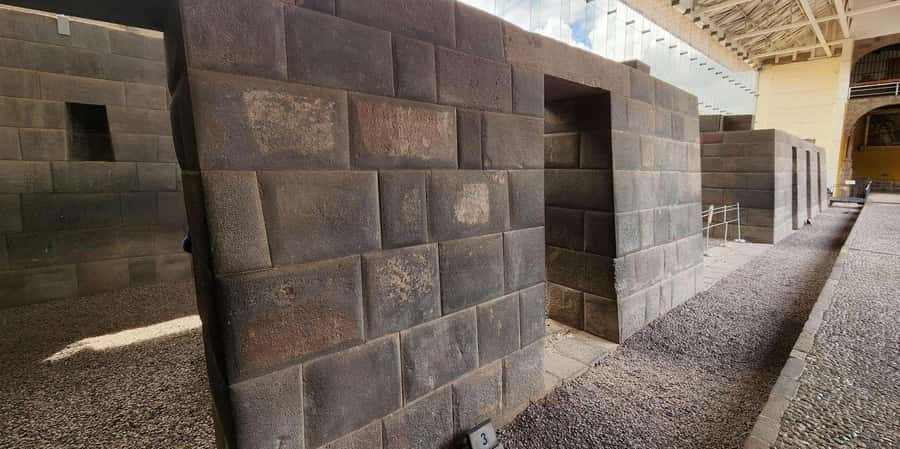
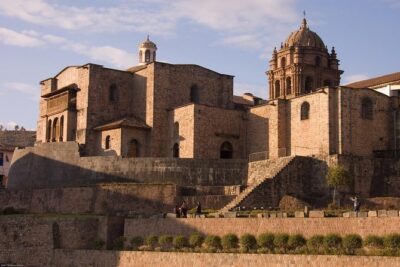
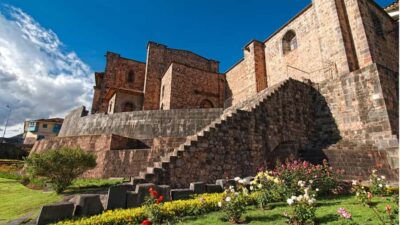
The tour begins with Qoricancha, the Inca Temple of the Sun, now joined to the colonial Temple of Santo Domingo. This is the most useful stop for understanding Cusco’s layered architecture because the building itself shows both periods in one place.
Inside, your guide discusses the religious center and its construction. The original Inca work is known for carefully cut stone and tight joints, while the colonial church brought different decoration and paintings from the Cusquenian School.
I like starting here because it gives you a scale for the rest of the day. After seeing how much care went into an important religious site in the city center, you can better appreciate the massive masonry at Sacsayhuamán.
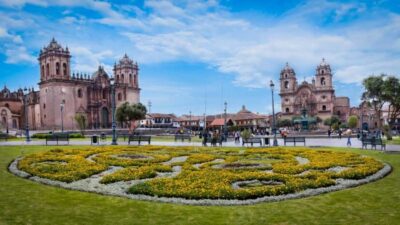
The stop is not included in the $29 price. The listed admission is 20 soles, and the optional visit to Cusco Cathedral is separate. The schedule also does not guarantee a full visit to the Plaza de Armas. If the square and cathedral are priorities, plan time for them outside this tour.
Sacsayhuamán: the tour’s biggest stone spectacle
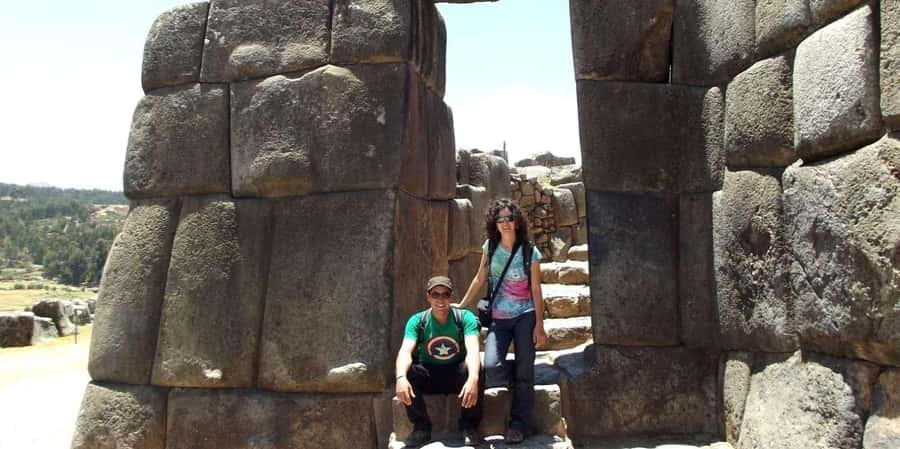
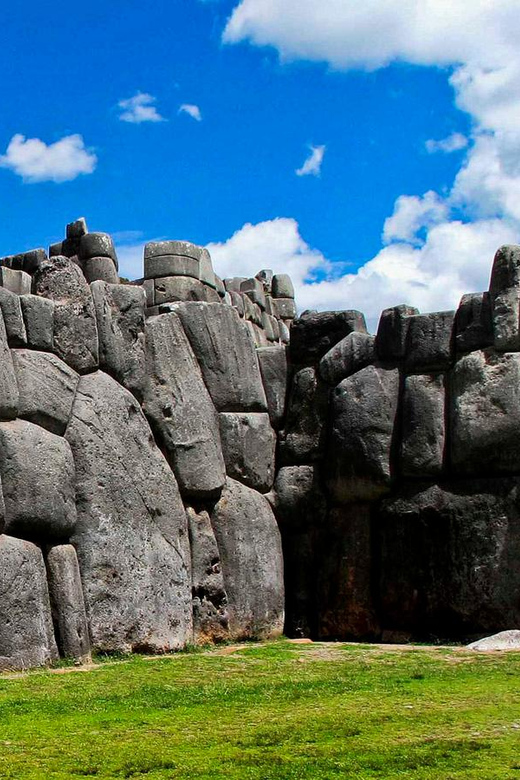
From Qoricancha, the group rides to Sacsayhuamán. This is usually the visual high point, with enormous stones fitted into long walls and broad ceremonial terraces.
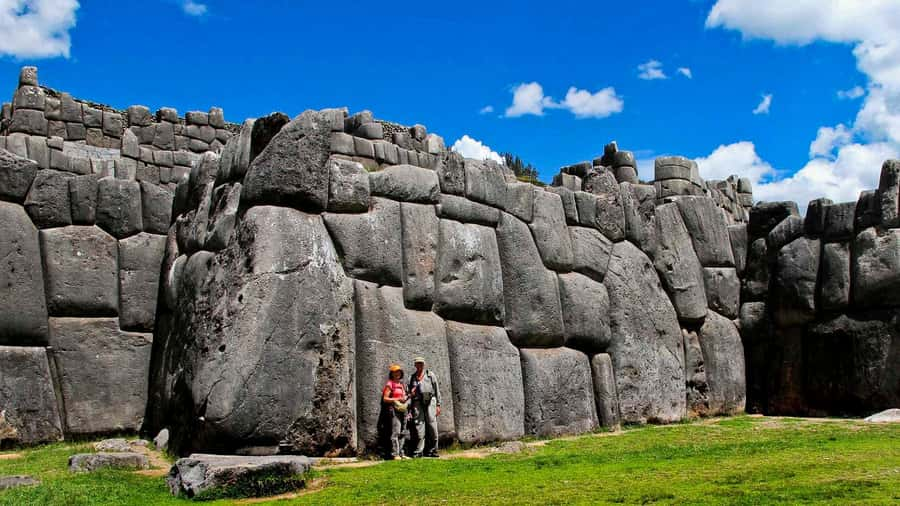
Some blocks are described as reaching about 9 meters high and weighing more than 350 tons. You do not need to accept every theory about how the stones were moved to appreciate the workmanship. The tight joints and scale are enough to make this a memorable stop.
Sacsayhuamán is also connected with Inti Raymi, the Festival of the Sun held each June 24. Your guide can place the site in both its ceremonial and architectural setting, which makes the visit more than a quick photo stop.
Timing matters here. One tour ran late and reached Sacsayhuamán with only about 30 minutes before closing, leaving too little time to look around. That appears to have been an exception rather than the normal plan, but it shows why early pickup, prompt boarding, and having your tickets ready matter.
The site sits above Cusco, so you get open views as well as stonework. Bring a layer, particularly on an afternoon departure. The air can feel cold near the end of the tour, even when the city below looks mild.
Qenqo: a smaller site with a ceremonial purpose
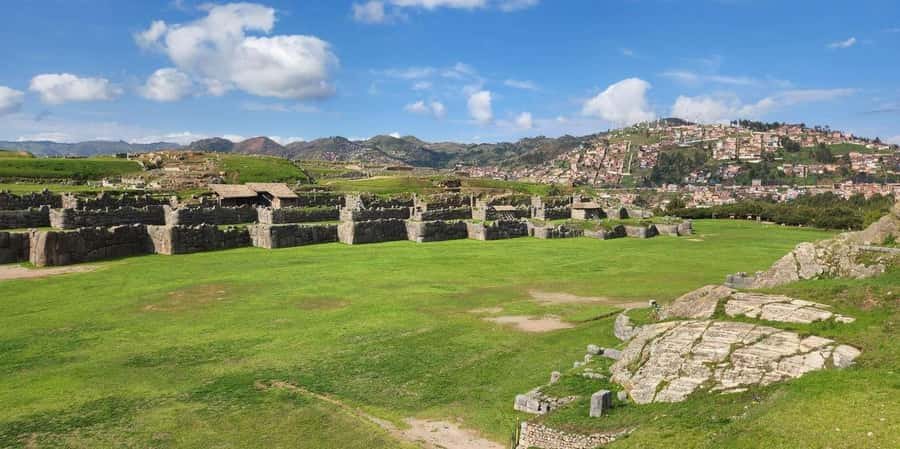
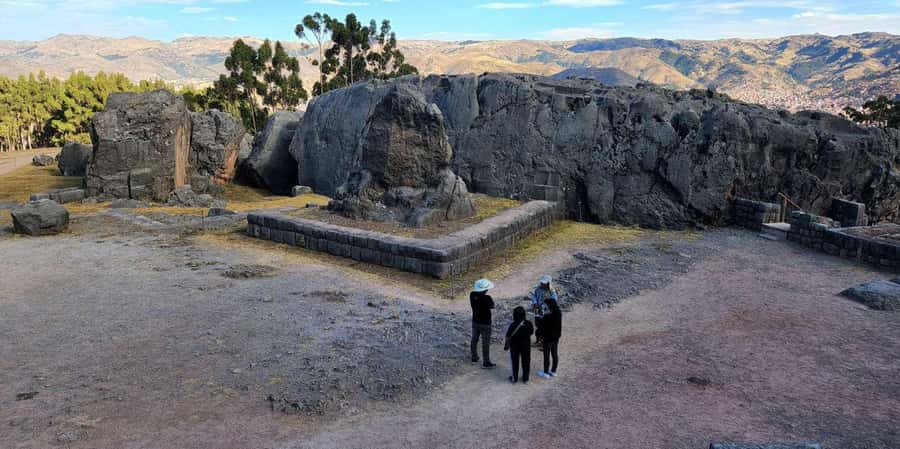
Qenqo is a different experience from Sacsayhuamán. Instead of giant walls stretching across a hill, you see rocky outcrops, carved surfaces, paths, and enclosed spaces associated with ceremony and religion.
The site is described as an amphitheater where sacrifices took place. Your guide will explain the accepted interpretation, but this is an area where a little caution helps. Some explanations at Inca sites involve interpretation rather than written proof, so I prefer guides who separate established evidence from theory.
Qenqo can feel more intimate and puzzling than the larger fortress. You move through a site that asks you to look closely at stone shapes and passageways rather than simply stand back and admire a wall.
Because it is a shorter stop than Sacsayhuamán, the guide’s explanation makes a real difference. Luis, Maribel, Joel, and other guides have been praised for making complex material clear while leaving visitors some time to look around independently.
Same base, a completely different kind of day:
- Cusco: Humantay Lake Tour with Breakfast and Buffet Lunch
★ 4.9 · 2,976 reviews - From Cusco: Vinicunca Rainbow Mountain ATV Tour with Meals
★ 4.6 · 1,060 reviews - From Cusco: Excursion to Humantay lake from Cusco
★ 4.7 · 514 reviews - Cusco: Peruvian Cooking Class, Cocktails & Local Market Tour
★ 4.9 · 512 reviews
Puca Pucara: an Inca checkpoint above the city
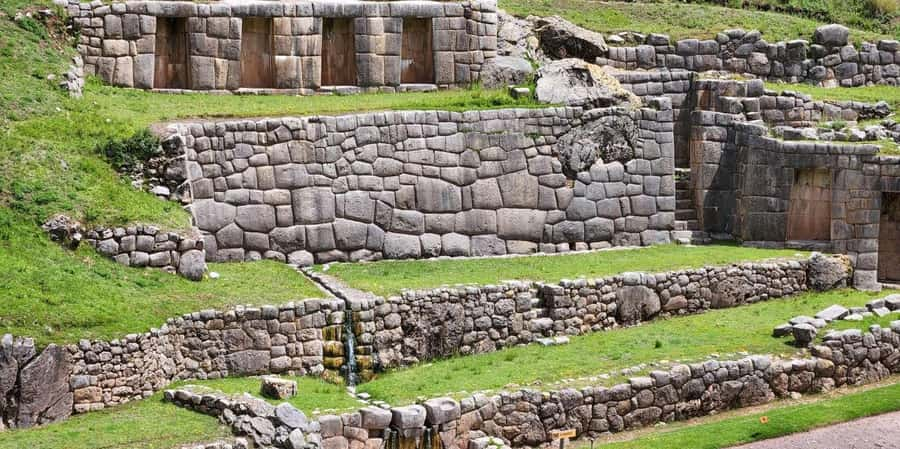
Puca Pucara was an Inca surveillance post and entry control point for the capital. Its terraces, walls, and stone steps are less imposing than Sacsayhuamán, but its position helps explain how movement around Cusco was monitored.
This stop is practical rather than grand. You see how the Inca road system and access to the capital could be managed from a high point. The walls also give you another example of Inca construction without the crowds and scale of the main fortress.
Puca Pucara works well in the middle of the route because it breaks up the larger ceremonial sites. You are still seeing masonry and terraces, but the purpose shifts from worship and public ceremony to control and observation.
The visit is brief, and you should not expect a long independent exploration. The benefit comes from the guide connecting the site to the wider city and route system.
Tambomachay: water, fountains, and the final view
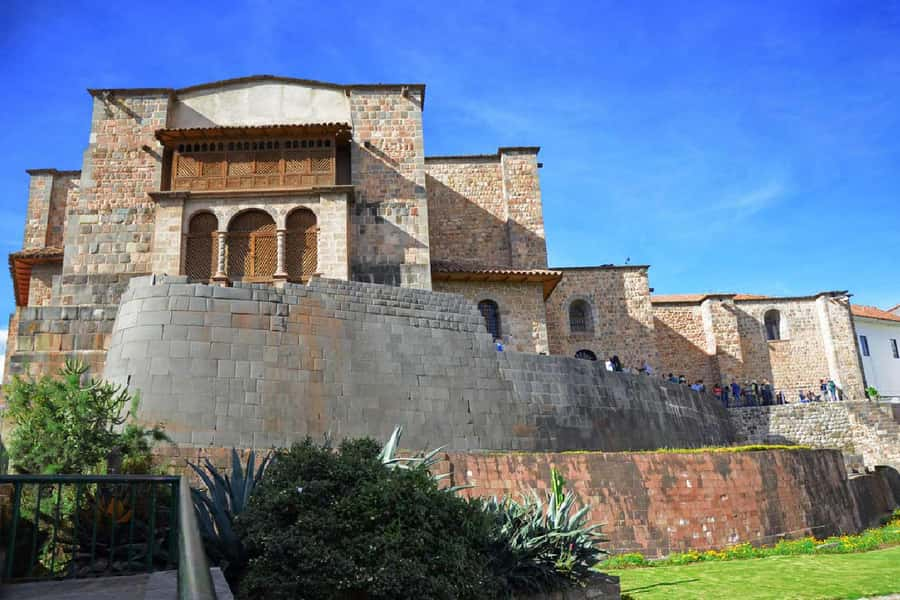
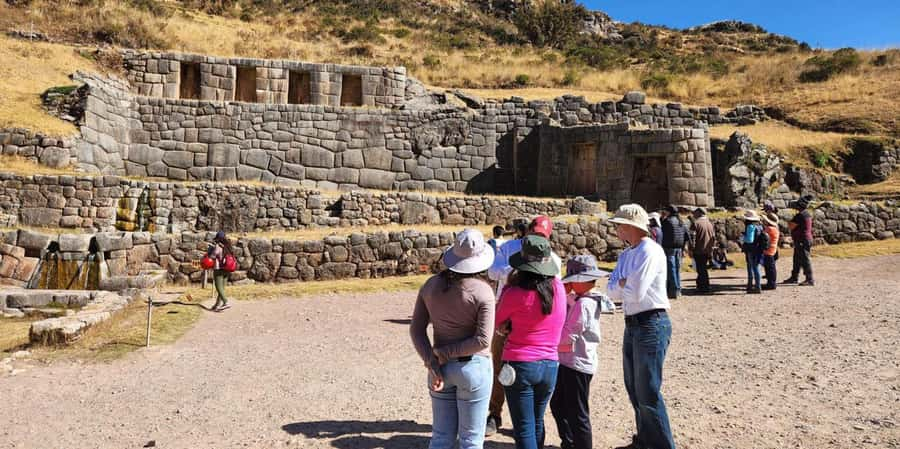
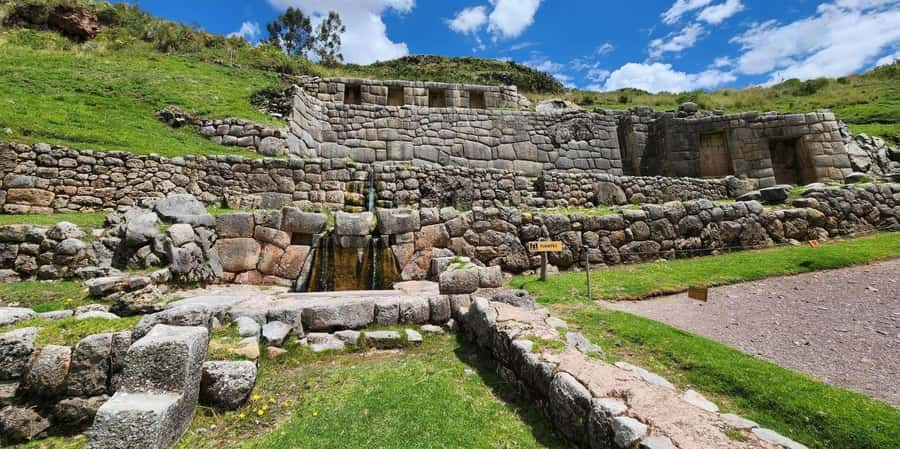
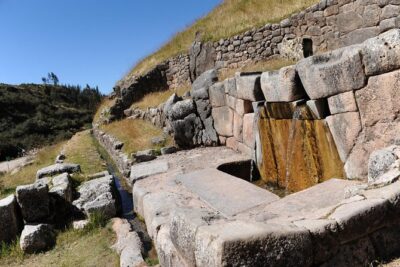
Tambomachay is the last archaeological stop. It is associated with the worship of water, leisure, and the idea of eternal youth. Stone channels, fountains, and platforms give the site a calmer character than Sacsayhuamán or Qenqo.
This is a good ending because water changes the mood of the tour. After several stops focused on walls, fortresses, and ceremonial spaces, Tambomachay shows another side of Inca planning and belief.
Do not treat it as a throwaway final stop. One visitor specifically advised keeping it on the schedule because the final view over Cusco was excellent. On a 2 p.m. departure, you may reach this part of the route near evening, when the city below takes on a different look.
Weather can affect the final stretch. Afternoon rain has occurred, but the guide may rearrange the order so the group can continue when conditions improve. Bring a light waterproof layer and shoes suited to uneven paths.
What the bilingual format is really like
The guide speaks English and Spanish, often explaining the same point twice. That makes the tour accessible to mixed groups, and several guides have been praised for making sure the English-speaking visitors were included, even when they were the only native English speaker in the group.
Luis is repeatedly singled out for friendly group care and strong explanations. Maribel, Fabrisio, Joel, Yenny, Jessica, and Leo have also received praise for clear guiding, humor, patience, and subject knowledge. The quality of the day depends heavily on the person leading it, but the feedback points to a solid pool of guides.
The tradeoff is time. If the group contains more Spanish speakers than English speakers, English explanations may come after the Spanish section, or the order may reverse. One person felt bilingual touring did not work well, while another found the guide handled both languages expertly.
I would book this format if you want access to both languages and accept a slower rhythm. If you want a tightly focused English-only tour, this may not be the best match. Questions can also add time, so a four-hour schedule sometimes runs long.
Transport, pickup, and the four-hour promise
Pickup is included from your hotel in Cusco’s historic center. That is useful because central Cusco streets can make meeting a vehicle awkward, especially early in the day. After pickup, the group uses tourist transport to reach the sites outside the center.
The advertised duration is four hours, with a return to central Cusco. Many people like the timing because you can finish in time for dinner. A 2 p.m. tour may end with evening views and put you back in town at a convenient hour.
Allow some flexibility. One tour lasted 5.5 hours because of delays and an unplanned textile market stop. Another person found the first pickup stage chaotic and late, though the rest of the tour went well. Transportation was also criticized for a slow pickup process.
I would avoid booking a fixed dinner reservation immediately afterward. The normal plan is four hours, but traffic, late pickups, bilingual explanations, site closing times, and weather can shift the schedule.
The shopping stop question
The planned route is archaeological, but an extra local textile market stop has occurred. One visitor felt that this stop took more time than any archaeological site and did not appreciate the detour, particularly because it reduced time at Sacsayhuamán.
That does not mean every departure includes the same stop. It does mean you should ask the guide or operator at pickup if a market visit is planned. If you want to buy textiles, the stop may suit you. If your priority is ancient sites, make that clear and keep an eye on the clock.
This is also where the tour can feel like a standard group excursion rather than a purely cultural visit. A little selling may be part of the day. Go in prepared, and do not let an optional purchase distract from the main reason you booked.
Tickets, cash, and the real value
The $29 price is attractive because transport and a bilingual guide are included. For a first afternoon in Cusco, I think it is good value if you want an overview instead of arranging taxis and separate visits to five sites.
The advertised exclusions are important:
- Qoricancha admission is 20 soles.
- The tourist ticket costs 70 to 120 soles.
- Cusco Cathedral is optional and not included.
- Food and drinks are not listed as included.
Carry soles. Entry has been described as cash only, and having the correct tickets ready can prevent a delay at the first checkpoint. A full tourist ticket bought near the Plaza de Armas may pay for itself if you plan to visit other museums and Sacred Valley sites, but confirm the current ticket type and price before buying.
At the listed tour price, this is not a luxury experience. You are paying for a practical route, shared transport, and interpretation. The value is strongest for first-time visitors who want the main sites explained in one outing.
Who will get the most from this tour?
I would choose this tour if you are new to Cusco, have limited time, or want an introduction before visiting more sites on your own. It is also useful early in a longer Peru trip because the guide can provide context for the Inca world, local customs, and the city’s colonial layer.
It suits people who enjoy seeing a lot in a short time. You will walk at several stops, use uneven paths and stone steps, and move between sites by vehicle. The tour is not built around long quiet visits at each place.
Families and couples may appreciate the simple structure and hotel pickup. Solo English speakers can also fit in well, especially with a guide who makes a point of including everyone. The strongest guide reports describe patient answers, humor, and enough free time for photographs.
I would hesitate if you dislike bilingual tours, need a firm end time, or want every minute devoted to archaeology. In those cases, a private or English-only option may give you more control.
Should you book the Cusco City Tour?
Book it if you want five major sites, transport, and a guide for $29 and can accept extra admission costs. The route gives you Qoricancha’s Inca and colonial contrast, Sacsayhuamán’s giant stones, Qenqo’s ceremonial mystery, Puca Pucara’s defensive role, and Tambomachay’s water features in one manageable outing.
Before you go, buy or arrange the required tickets, carry cash in soles, wear layers, and leave room in your evening schedule. Ask about any textile market stop, especially if Sacsayhuamán is your main priority.
I would call this a strong first-day or first-afternoon tour, not a slow archaeological study. Its best features are the range of sites, capable bilingual guides such as Luis and Maribel, and the easy return to central Cusco. Its weak points are ticket confusion, possible pickup delays, bilingual repetition, and occasional pressure toward a shopping stop.
FAQ
How long does the Cusco City Tour last?
The advertised duration is four hours. Some departures may take longer because of pickup delays, bilingual explanations, traffic, weather, or an added stop.
Which archaeological sites are included?
The route includes Qoricancha, Sacsayhuamán, Qenqo, Puca Pucara, and Tambomachay.
Is hotel pickup included?
Yes. Pickup is included from hotels in Cusco’s historic center.
Are entrance tickets included in the price?
No. Qoricancha costs 20 soles, and the tourist ticket costs 70 to 120 soles. You can show a tourist ticket already purchased for another tour if it covers the sites.
Is Cusco Cathedral included?
No. A visit to Cusco Cathedral is optional and is not included in the stated tour price.
What languages does the guide speak?
The tour is bilingual in English and Spanish, with a live guide using both languages.
Can I cancel the booking?
You can cancel up to 24 hours in advance for a full refund. The reserve-now, pay-later option allows you to book without paying immediately.
More Half-Day in Cusco
- Cusco: Half-Day City Tour
★ 4.2 · 129 reviews - Cusco: Half-Day Horseback Riding at Devil’s Balcony
★ 4.9 · 89 reviews - Half-Day City Tour of Cusco Including Tambomachay
★ 4.5 · 59 reviews - Half day Horseback Riding tour around Sacsayhuaman park
★ 5.0 · 37 reviews
Just added around Cusco
- Waqrapukara 1 day trekking + meals★ 3.9 · 3 reviews
- Visit to the Cochahuasi Animal Sanctuary with rescued animal★ 4.1 · 4 reviews
- Vinicunca Mountain Tour – Full Day Tour to Rainbow Mountain★ 3.4 · 4 reviews
- Valle Sur Cusco | half day★ 4.3 · 3 reviews
- Trek to Humantay Lake from Cusco★ 4.9 · 8 reviews
- Trek to Choquequirao 4 days★ 3.8 · 4 reviews
- rainbow mountain full day★ 5.0 · 44 reviews
- Tour to the HUMANTAY LAGOON from CUSCO★ 5.0 · 35 reviews
City Tours, compared.
Half-Day City Tour with Sacsayhuaman and Q’enco
Read our review →
City Tour Cusco Qoricancha Sacsayhuaman y Tambomachay
Read our review →
City Tour in Cusco & visit Museum South American Camelid Private.
Read our review →
Cusco City Sightseeing, San Pedro Market, Cathedral and Qorikancha Temple
Read our review →
Cusco City Sightseeing and Sacsayhuaman Archeological Park Tour
Read our review →Browse the lists this tour appears in