
Reviewed · CITY TOURS
Cusco: Half-Day City Tour
Cusco’s Inca sites are scattered across the hills above the city, and this tour gives you a practical way to see four of the most important ones in a single outing. Sacsayhuaman’s enormous limestone blocks are the star, but Qenko, Puka Pukara, and Tambomachay each add a different piece to the story of Inca religion, defense, and water worship.
I like the hotel pickup in the historic center and the bilingual guide service, especially when the guide is as lively as Clara, Janet, Silvia, or José. I also like the price: $17 gets you transport and a professional guide, which is excellent value for a first look at Cusco.
The main catch is that entry fees are extra, and the morning and afternoon schedules are not the same. If you want the Cathedral and Coricancha, choose an afternoon departure and confirm the exact starting time before booking.
Key points to know before you go
- Sacsayhuaman is the main event: Massive fitted stones show the skill of Inca builders better than almost anywhere in the Cusco area.
- The schedule depends on departure time: Morning tours focus on four archaeological sites, while afternoon tours also visit the Cathedral and Coricancha.
- The $17 price excludes admissions: Plan for 70 soles for the archaeological sites, 40 soles for the Cathedral, and 15 soles for Coricancha if all are included.
- Pickup is limited to central Cusco: Your hotel must be in the historic center and reachable by vehicle, or you will receive a nearby meeting point.
- Expect walking and high-altitude sun: Comfortable shoes, water, sunscreen, a hat, and a rain jacket are sensible choices.
- Guide quality matters: Clara, Janet, Silvia, and José have received especially warm praise for clear explanations, patience, and enthusiasm.
Why this six-hour tour works well in Cusco
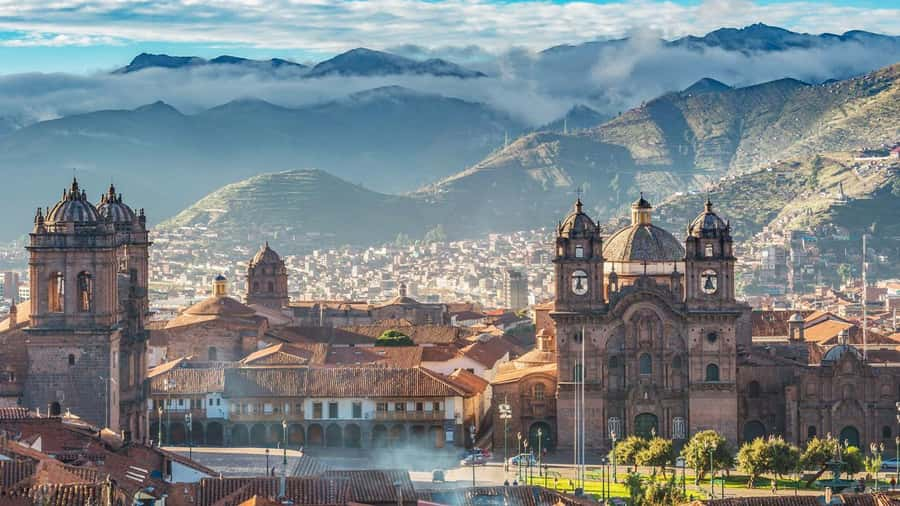
Cusco is not a city where the major sights sit neatly along one street. The colonial center is compact, but the Inca ruins sit outside it and uphill, spread across a broad area. Seeing them independently means arranging transport, working out the admission system, and deciding how long to spend at each site.
This tour takes care of the basic movement. You are collected from a hotel in Centro Histórico, ride by tourist van, and finish at Plaza Mayor del Cusco. The listed duration is six hours, with about 40 minutes of van travel included in the schedule. That makes this a useful orientation tour near the start of your stay.
I would not treat it as a slow archaeological study. Each main stop has about 40 minutes of guided time, and the group must keep moving. But you get enough explanation to understand what you are seeing rather than wandering among stones with no context.
The price is unusually low for a six-hour guided outing. At $17, the transport and guide alone make it worthwhile, particularly if you have limited time. You must add the admission fees, though, so the real cost is higher than the headline figure. Bring cash in soles and keep your passport with you, as requested for the activity.
More City Tours in Cusco
- Cusco: Half-Day City Tour with Sacsayhuaman and Q’enco
★ 4.6 · 1,129 reviews - City Tour Cusco Qoricancha Sacsayhuaman y Tambomachay
★ 4.7 · 617 reviews - Cusco: Sightseeing Tour of the City on an Open-Top Bus
★ 4.0 · 481 reviews
Qenko, where stone became a ceremonial center
Qenko, also spelled Q’enco or Qenqo, begins the archaeological portion of the route. It is a natural rock formation that the Incas adapted into a ceremonial center. The interest here is not a grand building, but the way ritual use was fitted into the shape of the rock.
Your guide can help you notice carved surfaces and explain how the site may have functioned. Without that help, Qenko can be easy to underestimate. It lacks the scale of Sacsayhuaman, but it gives you an early sense of how Inca builders treated natural stone as part of a sacred setting.
You have about 40 minutes here. Wear shoes with a good grip and expect uneven ground. The site is best for someone who enjoys details and interpretation, not just dramatic views.
Puka Pukara and the practical side of the Inca road system
Puka Pukara is usually presented as a military site, though its remains also include guard posts, staircases, streets, houses, and courtyards. The name is often translated as Red Fortress, and its position helped it control movement around the approaches to Cusco.
I like this stop because it shifts the tour away from temples and ceremonies. Here, you can think about the everyday work of watching roads, housing people, and managing movement through the area. The ruins are less imposing than Sacsayhuaman, but the layout gives you a clearer sense of a functioning settlement.
The guided visit lasts about 40 minutes. This is another place where the explanation matters. The walls alone do not always tell you which spaces were defensive, residential, or administrative.
Tambomachay and the Inca focus on water
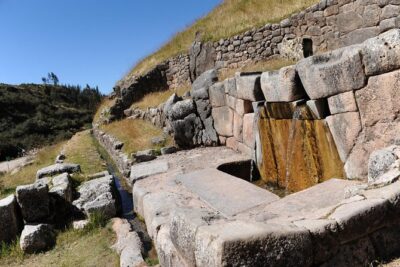
Tambomachay sits about nine kilometers outside Cusco and is known as the Baths of the Incas. Water flows through carefully built channels and fountains, and the site may have been connected with water worship and purification.
This stop provides a useful contrast with Puka Pukara. Instead of military control, you are looking at engineering tied to water and ceremony. The clean stonework and flowing water make the site feel more intimate than the broad walls at Sacsayhuaman.
You get roughly 40 minutes with the guide. Bring a waterproof jacket or raincoat, even if the morning begins clear. Cusco weather can change, and the tour information specifically recommends rain protection as well as sunscreen with a factor of 30 or higher.
Same base, a completely different kind of day:
- Cusco: Humantay Lake Tour with Breakfast and Buffet Lunch
★ 4.9 · 2,976 reviews - From Cusco: Vinicunca Rainbow Mountain ATV Tour with Meals
★ 4.6 · 1,060 reviews - From Cusco: Excursion to Humantay lake from Cusco
★ 4.7 · 514 reviews - Cusco: Peruvian Cooking Class, Cocktails & Local Market Tour
★ 4.9 · 512 reviews
Sacsayhuaman and the huge stones above Cusco
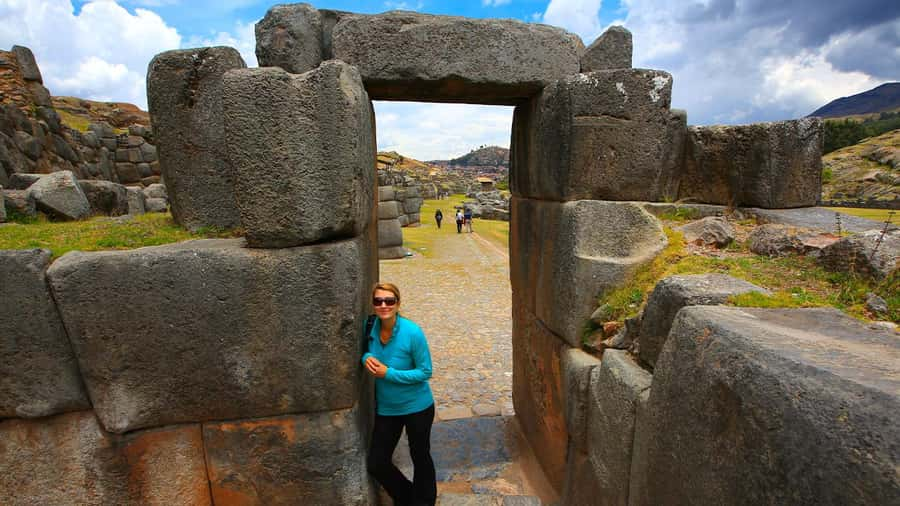
Sacsayhuaman is the site most likely to stay in your memory. Its giant limestone blocks fit together with remarkable precision, and the scale is hard to grasp from photographs. Chroniclers described it as a solar shrine built by the later Inca dynasties, while its defensive position also helped protect Cusco from attacks from the east, or Antis.
Your guide will help sort through the different possible roles of the complex. It is often discussed as a fortress, temple, ceremonial center, and symbol of Inca power. Those descriptions are not always mutually exclusive, and the site’s size allows several functions to have existed at once.
The scheduled guided visit lasts about 40 minutes. One practical issue is that you may not receive a long, open-ended exploration period. A recent experience of this tour included a brief stop followed by a meeting point near the exit, which left the visitor wishing for more guided time inside the complex.
If Sacsayhuaman is your top priority, pay attention to how the guide handles the visit. Stay close during the explanation, ask questions early, and allow yourself time to look carefully at the wall construction. The stones are the lesson here: irregular shapes, tight joints, and massive blocks fitted without modern machinery.
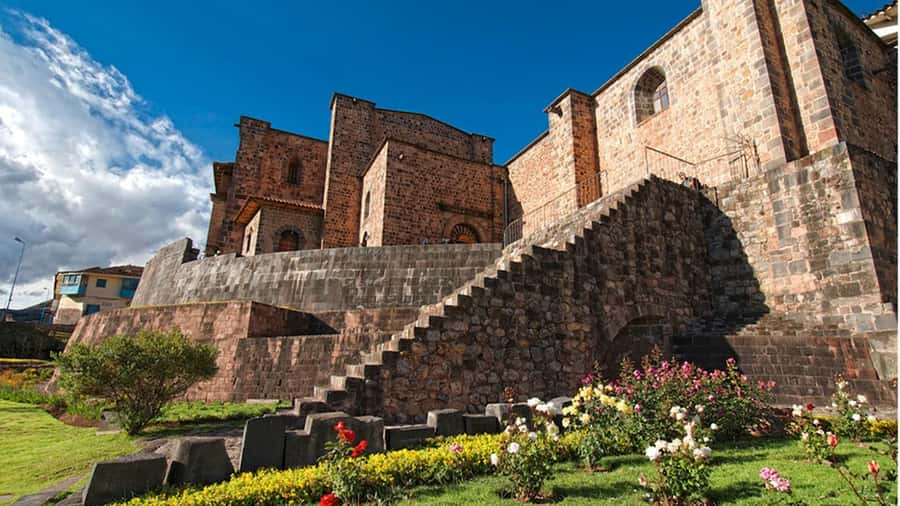
Coricancha, the Inca temple beneath the colonial city
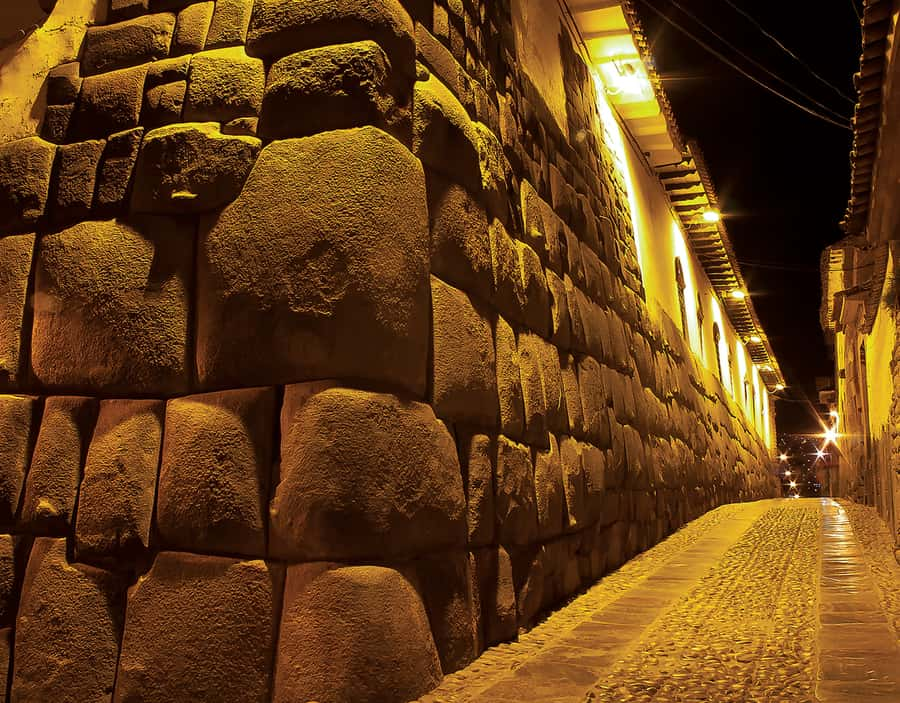
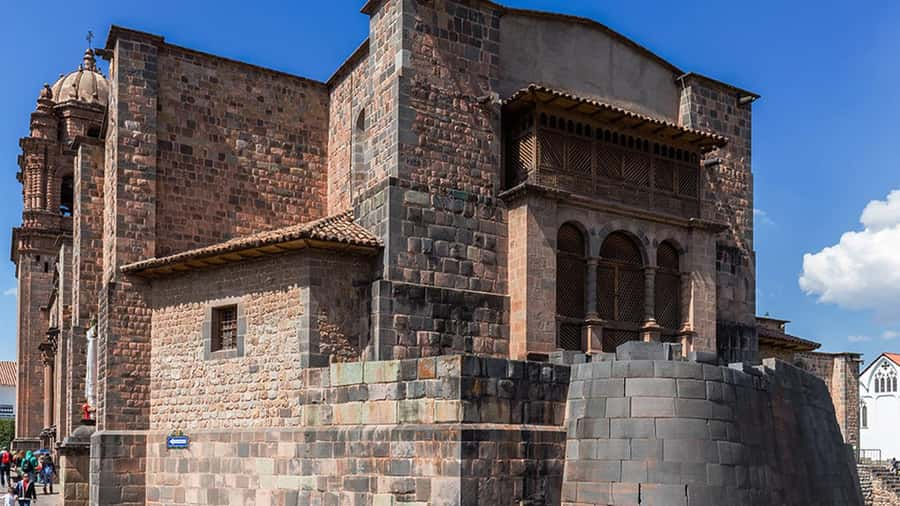
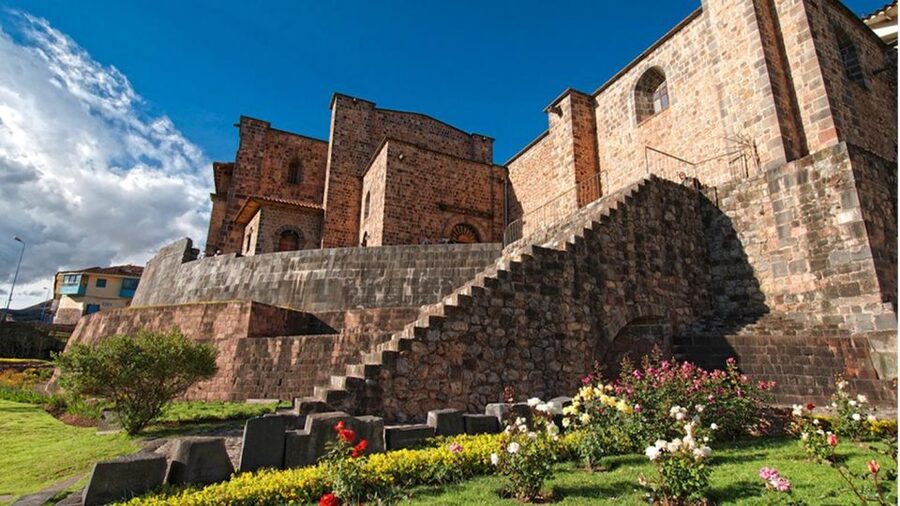
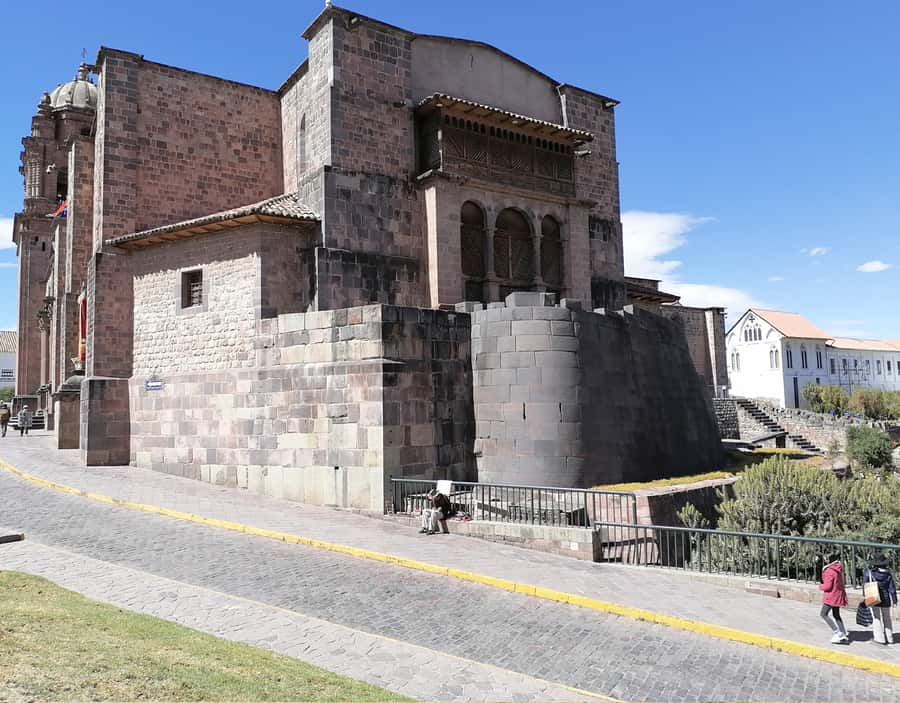
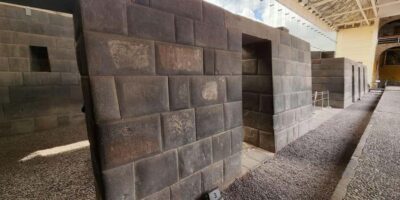
Afternoon departures add Coricancha, once the most important temple in the Inca Empire. The temple’s exact stone construction and balanced architecture show the level of care given to a place devoted to the central religious and political world of the Incas.
Coricancha is especially useful because it lets you compare Inca and Spanish construction in one location. The temple was later incorporated into a colonial religious complex, so you can see how the older stonework survives beneath and beside later architecture.
The guided visit is listed at one hour, longer than the archaeological stops. That extra time matters. There is more to explain here, including the importance of the temple and the way its architecture reflects Inca power.
Admission is not included and costs 15 soles. If your schedule includes Coricancha, keep this amount separate from the archaeological ticket. I would also choose the afternoon departure only after confirming that Coricancha is part of that specific booking, since morning tours do not include it.
Cusco Cathedral and the colonial layer
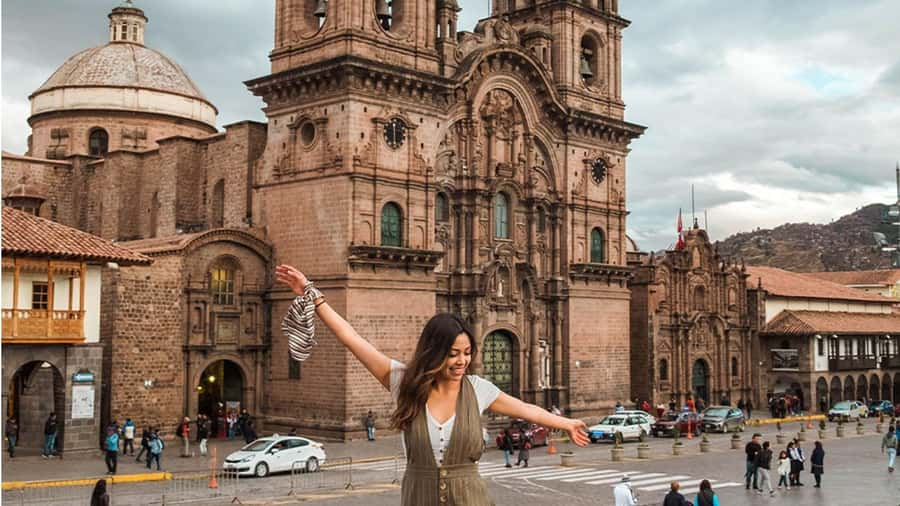
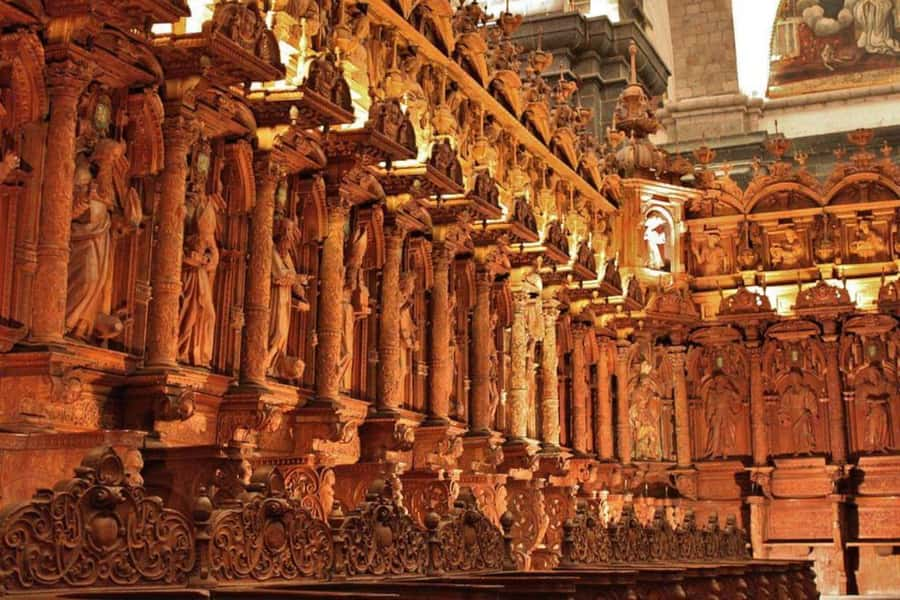
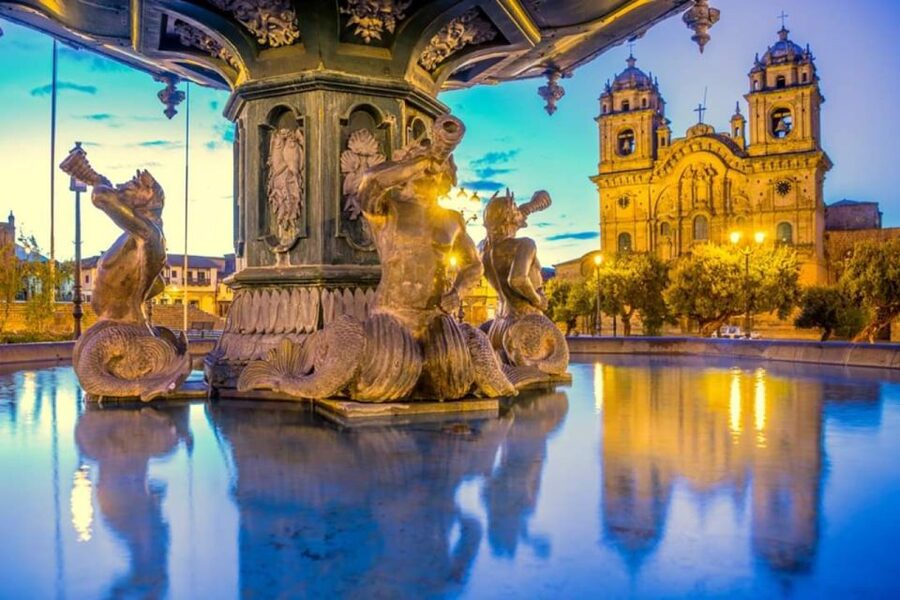
The Basilica Cathedral of Cusco was begun in 1560 and sits on Plaza Mayor, where the tour ends. An afternoon visit gives you a look at the Spanish colonial layer of the city after seeing the Inca sites beyond the center.
The Cathedral is not included in the $17 price. Admission is 40 soles. This extra charge can make the afternoon route considerably more expensive than it first appears, but it also gives you a fuller introduction to Cusco’s two major architectural traditions.
The scheduled guided visit lasts about 40 minutes. You will want to bring your passport and cash, both listed among the recommended items. The Cathedral visit is best for you if you want a broad overview of Cusco rather than only outdoor ruins.
Morning or afternoon: choose based on your priorities
The departure time changes the character of the tour.
The morning route visits Sacsayhuaman, Qenko, Puka Pukara, and Tambomachay. This is the better choice if you mainly want the hilltop ruins and prefer to explore Coricancha and the Cathedral separately. You avoid paying for those two city admissions, and you have a more focused archaeological outing.
The afternoon route includes the four archaeological sites plus Coricancha and the Cathedral, according to the tour information. It packs more into the day and creates a useful contrast between Inca and colonial Cusco. It also requires the additional entrance fees and may feel busy.
I would choose the morning route if you are arriving tired, adjusting to altitude, or planning a separate walking day in central Cusco. I would choose the afternoon route if you have only one free day and want the broadest introduction possible.
Because schedules can vary, check availability and the exact departure details before paying. The wording about morning and afternoon visits is important, particularly if Coricancha and the Cathedral are essential to you.
Guides, language, and group dynamics
The tour is offered in English and Spanish with a live bilingual guide. Several guides have drawn especially strong praise for their approach. Clara is described as energetic, attentive, and full of detail about Cusco and Inca life. Janet is singled out for making the tour particularly enjoyable, while Silvia is noted for patience with children. José has also been praised for clear English explanations.
That said, the quality of your experience can depend on the group’s language mix. One English-speaking participant found that most of the commentary was directed to a different-language group, leaving less English explanation than expected. If you book an English tour and find yourself in a mixed group, politely ask the guide to repeat important points in English.
Group size can also vary. One outing was described as small, which made questions and movement easier. The transportation may involve changing between vehicles, but the guide can coordinate that process.
You should expect a social group outing, not a private tour. If you want complete control over photo stops and timing, private transport may suit you better. At this price, though, the shared format is part of the value.
The textile-shop issue
One practical complaint concerns a stop at a textile shop. A visitor found it unnecessary because the tour was meant to focus on sights rather than shopping. These stops are common on organized outings, but they can feel like lost time when you are trying to fit six hours of ruins and city monuments into one day.
The supplied tour details do not promise a textile visit, so treat it as a possible addition rather than a central feature. If shopping is not your interest, you can ask the guide how long the stop will take and use the time to browse briefly or stay with the group.
This is a small concern, but it matters more on the afternoon route, which already has a full schedule.
What to bring for the ruins above Cusco
Cusco’s sun can be strong, and the archaeological sites expose you to weather. I would bring:
- Comfortable walking shoes
- Water
- A sun hat
- Sunscreen with SPF 30 or higher
- A waterproof jacket or raincoat
- Cash in soles for entrance fees
- Your passport
Large bags and luggage are not allowed, and pets are not permitted. Video recording is also listed as prohibited. A small day bag is the sensible choice, but avoid arriving with suitcase-sized luggage.
You should also pace yourself. The stops are not described as difficult hikes, but the tour visits several sites at altitude, with walking on uneven surfaces and stairs. Take the guide’s timing seriously and keep water close.
Who should book this tour
I would recommend it to you if you want a low-cost first look at Cusco, need transport to the outlying ruins, or have only half a day available. Families can benefit from the structured route, particularly with a patient guide such as Silvia. It also suits history-minded visitors who want explanations rather than just a vehicle ride and a photo stop.
The tour is less suitable if you want long periods at each ruin, quiet independent exploration, or a private guide. The extra admission fees also mean the final cost is much higher than $17 if you take the full afternoon route.
Free cancellation up to 24 hours before departure and the reserve-now, pay-later option make the booking less risky. Pickup is included only for hotels in Cusco’s historic center that can be reached by vehicle. If you stay in private accommodation or on a vehicle-restricted street, you will be given a nearby meeting point.
Should you book it?
Book this tour if you want to see four major Inca sites without arranging separate taxis and guides. The value is strongest on the morning route, where $17 covers transport and a guide for the archaeological circuit, with the 70-sol site ticket added separately.
Choose the afternoon option if Coricancha and the Cathedral matter to you and you are comfortable paying the extra 55 soles for those admissions. Just confirm the schedule, ask about any shopping stop, and make sure the guide will provide commentary in your chosen language.
For a first orientation to Cusco, this is a sensible buy. It gives you the essential ruins, a glimpse of colonial Cusco, and enough historical context to make later independent visits more rewarding.
FAQ
How long does the Cusco city tour last?
The tour lasts six hours, including transportation and guided visits.
Where does pickup take place?
Pickup is available from hotels in the historic center of Cusco. If your hotel cannot be reached by vehicle or you are staying in private accommodation, you will receive a nearby meeting point.
Which archaeological sites are visited?
The tour visits Qenko, Puka Pukara, Tambomachay, and Sacsayhuaman.
Are Coricancha and the Cathedral included on every departure?
No. Morning tours visit only the four archaeological sites. Afternoon departures also provide the opportunity to visit Coricancha and the Basilica Cathedral.
Are entrance fees included in the tour price?
No. The archaeological sites require a 70-sol tourist ticket. Coricancha costs 15 soles and the Cathedral costs 40 soles.
What languages are available?
The live guided tour is offered in English and Spanish.
What should I bring?
Bring comfortable shoes, water, a passport, cash, a sun hat, sunscreen with SPF 30 or higher, and a waterproof jacket or raincoat.
Can I cancel the booking?
You can cancel up to 24 hours in advance for a full refund. The reserve-now, pay-later option is also available.
More Half-Day in Cusco
- Cusco: City Tour | Half-Day Tour to 4 Archaeological Sites
★ 4.6 · 206 reviews - Cusco: Half-Day Horseback Riding at Devil’s Balcony
★ 4.9 · 89 reviews - Half-Day City Tour of Cusco Including Tambomachay
★ 4.5 · 59 reviews - Half day Horseback Riding tour around Sacsayhuaman park
★ 5.0 · 37 reviews
Just added around Cusco
- Waqrapukara 1 day trekking + meals★ 3.9 · 3 reviews
- Visit to the Cochahuasi Animal Sanctuary with rescued animal★ 4.1 · 4 reviews
- Vinicunca Mountain Tour – Full Day Tour to Rainbow Mountain★ 3.4 · 4 reviews
- Valle Sur Cusco | half day★ 4.3 · 3 reviews
- Trek to Humantay Lake from Cusco★ 4.9 · 8 reviews
- Trek to Choquequirao 4 days★ 3.8 · 4 reviews
- rainbow mountain full day★ 5.0 · 44 reviews
- Tour to the HUMANTAY LAGOON from CUSCO★ 5.0 · 35 reviews
City Tours, compared.
Half-Day City Tour with Sacsayhuaman and Q’enco
Read our review →
City Tour Cusco Qoricancha Sacsayhuaman y Tambomachay
Read our review →
City Tour | Half-Day Tour to 4 Archaeological Sites
Read our review →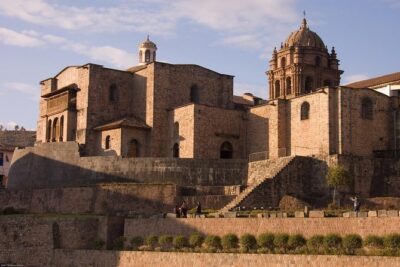
City Tour in Cusco & visit Museum South American Camelid Private.
Read our review →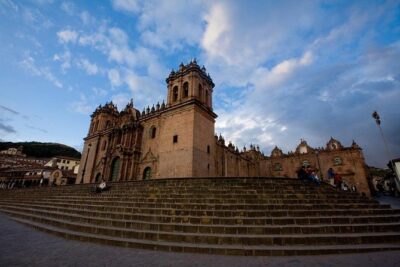
Cusco City Sightseeing, San Pedro Market, Cathedral and Qorikancha Temple
Read our review →
Cusco City Sightseeing and Sacsayhuaman Archeological Park Tour
Read our review →Browse the lists this tour appears in