
Reviewed · PISCO TASTINGS
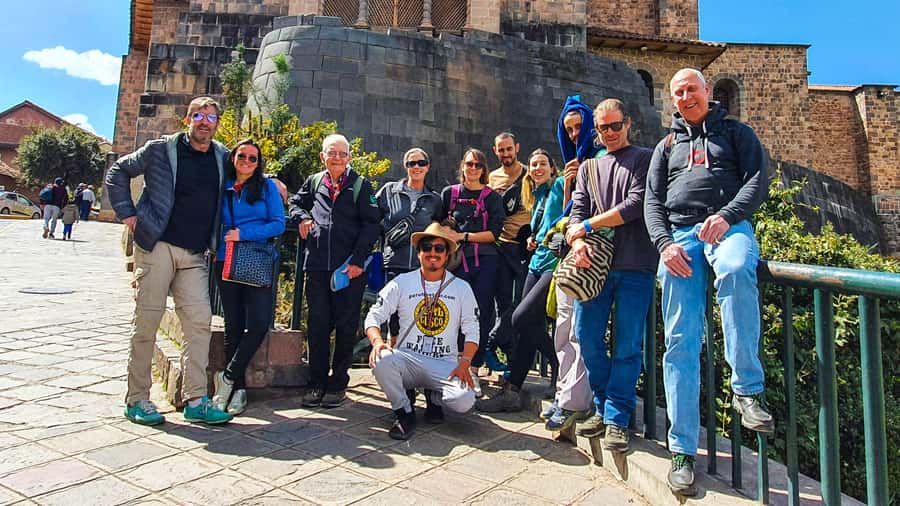
Cusco: Historic Walking Tour with Pisco Sour and Music Show
Cusco’s past comes at you quickly on this two-hour walk: Spanish churches, Inca stonework, hillside lanes, Andean music, and a final pisco sour all fit into one compact outing. The route begins in the Plaza de Armas and moves through the city center to San Blas, giving you a useful first look at Cusco before you tackle bigger day trips.
I like the small groups of up to 10, since the guide can answer questions and keep the walk moving at Cusco’s high altitude. I also like the mix of famous stops and local details, especially the luthier’s workshop, 7 Borreguitos Street, and the story of the Andean condor, puma, and snake. The main caution is that the music visit may not always run, and the tour’s $10 price can feel less clear if you are also expected to tip at the end.
Key points to know before you book
- Two hours from the Plaza de Armas: You cover major central sights without giving up half a day.
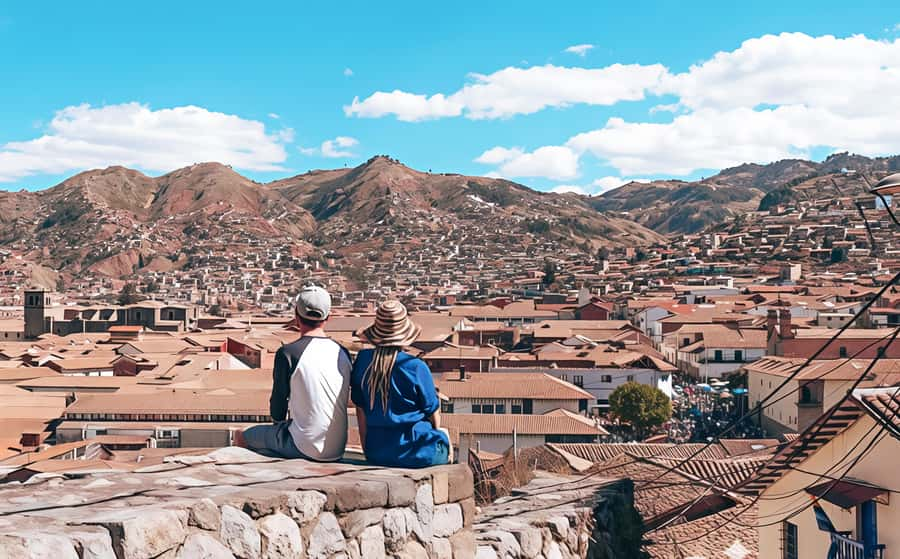
- San Blas adds character: Its sloping lanes, city views, crafts, and old walls give the walk a more local feel than a church-only tour.
- The guides make the difference: Erick, Eric, Nilo, and Niki have been specifically praised for clear explanations, humor, and useful advice.
- A drink finishes the route: Choose a pisco sour or non-alcoholic chicha morada.
- The music stop can change: The Andean show and luthier visit are part of the planned experience, but one recent outing found the music venue closed.
- Expect real walking: The route is not suitable for wheelchair users or people with mobility impairments.
Starting beside the Inca Fountain in Plaza de Armas
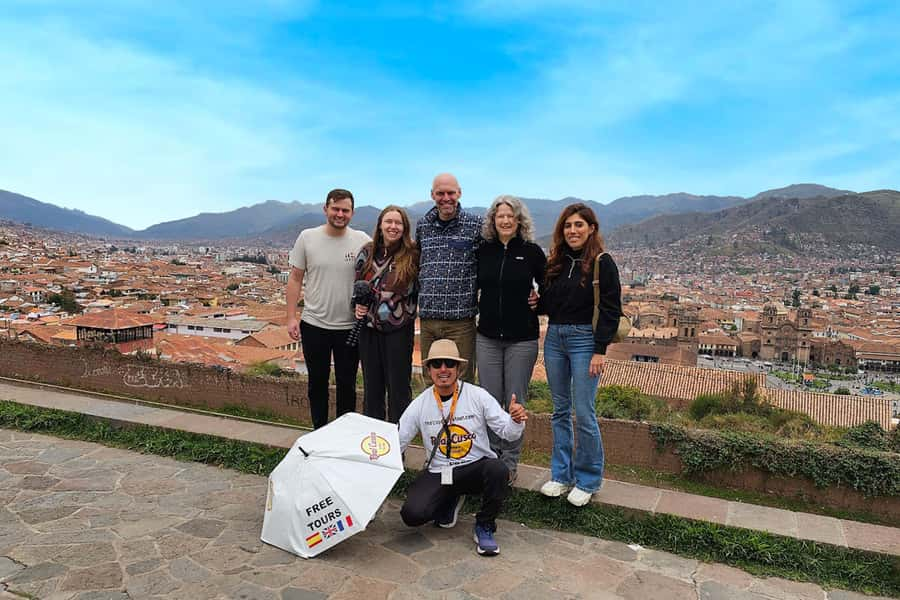
Meet next to the Inca Fountain in Cusco’s Plaza de Armas at the listed coordinates, where your guide will carry a white umbrella. That detail matters. The square is a busy meeting point, so look for the umbrella rather than wandering around asking every guide where to go.
The square is the right place to begin. Cusco’s central plaza brings together the city’s Inca foundations, Spanish colonial buildings, restaurants, arcades, and daily street life. You get an immediate sense of how the city’s layers sit on top of one another.
The bilingual guide speaks English or Spanish, and the group is limited to 10 people. That is a useful size for a city walk. You can hear the commentary without standing at the back of a crowd, and stopping for questions should be easier.
This is also a good first activity after arriving in Cusco. One guide, Erick, has been praised for mixing historical information with practical tips for exploring the city. Another guide, Nilo, has been singled out for keeping the group in good spirits while explaining the city. Those personal touches matter when you are still adjusting to Cusco’s altitude and busy streets.
More Walking Tours in Cusco
- Walking Culinary Experience
★ 5.0 · 41 reviews - Cusco: Walking Tour Cusco
★ 3.4 · 6 reviews - Cusco: Walking Tour with a Local Guide
★ 4.3 · 5 reviews
Cathedral, Company of Jesus, and the Spanish layer
The first part of the route introduces the most visible side of central Cusco. You see the Cathedral and the Company of Jesus, two major buildings facing the Plaza de Armas, while your guide explains their place in the city’s colonial story.
The tour does not include museum entry, so you should think of this section as an outside introduction rather than a full church visit. That keeps the walk affordable and moving, but it also means you will not spend time studying interior art or collections unless you return on your own.
I find this a sensible choice for a short orientation tour. You see the buildings, learn why they matter, and save your time and entrance fees for sites you may want to explore in more depth later. If your main goal is detailed colonial art, this walk alone will not be enough.
The guide’s commentary is especially useful here because Cusco can look like a jumble of stone, plaster, balconies, and traffic at first glance. A good explanation helps you understand how the Spanish city was built over the earlier Inca capital. The strongest guides on this route, including Erick and Niki, have been praised for making that information easy to follow rather than turning it into a lecture.
Qoricancha, the Sun Temple, and Inca stonework
The route continues to Qoricancha, the famous Sun Temple. This is one of the most important stops because it brings the Inca side of Cusco into focus after the colonial buildings in the plaza.
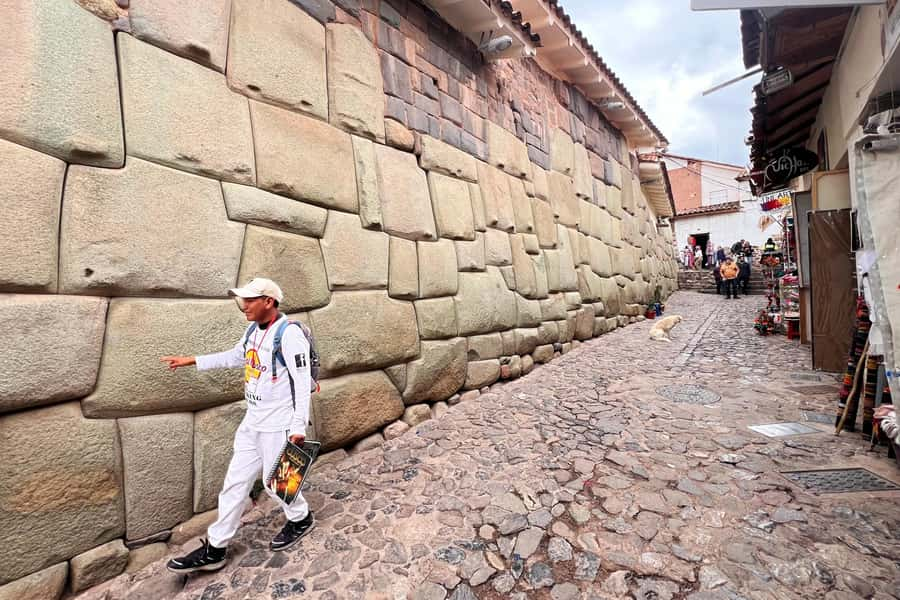
The walk also points out the city’s famous 12 and 13 angled stones. These stones are more than good photo stops. They show how carefully Inca builders shaped and fitted masonry without modern mortar. Your guide can help you notice the tight joints and unusual angles, details you could easily pass without understanding.
You also hear about the Andean Trilogy: the condor, puma, and snake. These animals represent important ideas in Andean thought and appear in the shapes and symbols of Inca walls. The guide identifies the silhouettes carved into the wall and explains what to look for, turning an ordinary-looking stretch of stone into a meaningful stop.
The pace here is one of the tour’s strengths. You get cultural context without being held in one place for too long. Still, remember that two hours is short. The commentary gives you an introduction, not a full study of Inca religion, architecture, or colonial history.
San Blas, steep lanes, and a better view of Cusco
From the center, the route heads toward San Blas. This neighborhood is known for its picturesque streets and hilltop setting, but the walk is not flat. You should wear sturdy shoes and expect slopes, uneven paving, and some effort at altitude.
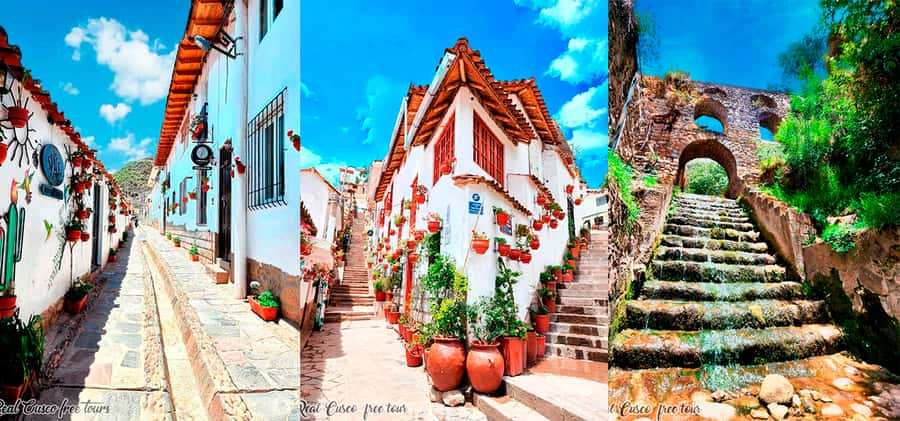
San Blas changes the feel of the tour. The grand buildings around the plaza give way to narrower lanes, old walls, balconies, workshops, and views across the city. I like this shift because you see how Cusco works as a living neighborhood, not only as a collection of famous monuments.
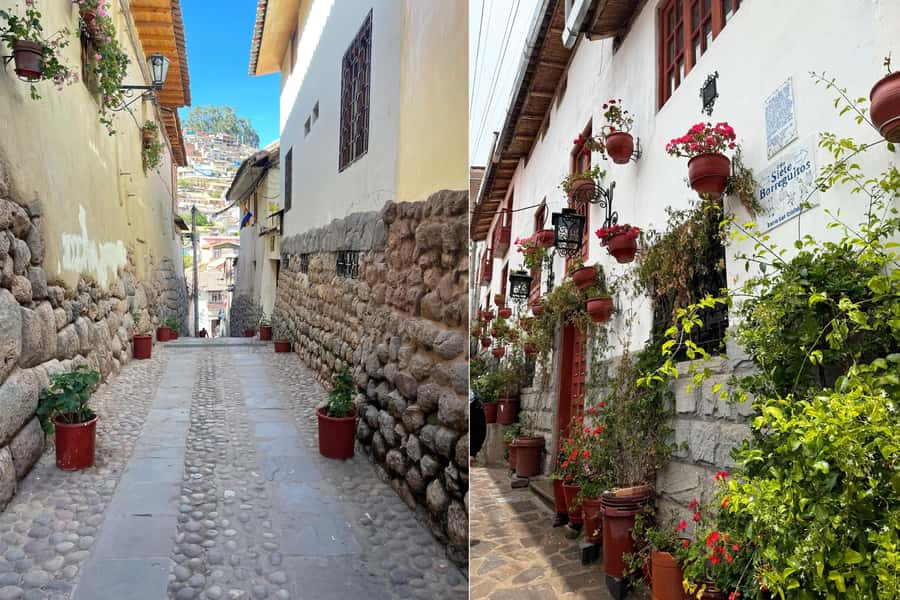
The route includes the city’s most beautiful balcony, according to the tour description, and a stop on 7 Borreguitos Street. The latter is presented as the most picturesque street in Cusco, making it a natural place for photographs. A recent outing also included a sunset viewpoint that was described as especially attractive, though the exact light and view will depend on the start time.
That timing is worth checking before you reserve. The activity lasts two hours, but available starting times vary. If you care about sunset photographs, choose a late departure when available. If you are still adjusting to the altitude, a daylight start may be easier.
San Blas is also where the route feels less like a checklist. You have time to look at doors, stonework, narrow lanes, and the way the neighborhood climbs the hillside. The walk still moves at a tour pace, so do not expect a long free period for shopping or sitting in a café.
More Pisco Tastings in Cusco:
- Cusco by Night: Planetarium Cusco, Dinner, and Pisco Sour
★ 5.0 · 75 reviews - Pisco Sour Secrets: Hands-On Mixology in Historic Cusco
★ 4.5 · 50 reviews - Cusco: Planetarium and Night Tour with Dinner and Pisco Sour
★ 4.9 · 9 reviews - Cusco: Legends and History Night Tour with Pisco Sour
★ 5.0 · 9 reviews
The luthier’s workshop and Andean music
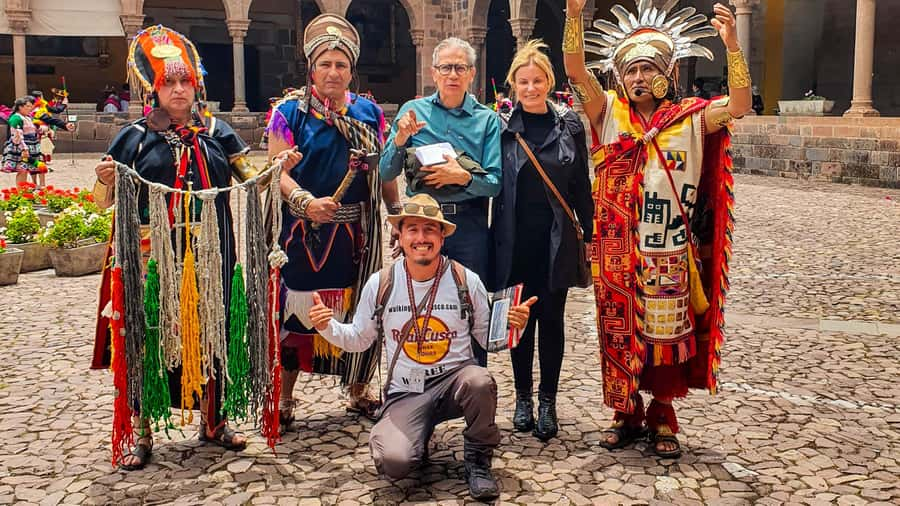
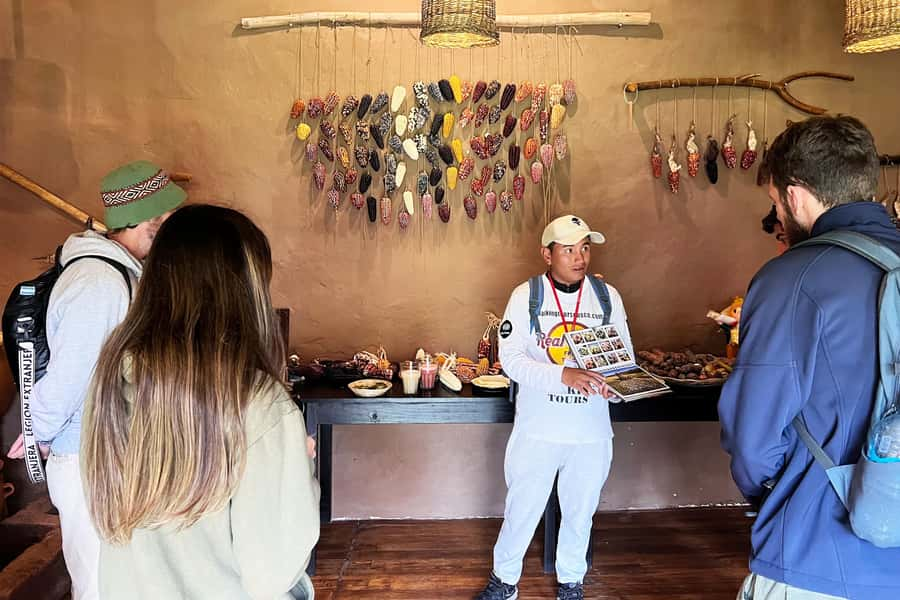
A visit to a luthier’s workshop adds a useful human detail to the route. A luthier makes and repairs stringed instruments, and this stop connects Cusco’s music traditions with the hands-on work behind them.
You then take in an Andean music show. This is one of the more distinctive parts of the experience because it breaks up the historical walking with live sound and local craft. It also gives the tour a stronger connection to present-day culture rather than keeping every stop focused on the Inca and colonial past.
Keep your expectations flexible. One recent outing found the music vendor closed, even though the walk itself continued and the guide suggested a local dance show for later. That is a real drawback if the performance is the main reason you choose this particular tour.
The guide may adjust the route or offer a substitute, but no replacement is guaranteed by the information provided. If you are set on seeing Andean music, ask about the performance when you meet the guide. If you are happy with a broader city walk, the workshop and the neighborhood views still give the stop value.
The Temple of Manco Capac and the final drink
The final historical stop is the Temple of the First Inca Ruler, Manco Capac. This part of the route adds a figure from the earliest Inca story to the better-known sights in central Cusco.
The visit helps round out the tour’s timeline. You begin with the colonial plaza, move back to Inca building and symbolism, then finish with an early Inca ruler. The result is a quick introduction to several periods of Cusco’s past.
The tour ends with a choice of a pisco sour or chicha morada. Pisco sour is Peru’s national cocktail, usually associated with pisco, citrus, sweetener, egg white, and bitters. Chicha morada is a non-alcoholic purple corn drink and a good choice if you do not drink alcohol or simply want something different.
The drink is not a full meal, but it gives the walk a pleasant finish. The final restaurant has been described as a cute place for a toast, and the drink also provides a chance to ask last questions before going your own way.
If you choose the pisco sour, pace yourself. You are still at altitude, and this is a tasting rather than a reason to start an afternoon of heavy drinking. Chicha morada lets you take part in the final ritual without alcohol.
What the $10 price really means
At $10 per person, this is an inexpensive way to cover several central Cusco sights with a guide. The value is strongest if you are arriving in the city and want a quick orientation before visiting museums, markets, or larger archaeological sites on your own.
You receive the bilingual guide, the luthier visit, the planned music experience, and one drink. Museum entry is not included, which keeps the base cost down but means you may pay separately if you want to go inside certain sites.
There is one pricing point you should understand before booking. One participant described the activity as a free walking tour where the online payment effectively pre-pays an expected tip, with another tip still requested at the end. Another participant gave similar advice about joining directly in the main square and tipping afterward.
The supplied information lists a $10 price, so treat that as the booking cost. Still, ask the guide at the start how gratuity works. That simple question prevents an awkward surprise and lets you compare the total cost with other walking tours.
The booking terms are flexible: you can cancel up to 24 hours before the activity for a full refund, and you can reserve now and pay later. Those terms are useful if your Cusco plans depend on altitude, weather, or the timing of a train trip.
Pace, altitude, and practical comfort
The walk lasts two hours, but Cusco’s elevation makes two hours feel different from a flat city stroll. San Blas includes slopes, and the route covers streets rather than moving between sights by vehicle.
Wear shoes with a firm grip. Bring water, sun protection, and a light layer, though the activity details do not specify what weather to expect. The most important practical choice is to avoid treating this as a relaxed, level promenade.
The tour is not suitable for people with mobility impairments or wheelchair users. It is also not suitable for babies under one year, people over 95, or people with hearing impairments. Those limits are stated in the activity information, so consider them seriously before paying.
The small group format helps with conversation, but it does not change the physical nature of the route. You will still need to walk through central streets and manage San Blas’s uneven, sloping sections.
French guiding requires at least four customers for the tour to proceed. The listed operating languages are English and Spanish, so confirm the language and minimum group requirement if French is important to you.
Who gets the most from this Cusco walk
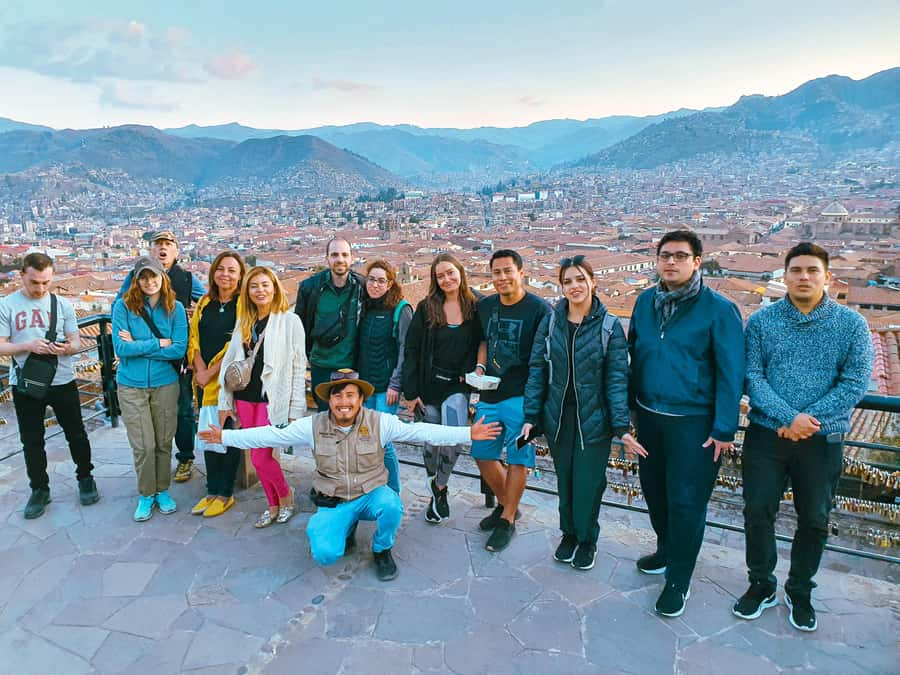
I would choose this tour if you want a short introduction to Cusco’s central sights, especially on your first day. It combines the Plaza de Armas, Qoricancha, Inca stonework, San Blas, a craft workshop, music, a view, and a drink without taking over your schedule.
It also suits you if you like history explained in plain language and prefer a guide who can connect famous places with smaller details. The strongest feedback has focused on the guides’ enthusiasm, clear explanations, humor, and willingness to answer questions. Erick and Eric appear repeatedly in the positive comments, while Nilo and Niki are also named for strong outings.
I would be more cautious if you need a fully accessible route, want extensive indoor sightseeing, or are choosing this mainly for the music show. The performance may be unavailable, and museum admission is not part of the price.
The changing route can work in your favor. One group saw something different from the written plan but felt it covered even more of the city. That flexibility can make the walk feel fresh, though it also means you should not expect every detail to unfold exactly as printed.
Should you book it?
Book this Cusco walking tour if you want a compact, good-value introduction with a small group, an active route, and a mix of major landmarks and local details. The best reasons are the guide-led context, San Blas views, Inca stonework, the luthier visit, and the simple choice of pisco sour or chicha morada at the end.
Skip it if you need wheelchair access, want a slow museum tour, or would be disappointed if the music stop changed. Before you begin, clarify the tipping arrangement and ask if the music visit is operating that day.
For most first-time visitors who can manage the hills, this is a useful way to get your bearings fast. Just think of it as a lively orientation to Cusco, not a complete history course or a substitute for the city’s paid sites.
FAQ
Where does the Cusco walking tour meet?
Meet next to the Inca Fountain in the Plaza de Armas. The guide will be holding a white umbrella. The listed coordinates are -13.516772, -71.9787231.
How long does the tour last?
The walking tour lasts two hours.
What languages are available?
The tour is available with a live guide in English or Spanish. A French guided tour requires at least four customers to proceed.
How large is the group?
The tour is limited to 10 participants.
What landmarks does the route include?
The route includes Cusco’s Main Square, the Cathedral, the Company of Jesus, Qoricancha, the 12 and 13 angled stones, San Blas, 7 Borreguitos Street, and the Temple of Manco Capac.
Is the luthier’s workshop included?
Yes. A visit to a luthier’s workshop is included.
Is the Andean music show guaranteed?
The music show is part of the planned experience, but the activity can change. One recent outing found the music vendor closed, so ask about the performance when you meet the guide.
Is a drink included?
Yes. You can choose between a pisco sour and a non-alcoholic chicha morada.
Are museum tickets included?
No. Entry to museums is not included, though you may choose to visit them separately.
Can I cancel the booking?
Yes. You can cancel up to 24 hours in advance for a full refund. You can also reserve now and pay later.
More Show in Cusco
- Cusco: Folkloric Andean Show & 3-Course Dinner at Tunupa
★ 4.2 · 205 reviews - Lima: Magic Water Circuit Light Show Tour with Pickup
★ 4.9 · 251 reviews - Lima Evening Tour: Magic Water Circuit & Fountain Show
★ 5.0 · 152 reviews - Magic Water & Laser Light Show Including Pickup And Drop-Off
★ 5.0 · 76 reviews
More Historical Tours in Cusco
- Cusco: Historical Guided City Tour with 4 Inca Ruins
★ 4.5 · 99 reviews - Historic/music Cusco FreeWalkingTour “free drink” Group Tour
★ 4.9 · 11 reviews - Cusco: Half-Day Historic City Tour
★ 4.6 · 11 reviews - Lima’s Vibrant Heritage: Exploring the City’s Landmarks Half-day
★ 4.5 · 581 reviews
Just added around Cusco
- Waqrapukara 1 day trekking + meals★ 3.9 · 3 reviews
- Visit to the Cochahuasi Animal Sanctuary with rescued animal★ 4.1 · 4 reviews
- Vinicunca Mountain Tour – Full Day Tour to Rainbow Mountain★ 3.4 · 4 reviews
- Valle Sur Cusco | half day★ 4.3 · 3 reviews
- Trek to Humantay Lake from Cusco★ 4.9 · 8 reviews
- Trek to Choquequirao 4 days★ 3.8 · 4 reviews
- rainbow mountain full day★ 5.0 · 44 reviews
- Tour to the HUMANTAY LAGOON from CUSCO★ 5.0 · 35 reviews
Pisco Tastings, compared.

Cook an Authentic Ceviche And Peruvian Pisco Sour!
Read our review →
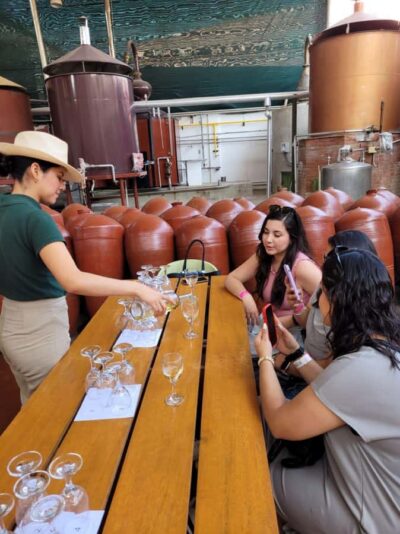
Pisco and Wine Route with tasting in 03 Wineries
Read our review →
Cusco by Night: Planetarium Cusco, Dinner, and Pisco Sour
Read our review →
Amazing Peruvian Cooking Class Ceviche Seafood and Pisco Sour
Read our review →
Ballestas Islands, Huacachina, and Vineyard Tour
Read our review →
Pisco Sour Secrets: Hands-On Mixology in Historic Cusco
Read our review →
Huacachina, Winery, & Nazca Lines from Pisco Airport
Read our review →Browse the lists this tour appears in