
Reviewed · WALKING TOURS
Cusco: Walking Tour with a Local Guide
Cusco reveals itself best on foot, where Inca stonework meets colonial churches and everyday life carries on around the grand Plaza de Armas. This 150-minute walk takes you from the city center through Loreto Street, Qoricancha, Inka Roca Street, and up to San Blas.
I like the low $15 price and the route’s mix of major sights and ordinary streets. I also like that guide Enrique has been praised for setting a comfortable pace and explaining places you might miss alone. The main concern is reliability: one booking received no guide and no reply, so confirm the meeting details before you go.
Key points to know before you book
- A compact route through central Cusco: You’ll cover the Plaza de Armas, Loreto Street, Qoricancha, Cusicancha, Inka Roca Street, and San Blas in two and a half hours.
- A useful blend of Inca and colonial history: The walk links Inca temples and palace remains with Spanish-era buildings, churches, shops, and homes.
- The final stop is uphill San Blas: You finish at the Mirador de San Blas, so comfortable shoes matter.
- Guide Enrique received specific praise: His pace was described as well judged, especially for a walk with several historical stops.
- The price is strong for a guided orientation: At $15 per person, you get a professional guide in English or Spanish without paying for transport.
- Service has not been flawless: One confirmed booking reported that no guide arrived, making a last-minute meeting check sensible.
Why this short Cusco walk works well
Cusco can feel confusing at first. The streets twist, names change from Inca to Spanish, and the most important remains are often tucked into ordinary-looking walls. A local guide gives you a framework before you explore museums, markets, and nearby ruins on your own.
This walk is designed as a city orientation, not a full-day archaeological tour. In 150 minutes, you move through the historic center and finish in San Blas, one of Cusco’s best-known neighborhoods for craft workshops and hillside views. You won’t see every major sight in the city, but you will connect several important ones in a sensible order.
The price is one of the clearest advantages. For $15 per person, you receive a professional guide and a planned route through the center. Food, drinks, hotel pickup, and hotel drop-off are not included, so the cost stays focused on the walking experience itself.
You should think of this as a walking lesson in Cusco rather than a ticket bundle. The value comes from interpretation, direction, and local context. It is especially useful early in your stay, when you want to learn how the city fits together.
More Walking Tours in Cusco
- Cusco: Historic Walking Tour with Pisco Sour and Music Show
★ 4.6 · 65 reviews - Walking Culinary Experience
★ 5.0 · 41 reviews - Cusco: Walking Tour Cusco
★ 3.4 · 6 reviews
Starting at the Plaza de Armas
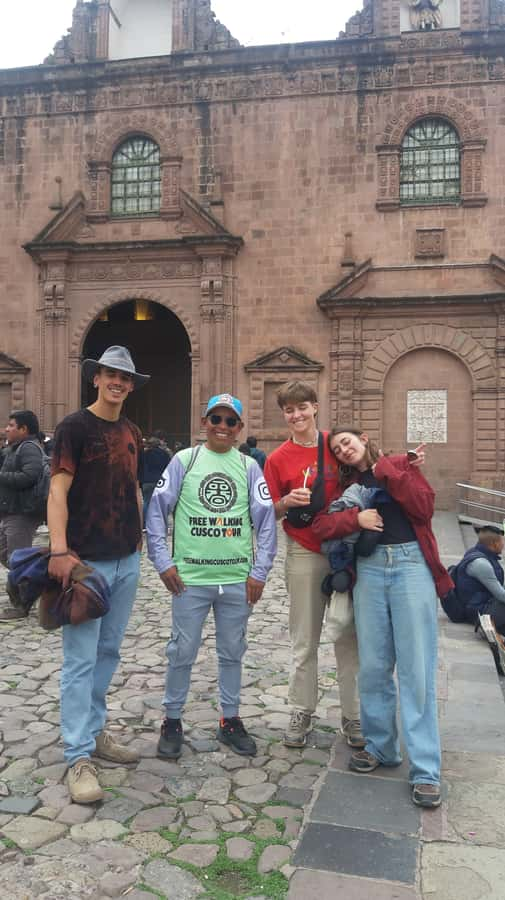
The meeting point is between Calle del Medio and the Plaza de Armas. Look for the guide wearing a green T-shirt. The listed coordinates are -13.5170627, -71.9795113, which can help if your phone map drops you on the wrong side of the square.
The Plaza de Armas is the right place to begin. It has long been the center of Cusco’s public life, and your guide uses the square to explain the city’s past, its colonial buildings, and Inca legends. You can expect the opening discussion to provide the basic story that makes the later streets easier to understand.
This is also a practical first stop because the square is easy to recognize. Still, give yourself enough time to find the exact meeting point. The guide is identified by a green shirt, but the area can be busy with people, traffic, and competing tours.
The plaza is more than a photo stop. Look around at the contrast between the broad open space and the tightly packed streets leading away from it. The tour’s main strength is this connection between grand public places and smaller lanes where the city feels more local.
Loreto Street and the city’s layered walls
From the plaza, the route continues to Loreto Street. Here, you’ll see colonial architecture, local shops, and artisan workshops. The street is valuable because it shows how Cusco’s past remains part of the working city rather than being separated into a single museum zone.
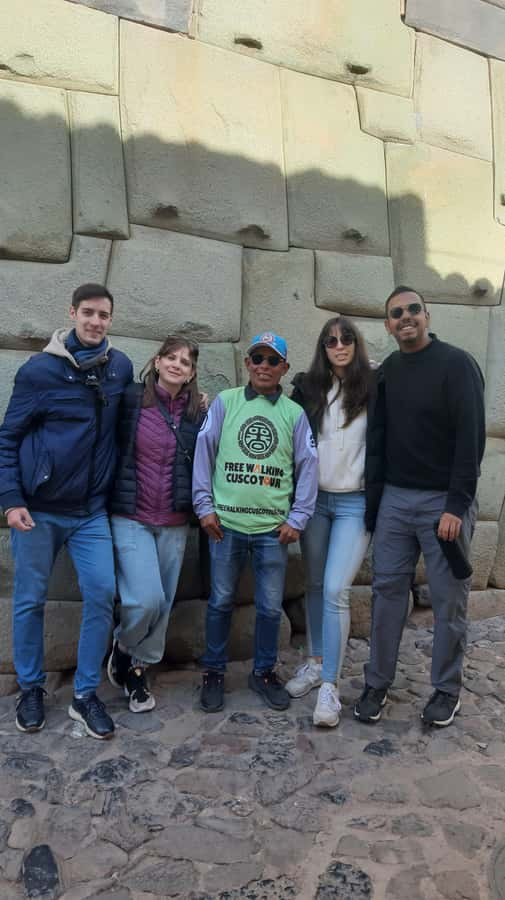
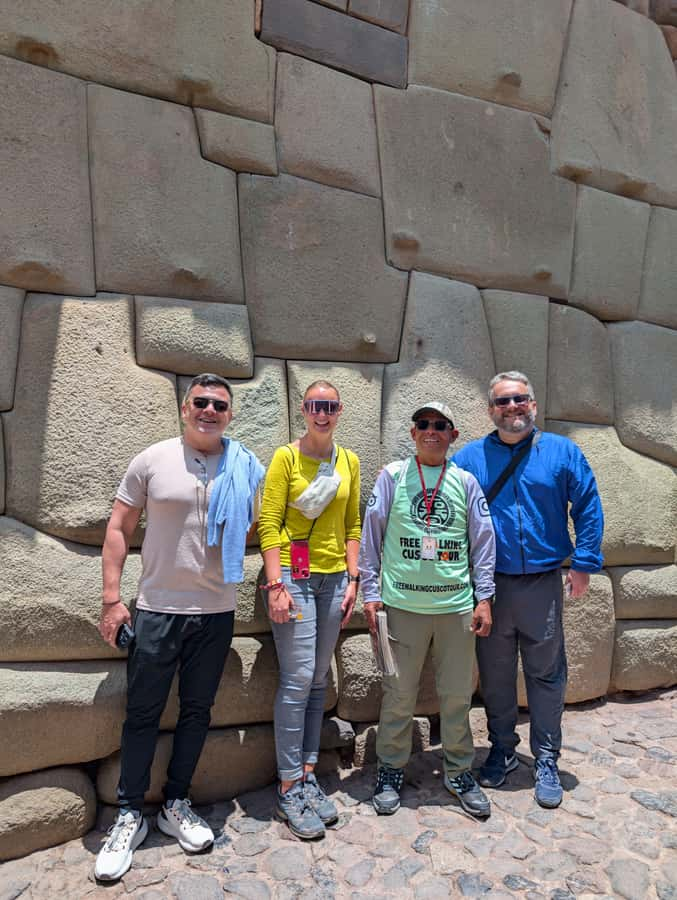
A guide can point out details you might otherwise pass without noticing. Colonial facades, Inca masonry, and small businesses share the same compact area. The appeal is not just the age of the buildings. It is the way older structures continue to frame daily activity.
This section should appeal to you if you like street-level travel. Instead of moving directly from one ticketed attraction to another, you walk through a functioning part of central Cusco. The route gives you time to see shopfronts and workshops, though the precise craftspeople or products available can vary.
Do not expect a long shopping session here. The focus is on the street and its design, with artisan activity as part of the setting. If you want to buy crafts, you may need to return later at your own pace.
Qoricancha and the meaning of the Sun
The next major stop is Qoricancha, also called the Temple of the Sun. This is one of the most important points on the walk because it introduces the place of the Sun in Inca culture.
Your guide explains why the Sun mattered so much to the Incas and draws attention to the surviving Inca architecture. The stop helps you read the rest of Cusco. Inca buildings were not random piles of stones. Their construction, religious meaning, and place within the city all mattered.
The tour information says you can skip the ticket line, but it does not state that admission is included in the $15 price. Check the current arrangements when booking so you know if any entrance fee is separate. The walk itself includes the visit, while food and drinks are clearly not part of the price.
Qoricancha can be a strong stop for first-time visitors, but keep your expectations measured. A short walking tour cannot explain every part of the site in detail. Its purpose here is to give you a clear introduction to Inca belief and architecture, not to replace a longer museum visit or a dedicated archaeological tour.
Flash photography is not allowed. Keep your camera settings and behavior respectful inside the site, and follow the guide’s instructions.
Same base, a completely different kind of day:
- Cusco: Humantay Lake Tour with Breakfast and Buffet Lunch
★ 4.9 · 2,976 reviews - Cusco: Half-Day City Tour with Sacsayhuaman and Q’enco
★ 4.6 · 1,129 reviews - From Cusco: Vinicunca Rainbow Mountain ATV Tour with Meals
★ 4.6 · 1,060 reviews - City Tour Cusco Qoricancha Sacsayhuaman y Tambomachay
★ 4.7 · 617 reviews
Cusicancha and the transition from palace to church
The route then reaches the Inka Palace Cusicancha, described as an Inca palace and temple that is now a church. This stop adds another layer to the story of Cusco: important Inca spaces were later used and reshaped under Spanish rule.
That change is one of the most useful themes in the city. You are not looking at a perfectly preserved Inca town or a completely Spanish colonial center. You are seeing different eras occupying the same streets and structures.
The short stop at Cusicancha works well beside Qoricancha. Qoricancha introduces the religious importance of the Sun, while Cusicancha shows how Inca places continued into a later period. Together, they give the walk more depth than a simple list of photo stops.
The available information does not specify how long you spend inside or whether an additional entrance ticket is needed. Ask your guide or the provider if that detail affects your plans. The tour is not built around long interior visits, so anyone wanting extensive time at each site should consider a separate visit.
Inka Roca Street and everyday Cusco
Next comes Inka Roca Street, with its narrow cobblestones, colonial houses, and local life. This is where the route shifts from formal landmarks to the texture of the city.
Narrow streets are part of Cusco’s character, but they also make the walk physically demanding. You’ll be walking on uneven cobblestones and gradually heading toward San Blas. A moderate level of fitness is required, and comfortable shoes are not optional advice here.
I like this portion because it gives you a break from monument-by-monument sightseeing. You can see how people use the old center as a living place, not just as a backdrop for photographs. The guide’s comments about local life and the street’s history help connect the buildings to the people who use them.
The route is not wheelchair accessible and is not suitable for people with mobility impairments. That is due to the amount of walking, the cobblestones, and the route toward the higher San Blas area. If your mobility is limited, this is not the right city tour.
San Blas, workshops, and the final viewpoint
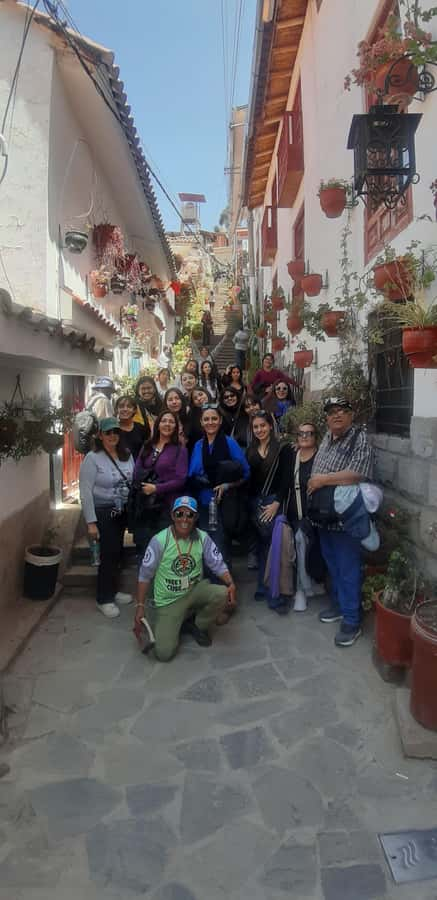
The walk finishes in San Blas, a neighborhood known here for artisan workshops, colonial churches, and the daily life of Cusqueños. You end at the Mirador de San Blas, giving the route a clear finish rather than leaving you back in the center without direction.
San Blas is a good final stop because it feels different from the Plaza de Armas. The route gradually moves you away from the city’s formal center and into a neighborhood setting. Artisan work and local streets become the focus, while the viewpoint gives you a chance to look back across the city.
The walk uphill is the part to take seriously. Bring water, wear shoes with a good grip, and expect a moderate amount of walking. Cusco’s high-altitude setting is not discussed in the tour details, so I would not assume the guide will adjust the route for every fitness level. Tell the guide early if you need a slower pace.
The final viewpoint may be brief, but it gives the tour a satisfying visual close. If you are staying in San Blas, you can continue exploring from there. If you need to return to the Plaza de Armas, plan your own way back because drop-off is not included.
Guide quality and the practical service concern
The guide can make or break a short city walk. One confirmed booking specifically praised Enrique for an excellent pace and for showing sights the group would not have found alone. That is exactly what you want on a route through small streets and layered historical sites.
The tour is offered in English and Spanish. If language matters to you, select the right option when booking and confirm it before departure. The guide is described as professional, but individual guide names are not guaranteed. Enrique is the guide name associated with the positive experience, not a promise that he will lead every departure.
There is also a serious service warning. One confirmed booking reported that no guide arrived and that messages received no response. The person joined another free group in the plaza instead. A single poor experience does not tell you how every departure will operate, but it is enough reason to check your confirmation, arrive at the meeting point early, and look for the green shirt.
The activity offers free cancellation up to 24 hours before departure and a reserve-now, pay-later option. Those terms make planning easier, especially if your Cusco schedule may change. Still, flexibility does not remove the need to verify the meeting arrangements.
What to bring for 150 minutes on foot
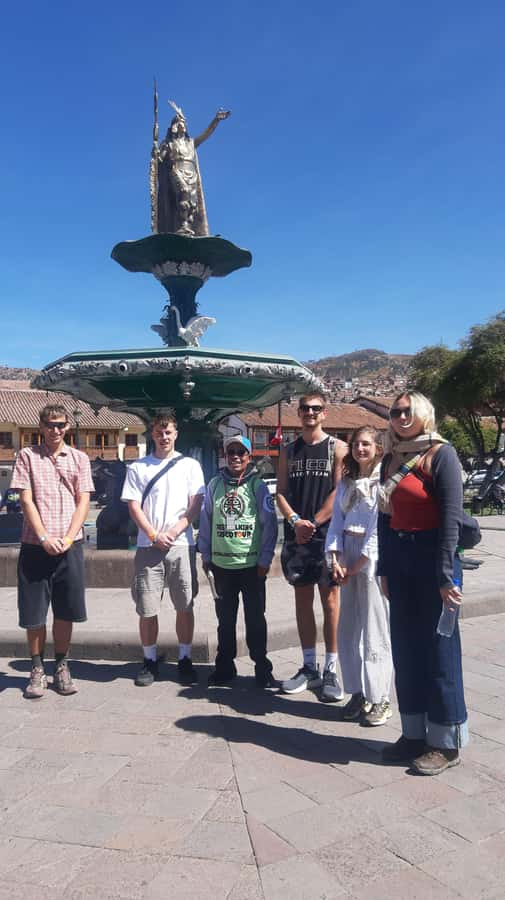
Pack lightly, but bring the basics. You’ll want:
- Comfortable walking shoes for cobblestones and the uphill route
- A hat for sun protection
- Sunscreen
- Water
Smoking and flash photography are not allowed. Keep your hands free where possible, since you may need balance on uneven streets and you’ll want to listen without constantly managing a bag or phone.
The tour does not include food or drinks. Two and a half hours is long enough that water matters, especially if you are still adjusting to Cusco. Plan any meal or snack separately rather than expecting a stop built into the route.
There is no pickup or drop-off. You meet in the center and finish at the Mirador de San Blas, so the activity is easiest if you are already staying or sightseeing near central Cusco.
Who will get the most from this walk
I would choose this tour if you want a short introduction to Cusco’s central sights and prefer explanations to simply following a map. It suits first-time visitors, couples, solo visitors, and anyone who wants to understand the city before exploring it independently.
It is also a good fit if you enjoy a mix of major landmarks and ordinary streets. The Plaza de Armas and Qoricancha give you the headline sights, while Loreto Street, Inka Roca Street, and San Blas show how the historic center functions day to day.
You may want something else if you dislike walking uphill, need step-free access, or want long visits inside each monument. This is not a transport-based tour, an extended museum visit, or a full archaeological survey.
The $15 price makes it easy to pair with other Cusco activities. You can use this walk to get your bearings, then return to Qoricancha or explore San Blas in greater detail later. The strongest value comes from the guide’s local explanations and route planning, not from included admissions or meals.
Should you book the Cusco walking tour?
Book it if you want an affordable, compact introduction to Cusco with a local guide, especially early in your stay. The route covers the Plaza de Armas, Inca religious sites, colonial streets, Inka Roca Street, and San Blas, giving you a useful overview in 150 minutes.
I would book with two precautions: confirm the departure and guide details, and arrive at the green-shirt meeting point early. Enrique’s praised pacing shows how good this walk can be, while the missed booking shows why a little caution is sensible.
For most able-bodied visitors who enjoy city walks, the price is attractive and the route is well chosen. For anyone with mobility limits or a need for guaranteed service, look for a more accessible and firmly scheduled option.
FAQ
How long does the Cusco walking tour last?
The tour lasts 150 minutes, or two and a half hours.
Where does the tour meet?
Meet between Calle del Medio and the Plaza de Armas in Cusco. Look for a guide wearing a green T-shirt. The listed coordinates are -13.5170627, -71.9795113.
Where does the tour finish?
The walk finishes at the Mirador de San Blas.
Which languages are available?
The live guide is available in English or Spanish.
Is the tour suitable for wheelchair users?
No. The tour is not wheelchair accessible and is not suitable for people with mobility impairments. A moderate level of fitness is required.
What should I bring?
Bring comfortable shoes, a hat, sunscreen, and water. Smoking and flash photography are not allowed.
Just added around Cusco
- Waqrapukara 1 day trekking + meals★ 3.9 · 3 reviews
- Visit to the Cochahuasi Animal Sanctuary with rescued animal★ 4.1 · 4 reviews
- Vinicunca Mountain Tour – Full Day Tour to Rainbow Mountain★ 3.4 · 4 reviews
- Valle Sur Cusco | half day★ 4.3 · 3 reviews
- Trek to Humantay Lake from Cusco★ 4.9 · 8 reviews
- Trek to Choquequirao 4 days★ 3.8 · 4 reviews
- rainbow mountain full day★ 5.0 · 44 reviews
- Tour to the HUMANTAY LAGOON from CUSCO★ 5.0 · 35 reviews
Walking Tours, compared.
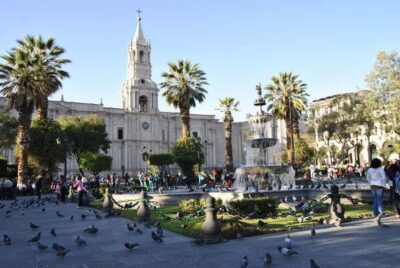
Walking tour in the Historic Center of Arequipa
Read our review →
Miraflores Trending Flavors Half-Day Walking Tour
Read our review →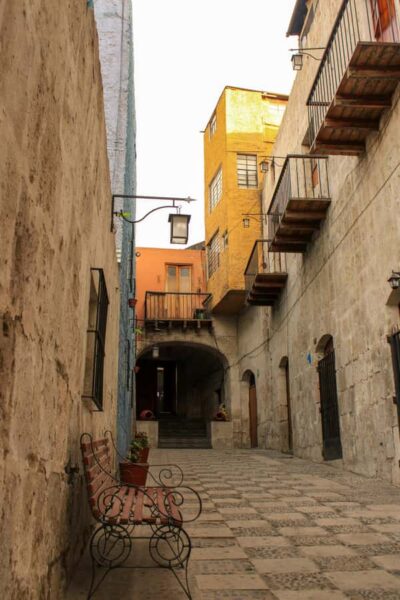
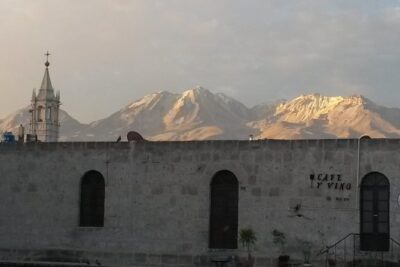
Arequipa Walking Tour city center and drinks experience
Read our review →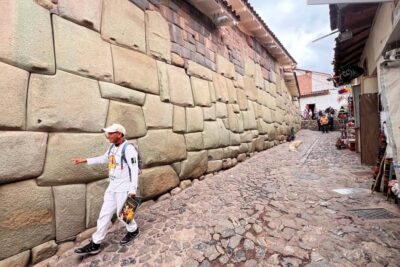
Historic Walking Tour with Pisco Sour and Music Show
Read our review →
Trending Flavors: Miraflores Walking Tour Including Food and Drinks Tasting
Read our review →
City Tour by Panoramic Bus – Walking & Catacombs
Read our review →Browse the lists this tour appears in