
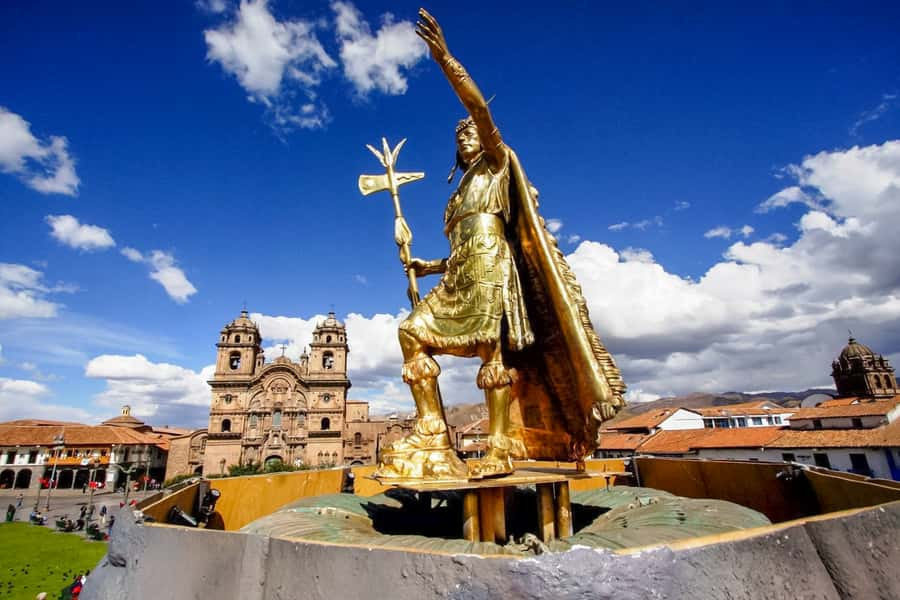
Reviewed · CITY TOURS
Cusco: City and Nearby Ruins 5-Hour Guided Tour
Cusco’s finest Inca sites are spread across the city and its northern hills, and this five-hour tour links them in one afternoon. You’ll see Coricancha, the Cathedral, Sacsayhuaman, Qenqo, Tambomachay, and Puka Pukara without having to arrange several taxis or work out the route yourself.
I like the strong mix of city sights and ruins, especially the chance to compare Spanish colonial buildings with the Inca foundations below them. I also like the small-group format, English and Spanish guide options, and the $22 price before admission fees. The main concern is time: an optional alpaca textile shop has taken up to 45 minutes on some departures, leaving the final ruins in fading light.
Key points to know before booking
- Six major stops in five hours: You’ll cover Coricancha, the Cathedral, Sacsayhuaman, Qenqo, Tambomachay, and Puka Pukara.
- Sacsayhuaman is the visual high point: Massive stones, some said to weigh up to 180 tons, fit together with remarkable precision.
- Qenqo offers something different: Its carved rock and underground passages make it less predictable than a standard ruin visit.
- Admissions cost extra: The tour price covers the professional guide and transportation, not entry tickets.
- Keep an eye on the schedule: A textile shop stop can cut into time at the last two archaeological sites.
- A guide can make the difference: One guide named Peto received especially strong praise for his clear, lively explanations of Cusco and Inca culture.
Why this five-hour route works in Cusco
Cusco is compact in its historic center, but the major ruins north of town are spread over steep ground. This tour handles the awkward part for you: two central stops are reached on foot, then a small vehicle carries you to the outlying sites.
That makes the tour useful early in your stay. You get a broad sense of Cusco’s story in one outing, from Inca ceremony to Spanish colonial power, then from royal stonework to water channels and military lookout points.
The afternoon start also has a practical advantage. The itinerary includes the Cathedral on this departure, while the tour information notes that the Cathedral is not included on the morning tour. If seeing the interior matters to you, confirm that you are booking the afternoon schedule.
At $22 per person, the price is low for five hours of guiding and transport. You still need to pay admission fees, so the final cost will be higher. Even so, I see this as a useful orientation tour rather than a complete archaeological visit. You’ll see many places, but each stop receives a limited amount of time.
More City Tours in Cusco
- Cusco: Half-Day City Tour with Sacsayhuaman and Q’enco
★ 4.6 · 1,129 reviews - City Tour Cusco Qoricancha Sacsayhuaman y Tambomachay
★ 4.7 · 617 reviews - Cusco: Sightseeing Tour of the City on an Open-Top Bus
★ 4.0 · 481 reviews
Coricancha, where Inca ceremony meets colonial Cusco
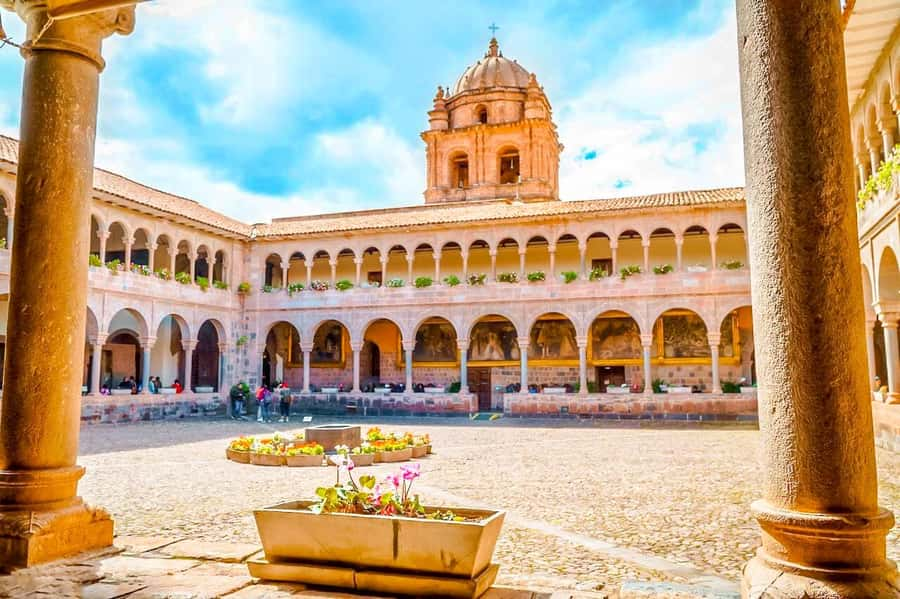
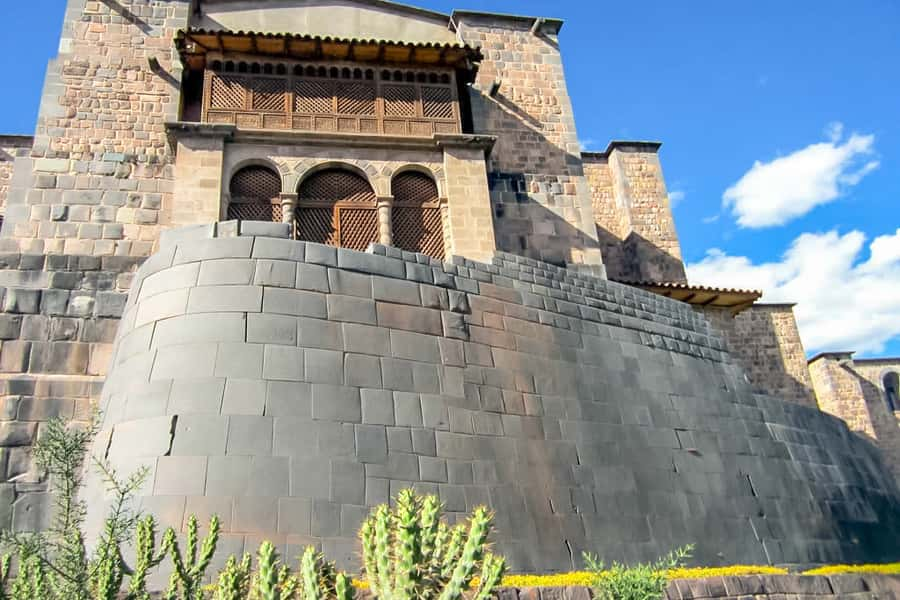
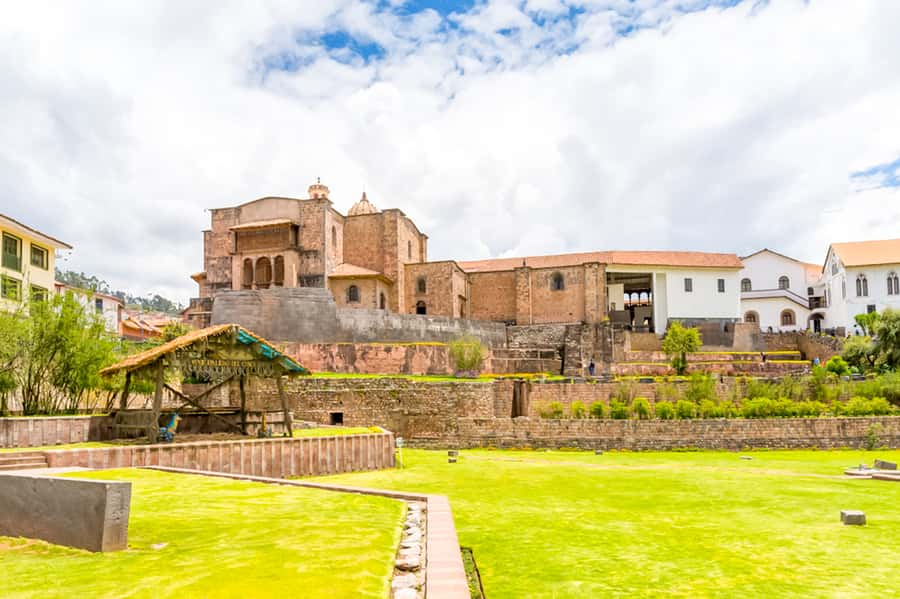
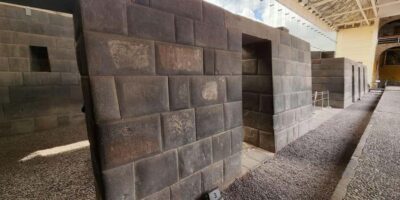
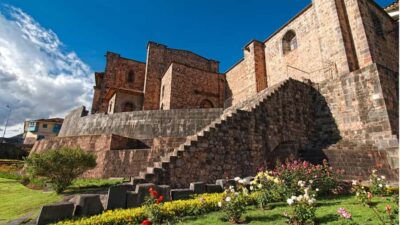
Your first stop is Coricancha, the Inca Sun Temple. This was a major ceremonial complex during the height of Inca power, and it gives you an immediate lesson in how Cusco changed after the Spanish conquest.
The site matters because it is not simply an Inca ruin separated from the modern city. It sits within the historic fabric of Cusco, where older Inca construction and later Spanish building share the same space. Your guide helps explain what the temple was used for and how its position fit into the wider Inca capital.
I would pay close attention to the stonework here. The Inca built with carefully shaped blocks, and the contrast between the clean, tight masonry and later construction helps you read the city with sharper eyes. You do not need to be an archaeology enthusiast to appreciate the skill involved.
Coricancha is also a good place to begin because it introduces the central ideas that return throughout the day: religion, power, engineering, and the way Spanish buildings were placed over Inca foundations. The stop is more useful with a guide than on your own, since much of its importance is historical rather than immediately obvious.
Plaza de Armas and the Cathedral interior
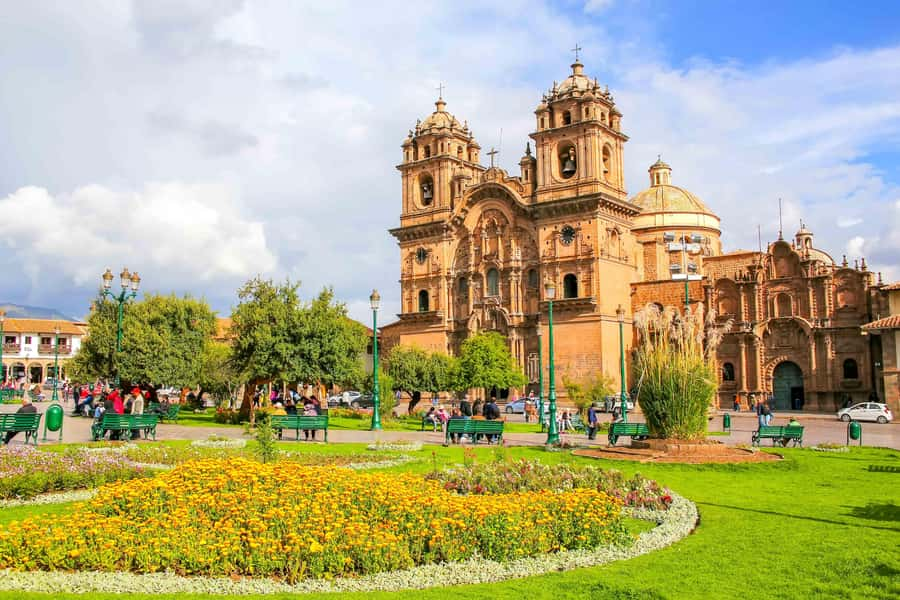
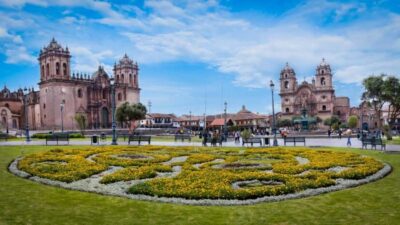
From Coricancha, the tour continues to the Plaza de Armas, Cusco’s main square. This is the city’s grand colonial center, and the Cathedral occupies a key place along its edge.
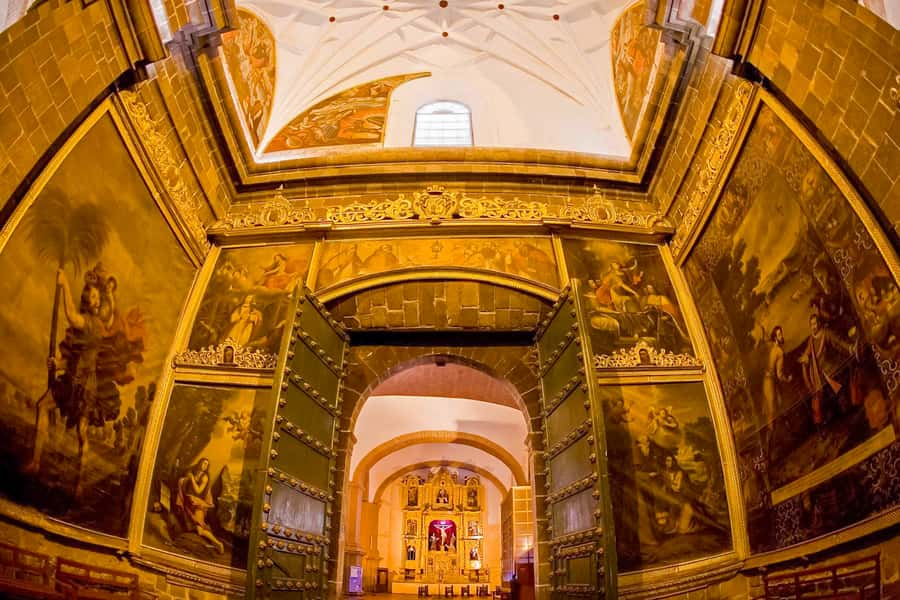
The Cathedral visit gives you a clear look at how Spanish religious power was established in the former Inca capital. Your guide explains that the building was constructed over Inca structures, a detail that makes the square more than a pretty colonial setting. The architecture reflects a new order placed directly on top of the old one.
Inside, expect a more detailed visit than a quick exterior photo stop. One particularly positive account praised the Cathedral’s interior and the guide’s explanation of Cusco’s past. That makes this part worth protecting in your schedule.
There is an important timing note. The information for the tour says the Cathedral is not part of the morning departure, but the afternoon itinerary includes it. Since the experience begins in the early afternoon, check the exact starting time when you book if the interior is a priority.
The central stops are reached on foot, so wear shoes that you can use comfortably on Cusco’s streets. The tour does not promise a slow-paced walking tour, and the full route has a lot to fit into five hours.
Sacsayhuaman and the giant fitted stones
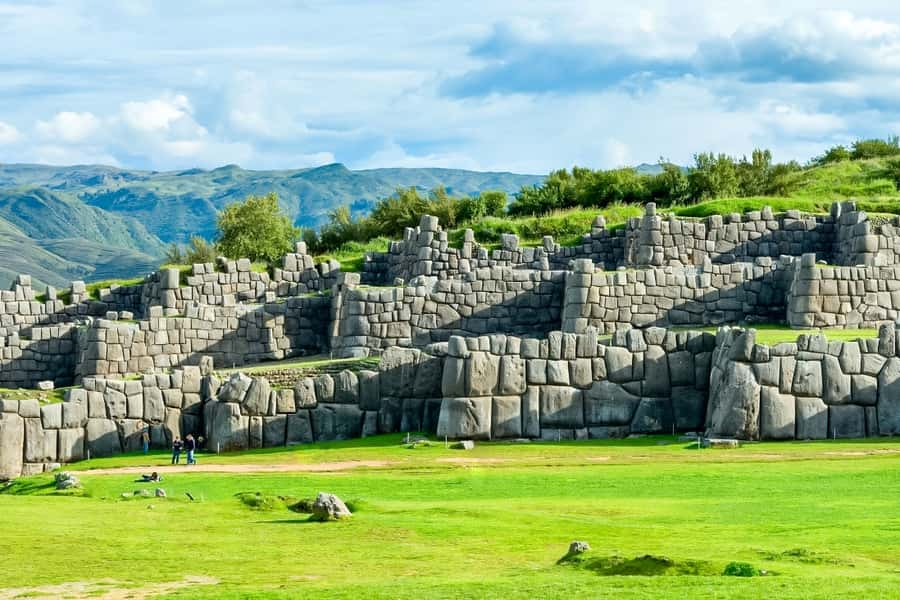
After the central sights, you’ll ride toward Cusco’s northern outskirts to Sacsayhuaman. For many people, this is the most striking stop of the day.
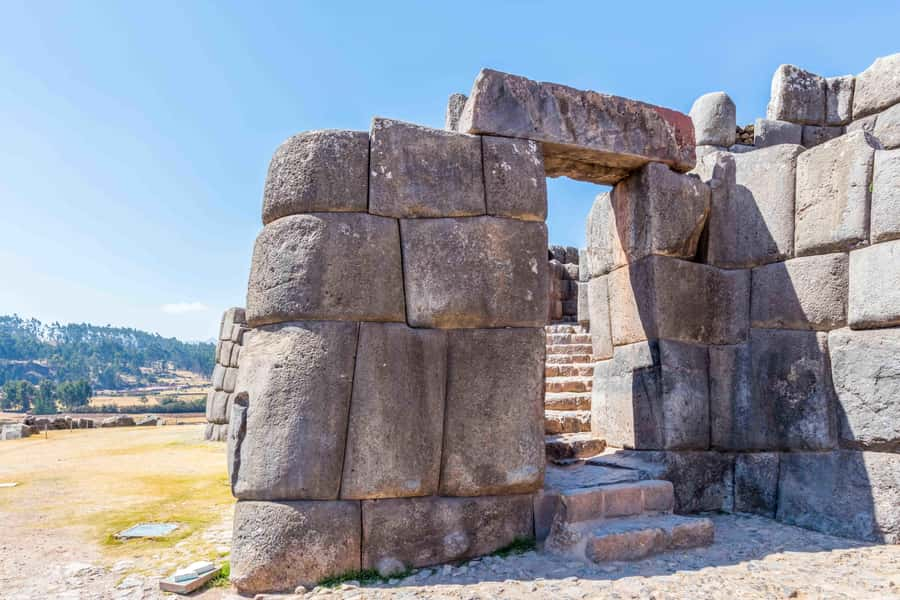
The enormous Inca walls are built from massive rocks fitted together with unusual precision. The largest stones are described as weighing up to 180 tons. You pass through openings in the walls and get a direct sense of the scale of the construction.
This is where a good guide earns the fee. A wall can look impressive in a photograph, but the explanation helps you understand why the stonework matters. The blocks are not merely large. They were shaped and placed so closely that the joins appear carefully sealed.
You should expect a short, focused visit rather than hours to roam. The tour has five other sites to cover, and transport between the locations takes part of the available time. Still, Sacsayhuaman deserves your full attention while you are there. Look at the changing angles of the stones, the scale of the walls, and the way the complex occupies the high ground above Cusco.
The high location also means the site feels different from Coricancha and the Plaza de Armas. You move from the crowded historic center to a broad archaeological setting with a stronger sense of military and ceremonial power.
Same base, a completely different kind of day:
- Cusco: Humantay Lake Tour with Breakfast and Buffet Lunch
★ 4.9 · 2,976 reviews - From Cusco: Vinicunca Rainbow Mountain ATV Tour with Meals
★ 4.6 · 1,060 reviews - From Cusco: Excursion to Humantay lake from Cusco
★ 4.7 · 514 reviews - Cusco: Peruvian Cooking Class, Cocktails & Local Market Tour
★ 4.9 · 512 reviews
Qenqo and its carved underground passages
The route continues to Qenqo, whose name refers to a zigzag form. This is one of the more unusual stops because the site is not defined by a huge wall or a grand open plaza.
Qenqo has subterranean passages hidden within carved stone. The site is also associated with the possible mummification of the dead, though the description presents this as a likely use rather than a certainty. Your guide can place the passages and carved surfaces in the wider religious practices of the Inca period.
I like this stop because it changes the rhythm of the tour. Sacsayhuaman is about scale and stone engineering. Qenqo asks you to look more closely at shapes, cuts, channels, and enclosed spaces.
The passages may feel tight, and the stop is not ideal if you want a long, leisurely exploration. You’ll have to follow the group’s pace. Even so, the site adds variety and gives you one of the day’s more memorable details: a carefully carved stone interior with spaces below ground.
One English-speaking customer found the tour pace too fast and wanted more explanation. That is a fair warning. If you want long discussions at each ruin, book a private option if available and confirm the language before payment.
Tambomachay, the Inca baths
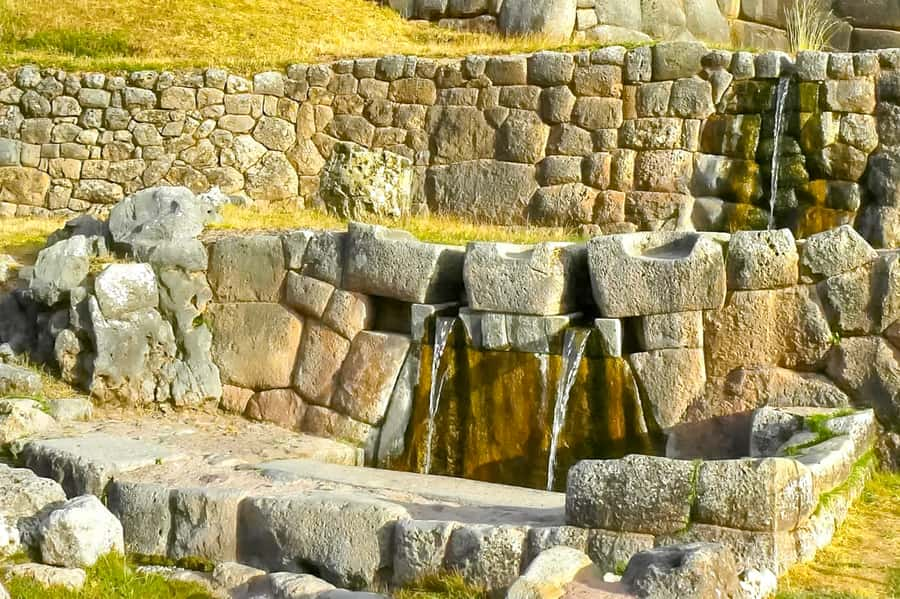
Tambomachay is known for its Inca baths and water features. After the heavy walls at Sacsayhuaman and the carved passages at Qenqo, this stop shifts attention to water management and ceremonial design.
The site shows another side of Inca construction. Rather than focusing on defense or burial practices, it presents water as a carefully controlled and important part of the complex. Your guide explains the purpose of the baths and how they fit into the route through the hills above Cusco.
The stop is included in the same northern circuit as the other ruins, so you do not need to arrange separate transport. That saves time and makes the $22 base price more useful, though the entry fee remains separate.
You may have less time here than you would on a private visit. The tour needs to reach Puka Pukara as well, and the daylight can become an issue if an unscheduled shopping stop runs long.
Puka Pukara and the final lookout
Puka Pukara is described as a military lookout point. Its role gives you another piece of the Inca network, this time focused on watching movement through the surrounding area.
The final stop can be especially atmospheric late in the day, but timing is the catch. One departure spent about 45 minutes at a baby alpaca textile shop before reaching the last two sites. That left Tambomachay and Puka Pukara in twilight or darkness, which reduced the value of both visits.
I would ask your guide about the shopping stop at the beginning. If it is part of your departure, request that it be kept short or moved to the end if possible. The shop may suit you if you want quality baby alpaca clothing, gloves, or other products and would rather avoid poor-quality street goods. If shopping is not your goal, the stop can feel like lost sightseeing time.
Puka Pukara is still worth seeing, but it is not a place where you want to arrive without enough light. The site’s lookout function makes more sense when you can see the surrounding terrain. A tight schedule can turn this into a rushed final photo stop.
Guides, languages, and group size
The tour offers live guiding in English and Spanish, with private and small-group formats available. That choice matters here because the route moves quickly and the sites make more sense when someone explains what you are seeing.
One guide named Peto received especially warm praise for his clear explanations and his enthusiasm for Cusco and Inca culture. You cannot assume he will lead every departure, but his example shows how much the quality of the guiding can shape the experience.
Language should be confirmed carefully. One booking was conducted in Spanish rather than English, and another English-speaking customer found that the guide often translated less because most of the group spoke Spanish. If you are not comfortable following Spanish, confirm the English option before the reservation becomes final.
A private group is likely the better choice if you want to ask many questions, control the time at each ruin, or avoid being rushed through a shopping stop. A small group offers better value, but you will need to accept the group’s pace.
What the $22 price really includes
The $22 price covers a professional guide and transportation. That is a strong starting price for a five-hour route linking central Cusco with several northern ruins.
Entrance fees are not included. You should budget for those separately and buy the required tickets locally, since admission costs are outside the advertised price. The tour information says this can be done at the sites without disrupting the outing.
The value depends on what you want. If you need a broad introduction to Cusco and do not want to organize taxis, this is a practical deal. If you want slow visits, long explanations, and time for photography, the low price comes with a tradeoff: the itinerary is busy.
The activity is non-refundable once confirmed, and tickets cannot be modified or exchanged. I would only book after checking your language, departure time, Cathedral access, and the expected shopping stop.
Who should book this Cusco tour?
I would recommend it to you if you have limited time in Cusco, want the major sights grouped together, and prefer a guide to explain the history as you go. It works especially well as an early introduction before returning to the sites that interest you most.
It also suits you if transportation is a concern. The northern ruins are not all within an easy walk of the Plaza de Armas, and the included vehicle removes much of the planning.
You may want another option if you dislike fixed schedules or shopping stops. The five-hour route is full, and one delayed stop can affect the final ruins. A private departure may solve some of that, but the supplied information does not promise a specific timing policy, so ask first.
Should you book it?
Book this tour if you want good geographic coverage for a low base price, especially with an English or Spanish guide and transport included. Coricancha, the Cathedral, Sacsayhuaman, and Qenqo give you the strongest historical and visual rewards, while Tambomachay and Puka Pukara round out the picture.
I would book it with three checks: confirm the tour is in your language, confirm the afternoon departure includes the Cathedral, and ask whether the alpaca shop is part of your schedule. If those points are clear, this is a useful, efficient way to meet Cusco’s central sights and nearby Inca ruins in one half-day.
FAQ
How long does the Cusco ruins tour last?
The tour lasts five hours and begins in the early afternoon.
What sites are included?
The route includes Coricancha, the Plaza de Armas and Cathedral, Sacsayhuaman, Qenqo, Tambomachay, and Puka Pukara.
Is the Cathedral included?
The afternoon itinerary includes a visit to the Cathedral. The tour information notes that the Cathedral is not included on the morning tour, so confirm your departure time when booking.
Are entrance fees included in the price?
No. The $22 price includes transportation and a professional guide, but entrance fees are not included.
Is transportation provided?
Yes. The tour includes transportation, including a small vehicle for the sites outside central Cusco.
What languages are available?
Live guiding is available in English and Spanish.
Can I book a private tour?
Yes. Private and small-group options are available.
Just added around Cusco
- Waqrapukara 1 day trekking + meals★ 3.9 · 3 reviews
- Visit to the Cochahuasi Animal Sanctuary with rescued animal★ 4.1 · 4 reviews
- Vinicunca Mountain Tour – Full Day Tour to Rainbow Mountain★ 3.4 · 4 reviews
- Valle Sur Cusco | half day★ 4.3 · 3 reviews
- Trek to Humantay Lake from Cusco★ 4.9 · 8 reviews
- Trek to Choquequirao 4 days★ 3.8 · 4 reviews
- rainbow mountain full day★ 5.0 · 44 reviews
- Tour to the HUMANTAY LAGOON from CUSCO★ 5.0 · 35 reviews
City Tours, compared.
Half-Day City Tour with Sacsayhuaman and Q’enco
Read our review →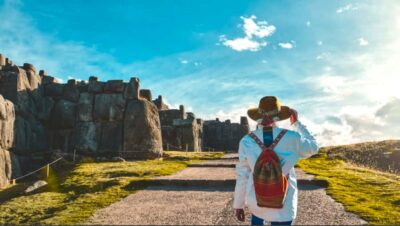
City Tour Cusco Qoricancha Sacsayhuaman y Tambomachay
Read our review →
City Tour | Half-Day Tour to 4 Archaeological Sites
Read our review →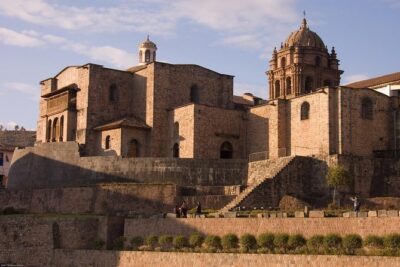
City Tour in Cusco & visit Museum South American Camelid Private.
Read our review →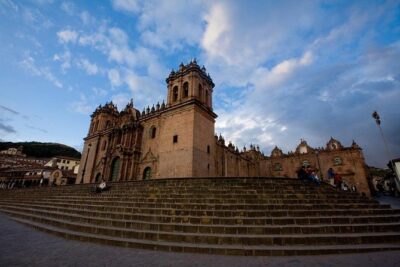
Cusco City Sightseeing, San Pedro Market, Cathedral and Qorikancha Temple
Read our review →
Browse the lists this tour appears in