
Reviewed · CITY TOURS
City Tour in Cusco
Cusco’s best-known sights come in two layers: Inca stonework below and Spanish colonial buildings above. This $20 half-day tour takes you from the Cathedral and Qorikancha in the center to four important sites in the hills, including Sacsayhuaman and Tambomachay.
I like the strong mix of city and countryside landmarks, and I like that round-trip transport, water, and a certified guide are included. The main caution is organization: one booking was not conducted in the requested Portuguese, and the pickup point was unclear. Confirm both details before you set out.
Key points at a glance
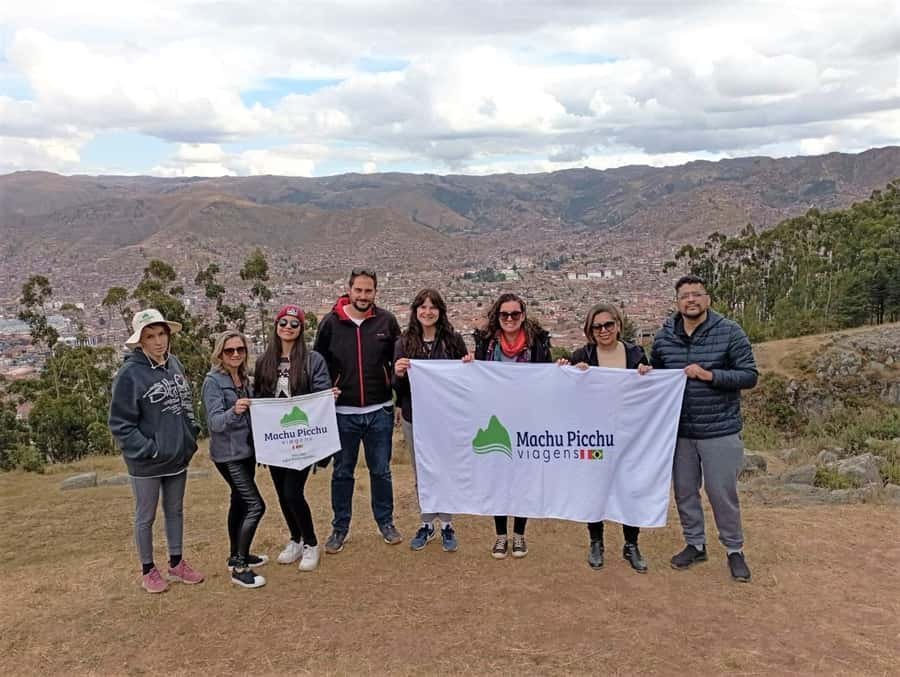
- Two sides of Cusco: See the Inca foundations beneath colonial churches, then visit ceremonial and water sites outside the center.
- Six major stops: Qorikancha, the Cathedral, Sacsayhuaman, Qenqo, Puca Pucara, and Tambomachay fit into four hours.
- A good low-cost introduction: At $20 per person, the tour covers transport and guiding, while entrance tickets remain separate.
- Language matters: English, Spanish, and Portuguese are offered, with one bus assigned to each language.
- Check your meeting point: Pickup is available from most Cusco hotels, but the exact location should be confirmed in advance.
- Guide quality can shape the day: Fernando is described as helpful and polite, even though the language arrangement caused a problem on one booking.
A four-hour route through Cusco’s Inca and Spanish past
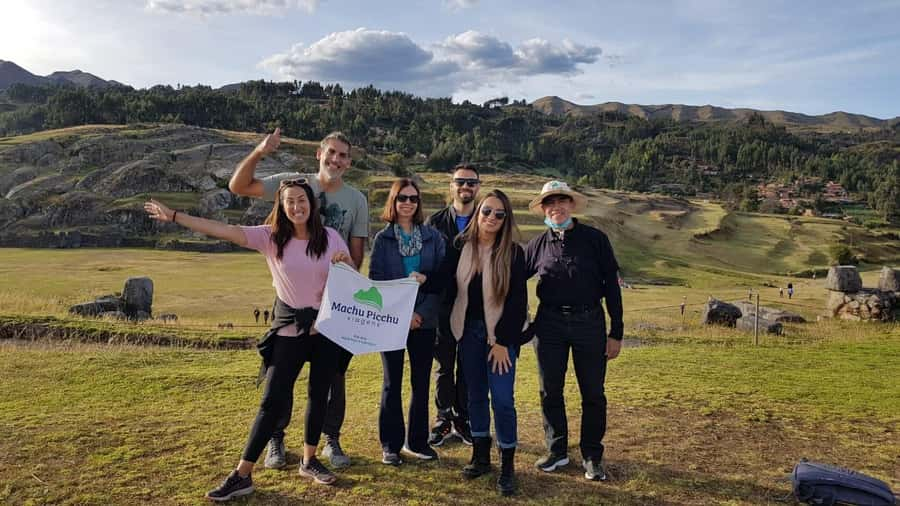
This is a brisk introduction rather than a slow archaeological study. In four hours, you move between the historic center and the hills above Cusco, using an air-conditioned vehicle to cover ground that would take much longer on foot.
The route works because it presents the city in a clear order. First, you see how colonial Cusco was built over the Inca capital. Then you head to the great stone sites outside the center, where ceremonial spaces, military architecture, lookout points, and water channels tell a different part of the story.
I would treat the tour as a useful first look. You get the basic map of Cusco and a guide to its major landmarks, but the schedule leaves limited time for long, quiet visits. If you already know these sites well, you may want a more focused tour. If this is your first day in town, the route gives you a solid foundation.
More City Tours in Cusco
- Cusco: Half-Day City Tour with Sacsayhuaman and Q’enco
★ 4.6 · 1,129 reviews - City Tour Cusco Qoricancha Sacsayhuaman y Tambomachay
★ 4.7 · 617 reviews - Cusco: Sightseeing Tour of the City on an Open-Top Bus
★ 4.0 · 481 reviews
Qorikancha, where Inca worship met colonial power
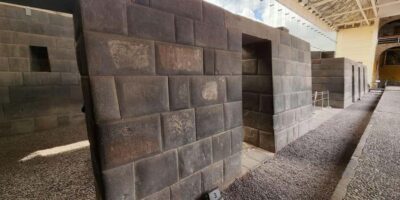
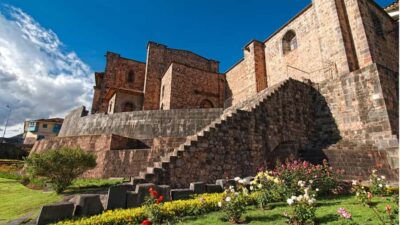
Qorikancha, often called the Temple of the Sun, is one of the most important stops. It was the principal worship center of the Inca world, and its foundations later supported a Catholic church.
That physical layering is the key point. You are not looking at two unrelated buildings. You are seeing how Spanish colonial power used an existing Inca religious center as part of the new order. The contrast between carefully fitted Inca stone and later colonial construction makes the site especially useful for understanding Cusco.
Your guide should help connect the architecture to the wider city. Look closely at the stonework and notice how the older structure forms the base for what came later. The visit is not only about admiring walls. It is about seeing how religion, politics, and architecture changed hands.
Admission tickets are not included in the $20 price, so budget for the required entrance fees separately. The supplied information does not give ticket prices, and they can vary by site or ticket arrangement.
The Cathedral and the old Inca palace foundations
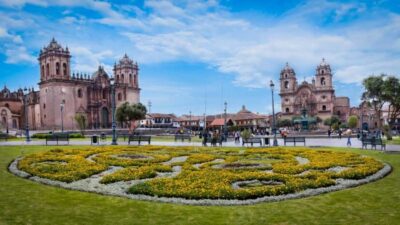
The Cathedral of Cusco brings you back into the historic center and offers a different style from Qorikancha. Its colonial baroque design reflects the wealth and authority of Spanish Cusco, while its foundations are linked to an earlier Inca palace.
I like the pairing of these two central sites. Qorikancha shows the former Inca religious center beneath a later church, while the Cathedral presents another example of colonial construction tied to an Inca setting. Seen together, they make the city’s layered identity easier to grasp.
This part of the tour also helps you read the streets around the Plaza de Armas. The historic center is not simply a colonial town placed beside Inca ruins. Its buildings, streets, and foundations overlap. A guide can point out that relationship more clearly than a quick independent walk.
The Cathedral is a place where a little quiet attention pays off. Focus on the building’s scale, its baroque character, and the way its location connects to the earlier city. Since the full tour continues to several hilltop sites, you should not expect an extended indoor visit.
Sacsayhuaman, the giant stonework above Cusco
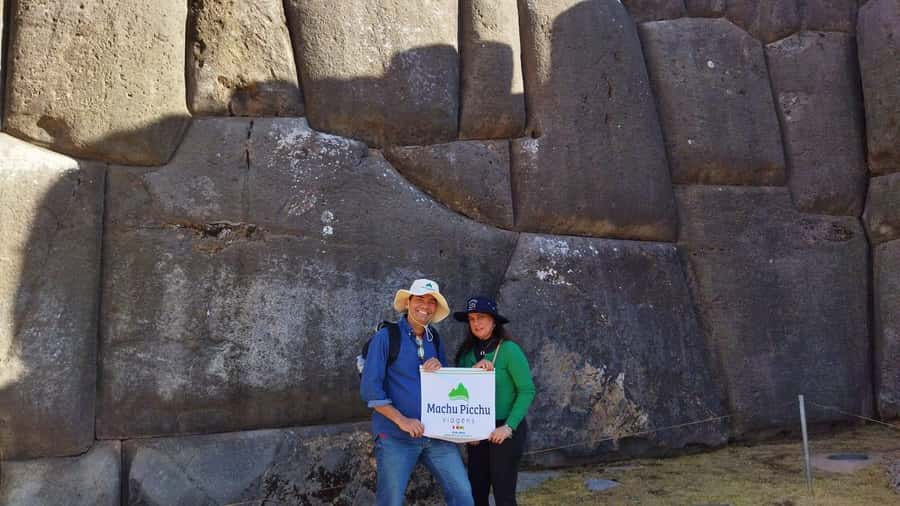
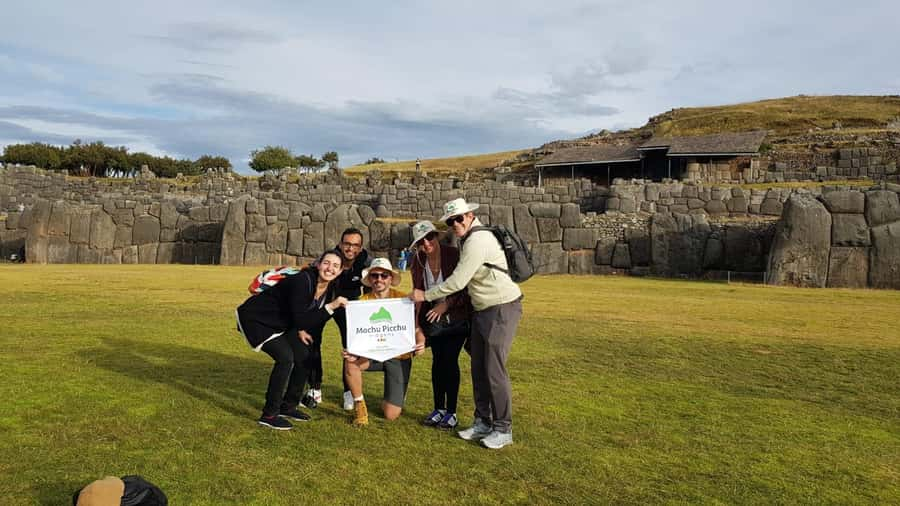
The trip then moves uphill to Sacsayhuaman, the most visually powerful stop on the route. This ceremonial fortress is known for its massive stone construction and its commanding position above Cusco.
The scale is what makes the visit work. Large blocks fit together with remarkable precision, and the site gives you a sense of the planning and labor behind Inca construction. The name fortress can shape expectations, but the description also identifies Sacsayhuaman as a ceremonial place. Your guide can help explain how its military and ritual roles fit together.
You will also get a different view of Cusco from here. The city below helps you understand why this high site mattered. It was not an isolated ruin. It related directly to the capital and its surrounding routes.
Allow yourself a moment to look beyond the stones. The visit is more rewarding when you connect the huge walls, the high setting, and the city below. Since the tour includes several more stops, the time here may feel short for anyone who wants to study the construction in detail.
Same base, a completely different kind of day:
- Cusco: Humantay Lake Tour with Breakfast and Buffet Lunch
★ 4.9 · 2,976 reviews - From Cusco: Vinicunca Rainbow Mountain ATV Tour with Meals
★ 4.6 · 1,060 reviews - From Cusco: Excursion to Humantay lake from Cusco
★ 4.7 · 514 reviews - Cusco: Peruvian Cooking Class, Cocktails & Local Market Tour
★ 4.9 · 512 reviews
Qenqo and the darker side of ceremonial Cusco
Qenqo has a more enclosed and solemn character. It is described as a ceremonial center where important rituals and sacrifices were believed to have taken place. That gives the stop a different mood from the open, monumental scale of Sacsayhuaman.
The site is useful because it adds a less polished side to the Inca story. Instead of grand terraces or huge defensive walls, you encounter a place tied to ritual activity and mystery. The gloomy atmosphere is part of its appeal, but you should rely on the guide for context rather than expect every feature to explain itself.
Qenqo is also a reminder that archaeological sites do not all communicate in the same way. At Sacsayhuaman, the stones make an immediate impression. At Qenqo, the meaning depends more on interpretation. Listen closely, ask questions, and pay attention to how the spaces were used.
The tour’s short format is both useful and limiting here. You get an introduction to a major site without arranging separate transport, but you may not have time to linger over every carved or ceremonial feature.
Puca Pucara, a high viewpoint with a practical purpose
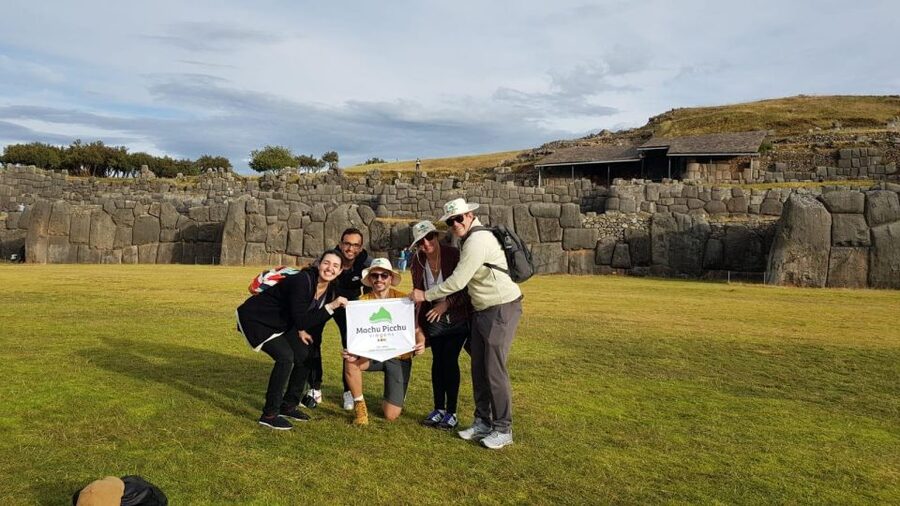
Puca Pucara takes you farther into the hills and gives the route another change of pace. The site is valued for its high position and for the views back toward Cusco.
This is where the tour becomes more than a list of ruins. From above, you can see the city as part of a wider setting, with the surrounding high ground shaping how the Inca capital functioned. The stop also helps break up the heavier stonework of the earlier sites.
The supplied details give less information about Puca Pucara than about Qorikancha or Tambomachay, so you should think of it mainly as a hilltop archaeological stop and viewpoint. Your guide’s explanation will matter here, especially if you want to understand why this location was important within the wider network around Cusco.
Bring your attention to the position of the site, not only its remaining walls. The high location is the main reason it belongs on the route.
Tambomachay and the water that still runs
Tambomachay closes the archaeological portion of the visit with a display of Inca water engineering. Its channels and three fountains are still functioning, making this one of the most distinctive stops.
Water gives the site a calmer feel than Qenqo or Sacsayhuaman. You can see how carefully managed water formed part of an important ceremonial place. The fact that the channels and fountains continue to work makes the engineering easier to understand than a dry ruin would.
The tour describes Tambomachay as having the oldest functioning water fountains. That claim is part of the experience’s presentation, but the practical point is clear: you are seeing an ancient hydraulic system that still carries water.
This is a good final stop because it leaves you with something precise to remember. Cusco’s Inca achievement was not only about enormous stones. It also included the controlled movement of water through carefully designed channels.
What the $20 price really covers
At $20 per person, this is an inexpensive way to combine central Cusco with four outlying archaeological sites. You are paying for a certified guide, transport, a water bottle, and an air-conditioned vehicle. For a first introduction, that is a useful package.
The price does not include admission tickets, meals, drinks, or gratuity. That matters because the headline cost is not the complete cost of the outing. Before booking, ask which tickets you need and how much they will add.
The value is strongest if you want one organized route instead of arranging transport between separate sites. Sacsayhuaman, Qenqo, Puca Pucara, and Tambomachay are outside the central walking circuit, so transport saves time and effort.
The value is weaker if you dislike fixed schedules or want long visits at each place. Four hours must cover six highlights, including travel between the center and the hills. You get breadth, not a leisurely examination of every site.
Transport, guide languages, and the pickup issue
Round-trip transportation is provided from most Cusco hotels, and the vehicle is air-conditioned. The tour uses one bus per language, with guiding available in English, Spanish, or Portuguese.
That arrangement sounds simple, but you should confirm your language before departure. One booking requested Portuguese but did not receive the tour in Portuguese, leaving a child unable to follow the explanations. This is especially important if you are booking the tour to support a child’s school learning or if no one in your group is comfortable in Spanish or English.
The guide Fernando was described as helpful and polite. That is worth noting, but a courteous guide cannot fully solve a language mismatch. Send a clear message before the tour and verify the language assigned to your bus.
You should also confirm the exact pickup location and time. The tour states that most Cusco hotels are covered, but one booking involved confusing instructions about where to meet. A few minutes spent checking the meeting point can prevent a rushed start or a missed departure.
The experience is listed as wheelchair accessible, which may be important for some visitors. Because the route includes archaeological sites in the hills, ask the provider for practical details about access at each stop before booking if mobility is a concern.
Who will get the most from this city tour
I would recommend this experience to a first-time visitor who wants a quick orientation to Cusco’s major Inca and colonial sites. It suits you if you prefer a guide to provide the basic story while transport handles the outlying locations.
It also works well for families who want a clear four-hour plan. The mix of giant stones, old fountains, city views, and colonial buildings gives children several kinds of things to see. If you need Portuguese, take extra care to confirm that the correct bus and guide are arranged.
History-minded visitors may appreciate the way Qorikancha and the Cathedral frame the entire route. You see how the Inca and Spanish periods occupy the same city, then move outward to sites connected with ceremony, water, and high ground.
I would be less enthusiastic if your priority is silence, photography time, or detailed archaeology. The schedule is compact, and the tour must keep moving. For that style of visit, you may prefer separate visits with more time at fewer places.
Should you book this Cusco city tour?
Book it if you want a low-cost, guided survey of Cusco in four hours and you value included transport. The route covers the city center plus the principal hill sites, giving you useful context before longer visits elsewhere in the region.
Book with caution if language and pickup details are critical. Confirm your guide language, meeting point, admission costs, and start time in writing. The guide Fernando sounds like a positive part of the experience, but the reported Portuguese mix-up shows that the operating details deserve attention.
At $20, this is best viewed as a practical orientation, not a definitive archaeological tour. If you keep that expectation, the combination of Qorikancha, the Cathedral, Sacsayhuaman, Qenqo, Puca Pucara, and Tambomachay offers a lot of Cusco in a short afternoon.
FAQ
How long does the Cusco city tour last?
The tour lasts four hours.
What sites are included?
The route includes Qorikancha, the Cathedral of Cusco, Sacsayhuaman, Qenqo, Puca Pucara, and Tambomachay.
Is transportation included?
Yes. Round-trip transportation is provided from most Cusco hotels in an air-conditioned vehicle.
Which languages are available?
Certified guides are available in English, Spanish, and Portuguese. One bus is assigned to each language.
Are entrance tickets included in the price?
No. Admission tickets are not included. Meals, drinks, and gratuity are also separate.
Is the tour wheelchair accessible?
The experience is listed as wheelchair accessible.
Can I cancel for a full refund?
Yes. You can cancel up to 24 hours in advance for a full refund. You can also reserve now and pay later.
Just added around Cusco
- Waqrapukara 1 day trekking + meals★ 3.9 · 3 reviews
- Visit to the Cochahuasi Animal Sanctuary with rescued animal★ 4.1 · 4 reviews
- Vinicunca Mountain Tour – Full Day Tour to Rainbow Mountain★ 3.4 · 4 reviews
- Valle Sur Cusco | half day★ 4.3 · 3 reviews
- Trek to Humantay Lake from Cusco★ 4.9 · 8 reviews
- Trek to Choquequirao 4 days★ 3.8 · 4 reviews
- rainbow mountain full day★ 5.0 · 44 reviews
- Tour to the HUMANTAY LAGOON from CUSCO★ 5.0 · 35 reviews
City Tours, compared.
Half-Day City Tour with Sacsayhuaman and Q’enco
Read our review →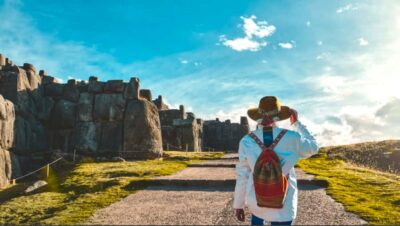
City Tour Cusco Qoricancha Sacsayhuaman y Tambomachay
Read our review →
City Tour | Half-Day Tour to 4 Archaeological Sites
Read our review →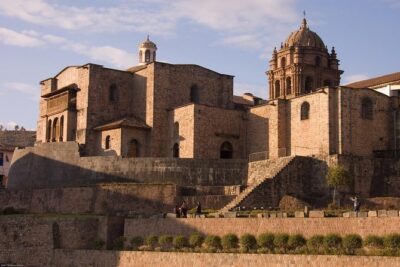
City Tour in Cusco & visit Museum South American Camelid Private.
Read our review →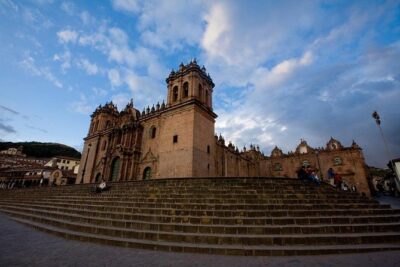
Cusco City Sightseeing, San Pedro Market, Cathedral and Qorikancha Temple
Read our review →
Browse the lists this tour appears in