
Reviewed · CITY TOURS
City Tour Cusco
Cusco’s most important Inca sites sit just beyond the colonial center, and this half-day tour links them in one efficient circuit. You’ll move from the gold-lined Temple of the Sun at Qorikancha to the huge stone walls of Saqsaywaman, then continue to three smaller but revealing ceremonial and military sites.
I like the mix of major sights and lesser-known stops, and I like having private transportation between them instead of arranging separate taxis. Guides named Jhonny, Victor, and Saul have been praised for clear explanations, humor, energy, and allowing time for photographs. The main catch is cost: the $32 tour price does not include the $25 partial archaeological ticket or the $7 Qorikancha admission, so your real pre-tip cost is about $64.
Key points to know before booking
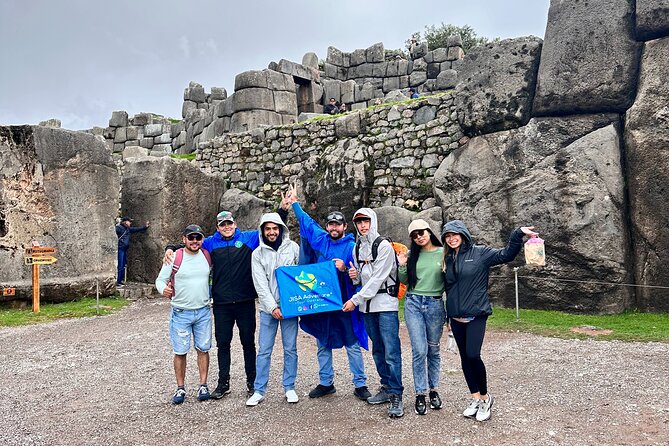
- Five Inca sites in one circuit: Qorikancha, Saqsaywaman, Q’enqo, Puka Pukara, and Tambomachay.
- Small group size: The tour accepts a maximum of 12 people.
- Guide quality matters: Jhonny, Victor, and Saul are specifically praised for lively, clear presentations, though your assigned guide may vary.
- Extra entrance fees: Budget $25 for the partial archaeological ticket and $7 for Qorikancha.
- Easy central meeting point: Pickup and return are at Plaza de Armas in Cusco.
- Good first-day orientation: The route gives you a useful introduction to Inca religion, engineering, defense, and ceremony.
Why this makes a smart first look at Cusco
Cusco can feel like a puzzle at first. The old city is packed with churches, courtyards, Inca walls, steep streets, and archaeological sites scattered across the hills. This tour gives you a clear first chapter by showing how the Inca used stone, water, religion, and military planning.
The route also gives you a useful contrast. Qorikancha is in the city and shows the meeting of Inca and Spanish colonial architecture. Saqsaywaman is grand and open, with enormous fitted stones. Q’enqo feels more secretive, while Puka Pukara and Tambomachay show how the wider area supported movement, defense, ritual, and water worship.
That variety is the main reason I would consider this tour early in a Cusco visit. You are not spending five hours looking at five similar ruins. Each stop has a different role, and a good guide can connect them into one story.
The small maximum group of 12 is another practical advantage. It should be easier to hear explanations and stay with the guide than on a large coach tour. The supplied information includes an official tourism guide, private transport, and an oxygen ball. The oxygen item may be useful at Cusco’s high elevation, but the tour does not describe medical support or make any health guarantees.
More City Tours in Cusco
- Cusco: Half-Day City Tour with Sacsayhuaman and Q’enco
★ 4.6 · 1,129 reviews - City Tour Cusco Qoricancha Sacsayhuaman y Tambomachay
★ 4.7 · 617 reviews - Cusco: Sightseeing Tour of the City on an Open-Top Bus
★ 4.0 · 481 reviews
Qorikancha: Inca gold beneath Spanish stone
The tour begins at Qorikancha, also called the Temple of the Sun. This is the most convenient site in the program because it is in central Cusco, near the starting point at Plaza de Armas.
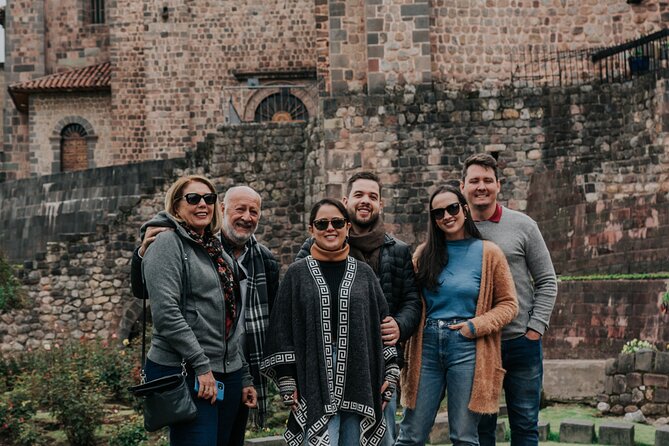
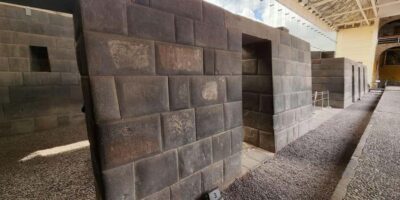
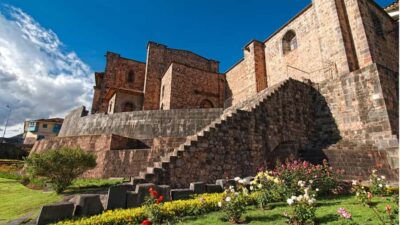
Qorikancha matters because it lets you see the city’s layered past in one place. The visit focuses on the way Inca religious architecture and Spanish colonial construction occupy the same site. You can expect about 45 minutes of guided explanation, although the stop is listed as roughly one hour.
The Inca temple was an important religious center, and the visit introduces the role of the sun and sacred space in Inca society. The Spanish colonial additions make the site especially useful for understanding how Cusco changed after the conquest. Instead of seeing colonial buildings and Inca walls as separate subjects, you see their physical connection.
Admission is not included. The separate Qorikancha ticket costs $7. Keep that in mind when comparing this tour with packages that advertise a lower starting price. The guide should help you understand what you are seeing, but the site itself is not large, so the quality of the explanation matters more than the amount of time spent walking.
After Qorikancha, you travel for about 20 minutes to Saqsaywaman.
Saqsaywaman: the tour’s great stone spectacle
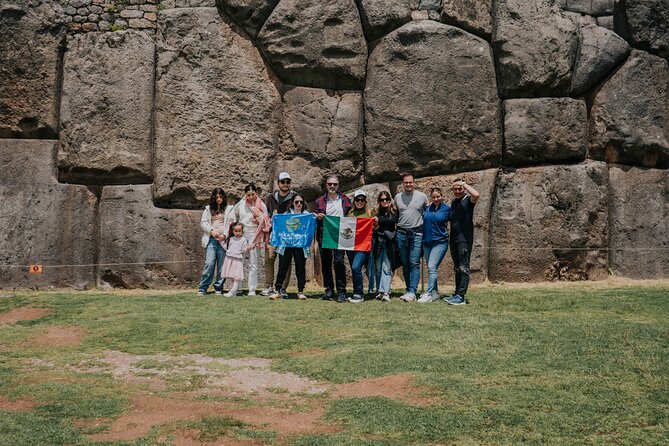
Saqsaywaman is likely to be the visual high point of the morning or afternoon. Its enormous carved stones and imposing walls make the scale of Inca masonry easy to grasp. This is the place where you can stop reading about construction techniques and simply look at what the builders achieved.
The guided visit covers the site’s historical and ceremonial role, along with the way the stones were shaped and fitted. The walls are the main event, but the value of the stop comes from learning why the construction mattered. Saqsaywaman was not merely a pile of defensive masonry. It also had ceremonial importance, and the guide can place it within the wider organization of Cusco.
Give yourself room for photographs, but also listen before rushing from one viewpoint to the next. The guide names Victor and Jhonny are associated with making time for pictures while keeping the explanations moving. Saul is also praised for taking care of the group and presenting information clearly.
Saqsaywaman requires the $25 partial tourist ticket covering the archaeological centers on this route. This fee is separate from the tour price. If you are building a tight daily budget, this is the point where the advertised $32 price needs a closer look.
Q’enqo: rock-cut ritual space
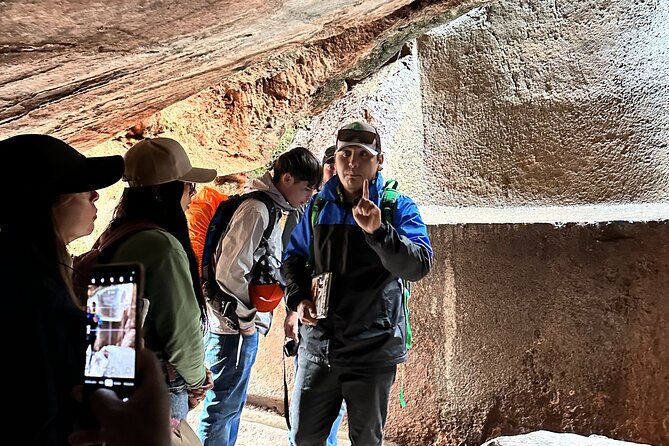
From Saqsaywaman, the route continues to Q’enqo, a ritual center carved into a rocky outcrop. The mood changes here. Instead of broad walls and open views, you focus on rock-cut chambers, altars, and the way natural stone was shaped for ceremonial use.
The site is presented through Inca ritual practice and worldview. Your guide should explain how the carved spaces may have been used and why rock itself had sacred meaning. The supplied schedule allows about an hour, though actual time at each place can vary because the total tour is estimated at five hours.
Q’enqo is a good reminder that Inca religious sites were not always monumental buildings. Some were built into hillsides, caves, and exposed stone. That makes this stop valuable for visitors who want more than the famous postcard views.
It can also be the least immediately obvious site in the circuit. Without a clear explanation, the chambers and carved rock may seem modest beside Saqsaywaman. This is one stop where the guide’s storytelling makes a real difference. Jhonny, Victor, and Saul are all described in the available feedback as energetic and clear, but the guide assigned to your departure is not guaranteed.
Same base, a completely different kind of day:
- Cusco: Humantay Lake Tour with Breakfast and Buffet Lunch
★ 4.9 · 2,976 reviews - From Cusco: Vinicunca Rainbow Mountain ATV Tour with Meals
★ 4.6 · 1,060 reviews - From Cusco: Excursion to Humantay lake from Cusco
★ 4.7 · 514 reviews - Cusco: Peruvian Cooking Class, Cocktails & Local Market Tour
★ 4.9 · 512 reviews
Puka Pukara: a small fortress with a practical purpose
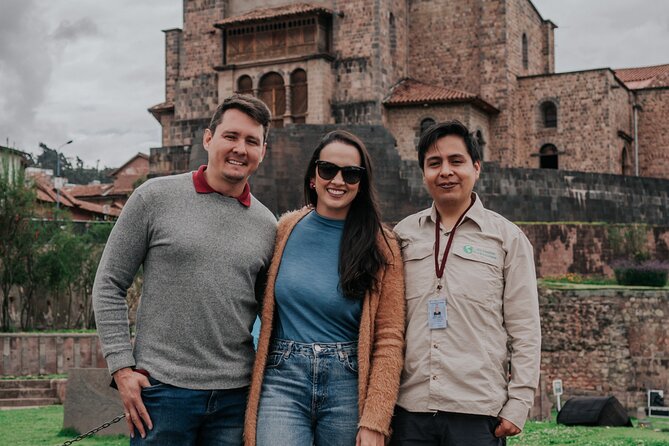
About 15 minutes after Q’enqo, you reach Puka Pukara, a red-toned military fortress. The site is smaller than Saqsaywaman, but its purpose is easier to picture. Its defensive and strategic role helps explain how the Inca managed movement around Cusco.
Puka Pukara is not the stop to choose for the biggest walls or longest visit. Its appeal is practical. It adds the military side of the story to the religious and ceremonial sites you have already seen.
The reddish construction gives the fortress its name and helps it look different from the pale stonework at other stops. You will have time to explore and hear about its place within the Inca Empire. Since the route includes transportation, you do not need to work out how to reach this outlying site on your own.
The timing listed for each stop is generous compared with the stated five-hour total. Qorikancha includes about 45 minutes of guided time, and the other stops are each described as around an hour, with travel between some sites. Treat those figures as approximate rather than a promise of exactly one hour at every location.
Tambomachay: fountains, canals, and water worship
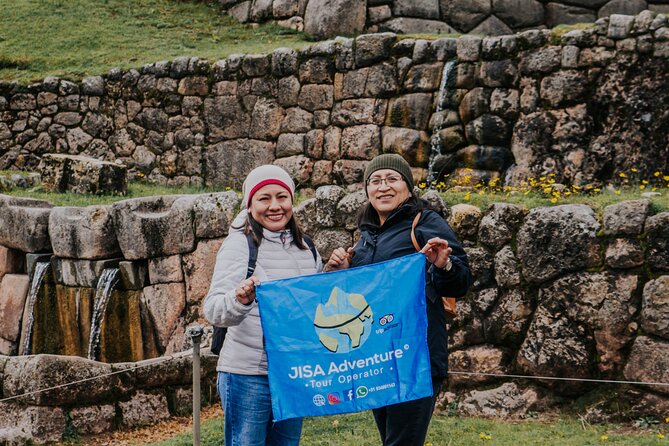
The last site is Tambomachay, known as the Baño del Inca, or Inca’s Bath. Here the focus shifts from stone walls to water. Stone fountains and canals show the care given to hydraulic engineering and ceremonial water use.
Tambomachay is a fitting final stop because it adds a quieter note to the circuit. After the scale of Saqsaywaman and the mystery of Q’enqo, the fountains let you consider how the Inca worked with flowing water for both practical and sacred purposes.
The guide explains the site’s ceremonial function and water worship. You can also see why the location belongs in a route that covers more than military ruins. The Inca world joined engineering and religion closely, and Tambomachay makes that connection visible.
After the visit, private transport returns you to Cusco and the Plaza de Armas meeting point. That return is useful if you have an evening plan, though you should avoid booking anything with a strict start time immediately afterward. The experience is advertised as approximately five hours, and traffic or extended visits can affect the finish.
What the guides add to the experience
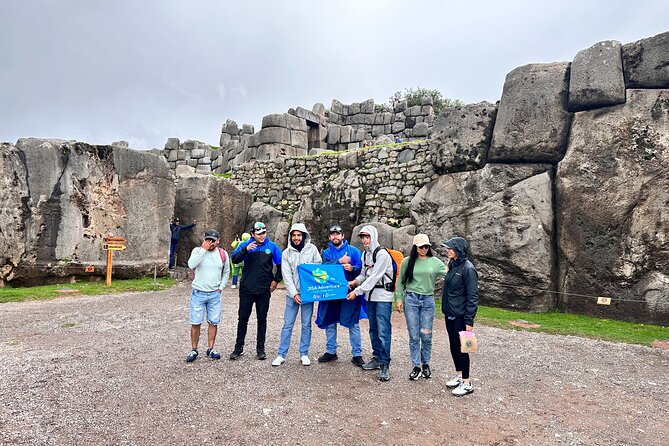
The strongest pattern in the available feedback is the praise for the guides’ presentation style. Jhonny is described as informative, kind, attentive, and energetic. Victor is praised for strong explanations, making time for photographs, and helping the group enjoy the day. Saul is described as an excellent first-day guide who took care of the group and explained the sites clearly.
Jorge also receives positive comments for being accommodating and helpful, although the detailed feedback connects him more broadly with other Peru excursions. Elvis is praised highly for Machu Picchu guiding, but he is not specifically identified as the guide for this city tour.
That distinction matters. You can reasonably expect an official guide, but you cannot book this experience based on a guarantee that Jhonny, Victor, Saul, or any particular person will lead your group. If a named guide is important to you, ask Jisa Adventure before booking.
A good guide is especially useful at Q’enqo and Tambomachay, where the physical remains need explanation. At Saqsaywaman, the stones speak for themselves. At the smaller sites, the guide supplies the context that turns a short stop into a meaningful visit.
The true price and what you receive
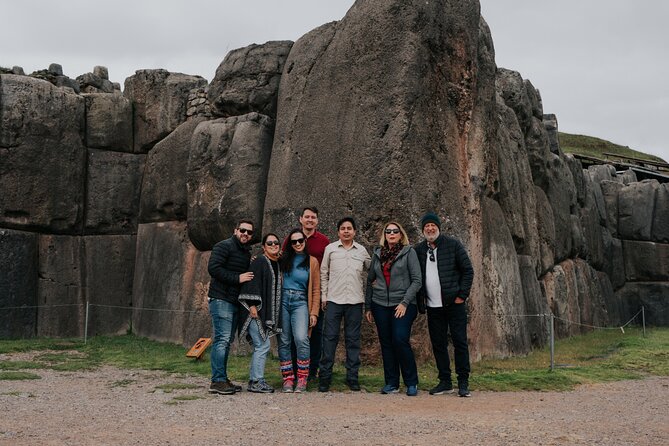
The listed price is $32 per person. That covers the guided experience and private transportation, but not the required site admissions. Add $25 for the partial tourist ticket covering the archaeological centers and $7 for Qorikancha, bringing the known total to approximately $64 per person before tips.
At that price, the tour is not the cheapest possible way to see the sites. The value comes from the routing, transport, guide, and small group limit. You avoid arranging several rides between Cusco and the outlying ruins, and you get one connected explanation rather than piecing together separate visits.
The cost is easier to justify if this is your first time in Cusco or if you have limited time. It is less compelling if you already have transport, already understand the sites, or plan to visit only one or two locations. Since tips are not included, carry extra cash if you want to thank the guide or driver.
The experience has a maximum of 12 people, which is a useful middle ground. It is more social than a private tour but far more manageable than a large bus group. Most people can participate, and the meeting point is near public transportation, but the tour information does not provide a detailed accessibility assessment.
Who should book this five-hour circuit
I would recommend this tour to you if you want a structured introduction to Cusco’s major archaeological sites without spending a full day away from the city. It works especially well as an early activity, when you want to learn the basic themes that will appear again across the Sacred Valley and Machu Picchu.
It also suits families and mixed-age groups because the route offers several types of interest. One person can focus on architecture, another on military history, and another on ritual and water engineering. The guide-led format keeps the day moving without requiring you to research every ruin in advance.
You may want a different plan if you prefer long, quiet visits or extensive independent exploration. Five sites in approximately five hours means the pace is purposeful. You will see the main features and receive explanations, but this is not a slow archaeological study day.
The fixed, non-refundable booking terms also deserve attention. Once booked, the amount paid cannot be refunded or changed for any reason. Make sure your Cusco schedule is settled before paying.
Should you book the City Tour Cusco?
Book it if you want efficient coverage of five important sites, transport between them, and an informed guide in a group capped at 12. The strongest reasons are the range of stops, the central meeting point, and the consistent emphasis on lively explanations from guides such as Jhonny, Victor, and Saul.
Skip it if the additional entrance fees push your budget too far, or if you already have transport and prefer setting your own pace. For most first-time visitors with half a day available, though, this is a sensible way to get your bearings and understand why Cusco is much more than its central plaza.
FAQ
Where does the City Tour Cusco begin?
The tour begins at Plaza de Armas in Cusco, Peru.
Where does the tour end?
The activity ends back at the meeting point in Plaza de Armas.
How long does the tour last?
The tour lasts approximately five hours.
Which sites are included?
The route includes Qorikancha, Saqsaywaman, Q’enqo, Puka Pukara, and Tambomachay.
Are entrance tickets included?
No. The $25 partial tourist ticket for the archaeological centers and the $7 Qorikancha admission are separate.
What is included in the tour price?
The price includes an official tourism guide, private transportation, and an oxygen ball.
How many people can join the tour?
The maximum group size is 12 people.
Is transportation provided between the sites?
Yes. Private transportation is provided, including the return trip to Cusco.
Is the tour refundable if I cancel?
No. The experience is non-refundable and cannot be changed after booking for any reason.
Just added around Cusco
- Waqrapukara 1 day trekking + meals★ 3.9 · 3 reviews
- Visit to the Cochahuasi Animal Sanctuary with rescued animal★ 4.1 · 4 reviews
- Vinicunca Mountain Tour – Full Day Tour to Rainbow Mountain★ 3.4 · 4 reviews
- Valle Sur Cusco | half day★ 4.3 · 3 reviews
- Trek to Humantay Lake from Cusco★ 4.9 · 8 reviews
- Trek to Choquequirao 4 days★ 3.8 · 4 reviews
- rainbow mountain full day★ 5.0 · 44 reviews
- Tour to the HUMANTAY LAGOON from CUSCO★ 5.0 · 35 reviews
City Tours, compared.
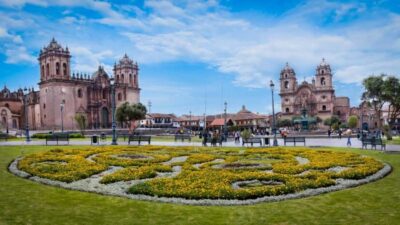
Half-Day City Tour with Sacsayhuaman and Q’enco
Read our review →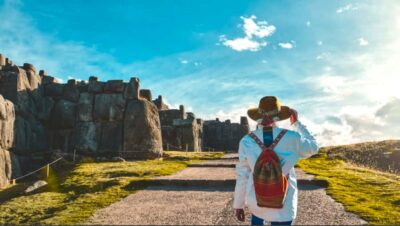
City Tour Cusco Qoricancha Sacsayhuaman y Tambomachay
Read our review →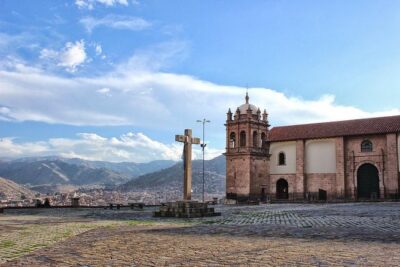
City Tour | Half-Day Tour to 4 Archaeological Sites
Read our review →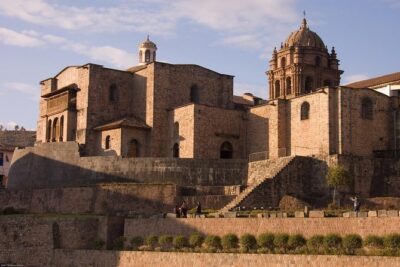
City Tour in Cusco & visit Museum South American Camelid Private.
Read our review →
Cusco City Sightseeing, San Pedro Market, Cathedral and Qorikancha Temple
Read our review →
Browse the lists this tour appears in