
Reviewed · CITY TOURS
City Tour Cusco
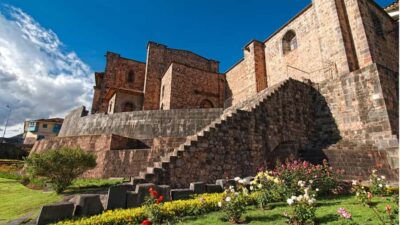
Cusco’s best introduction to Inca culture may be found just outside the city, where enormous stonework, ritual sites, springs, and military lookout points link together in one half-day route. Sacsayhuaman is the big draw, but Q’enqo, Tambomachay, and Puca Pucará give the visit useful shape and variety.
I like two things here: the low $15 price, which covers transport and a professional guide, and the mix of famous and less obvious details. You get more than a photo stop at giant walls. You also hear about Inca building methods, the Puma symbolism of Q’enqo, water at Tambomachay, and Cusco’s Spanish and Inca design.
The main catch is that entrance tickets are not included, and the sites involve walking and uneven ground. The five-hour schedule is also fairly fixed, so this suits you best if you want a guided overview rather than a slow, private visit.
Key points to know before booking
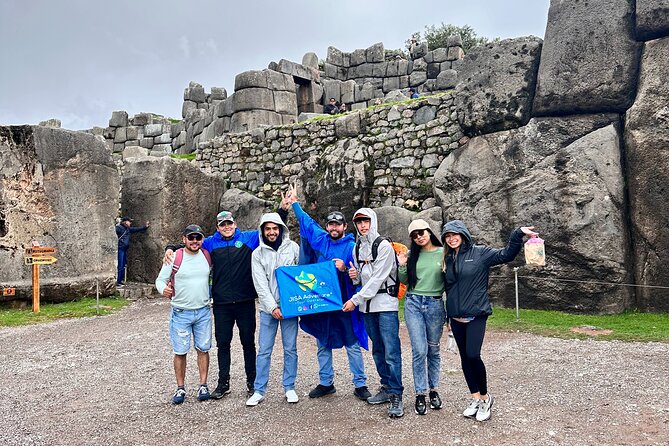
- Sacsayhuaman gives you the tour’s biggest visual moment, with massive stone blocks and wide views above Cusco.
- Q’enqo adds a ritual side to the visit, including an interior altar linked with Pachamama.
- Tambomachay still has flowing spring water, making its old water system easier to understand.
- Puca Pucará explains Cusco’s defenses, with a lookout position over the valley and imperial city.
- The $15 fee covers transport and guiding, but site entrance tickets and refreshments are extra.
- Pickup can be arranged from your hotel or a neutral point, with collection times coordinated in advance.
Why this five-hour route works in Cusco
Cusco can feel confusing at first. The city center combines Inca foundations, Spanish churches, narrow lanes, modern shops, and busy streets. This tour gives you a quick way to place the city within its wider setting.
You leave the urban center and visit four sites tied to the old capital. The order moves from the monumental to the ceremonial, then to water and defense. That variety matters. If you only visit Sacsayhuaman, you may remember the stones but miss how Inca planning connected power, religion, water, and movement.
The guide is central to the experience. A large stone wall is impressive on its own, but a good explanation helps you notice construction lines, levels, entrances, and the way each site fits its surroundings. The service is available in English or Spanish. One verified booking from Brazil gave the guide service a perfect rating and praised the guide’s preparation and polite manner. No guide name is provided, so you should confirm who will lead your group when arranging pickup.
The route lasts about five hours, with guided visits at the sites and scenic views along the way. The timing gives you a solid first look without taking an entire day from Cusco’s museums, markets, or historic center.
More City Tours in Cusco
- Cusco: Half-Day City Tour with Sacsayhuaman and Q’enco
★ 4.6 · 1,129 reviews - City Tour Cusco Qoricancha Sacsayhuaman y Tambomachay
★ 4.7 · 617 reviews - Cusco: Sightseeing Tour of the City on an Open-Top Bus
★ 4.0 · 481 reviews
Sacsayhuaman and the power of stone
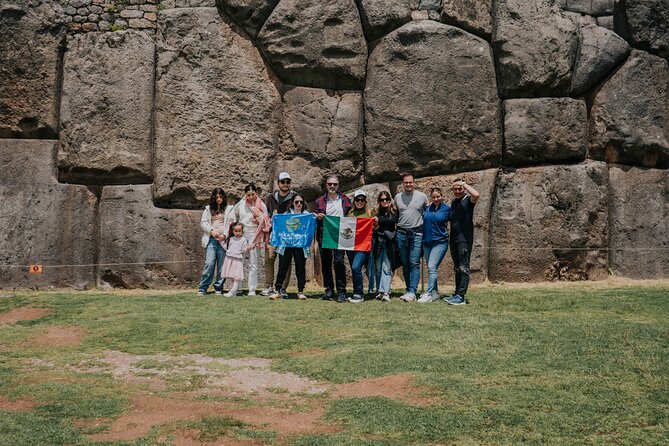
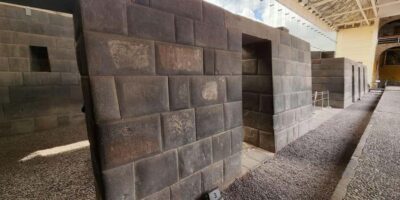
Sacsayhuaman is the tour’s headline stop. The site is often described as a fortress, but it also had ceremonial importance. Its huge stone walls rise in three levels, and the upper area holds the bases of large towers that once watched over Cusco in Inca times.
The scale is hard to grasp from photographs. The blocks are colossal, fitted into long zigzag walls with surprising precision. Your guide can point out how the walls follow the ground rather than fighting it. That connection between construction and terrain helps explain why the site feels less like an isolated building and more like part of the highland setting.
You will have time to look across the surrounding scenery and toward the city below. This is one of the places where Cusco’s position becomes clear. The imperial capital was not simply a cluster of streets. It was linked to ceremonial, military, and agricultural sites on the hills around it.
Sacsayhuaman does have practical drawbacks. It is popular, and the open setting provides little relief from sun or weather. Bring water, wear sturdy shoes, and carry your passport or ID card, which is listed as required for the activity. Large bags and luggage are not allowed, so leave suitcases at your hotel.
The guide’s role matters most here because casual visitors can easily focus only on the size of the walls. Ask about the three levels, the old tower bases, and how the site related to Cusco below. Those questions will help turn a grand view into a more meaningful visit.
Q’enqo, the Puma shrine and its hidden altar
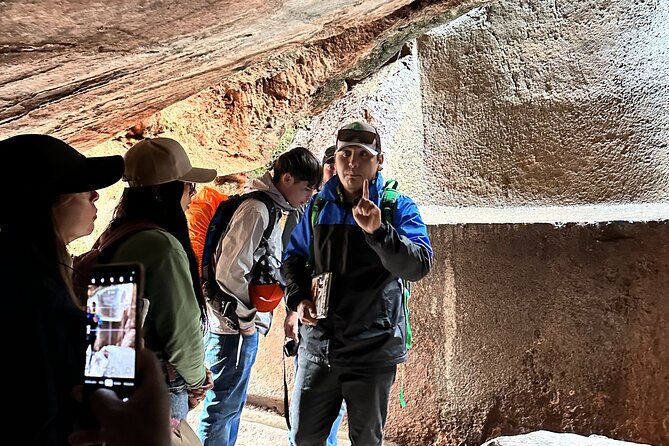
The next stop, Q’enqo, shifts the mood. Instead of broad walls and open views, you visit an Inca shrine associated with the Puma. The site includes carved stone features and an interior space with an altar connected to sacrifices and Pachamama, the Andean earth mother.
Q’enqo is valuable because it shows a more intimate side of Inca belief. Sacsayhuaman presents public power. Q’enqo suggests ceremony, symbolism, and contact with the sacred world. The Puma connection also fits the wider way Cusco was understood through animals and sacred forms.
The exact meaning of every feature at ancient sites can be difficult to pin down, so listen for what the guide identifies as clear evidence and what remains an interpretation. That is one advantage of taking this route with a professional guide rather than moving through the monuments without context.
Space around the shrine can be tighter than at Sacsayhuaman. Watch your footing, especially when entering the interior area. The activity is not suitable for people with mobility impairments, and that warning matters here as well as at the other stops. The route includes multiple sites rather than one flat museum floor.
Q’enqo may not deliver the same immediate visual impact as the great walls, but it gives the half-day a needed change of scale. You move from state power to ritual practice, then continue to a site built around water.
Tambomachay and the living spring
Tambomachay is described as a monument of high architectural quality and an important part of Andean thought. Its most striking feature is water. Springs still flow through the site, feeding channels and terraces connected with the city’s old agricultural systems.
This stop helps you understand why water mattered so much in Inca planning. It was not only a practical resource. At a place linked with Andean beliefs, flowing water also carried ceremonial meaning. The combination of stonework and active springs makes Tambomachay easier to read than a ruined wall with no visible function.
I like this stop for its change of pace. After the heavy masonry at Sacsayhuaman and the ritual focus at Q’enqo, the water gives you something moving to watch and hear. You can see how engineers directed the springs through carefully built channels while the guide explains the site’s place in the wider system.
Do not expect a long independent walk here. The visit is part of a guided circuit, and the total time at each location depends on the group and schedule. Still, Tambomachay earns its place on the route because it connects architecture with farming, belief, and daily survival.
Bring water for yourself, too. Food, drinks, snacks, and other personal items are not included in the tour price. A bottle is especially useful during a five-hour outing at exposed high-altitude sites.
Same base, a completely different kind of day:
- Cusco: Humantay Lake Tour with Breakfast and Buffet Lunch
★ 4.9 · 2,976 reviews - From Cusco: Vinicunca Rainbow Mountain ATV Tour with Meals
★ 4.6 · 1,060 reviews - From Cusco: Excursion to Humantay lake from Cusco
★ 4.7 · 514 reviews - Cusco: Peruvian Cooking Class, Cocktails & Local Market Tour
★ 4.9 · 512 reviews
Puca Pucará and the final view over Cusco
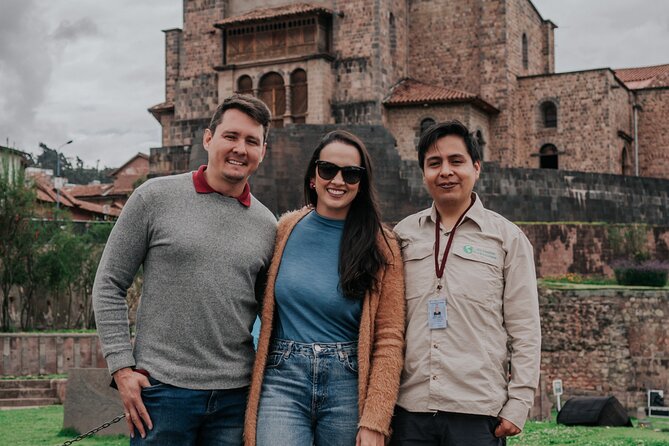
The last stop is Puca Pucará, a lookout and strategic position above the valley. Its name is often translated as Red Fortress, and the site’s purpose becomes clearer when you consider its position. From here, the old imperial city and the routes through the valley could be watched.
Puca Pucará is not as imposing as Sacsayhuaman, but it completes the story. The tour has shown you ceremonial construction, a sacred shrine, water management, and now control of movement. The placement of the site explains why location mattered as much as stonework in the Inca world.
This is a good point to look back at the route as a whole. You have not simply visited four ruins. You have followed a chain of places that helped define Cusco as a capital: a commanding ceremonial complex, a sacred site, a water shrine, and a strategic lookout.
The watchtower setting also gives you another chance to see the valley and Cusco from above. If you enjoy understanding a city through its geography, this final stop adds useful context. If your main goal is detailed archaeology at each monument, five hours may feel brief.
What the $15 price really covers
At $15 per person, this is an inexpensive way to organize transport and guiding for a half-day outside Cusco. The price includes tourist transportation, a professional tourist guide, guided visits lasting about five hours, and agency assistance available around the clock.
That is good value if you want someone else to connect the sites and handle the movement between them. You also avoid trying to work out transport between four separate places on your own.
The price is not the full cost of the outing. Entrance tickets are excluded, as are meals, drinks, snacks, and travel insurance. Check the current ticket requirements before you go, since the exact amount is not supplied here. Add those costs to the advertised fare when comparing this tour with other options.
The low price may also mean a shared group experience rather than a private, tailor-made tour, though the group size is not stated. If you want long stops, custom pacing, or detailed attention to one monument, ask the provider before booking. If you want an efficient first look, the basic format makes sense.
Pickup, timing and what to carry
The listed pickup point is Cusco’s Plaza de Armas, with two pickup options provided in the booking details. Hotel collection can also be arranged, but the schedule is coordinated in advance. A neutral meeting point may be used if hotel pickup is not practical.
Confirm the collection time rather than assuming a standard departure. The activity says the exact start times depend on availability. The tour finishes at Cusco’s main square, which is useful if you want to continue exploring the center afterward.
Carry your passport or ID card. Large bags and luggage are not allowed, so this is not a transfer service for anyone moving between hotels with suitcases. Pack light, bring water, and wear shoes that give you a firm footing.
The route is not suitable for people with mobility impairments. That is an important booking factor, not a minor footnote. Ancient sites can include uneven surfaces, changes in level, and access points that are not designed for modern accessibility.
The tour offers free cancellation up to 24 hours before departure for a full refund. You can also reserve now and pay later, which is useful if your Cusco schedule is still shifting.
Who will get the most from this tour
I would choose this outing for a first or second day in Cusco, especially if you want a clear introduction to the Inca capital before tackling longer excursions. It gives you the main nearby sites in one organized block and leaves the rest of your trip open.
It also suits you if you value explanation. The stones at Sacsayhuaman and the channels at Tambomachay are far easier to understand when a guide points out what to notice. The perfect rating from the available verified booking, along with specific praise for a well-prepared and courteous guide, supports the idea that the human side of the tour is one of its strongest features.
I would hesitate if you dislike group schedules, have limited walking ability, or want to spend most of the day at Sacsayhuaman alone. The four-stop format offers range, but it cannot provide unlimited time at any one site.
Should you book this Cusco city tour?
Book it if you want a low-cost, guided half-day that links four major Inca sites with transport from Cusco. The route gives you big stonework, ritual architecture, flowing springs, and a military viewpoint, which is a better introduction than seeing one monument in isolation.
Before paying, confirm the entrance ticket cost, pickup time, and meeting point. Leave your luggage behind, bring identification and water, and expect some uneven walking. If those conditions suit you, this $15 tour is a practical way to get your bearings around Cusco and understand why the city’s old power reached well beyond the Plaza de Armas.
FAQ
How long does the Cusco city tour last?
The guided activity lasts about five hours. Availability determines the exact starting time.
Where does pickup take place?
Pickup can be arranged from a hotel, the Plaza de Armas in Cusco, or a neutral meeting point. The collection schedule must be coordinated in advance.
Where does the tour finish?
The tour finishes at Cusco’s main square, also called the Cuzco Main Square.
Which languages are available?
The live guide service is available in English and Spanish.
Are entrance tickets included?
No. Entrance tickets are not included in the tour price. Meals, beverages, snacks, and travel insurance are also excluded.
Is the tour suitable for people with mobility impairments?
No. The activity is listed as unsuitable for people with mobility impairments. You should also avoid bringing luggage or large bags.
Just added around Cusco
- Waqrapukara 1 day trekking + meals★ 3.9 · 3 reviews
- Visit to the Cochahuasi Animal Sanctuary with rescued animal★ 4.1 · 4 reviews
- Vinicunca Mountain Tour – Full Day Tour to Rainbow Mountain★ 3.4 · 4 reviews
- Valle Sur Cusco | half day★ 4.3 · 3 reviews
- Trek to Humantay Lake from Cusco★ 4.9 · 8 reviews
- Trek to Choquequirao 4 days★ 3.8 · 4 reviews
- rainbow mountain full day★ 5.0 · 44 reviews
- Tour to the HUMANTAY LAGOON from CUSCO★ 5.0 · 35 reviews
City Tours, compared.
Half-Day City Tour with Sacsayhuaman and Q’enco
Read our review →
City Tour Cusco Qoricancha Sacsayhuaman y Tambomachay
Read our review →
City Tour | Half-Day Tour to 4 Archaeological Sites
Read our review →
City Tour in Cusco & visit Museum South American Camelid Private.
Read our review →
Cusco City Sightseeing, San Pedro Market, Cathedral and Qorikancha Temple
Read our review →
Browse the lists this tour appears in