
Reviewed · SACSAYHUAMAN & CUSCO RUINS TOURS
Guided tour of Cusco and its 4 ruins
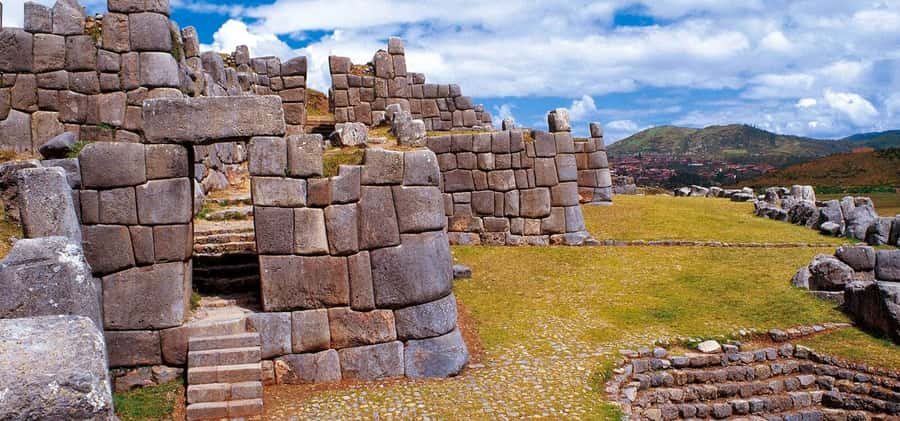
Cusco’s most striking lesson is written in stone: Spanish churches and Inca walls share the same city. This tour brings that contrast together, from the gold-filled Cusco Cathedral and sacred Qoricancha Temple to the huge fitted stones of Sacsayhuamán.
I like the efficient mix of city sights and nearby ruins, and I like that transportation is included for the hilltop sites. The main caution is timing. The advertised duration is six hours, while the itinerary also describes a four-and-a-half-hour tour, and Sunday visits may run in a different order.
Key points at a glance
- Qoricancha shows two cultures in one building: The former Inca Temple of the Sun became part of a Spanish religious complex.
- Sacsayhuamán is the major archaeological stop: Its massive stone construction receives the strongest architectural focus.
- The four ruins are reached by minibus: This saves you from arranging separate transport outside central Cusco.
- The Cathedral and Qoricancha require separate admission: These fees are not part of the $20 tour price.
- Sunday timing needs care: The order can change, with the ruins visited before the central Cusco sights.
- English and Spanish guiding is available: A live guide leads the tour rather than leaving you to interpret the sites alone.
Why this tour works as a first look at Cusco
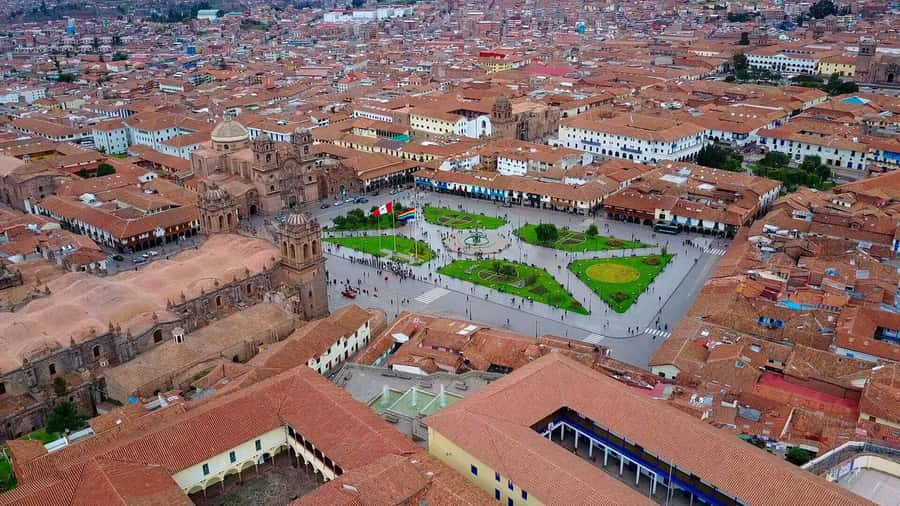
Cusco can feel like several cities stacked on top of one another. In the Plaza de Armas, Spanish colonial buildings frame a public square that once held great importance to the Inca world. At Qoricancha, Inca foundations support a later Spanish church. Outside the center, enormous stone walls and water channels show the engineering skill of the earlier civilization.
I like this tour because it gives you that broad picture in one outing. You are not spending six hours on ruins alone, and you are not staying only in the colonial center. The plan moves from the city’s religious monuments to four archaeological sites around Cusco.
The second strength is practical. A minibus handles the ride to Sacsayhuamán, Qenqo, Puca Pucara, and Tambomachay. That matters because the sites are outside the central walking circuit, and arranging separate rides would take more time and effort.
Still, you need to read the timing carefully. The activity is presented as lasting six hours, but the detailed schedule says you return near the Plaza de Armas after four and a half hours. One booked Sunday outing also ran late and did not reach the Cathedral or Qoricancha before the planned end. If those central sights matter most to you, confirm the start time and order before booking.
More Inca ruins above Cusco:
- Cusco: Half-Day City Tour with Sacsayhuaman and Q’enco
★ 4.6 · 1,129 reviews - City Tour Cusco Qoricancha Sacsayhuaman y Tambomachay
★ 4.7 · 617 reviews - Cusco City Sightseeing, San Pedro Market, Cathedral and Qorikancha Temple
★ 4.5 · 139 reviews
Plaza de Armas and Cusco Cathedral
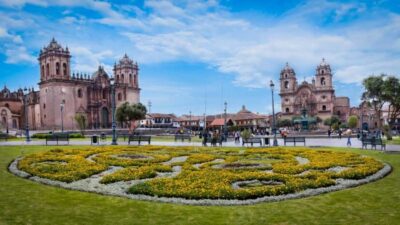
The tour begins at a meeting point before taking you to the Plaza de Armas. This is the natural starting place for understanding Cusco, since the square brings together the city’s colonial identity and its Inca foundations.
Inside the Cathedral, you can expect a guided look at its architecture and art. The description highlights decorative elements made with Inca gold, an important reminder that Spanish religious buildings in Peru did not develop apart from the earlier culture. The building’s importance is not only religious. It also shows how Spanish power was placed directly over an older sacred center.
The Cathedral entrance is not included. Foreign visitors pay 40 soles, listed as about $10.70, while local visitors pay 12.50 soles, listed as about $3.40. Add this charge to the low headline price when working out your real budget.
The Cathedral is scheduled before Qoricancha in the standard order. On Sundays, the order may be reversed, with the minibus going to the ruins first and the central sights later. That change is more than a small detail. If you have a lunch reservation, train connection, museum visit, or flight later in the day, the Cathedral may be the part most at risk if the tour falls behind.
Qoricancha, the Temple of the Sun
From the Plaza de Armas, you walk to Qoricancha. This short city transfer is useful because it links the two most important religious sites in the central part of the tour without another vehicle ride.
Qoricancha was one of the major religious centers of the Inca Empire. Its exact construction date remains uncertain, but its role is clear. The temple was dedicated to the sun, and the remains offer one of the best places in Cusco to see Inca and Spanish building traditions meeting in the same structure.
The appeal here is the contrast. Inca masonry is precise, heavy, and tightly fitted. Spanish construction and Catholic use came later. You are not simply looking at two separate monuments. You are seeing how one place was changed and reused after the Spanish conquest.
Qoricancha admission costs 15 soles, listed as about $4 per person. That is a modest extra fee, but it is easy to overlook when comparing tours by their advertised price. The $20 payment covers the guided activity, pickup at the meeting point, minibus transportation, and return to central Cusco. It does not cover the Cathedral, Qoricancha, or the four ruins.
A guide makes a real difference here. One highly praised guide was described as a university professor and was referred to as Doctor. That kind of academic enthusiasm suits Qoricancha, where a quick walk through the rooms can otherwise leave you focused only on the walls and not on the cultural changes they represent.
Sacsayhuamán and the scale of Inca stonework
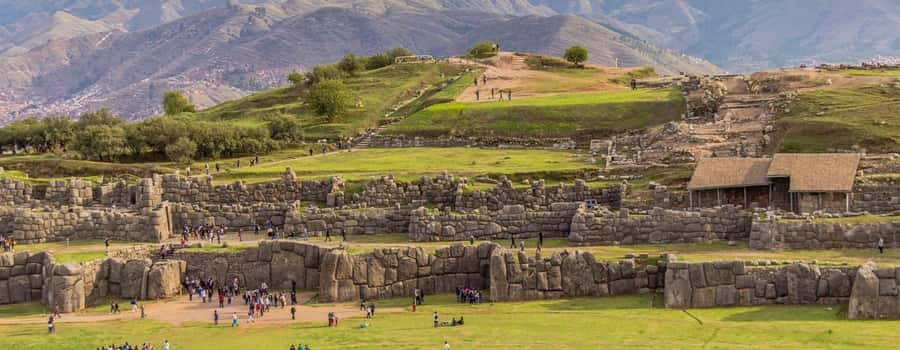
After the central sights, the minibus travels for about half an hour to Sacsayhuamán. This is the largest and most visually powerful stop among the four ruins.
The guided visit focuses on why Sacsayhuamán is considered the greatest architectural work of the Incas. The enormous stones are the point. Their size, careful placement, and strong defensive form make this a place where the scale of Inca construction becomes clear very quickly.
I would give Sacsayhuamán the most time and attention during the ruins portion. Qenqo, Puca Pucara, and Tambomachay each add a different piece to the story, but Sacsayhuamán gives you the strongest sense of construction on a grand scale.
The site is also where the minibus is most valuable. The tour removes the need to arrange separate transportation from central Cusco, then links the four archaeological sites in one route. You still need to keep an eye on the schedule, since the ruins are visited together and delays at the first major stop can affect the rest.
Admission to the four ruins costs 70 soles for foreign visitors, listed as about $18.80, and 40 soles for local visitors, listed as about $10.70. This is the largest extra fee in the itinerary.
A few more Urubamba days worth weighing up
- Cusco: River Rafting Adventure Full Day | Adrenaline Tour
★ 4.9 · 23 reviews - Cusco: Rainbow Mountain Tour with Meals & Red Valley Option
★ 4.8 · 5 reviews - From Cusco: Salkantay trek 5 days/4 nights meals included
★ 4.0 · 3 reviews - Cusco: Humantay Lake Tour with Breakfast and Buffet Lunch
★ 4.9 · 2,976 reviews
Qenqo, a sacred site with a different mood
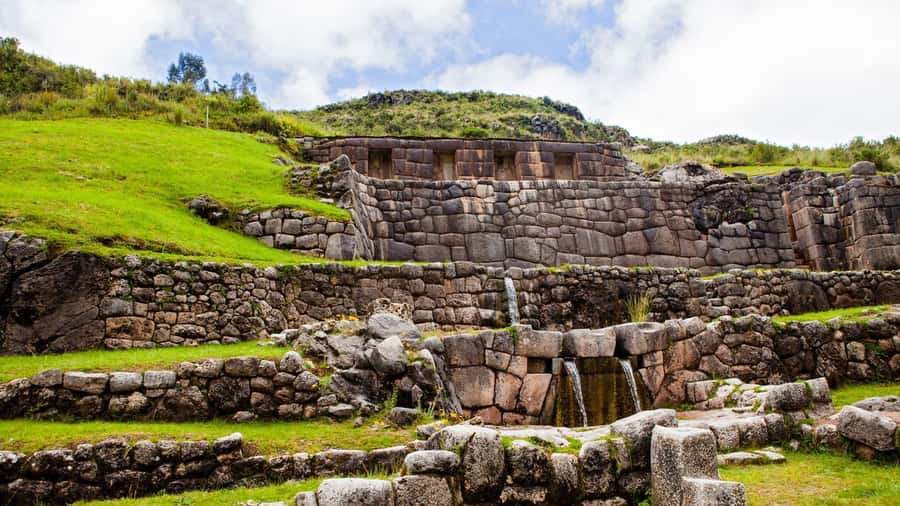
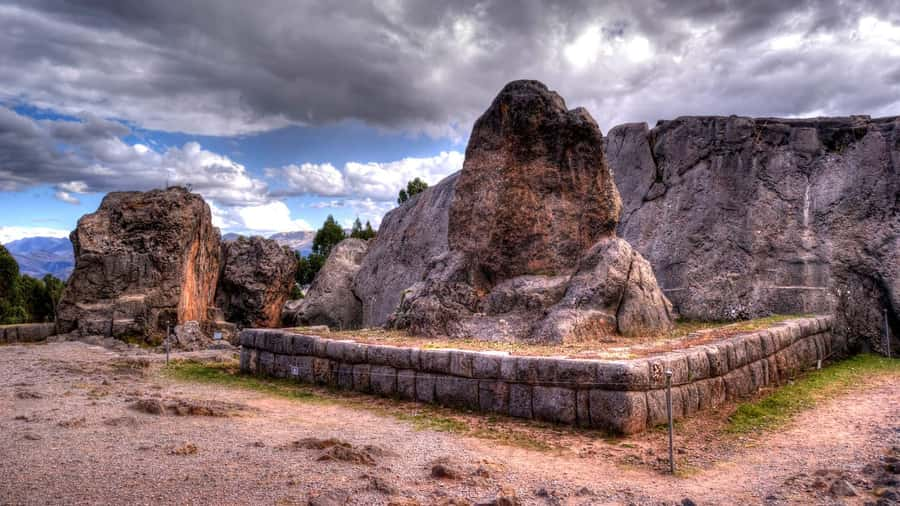
The next stop is Qenqo, described as one of the most important sanctuaries of its time. Compared with Sacsayhuamán, the emphasis here shifts from huge construction to ritual use.
Qenqo helps broaden the tour beyond military and political power. The site is presented as a sanctuary, so your guide can place it in the religious world of the Incas. That contrast makes the stop worthwhile, even though it is likely to feel smaller and less immediately dramatic than Sacsayhuamán.
This is also a good point to listen closely rather than simply take photographs. The value of Qenqo depends heavily on explanation. The stone itself may not tell you why the place mattered, but a guide can connect the carved surfaces and sacred setting to the wider role of ritual in Inca society.
The visit is brief enough that it works best as part of the connected four-site route. I would not choose a tour focused only on Qenqo, but I appreciate having it included after the large fortress.
Puca Pucara, the Red Fortress
Puca Pucara is known as the Red Fortress and functions in the itinerary as a watchtower. Its position gives the tour another angle on how the Inca road system and surrounding area were monitored.
The site is not described as a long visit, and that is sensible. Puca Pucara adds context rather than serving as the main event. You can expect a stop that helps explain the practical side of the Inca network, after the religious focus of Qenqo.
This is one reason the combined tour offers better value than visiting only the headline monuments. You see places with different roles: a major fortress, a sanctuary, a watchtower, and a water site. The stops may not all have equal visual impact, but together they create a more complete picture of the area around Cusco.
Tambomachay and the Inca worship of water
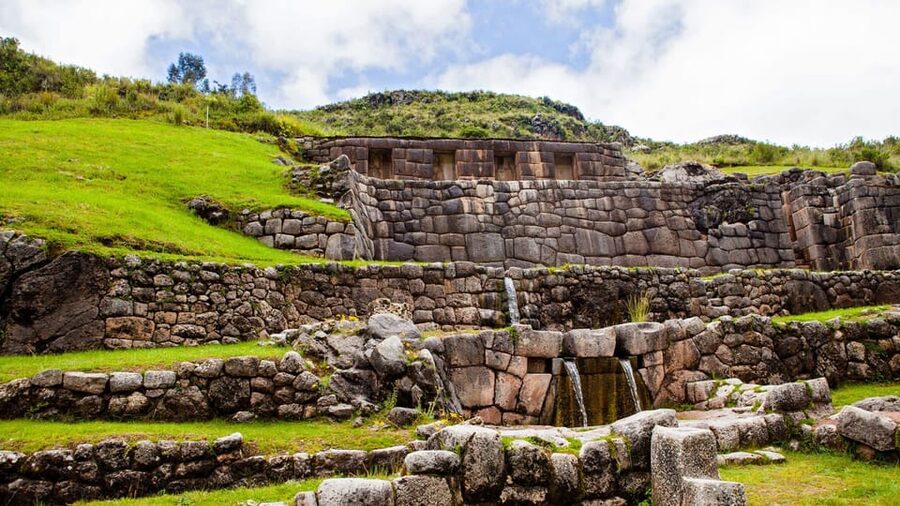
The final archaeological stop is Tambomachay, also called the Inca Bath. Here, the focus is water and the way it was respected within Inca belief.
The site gives the tour a quieter ending after the scale of Sacsayhuamán and the religious importance of Qenqo. The description explains that the Incas worshiped water here. That makes Tambomachay more than a place to see channels or fountains. It shows how engineering and belief could be joined in one site.
I like the order of ideas across the four ruins, even though the exact order can change on Sundays. Sacsayhuamán introduces monumental construction, Qenqo brings in sacred practice, Puca Pucara shows watch and defense, and Tambomachay turns to water. A guide is especially useful at the last three sites because their importance may not be obvious at first glance.
What the $20 price really covers
At $20 per person, the tour has a low starting price for a six-hour guided outing. The value comes from the combination of a live guide, minibus transportation, pickup at the meeting point, and return transfer to central Cusco.
The total cost is higher once entrance fees are added. For a foreign visitor, the listed extras total 125 soles, or about $33.50, for the Cathedral, Qoricancha, and four ruins. With the $20 tour price, the rough combined cost is about $53.50 per person, based on the supplied conversions.
For a local visitor, the listed admissions total 67.50 soles, or about $18.10. With the tour price, the approximate combined cost is $38.10.
That remains reasonable if you want all six sights and prefer one organized route. It is less attractive if you mainly want Qoricancha and the Cathedral, since you would still pay for the larger ruins package. The tour is built for breadth, not for a slow, specialist visit to one monument.
Timing, Sunday changes, and the duration problem
The timing is the part I would treat most seriously. The activity details say six hours, but the itinerary says you are left near the Plaza de Armas after four and a half hours. One Sunday booking began with a later pickup at 9:30 a.m., went to the ruins first, and had not yet reached Qoricancha or the Cathedral by 2 p.m. The people on that outing had to leave before seeing the central sights.
The practical lesson is simple: ask about the exact schedule for your date, especially if it is Sunday. The order may change so that the ruins come first, followed by Qoricancha, the Cathedral, and the Plaza de Armas.
Do not schedule a tight connection or important appointment immediately after the stated end time. If your main reason for booking is the Cathedral and Qoricancha, make sure the operator confirms that those stops will fit your departure window.
The activity allows cancellation up to 24 hours in advance for a full refund, and you can reserve now and pay later. Those terms help if your Cusco plans are still moving, but they do not solve the need to verify the day’s running order.
Who should book this Cusco tour?
I would choose this tour if you want a fast introduction to Cusco and prefer a guide to explain the relationship between Inca and Spanish culture. It suits first-time visitors who want central monuments and the four main ruins in one outing.
It also works well if transportation is a concern. The minibus makes the outer sites easier to connect, and the return transfer leaves you near the Plaza de Armas rather than far from the city center.
I would be more cautious if you want a leisurely visit, precise timing, or a deep focus on the Cathedral. The schedule may feel rushed, particularly if the group is delayed or the Sunday order places your priority stops at the end.
The tour is offered in English and Spanish. A guide with the enthusiasm and teaching background attributed to the guide called Doctor can make the historical sections much stronger, but guide quality and the day’s timing are the two variables you should confirm.
Should you book it?
Book this tour if you value coverage, low transportation costs, and a clear introduction to Cusco’s major religious and archaeological sites. The combination of Qoricancha, Sacsayhuamán, Qenqo, Puca Pucara, and Tambomachay gives you much more than a city-center walk.
Before paying, calculate the entrance fees and ask for the exact duration and order on your date. I would especially avoid it for a Sunday schedule if you cannot accept the possibility of seeing the Cathedral and Qoricancha late or missing them. For most flexible first-time visitors, though, it is a good-value way to get your bearings around Cusco.
FAQ
How long does the tour last?
The activity information gives a duration of six hours, but the detailed itinerary also describes a four-and-a-half-hour tour ending near the Plaza de Armas. Confirm the exact schedule before booking.
What languages are available?
The live guide is available in English and Spanish.
Is transportation included?
Yes. The tour includes minibus transportation to the four ruins, pickup at the meeting point, and a return transfer to central Cusco.
Are entrance fees included in the $20 price?
No. The Cathedral, Qoricancha, and the four ruins each require separate admission payments.
How much is admission to Cusco Cathedral?
The listed price is 40 soles, about $10.70, per foreign visitor and 12.50 soles, about $3.40, per local visitor.
How much is admission to Qoricancha?
The listed admission price is 15 soles, about $4, per person.
How much is admission to the four ruins?
The listed price is 70 soles, about $18.80, per foreign visitor and 40 soles, about $10.70, per local visitor.
Can I cancel the booking?
You can cancel up to 24 hours in advance for a full refund. The activity also allows you to reserve now and pay later.
Just added around Urubamba
- Sun and Moon Tour★ 4.5 · 3 reviews
- Sacred Valley Tour 1 Day★ 5.0 · 3 reviews
- Super Sacred Valley★ 3.8 · 6 reviews
- Peru in 5 days: Lima, Cusco, Machupicchu & Rainbow Mountain★ 5.0 · 3 reviews
- Machupicchu 2025: The best ticket Circuit 2★ 3.5 · 6 reviews
- Machu Picchu: 1-day tour by Vistadome Panoramic train★ 4.7 · 15 reviews
- Machu Picchu: historical and photographic guided tour★ 4.9 · 27 reviews
- Private Guide in Machu Picchu for 3 Hours★ 4.2 · 17 reviews
Sacsayhuaman & Cusco Ruins Tours, compared.
Half-Day City Tour with Sacsayhuaman and Q’enco
Read our review →
City Tour Cusco Qoricancha Sacsayhuaman y Tambomachay
Read our review →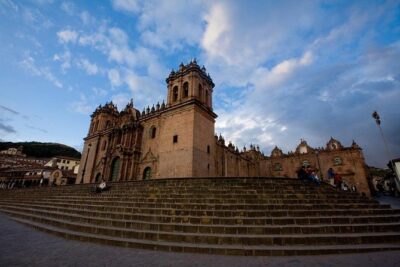
Cusco City Sightseeing, San Pedro Market, Cathedral and Qorikancha Temple
Read our review →
3-Hour Horse Riding Tour to the Temple of the Moon
Read our review →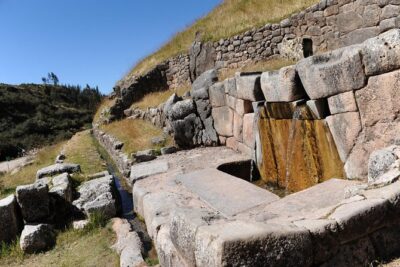
Cusco City Sightseeing and Sacsayhuaman Archeological Park Tour
Read our review →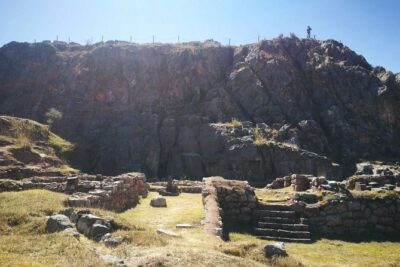
Horse Riding Chacan Mountain And Temple Of The Moon
Read our review →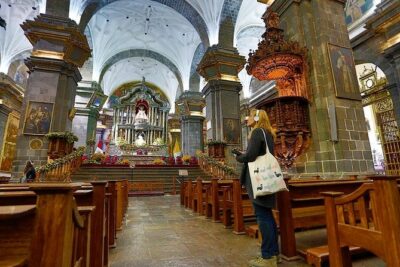
Cusco 4-Hour Private Tour Including Sacsayhuaman and Qenqo
Read our review →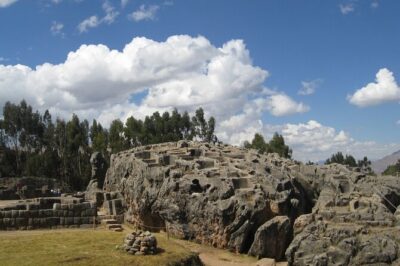
Sacsayhuaman Temple, Tambomachay and Puca Pucara Half-Day Tour
Read our review →Browse the lists this tour appears in