
Reviewed · SILLAR ROUTE TOURS
4 hours Tour: Route of Sillar with Trek in Culebrillas
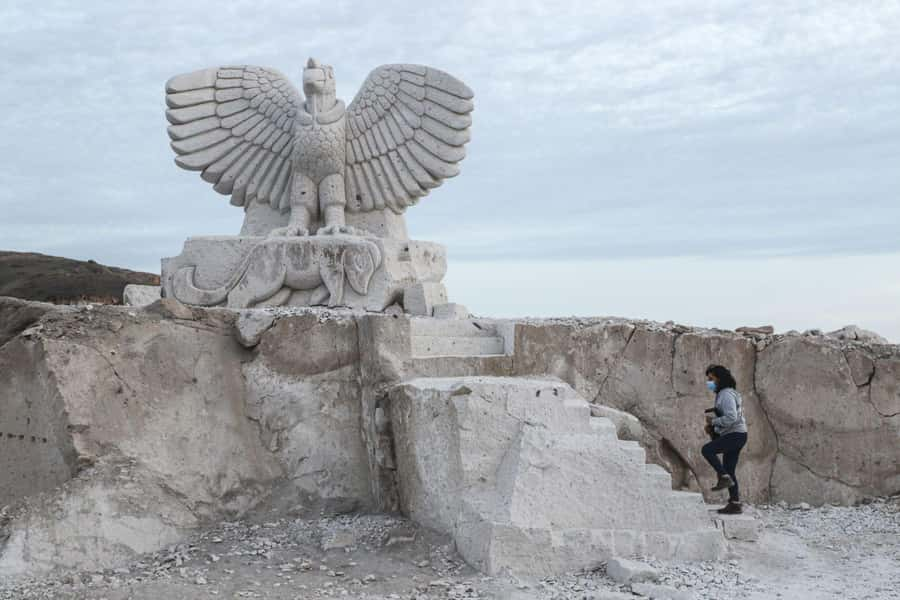
Arequipa’s white volcanic stone is more than a pretty building material. It is the reason much of the city glows pale in the sun, and this tour takes you to the quarries where that stone is still cut by hand. The Añashuayco Quarry provides the main show, with towering ignimbrite walls and a large carving of the Church of the Company of Jesus.
I like the mix of working craft and outdoor scenery. You get a real look at how sillar is made, then walk into the narrow Culebrillas canyon to see old Wari petroglyphs. The drawback is that this is a short, tightly timed outing. One recent departure began 30 minutes late, leaving less time at the stops, so punctual operation matters here.
Key points at a glance
- See sillar being made: Visit an active quarry and learn how local stonemasons cut the pale volcanic stone.
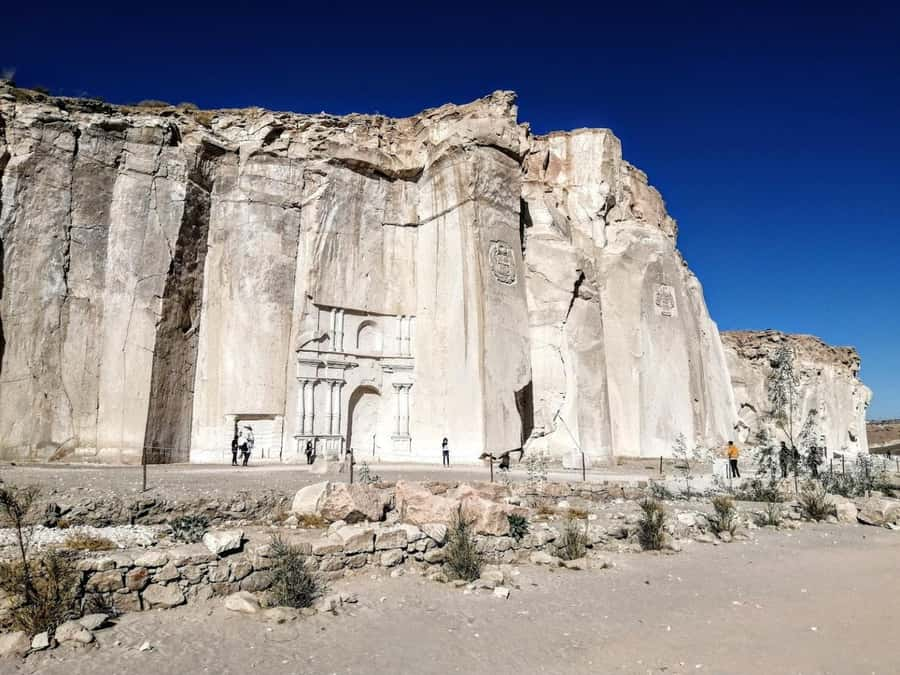
- Photograph the church carving: Añashuayco contains a large carved version of the Church of the Company of Jesus.
- Walk through Culebrillas: A roughly 20-minute canyon walk leads to Wari petroglyphs more than 1,000 years old.
- Catch volcano views: A short stop looks toward Arequipa’s volcanoes and the Chilina Valley, with a second viewpoint sometimes used depending on the season.
- Good low-cost half-day plan: The price is $11 per person, though entrance fees add 18 soles in total.
- Choose your language carefully: Tours are offered in English and Spanish, but guide availability can change.
Why Arequipa’s sillar matters
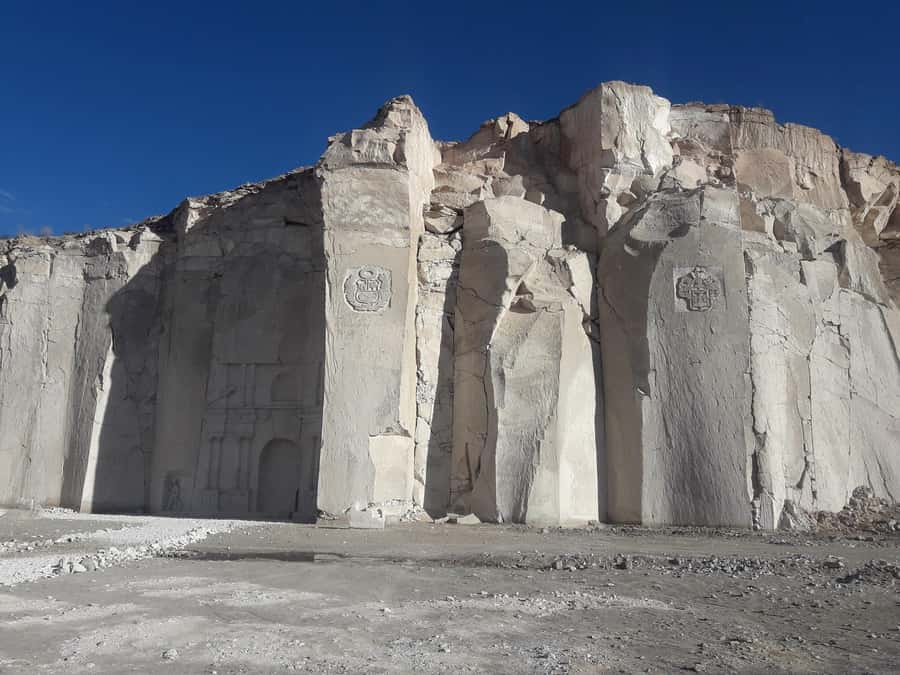
Sillar is a pale volcanic stone made from ignimbrite, a material deposited by ancient volcanic activity. In Arequipa, it became a central building material, giving churches, mansions, and walls their light-colored appearance.
You will not learn about sillar only from a museum display. At Añashuayco, the quarry is still operating, and stonemasons work the stone themselves. That makes the stop useful: you can connect the polished architecture of central Arequipa with the rough blocks being extracted outside the city.
The guide explains how sillar is produced and how it has been used over time. The presentation matters because the quarry is not simply an old work site preserved for tourism. It remains part of a living trade, and the people working there are part of the story.
The experience also gives you a better sense of the effort behind Arequipa’s famous buildings. A white church facade may look delicate from the plaza, but the material begins as a heavy block cut from a canyon wall. That contrast is one of the tour’s best lessons.
More Hiking Tours in Arequipa
- From Arequipa: Sillar Route Trek
★ 4.2 · 461 reviews - Trekking, Waterfalls and Thermal Baths
★ 4.5 · 47 reviews - 4-hour excursion: Sillar Route with Hiking in Culebrillas
★ 4.0 · 21 reviews
Starting in central Arequipa at 9:15 am
The morning departure begins at the main office on C. Álvarez Thomas 115, at the listed coordinates of -16.4003911, -71.53703469999999. Your name is checked against the list, and the group receives basic instructions before setting off.
The meeting point is convenient if you are staying near the historic center. The tour finishes near Av. La Marina, close enough to the main part of Arequipa for you to continue sightseeing afterward.
The stated morning schedule begins at 9:15 am and returns around 1:30 pm. An afternoon shift is also offered at 2:00 pm. Check the available departure when booking, especially if you have a bus, flight, or another activity later that day.
The ride is in tourist transport, with a professional guide speaking English or Spanish. The first drive takes about 25 minutes. This is not a long expedition into the countryside, but you will spend a fair amount of the tour in the vehicle, so the timing of each stop affects the whole experience.
The volcano and Chilina Valley viewpoint
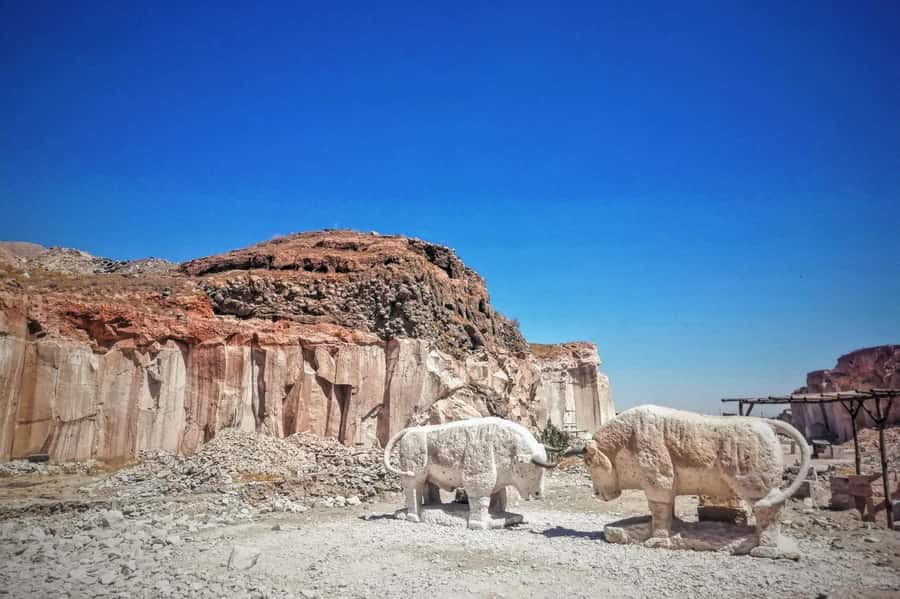
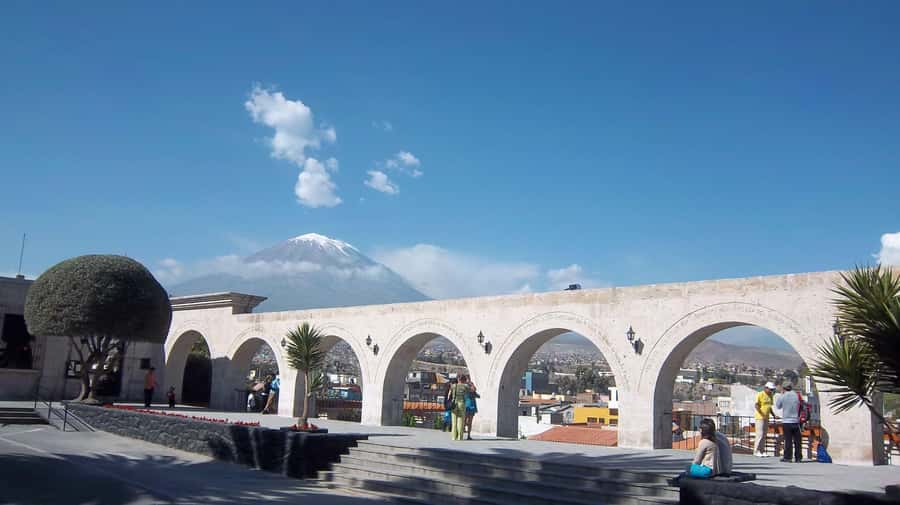
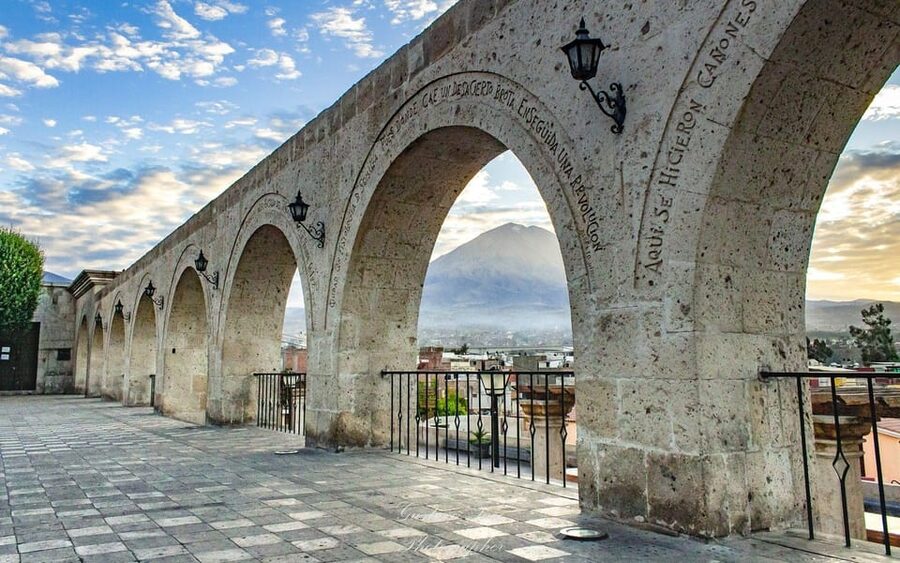
The first stop is a viewpoint used to look toward Arequipa’s volcanoes and the Chilina Valley. You have about 20 minutes for photographs, a short visit, and an introduction from the guide.
This opening stop gives you a quick visual map of the area. The volcanoes explain the source of the region’s volcanic stone, while the valley adds a broad view before the tour moves into the quarry itself.
Depending on the season, the company may replace this with another traditional viewpoint where the volcanoes are visible. That flexibility can be useful when conditions affect the view, though it means the exact opening stop may not always be identical.
Do not expect a long walk here. It is a brief scenic pause, designed to frame the rest of the morning rather than fill it. If the sky is clear, have your camera ready as soon as you leave the vehicle. The stop is short, and the group then continues toward Añashuayco.
Entering the Añashuayco Quarry
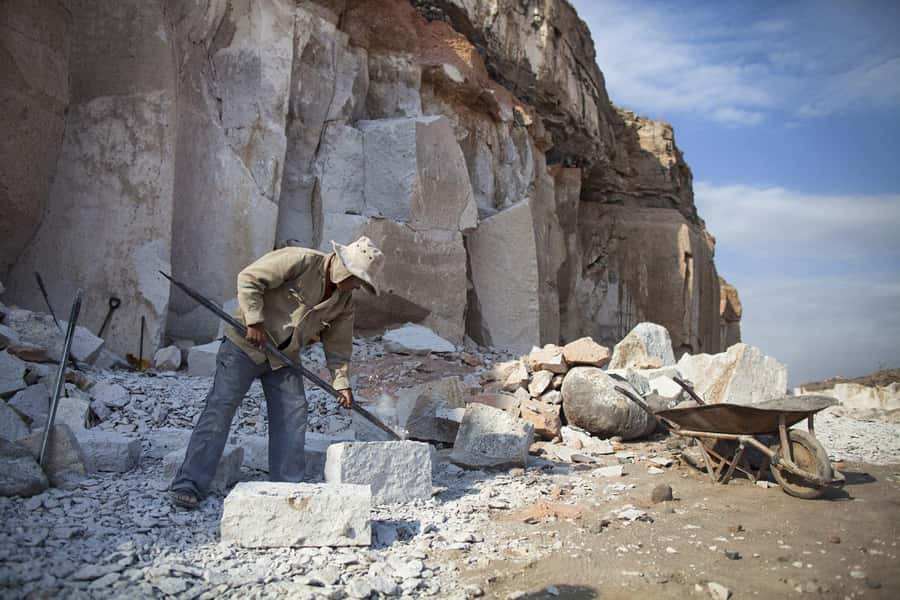
After roughly 45 minutes on the road, you reach Añashuayco Quarry. This is the tour’s central stop, with around 50 minutes for a guided visit, photos, free time, and walking.
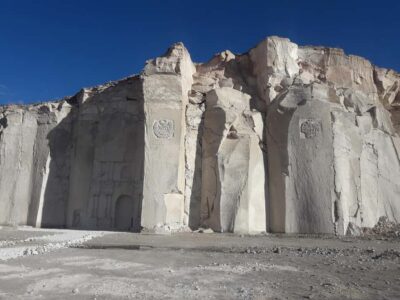
The quarry is impressive because of its scale. Extraction has cut into the ignimbrite, leaving high canyon walls and cliffs made from pale volcanic stone. The walls are not decorative ruins. They are the visible result of quarrying, and that gives the place a raw, working character.
Your guide explains the origins of sillar, how the stone is produced, and how it has been used in Arequipa. You can then look more closely at the stonemasons’ work. They begin early in the day, so the morning shift may offer a better chance of seeing the quarry as an active workplace rather than a quiet photo stop.
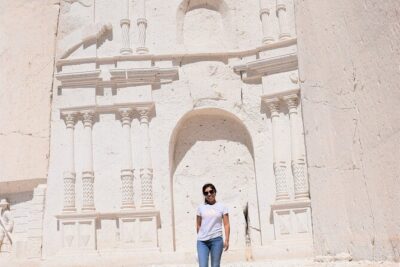
One unusual feature is the large carving of the Church of the Company of Jesus. It gives you a clear link between the quarry and Arequipa’s historic center. After seeing the carving here, you may look at the actual church facade with a sharper eye for the material and handwork.
The experience can also include a visit with one of the stonemasons. The worker explains the daily process, and you may be able to try cutting one of the stone blocks yourself. This is a small hands-on moment, not a full workshop, but it helps explain how much control and patience the craft requires.
Because the quarry is still in operation, conditions may feel dusty or rough. That is part of the point, but you should not expect a polished attraction with formal walkways at every turn. Wear shoes suited to uneven ground and clothing you do not mind using outdoors.
More Sillar Route half-days in Arequipa:
- Sillar Route and Culebrillas Petroglyphs
★ 4.5 · 89 reviews - Sillar Route in Arequipa and viewpoint of the Volcanoes
★ 4.0 · 71 reviews - Route of the Sillar | Quarries of Añashuaycos | Half day
★ 4.2 · 35 reviews - Sillar Stone Tour from Arequipa
★ 4.0 · 22 reviews
What the quarry adds to your Arequipa visit
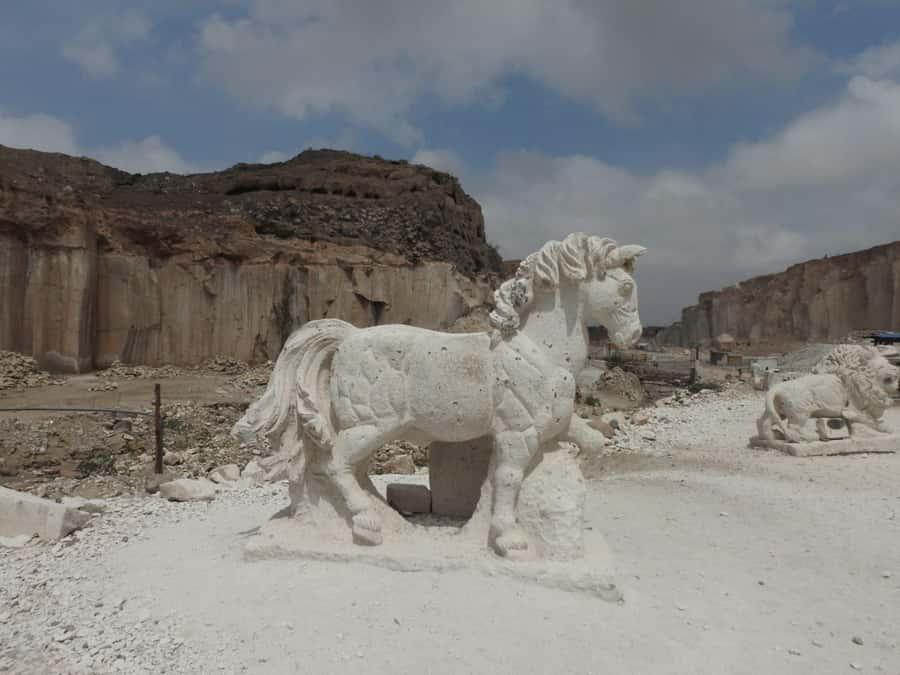
If you only see sillar in the city, it can seem like a visual style. The quarry shows you the labor behind it. That makes this stop more valuable than a quick scenic photo, especially if you are interested in architecture, local craft, or the way natural materials shape a city.
The price also makes more sense when you consider what is included. At $11 per person, you receive transport and a professional guide for the half-day route. You still pay 18 soles in total for entrance tickets, but even with that extra cost, the outing remains a modest way to see several locations outside the center.
The main limitation is time. Fifty minutes sounds reasonable, but it includes the guided explanation, photos, walking, and any contact with the stonemasons. If your group arrives late, the quarry stop can feel rushed. A 30-minute delay was reported on one departure, along with less time to appreciate the sites, so an on-time start is important.
Walking into Quebrada de Culebrillas
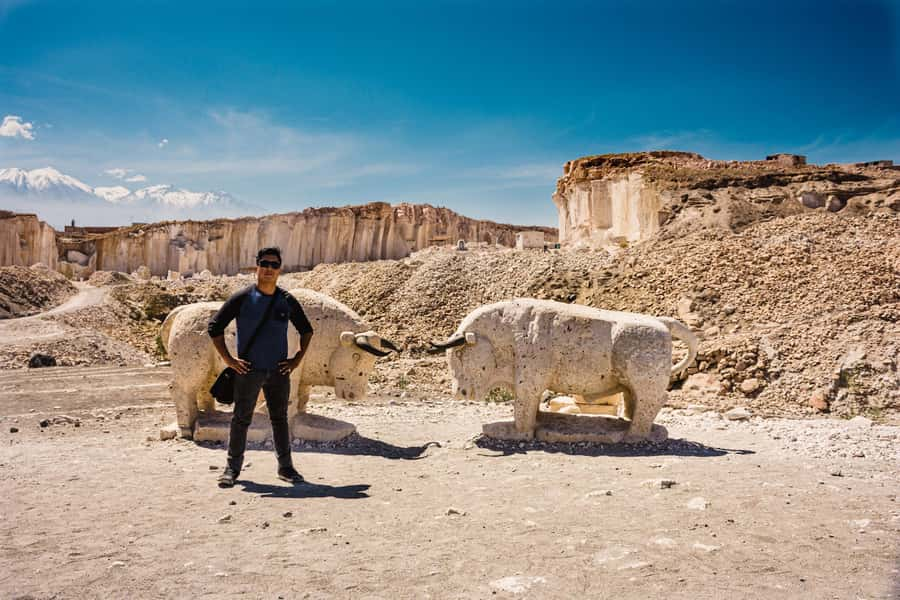
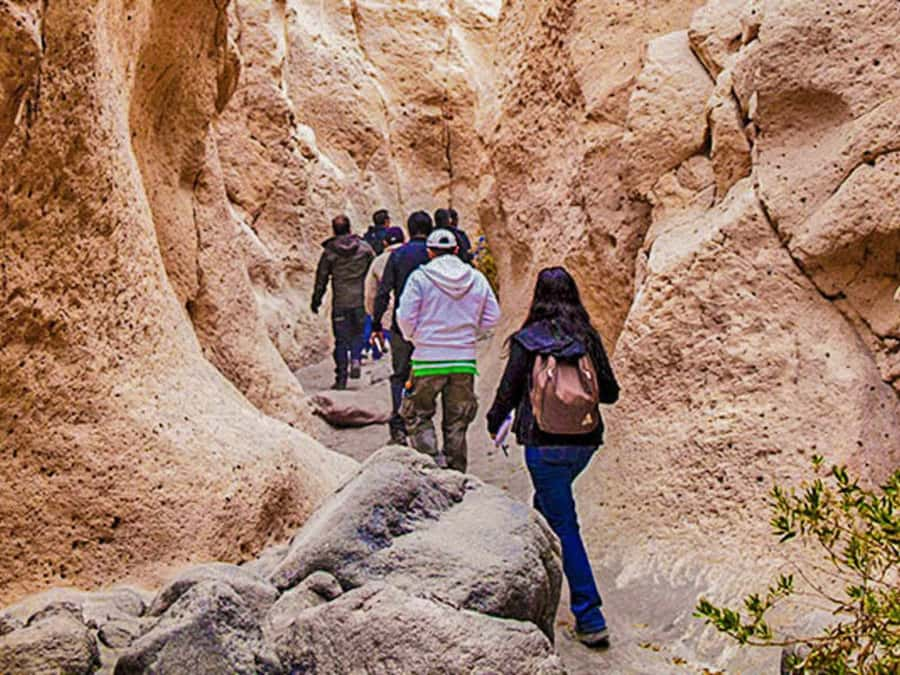
From Añashuayco, the vehicle takes about 30 minutes to reach Quebrada de Culebrillas. Here you have a guided visit lasting about 30 minutes, including a short break, photographs, and a walk into the canyon.
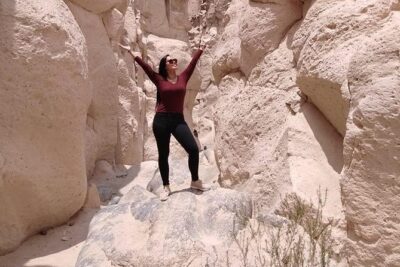
The walk itself takes around 20 minutes. Culebrillas was formed by the passage of water, and its walls rise roughly 15 to 20 meters. As you move farther inside, the walls grow higher, making the route feel more enclosed than the broad quarry.
This is a simple walk, but it gives the tour a different rhythm. Añashuayco is wide, open, and shaped by human extraction. Culebrillas is narrow and shaped by water. Seeing both in one morning helps you understand the region’s volcanic stone and dry canyon country from two angles.
At the end of the walk, you can see petroglyphs associated with the Wari culture and dated to more than 1,000 years ago. Their presence adds a cultural layer to what could otherwise be only a geology outing.
The information provided does not give a specific distance, difficulty rating, or accessibility detail for the canyon walk. You should therefore treat it as an outdoor path rather than a paved city stroll. The walk is short, but the canyon setting may include uneven ground.
Apachetas and the final stop
Before leaving the canyon area, the tour includes a look at apachetas. These are small formations of stones placed one on top of another. They are described as symbols of gratitude toward nature and as signs associated with good luck.
This is a brief cultural detail, but it changes the mood of the stop. The quarry explains work and material. The petroglyphs point to earlier people. The apachetas bring in a continuing local practice tied to nature and ritual.
You will likely have time for photographs and a short explanation rather than a long ceremony. The appeal is in noticing these modest stone piles in context, not in expecting a major monument.
Returning to Arequipa by early afternoon
The return journey begins around 12:30 pm, with arrival near the center at about 1:30 pm. The listed route includes roughly 50 minutes of driving from Culebrillas back to Arequipa.
That final ride makes this a practical morning plan. You can eat lunch in the city, visit a museum, or continue exploring the historic center afterward. The afternoon departure at 2:00 pm gives you another option if you prefer a slower morning, though the return time for that shift is not specified.
The published duration is 270 minutes, or four and a half hours. The individual stop and drive times add up to a similar half-day outing, with small variations possible. This is long enough to see the main sites but short enough to fit into a compact Arequipa itinerary.
Language, timing, and value
The tour is available in English and Spanish. That is important at Añashuayco, where the guide’s explanation gives meaning to the quarry, the carving, and the stonemason demonstration.
Guide availability can change. On one departure, the English-speaking guide was ill, and the group was offered the choice of postponing. The group kept its original plans and completed the visit in Spanish. If your Spanish is limited, confirm the operating language close to departure and keep some flexibility if the language matters greatly to you.
The price is its strongest practical feature. At $11 per person, the tour is inexpensive for transport, a guide, a viewpoint, a working quarry, a canyon walk, and cultural sites. Add the 18 soles in entrance fees, and it is still a good budget choice for a half-day outside Arequipa.
The value depends on your expectations. If you want a slow, detailed archaeological visit or a long hike, this route may feel too compressed. If you want several distinct stops without spending a full day or much money, it fits well.
The overall rating supplied for the experience is 4.2 out of 5 from 69 ratings. The strongest praise centers on the friendly, detailed guiding, the good price, the new vehicle on one departure, and the fun combination of sillar and Culebrillas. The less favorable comments focus on the tour feeling short, having limited interest for some people, and losing time when the departure started late.
Who should book this half-day route
I would choose this tour if you want to see where Arequipa’s pale stone comes from rather than only admire buildings downtown. It also suits you if you like combining geology, craft, scenery, and a short cultural walk in one outing.
It is a good match for:
- First-time visitors with limited time in Arequipa
- Budget-conscious visitors who want transport outside the city
- People interested in stonework and local building traditions
- Anyone who prefers a short canyon walk to a demanding trek
- Visitors who want both volcano views and historic cultural sites
I would think twice if you need a long, unhurried visit at every stop. The schedule allows about 20 minutes at the viewpoint, 50 minutes at the quarry, and 30 minutes at Culebrillas. Delays can reduce that time further.
Should you book the Sillar Route and Culebrillas tour?
Book it if the idea of seeing an active sillar quarry appeals to you. The church carving, the chance to watch or try basic stone cutting, and the connection between the quarry and Arequipa’s architecture give the tour a clear purpose.
The Culebrillas walk and Wari petroglyphs make the route more than a quarry visit. You also get volcano views, apachetas, and a short outing that leaves most of your day free.
Skip it if you want a deep archaeological tour, a substantial hike, or a relaxed schedule with long periods at each site. For everyone else, this is a low-cost, useful way to understand one of Arequipa’s most recognizable features: its white stone and the people who continue to work it.
FAQ
How long does the tour last?
The tour lasts 270 minutes, or about four and a half hours.
What time does the morning tour begin?
The morning departure begins at 9:15 am.
Is there an afternoon departure?
Yes. An afternoon shift is available at 2:00 pm.
Where is the meeting point?
The meeting point is the main office at C. Álvarez Thomas 115 in Arequipa.
Where does the tour finish?
The tour finishes near Av. La Marina in Arequipa, close to the city center.
Is transport included?
Yes. Tourist transport is included in the tour price.
Is a guide included?
Yes. A professional live guide is included.
Which languages are available?
The tour is offered in English and Spanish.
Are entrance fees included?
No. Entrance tickets cost 18 soles in total and are paid separately.
How long is the walk in Culebrillas canyon?
The walk inside Culebrillas takes approximately 20 minutes. The canyon walls are about 15 to 20 meters high, and they increase in height as you go farther inside.
Just added around Arequipa
- Walking tour through the Historic Center of Arequipa★ 4.0 · 3 reviews
- Trek to the Route of the Sillar and Culebrillas in Arequipa★ 4.0 · 9 reviews
- Arequipa, Historic and Colonial City and Santa Catalina Monastery★ 4.5 · 42 reviews
- 8-Hours Tour in Arequipa Laguna de Salinas with Pick-up★ 4.5 · 56 reviews
- Tour to the Sillar Route from Arequipa | Half Day★ 4.2 · 4 reviews
- Tour + Hike to the Sillar Route and Culebrillas in Arequipa★ 4.1 · 5 reviews
- Arequipa: The White City Origins – Sillar Route Half Day★ 5.0 · 4 reviews
- Sillar Stone Tour from Arequipa★ 4.0 · 22 reviews
Sillar Route Tours, compared.
Sillar Route in Arequipa and viewpoint of the Volcanoes
Read our review →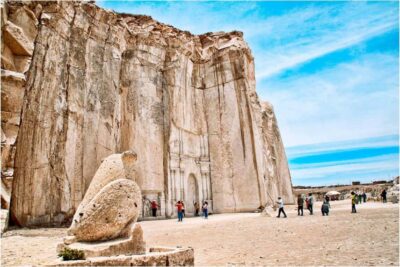
Route of the Sillar | Quarries of Añashuaycos | Half day
Read our review →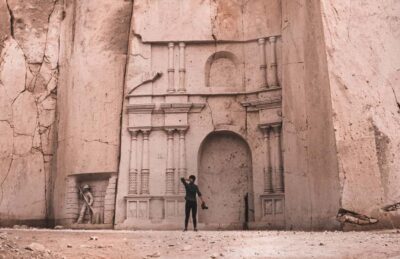
4-hour excursion: Sillar Route with Hiking in Culebrillas
Read our review →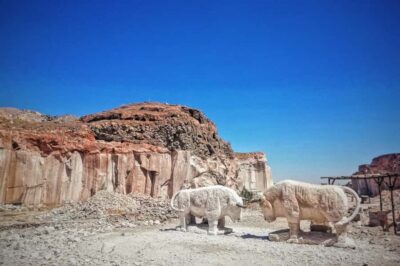
Trek to the Route of the Sillar and Culebrillas in Arequipa
Read our review →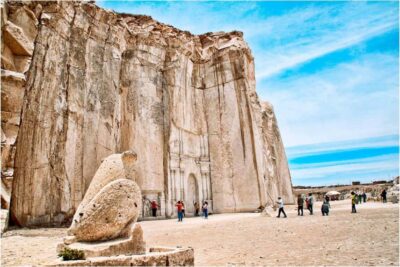
Arequipa | Tour of the Sillar Route + Culebrillas Canyon
Read our review →Browse the lists this tour appears in