
Reviewed · SILLAR ROUTE TOURS
4-hour excursion: Sillar Route with Hiking in Culebrillas
Arequipa’s famous white stone is not just a pretty building material. It is still cut by hand in the Añashuayco quarries, where towering ignimbrite walls show how the city’s ashlar blocks are made. I like the direct connection between working stonecutters and Arequipa’s architecture, and I like the quieter finish at Culebrillas Canyon, where a short walk leads to Wari petroglyphs more than a thousand years old.
The main thing to keep in mind is that this is not a serious hiking trip. The walk through Culebrillas lasts about 20 minutes, while the quarry visit is more about viewing, explanation, and photos. Parts of the Sillar Route can feel commercial and tourist-focused, and one verified booking recorded a tour that did not take place, so I would confirm arrangements before setting out.
Key points to know before booking
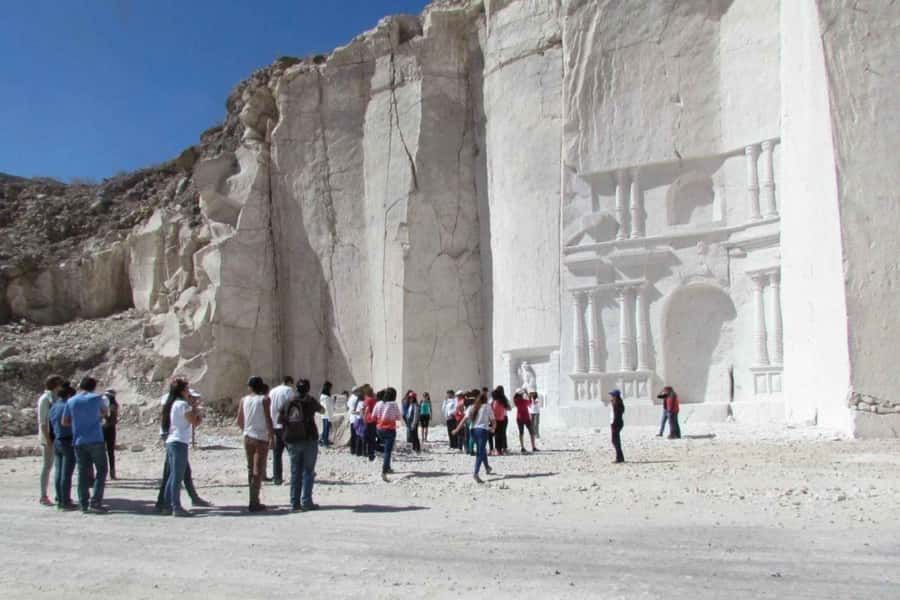
- Añashuayco is a working quarry: See the tall ignimbrite walls and watch how ashlar is cut and shaped.
- The giant carving is a highlight: A large representation of the Church of the Company of Jesus was made by local stonemasons.
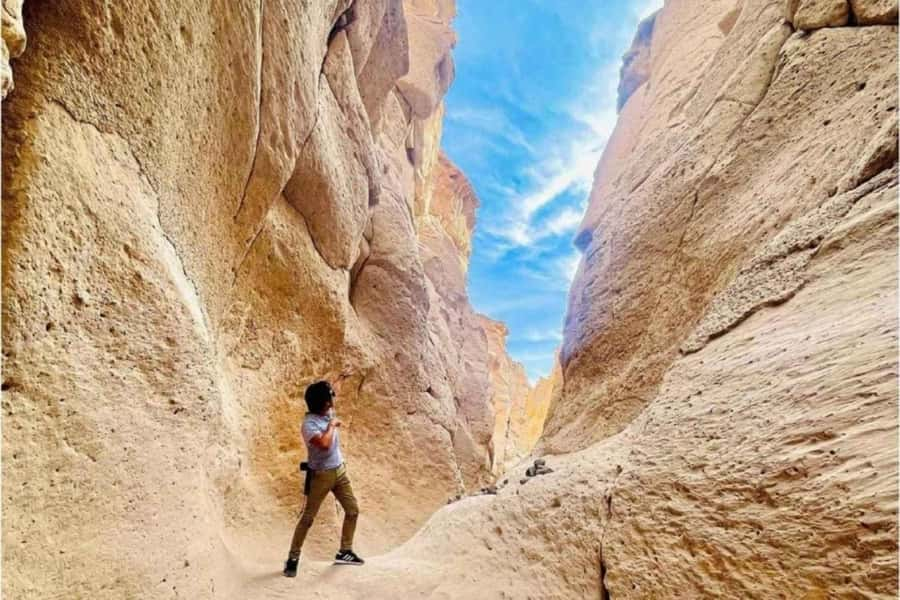
- Culebrillas provides the best walk: The 20-minute route enters a narrow canyon with walls reaching 15 to 20 meters.
- Wari petroglyphs add real historical interest: Ancient carvings appear near the end of the canyon walk.
- The volcano viewpoint comes early: You may see the volcanoes and Chilina Valley before reaching the quarries.
- The $20 price is fairly modest: Transport and a professional guide are included, but the entrance fee of 10 soles is extra.
Why Arequipa’s white stone matters
Arequipa is closely tied to sillar, the pale volcanic stone used in many of the city’s best-known buildings. On this excursion, I like that you do not simply hear about the material in a museum or see it already polished into a façade. You visit the place where it is extracted and shaped.
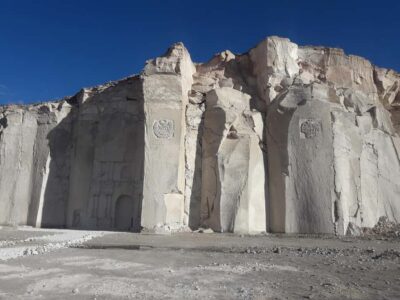
The route passes through areas formed from ignimbrite, a volcanic rock deposited by ancient eruptions. The quarry walls have been cut back over time as stone was removed, leaving tall pale cliffs and canyon-like faces. The result is visually dramatic, but it is also a working industrial site rather than an untouched natural attraction.
That distinction matters. If you expect a spiritual ruin or an ancient ceremonial site, the Añashuayco section may feel more commercial than expected. Stone extraction continues, and the visit focuses on the work, history, and uses of ashlar. I see that as a strength if you want a clear look at local craft, but it may disappoint you if you are looking for a purely archaeological stop.
More Hiking Tours in Arequipa
- From Arequipa: Sillar Route Trek
★ 4.2 · 461 reviews - 4 hours Tour: Route of Sillar with Trek in Culebrillas
★ 4.2 · 69 reviews - Trekking, Waterfalls and Thermal Baths
★ 4.5 · 47 reviews
The 9:15 departure and first volcano viewpoint
The excursion begins at about 9:15 in the morning. The first stop is a strategic viewpoint where you can see the volcanoes and the Chilina Valley. Depending on the season, the route may use a different traditional viewpoint with volcano views.
This opening stop helps you understand Arequipa’s setting before the tour moves into the quarries. The view also gives you a quick orientation to the region, with the city connected to broad volcanic surroundings and the Chilina Valley below.
The timing is useful. You get the viewpoint early, before spending most of the outing at the Sillar Route. Since the departure point and exact route variation are not specified, I would treat the viewpoint as a planned feature rather than assume a particular volcano or exact photo location.
If you want clear explanations, pay attention to the guide’s position and speaking volume. One booking described a guide as nervous, with a strong accent and audio that was difficult to hear through the microphone. The tour is offered in English and Spanish, but the quality of communication can depend on the individual guide and group conditions.
Entering the Añashuayco quarries
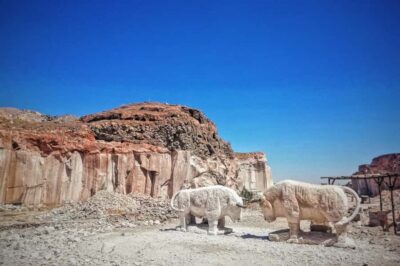
The ride to Añashuayco takes about 45 minutes from the first part of the route. When you arrive, you see an immense canyon with high ignimbrite walls created by stone extraction. These walls are the visual centerpiece of the quarry visit.
Here, the guide explains how ashlar is produced and how it has been used over time. The visit gives context to Arequipa’s pale architecture, helping you connect the stone in the city’s churches and streets with the people who cut it outside town.
The quarry is currently in operation. The stonemasons begin their work early, so the exact amount of active work you see may depend on the time of day. That is why the morning schedule makes sense, even though the tour cannot promise a particular demonstration or a certain number of workers at the site.
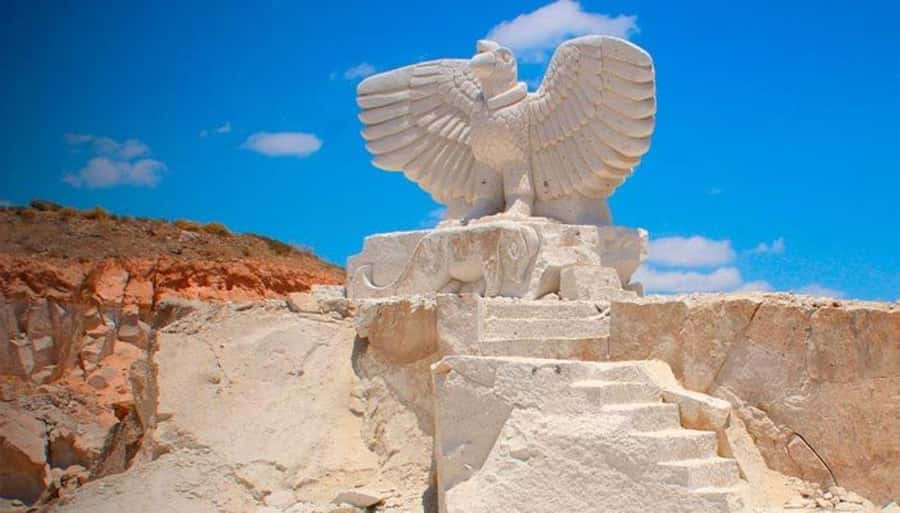
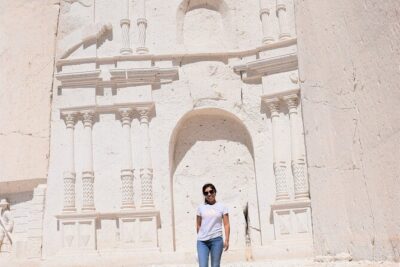
A particularly memorable feature is the Mega carving of the Church of the Company of Jesus. Local stonemasons created this large stone representation themselves. It is both a photo stop and a practical example of the skill involved in shaping ashlar into architectural forms.
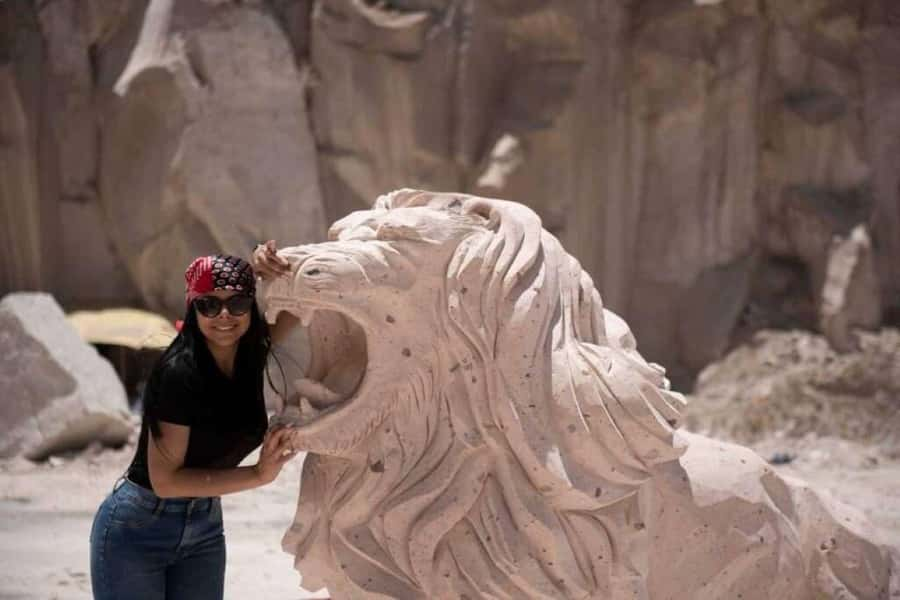
You may also visit one of the stonemasons, hear about the daily work, and try cutting one of the stone blocks yourself. This hands-on element gives the quarry visit more weight than a simple lookout. Still, the activity depends on what is available at the time, so I would view it as a possible part of the stop rather than the sole reason to book.
The quarry can also be visually repetitive if you are not interested in stonework. You will spend time looking at pale walls, tools, carvings, and extraction areas. The guide’s explanation is important here. Without it, the site risks becoming a quick photo stop.
Culebrillas Canyon and its 20-minute walk
After Añashuayco, the vehicle continues for about 30 minutes to the Quebrada de Culebrillas. This is where the excursion feels more like a nature walk.
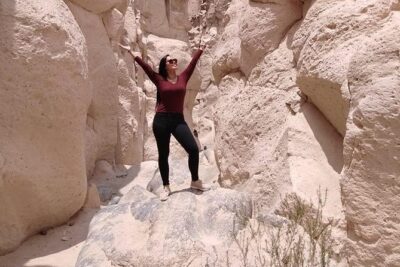
Culebrillas is a small canyon formed by the passage of water. Its walls rise about 15 to 20 meters, and they become taller as you move farther inside. The route lasts roughly 20 minutes, making it a short walk rather than a half-day hike.
I consider this the most atmospheric part of the outing. The quarry shows human work on volcanic stone, while Culebrillas shows how water shaped the rock over time. The narrow walls also create a change of pace after the open quarry area.
Do not book this tour expecting a strenuous trail. The word hiking may suggest a longer or more demanding outing than what is actually provided. You walk into the canyon, view the rock walls, and continue toward the petroglyphs. The supplied information does not give a difficulty rating or details about the walking surface, so anyone with specific mobility concerns should ask the operator before booking.
The canyon’s scale is easy to appreciate on foot. The walls begin at a more modest height and grow taller as you enter, creating a gradual sense of enclosure. That simple change makes the walk more interesting than a single viewpoint.
More Sillar Route half-days in Arequipa:
- Sillar Route and Culebrillas Petroglyphs
★ 4.5 · 89 reviews - Sillar Route in Arequipa and viewpoint of the Volcanoes
★ 4.0 · 71 reviews - Route of the Sillar | Quarries of Añashuaycos | Half day
★ 4.2 · 35 reviews - Sillar Stone Tour from Arequipa
★ 4.0 · 22 reviews
Wari petroglyphs at the end of the canyon
Near the end of the walk, you can see petroglyphs made by the Wari culture more than a thousand years ago. This is the clearest archaeological feature on the route.
The petroglyphs help balance the more commercial side of the Sillar Route. You are not only seeing a quarry developed for visitors. You are also looking at marks connected to an older culture, set within a canyon shaped by natural water flow.
The information provided does not specify the number, size, or exact designs of the carvings. I would therefore keep expectations sensible. This is a brief viewing stop, not a large archaeological complex with extensive interpretation.
Listen closely to the guide at this point. The petroglyphs may be easy to miss without direction, and the historical value is greater when you understand their cultural context. If your group focuses heavily on taking photos, it may be worth moving closer to the guide when the explanation begins.
Apachetas and the return to Arequipa
Before leaving Culebrillas, the group sees apachetas. These are stone formations made by placing stones one on top of another. In the local interpretation given on the tour, they represent gratitude toward nature and are also linked with good luck.
The apachetas add a symbolic finish to the canyon visit. They are small and simple, but they give the final stop a more reflective quality after the quarry’s practical focus. You can see why they cause a mystical feeling for some people, though the visit remains a short organized excursion rather than a formal spiritual ceremony.
The group begins the return to Arequipa at about 12:30 and arrives around 1:30. The published duration is four hours, while the stated timetable runs from roughly 9:15 to 1:30, or about four hours and 15 minutes. That difference is minor, but it is worth allowing a little flexibility if you have another activity booked afterward.
What the $20 price includes
At $20 per person, this is a reasonably priced way to reach several sites outside Arequipa in one morning. Tourist transport and a professional guide are included, which gives the price most of its value. Arranging separate transport to the viewpoint, quarry, and canyon could be inconvenient and likely less efficient.
The entrance ticket is not included and costs 10 soles. Add that amount when comparing this excursion with other Arequipa day trips. The total remains modest, especially if you value having the route explained in English or Spanish.
The price is strongest for someone who wants variety in a short outing. In a single trip, you get volcano views, a working quarry, a large stone carving, a canyon walk, ancient petroglyphs, and apachetas. You are not paying for a long trek or a luxury vehicle experience. You are paying for transport, access to several stops, and an organized introduction to sillar production.
The value is less clear if you want extensive archaeology or a quiet, slow visit. The tour moves through several locations in four hours, and the quarry is an active tourist stop. I would choose it for breadth and convenience, not for deep archaeological study.
Who will enjoy this outing most
I would recommend the tour to first-time visitors who want to see more of the Arequipa area without giving up an entire day. It is also a good fit if you have already explored the city center and want to understand where its distinctive pale stone comes from.
Photography is another reason to consider it. The quarry walls, giant carving, canyon, volcano viewpoint, and stone formations offer very different subjects in a short period. The route works well for people who prefer several visual stops instead of one long walk.
History-minded visitors should find enough material to make the outing worthwhile, especially at the Wari petroglyphs and the ashlar demonstration. The experience is strongest when you listen to the explanations rather than treat every stop as a photo background.
I would be more cautious if your main goal is hiking. The Culebrillas walk is only about 20 minutes, and much of the tour takes place in or near the vehicle and quarry areas. I would also set expectations carefully if you prefer remote, untouched places. The Sillar Route is described as a tourist route, and one detailed assessment found it more commercial than expected.
Families and casual sightseers may appreciate the short duration and varied stops, but the available information does not specify child pricing, group size, vehicle type, or accessibility. Ask the operator directly if any of those points affect your decision.
Language, guiding, and practical expectations
A live guide is available in English or Spanish. The guide is central to the experience because the most valuable parts of the route involve explanation: how ashlar is cut, how it shaped Arequipa, what the Wari petroglyphs represent, and why apachetas are made.
Communication quality may vary. One booking described difficulty understanding the guide over the microphone because of a heavy accent and nervous delivery. That does not mean every departure will have the same problem, but it is a fair reason to sit where you can hear clearly and ask questions at the stops.
The group may include people with different interests. Some may want detailed history, while others may mainly want photographs. If you care about the cultural side, stay near the guide during the quarry and petroglyph explanations. The Culebrillas visit can feel brief if the group spends most of its time taking pictures.
The excursion offers free cancellation up to 24 hours before departure and allows you to reserve now and pay later. One verified booking reported that the excursion did not take place, so I would confirm the departure details with Latitudes before the morning of the tour. That is especially important if the outing is tied to a flight, bus, or other fixed appointment.
Should you book the Sillar Route and Culebrillas excursion?
Book it if you want an inexpensive half-day introduction to Arequipa’s volcanic stone, with a working quarry, volcano views, a short canyon walk, and Wari petroglyphs. The combination is varied, and the transport makes several out-of-town stops easy to fit into one morning.
Skip it if you want a serious hike, a remote archaeological experience, or a quiet day away from organized tourism. The walking is short, the quarry can feel commercial, and the experience depends heavily on clear guiding.
For most first-time visitors with four free hours, I think the $20 cost plus the 10-sol entrance fee is fair. Go for the connection between Arequipa’s white-stone buildings and the workers who produce the material, then treat Culebrillas as the more natural and historical finish.
FAQ
Where does this excursion take place?
It takes place in the Arequipa Region of Peru, visiting the Sillar Route, Añashuayco Quarry, Culebrillas Canyon, volcano viewpoints, and Andenerías.
How long does the tour last?
The advertised duration is four hours. The stated schedule begins at about 9:15 and returns to Arequipa at about 1:30, which is roughly four hours and 15 minutes.
What time does the excursion begin?
The journey begins at approximately 9:15 in the morning.
What is included in the price?
Tourist transport and a professional guide are included.
Is the entrance fee included?
No. The entrance ticket costs 10 soles and must be paid separately.
What languages are available?
The live tour guide is available in English or Spanish.
How long is the walk in Culebrillas Canyon?
The walk through the canyon lasts approximately 20 minutes.
What can I see at Culebrillas?
You can see canyon walls about 15 to 20 meters high, Wari petroglyphs more than a thousand years old, and apachetas made from stacked stones.
What can I see at Añashuayco Quarry?
You can see an active quarry, high ignimbrite walls, ashlar production, and a large carving of the Church of the Company of Jesus. You may also meet a stonemason and try cutting a stone block.
Can I cancel the booking?
You can cancel up to 24 hours in advance for a full refund. The activity also offers reserve-now, pay-later booking.
Just added around Arequipa
- Walking tour through the Historic Center of Arequipa★ 4.0 · 3 reviews
- Trek to the Route of the Sillar and Culebrillas in Arequipa★ 4.0 · 9 reviews
- Arequipa, Historic and Colonial City and Santa Catalina Monastery★ 4.5 · 42 reviews
- 8-Hours Tour in Arequipa Laguna de Salinas with Pick-up★ 4.5 · 56 reviews
- Tour to the Sillar Route from Arequipa | Half Day★ 4.2 · 4 reviews
- Tour + Hike to the Sillar Route and Culebrillas in Arequipa★ 4.1 · 5 reviews
- Arequipa: The White City Origins – Sillar Route Half Day★ 5.0 · 4 reviews
- Sillar Stone Tour from Arequipa★ 4.0 · 22 reviews
Sillar Route Tours, compared.
Sillar Route in Arequipa and viewpoint of the Volcanoes
Read our review →
4 hours Tour: Route of Sillar with Trek in Culebrillas
Read our review →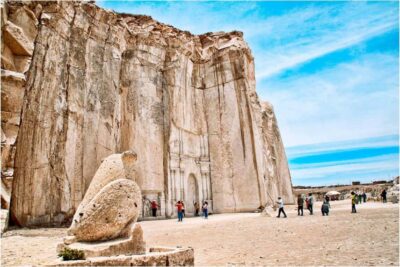
Route of the Sillar | Quarries of Añashuaycos | Half day
Read our review →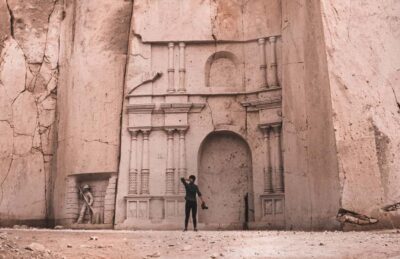
Trek to the Route of the Sillar and Culebrillas in Arequipa
Read our review →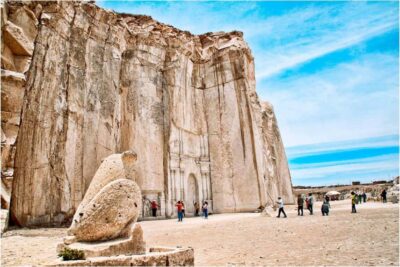
Arequipa | Tour of the Sillar Route + Culebrillas Canyon
Read our review →Browse the lists this tour appears in