
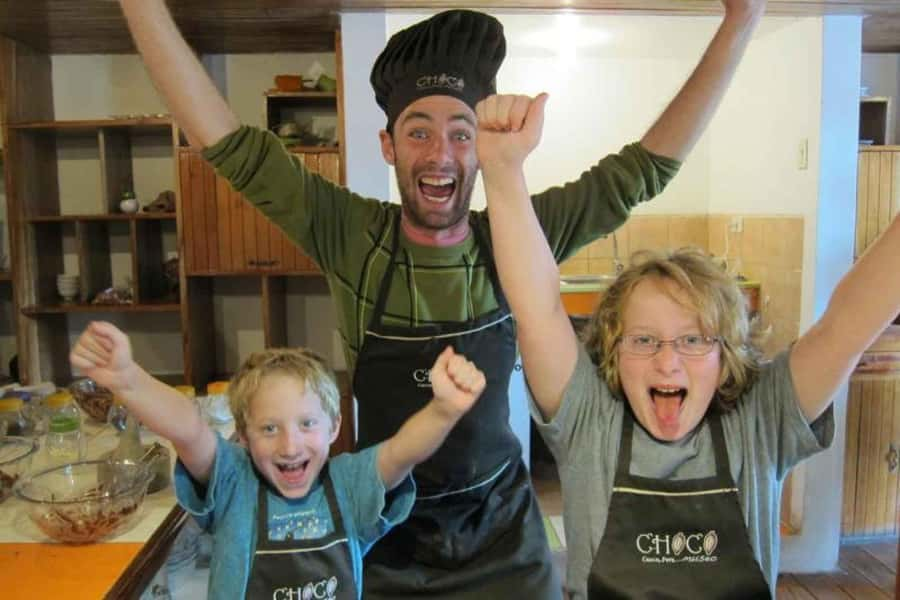
Reviewed · WORKSHOPS
Cusco: Bean to bar chocolate workshop
Cusco’s chocolate workshop takes you past the finished candy bar and into the work behind it. In two hours, you roast cacao beans, strip away the husks, grind the nibs on a metate with a mano, and refine the paste in a melangeur before making your own chocolate.
I like the hands-on work and the chance to flavor your own organic chocolates. I also like that you prepare cacao paste for hot chocolate, rather than simply watching a demonstration. The main consideration is time: two hours gives you a useful introduction, not a full course in chocolate making.
Key points to know before you book
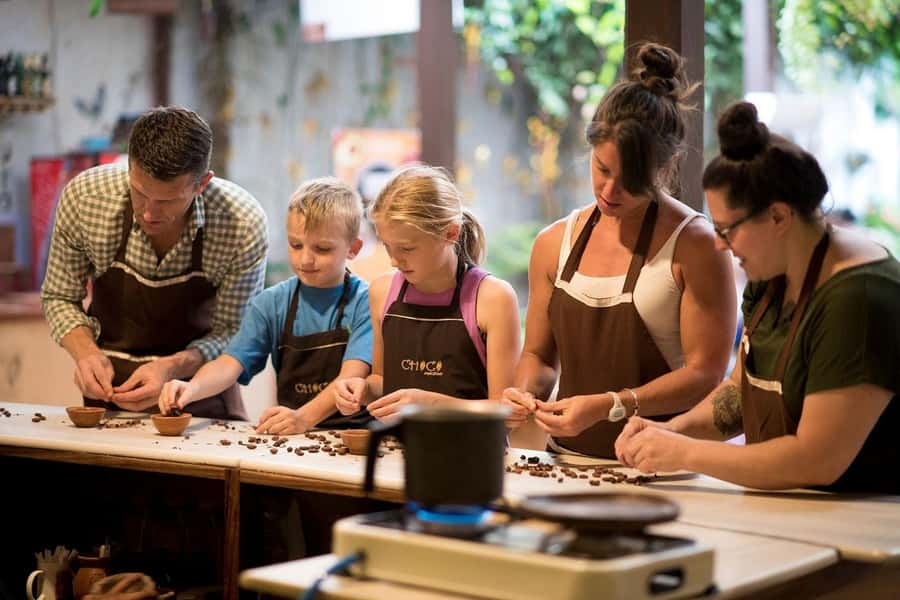
- Four traditional cacao steps: Roast the beans, remove the husks, grind the nibs on a metate, and refine the paste in a melangeur.
- Your chocolate is your own: Choose ingredients for a handmade bar tailored to your taste.
- Hot chocolate is part of the lesson: Prepare drinks linked to Maya and conquistador traditions.
- A small, focused Cusco activity: The two-hour format fits neatly between sightseeing stops.
- English and Spanish instruction: Choose the language that suits you when checking availability.
- Bring a working WhatsApp number: Use your full country code, especially for last-minute contact.
From cacao bean to chocolate bar in Cusco
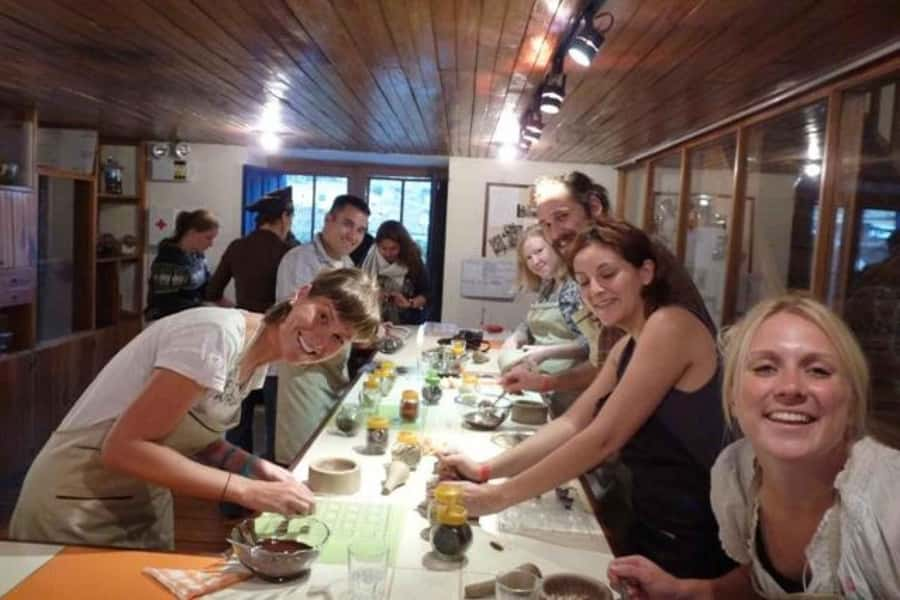
This is a workshop built around transformation. You begin with cacao in a less polished form, then follow the changes that make it smooth, fragrant, and ready to eat.
That order matters. Many chocolate tastings start with a finished square and a few tasting notes. Here, you get a clearer sense of the labor involved before the sweetness arrives.
The activity takes place in a chocolate workshop and museum in the Cusco Region. The setting gives the class an educational side, with attention to cacao’s past and to why Cusco is associated with fine chocolate.
You can expect a live guide in English or Spanish. The guide explains each stage, demonstrates the techniques, and gives you the chance to work with the ingredients yourself.
The class lasts two hours. That is long enough to cover the main process and make something to carry away, but short enough to fit into a day built around Cusco’s churches, Inca sites, markets, and museums.
More cacao and chocolate workshops:
- Chocolate Workshop in Cusco with Premium Organic Cacao
★ 5.0 · 75 reviews - Cusco Cooking Class by ChocoMuseo in Cusco
★ 5.0 · 29 reviews - Cusco: Chocolate Workshop with the Best Local Organic Cacao
★ 4.5 · 23 reviews
Roasting cacao beans, the first practical lesson
The process begins with roasting the cacao beans. This is an important step because it changes the raw beans and prepares them for the work that follows.
You are not simply told that cacao must be roasted. You take part in the preparation, which makes the later stages easier to understand. The finished bean may look simple, but the chocolate in your bar depends on what happens at this early point.
After roasting, you remove the cacao husks. This is a hands-on task, and it helps you see the difference between the outer shell and the usable cacao inside.
The husk removal stage is also a useful reminder that chocolate does not begin as a neat, ready-to-mix ingredient. Before you taste your own bar, you handle the bean in a form that is much closer to its source.
I would expect this part of the class to appeal to curious cooks, food-focused visitors, and families who want more than a standard tasting. It has enough physical activity to keep the lesson from becoming a lecture.
Grinding cacao on a metate like the Aztecs
The most distinctive part of the class is the grinding stage. You grind cacao nibs on a metate with a mano, using the same basic type of tool associated with Aztec chocolate preparation.
This gives the workshop a direct link to older food traditions. You can feel how the nibs change as you work them, rather than hearing only a short explanation about ancient methods.
The metate and mano are not just display pieces. They show why early chocolate required time and effort. The grinding produces cacao paste, which becomes the base for the hot chocolate and later chocolate-making steps.
This is one reason the workshop offers more value than a simple souvenir-making session. You leave with a better sense of chocolate as a food with a long cultural path, not only as a sweet sold in shops.
You should keep your expectations realistic. Traditional grinding is part of the experience, but the class also uses modern equipment for refining. You get both the old method and a practical look at how a smoother final product is made.
Refining the cacao paste in a melangeur
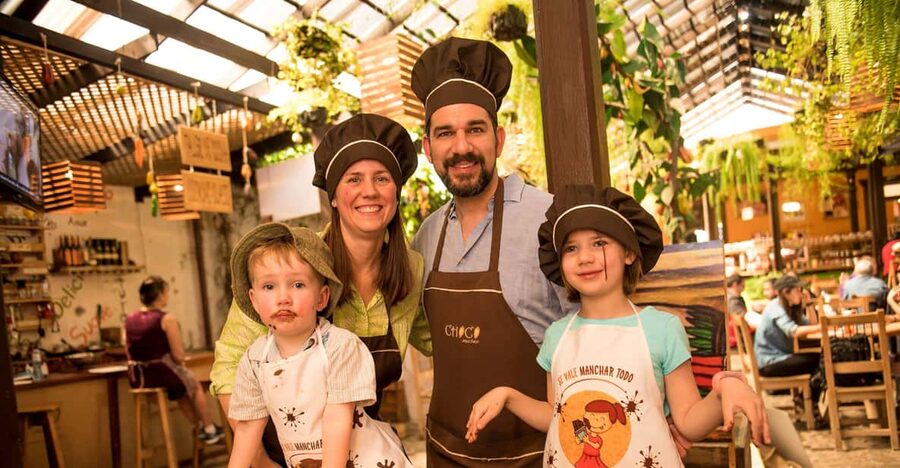
The fourth process is refining the cacao paste in a melangeur. This machine works the paste so it becomes more suitable for chocolate.
The contrast with the metate is useful. One tool connects the class to older cacao preparation, while the melangeur shows how chocolate reaches a more even texture.
The workshop does not stop at roasting and grinding. You follow the cacao through the stage where texture begins to matter. That is especially helpful if you have wondered why some chocolate feels gritty and some melts smoothly.
This portion also gives the class a clear structure. You move through four named stages, and each one has a job:
- Roasting prepares the beans.
- Removing the husks separates the outer layer from the cacao.
- Grinding turns the nibs into paste.
- Refining improves the texture of that paste.
The process is easy to follow because it has a visible result at every stage. You can see, handle, and taste the changes as the cacao moves closer to a finished chocolate.
More hands-on workshops in Cusco:
- The Textile Workshop Experience in Cusco Region
★ 5.0 · 118 reviews - Pisco Sour Secrets: Hands-On Mixology in Historic Cusco
★ 4.5 · 50 reviews - 1.5h Cusco Chocolate Workshop – Truffles & Hot Chocolate
★ 4.3 · 8 reviews - Sacred Valley Textile Workshop – Dyeing & Weaving in Cusco
★ 5.0 · 92 reviews
Making hot chocolate in Maya and conquistador styles
The class includes hot chocolate drinks connected with Maya and conquistador traditions. The drinks add another layer to the workshop because they show that chocolate has not always been prepared in the same way.
The wording of the experience identifies these as Maya and conquistador drinks, but it does not provide a full ingredient list or a precise recipe for each one. For that reason, I would treat this as a tasting and preparation lesson rather than expect a detailed culinary comparison.
The hot chocolate also makes good use of the cacao paste you help prepare. You are not only making a bar for later. You get to use part of the work during the class.
That detail earned special praise in the available feedback, which highlighted roasting, peeling, and grinding the cacao before making hot chocolate. If you want a workshop with real preparation rather than a quick decorating activity, this is the part to value.
Molding a chocolate bar to your taste
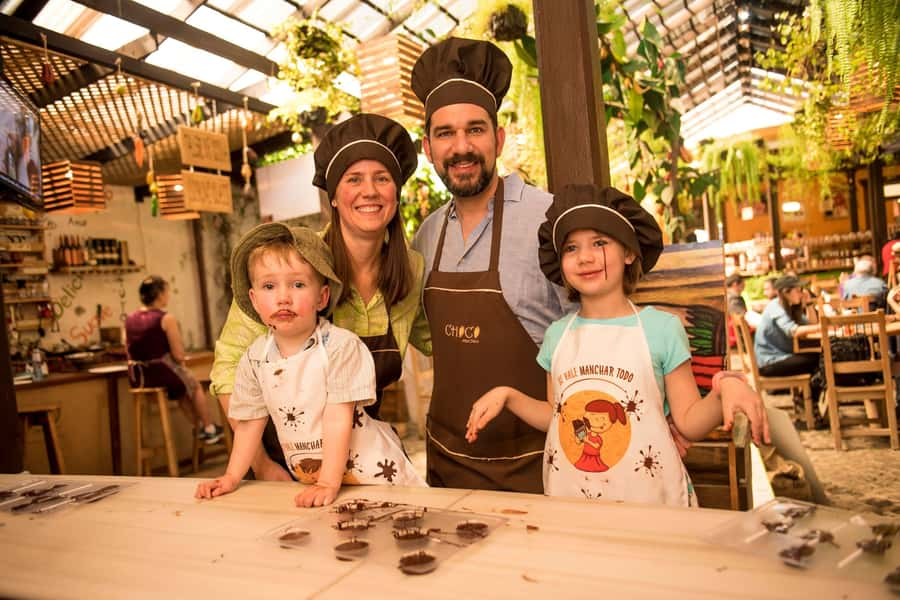
After learning the process, you make your own chocolate bar. You choose the ingredients, so the final result can suit your taste.
The exact ingredient choices are not listed, so you should not arrive expecting a fixed menu of fillings or toppings. The useful point is that your bar is made by you and can be tailored within the options offered during the class.
This personal element turns the chocolate into a small Cusco souvenir. You do not simply buy a wrapped product and carry it home. You take away something connected to the work you did during the workshop.
You can take all of your handmade chocolates with you, unless you eat them before leaving. That is a practical advantage for anyone who prefers small, edible souvenirs over another object in a suitcase.
The molding stage should suit couples, families, and friends who enjoy making something together. It also gives solo visitors a clear project and a finished result, even if they have little experience in the kitchen.
Why this works well in a Cusco itinerary
At two hours, this is an easy activity to place around other plans. It does not require a full day away from Cusco, and the workshop format gives you a break from walking and sightseeing.
That makes it a good choice after several hours among stone streets and archaeological sites. You still learn something tied to Peru, but the pace is more relaxed and the focus is on food.
The location is given as the Cusco Region, rather than with a detailed meeting point in the available information. Check the exact starting location and time before booking, especially if you are fitting this between timed visits.
No transportation arrangement is described. You should therefore confirm how you will reach the workshop from your accommodation or previous stop.
The activity is offered with free cancellation up to 24 hours before the start time, and you can reserve now and pay later. Those terms are useful when your Cusco schedule includes weather-sensitive outings or changing plans.
For a last-minute reservation, contact the supplier by email first to check availability. You should also enter your mobile number with the full country code and make sure WhatsApp works on that number.
Who should book this chocolate workshop
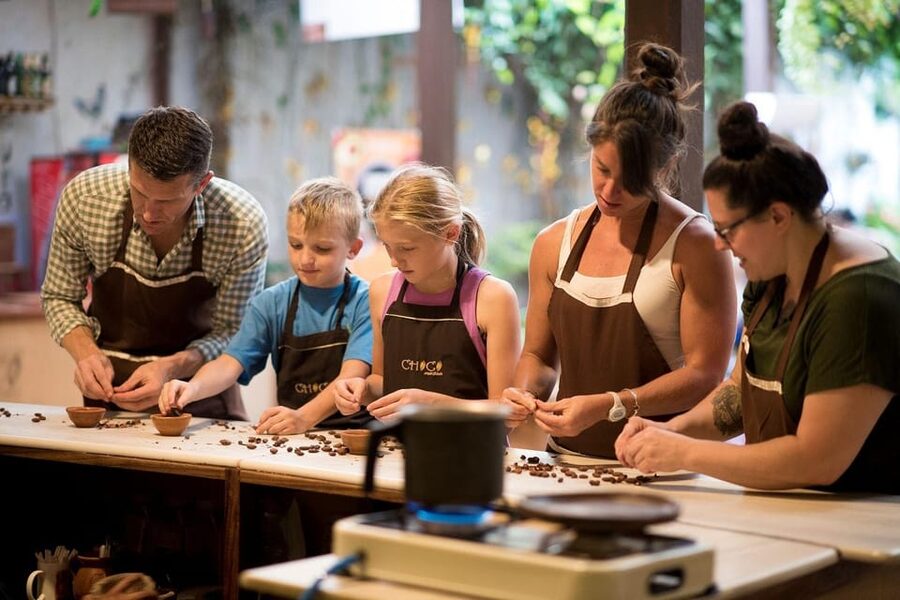
I would choose this for anyone who wants a short, local food activity with genuine participation. It is especially suitable if you like knowing how ingredients are made, rather than only sampling the final product.
Families may find the four-step process easy to understand because every stage has a clear action. Children should have an adult with them, but the available information does not give an age range or child policy, so check before booking if that matters to your group.
Couples and friends can enjoy the creative part of choosing ingredients and molding chocolate. The experience also works for solo visitors who want a planned activity with a useful souvenir at the end.
Chocolate enthusiasts will appreciate the chance to compare traditional grinding with machine refining. You should not book it expecting advanced pastry training, a long professional course, or a full tour of Peru’s cacao-growing regions. The focus is a compact introduction to bean-to-bar chocolate.
People who dislike hands-on food preparation may find the workshop less appealing. The experience depends on taking part in roasting, peeling, grinding, and molding, so watching from the side would miss much of the point.
Is the two-hour format good value?
The price is not provided here, so I cannot judge the exact cost. I can judge what you receive: a guided museum and workshop visit, a practical lesson in four cacao processes, hot chocolate preparation, and handmade chocolate to take away.
That package offers better value than a basic tasting if the price is reasonable for your budget. You are paying for instruction and participation, not only for a few samples.
The short duration also has value. A full-day chocolate course would offer more time for detail, but it would compete with Cusco’s major sights. Two hours keeps the activity manageable and leaves room for the rest of your day.
I would compare the price with other short food workshops in Cusco, while also checking the group size and exact inclusions if those details are available at booking. Group size is not provided, so do not assume a private lesson.
The perfect souvenir is not guaranteed, since your final bar depends on the available ingredients and your own choices. Still, the ability to eat or carry home what you make gives the activity a clear result.
Practical details before you reserve
The workshop is available with English- or Spanish-speaking guides. Select the language you need and check the starting time, since the available schedule changes according to availability.
Use a correct phone number with your country code and active WhatsApp. This is particularly important for updates or contact close to the activity date.
For a last-minute booking, email Uyuni Experience EIRL before reserving. The supplier is identified as Uyuni Experience EIRL, but no individual guide names are supplied.
The activity has a five-out-of-five rating based on three listed ratings, with the strongest specific praise focused on the informative, fun format and the chance to roast, peel, and grind cacao before making hot chocolate. That matches the main strength I see in the experience: you do real preparation instead of only receiving a finished sample.
Should you book the Cusco chocolate workshop?
Book it if you want a short, hands-on Cusco activity that connects food, tradition, and a take-home souvenir. The roasting, husk removal, metate grinding, melangeur refining, hot chocolate, and custom bar make the two hours feel purposeful.
Skip it if you want a long technical course, a detailed farm visit, or a full list of confirmed ingredients before you arrive. For most visitors with a free two-hour window, this is a pleasant way to learn where chocolate comes from and leave Cusco with something you made yourself.
FAQ
How long does the chocolate workshop last?
The workshop lasts two hours.
Where does the workshop take place?
It takes place in the Cusco Region of Peru, at a chocolate workshop and museum. Check the exact meeting location before booking.
Which languages are available?
The live guide is available in English or Spanish.
What cacao-making steps will I learn?
You will learn four main steps: roasting the cacao beans, removing the cacao husks, grinding cacao nibs on a metate with a mano, and refining the cacao paste in a melangeur.
Will I make my own chocolate bar?
Yes. You will mold your own chocolate bar and choose ingredients to suit your taste.
Can I take the chocolate home?
Yes. You can take your handmade chocolates with you, unless you eat them during or after the workshop.
Are hot chocolate drinks included?
Yes. The activity includes making hot chocolates connected with Maya and conquistador traditions.
Can I cancel for a full refund?
You can cancel up to 24 hours in advance for a full refund.
Can I reserve now and pay later?
Yes. The activity allows you to reserve your place and pay later.
What should I do for a last-minute reservation?
Check availability with the supplier by email before booking. Enter your phone number with the full country code and make sure you have WhatsApp.
Just added around Cusco
- Waqrapukara 1 day trekking + meals★ 3.9 · 3 reviews
- Visit to the Cochahuasi Animal Sanctuary with rescued animal★ 4.1 · 4 reviews
- Vinicunca Mountain Tour – Full Day Tour to Rainbow Mountain★ 3.4 · 4 reviews
- Valle Sur Cusco | half day★ 4.3 · 3 reviews
- Trek to Humantay Lake from Cusco★ 4.9 · 8 reviews
- Trek to Choquequirao 4 days★ 3.8 · 4 reviews
- rainbow mountain full day★ 5.0 · 44 reviews
- Tour to the HUMANTAY LAGOON from CUSCO★ 5.0 · 35 reviews
Workshops, compared.
The Textile Workshop Experience in Cusco Region
Read our review →
Sacred Valley Textile Workshop – Dyeing & Weaving in Cusco
Read our review →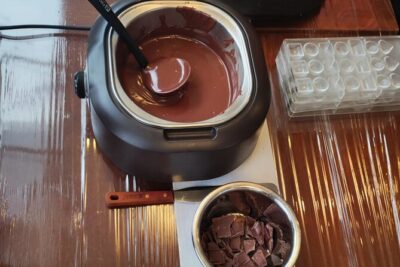
Chocolate Workshop in Cusco with Premium Organic Cacao
Read our review →
Pisco Sour Secrets: Hands-On Mixology in Historic Cusco
Read our review →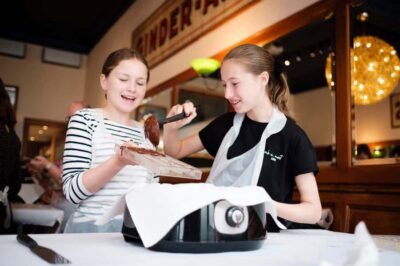
Chocolate Workshop with the Best Local Organic Cacao
Read our review →
Browse the lists this tour appears in