
Reviewed · WORKSHOPS
Cusco: Chocolate Workshop with the Best Local Organic Cacao
Cusco’s chocolate story begins far from the city, in the jungle of the Cusco region where organic Chuncho cacao is grown. This 150-minute workshop turns that local ingredient into Belgian-style pralines and mendiants, with a rooftop-style city view from Limbus Restobar as a pleasant bonus.
I like two things right away: you make the sweets yourself rather than simply tasting them, and you leave with about 21 pralines and 10 mendiants in a personalized box. The main drawback is that the session does not show the full bean-to-bar process, so anyone hoping to roast and open cacao beans may find that part missing.
Key points to know before booking
- Chuncho cacao comes from the Cusco region: The workshop explains why this local organic cacao is prized and how Peruvian chocolate differs from chocolate made elsewhere.
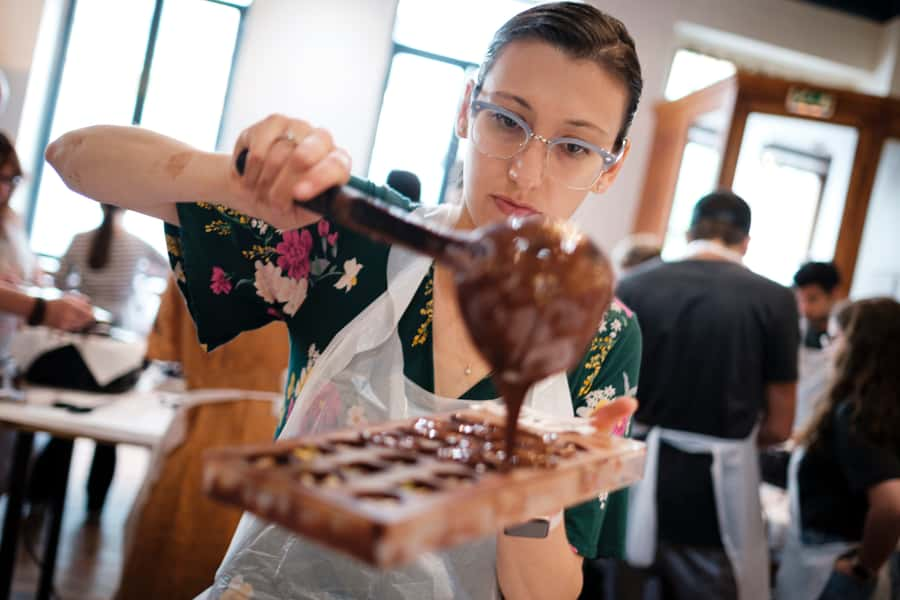
- You make several kinds of chocolate: The work includes pralines, mendiants, ganache, fillings, toppings, and hot chocolate.
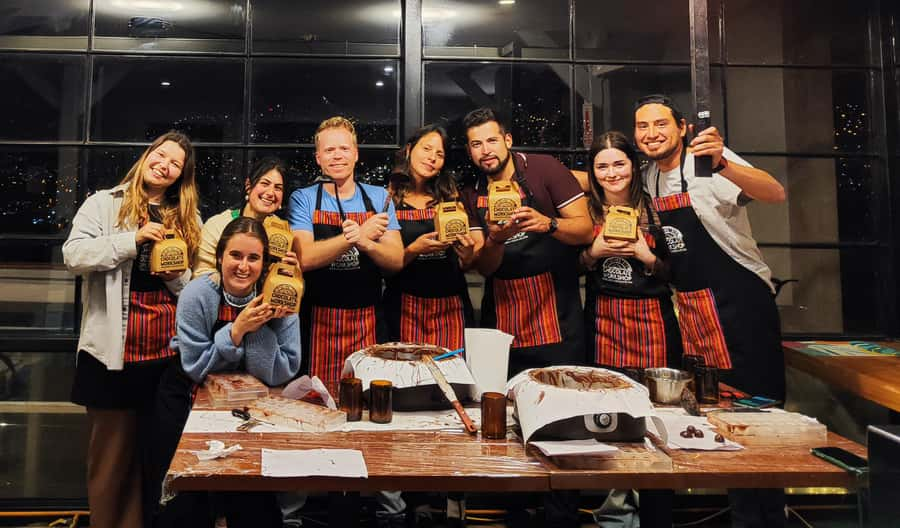
- The take-home amount is generous: You receive 300 grams of chocolate per person, with roughly 21 pralines and 10 mendiants to pack up.
- Limbus Restobar provides the setting: Meet at reception and ask for the chocolate workshop. You also get a broad view over Cusco.
- The instructors keep things social: David is frequently named as the lead teacher, with Ken, Angel, Marco, and Alex also associated with sessions.
- This is for ages 12 and up: Children under 12, unaccompanied minors, spectators, and people with diabetes cannot take part.
Meeting at Limbus Restobar above Cusco
You do not get hotel pickup. Make your own way to Limbus Restobar and tell the receptionist you are there for the chocolate workshop or el taller de chocolate. The receptionist will direct you to the experience.
The venue is part of the appeal. Limbus is known for its panoramic view of Cusco, so you get more than a kitchen table and four walls. The city view gives the session a sense of place, especially if you are looking for a short activity that connects food with the city around you.
Still, plan your timing carefully. The meeting point is a restobar, not a separate street-level chocolate shop. Arrive with enough time to find the reception and get directed to the room. Since there is no pickup, this activity works best when you are already spending time in central Cusco and can reach the meeting point without rushing.
The experience lasts two and a half hours. That is long enough for instruction, preparation, tasting, and packing your chocolates, but not so long that it takes over your day. You could fit it between sightseeing plans, although I would avoid scheduling it immediately before a fixed departure or a major attraction visit. Chocolate making is more enjoyable when you are not watching the clock.
More cacao and chocolate workshops:
- Chocolate Workshop in Cusco with Premium Organic Cacao
★ 5.0 · 75 reviews - Cusco Cooking Class by ChocoMuseo in Cusco
★ 5.0 · 29 reviews - 1.5h Cusco Chocolate Workshop – Truffles & Hot Chocolate
★ 4.3 · 8 reviews
Starting with Peruvian cacao and local culture
The workshop begins with an introduction to chocolate’s history and place in Peruvian culture. The focus is not only on finished sweets. You learn why Peruvian cacao is considered distinctive and why Chuncho cacao has such a strong reputation.
Chuncho is a local cacao from the jungle of the Cusco region. That matters because the workshop is not using an anonymous couverture chocolate with no connection to the place you are visiting. You are working with an ingredient tied to the wider Cusco area, even though the cacao itself comes from the jungle rather than the highland city.
The instructors also explain chocolate-making techniques, including tempering. This is useful because tempering helps chocolate set with a smoother finish and a better snap. You do not need to arrive with cooking experience. The instruction is designed to take you through each stage, with assistance available from start to finish.
David is the instructor most often singled out by name in the supplied comments, with repeated praise for his humor, warmth, and clear explanations. Ken, Angel, Marco, and Alex are also named in connection with different sessions. The teaching style appears to be friendly and social rather than formal or technical, which suits a hands-on activity.
One useful expectation check: the workshop teaches you how to work with prepared chocolate and create fillings and finished sweets, but it does not appear to include roasting and opening raw cacao beans. One person specifically wanted to see that step. If the farm-to-bar process is your main goal, this workshop may feel narrower than a cacao farm visit.
Making pralines and mendiants from scratch
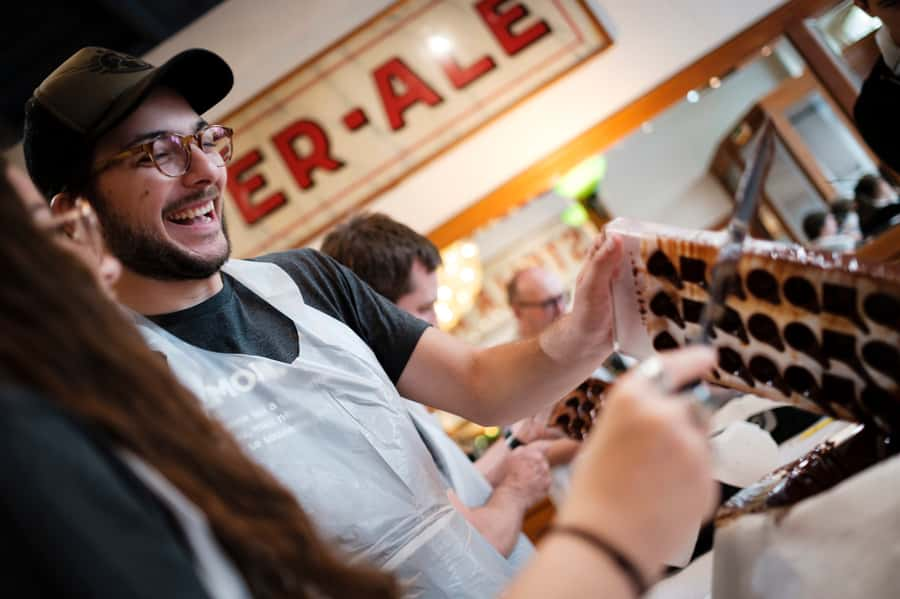
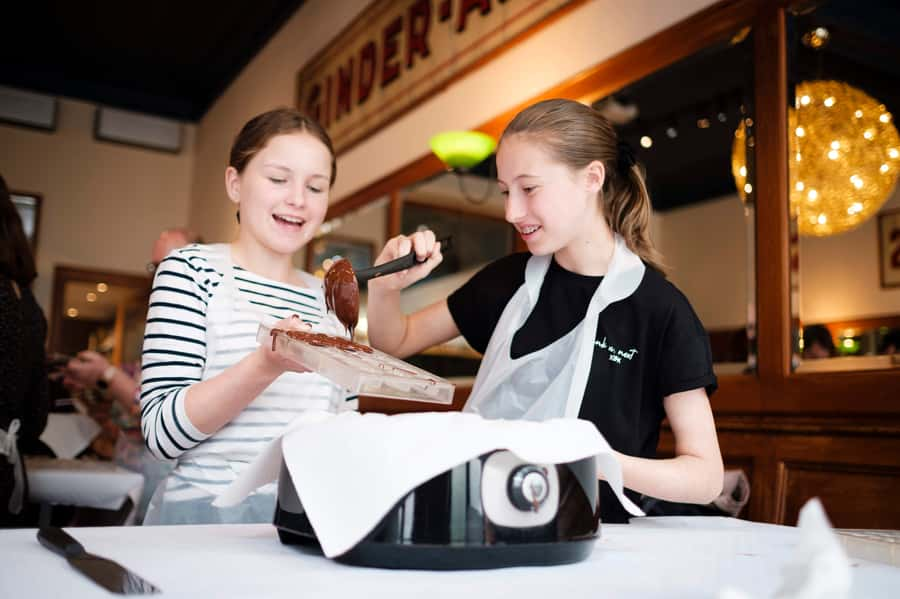
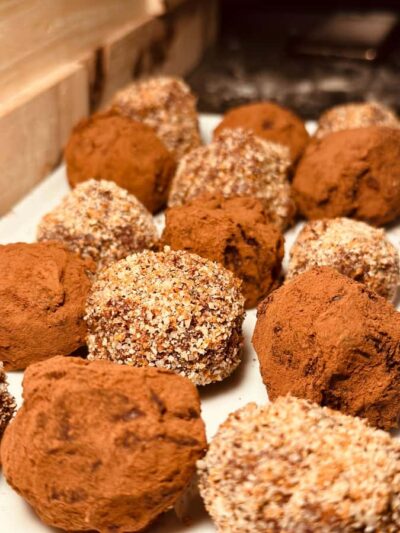
The practical part moves into making Belgian-style pralines and mendiants. These are different shapes and styles of chocolate confection, so you get a bit of variety rather than producing one identical sweet over and over.
Pralines are the filled bonbons. You can make a ganache and choose what goes inside. The available fillings include homemade local jam and ganache prepared during the workshop. This is where the session becomes personal: you decide how to combine the chocolate with sweet, creamy, or nutty flavors.
Mendiants are flatter chocolate pieces finished with toppings. You can choose from a wide selection of local and organic nuts and other toppings. The exact selection can vary, but the format gives you room to create chocolates that look different from one another.
You also learn by handling the chocolate yourself. The class supplies the ingredients, utensils, and demonstrations, so you are not expected to bring specialist tools. Assistance continues through the whole session, which is useful if your first attempt at filling or shaping a bonbon is less tidy than planned. Handmade chocolate has a forgiving charm. A slightly uneven piece still tastes good.
The class is interactive and social. If you enjoy talking with other people while working, this setup should suit you. If you prefer a quiet demonstration where you simply watch an expert, it may feel more active than expected. The organizer does not allow spectators, so everyone in the room is there to participate.
The hot chocolate is part of the lesson
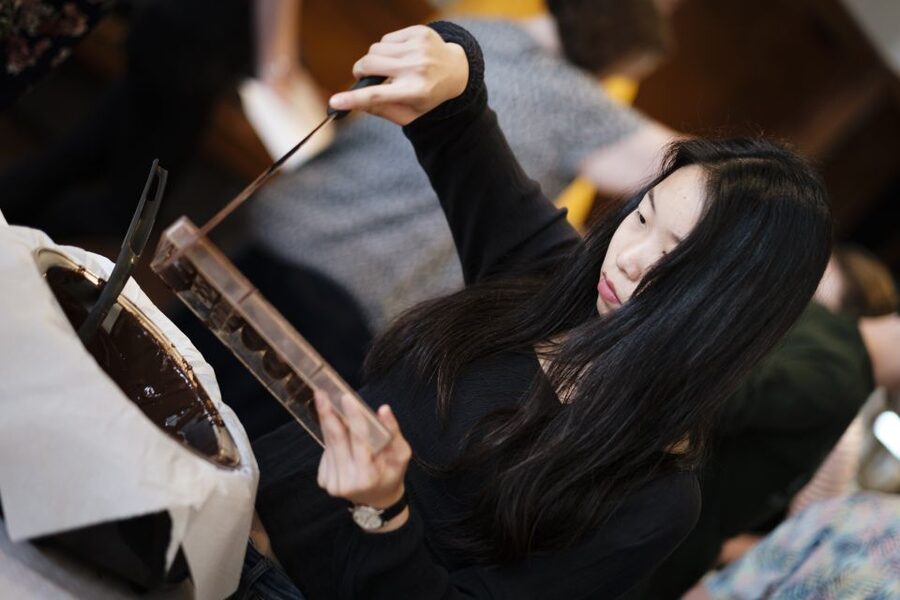
Hot chocolate is not just a drink handed to you during a break. The workshop includes a tasting and teaches you how to make it. That adds another practical use for the cacao beyond the chocolates you pack in your box.
The hot chocolate has been a particular highlight of the activity. It gives you a chance to taste the cacao in a warm, drinkable form rather than only in solid chocolate. The contrast helps you notice how preparation changes the character of the ingredient.
Filtered water is included as well. It is a small detail, but useful during a two-and-a-half-hour food activity. All ingredients and utensils are provided, so the listed price covers the core workshop rather than requiring you to buy supplies separately.
More hands-on workshops in Cusco:
- The Textile Workshop Experience in Cusco Region
★ 5.0 · 118 reviews - Pisco Sour Secrets: Hands-On Mixology in Historic Cusco
★ 4.5 · 50 reviews - Cusco: Bean to bar chocolate workshop
★ 5.0 · 3 reviews - Sacred Valley Textile Workshop – Dyeing & Weaving in Cusco
★ 5.0 · 92 reviews
Packing around 300 grams of your own chocolate
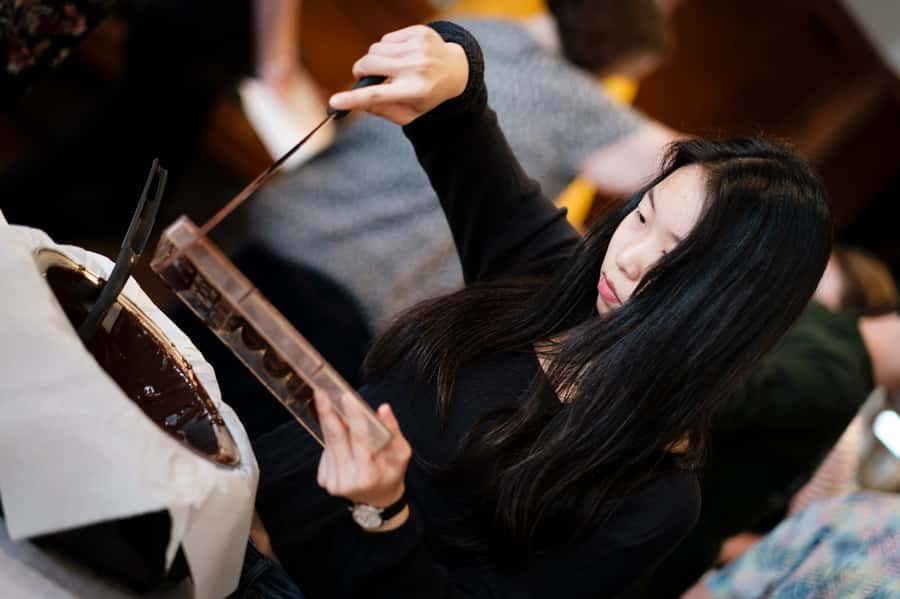
The most satisfying part for many people is the take-home box. Each person receives 300 grams of chocolate, with the stated output of around 21 pralines and 10 mendiants. The exact number and appearance can depend on how generously you fill and decorate them, but you should leave with a substantial selection.
The personalized box makes this more than a tasting. You can share the chocolates with family and friends, or keep them as an edible reminder of Cusco. Pack them with care afterward, since chocolate can soften in heat. The workshop supplies the box, but no special transport packaging beyond that is listed.
The finished sweets may not look factory-perfect, and that is part of the point. You see the result of your own choices, from the filling to the toppings. For children over 12, couples, friends, and solo visitors who like meeting people, that personal result gives the activity more value than a standard chocolate sample.
Is $47 a fair price?
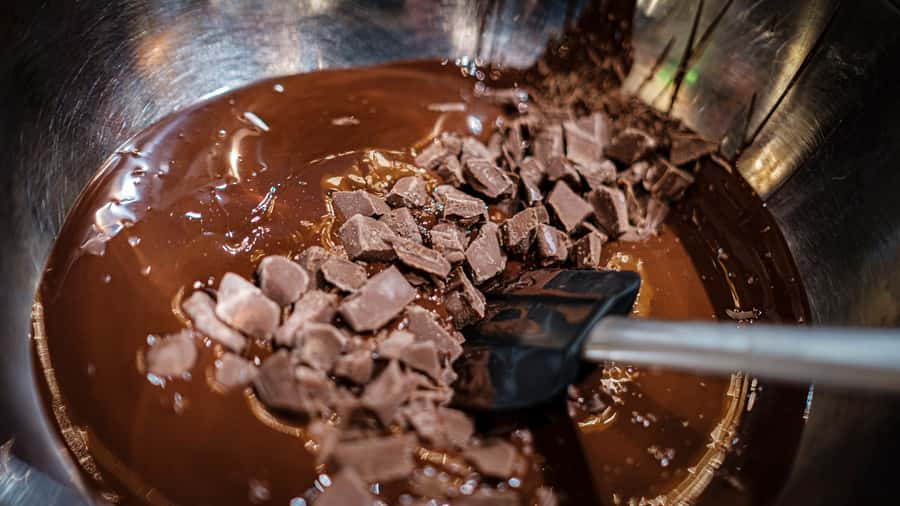
The cost is $47 per person. For that amount, you receive 2.5 hours of instruction, 300 grams of chocolate, all ingredients and utensils, hot chocolate, filtered water, assistance throughout, and a box for your creations.
I consider that fair if you value participation and want a substantial edible souvenir. You are not paying only for a drink and a few samples. You are paying for guided preparation, ingredients, equipment, and a finished box of sweets that you made yourself.
The value is weaker if you mainly want a quick chocolate tasting. The activity takes 150 minutes, and much of that time involves making the chocolates rather than simply eating them. It also does not include transportation, so you must get to Limbus Restobar on your own.
The quality of the session depends partly on the instructor and group atmosphere. The available comments repeatedly praise the friendly, funny teaching style, especially from David, and describe the class as social and hands-on. One confirmed complaint involved a cancellation shortly after booking and a delayed refund, so I would keep an eye on booking confirmation and refund status if your schedule is tight. The activity offers free cancellation up to 24 hours before the start time and a reserve-now, pay-later option, which gives you some flexibility.
Who will enjoy this Cusco activity?
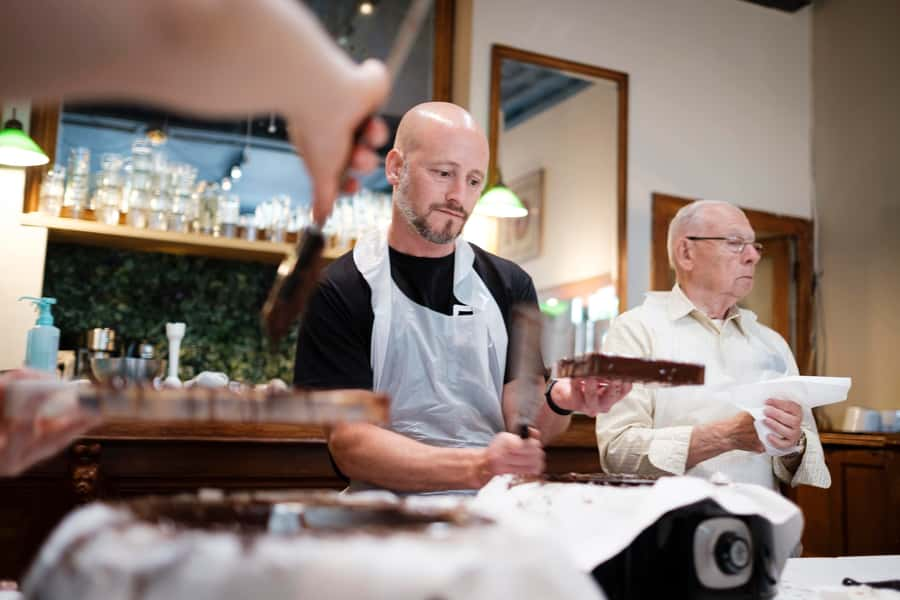
I would recommend it to you if you:
- Like food activities where you make something rather than only watch.
- Want to learn about a local Peruvian ingredient in a relaxed setting.
- Enjoy chocolate, nuts, jam, ganache, and hot drinks.
- Need a city-based activity lasting about half a day.
- Want a practical souvenir that is easy to share.
- Are comfortable joining a social group and working with an instructor.
It is less suitable if you want to see cacao farming, roasting, fermentation, or the opening of raw beans. The workshop focuses on making confections from chocolate, not on every stage of cacao production.
It is also not suitable for children under 12, unaccompanied minors, or people with diabetes. Spectators are not allowed, so every person attending must take part. The workshop is offered in English, Spanish, and French, which makes it easier to choose a session that matches your language needs.
Helpful ways to plan the session
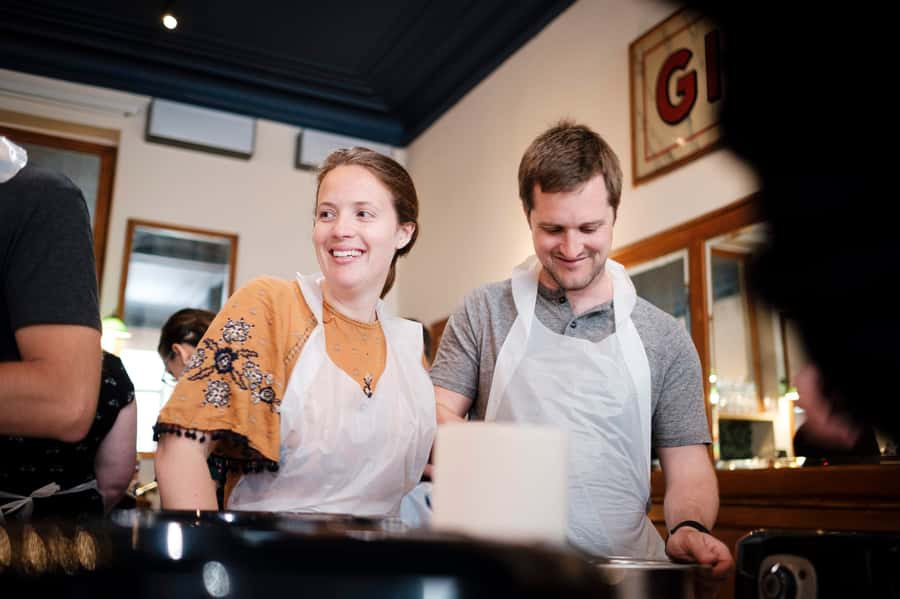
Wear something you can work comfortably in. The supplied details do not list a dress code, but chocolate making involves hands-on preparation, fillings, toppings, and melted chocolate. You will likely want to avoid bringing an outfit that cannot tolerate a small splash.
Keep your schedule open after the session if you want to carry the box carefully. The organizer provides a take-home box, but the listing does not promise temperature-controlled transport or extra protective packaging.
Think about what you want from the activity before booking. If your priority is learning about Chuncho cacao, making bonbons, and eating hot chocolate, this is a good fit. If you are searching for a farm visit or a technical professional chocolate course, choose something more focused on cacao production or advanced pastry work.
The language options are a practical strength. English, Spanish, and French are available, and the instructors guide you from the first explanation through the final packing. Because the class includes several stages, clear instruction matters more here than it would on a simple tasting.
Should you book the Chuncho cacao workshop?
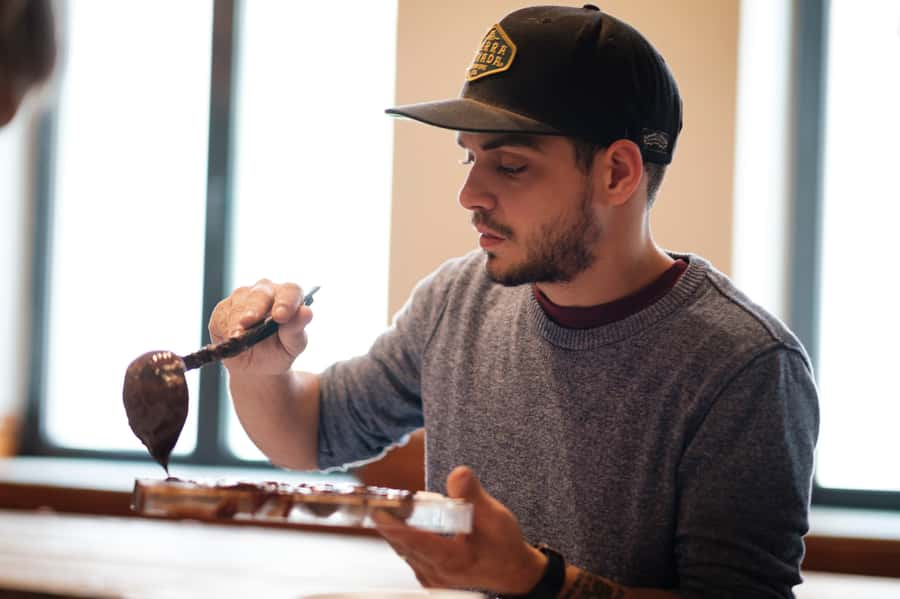
Book it if you want an enjoyable, hands-on break from Cusco’s churches, ruins, and steep streets. The combination of local Chuncho cacao, Belgian-style techniques, hot chocolate, a city view, and a box of your own pralines gives the $47 price a solid purpose.
I would not book it solely for a full explanation of how cacao becomes chocolate. The roasting and bean-opening stages are not part of the stated program. But for making finished sweets and learning why Peruvian cacao matters, this is a personable choice, especially if David or another of the friendly named instructors is leading your session.
FAQ
How long does the chocolate workshop last?
The workshop lasts 150 minutes, or two and a half hours.
How much does the activity cost?
The price is $47 per person.
Where does the workshop meet?
You meet at Limbus Restobar in Cusco. At reception, say you are there for the chocolate workshop or el taller de chocolate, and the receptionist will direct you.
Is hotel pickup included?
No. Pickup is not included, so you must go directly to the workshop meeting point.
What will I make during the class?
You will make Belgian-style pralines and mendiants from scratch. The workshop also includes making ganache, choosing fillings and toppings, and preparing hot chocolate.
How much chocolate can I take home?
You receive 300 grams of chocolate per person, with approximately 21 pralines and 10 mendiants.
Is a take-home box included?
Yes. A personalized box is provided for your handmade chocolates.
Is hot chocolate included?
Yes. Hot chocolate tasting is included, and the workshop teaches you how to make it.
Which languages are available?
The activity is offered in English, Spanish, and French.
Can children attend?
Children under 12 are not allowed. Unaccompanied minors are also not allowed, and spectators cannot attend without taking part.
Just added around Cusco
- Waqrapukara 1 day trekking + meals★ 3.9 · 3 reviews
- Visit to the Cochahuasi Animal Sanctuary with rescued animal★ 4.1 · 4 reviews
- Vinicunca Mountain Tour – Full Day Tour to Rainbow Mountain★ 3.4 · 4 reviews
- Valle Sur Cusco | half day★ 4.3 · 3 reviews
- Trek to Humantay Lake from Cusco★ 4.9 · 8 reviews
- Trek to Choquequirao 4 days★ 3.8 · 4 reviews
- rainbow mountain full day★ 5.0 · 44 reviews
- Tour to the HUMANTAY LAGOON from CUSCO★ 5.0 · 35 reviews
Workshops, compared.
The Textile Workshop Experience in Cusco Region
Read our review →
Sacred Valley Textile Workshop – Dyeing & Weaving in Cusco
Read our review →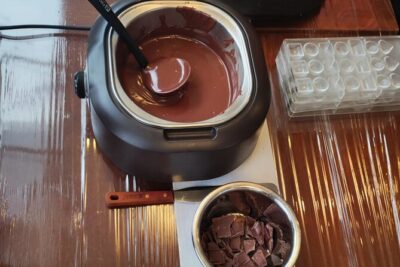
Chocolate Workshop in Cusco with Premium Organic Cacao
Read our review →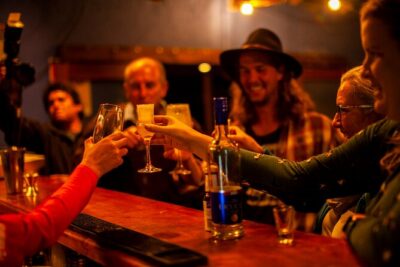
Pisco Sour Secrets: Hands-On Mixology in Historic Cusco
Read our review →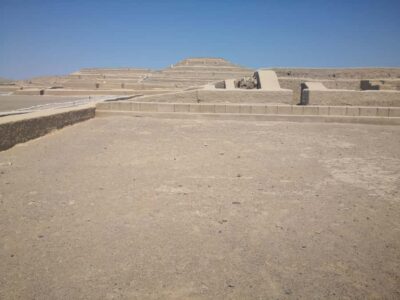
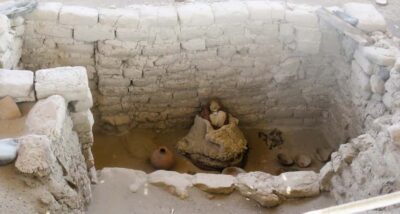
1.5h Cusco Chocolate Workshop – Truffles & Hot Chocolate
Read our review →Browse the lists this tour appears in