
Reviewed · HUMANTAY LAKE TOURS
5-Day: Salkantay Trek to Machupicchu and Humantay Lake
Machu Picchu is the finale, but the real prize comes earlier: Humantay Lake and the Salkantay Pass give you two big Andean days before the trail drops into warm jungle. You’ll camp beneath snow peaks, cross high mountain country, soak at Cocalmayo, and reach the Inca citadel by foot.
I like the practical value here. Your main backpack can be carried by horse for the first three days, and the $360 price includes four nights of lodging, meals, transport, a bilingual guide, and Machu Picchu entry. The small-group limit of 15 also gives the trip a more personal feel. The catch is the physical demand, especially the 4,600-meter pass and the long return to Cusco on Day 5.
Key points to know before you book
- Humantay Lake comes on the first day, after a four-hour ride and a climb to 4,200 meters.
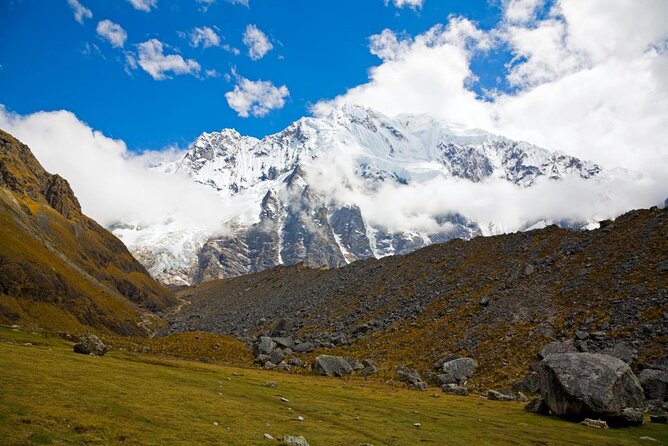
- Salkantay Pass reaches 4,600 meters, making Day 2 the toughest and highest part of the route.
- A horse carries up to 5 kilograms of your gear for the first three days, but you still need a daypack.
- Cocalmayo hot springs cost $6 extra, and the soak is a welcome break after the mountain section.
- Machu Picchu entry and a two-hour guided tour are included, but optional Huayna Picchu costs $30.
- The final bus can return you to Cusco around 10 p.m., so Day 5 is long even after you leave the ruins.
What the five-day route really feels like
This is a point-to-point trek with sharp changes in climate and scenery. You begin in cold, thin mountain air, pass through high grasslands and snowy peaks, then descend into humid forest and finally walk beside the railway to Aguas Calientes.
That variety is the reason to choose Salkantay instead of a shorter route. You are not simply walking toward Machu Picchu. You are moving through several distinct parts of southern Peru, with each day feeling different from the one before.
The tradeoff is that the schedule is tightly packed. The early starts, long walks, simple camps, and final return to Cusco require stamina. You should have a moderate level of fitness, and you should take altitude seriously.
More Hiking Tours in Machu Picchu
- Machu Picchu: 5-Day Salkantay Trek with Panoramic Train
★ 5.0 · 79 reviews - Ancascocha Trek To Machu Picchu 4 Days And 3 Nights
★ 5.0 · 77 reviews - 4 Day Inca Trail Trek to Machu Picchu Multi day tour
★ 5.0 · 70 reviews
Day 1: Humantay Lake and the first camp at Soraypampa
The morning begins very early. The schedule gives two pickup times, around 4:30 a.m. in the route description and between 5:30 and 6:00 a.m. in the included services, so confirm the exact time before you go to sleep. You will ride for about four hours, stopping in Mollepata at 2,900 meters for roughly 30 minutes.
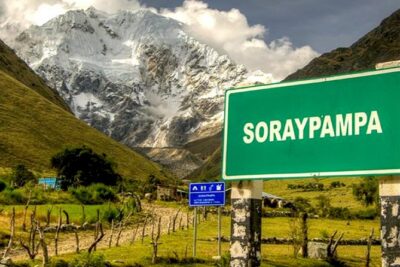
The bus continues to Challacancha, where porters and horses join the group. This is where the walking begins. The first hike takes about four hours toward Soraypampa, at roughly 3,900 meters. You follow the area’s Inca water channels and gradually get your first broad views of the Salkantay snow peak.
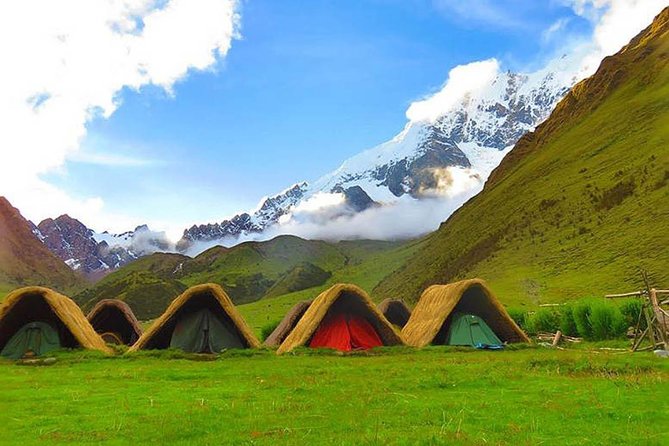
Soraypampa is your first camp. The supplied four-season tent has an extra straw roof, a useful detail in a place where nights can fall to about 2 degrees Celsius. Daytime temperatures are listed around 10 degrees Celsius, so pack layers rather than relying on one heavy coat.
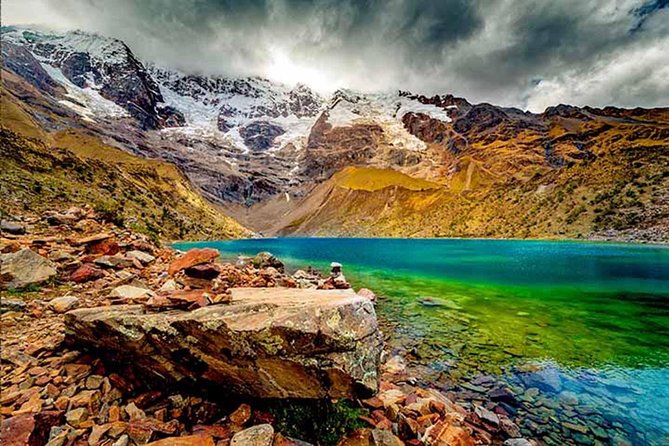
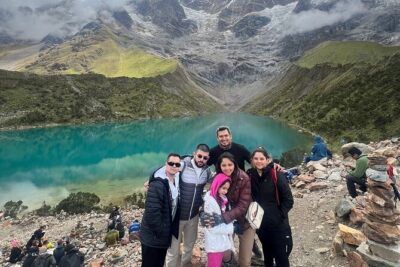
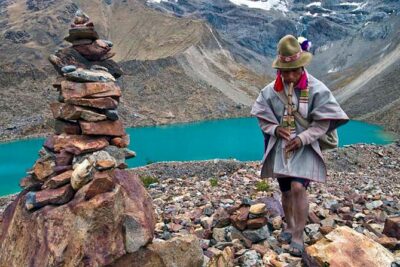
After lunch, you walk uphill to Humantay Lake, which sits at approximately 4,200 meters. The climb takes about an hour and a half each way, with around an hour at the lake. The water and surrounding mountain walls are the visual reward, but this is not a gentle opening stroll. You have already spent much of the morning on a bus, then walked at high altitude before reaching the lake.
I would keep your daypack light and carry water, a warm layer, rain protection, sunscreen, and a snack. You will want your hands free for the climb, and you do not want to dig through a large bag when the temperature changes.
Day 2: The 4,600-meter Salkantay Pass
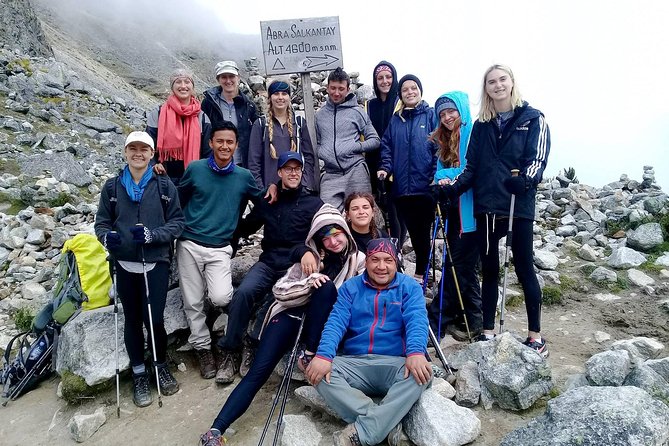
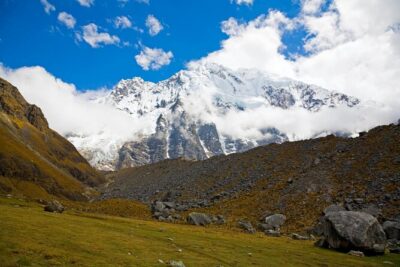
Day 2 is the trip’s physical centerpiece. A morning tea is offered before breakfast, intended to help you adjust to the altitude. After eating, you hike for about three hours to Salkantay Pass, at 4,600 meters, or roughly 15,091 feet.
This is where the route demands patience. The air is thin, the ascent is steady, and the mountains can feel enormous and severe. Your guide’s job matters most here. Keep a calm pace, take short breaks, and do not race people who are moving faster.
At the pass, the group follows an Andean tradition by asking the Apus, or mountain gods, for permission to cross. It is a small cultural moment, but it gives the crossing more meaning than a simple photo stop. The pass is also the highest point of the trek, so reaching it marks a clear turning point.
From there, the trail drops toward Wayracpunku, also called Huayra Pampa, for lunch. The descent continues into warmer country, where trees stretch over streams and bromeliads and orchids appear along the route. The change can be dramatic. You may begin the day bundled against cold, then spend the afternoon wanting lighter clothing.
The walk to Chaullay takes about five more hours. That makes Day 2 a long day, even though much of it is downhill after the pass. You sleep at about 2,900 meters, a welcome drop from the high point.
This is also the day when the horse support has the most value. Up to 5 kilograms of your gear can be carried during the first three days, including this demanding mountain section. You still need a small personal pack, and you should keep anything important, fragile, or needed during the day with you.
Day 3: From high country to Santa Teresa
After breakfast at about 6:30 a.m., the route continues through the jungle toward Sahuyaco, also called La Playa, at roughly 2,000 meters. The temperature is listed around 25 degrees Celsius during the day and 14 degrees at night, so your packing needs change again.
The walk takes about six hours, including the route and lunch stop. This section is less about one dramatic viewpoint and more about watching the environment change as you lose altitude. Trees, streams, and warmer air replace the stark mountain country of the first two days.
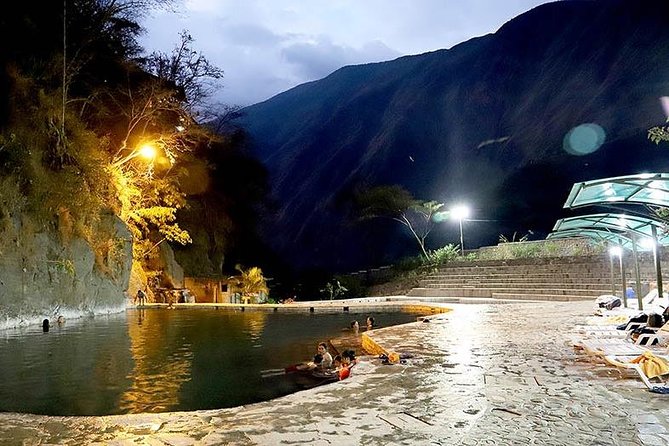
From La Playa, transport takes you to Santa Teresa, at about 1,550 meters. The group sets up camp there, then has the option to visit Cocalmayo hot springs. The entrance fee is not included and costs $6.
Cocalmayo is an especially sensible add-on. After two high-altitude hiking days and a third day on the trail, warm pools give your legs a break without changing the trip’s basic plan. Bring swimwear and a small towel if you plan to go. Since the activity is optional and paid locally, you can also skip it if you prefer a quiet evening.
Dinner is described as traditional Peruvian food, followed by a night at the Santa Teresa camp. The route does not pretend that the camping is luxurious. Its value is location and continuity: you stay close to the trail instead of spending the evening moving between towns.
More Salkantay trek options:
- Small Group 5 Days Salkantay and Machu Picchu by Llactapata Tour
★ 5.0 · 88 reviews - Salkantay Trek 4 Days to Machu Picchu by Glamping Sky Lodge Dome
★ 5.0 · 68 reviews - Salkantay Trek to Machu Picchu in 4 days
★ 4.5 · 50 reviews - Salkantay Trek To Machu Picchu 5 Days And 4 Nights
★ 5.0 · 44 reviews
Day 4: Santa Teresa, the railway, and Aguas Calientes
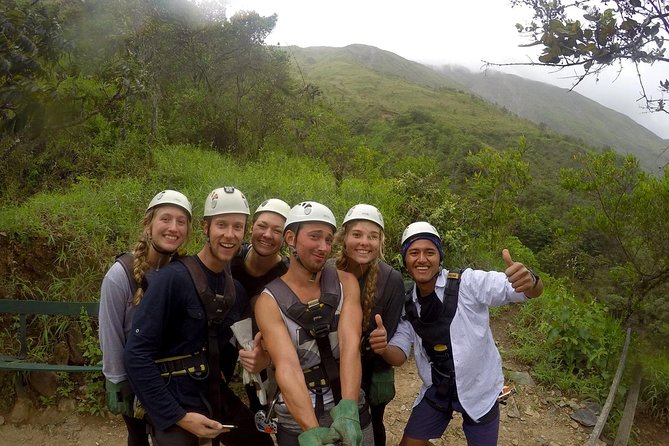
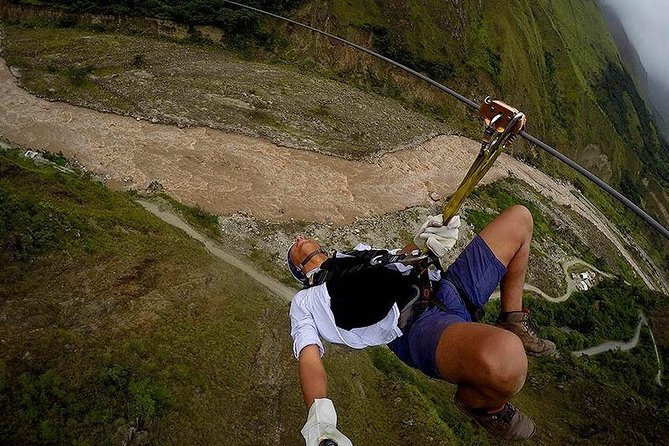
Day 4 offers a choice. You can book a zip line activity, lasting about two and a half hours, with more than six cables, a longest cable of 1 kilometer, speeds up to 70 kilometers per hour, a climbing wall, and a suspension bridge. Or you can walk for about two hours from Santa Teresa to the hydroelectric station.
The zip line is an extra activity, not part of the basic package. It suits you if you want an adrenaline break before the final approach to Machu Picchu. The walking option is quieter and keeps the day focused on the trek.
At the hydroelectric station, both groups meet for lunch. From there, the route follows the railway for about three hours to Aguas Calientes. Waterfalls, small ecological farms, and possible wildlife sightings provide interest along the way, though you should not expect a fast walk. The route is mostly about steady forward movement through warm forest.
You arrive in Aguas Calientes around 5 p.m. and sleep in a hostel. Couples receive a private room according to the package details. At night, the group meets for dinner at a local restaurant and attends a briefing about the next morning at Machu Picchu.
This overnight stop is useful. You do not have to leave the trail, visit the ruins, and immediately begin a long trip back to Cusco. Still, you should understand that the final day starts before dawn.
Day 5: Machu Picchu before the crowds build
You get ready around 4 a.m. and climb from Aguas Calientes toward Machu Picchu. The uphill walk takes about three and a half hours, following a route through the high jungle. The goal is to arrive in time for sunrise and pass entrance control around 6 a.m.
The climb is a serious finish. You have already spent four days hiking, so the stairs can feel much harder than they might on a fresh morning. If you want the sunrise arrival, prepare your clothes and daypack the night before.
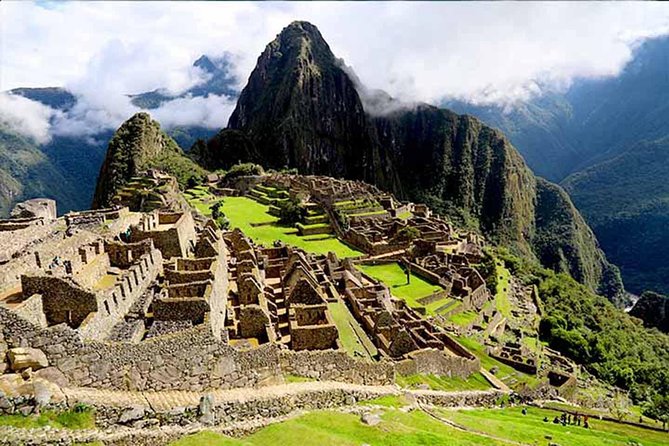
Inside the citadel, a private guide leads the group for about two hours. That guided time is important because the ruins are large and the visit is governed by entry controls. A guide helps you understand what you are seeing instead of simply moving from one stone wall to the next.
After the tour, you have free time at Machu Picchu. Huayna Picchu is available for an additional $30, subject to availability. The same extra fee applies to the separate mountain option mentioned in the booking information. If one of those climbs matters to you, ask about space before the trek rather than treating it as a last-minute certainty.
The standard return is strenuous and lengthy. At about 11:30 a.m., you begin walking back to the hydroelectric station, a route of roughly three and a half hours. A bus waits there until 3 p.m. for the drive to Cusco, with arrival around 10 p.m.
You can instead add a train from Aguas Calientes. That option lets you remain at Machu Picchu until as late as 5 p.m. and provides a faster, more comfortable ride. The train runs to Ollantaytambo in about one hour and 40 minutes, then a vehicle takes you to Cusco and drops you near San Francisco Square. The train costs extra, but I would consider it carefully if you value time at the ruins or dislike ending a major sightseeing day with a long walk and bus ride.
You can also stay one extra night in Machu Picchu town for $30. This is worth considering if you plan to climb Huayna Picchu or Machu Picchu Mountain, or if you simply want a less punishing final day.
What the $360 price includes
At $360 per person, the package offers solid value for an active five-day route. It includes private transport, a professional Spanish-English guide, three nights of camping, one hostel night, meals from lunch on Day 1 through breakfast on Day 5, camping equipment, taxes, Machu Picchu entry, and the return bus.
The meal plan covers four breakfasts, four lunches, and four dinners. Breakfast on the first day, plus lunch and dinner on the final day, are not included. Plan for those gaps, along with snacks and drinks.
The camping gear is included except for a sleeping bag. That personal item is your responsibility, so check the expected temperature range before departure. The route moves from cold high country to warm jungle, making a flexible packing system more useful than bulky luggage.
The group can have up to 15 people. That is small enough for the guide to manage a shared pace and answer questions, though it is not a private departure. One guide named Roger is described as especially helpful and friendly. If having him matters to you, ask whether he is assigned to your date.
Who should book this trek
I would choose this experience if you want Machu Picchu paired with a genuine multi-day hike, rather than a quick rail visit. It fits active people who are comfortable with early starts, basic camping, steep climbs, and long days on foot.
It also suits you if you want a range of scenery. The route includes snow peaks, high-altitude lake country, mountain pass, jungle, hot springs, railway walking, and the Inca citadel.
I would hesitate if you want a relaxed holiday, private transport throughout, or a soft bed every night. The 4,600-meter pass is no small detail, and the final return to Cusco can end close to 10 p.m. You should also be comfortable with the non-refundable booking terms. If bad weather forces cancellation, the provider offers a different date or a full refund, but ordinary cancellations or changes are not refunded.
Should you book it?
Book this trek if the journey matters as much as the ruins. The route gives you Humantay Lake, Salkantay Pass, Cocalmayo, and Machu Picchu in one well-priced package, with horse support taking some weight from the hardest early days.
Before paying, confirm the pickup time, Machu Picchu entry availability, sleeping-bag requirements, optional mountain permits, and your preferred return plan. Choose the train or an extra night if you want more time at Machu Picchu and a gentler finish. If you are fit, flexible, and ready for basic conditions, this is a strong-value way to reach Peru’s most famous site.
FAQ
What time does the tour begin?
The stated start time is 5:30 a.m. The route details also mention pickup as early as 4:30 a.m., so confirm the exact pickup time for your date.
Is Machu Picchu entrance included?
Yes, Machu Picchu entry is included when booked with the required advance notice. The tour information advises contacting the provider if booking is made less than two months ahead.
How much gear can the horses carry?
A horse carries up to 5 kilograms of your backpack for the first three days. You still need to carry a personal daypack.
Is the Cocalmayo hot spring included?
No. Entry costs $6 and is paid at the hot springs.
Can I take the train back from Machu Picchu?
Yes. A train return can be added at extra cost. It allows you to stay at Machu Picchu until up to 5 p.m., then travel by train to Ollantaytambo before continuing by vehicle to Cusco.
Can I climb Huayna Picchu?
Yes, subject to availability. The additional cost is $30, and you should request it after booking or arrange it in Cusco.
More 5-Day Experiences in Machu Picchu
- Ultimate Lares Trek & Inca Trail 5 days
★ 5.0 · 47 reviews - Wonderful Cusco 5-Day Tour with Entrance to Machupicchu
★ 5.0 · 46 reviews - Salkantay 5-Day Trek To Machu Picchu
★ 5.0 · 39 reviews - Salkantay Trek: 5 Days to Machu Picchu
★ 5.0 · 33 reviews
More Humantay Lake Tours
- Cusco 7 days Tour in Machu Picchu, Humantay Lake and Vinicunca
★ 5.0 · 64 reviews - 4 day – Bucketlist Cusco: Rainbow Mtn, Machu Picchu, Sacred Valley, Humantay
★ 5.0 · 55 reviews - 7-Day: Sacred Valley, MachuPichu, Rainbow Mountain, Humantay Lake
★ 5.0 · 53 reviews - 4D Bundle Cusco: Sacred Valley / Machu Picchu / Rainbow Mountain / Humantay Lake
★ 5.0 · 37 reviews
Just added around Machu Picchu
- Private Tour Guide in Machupicchu from Aguas Calientes.★ 5.0 · 40 reviews
- Machupicchu Guide Service★ 5.0 · 42 reviews
- Inca Trail Machu Picchu 4 Days★ 5.0 · 39 reviews
- Machu Picchu, Cusco & Lima 7-Day Tour★ 5.0 · 30 reviews
- 7 Days: Lima, Ica, Cusco & Machupicchu with local flights★ 5.0 · 52 reviews
- Machu picchu one day by train all included★ 4.5 · 53 reviews
- Exclusive Huayna Picchu Tour in 1 Day from Cusco★ 5.0 · 31 reviews
- Wonderful Cusco 5-Day Tour with Entrance to Machupicchu★ 5.0 · 46 reviews
Humantay Lake Tours, compared.
Humantay Lake Tour with Breakfast and Buffet Lunch
Read our review →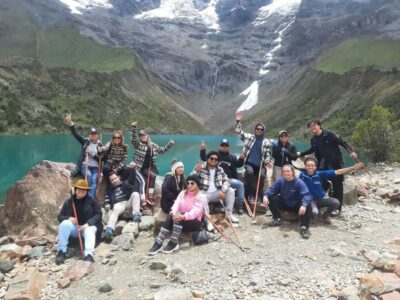
Full-Day Trek to Humantay Lake from Cusco with Guide
Read our review →
Cusco 7 days Tour in Machu Picchu, Humantay Lake and Vinicunca
Read our review →
Humantay Lake 2 Day Trek with Sky Camp from Cusco
Read our review →Browse the lists this tour appears in