
Reviewed · WORKSHOPS
The Textile Workshop Experience in Cusco Region
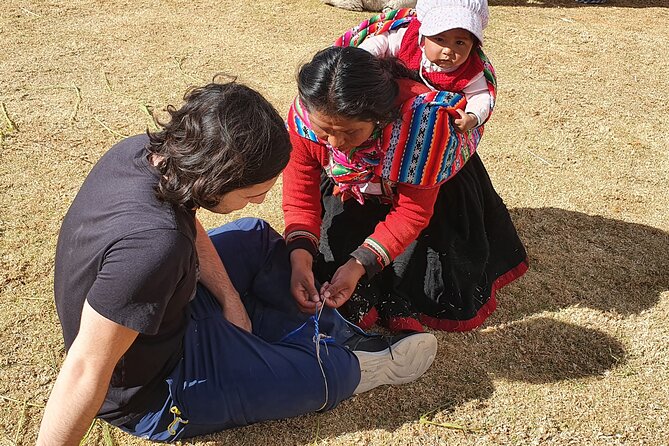
The best part of this Cusco-area outing is that you do not simply watch a textile demonstration. You wash wool, make natural dyes, spin fibers, and weave your own small piece, then take home the yarn and bracelet or bookmark you create. I like the friendly, family-style teaching from people such as Miguel and Paulita, and I like that your visit supports single artisan mothers through Andean Colors. The main drawback is transport: it is not included, and Racchi ayllu is outside central Cusco.
I also like the balance of activity and quiet. You get a short walk with llamas and alpacas, mountain views, a homemade lunch, and time in the boutique without spending a full day on a demanding hike. Just keep your expectations sensible about lunch. It is traditional and warmly prepared, but one dish may be simpler than the glowing descriptions suggest.
Key points to know before you book
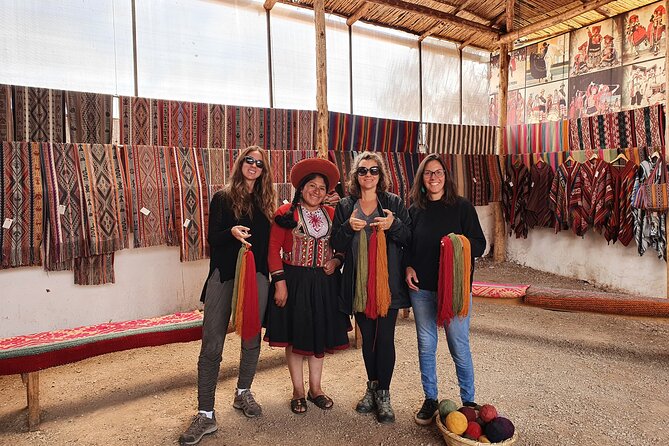
- You make the textile yourself: Follow wool from cleaning through dyeing, spinning, and weaving.
- Natural dyes are part of the lesson: Plants, moss, and cactus insects can produce surprising colors.
- The animals are part of the experience: Feed llamas and alpacas with fresh grass, and take a short walk with them.
- Your lunch is homemade: Expect regional food served in a relaxed setting with the hosts.
- The setting is a major attraction: The workshop looks toward the Andes and countryside around Racchi ayllu.
- Transport needs planning: Private transportation is not included, though the team can help arrange it.
What the four-hour Andean Colors visit feels like
This is a small, private activity at Andean Colors in Racchi ayllu, in the Cusco Region. Only your own group participates, so the pace can feel more personal than a large craft demonstration where everyone watches from the back.
The advertised visit lasts about four hours. That is enough time for the complete textile process, lunch, animal time, and shopping, but it is not a long cultural tour with several separate sights. Think of it as a focused workshop in a rural setting, with food and animals added to the craft lesson.
The team includes people such as Miguel, Paulita, Marco, and Paola. Names vary in the accounts from different visits, but the common thread is clear: the instruction is hands-on and patient. If you speak little or no Spanish, communication should be manageable because Miguel speaks fluent English and Spanish.
More hands-on workshops in Cusco:
- Chocolate Workshop in Cusco with Premium Organic Cacao
★ 5.0 · 75 reviews - Pisco Sour Secrets: Hands-On Mixology in Historic Cusco
★ 4.5 · 50 reviews - Cusco: Chocolate Workshop with the Best Local Organic Cacao
★ 4.5 · 23 reviews
Start with llamas, alpacas, and a walk for dye plants
The animal encounter is not just a photo stop at the end. You can feed llamas and alpacas with fresh grass, and some visits include a short walk with the animals around the property or toward an overlook.
The animals help connect the textile process to its source. Before you see finished scarves and hats in the boutique, you are thinking about wool as a raw material, handled by people and animals in the same place. That gives the rest of the workshop more meaning.
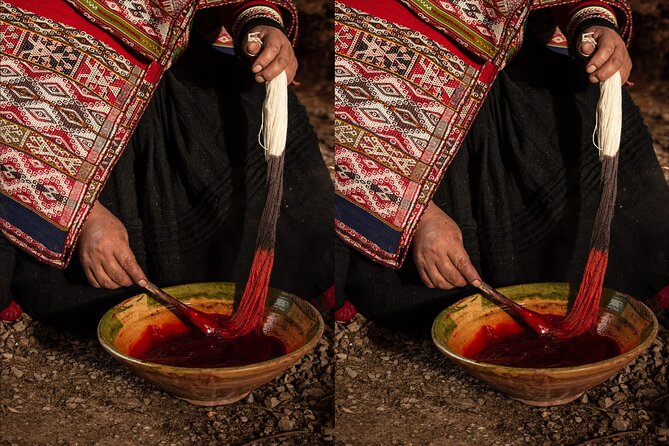
You may also gather leaves or other plant material for dyeing. One particularly memorable lesson is how ordinary natural materials create strong colors. Leaves can produce green, dried moss can create yellow, and dried insects from cactus can produce purple or pink shades.
The walk is short, not a mountain trek. That makes this a good alternative if you want a countryside experience without committing to a strenuous Sacred Valley hike. Wear shoes that are comfortable on uneven ground, though no special hiking gear is described as necessary.
The mountain views do much of the work here. You are looking across open countryside rather than city streets, and the quiet setting, with pasture and animal sounds, gives the workshop a calm rhythm.
Follow wool from cleaning to finished thread
The strongest part of the activity is the order of the lesson. You do not jump straight to a bracelet. You learn how raw fiber becomes something you can wear.
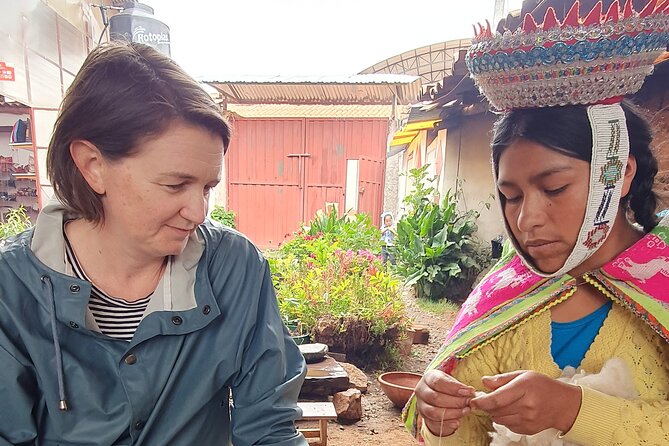
First comes cleaning the wool. Then you learn to spin the fibers by hand, using a simple top-like tool with a stick rather than a modern spinning wheel. That small detail matters. It shows how much skill sits behind the neat alpaca yarn sold in Cusco shops.
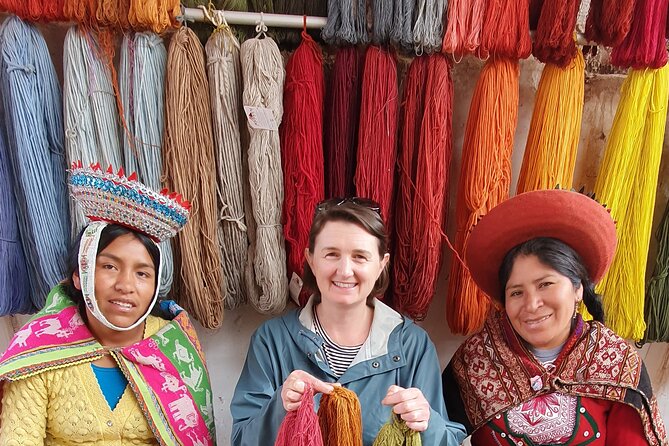
Next comes dyeing. The team explains how natural materials are prepared and used to create different colors. You take part in the process instead of standing beside a pot while someone else does the work.
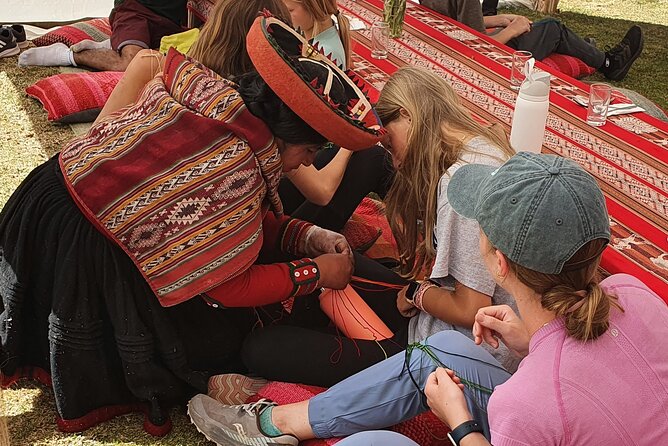
Finally, you learn to weave a bracelet or bookmark. The finished object is small, but the lesson is not. Even a simple bracelet makes you notice the patience and control needed to produce the more elaborate ponchos, hats, gloves, and wall textiles in the boutique.
The pace is described as relaxed, with time for questions and help at each stage. That is useful if you have never worked with fibers before. Children can take part as well. Families with children aged eight, nine, and eleven found that the staff could guide them through the process, and young children may enjoy the color, texture, and movement more than a formal museum display.
Do not expect to master Andean weaving in four hours. You are learning a traditional process through a small project, not completing professional training. That is precisely why the take-home yarn and bracelet matter: they are reminders of the work behind the finished goods.
Why the natural dye lesson is worth your time
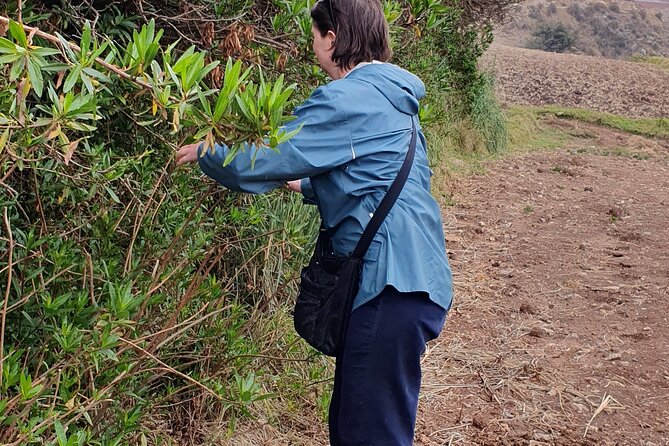
The dyeing section gives the activity its strongest cultural value. Cusco’s shops are full of colorful textiles, but it is easy to see only the finished pattern and miss the labor behind it.
Here, you can learn how color comes from the local environment. One account describes using leaves for green, dried moss for yellow, and insects gathered from a cactus for purple. The exact materials may vary with the season and what is available, but the point is consistent: color is made through knowledge of plants, animals, preparation, and timing.
This also makes the workshop a useful choice for anyone interested in low-tech production or environmental questions. The team explains the materials used and the effect of the process on the environment. You are not only making a souvenir. You are learning why natural fiber and natural dyes remain important in Andean craft traditions.
The lesson may appeal even if you are not normally interested in crafts. One participant who expected to prefer other activities found the process rewarding because each step had a visible result. The workshop works best when you stay curious and accept that handmade work is slower than factory production.
A few more Cusco days worth weighing up
- Cusco: Humantay Lake Tour with Breakfast and Buffet Lunch
★ 4.9 · 2,976 reviews - Cusco: Half-Day City Tour with Sacsayhuaman and Q’enco
★ 4.6 · 1,129 reviews - From Cusco: Vinicunca Rainbow Mountain ATV Tour with Meals
★ 4.6 · 1,060 reviews - City Tour Cusco Qoricancha Sacsayhuaman y Tambomachay
★ 4.7 · 617 reviews
Lunch with the Andean Colors team
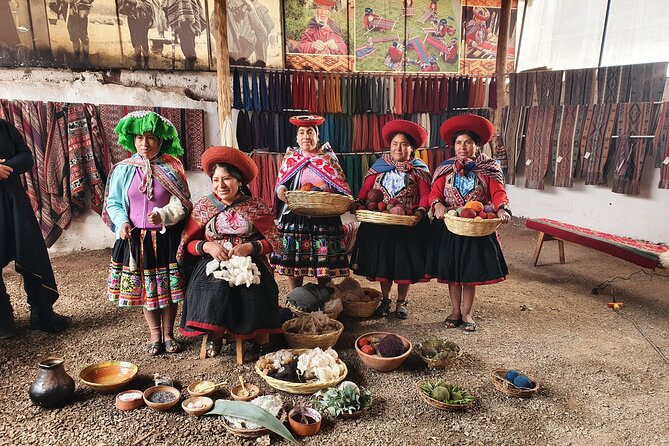
Lunch follows the workshop and is included in the $79 price. It is described as a traditional Andean meal, with examples including soup, chicken, potatoes, carrots, and rice.
The most appealing part is the setting and the chance to eat with the hosts. Miguel has sat with visitors during the meal, using the time to talk about the area and the project. That makes lunch feel like part of the visit rather than a quick break between scheduled activities.
Food quality can be personal. Several accounts describe the meal as delicious and one of the best meals of a Peru trip, while another found it pleasant but more basic than expected. I would treat it as a homemade regional lunch, not as a restaurant tasting menu.
Tell the team about dietary restrictions when you book. Miguel has contacted people in advance about gluten-free needs, shellfish, red meat, and other restrictions, then prepared a suitable meal. That kind of communication is valuable, but you should still provide clear details before the day of the activity.
Soda, bottled water, and breakfast are not included. Bring water with you, especially if you are adjusting to the altitude around Cusco. The property has a bathroom, and credit cards are accepted for purchases, according to the information provided.
Shopping for textiles that support local artisans
The on-site boutique is large and carries handmade textiles along with fine leather goods. You can shop after seeing how the materials are cleaned, dyed, spun, and woven, which gives you a better basis for judging the work.
I would save your major textile shopping until after this visit if your schedule allows. Several people felt that items purchased here, including ponchos, capes, hats, and gloves, offered better quality and lower prices than comparable goods in Cusco’s main plaza.
Prices for individual boutique items are not provided, so do not assume every piece will be cheaper than every shop in Cusco. The important advantage is context. You can ask about the materials and understand the labor before buying.
The social purpose also matters. Andean Colors supports single artisan mothers and aims to preserve organic, humane weaving traditions. No purchase is automatically a donation in a strict financial sense, but buying directly from a project built around local craft gives your spending a clearer connection to the people producing the goods.
You may also prefer the boutique because it avoids the pressure found in some tourist markets. The tone described here is more like a private shopping stop after a family visit.
Is $79 good value for four hours?
At $79 per person, this is not the cheapest short activity around Cusco. But the price includes several separate elements: the textile workshop, wool and dye materials, tools, lunch, and fresh grass for feeding the animals.
The value is strongest if you want participation rather than a quick demonstration. You are paying for instruction, supplies, a meal, an animal encounter, a private group setting, and the chance to keep what you make. A basic souvenir or animal photo stop would offer less.
The price does not include private transportation, breakfast, soda, or bottled water. That transport issue can change the total cost. The team has helped arrange rides from Cusco, and one reported booking cost $80 round trip from a Cusco hotel. That figure is not presented as a fixed rate, so ask for the current price when you book.
Public transportation is possible, and the meeting point is near public transport. Still, you should plan the route carefully because the activity ends back at Andean Colors, not at a different Cusco attraction.
The experience is often booked about 32 days ahead, but a last-minute booking has also worked. If you want a particular date or need transport, earlier planning is the safer choice.
Transport, timing, and altitude planning
The meeting point is Andean Colors in Racchi ayllu, postal area 08670, Peru. Since transportation is not included, confirm exactly how you will reach the property before the day begins.
You can ask Andean Colors about arranging a private ride. This may be worthwhile if you are staying in Cusco and do not want to manage public transport, especially for a private group. The staff has been responsive about transport and schedule changes, including a case where an activity was rescheduled because of altitude sickness.
This is also a reasonable first full-day activity in the Cusco area. The program is calm and mostly low-key, with a short walk rather than a major hike. You can use it to get used to the altitude before tackling more demanding routes.
That said, four hours at the property does not include the drive. A ride from Cusco can take about an hour, depending on the arrangement and road conditions, and nearby add-ons can turn it into a long day. Some people have combined the visit with Maras and Moray, but that added a drive of more than an hour and made the outing considerably longer.
I would book the textile workshop on its own if you want an unhurried cultural morning or afternoon. Add other sights only if you have plenty of time and a clear transport plan.
Who will enjoy this most?
I would choose this for families, couples, solo visitors, and anyone who wants a quieter alternative to a packed sightseeing day. It works particularly well for people who like to understand how an object is made rather than simply buy it.
Children can participate, and the animals add an easy point of interest for those who are not drawn to crafts. Solo visitors should also feel comfortable because the activity is private, and one-person visits have received personal attention.
It is a good fit for:
- People interested in textiles, weaving, natural dyes, or traditional craft
- Families wanting an activity that adults and children can share
- Solo visitors who prefer a personal lesson
- Shoppers looking for handmade Peruvian goods
- Anyone wanting countryside views without a full hiking day
- Visitors who value projects supporting local artisan women
You may want to skip it if your main goal is a high-energy adventure, a long archaeological tour, or a formal cooking class. The workshop is active, but it is not physically demanding. The animal walk is short, and lunch is simple rather than lavish.
Should you book the Andean textile workshop?
Yes, if you want to understand the work behind Peru’s famous textiles and you value direct, hands-on learning. The strongest reasons to book are the complete process from wool to woven item, the patient guidance from Miguel and Paulita, the mountain setting, and the chance to support a project for single artisan mothers.
Before booking, settle three details: your transport, your dietary needs, and whether you want to add any other Sacred Valley sights. Bring water, leave room for boutique shopping, and do not expect a full-day adventure disguised as a four-hour tour.
For $79, this is a fair value for a private cultural activity that includes materials, lunch, animals, and a finished keepsake. If you have already bought textiles in central Cusco, you may wish you had waited. If you have room in your itinerary for one thoughtful, practical look at Andean craft, this is a strong choice.
FAQ
Where does the textile workshop take place?
The activity takes place at Andean Colors in Racchi ayllu, 08670, Peru, in the Cusco Region.
How long does the experience last?
The activity lasts approximately four hours.
What does the $79 price include?
The price includes the textile workshop, lunch, wool, dyes, fabric tools, and fresh grass to feed llamas and alpacas.
What will I make during the workshop?
You will make either a bracelet or a bookmark using traditional textile techniques. You can also keep the yarn and the item you create.
Are llamas and alpacas included?
Yes. You can feed the llamas and alpacas with fresh grass, and the experience includes an encounter with the animals. Some visits also include a short walk with them.
Is transportation included?
No. Private transportation is not included. The team can help arrange transportation, and the meeting point is near public transportation.
Can children participate?
Most travelers can participate, and families have completed the workshop with children aged eight, nine, and eleven. The staff can assist children during the different steps.
Can I cancel for a full refund?
Yes. You can receive a full refund if you cancel at least 24 hours before the experience start time. Changes or cancellations made less than 24 hours in advance are not accepted for a refund.
Just added around Cusco
- Waqrapukara 1 day trekking + meals★ 3.9 · 3 reviews
- Visit to the Cochahuasi Animal Sanctuary with rescued animal★ 4.1 · 4 reviews
- Vinicunca Mountain Tour – Full Day Tour to Rainbow Mountain★ 3.4 · 4 reviews
- Valle Sur Cusco | half day★ 4.3 · 3 reviews
- Trek to Humantay Lake from Cusco★ 4.9 · 8 reviews
- Trek to Choquequirao 4 days★ 3.8 · 4 reviews
- rainbow mountain full day★ 5.0 · 44 reviews
- Tour to the HUMANTAY LAGOON from CUSCO★ 5.0 · 35 reviews
Workshops, compared.
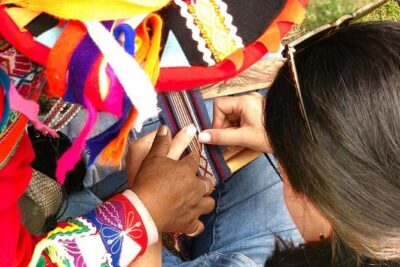
Sacred Valley Textile Workshop – Dyeing & Weaving in Cusco
Read our review →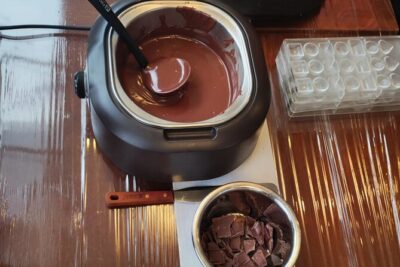
Chocolate Workshop in Cusco with Premium Organic Cacao
Read our review →
Pisco Sour Secrets: Hands-On Mixology in Historic Cusco
Read our review →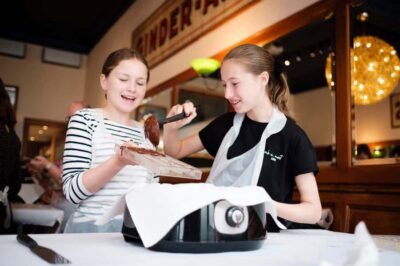
Chocolate Workshop with the Best Local Organic Cacao
Read our review →
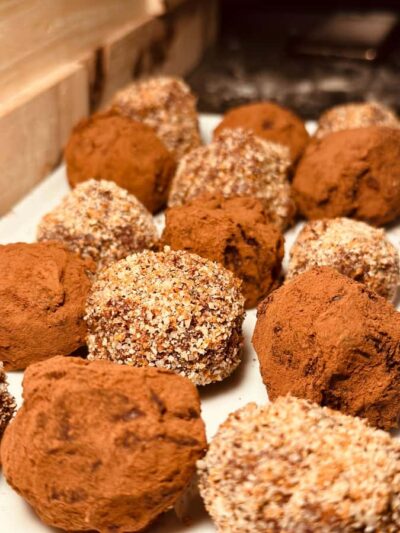
1.5h Cusco Chocolate Workshop – Truffles & Hot Chocolate
Read our review →Browse the lists this tour appears in