
Reviewed · SACSAYHUAMAN & CUSCO RUINS TOURS
Cusco : Half-Day Explore Inca Ruins qoricancha sacsayhuaman
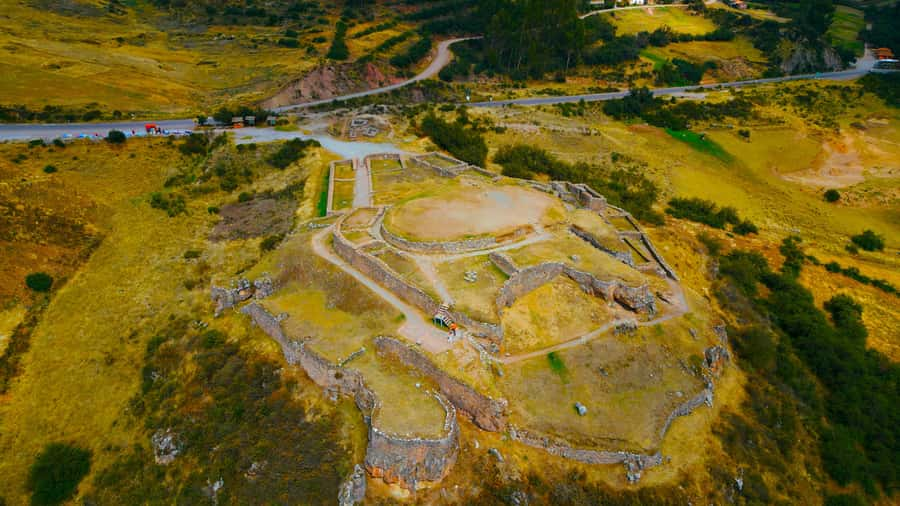
Cusco’s main sights fit into one busy morning here, from the gold-linked Temple of the Sun to the huge stonework of Sacsaywaman and the water channels at Tambomachay. I like the low $15 price and the fact that transport connects five sites that would be awkward to cover alone. I also like starting at the Plaza de Armas, where you can find the meeting point without a taxi.
The tradeoff is time. You get about 40 minutes at Qoricancha and Sacsaywaman, then shorter stops at the other ruins. The guide must also work in both Spanish and English, and one English-speaking customer found that more of the talk was in Spanish. If you have not adjusted to Cusco’s altitude, this is a demanding morning.
Key points at a glance
- Five major stops in five hours: Qoricancha, Sacsaywaman, Qenqo, Puca Pucara, and Tambomachay are linked by tourist transport.
- Qoricancha begins the story: See Cusco’s Spanish colonial church and Inca Temple of the Sun complex in one visit.
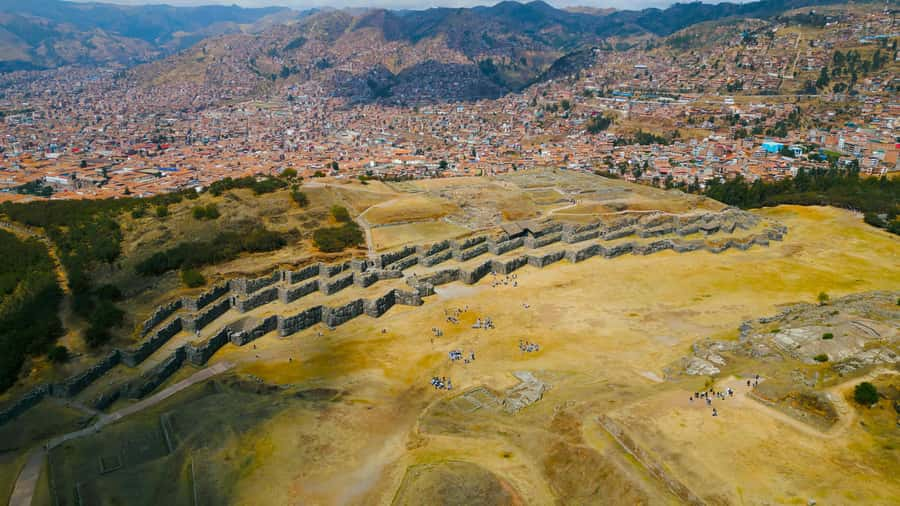
- Sacsaywaman delivers the big views: The hilltop site offers broad views over Cusco and some of the tour’s most striking stonework.
- Bring 90 soles in cash: Archaeological-site admission is not included in the $15 tour price.
- Expect bilingual guiding: Spanish and English are offered, but the balance can favor Spanish when the group is mostly Spanish-speaking.
- The pace is brisk: Short visits work well for first-time orientation, not for detailed archaeological study.
What this $15 Cusco tour really offers
At $15 per person, this is best understood as a transport-and-guiding package, not an all-inclusive sightseeing ticket. Your fee covers tourist transport and a professional bilingual guide. It does not cover the archaeological-center entry ticket, for which you are told to carry 90 soles in cash.
That changes the real cost, so budget for both amounts before you meet the group. Even with the separate ticket, the tour can be useful value if you want the major sites explained and connected in one morning. Arranging individual rides to Qenqo, Puca Pucara, and Tambomachay would take more effort, especially if you are new to Cusco.
The tour lasts about five hours. That is long enough to give you a useful first look at the Inca sites, but not long enough for a slow, detailed visit at each one. I would choose it early in a Cusco stay, then return independently to the places that catch your interest.
One important correction to the food expectation: local cuisine is listed among the highlights, but no meal is included in the stated inclusions. You should not book this expecting lunch or a tasting. The actual program is focused on ruins, views, transport, and commentary.
More Inca ruins above Cusco:
- Cusco: Half-Day City Tour with Sacsayhuaman and Q’enco
★ 4.6 · 1,129 reviews - City Tour Cusco Qoricancha Sacsayhuaman y Tambomachay
★ 4.7 · 617 reviews - Cusco City Sightseeing, San Pedro Market, Cathedral and Qorikancha Temple
★ 4.5 · 139 reviews
Meeting at the Plaza de Armas at 8:45 am
Pickup is at the fountain in the center of Cusco’s main square at 8:45 am. The coordinates provided are -13.516772, -71.9787231, and staff will call you by name. That is a clear meeting arrangement, but arrive early because the Plaza de Armas has several possible approaches and the group is not waiting at a private hotel address.
The tour begins in the square before moving to Qoricancha. This is handy if you are staying near central Cusco or already plan to spend time around the plaza. At the end, transport returns you to Cusco and leaves you one block from the Plaza de Armas, at Plaza Kusipata.
The morning start also makes practical sense. You visit the sites before the day gets further along, then have the afternoon free. I would keep that afternoon flexible rather than booking another strenuous activity. Cusco’s altitude can make a five-hour outing feel longer than the clock suggests.
Qoricancha: Inca gold beneath a colonial church
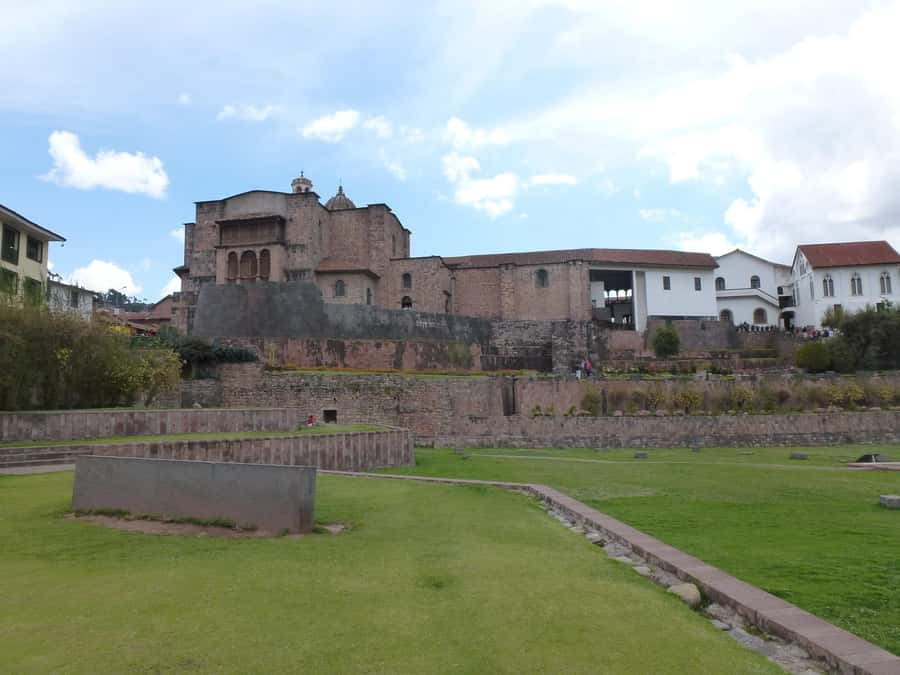
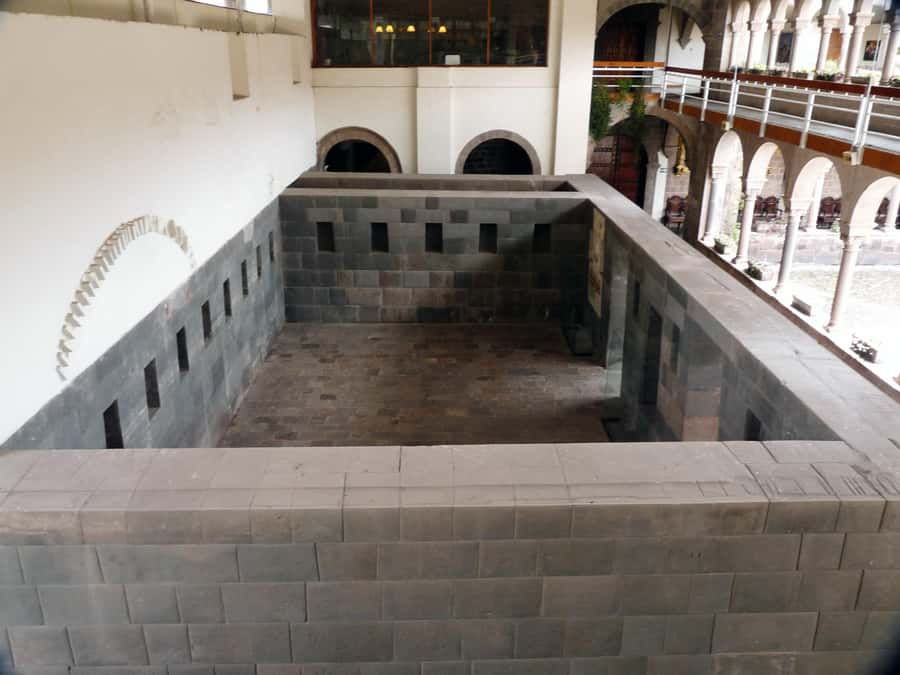
Qoricancha, also called Coricancha, is the Temple of the Sun and the first major stop. You have about 40 minutes here. The site is important because it shows two layers of Cusco at once: the Inca religious complex and the Spanish colonial building placed above it.
Your guide can help explain how the Temple of the Sun fitted into Inca belief and power. The name is often translated as Golden Enclosure, a reference to the wealth once associated with the complex. The tour description promises instruction on Inca history and culture, so this is where the morning’s basic story begins.
Forty minutes is enough to understand the layout and notice the careful stonework. It is not enough for an unhurried study of every room, display, or architectural detail. If Qoricancha interests you most, consider returning on another day with more time.
This first stop is also a useful test of the guide’s language balance. The tour is bilingual in Spanish and English. One English-speaking participant found the guide tried to divide attention between both languages but spoke more Spanish. If you need every explanation in English, ask politely at the start how the commentary will be shared.
Sacsaywaman: huge stones and wide Cusco views
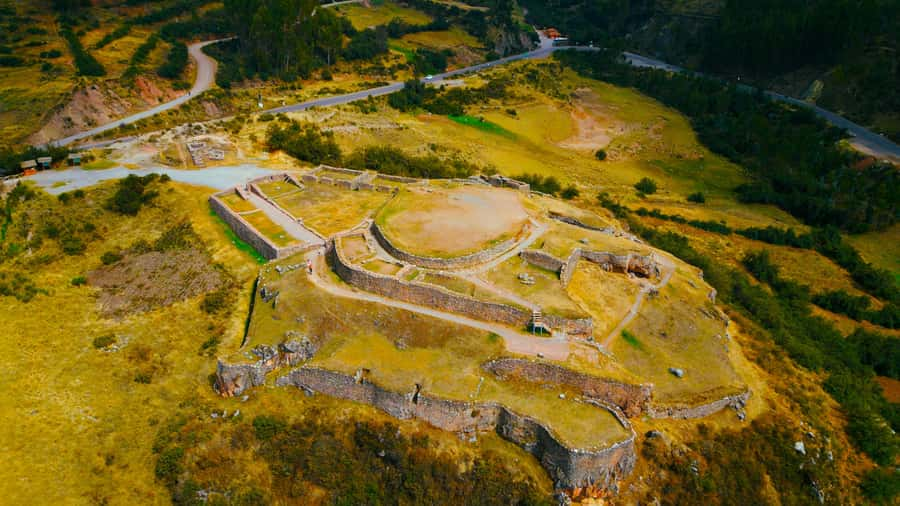
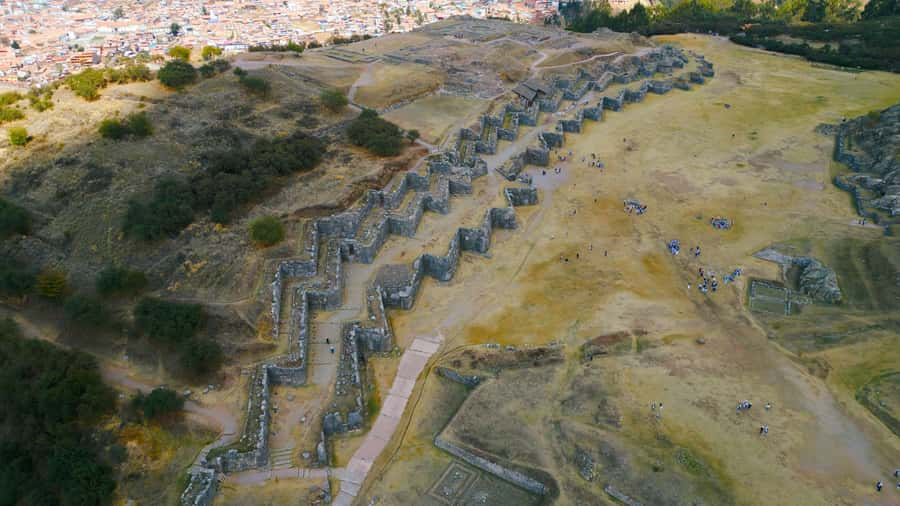
After Qoricancha, the coach ride takes about 20 minutes to Sacsaywaman. You have roughly 40 minutes at the site, making it one of the two longest visits of the morning.
Sacsaywaman is the tour’s strongest stop for scale. Massive fitted stones form the famous walls, and the elevated position gives you panoramic views toward Cusco. Bring a camera, but also give yourself time to look closely at the joints between the stones. The construction is the point here, and a guide’s explanation adds meaning to what might otherwise look like a huge wall of rock.
The site can be physically taxing because the program moves through several elevated archaeological areas in one morning. The supplied feedback is clear on this point: if you have not yet adapted to Cusco’s altitude, this tour may not be a good first outing. Take the warning seriously, especially if you have just arrived from a lower elevation.
The schedule gives you enough time to see the main features, hear the story, and enjoy the views. It does not give you freedom to wander at length. Stay aware of the meeting time, since the remaining three sites still have to fit into the morning.
A few more Cusco days worth weighing up
- Cusco: City Tour | Half-Day Tour to 4 Archaeological Sites
★ 4.6 · 206 reviews - Cusco: Half-Day City Tour
★ 4.2 · 129 reviews - Cusco: Half-Day Horseback Riding at Devil’s Balcony
★ 4.9 · 89 reviews - Half-Day City Tour of Cusco Including Tambomachay
★ 4.5 · 59 reviews
Qenqo: a shorter stop with a different feel
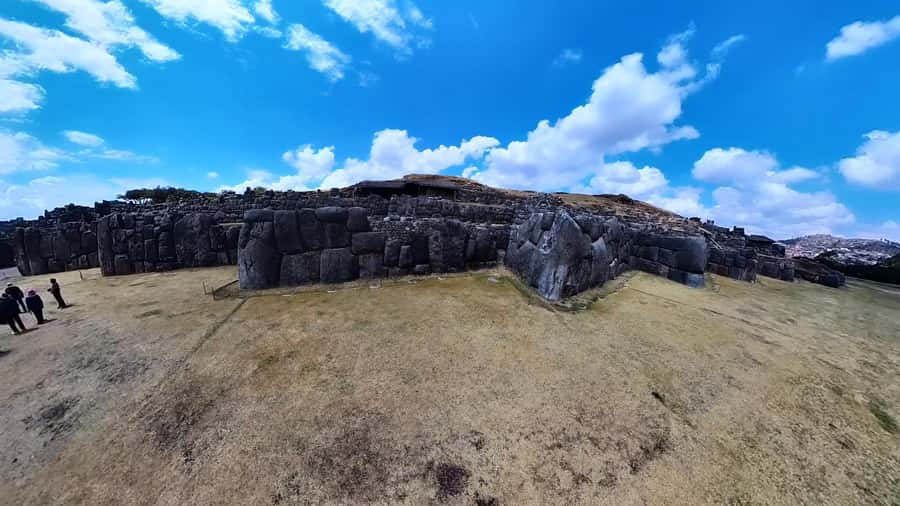
The coach ride from Sacsaywaman to the Qenqo Archaeological Complex takes about five minutes. The visit lasts about 30 minutes, so this is a compact stop rather than a long exploration.
Qenqo adds variety to the morning. Instead of another broad hilltop fortress, you get an archaeological complex associated with carved stone and ceremonial use. Your guide’s explanation matters here because the features may not be immediately clear if you are looking without context.
Thirty minutes is a sensible amount of time for a first visit. You can follow the guide, see the main carved areas, and take photographs. If you prefer independent wandering, you may find the group pace restrictive. The tour is designed to show you the key points and move on.
The short transfer also keeps the morning efficient. There is little wasted road time between Sacsaywaman and Qenqo, which helps make the $15 transport package useful.
Puca Pucara: stonework beside the old road
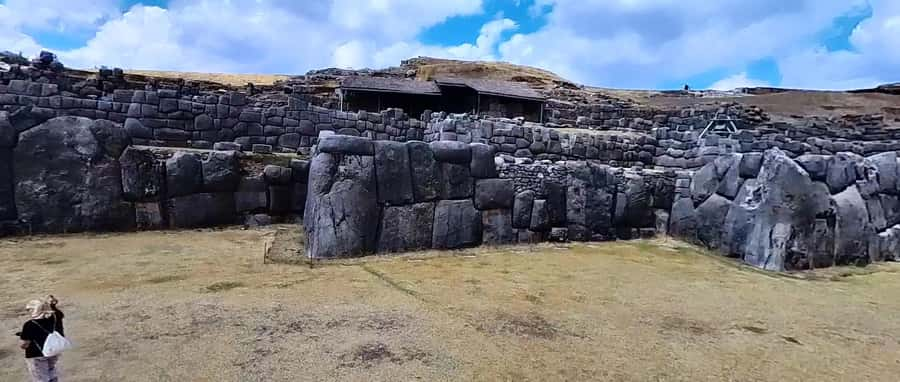
The next transfer takes about 10 minutes. The itinerary identifies the stop by the code G28Q+J5R, while the wider tour description names it Puca Pucara. You should expect a 20-minute visit.
Puca Pucara is commonly presented as a checkpoint or military-related site along the routes approaching Cusco. On this tour, it serves as a brief stop where you can see another type of Inca stone construction and take in the surrounding views.
Twenty minutes goes quickly. I would listen closely as the guide sets the scene, then use the remaining time for photographs and a quick look around. This is not the place for a long, solitary walk.
The program’s sequence makes sense: after the larger sites, Puca Pucara gives you a concise look at how the Inca road system and control of movement fit into the wider story. You do not need a full day to appreciate it, but you do need to pay attention because the stop is short.
Tambomachay: water, stone, and the final ruin
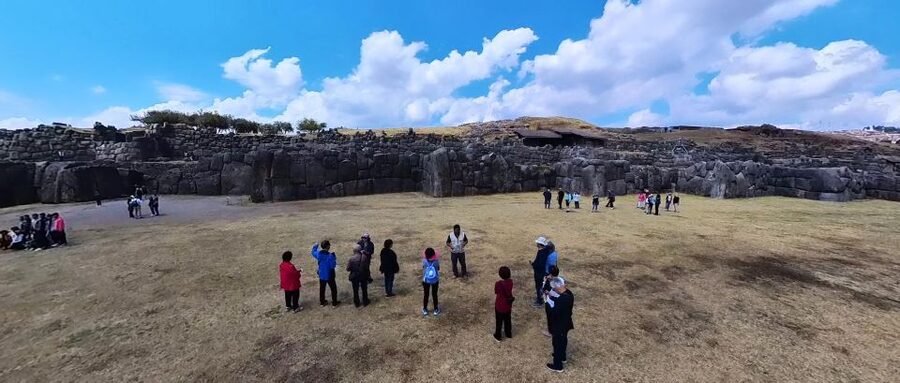
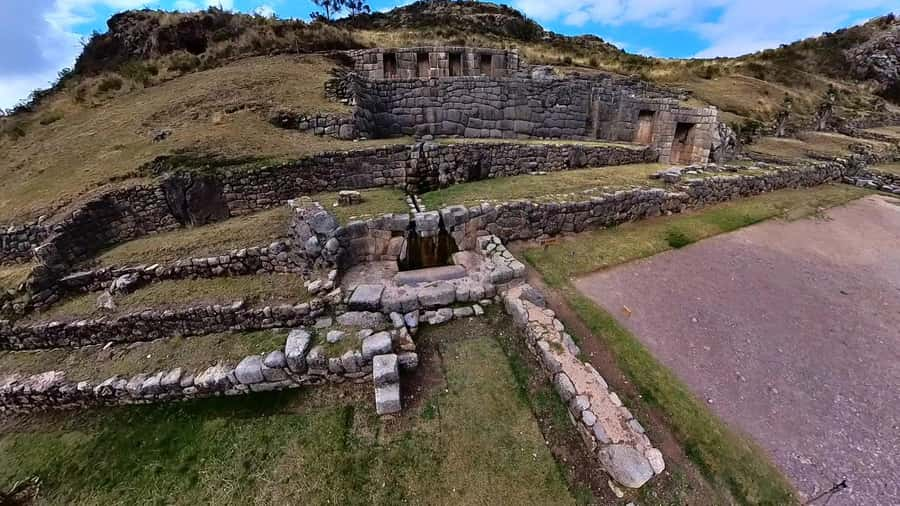
Tambomachay is only about a one-minute ride from the preceding stop, followed by a 30-minute visit. The site is known for its carefully arranged water channels and fountains, and it gives the tour a fitting final chapter.
After seeing temples, walls, and ceremonial spaces, you finish with a site tied to water and ritual. The guide can connect the channels and stonework to Inca ideas about nature, ceremony, and sacred places. The compact setting makes the explanation especially useful.
A half-hour gives you time to see the main features without feeling rushed in the same way as the 20-minute Puca Pucara stop. Still, the whole group must return to the vehicle on schedule. Wear shoes that feel steady on uneven ground, although the supplied information does not specify the exact walking conditions.
From Tambomachay, transport takes about 20 minutes to return to central Cusco. The tour finishes at Plaza Kusipata, one block from the Plaza de Armas, rather than at the original fountain.
The guide, language, and sales stops
A professional guide is included, with Spanish and English offered. No guide’s name is provided in the booking information, so you will identify your guide at the meeting point by the group arrangement and the name call.
The bilingual format is useful, but it can affect the amount of time available in each language. One English-speaking customer reported that the guide tried to balance both languages but spoke more Spanish. If you are in a mixed group, expect some pauses and repeated explanations, and do not assume the English portion will always be equal.
You should also be prepared for sales activity. One positive Spanish-language account praised the guide as friendly and attentive, but also noted repeated selling during the transport and at places where the group was taken. That may mean opportunities to buy goods or other items during the outing.
If you prefer a tour with no commercial interruptions, this could be irritating. If you enjoy browsing, it may be harmless, but protect your sightseeing time and do not feel obliged to buy anything. The key point is to know this may be part of the rhythm.
Altitude, pace, and what to bring
Cusco’s altitude is the biggest practical issue. A customer specifically advised against taking this tour before adjusting to the elevation, noting that Cusco is higher than Machu Picchu. The tour information does not state an adjustment period, so you should judge your own condition rather than follow a fixed rule.
The schedule includes several transfers and walking visits at archaeological sites. Even though the coach reduces the distance between stops, you are still spending a full morning moving through elevated ruins. If you feel unwell, tell the guide rather than trying to keep pace silently.
For this outing, I would bring:
- 90 soles in cash for the entry ticket
- Water and any personal altitude medication you already use
- Comfortable walking shoes
- Sun protection and a light layer
- A small camera or phone with enough battery
The weather and exact walking surfaces are not specified, so flexible clothing is sensible. The price does not include meals, and no food stop is promised. Eat before pickup if you need a reliable breakfast, and plan your own meal afterward.
Who should book this half-day tour?
I would recommend it to a first-time Cusco visitor who wants a quick orientation to the main nearby Inca sites. It also suits anyone who values a guide and shared transport more than long periods at one ruin.
The tour works well if you have only one free morning, want to keep the afternoon open, or do not want to arrange several short rides. The low base price makes it appealing, provided you include the 90 soles entry fee in your budget.
I would be more cautious if you want detailed archaeology, quiet independent time, or a fully English-led experience. The five stops are numerous, the visits are short, and the bilingual commentary may lean toward Spanish depending on the group.
I would also avoid booking it as your first demanding activity immediately after arriving in Cusco if you are unsure how altitude affects you. A slower first day may be wiser, followed by this tour once you feel steady.
Free cancellation is available up to 24 hours before departure for a full refund, and you can reserve now and pay later. The activity is listed as wheelchair accessible, though the information does not describe access conditions at each ruin. Ask the provider for site-specific details if that matters to you.
Should you book the Qoricancha and Sacsaywaman tour?
Book this tour if you want five famous Cusco-area sites in one morning, a bilingual guide, and transport for a very low starting price. The views at Sacsaywaman, the layered story at Qoricancha, and the variety of Qenqo, Puca Pucara, and Tambomachay give you a solid first introduction.
Skip it if you need slow visits, guaranteed equal English commentary, or a meal included. Also wait if you have not adjusted to the altitude. For the right person, this is an efficient and affordable survey of Cusco’s Inca sites, as long as you bring the separate entry fee and accept the brisk pace.
FAQ
Where does the Cusco tour begin?
Pickup is at the fountain in the center of Cusco’s main square, the Plaza de Armas, at 8:45 am. Staff will call you by name.
Where does the tour finish?
Transport returns to Cusco and finishes at Plaza Kusipata, one block from the Plaza de Armas.
How long does the tour last?
The tour lasts five hours, including transport between the sites.
Which places does the tour visit?
The route includes Qoricancha, Sacsaywaman, Qenqo, Puca Pucara, and Tambomachay.
Is the archaeological entry ticket included?
No. You need to bring 90 soles in cash for entry to the archaeological centers.
What languages are available?
The live guide service is offered in Spanish and English.
Just added around Cusco
- Waqrapukara 1 day trekking + meals★ 3.9 · 3 reviews
- Visit to the Cochahuasi Animal Sanctuary with rescued animal★ 4.1 · 4 reviews
- Vinicunca Mountain Tour – Full Day Tour to Rainbow Mountain★ 3.4 · 4 reviews
- Valle Sur Cusco | half day★ 4.3 · 3 reviews
- Trek to Humantay Lake from Cusco★ 4.9 · 8 reviews
- Trek to Choquequirao 4 days★ 3.8 · 4 reviews
- rainbow mountain full day★ 5.0 · 44 reviews
- Tour to the HUMANTAY LAGOON from CUSCO★ 5.0 · 35 reviews
Sacsayhuaman & Cusco Ruins Tours, compared.
Half-Day City Tour with Sacsayhuaman and Q’enco
Read our review →
City Tour Cusco Qoricancha Sacsayhuaman y Tambomachay
Read our review →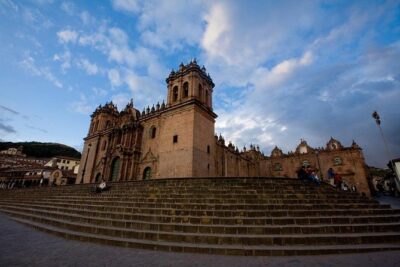
Cusco City Sightseeing, San Pedro Market, Cathedral and Qorikancha Temple
Read our review →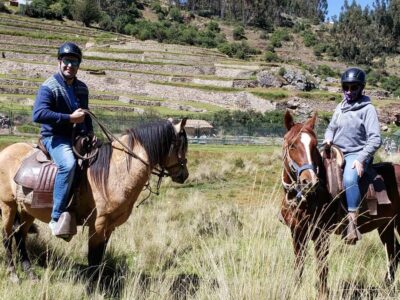
3-Hour Horse Riding Tour to the Temple of the Moon
Read our review →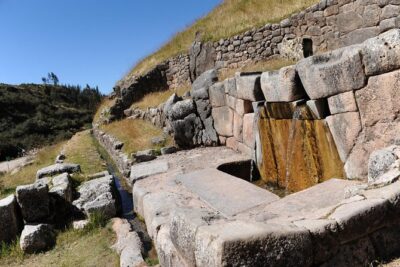
Cusco City Sightseeing and Sacsayhuaman Archeological Park Tour
Read our review →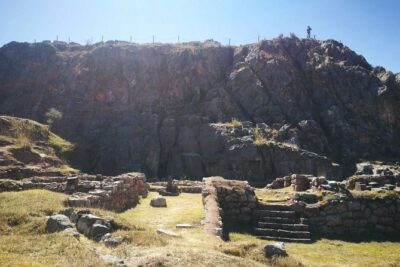
Horse Riding Chacan Mountain And Temple Of The Moon
Read our review →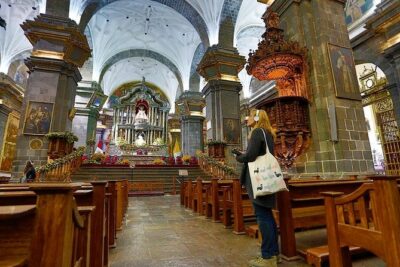
Cusco 4-Hour Private Tour Including Sacsayhuaman and Qenqo
Read our review →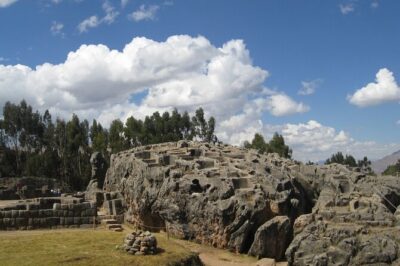
Sacsayhuaman Temple, Tambomachay and Puca Pucara Half-Day Tour
Read our review →Browse the lists this tour appears in