
Reviewed · CITY TOURS
Cusco: Half-Day City Tour
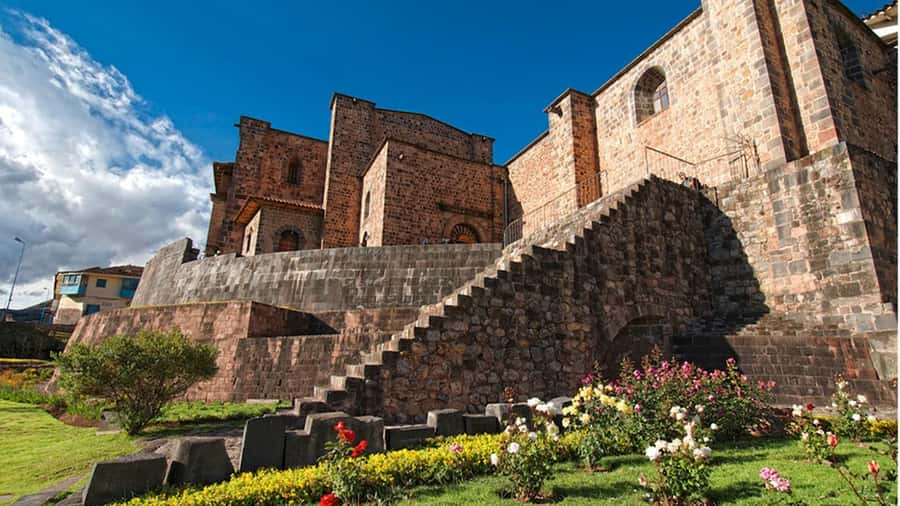
Cusco’s past is packed into this six-hour route: a Catholic cathedral, Inca stone streets, the former Temple of the Sun, and massive ruins above the city. The most striking lesson is how Inca and Spanish building traditions sit side by side, sometimes in the same wall.
I like the wide range of sights and the fact that transport takes you from the city center to Sacsayhuaman and the other outer sites. I also like the bilingual guiding, with one guide able to explain the sites in English and Spanish and answer questions about Cusco and the Inca world.
The main drawback is pace. You cover a lot in six hours, and the opening stops can feel rushed. Bring cash for the separate entrance fees, and allow extra time if you want to linger over the cathedral or Qoricancha.
Key Points
- A full route in six hours: Cover Cusco’s Plaza de Armas, Qoricancha, Sacsayhuaman, Qenqo, Puka Pukara, and Tambomachay.
- History in two languages: The live guide speaks English and Spanish, with an audio guide also available in both languages.
- Inca and Catholic layers: Compare the cathedral and Qoricancha to see how Spanish and Inca traditions meet.
- Outer ruins by tourist bus: Transport saves you from arranging separate rides to Sacsayhuaman, Qenqo, Puka Pukara, and Tambomachay.
- Budget price, extra admissions: The $22 tour fee includes transport and guiding, but the listed entrance fees add 130 soles.
- Best for first-time visitors: This works well when you want a broad introduction before exploring Cusco in more detail.
What This Cusco Route Does Well
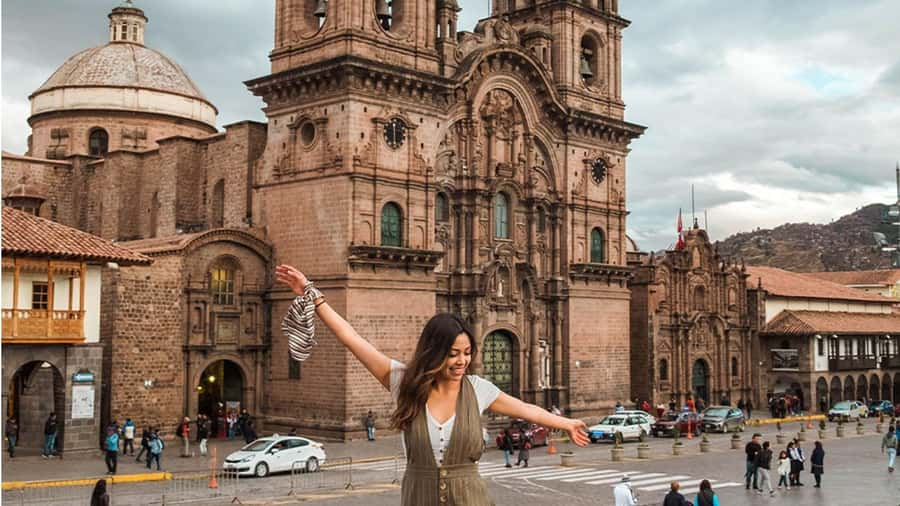
At $22 per person, this is an efficient way to get your bearings in Cusco. You see the central sights on foot, then ride out to the major archaeological sites. That combination matters because Sacsayhuaman, Qenqo, Puka Pukara, and Tambomachay are not all clustered around the main square.
You are not paying only for a ride. The guide explains the conflict and overlap between Inca culture and Catholicism, points out different construction methods, and gives context at each ruin. One bilingual guide received especially strong praise for explaining details in both Spanish and English, answering questions, and helping a late-arriving participant catch up with the group.
Still, keep your expectations in check. This is a survey tour, not a slow archaeological visit. You will see the main places and learn why they matter, but you may not have long stretches of quiet time at every stop.
The meeting point is in the Plaza de Armas, near the monument to the Inca. Hotel pickup is available only for people who select that option when booking, so check your reservation carefully. If you are meeting the group in the square, arrive with time to find the monument without rushing.
More City Tours in Cusco
- Cusco: Half-Day City Tour with Sacsayhuaman and Q’enco
★ 4.6 · 1,129 reviews - City Tour Cusco Qoricancha Sacsayhuaman y Tambomachay
★ 4.7 · 617 reviews - Cusco: Sightseeing Tour of the City on an Open-Top Bus
★ 4.0 · 481 reviews
Plaza de Armas and Cusco Cathedral
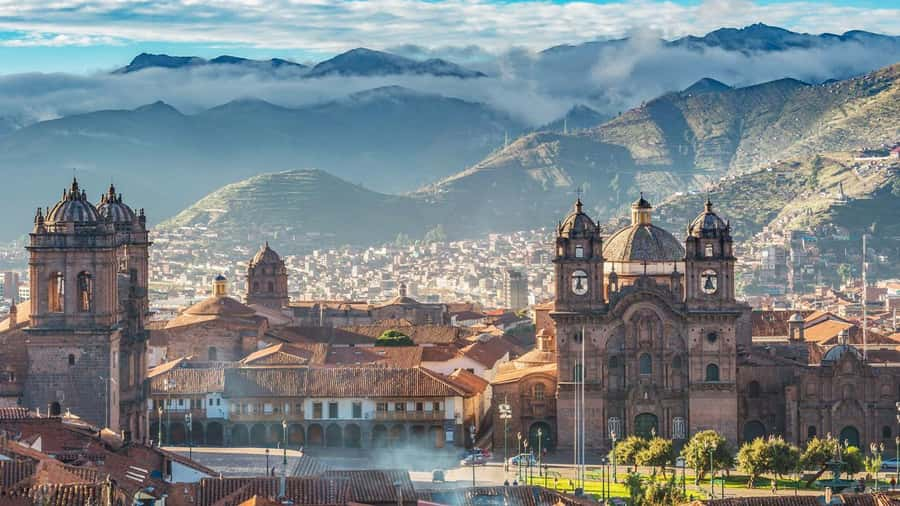
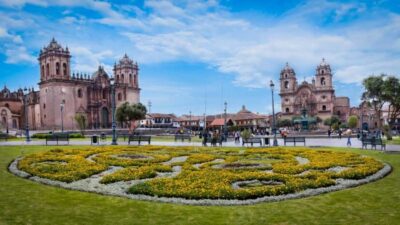
The tour begins in Cusco’s main square, where daily life unfolds around the city’s grandest colonial buildings. You can watch locals, shoppers, and tourists move through the square while the guide introduces Cusco’s role as the former center of the Inca world and the Spanish colonial capital that followed.
The cathedral visit adds a second layer to the stop. Admission is not included and costs 40 soles. That extra fee is worth considering before you book, especially if you are carefully controlling your budget.
Inside, your guide can help connect the church to the larger theme of the day: Spanish Catholic power was built into a city with an older Inca foundation. You are not simply looking at a church as an isolated monument. You are starting to see how Cusco’s architecture records a collision between two cultures.
The square is also a practical place to finish later, since the tour returns here. You can continue on your own, find street food, shop, or bargain in the surrounding streets after the guided portion ends.
The limitation is time. The cathedral is one of the first major stops, and the schedule then moves on to Qoricancha. If church interiors are a major interest for you, note that this outing may not provide as much unhurried time as a dedicated cathedral visit.
Walking the Inca Streets to Qoricancha
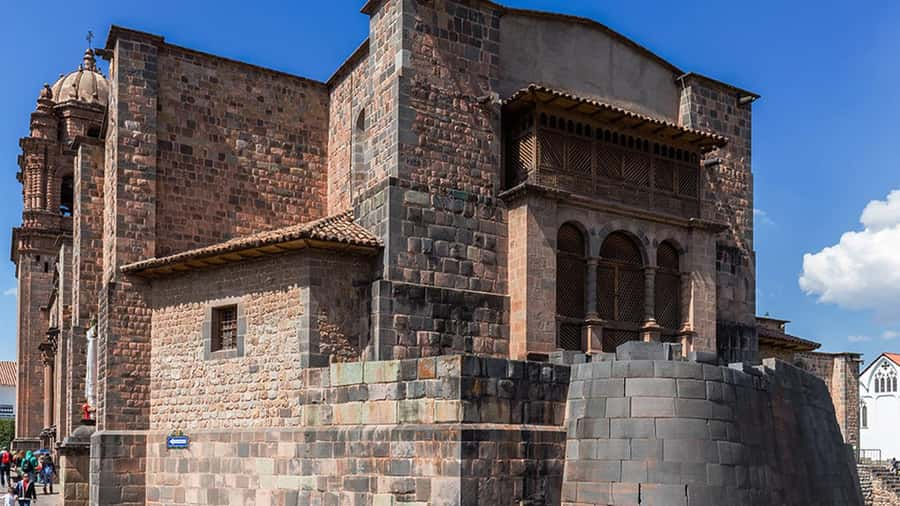
After the cathedral, you walk through Cusco’s old streets toward Qoricancha, also written as Coricancha. This is one of the most useful parts of the route because the distance between the sites lets you notice the city at street level rather than viewing it only through a bus window.
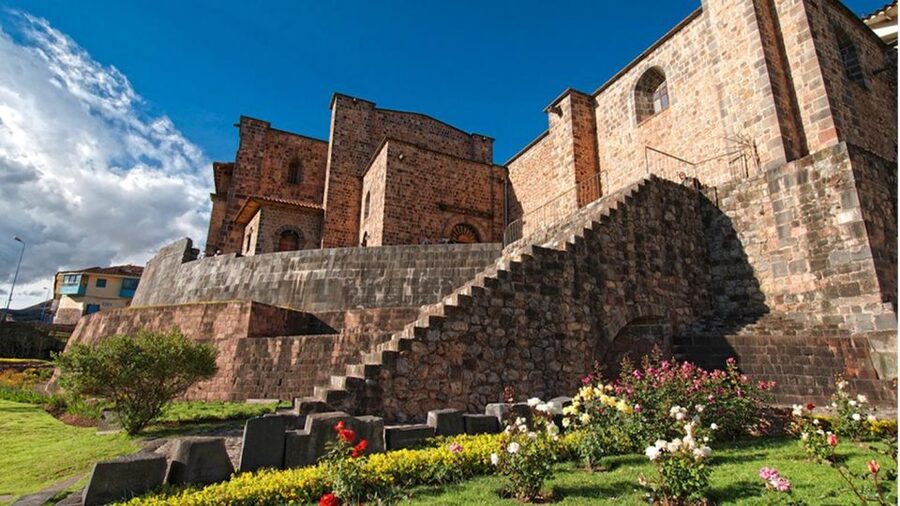
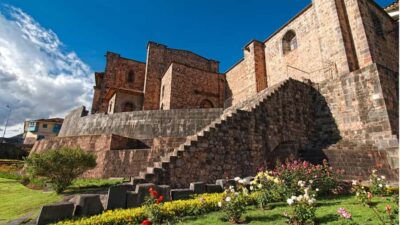
Qoricancha contains the Temple of the Sun, once one of the most important religious places in the Inca world. The tour uses this site to explain how Inca structures and Catholic buildings came to occupy the same urban space.
Admission to Qoricancha is separate and listed at 20 soles. You should carry cash for this fee, along with the other admissions and any food or purchases after the tour.
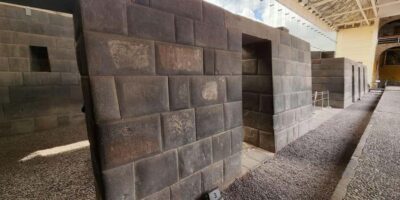
Pay attention to the masonry. The guide points out different building methods used by the Incas, which makes the site more meaningful than a quick stop for photographs. You will begin to recognize the contrast between Inca stonework and later construction, a theme that appears again at the outer ruins.
The walk down Avenida El Sol follows the Qoricancha visit. It gives you a taste of modern Cusco before the bus leaves the central district. This transition is useful: the day moves from the city’s ceremonial core to the large sites spread beyond it.
Again, the pace may feel brisk. One detailed account of the outing found the first stop rushed and suggested that an extra hour would improve the experience. If you want time to study walls, ask questions, and take careful photographs, stay close to the guide and avoid lingering too long before the group moves.
Sacsayhuaman and the Scale of Inca Stonework
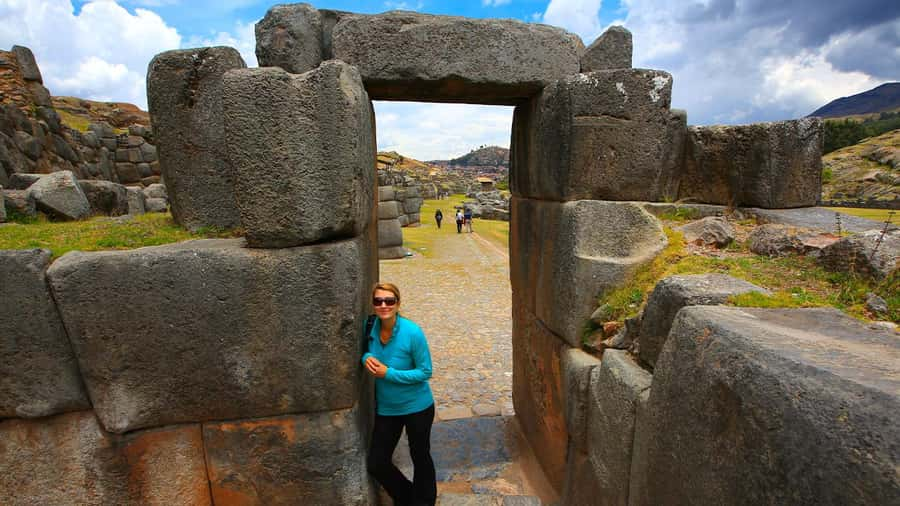
The bus ride to Sacsayhuaman takes you out of central Cusco to the best-known outer site on the route. Here, the size of the stonework changes the tone of the day. Qoricancha helps you understand Inca religious and urban design, while Sacsayhuaman gives you a stronger sense of the scale and labor behind Inca construction.
The guide leads a tour of the site, then gives you time to explore on your own. That split is important. You get the basic explanation first, but you are not required to spend every minute walking in a tight group.
Use your independent time to look closely at the walls and the way the stones fit together. The site is especially useful for comparing what the guide described earlier with a much larger ceremonial and defensive complex. The experience is less about checking off one ruin and more about seeing how the Inca built on a grand scale.
The included tourist transportation is a real advantage here. You do not need to arrange a separate ride from Cusco to Sacsayhuaman, then work out transport to the smaller sites. The bus keeps the route practical within a single day.
The tradeoff is that this is a group schedule. You will have time to explore individually, but not an open-ended afternoon. If Sacsayhuaman is your main priority, you may wish to return separately another day for a slower visit. This tour is better for seeing it as one part of a larger introduction to Cusco.
More City Tours in Peru:
- Open Bus Cusco City Tour
★ 4.5 · 219 reviews - Cusco: City Tour | Half-Day Tour to 4 Archaeological Sites
★ 4.6 · 206 reviews - City Tour in Cusco & visit Museum South American Camelid Private.
★ 5.0 · 147 reviews - Cusco City Sightseeing, San Pedro Market, Cathedral and Qorikancha Temple
★ 4.5 · 139 reviews
Qenqo, Puka Pukara, and Tambomachay
From Sacsayhuaman, the bus continues to Qenqo. This site is associated with sacred altars and ceremonial spaces, giving the route a different feel from the broad stone walls at Sacsayhuaman.
Qenqo is a place where the guide’s explanation matters. Without context, the carved features and altars can be difficult to interpret. With a bilingual guide, you can ask questions in English or Spanish and connect the site to the religious practices discussed at Qoricancha.
The route also includes the small circular Puka Pukara. It is a shorter stop, but it adds another piece to the picture of how the area around Cusco was organized. The visit is not only about the most famous monument. You also see smaller sites that help fill out the wider Inca setting.
The final archaeological stop is Tambomachay, known here as the Temple of Water. Its fountains are the visual focus, and they offer a contrast to the heavy stonework at Sacsayhuaman. This stop gives the day a quieter, more delicate ending before you return to the city.
Because the stops come one after another, keep your expectations realistic. You will receive an overview of each place rather than an extended study of all its details. The route works best if you think of these sites as connected chapters, not as five separate full tours.
The listed tourist ticket for the archaeological sites outside the city costs 70 soles. Confirm the current admission arrangements when booking, since the tour price does not cover this ticket.
What the $22 Price Really Covers
The $22 price is attractive because it includes tourist transportation and a professional bilingual guide. Those two inclusions handle the parts of this route that are hardest to organize independently: moving between the city center and the outer ruins, and understanding what you are seeing once you arrive.
The price does not include the cathedral, Qoricancha, or outer archaeological site admissions. Based on the listed fees, you should budget an additional 40 soles for the cathedral, 20 soles for Qoricancha, and 70 soles for the archaeological sites. That is 130 soles in stated admissions, on top of the tour price.
This makes the experience good value if you want convenience and a broad first look at Cusco. It is less attractive if you already have transport arranged and prefer to spend a full morning at one or two sites. In that case, a shorter, more focused plan may give you more time for the places you care about most.
Carry your passport or ID card and cash. The supplied instructions specifically call for both, and cash is useful for the separate entrance fees and anything you buy after returning to the square.
The Pace, Guide, and Language Setup
The live guide speaks English and Spanish, and an audio guide is included in both languages. That gives you two ways to follow the explanations, though the live commentary is likely to be the most useful for asking questions and understanding the group’s next move.
The strongest praise centers on the guide’s explanations and willingness to answer questions. One guide was described as able to explain the Inca sites clearly in both languages and to help a late-arriving participant rejoin the group. That suggests a helpful working style, though guide names are not provided, so you should not expect to request a named guide.
The six-hour duration is long enough to cover the full route but short enough to keep the day manageable. It also creates the main weakness: several important stops must fit into one schedule. You may feel hurried at the first part of the tour, especially if you want time inside the cathedral and Qoricancha.
I would choose this outing early in a Cusco stay. It gives you a framework for later independent visits. After hearing the basic story and seeing the main construction styles, you can decide which site deserves a second look.
Who Should Book This Tour
This tour suits you if it is your first time in Cusco and you want to see the major sights without arranging several separate rides. It is also useful if you have only one full day for the city and want both central monuments and outer ruins.
You will likely appreciate it if you enjoy history explained in plain terms rather than simply photographing ruins. The guide’s bilingual format is helpful for English and Spanish speakers, and the audio guide gives another way to follow along.
I would be more cautious if you dislike fixed schedules or want long periods at each site. The route is packed, and the first stops can feel rushed. It is also not the cheapest possible day once the separate admissions are added, though the transport and guiding make the price easier to justify.
If you want to end the day near shops, food, and the center of Cusco, the return to the Plaza de Armas is convenient. You can continue at your own pace, sample street food, shop, or simply sit in the square after the formal tour ends.
Practical Tips for a Better Day
Arrive at the monument to the Inca in the Plaza de Armas if you are using the meeting point. If you selected hotel pickup, confirm that option in your booking details rather than assuming it is automatic.
Bring cash and your passport or ID card. Keep the admission fees in mind before the tour begins, since the three main charges are separate from the $22 price.
Wear something that lets you walk comfortably through the city and archaeological sites. The itinerary includes a city walk from the cathedral area to Qoricancha, time outdoors at several ruins, and movement between multiple stops.
Use the guided portions well. Ask questions when the guide compares Inca and Spanish construction, since that is one of the most valuable themes of the day. At Sacsayhuaman, save part of your independent time for looking at the stones rather than rushing only to take photographs.
If you arrive late, contact the tour team as soon as possible. A guide has helped a late participant catch up with the group, but you should not count on that working every time.
Should You Book the Cusco City Tour?
Book it if you want a well-priced introduction to Cusco that joins the cathedral, Qoricancha, Sacsayhuaman, Qenqo, Puka Pukara, and Tambomachay in one day. The bilingual guiding and included transport are the main reasons to choose it.
Skip it if you want a slow, detailed visit to each monument or already know the city well. The schedule covers a lot, and the extra entrance fees need to be part of your budget.
For a first visit, I think the route earns its place as a practical starting point. You see the city’s religious center, its Inca foundations, and the major ruins beyond town, then return to the Plaza de Armas with a better sense of what you want to explore next.
FAQ
How long does the Cusco city tour last?
The tour lasts six hours.
What sites are included in the route?
The route includes the Plaza de Armas and cathedral, Qoricancha, Sacsayhuaman, Qenqo, Puka Pukara, and Tambomachay.
Is transportation included?
Yes. Tourist transportation is included for the route between Cusco and the outer archaeological sites.
Are the entrance fees included in the price?
No. The cathedral costs 40 soles, Qoricancha costs 20 soles, and the tourist ticket for the outer archaeological sites costs 70 soles, according to the provided information.
What languages are available?
The live guide speaks English and Spanish. An audio guide is also available in English and Spanish.
Where is the meeting point?
The meeting point is in the Plaza de Armas, near the monument to the Inca. Hotel pickup is available for people who select that option when booking.
More Half-Day in Peru
- Lima’s Vibrant Heritage: Exploring the City’s Landmarks Half-day
★ 4.5 · 581 reviews - From Puno: Floating Islands of the Uros Half-Day Tour
★ 4.4 · 394 reviews - Lima: Pachacamac Ruins & Barranco Half-Day Guided Tour
★ 4.6 · 296 reviews - Pre Inca Temple of Pachacamac Half-Day Tour from Lima
★ 4.5 · 283 reviews
Just added around Peru
- Waqrapukara 1 day trekking + meals★ 3.9 · 3 reviews
- Zipline over the Sacred Valley Trip★ 5.0 · 11 reviews
- Visit Pisac from Cusco: Private Transport★ 4.6 · 9 reviews
- Visit to the Cochahuasi Animal Sanctuary with rescued animal★ 4.1 · 4 reviews
- Walking tour through the Historic Center of Arequipa★ 4.0 · 3 reviews
- Vinicunca Mountain Tour – Full Day Tour to Rainbow Mountain★ 3.4 · 4 reviews
- VISIT THE NATIONAL RESERVE OF PARACAS BY ATV★ 4.8 · 23 reviews
- Uros Floating Islands Tour in Puno★ 3.7 · 9 reviews
City Tours, compared.
Half-Day City Tour with Sacsayhuaman and Q’enco
Read our review →
City Tour Cusco Qoricancha Sacsayhuaman y Tambomachay
Read our review →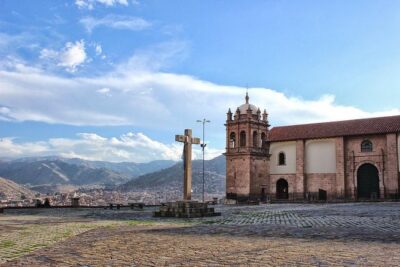
City Tour | Half-Day Tour to 4 Archaeological Sites
Read our review →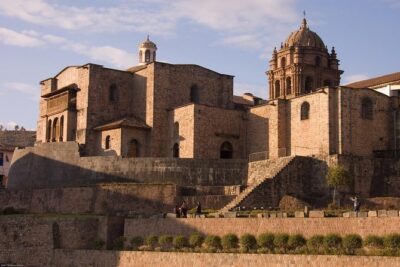
City Tour in Cusco & visit Museum South American Camelid Private.
Read our review →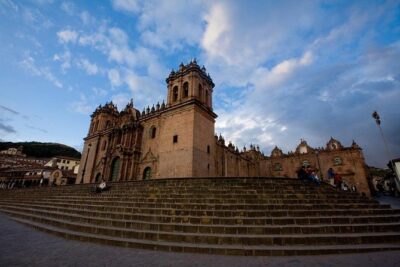
Cusco City Sightseeing, San Pedro Market, Cathedral and Qorikancha Temple
Read our review →
Browse the lists this tour appears in