
Reviewed · PRIVATE TOURS IN THE SACRED VALLEY
From Cusco: Ollantaytambo Fortress Half-Day Private Tour
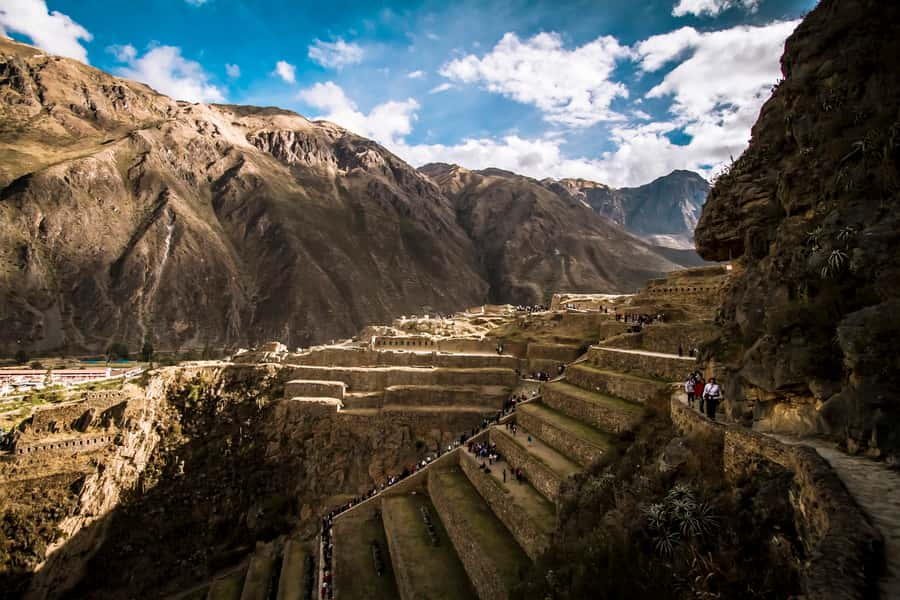
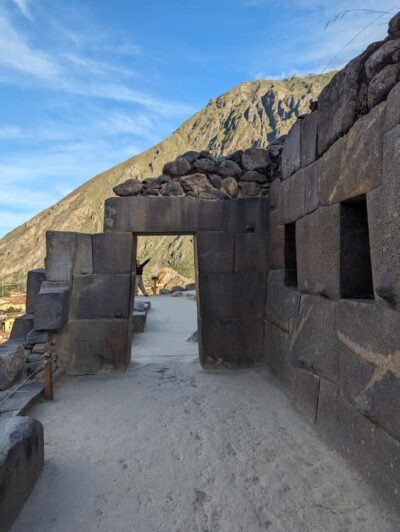
Ollantaytambo’s fortress is built into the mountainside, so the main reward comes after a climb of 150 stone steps. At the top, six enormous pink-granite blocks form the Temple of the Sun. Some weigh more than 50 tons, and their careful fit gives you a clear sense of Inca engineering without needing much imagination.
I like two things here: the private format gives you time to look closely instead of keeping pace with a large group, and the visit includes both the archaeological site and the living town below. The old streets, canals, courtyards, and family-run shops make Ollantaytambo feel like more than a ruin. The main drawback is the physical climb, especially under strong high-altitude sun.
This five-hour outing works well if you want a focused Sacred Valley visit from Cusco and do not want to commit a full day to a larger circuit. Pickup is included from hotels in Cusco’s Historic Center, but you must buy the Cusco Tourist Ticket separately, and Airbnb pickup is not provided.
Key points to know before booking
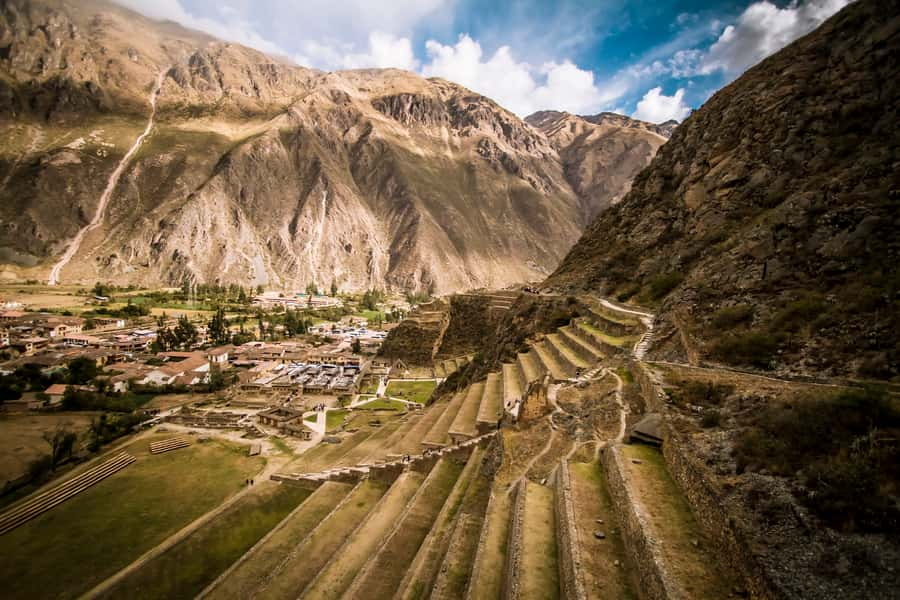
- The Temple of the Sun requires a climb: The fortress route rises by 150 steps, so comfortable shoes and a steady pace matter.
- The stones are the main event: Six pink-granite monoliths, each weighing more than 50 tons, form the unfinished Temple of the Sun.
- You visit a living Inca town: Ollantaytambo’s narrow streets, canals, homes, and shared courtyards are still part of daily life.
- The tour is private: You travel with your own English- or Spanish-speaking guide rather than a large group.
- The ticket is extra: The Cusco Tourist Ticket, or BTC, is required for the fortress and is not included in the $126 price.
- The location suits a Sacred Valley plan: Ollantaytambo lies about 80 kilometers from Cusco and 40 kilometers from Machu Picchu.
Why Ollantaytambo feels different from a standard ruin visit
Many archaeological sites are separated from modern life by fences, signs, and empty space. Ollantaytambo is different. Its fortress rises above a town where people still use the old street plan, walk beside Inca-era canals, and live in houses arranged around traditional courtyards.
The name Ollantaytambo comes from the Quechua term Ulla-nta-wi, meaning place to see down. That name makes sense once you climb the terraces. From above, you can look across the town, follow the narrow lanes toward the Urubamba River, and see how the site controlled movement through this section of the Sacred Valley.
I find the combination more rewarding than a quick stop at a standalone ruin. You get architecture, military history, farming terraces, religious stonework, and ordinary town life in one compact visit. The private guide can help connect those pieces instead of leaving you to inspect a pile of stones without context.
The five-hour length keeps the focus tight. You are not trying to race through every corner of the Sacred Valley. You are giving one major site enough time to make sense, then adding a short walk through the town.
More Private Tours in the Sacred Valley
- Sacred Valley Full-Day Private Tour from Urubamba & Ollantaytambo
★ 5.0 · 112 reviews - Private Ollantaytambo, Pisac Ruins Tour with Farm Visit, Gourmet Picnic Lunch
★ 5.0 · 52 reviews - Sacred Valley Private Tour, Moray & Salt Mines Incluided
★ 5.0 · 41 reviews
The 150-step climb to the fortress
The visit centers on the Ollantaytambo archaeological complex, once a religious, military, and agricultural center. The climb from the lower section to the upper terraces includes about 150 steps. That number sounds modest at sea level, but Cusco sits at high altitude, and the combination of stairs, sun, and uneven stone can make the ascent feel tougher than expected.
I would take this part slowly. Comfortable shoes are important because the route includes stone steps and uneven surfaces. Sunscreen and practical clothing also matter. The tour does not list a special fitness requirement, but it is not suitable for wheelchair users, and anyone uneasy with stairs should think carefully before booking.
The climb has a clear payoff. As you gain height, the terraces show how the Incas shaped the slope for farming and construction. The stone platforms are not just scenic walls. They helped create usable ground and formed part of the site’s defense and organization.
Your guide can also help you read the fortress as a planned center rather than a single building. Religious structures occupy the upper area, military features use the high position, and agricultural terraces extend through the site. That layered purpose is one reason Ollantaytambo feels more substantial than a simple lookout point.
The Temple of the Sun and its massive pink stones
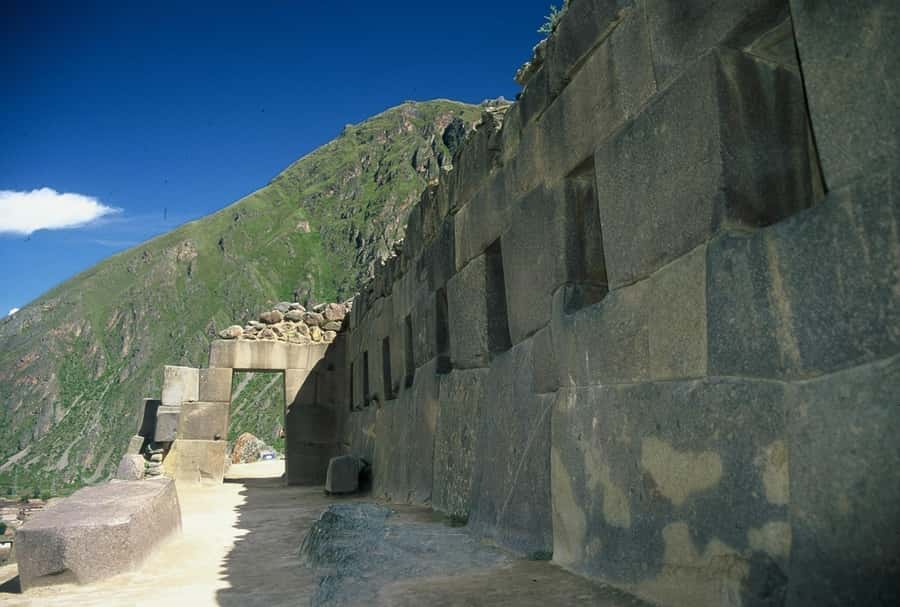
At the upper section, the Temple of the Sun draws the eye. Six huge monoliths of pink granite form the core of the structure. Each stone weighs more than 50 tons, a fact that gives the site its first shock of scale.
The blocks were worked and placed with remarkable care. Even without specialist knowledge, you can see the attention given to their surfaces and joins. The stones also make the unfinished quality of the temple easier to understand. The complex was not simply abandoned after a neat final stage. Parts of the site reveal work in progress, large materials, and the challenge of moving stone through difficult terrain.
I would give yourself time here rather than taking one photograph and moving on. Look at the color of the granite, the size of the blocks beside people, and the way the upper position frames the valley. A private visit helps because you can ask your guide to explain what is known about the temple and how it fits with the rest of the fortress.
The height also changes the experience. From the lower part, the terraces appear as walls. From the upper section, you can see how they organize the entire slope. That view helps explain why the location mattered to the Incas as a military and agricultural center.
The Ten Niches and the fortress details
The Terrace of the Ten Niches is another important feature. Its repeated openings provide a smaller, more human-scaled detail after the giant temple stones. This is where I would pay attention to construction rather than simply searching for a grand view.
The terrace helps show the variety within the complex. Ollantaytambo is not only about enormous masonry. It also contains carefully arranged spaces, walls, terraces, and openings that reflect planning and use. Your guide can point out how these features relate to the religious, military, and agricultural roles of the site.
The fortress also carries a clear story from the Spanish conquest. Manco Inca faced Hernando Pizarro’s Spanish troops here and won. The location’s terraces, height, and controlled approach were not decorative choices. They helped make Ollantaytambo a strong defensive position.
That story adds meaning to the climb, but the site does not depend on a long lecture. You can appreciate the engineering first, then use the historical background to understand why the buildings were arranged as they were. A bilingual guide in English or Spanish is included, which is particularly useful when technical details and place names enter the explanation.
A few more Sacred Valley days worth weighing up
- From Cusco: Moray, Maras Salt Mines & Chinchero Weavers Half-Day
★ 5.0 · 126 reviews - Moray and Salinera de Maras Half Day
★ 4.5 · 48 reviews - Moray and Maras half day tour
★ 4.4 · 16 reviews - From Cusco: Maras Salt Mines and Moray Half-Day Tour
★ 5.0 · 9 reviews
Walking the old town below the ruins
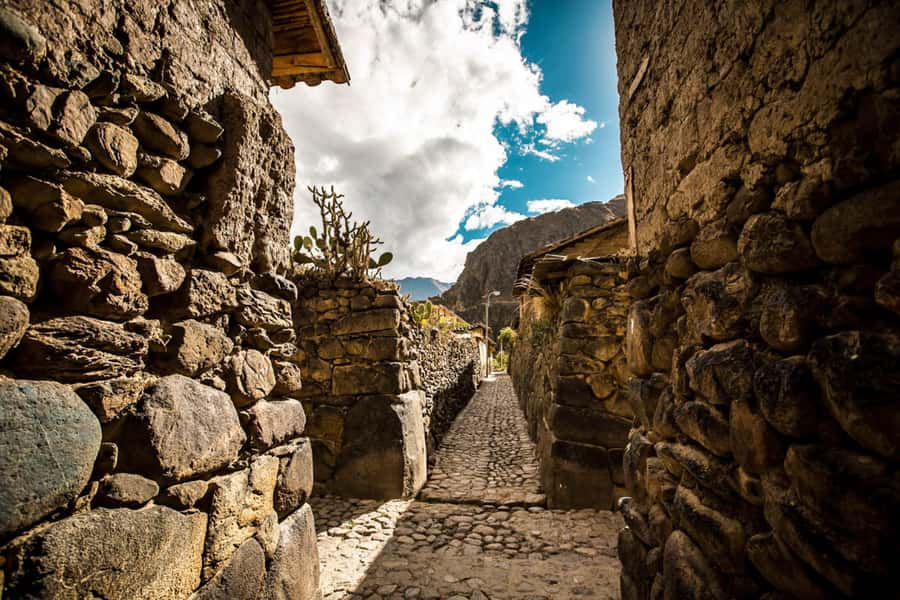
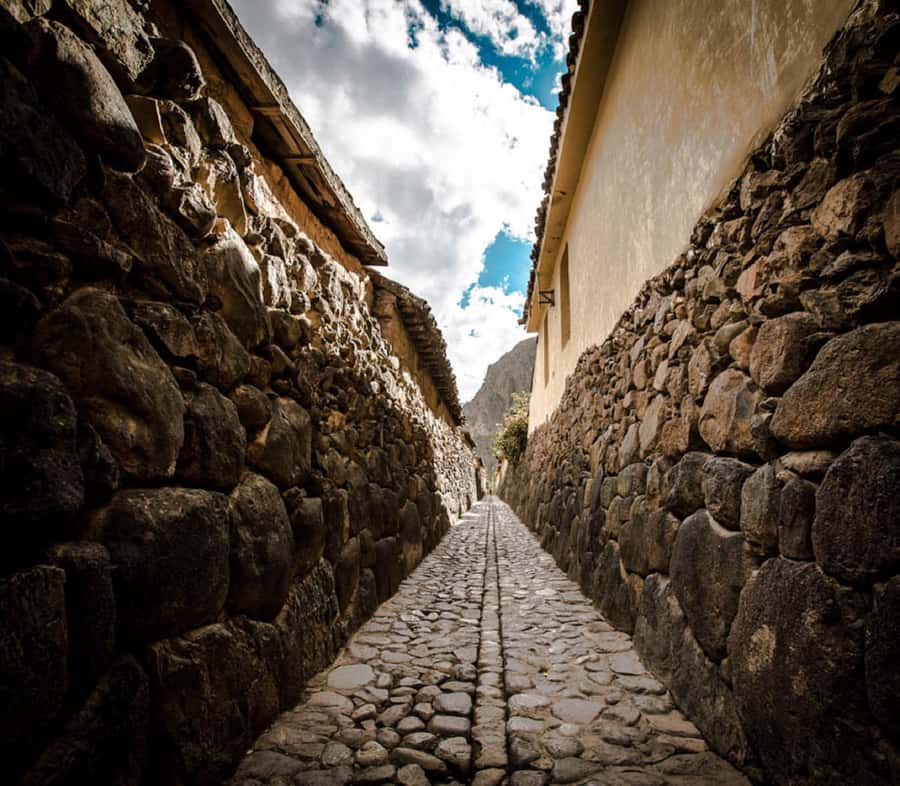
The half-day visit ends with a short exploration of Ollantaytambo town. This part deserves attention, even though the fortress usually gets the headlines. The town is a working example of Inca urban planning, with narrow, straight streets opening toward the Urubamba River.
Each block or courtyard traditionally groups several homes around a central patio. Houses share access through the same entrance, creating a town plan that feels markedly different from a modern grid of separate private lots. The canals and cobbled lanes remain part of the town’s character.
You will also see quaint shops along the streets. I would treat them as part of the walk rather than the main reason to come. The more interesting detail is that people still live within this old arrangement. Ollantaytambo is not a reconstructed open-air museum where every building exists only for display.
The town visit also gives your legs a break after the fortress. The walking is still on cobblestones, but it is a gentler close to the excursion than another steep climb. Look for the relationship between old walls, household entrances, canals, and the surrounding terraces. The town makes the archaeological site feel connected to daily life.
What the private format changes
A private group can make a real difference at a site with stairs and uneven pacing. You are not tied to the speed of a large party, so you can pause at the Temple of the Sun, ask for more detail about the Ten Niches, or spend longer looking across the town.
That does not mean the visit is unstructured. The experience lasts about five hours, and the route has a clear shape: hotel pickup, transport from Cusco, fortress visit, town walk, and return. The value comes from having a guide and vehicle arranged for you while keeping the visit focused.
The guide is bilingual in English and Spanish. If you want detailed explanations, it is sensible to arrive with a few questions ready. You might ask about the fortress’s military role, how the agricultural terraces worked, why the temple uses pink granite, or how the present-day town follows the older Inca plan.
The private setup is best for couples, families with older children, or small groups who want control over their pace. It is less useful if you prefer to wander entirely alone or if you are looking for a full Sacred Valley circuit with several additional stops.
Transport from Cusco and the five-hour schedule
Round-trip transport is included from hotels in Cusco’s Historic Center. That removes the need to arrange a separate ride to the Sacred Valley, which is helpful for a short excursion. Pickup from private residences such as Airbnb properties is not included, so you need to contact the operator in advance to arrange a meeting point.
The listed duration is five hours. That is enough for a dedicated Ollantaytambo visit, but it is not a relaxed full-day tour of the Sacred Valley. If you want to add markets, other ruins, or a long lunch, you will need a separate plan.
Ollantaytambo is about 80 kilometers from Cusco and about 40 kilometers from Machu Picchu. Its location makes this outing useful if you are arranging a wider Peru itinerary, especially if Ollantaytambo is part of your route toward Machu Picchu. Still, this particular tour is described as a round trip from Cusco, so do not assume that your luggage, onward train, or one-way transfer is included.
Starting times depend on availability. I would check the pickup hour before paying, especially if you have a fixed afternoon plan or a train reservation. With only five hours, a late start can limit your flexibility.
The real cost: $126 plus the BTC
The listed price is $126 per person. That is not the whole cost, because the Cusco Tourist Ticket is required for Ollantaytambo and is not included. You should add that ticket to your budget before comparing this tour with other Sacred Valley options.
At this price, you are paying for private round-trip transport from the Historic Center and a professional bilingual guide. I see the value most clearly when two or more people are sharing the private arrangement and want a direct visit rather than a large group itinerary.
The price is less attractive if you only want transportation or if you plan to spend several days in the Sacred Valley and can arrange cheaper local transport. In that case, the guide and private vehicle may not be worth the extra cost.
The flexible booking terms help with planning. You can reserve now and pay later, and cancellation is available up to 24 hours before departure for a full refund. These policies do not change the sightseeing value, but they reduce some risk when your Peru schedule is still moving.
Rates do not apply to Peruvians or foreign passengers who have stayed in Peru for more than 60 days, because sales taxes are not included in the stated total and may be collected by the local operator. If that applies to you, ask for the final amount before booking.
Who should book this Ollantaytambo tour?
I would choose this experience if you want one major Sacred Valley site explained well, prefer a private group, and have a hotel in Cusco’s Historic Center. It suits you especially well if the thought of combining a major ruin with a living Andean town appeals to you.
It is also a good choice for visitors who want a shorter outing rather than a long day packed with several stops. The five-hour schedule leaves the rest of your day available, though travel time and the fortress climb mean the visit will not feel rushed if you take care with your pace.
I would hesitate if stairs are difficult for you, if you use a wheelchair, or if you want an itinerary filled with many Sacred Valley attractions. I would also check the ticket cost carefully, since the $126 price does not include the BTC.
Should you book it?
Book this tour if you want the massive Temple of the Sun, the 150-step fortress climb, and the old town in one private half-day visit. The strongest part is the contrast between monumental stonework above and a functioning Inca town below.
Skip it if your priority is a low-cost transport option, a wheelchair-accessible outing, or a broad Sacred Valley tour with many stops. For most visitors who value a private guide and a focused look at Ollantaytambo, the experience offers a sensible way to understand one of Peru’s most distinctive archaeological sites.
FAQ
How long does the Ollantaytambo Fortress tour last?
The tour lasts five hours, including the excursion from Cusco and the visit to the fortress and town.
Is hotel pickup included?
Yes. Round-trip pickup and drop-off are included for hotels located in Cusco’s Historic Center.
Can I be picked up from an Airbnb?
No direct pickup from private residences such as Airbnb properties is included. You should contact the operator before the tour to arrange a meeting point.
Is the Cusco Tourist Ticket included?
No. You must obtain the Cusco Tourist Ticket, also called the BTC, separately to visit the Ollantaytambo fortress.
What languages does the guide speak?
The professional tour guide provides service in English or Spanish.
Is this a private tour?
Yes. The activity is organized for a private group.
Is the tour suitable for wheelchair users?
No. The tour is not suitable for wheelchair users because the fortress route includes uneven ground and a climb of about 150 steps.
What should I bring?
Bring comfortable shoes, sunscreen, and comfortable clothing. Pets and unaccompanied minors are not allowed.
Just added around Sacred Valley
- Zipline over the Sacred Valley Trip★ 5.0 · 11 reviews
- Visit Pisac from Cusco: Private Transport★ 4.6 · 9 reviews
- Maras and Huaypo lagoon by ATV from Cuzco | Local Operator★ 4.7 · 4 reviews
- Transfer from Cusco to Ollantaytambo★ 5.0 · 30 reviews
- Sacred Valley VIP Tour with Maras and Moray from Cusco★ 4.5 · 35 reviews
- Sacred Valley Private Tour, Moray & Salt Mines Incluided★ 5.0 · 41 reviews
- Salt Mines(Maras),Moray and Chincheros★ 5.0 · 41 reviews
- Excursion to Sacred Valley of the Incas tour – Private service.★ 5.0 · 35 reviews
Private Tours in the Sacred Valley, compared.
Sacred Valley Full-Day Private Tour from Urubamba & Ollantaytambo
Read our review →
Private Ollantaytambo, Pisac Ruins Tour with Farm Visit, Gourmet Picnic Lunch
Read our review →
Sacred Valley Private Tour, Moray & Salt Mines Incluided
Read our review →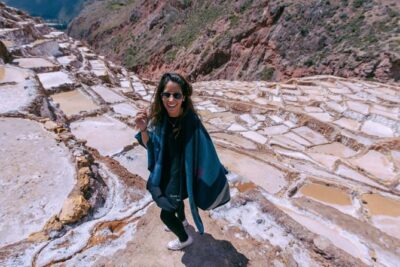
Chinchero, Maras, Moray, Ollantaytambo Private or Small-Group
Read our review →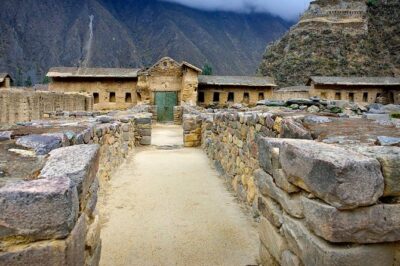
Excursion to Sacred Valley of the Incas tour – Private service.
Read our review →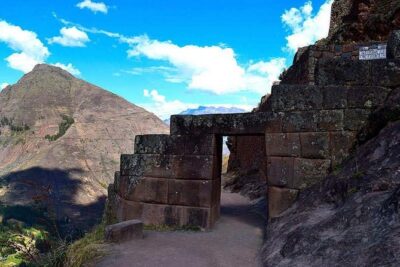
Sacred Valley Private Tour: Chinchero, Ollantaytambo and Pisaq
Read our review →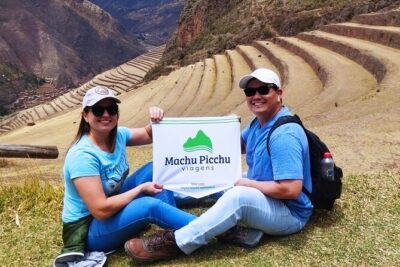
from Urubamba & Ollantaytambo:Sacred Valley Full-Day Private
Read our review →Browse the lists this tour appears in