
Reviewed · MARAS & MORAY TOURS
From Cusco: Moray, Maras Salt Mines & Chinchero Weavers Half-Day
Moray’s great circular terraces and Maras’s thousands of bright salt pools make this one of the best short trips from Cusco. You get two very different Inca-era sites in one outing, plus a close look at Andean weaving in Chinchero. Moray explains farming, while Maras shows living tradition still at work.
I like the strong value at $15.20 per person and the guides’ storytelling, especially when Felipe, Eddie, Julio, or Manuel leads the group. I also like the useful timing: pickup after the early rush, then a return near the Plaza de Armas around 3:15 pm. The main drawback is practical: the minibus can feel cramped when full, and there is no planned lunch stop during a six- to seven-hour day.
Key points to know before booking
- Three distinct stops in one morning: Chinchero weaving, Moray’s agricultural terraces, and the Maras salt pools.
- High-altitude outing: Chinchero reaches 3,762 meters, and Moray sits at about 3,450 meters.
- Bring food and water: Breakfast and lunch are not included, and there is no scheduled meal break.
- Budget price, extra entry fees: Moray costs $19 or 70 soles, while the salt mines cost $6 or 20 soles.
- Return near the main square: You are expected back near Cusco’s Plaza de Armas around 3:15 pm, with no hotel drop-off.
- Good guide support: Bilingual guides explain both ancient farming and present-day Andean life.
Why this half-day outing works so well
This is not a single-site excursion. It is a compact introduction to how people in the Cusco region have farmed, traded, woven, and worked with natural resources for centuries. In roughly six to seven hours, you move from a living textile tradition to an extraordinary agricultural site and then to salt pools still used today.
That range gives the outing its real value. Moray is visually dramatic, but it can feel abstract if you only take photos and leave. The Chinchero demonstration gives you a human connection first. At Maras, the story continues into the present, since the salt pools remain part of local work and commerce.
The price is unusually low for a guided trip with hotel pickup and transportation. Still, the advertised price is only the start of your budget. Add the Moray and Maras entrance fees, then plan for food, drinks, and a possible tip. Even with those costs, the package remains a practical choice if you want to see several Sacred Valley sights without arranging separate taxis.
The day also has a useful schedule. Pickup is set for 8:20 to 8:40 am, so you avoid a predawn start. The return is around 3:15 pm near the Plaza de Armas, which leaves the rest of your afternoon open. If you have an evening flight, that timing can be especially useful, but you should leave a proper buffer for traffic and airport plans.
More Maras salt pan and Moray trips:
- From Cusco: Sacred Valley & Maras Salt Mines Tour with Lunch
★ 4.8 · 2,227 reviews - From Cusco: Moray, Maras Salt Mines & Chinchero Weavers Tour
★ 4.8 · 1,925 reviews - Cusco: Sacred Valley, Pisac, Ollantaytambo, Salt Mines Moray
★ 4.6 · 1,058 reviews
Chinchero textiles at 3,762 meters
Chinchero is the first major stop, reached after pickup in Cusco. At about 3,762 meters, it is higher than Moray, so take the opening part of the morning slowly if you are still adjusting to Cusco’s altitude.
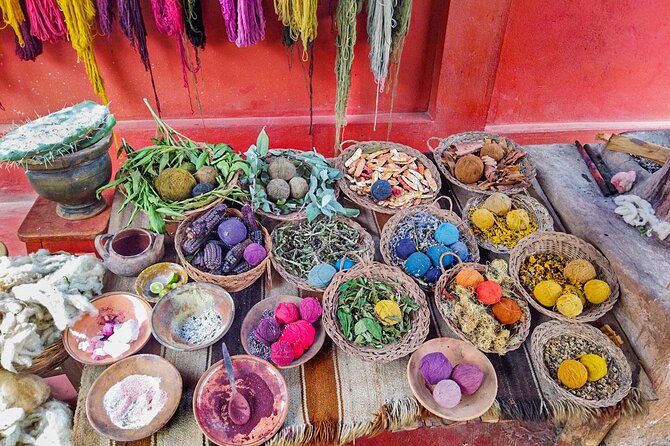
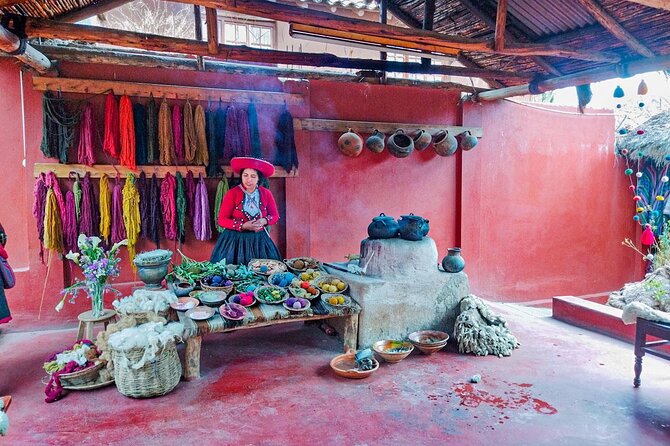
The visit focuses on part of the town and an Andean textile center rather than a full exploration of Chinchero. You will see a traditional market area where bartering has been practiced, then watch a weaving demonstration. Local artisans explain how natural plants produce different dye colors and how wool is prepared and colored.
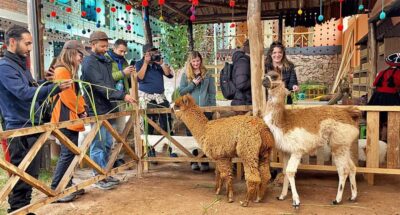
This is one of the most useful parts of the outing because it puts Andean textiles into context. Instead of seeing only finished scarves, hats, and sweaters, you get an explanation of the work behind them. You may also have the chance to pose in Andean clothing, feed llamas and alpacas, and sample a traditional drink, depending on the day’s arrangements.
The textile stop does have a commercial side. After the demonstration, the focus can shift toward selling handmade items. That is not unusual at a working craft center, but you should know what to expect. One useful feature is that the sellers can identify which products contain alpaca and which include acrylic, helping you make a more informed purchase.
Give yourself time to look closely rather than treating this as a quick shopping stop. Ask about the dyes, fibers, and production process. If you want an authentic keepsake, this is a better place to understand what you are buying than a souvenir shelf in central Cusco.
The guides add real value here. Felipe has been praised for explaining both the craft and the wider way of life in the region. Julio and Manuel have also been singled out for switching clearly between Spanish and English, which matters in a mixed-language group.
Moray’s circular terraces and Inca farming
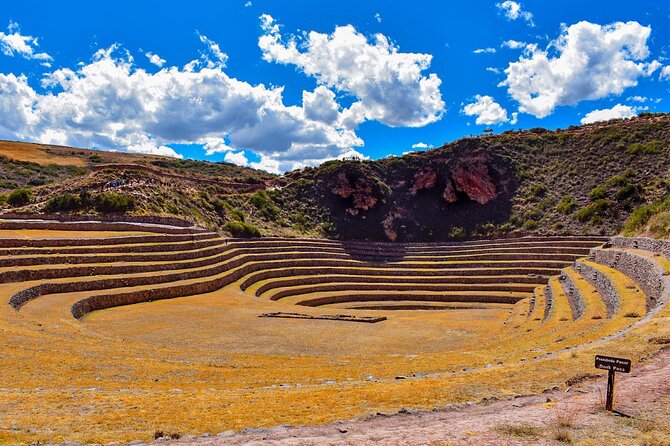
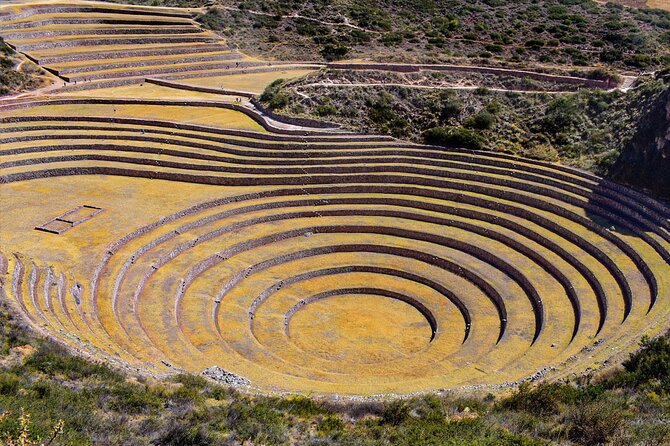
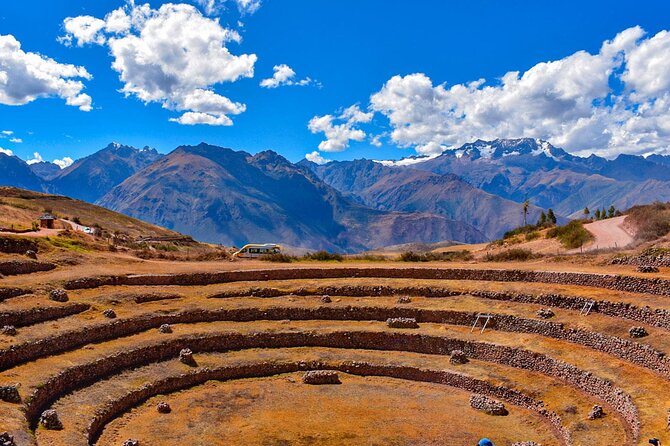
From Chinchero, the route continues to Moray, at approximately 3,450 meters, or 11,318 feet. The site consists of large circular terraces cut into a natural bowl. Each level sits at a different height, creating changes in temperature and growing conditions from one terrace to the next.
The usual explanation is that the Inca used Moray to study which crops performed best in different conditions. The terraces, together with their irrigation system, may have helped create a series of small growing environments. This offers a useful reminder that Inca engineering was not limited to roads, walls, and temples. It also shaped farming at high altitude.
From the viewing area, the geometry is the main event. The curves draw your eye downward, while the surrounding mountains provide scale. The site is easy to appreciate in photographs, but your guide’s explanation helps you understand why the terraces were built in such an unusual form.
Plan for about an hour here. The visit is not a long hike, but the altitude can make even modest walking feel harder than expected. Wear shoes with a firm sole and move at a steady pace. If you are prone to altitude discomfort, bring water and avoid rushing between viewpoints.
Moray requires a separate entrance fee of $19 or 70 soles. That is a significant addition to a $15.20 tour, so include it when comparing this outing with other Cusco options. You are paying for the site itself, not an extra charge hidden in the tour price.
Maras and its 3,000 salt pools
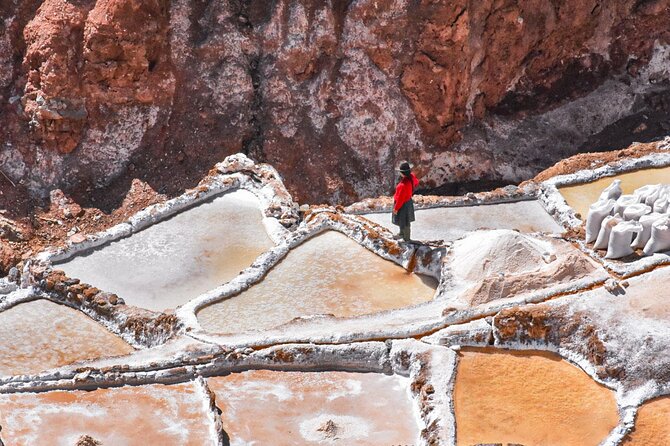
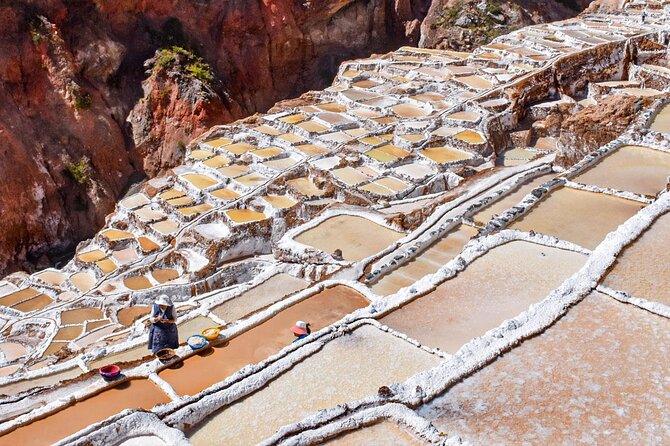
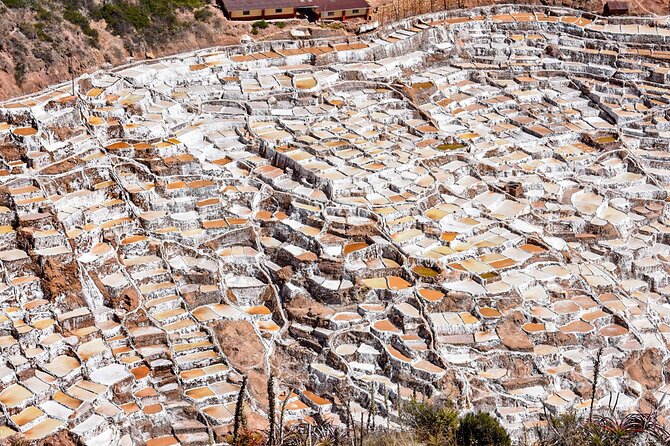
The Maras salt mines are the most unusual stop of the day. About 3,000 small pools spread across the hillside, each filled with salty water from a natural hot spring. During the dry season, workers refill the pools about every three days. As the water evaporates, salt forms and is collected.
This is not simply an archaeological display. Salt production has continued here from pre-Inca times into the present. The salt is ground, treated with iodine, packaged, and sold in regional markets. That link between old methods and present-day work gives the site more weight than a scenic viewpoint alone.
The pools can look bright and layered from above, with different shades created by water levels, minerals, and the stage of evaporation. Your guide will help explain how the system works and how the local communities manage the pools.
The route also passes through Maras village, known for its preserved colonial-style stone buildings. The village is not the main stop, but it adds context to the drive between the terraces and the saltworks.
The salt mines charge $6 or 20 soles separately. Entry conditions and viewing access can vary, so follow your guide’s instructions and stay in the permitted areas. The salt pools are working sites, not just photo props.
For many people, Maras becomes the favorite stop because it feels both beautiful and practical. You see a dramatic place, but you also see a process that still supports local life. Bring a camera, but listen to the explanation first. The story is what makes the rows of pools memorable.
A few more Sacred Valley days worth weighing up
- Moray and Salinera de Maras Half Day
★ 4.5 · 48 reviews - Moray and Maras half day tour
★ 4.4 · 16 reviews - From Cusco: Maras Salt Mines and Moray Half-Day Tour
★ 5.0 · 9 reviews - From Ollantaytambo:Private tour to Maras and Moray half day
★ 4.6 · 7 reviews
The ride, group size, and pace
Transportation is included, along with hotel pickup and a bilingual guide. Pickup takes place between 8:20 and 8:40 am, though you should be ready before the early end of that window. The group size is listed as a maximum of 16 people.
A smaller group can make a major difference at Chinchero and Moray. It is easier to hear the guide, keep the group together, and get help with photographs. Still, the vehicle is the weak point for some departures. A full minibus can feel uncomfortable, especially during the longer stretches between sites.
The day covers a lot of ground, and the schedule depends on everyone returning to the vehicle on time. That can create a slightly hurried feeling at the stops. If you prefer to linger for an hour at each site or spend a long time shopping, this is not the right format.
On the positive side, the route is efficient. You do not have to negotiate separate transport to three different places, and the guide gives historical and cultural context while you travel. Several guides, including Felipe, Eddie, Julio, and Manuel, have been praised for clear explanations and good organization. The exact guide depends on the departure.
The vehicle returns near the Plaza de Armas around 3:15 pm. Hotel drop-off is not included. This is easy to manage if your accommodation is central, but plan for your own walk or taxi afterward.
Food, altitude, and what to pack
Breakfast and lunch are not included. There is no planned lunch stop, so pack food before departure. A sandwich, fruit, crackers, and a refillable bottle of water will make the long stretch much easier.
Do not assume the phrase half-day means a short morning. The outing can last six to seven hours, and the return may be closer to mid-afternoon. One person described the lack of a meal break as the main downside. That is easily solved if you prepare, but it can become irritating if you leave Cusco without food.
The altitude also deserves respect. Chinchero reaches 3,762 meters, and Moray is more than 3,400 meters. You may already be acclimatizing in Cusco, but the high elevations can still cause fatigue or a headache. Walk slowly, drink water, and keep a light layer handy.
Useful items include:
- Water and a packed lunch
- Sun protection and a hat
- A light jacket for changing mountain weather
- Comfortable shoes
- Small cash in soles for entry fees and purchases
- Space in your bag for textiles or packaged salt
The tour requires good weather. If poor conditions force cancellation, you are offered another date or a full refund. For normal cancellations, you need to cancel at least 24 hours before the start time for a full refund.
Who should choose this Cusco excursion?
I would choose this outing if you want a broad introduction to the area and have only one free day for nearby sights. It suits first-time visitors who want a guide to explain what they are seeing rather than simply arrange transportation.
It is also a good match for solo visitors. The group setting gives you company, while the price keeps the cost low. Couples and friends will appreciate the scenic stops and the chance to have photos taken at the viewpoints.
This is less suitable if you need a relaxed meal break, dislike shared minibuses, or want to explore Chinchero in depth. The Chinchero visit concentrates on the textile center and only part of the town. The schedule is organized around seeing three attractions, not wandering freely.
You should also think about the entry fees. At $15.20, the tour looks extremely cheap, but the two required site charges add $25 or the local-currency equivalent. Even so, transportation and guiding make the final total good value for anyone who would otherwise hire separate transport.
Should you book the Moray, Maras, and Chinchero tour?
Book it if you want three strong sights, practical cultural context, and a return to central Cusco by mid-afternoon. The best parts are the variety, the guides’ clear bilingual explanations, and the chance to see both an old agricultural system and a working salt industry.
Bring lunch, expect a full minibus, and budget for the entrance fees. If you can accept those details, this is one of the more efficient and affordable ways to reach Moray and Maras while adding a worthwhile textile visit in Chinchero.
FAQ
How long does the tour last?
The experience lasts approximately six to seven hours. Pickup is scheduled between 8:20 and 8:40 am, with a return near Cusco’s Plaza de Armas around 3:15 pm.
What sites does the tour visit?
The route includes Chinchero, a textile center and part of the traditional market area, Moray’s agricultural terraces, Maras village, and the Maras salt mines.
Is hotel pickup included?
Yes. Pickup from your hotel in Cusco is included. Hotel drop-off is not included, and the tour returns near the Plaza de Armas.
Are entrance fees included?
No. Moray costs $19 or 70 soles, and the Maras salt mines cost $6 or 20 soles. Chinchero has no separate admission fee listed for this experience.
Is lunch included?
No. Breakfast and lunch are not included. There is no scheduled lunch stop, so bring snacks, food, and water.
How many people are in the group?
The activity has a stated maximum of 16 participants. The shared minibus may feel uncomfortable when it is full.
Is the tour available in English?
Yes. A bilingual tour guide is included. Guides such as Felipe, Eddie, Julio, and Manuel have provided explanations in English and Spanish on different departures.
Can I cancel for a refund?
You can cancel at least 24 hours before the start time for a full refund. Cancellations or changes made less than 24 hours before departure are not refunded. If poor weather causes the experience to be canceled, you are offered another date or a full refund.
Just added around Sacred Valley
- Zipline over the Sacred Valley Trip★ 5.0 · 11 reviews
- Visit Pisac from Cusco: Private Transport★ 4.6 · 9 reviews
- Maras and Huaypo lagoon by ATV from Cuzco | Local Operator★ 4.7 · 4 reviews
- Transfer from Cusco to Ollantaytambo★ 5.0 · 30 reviews
- Sacred Valley VIP Tour with Maras and Moray from Cusco★ 4.5 · 35 reviews
- Sacred Valley Private Tour, Moray & Salt Mines Incluided★ 5.0 · 41 reviews
- Salt Mines(Maras),Moray and Chincheros★ 5.0 · 41 reviews
- Excursion to Sacred Valley of the Incas tour – Private service.★ 5.0 · 35 reviews
Maras & Moray Tours, compared.
Sacred Valley & Maras Salt Mines Tour with Lunch
Read our review →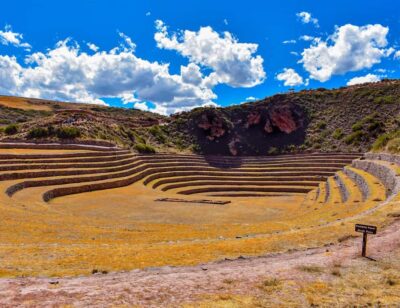
Moray, Maras Salt Mines & Chinchero Weavers Tour
Read our review →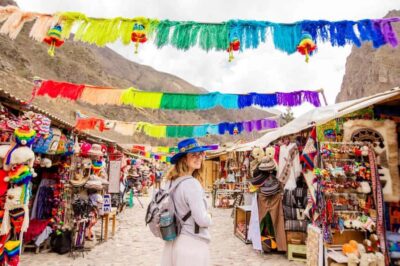
Sacred Valley, Pisac, Ollantaytambo, Salt Mines Moray
Read our review →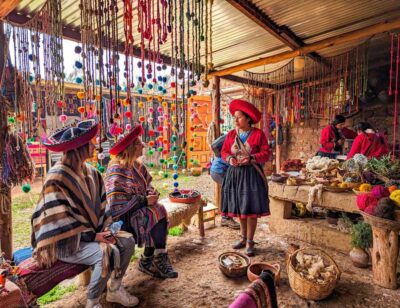
Chinchero,Moray & Salt Mines drop-off in Ollantaytambo
Read our review →

Browse the lists this tour appears in