
Reviewed · HALF-DAY
Valle Sur Cusco | half day
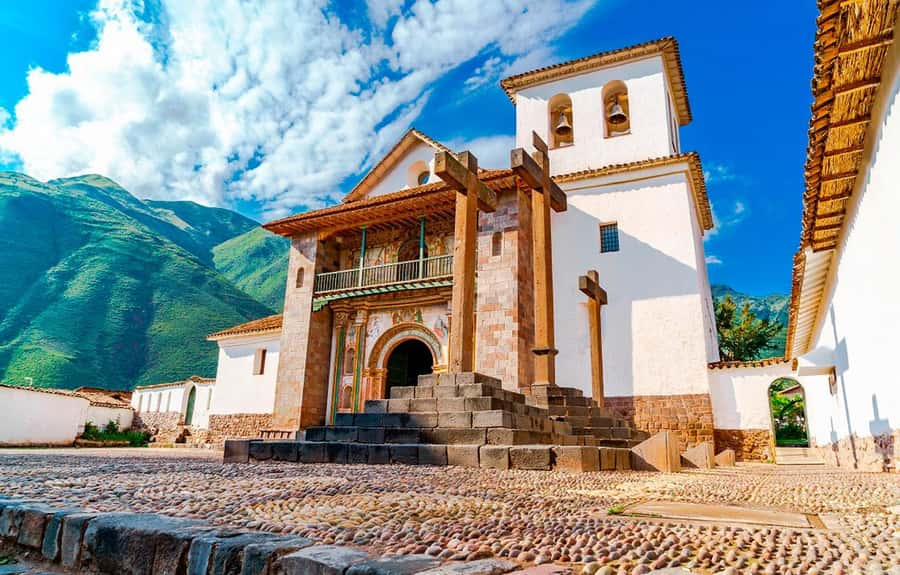
Tipón is the star of this southern Cusco circuit. Its stone channels still guide water with remarkable order, giving you a clear look at Inca engineering rather than another set of silent ruins. You then move from the Inca world to the earlier Wari center of Pikillaqta and finish at Andahuaylillas, a small church packed with colonial paintings and gold leaf.
I like the way this tour connects three very different chapters of the region in one day. I also like the final stop in Saylla, where you can try pork chicharrón, a local dish that gives the outing a welcome food break. The main caution is cost: the $19 tour price does not include entrance fees, and those admissions can add more than $20.
Key points to know before booking
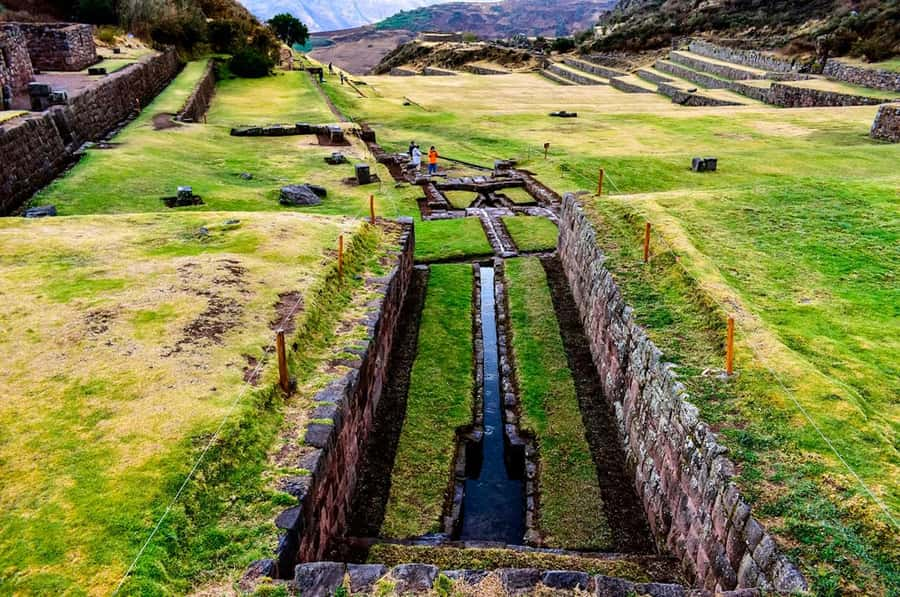
- Tipón shows Inca water engineering in action: Stone channels, fountains, and carefully planned watercourses make this more than a quick ruin stop.
- Pikillaqta adds a pre-Inca chapter: The Wari site is known for its maze of stone walls and was once a large planned settlement.
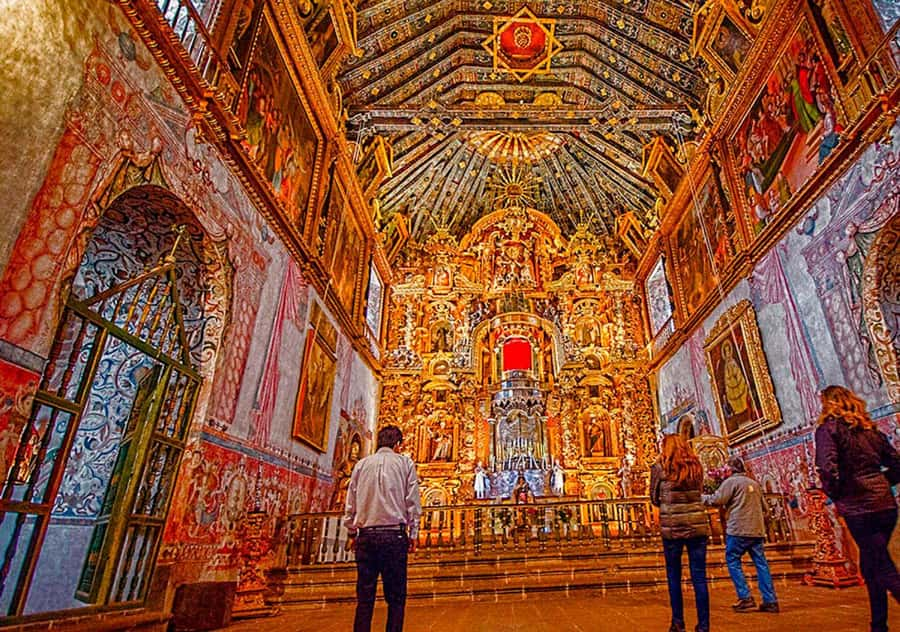
- Andahuaylillas is the artistic high point: Gold leaf altars, murals, and baroque paintings fill the colonial temple.
- Saylla brings food into the itinerary: You can stop for optional chicharrón on the return to Cusco.
- The $19 price covers the basics: Hotel pickup, transport, a professional guide, and a first aid kit are included, but tickets and meals are not.
- Plan for a long half-day: The listed duration is 450 minutes, or about 7.5 hours, with pickup between 8:00 and 9:00 a.m.
Why Valle Sur makes a good change from Cusco’s best-known ruins
Cusco’s southern valley gives you a different kind of sightseeing day. Instead of focusing on one major attraction, this route links engineering, urban planning, religious art, and local food. Each stop has its own character, so the day does not depend on a single spectacular viewpoint or one famous archaeological complex.
I find that useful if you have already seen central Cusco or want a gentle introduction to the region before taking on longer excursions. Tipón explains how the Incas worked with water. Pikillaqta shifts the story to the Wari civilization. Andahuaylillas then shows how Spanish colonial art was placed inside a Peruvian religious setting.
The trip is sold as a half-day experience, but the stated duration is 450 minutes. That is closer to a full morning and afternoon outing, especially once hotel pickup, driving, visits, and the meal stop are counted. You should leave the rest of the day fairly open.
A few more Cusco days worth weighing up
- Cusco: Half-Day City Tour with Sacsayhuaman and Q’enco
★ 4.6 · 1,129 reviews - Cusco: City Tour | Half-Day Tour to 4 Archaeological Sites
★ 4.6 · 206 reviews - Cusco: Half-Day City Tour
★ 4.2 · 129 reviews
Starting with hotel pickup in historic Cusco
Pickup takes place between 8:00 and 9:00 a.m. from hotels in Cusco’s historic center. The exact pickup time is not a single fixed hour, so you need to be ready during that window and confirm the details when booking.
Transport is included, along with a professional guide who speaks English or Spanish. That matters here because the route works best when the sites are explained together. Tipón and Pikillaqta can look like attractive stone remains without context, while Andahuaylillas needs explanation to help you notice its paintings, altar work, and murals.
The group size is not stated, so do not assume a private outing. The included transport is tourist transport, and the guide is part of the package. A first aid kit is also provided, a small but practical detail on a day spent moving between several sites.
Tipón and the Inca command of water
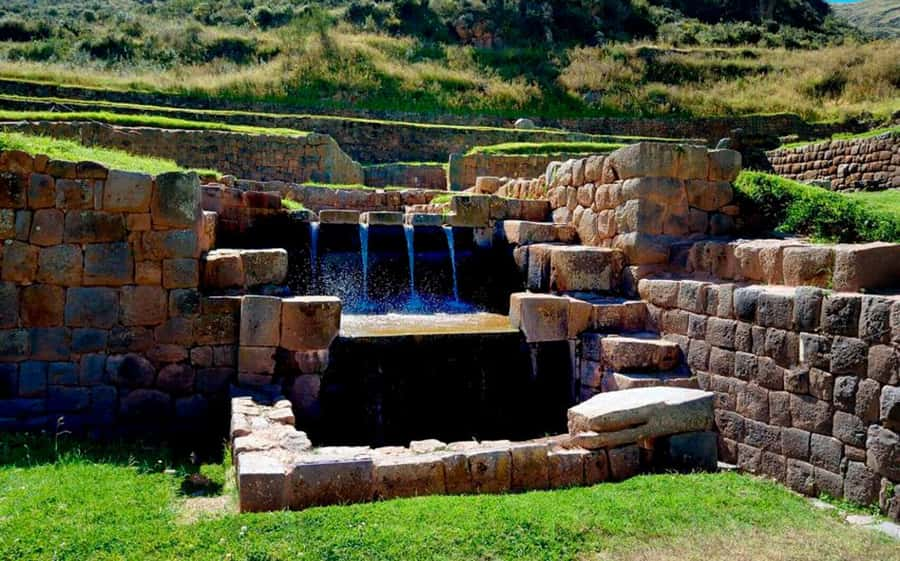
Tipón is the first major stop and, for many people, the most satisfying archaeological visit of the day. It is described as the most important example on this route of Inca hydraulic engineering. That means the focus is not simply on walls or terraces. You are looking at a system built to move and control water.
The value of Tipón is easy to grasp. Water needs slope, channels need planning, and stonework needs accuracy. At Tipón, those pieces come together in a way that makes Inca engineering feel practical and immediate. You can see how a civilization used masonry and terrain to manage one of the most basic needs of daily life.
I like this stop because it gives you something specific to watch for. Rather than walking through ruins and trying to guess what they were used for, you can focus on the route of the water and the precision of the channels. The supplied information does not give the exact walking time or the number of fountains and channels, so your guide will be the best source for site details on the day.
Tipón is also a useful first stop because it sets up a theme that continues through the rest of the outing: the region was shaped by organized communities with strong technical and artistic skills. Keep your admission budget in mind, since entry is not included in the tour price.
Pikillaqta, a Wari city of walls and order
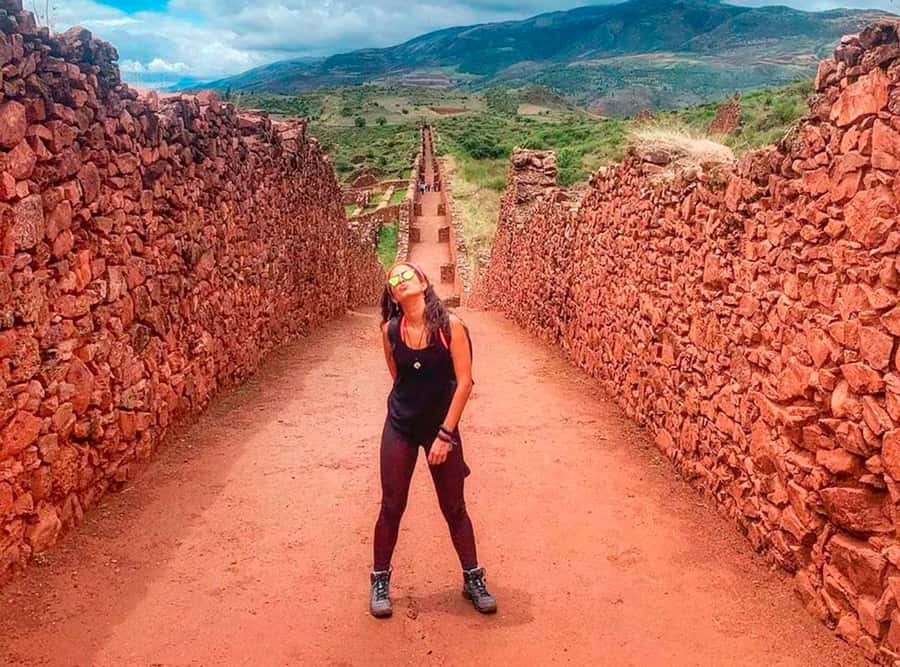
The next stop is Pikillaqta, a major Wari archaeological center. The Wari civilization predates the Incas, and the site gives you an important reminder that Cusco’s story did not begin with the Inca Empire.
Pikillaqta is noted for its maze of stone walls and its scale. It was once a settlement of around 10,000 people, which changes how you read the remains. You are not just seeing isolated structures. You are looking at the traces of a planned city and the way a large society organized homes, streets, and public space.
I would pay close attention to the layout rather than rushing toward one landmark. The walls are the point. Their repeated lines and enclosed spaces show a different type of archaeological experience from Tipón. Tipón is about water moving through a designed system. Pikillaqta is about people living within a designed city.
The site may appeal most to anyone who enjoys archaeology and older civilizations. If your main interest is polished colonial art, Pikillaqta may feel more stripped down. Still, its place in the route is important. It broadens the day beyond the Inca period and helps you see the southern valley as a long-lived cultural region.
Same base, a completely different kind of day:
- Cusco: Humantay Lake Tour with Breakfast and Buffet Lunch
★ 4.9 · 2,976 reviews - From Cusco: Vinicunca Rainbow Mountain ATV Tour with Meals
★ 4.6 · 1,060 reviews - City Tour Cusco Qoricancha Sacsayhuaman y Tambomachay
★ 4.7 · 617 reviews - From Cusco: Excursion to Humantay lake from Cusco
★ 4.7 · 514 reviews
Andahuaylillas and its remarkable colonial interior
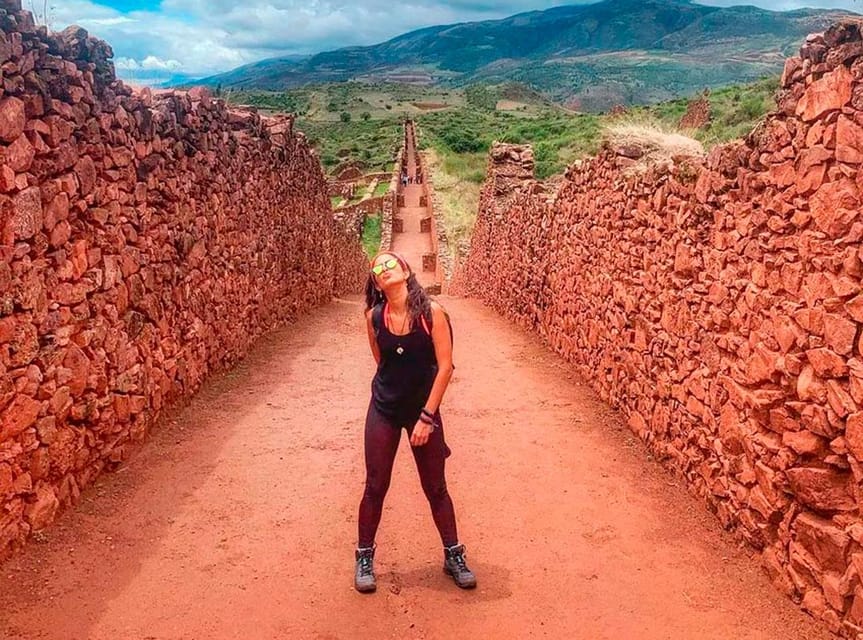
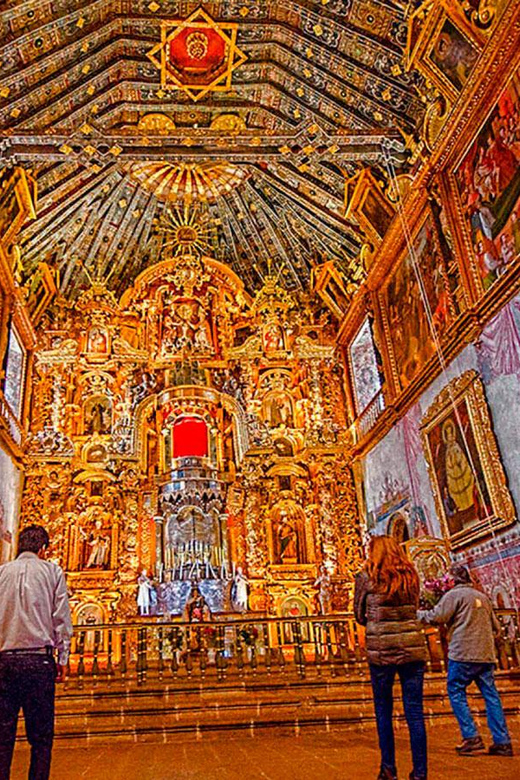
Andahuaylillas is the final major visit and the artistic high point. The temple is known for its baroque paintings, murals, gold leaf decoration, and colonial works of art. From the outside, it may look like a modest village church. Inside, the decoration gives the visit much more weight.
This is the stop where a guide can make a real difference. Look for the contrast between the building’s scale and the density of its decoration. Gold leaf altars, painted surfaces, and murals compete for your attention, so it helps to slow down and let the guide point out the details.
I like the change of pace. After Tipón’s channels and Pikillaqta’s walls, Andahuaylillas asks you to look closely at color, religious imagery, and craftsmanship. The three stops do not blur together because they use different ways to tell the story of the region.
The information provided does not specify how long you spend inside the temple or whether photography is allowed. Follow the local rules at the entrance and listen carefully to the guide’s instructions. Admission is not included, so set aside money for the church and the archaeological sites before you arrive.
Saylla chicharrón on the way back to Cusco
On the return to Cusco, the vehicle passes through Saylla, an area associated with chicharrón. This is a typical dish based on pork, and the stop is optional. It gives you the chance to end the outing with something local rather than simply returning to your hotel after the final monument.
Chicharrón can be a hearty meal, so it suits you best if you are ready for a substantial pork dish. Food and drinks are not included in the $19 cost. You should bring additional money if you want to eat, and you may prefer to skip the stop if you already have lunch plans in Cusco.
The meal stop also helps break up a long day. Since the total duration is listed as 450 minutes, a food pause can keep the return journey from feeling like one long transfer. The experience does not promise a specific restaurant or menu, so treat Saylla as an optional local food stop rather than a fixed culinary program.
What the $19 price really covers
At $19 per person, the tour is priced as an affordable way to connect several southern valley sites. You receive hotel pickup from the historic center, tourist transport, a professional English or Spanish-speaking guide, and a first aid kit. For a route with three major stops, that can be good value if you want transport and explanations arranged in one booking.
The price becomes less simple once you count the extras. Entrance fees are excluded, as are food, drinks, and souvenirs. One booking experience put the admission cost for the attractions at more than $20, so your actual sightseeing budget can be considerably higher than the advertised tour price.
I would compare the total cost, not just the headline figure. Add the $19 tour fee, expected entry tickets, and the Saylla meal if you plan to eat. The package still may make sense because transport and a guide are already handled, but it is not an all-inclusive day.
Who will enjoy this Cusco South Valley route
I would recommend this outing if you want variety and prefer a guided circuit to arranging separate taxis or buses. It suits you particularly well if you are curious about how Inca engineering worked, want to see a Wari site, and enjoy colonial religious art.
It is also a good choice for a first look at the southern valley. The route gives you a useful base for later visits and helps you understand that Cusco is more than its central streets and most famous ruins. The excellent guide service reported for the trip is especially valuable at Pikillaqta and Andahuaylillas, where interpretation adds much of the meaning.
This is not the best fit if you need wheelchair access, since the activity is listed as unsuitable for wheelchair users. It is also not recommended for people with visual impairments or people over 70. Those restrictions are broad, but you should take them seriously and ask the provider before booking if your circumstances are close to those categories.
Pets, alcohol, and drugs are not allowed. The listed cancellation policy permits a full refund when you cancel at least 24 hours in advance, and you can reserve now and pay later, which helps if your Cusco schedule is still shifting.
Should you book Valle Sur Cusco?
Book it if you want a reasonably priced, guide-led day that mixes Tipón’s practical engineering, Pikillaqta’s pre-Inca city remains, and Andahuaylillas’s lavish church interior. The route has more variety than a single-site excursion, and the optional chicharrón stop adds a local food angle.
Think twice if you are counting on the $19 price to cover the whole day. Entrance fees can exceed $20, and meals cost extra. Also allow 450 minutes, not a quick half-day slot.
For most independent visitors who want a structured introduction to Cusco’s southern valley, I would make the booking, provided you budget for admission and food. The guide, transport, and range of sites give the outing solid value, while the main weakness is the gap between the low tour price and the added costs.
FAQ
How long does the Valle Sur Cusco tour last?
The activity lasts 450 minutes, which is about 7.5 hours. Pickup begins between 8:00 and 9:00 a.m.
Where does hotel pickup take place?
Pickup is available from hotels in the historic center of Cusco.
Which sites does the tour visit?
The route visits Tipón, Pikillaqta, and the temple of Andahuaylillas. It also passes through Saylla on the return to Cusco.
Is a guide included?
Yes. A professional live guide is included, with English and Spanish available.
Are entrance fees included?
No. Entrance fees are separate from the tour price.
Is food included?
No. Food and beverages are not included. Chicharrón in Saylla is an optional stop and costs extra.
What does the $19 price include?
The price includes hotel pickup, tourist transport, a professional guide, and a first aid kit.
Can I cancel for a refund?
Yes. You can cancel up to 24 hours in advance for a full refund.
Just added around Cusco
- Waqrapukara 1 day trekking + meals★ 3.9 · 3 reviews
- Visit to the Cochahuasi Animal Sanctuary with rescued animal★ 4.1 · 4 reviews
- Vinicunca Mountain Tour – Full Day Tour to Rainbow Mountain★ 3.4 · 4 reviews
- Trek to Humantay Lake from Cusco★ 4.9 · 8 reviews
- Trek to Choquequirao 4 days★ 3.8 · 4 reviews
- rainbow mountain full day★ 5.0 · 44 reviews
- Tour to the HUMANTAY LAGOON from CUSCO★ 5.0 · 35 reviews
- Classic Choquequirao Trek – 5 Days / 4 Nights★ 5.0 · 52 reviews
Half-Day, compared.
Half-Day City Tour with Sacsayhuaman and Q’enco
Read our review →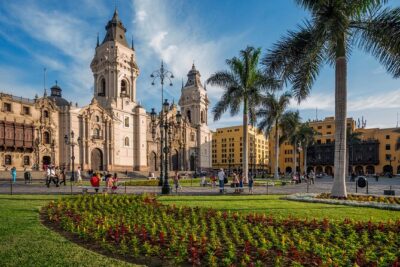
Lima’s Vibrant Heritage: Exploring the City’s Landmarks Half-day
Read our review →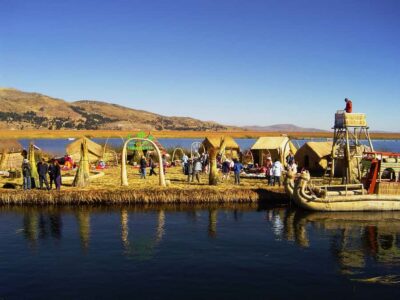
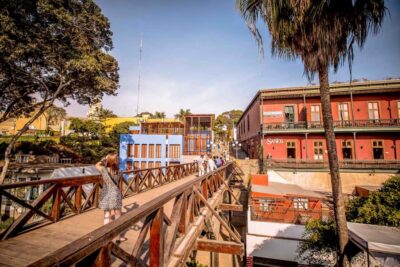
Pachacamac Ruins & Barranco Half-Day Guided Tour
Read our review →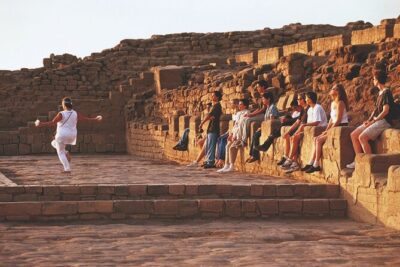
Pre Inca Temple of Pachacamac Half-Day Tour from Lima
Read our review →
City Tour | Half-Day Tour to 4 Archaeological Sites
Read our review →
Essential Lima: Half-Day Tour with Catacombs & Pick-Up
Read our review →
Browse the lists this tour appears in