
Reviewed · HIKING & TREKKING
Trek to Choquequirao 4 days
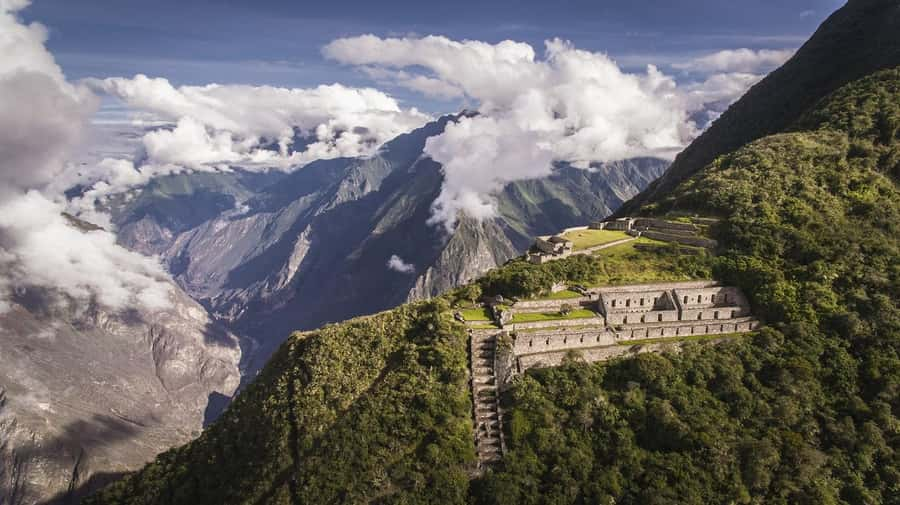
Choquequirao is the kind of ancient site you earn the hard way. This four-day trek through the Apurímac Canyon brings you to Machu Picchu’s sister city, where history and mystery come with steep trails, hot sun, and long climbs.
I like the small groups, limited to 15 people, and the practical support from cooks, muleteers, horses, and a guide who speaks English or Spanish. I also like that your meals and camp logistics are handled for you, so you can focus on the trail. The catch is simple: this is one of the hardest treks in the Cusco region, not a gentle sightseeing walk.
Key points to know
- Choquequirao takes real effort: You face major descents and climbs on all four days, including about four hours uphill on the final morning.
- The archaeological site gets the spotlight: You arrive around 9:30 a.m. on day two, with guided explanations and free time to explore.
- Your first morning starts early: Pickup is at 5 a.m. from Cusco, followed by about four hours of road travel before the hike.
- Meals and camp help are included: Cooks prepare breakfast, lunch, and dinner during the trek, while mule support carries up to 5 kg of extra luggage.
- The price is $366 per person: That includes transport, meals, guide service, three nights of rural accommodation, and support staff, but not the site ticket or several useful extras.
- September looks promising for this group: Two verified bookings from September 2024 gave the trip five stars, praising the guide, food, scenery, and challenge.
Why Choquequirao is worth the hard miles
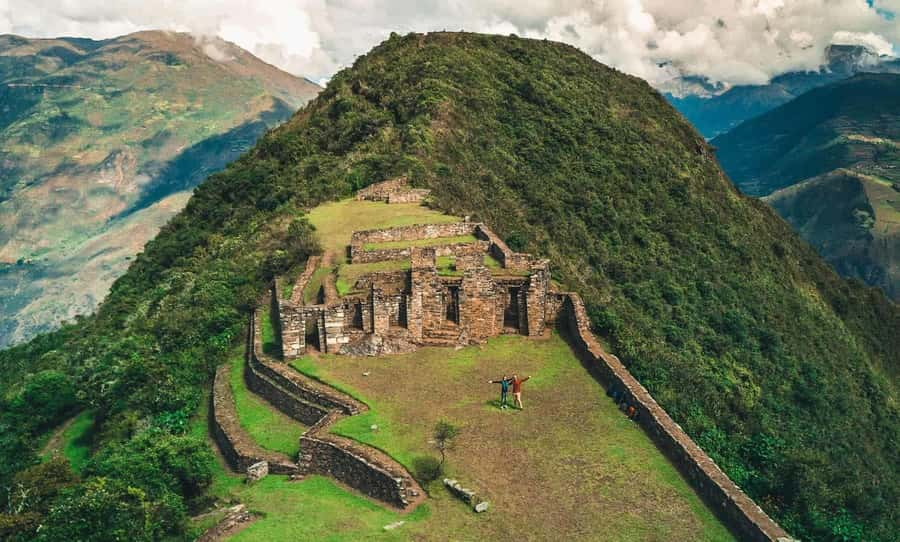
Choquequirao is often compared with Machu Picchu, but the route to reach it feels very different. You do not simply ride up, walk through a famous entrance, and return to town. You spend days moving through the Apurímac Canyon, sleeping in rural camps, and earning the archaeological site one demanding section at a time.
That effort is a large part of the appeal. The site is full of history and mystery, and the setting gives it a remote quality that a short city excursion cannot match. You arrive with a better sense of the terrain around it, not just the stones themselves.
I would choose this trek if you want a physical challenge tied to a major archaeological destination. I would not choose it only because you have heard that Choquequirao is similar to Machu Picchu. The similarity is useful as a quick comparison, but the actual experience is much more strenuous and slower paced.
The overall score is 3.8 from four ratings, with the available detailed comments giving five stars. Sebastian from Germany praised the nature, food, guide, group, and challenge. Lasse described the route as very tiring while also praising the guide and trail. Those points match the practical reality here: the support is a strong part of the trip, but your legs still do the work.
More Hiking Tours in Cusco
- From Cusco: 7 Lakes Ausangate Trek with Breakfast and Lunch
★ 4.8 · 360 reviews - Cusco: Rainbow Mountain Tour and Red Valley Hike (Optional)
★ 4.7 · 149 reviews - Cusco: Full-Day Rainbow Mountain & Red Valley Trekking Tour
★ 4.5 · 121 reviews
Day one: four hours on the road, then a long descent
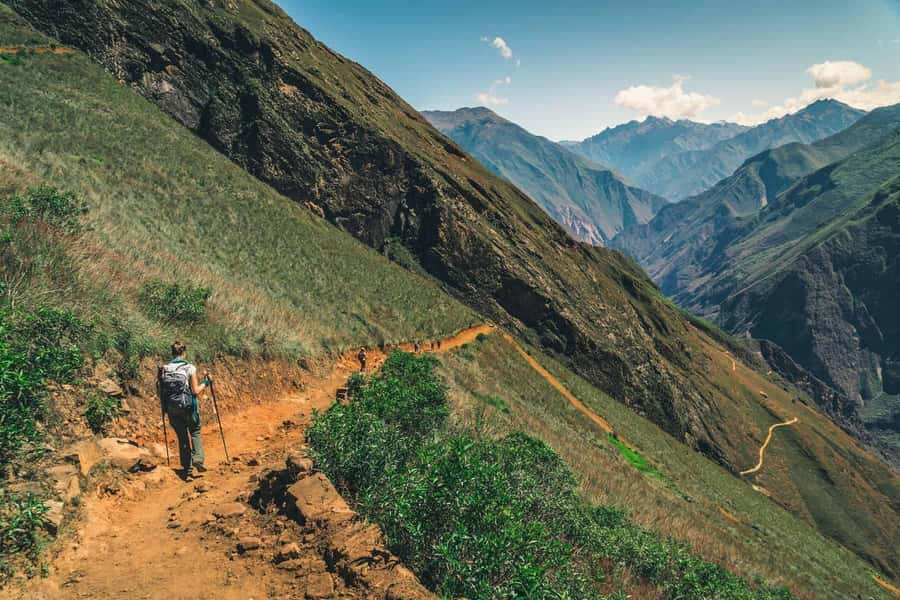
Pickup is scheduled for 5 a.m. from the meeting point in Cusco. You drive toward Curawasi for roughly three hours, stop briefly for breakfast, then continue for about an hour to the Capuliyoc Viewpoint. Your first breakfast is not included, so plan and budget for it.
Capuliyoc is where the walking begins. The first major section is a descent of about three hours to Chiquisca, where the cooks prepare lunch. This is an important detail because downhill walking can feel easy at first, yet it puts plenty of strain on knees and thighs. Trekking poles, available for 30 soles per pair, may be worth considering.
After lunch, you continue down to Playa Rosalinas. There is time to rest there before the trail turns upward. The next climb takes about two hours to Santa Rosa, your first camp.
This opening day tests your pacing. You are already awake before sunrise, spend several hours in a vehicle, then descend for much of the afternoon before climbing again. I would keep your first day steady rather than racing downhill. Save energy for the return climb later in the trip.
Dinner is served at camp, and the team sets up the sleeping arrangements. The tour describes the accommodation as rural, with the daily program using camps at Santa Rosa, Maranpata, and Chiquisca. Expect a basic outdoor stay rather than hotel comfort.
Day two: the main climb and your first look at Choquequirao
A hot coca tea wake-up comes around 6 a.m., followed by breakfast. From Santa Rosa, you climb for about two hours to Maranpata. This is not a small warm-up. It comes after the previous day’s descent and ascent, so a slow pace and regular water breaks matter.
The muleteers, cooks, and horses remain at Maranpata while you continue to Choquequirao. They prepare lunch for the group and bring it to the archaeological area. This arrangement keeps the site visit from becoming a rushed out-and-back walk with a heavy pack.
You are expected to reach Choquequirao at about 9:30 a.m. The guide explains the site, its history, and its unusual features, then you have time to explore independently. No individual guide names are provided for this departure, but the guide service is available in English or Spanish. If your language choice matters, confirm it when booking.
The timing gives you a useful balance. The guided portion helps you understand what you are seeing, while independent time lets you move at your own pace. Choquequirao is not just a photo stop, and I would use the free time to look closely at the setting as well as the ruins.
Lunch is carried in for the group, then you return to Maranpata in the afternoon. Dinner and the night are at camp. The day is demanding, but it is also the point of the trek when the effort pays off most clearly.
What makes the archaeological stop different
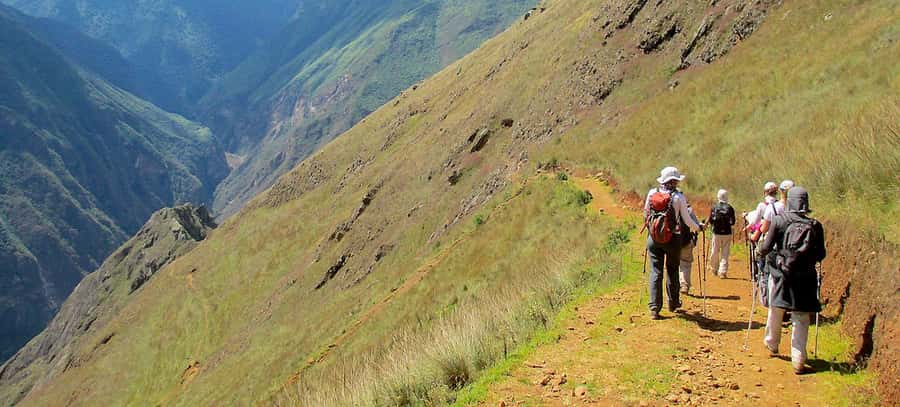
The attraction here is not simply that Choquequirao is less famous than Machu Picchu. Its appeal comes from the combination of archaeological remains, remote access, and the surrounding Apurímac Canyon. You have to walk into this place, and that changes how you experience it.
The tour describes Choquequirao as full of history and mystery, which is a fair reason to choose it if you enjoy sites that invite questions. The guide’s explanation is especially useful because ancient ruins can otherwise become a collection of walls and terraces without much meaning.
Still, do not expect the visit to feel effortless. You reach the site after a morning climb, spend time walking around the complex, and then return to Maranpata. The program gives you time to explore, but tired legs may limit how much ground you want to cover.
Same base, a completely different kind of day:
- Cusco: Humantay Lake Tour with Breakfast and Buffet Lunch
★ 4.9 · 2,976 reviews - Cusco: Half-Day City Tour with Sacsayhuaman and Q’enco
★ 4.6 · 1,129 reviews - From Cusco: Vinicunca Rainbow Mountain ATV Tour with Meals
★ 4.6 · 1,060 reviews - City Tour Cusco Qoricancha Sacsayhuaman y Tambomachay
★ 4.7 · 617 reviews
Day three: down to the Apurímac River and back toward Chiquisca
Day three begins around 8 a.m. with breakfast and preparation for the return route. The first section drops for about three hours toward the Apurímac River canyon.
This descent gives you another view of the terrain you crossed earlier. It can also be hard on your knees, especially after two days of hiking. Keep your pack light and use the mule service for extra luggage rather than carrying everything yourself.
At the river, the group has time to rest and eat lunch prepared by the cooks. The pause matters because the next section is another climb, lasting about two hours to Chiquisca.
At the Chiquisca camp, you can interact with local people and taste a traditional sugar-cane drink. This is one of the more grounded parts of the program. Instead of moving straight from trail to dinner, you get a chance to connect with the rural communities along the route.
Dinner and the night are at camp. By this point, the rhythm is clear: early starts, substantial walking, meals prepared for you, and basic sleeping arrangements. The setup is practical, not polished. If you want private rooms, reliable Wi-Fi, or regular hot showers, this will not be the right trip.
Day four: the final four-hour climb to Capuliyoc
The last morning starts very early, around 5 a.m., after breakfast. The goal is to reach Capuliyoc before the strongest heat of the day, and the timing is sensible. The final section climbs uphill for about four hours.
This is the moment to take the difficulty seriously. You are not finishing with a relaxed stroll. You are climbing back to the viewpoint after several days of steep terrain, and the heat in the canyon can make the effort feel harder.
At Capuliyoc, you wait for lunch and take in views of the surrounding mountains and the Apurímac Canyon. Lunch is followed by the drive back to Cusco, with arrival expected around 4:30 p.m.
That return time makes the tour fit neatly into a four-day schedule, but you should not plan an important evening activity in Cusco. Delays on mountain roads or a slower group pace could affect the timing, and you will likely want a quiet night after the final climb.
Meals, luggage, and camp support
Meals are included during the trek, with cooks preparing food at camp and carrying lunch to Choquequirao on day two. This is one of the better values in the package because you do not need to arrange food at every stop along a remote route.
Your first breakfast and last dinner are not included. The first breakfast takes place during the early drive, while the final dinner is your responsibility after returning to Cusco.
A muleteer and mule are included for extra luggage, along with one Dafort bag with a 5 kg limit. Pack carefully. Use the provided bag for clothing and other items you do not need during the day, and keep your daily essentials in a smaller daypack.
Water for your canteens is not included, and neither is rehydration water. This is a cost and planning detail you should not overlook. The extra charges also include 40 soles per person for a hot shower and towels, 20 soles for Wi-Fi, and 30 soles per pair for trekking poles.
Horseback riding is listed at 200 soles. It is not included in the base price, so ask about availability and where it can be used if you think you may need help on a steep section.
Is $366 a fair price?
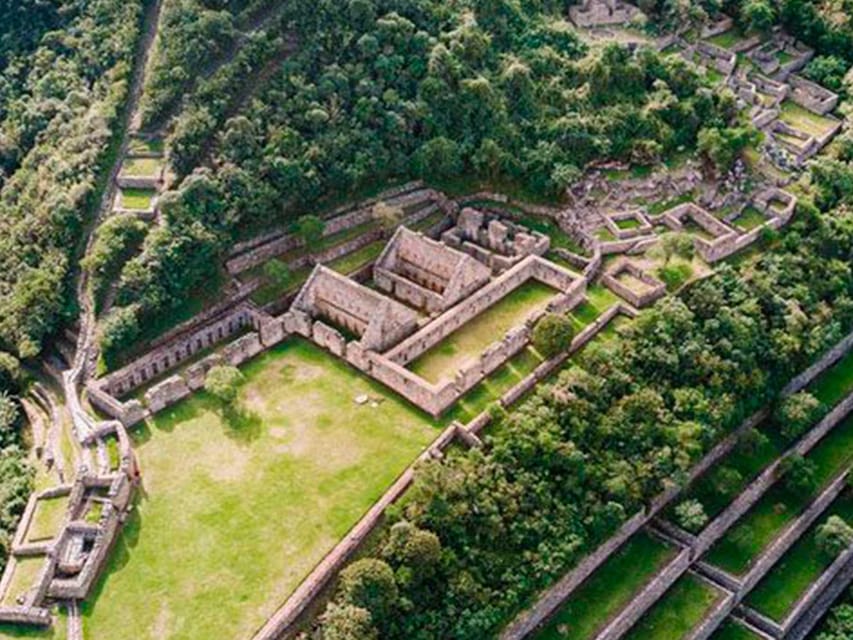
At $366 per person, the cost covers four days of transport, meals, a guide, three nights of rural accommodation, muleteer support, and a mule for 5 kg of extra luggage. For a remote trek with cooks and road transfers from Cusco, that is a reasonable package price.
The headline price does not cover everything. Add the Choquequirao entrance fee, 60 soles for adults or 30 soles for students, plus your first breakfast, final dinner, drinking water, and any optional services. Travel insurance is also your responsibility.
The value is strongest if you want a supported trek without arranging transport, food, camps, and luggage help separately. It is weaker if you expect hotel-style comfort or a fully all-inclusive price.
The group limit of 15 is another useful point. It is small enough for a more personal guide experience, though the actual group size may vary. A group of 15 can also move more slowly than a private party, particularly on the steep climbs.
Who should book this four-day trek?
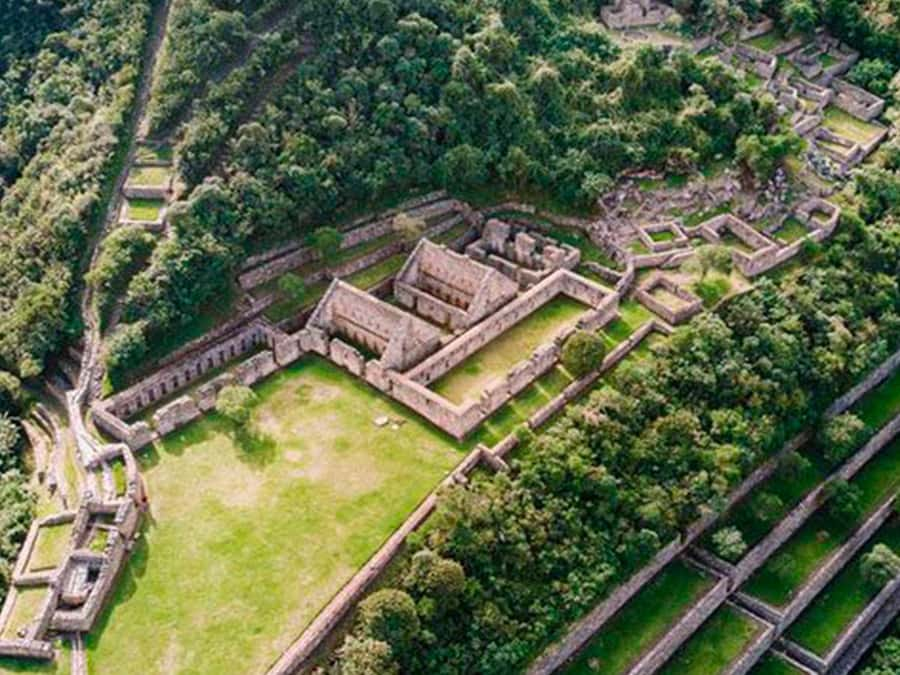
You should consider it if you already enjoy long hikes and want a serious archaeological destination at the end of the route. It suits people who can handle repeated uphill and downhill sections, basic camping, early mornings, and hot conditions.
The trip may also work well for someone who wants the logistics handled by a local support team. The guide, cooks, muleteers, and horses take care of important practical jobs, leaving you to concentrate on walking and the site visit.
I would think twice if you dislike steep descents, have limited hiking experience, or need dependable hot showers and internet. The route is repeatedly described as very demanding, and the last day alone includes about four hours of uphill walking.
Bring comfortable hiking shoes, sun protection, a refillable water container, light clothing for hot sections, warm layers for camp, and cash for entrance fees and optional services. Trekking poles are not included, and the poles for rent cost 30 soles per pair.
The tour offers free cancellation up to 24 hours before departure and allows you to reserve now and pay later. Those terms give you some flexibility, but they do not replace the need to check your fitness and packing plans before committing.
Should you book it?
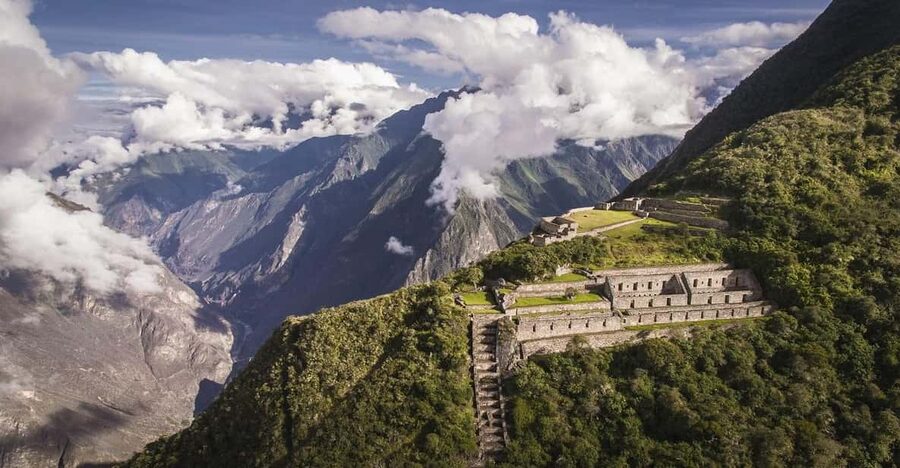
Book this trek if the challenge is part of the attraction, not an obstacle you hope to ignore. You get a guided visit to Choquequirao, meals, transport, mule support, and three nights of rural accommodation for $366, with the Apurímac Canyon providing the dramatic setting.
Skip it if you want a soft introduction to Peru’s archaeological sites. For the right person, this is a rewarding and demanding route with excellent support. For the wrong person, four days of steep trails can overshadow the ruins.
FAQ
How long is the Choquequirao trek?
The trek lasts four days, including transport from Cusco and the return journey.
Where does the hiking begin?
The walking begins at the Capuliyoc Viewpoint after the group travels from Cusco through Curawasi.
What time is pickup from Cusco?
Pickup is scheduled for 5 a.m. from the meeting point in Cusco on the first day.
Is the Choquequirao entrance ticket included?
No. The entrance fee is 60 soles for adults and 30 soles for students.
Are meals included?
Meals during the trek are included, but the first breakfast and last dinner are not included.
Is accommodation included?
Yes. Three nights of rural accommodation are included, with camps described at Santa Rosa, Maranpata, and Chiquisca.
Can I bring extra luggage?
A mule and muleteer are included for extra luggage, along with one Dafort bag with a 5 kg limit.
What languages does the guide speak?
The guide service is available in English and Spanish.
More 4-Day Experiences in Cusco
- Choquequirao Trek 4 days and 3 nights
★ 5.0 · 81 reviews - 4 Day Tour to the Manu National Park
★ 5.0 · 81 reviews - Manu National Park Tour 4days/3night
★ 5.0 · 69 reviews - 4-Day Inca Jungle Adventure, Mountain Biking, Rafting and Zipline
★ 5.0 · 60 reviews
Just added around Cusco
- Waqrapukara 1 day trekking + meals★ 3.9 · 3 reviews
- Visit to the Cochahuasi Animal Sanctuary with rescued animal★ 4.1 · 4 reviews
- Vinicunca Mountain Tour – Full Day Tour to Rainbow Mountain★ 3.4 · 4 reviews
- Valle Sur Cusco | half day★ 4.3 · 3 reviews
- Trek to Humantay Lake from Cusco★ 4.9 · 8 reviews
- rainbow mountain full day★ 5.0 · 44 reviews
- Tour to the HUMANTAY LAGOON from CUSCO★ 5.0 · 35 reviews
- Classic Choquequirao Trek – 5 Days / 4 Nights★ 5.0 · 52 reviews
Hiking & Trekking, compared.
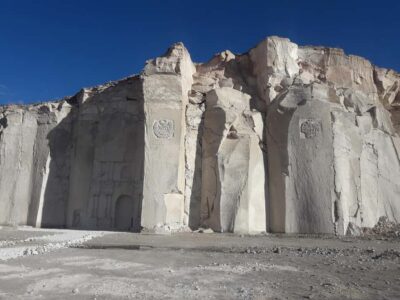
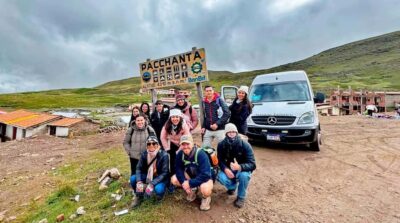
7 Lakes Ausangate Trek with Breakfast and Lunch
Read our review →
Rainbow Mountain Tour and Red Valley Hike (Optional)
Read our review →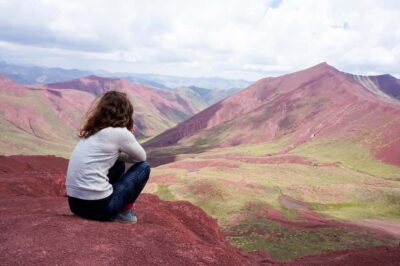
Full-Day Rainbow Mountain & Red Valley Trekking Tour
Read our review →
Browse the lists this tour appears in