
Reviewed · HIKING & TREKKING
Choquequirao Trek 4 days and 3 nights
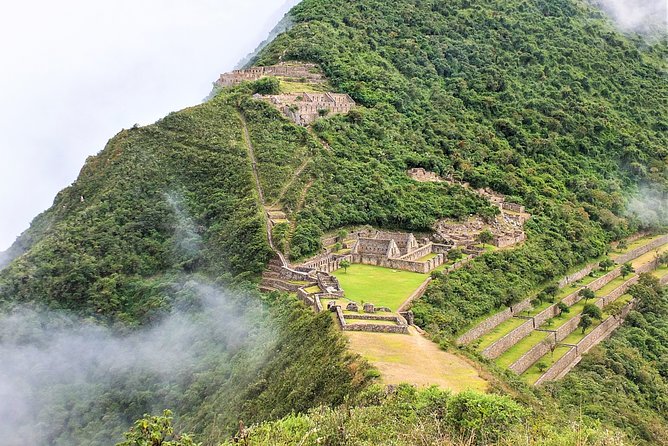
Choquequirao is Peru’s great long walk for people who want an Inca site without the crowds. This four-day route drops into the Apurimac Canyon, climbs through changing mountain country, and brings you to a remote citadel where you may have long stretches to yourself. I like the quiet setting and the way your guide, cook, and porter take care of the hard practical work. I also like that the small group size, listed as up to 12 in the highlights and up to 16 in the tour details, leaves room for personal attention.
The drawback is simple: this is a demanding trek, not a gentle sightseeing trip. You spend the first day going downhill, then face a long climb toward Choquequirao and another uphill push back to Capuliyoc. The route details also contain some duplicated and conflicting information, so I would confirm the exact day-by-day plan before paying.
Key points at a glance
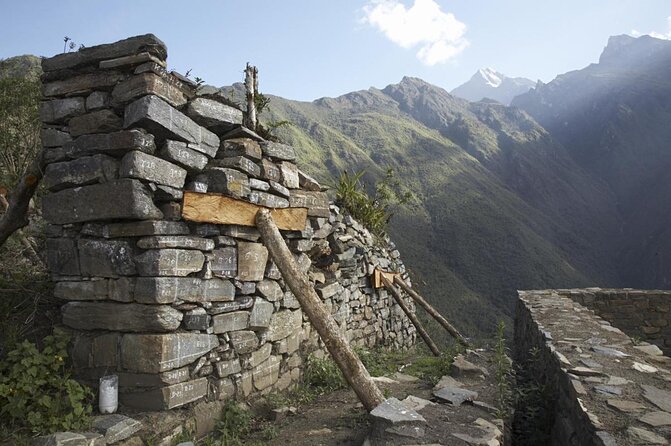
- A remote Inca citadel: Choquequirao offers a quieter archaeological experience than Peru’s better-known sites.
- A serious four-day walk: Expect steep descents, long climbs, and about six to eight hours of hiking on the scheduled days.
- Apurimac Canyon views: Day 1 brings broad views from the high Andes toward cloud-forest vegetation.
- Full trail support: Transport, guide, chef, meals, camping help, and a porter for up to 7 kilograms are included.
- Excellent food is part of the appeal: Chefs such as Leandro and Oscar have prepared varied meals that suit dietary requests.
- Good value at $698: The price covers several services that would be difficult and costly to arrange independently.
Why Choquequirao is worth the effort
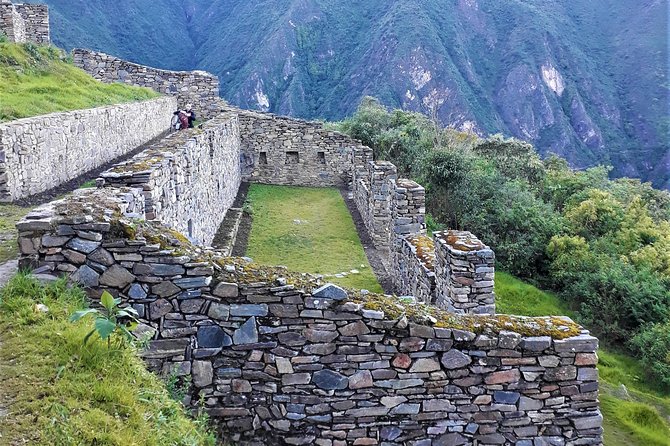
Choquequirao is often described as a lost city of the Incas, but the more useful way to think of it is as a major archaeological site reached by a minor road and a major hike. There is no simple train ride or short shuttle to the entrance. You earn the ruins with your legs.
That effort changes the mood. You are not being moved from one photo stop to another. You spend several days crossing high country, dry canyon slopes, and greener areas where flowers, birds, and distant waterfalls become part of the experience. The setting is as important as the stonework.
I especially like this route for people who found Machu Picchu too crowded or too packaged. The approach to Choquequirao is slower and more physical, but it gives the site room to breathe. The exact visitor numbers are not provided, so I would not promise complete solitude. Still, the tour is designed around a much quieter visit, and the supplied experience details describe having large parts of the complex to explore without crowds.
More Hiking Tours in Cusco
- From Cusco: 7 Lakes Ausangate Trek with Breakfast and Lunch
★ 4.8 · 360 reviews - Cusco: Rainbow Mountain Tour and Red Valley Hike (Optional)
★ 4.7 · 149 reviews - Cusco: Full-Day Rainbow Mountain & Red Valley Trekking Tour
★ 4.5 · 121 reviews
The 4:30 am start from Cusco
Your day begins early, with pickup between 4:30 and 5:00 am. The company provides transport from your Cusco hotel, and airport pickup is also listed as an option. You drive across the Andes toward Capuliyoc, arriving at about 8:30 am for breakfast.
That early departure matters. It allows you to reach the trailhead in the morning and begin the first hike before the day gets too far along. It also means you should arrange a quiet evening beforehand. The pre-departure briefing is scheduled for 6:00 pm the night before, a useful chance to meet the guide, check your equipment, and clarify the route.
The group size needs a little clarification. The highlights promise a maximum of 12 people, while the additional information gives a maximum of 16. Ask which limit applies to your departure. Either way, this is smaller and more personal than a large coach excursion, but the difference between 12 and 16 can matter on a strenuous trek.
Day 1: Capuliyoc to Santa Rosa
At Capuliyoc, about 2,911 meters, you have breakfast before starting. The first section is a four-hour descent to Chiquiska, at about 1,893 meters, where lunch is served.
This is a striking introduction to the route. As you drop from the highlands, you get your first views into the Apurimac Canyon, described as one of Peru’s deepest. The scenery changes as you walk, moving from high mountain surroundings toward denser cloud-forest vegetation. That variety gives the day more interest than a long, uniform trail.
After lunch, you continue downhill for about two hours to Santa Rosa, where you camp at roughly 1,478 meters. The total distance is listed as 10.8 kilometers, or 6.7 miles, with about six hours of walking.
The word to remember is downhill. Many people assume descending is easy, but a long drop can be hard on knees and thighs, especially on uneven ground. Trekking poles are optional and not included, but I would seriously consider renting or bringing them. They can help with balance and take some pressure off your legs.
Day 2: The climb toward Marampata and Choquequirao
The supplied schedule for Day 2 repeats the Day 1 description, including the drive from Cusco, the descent to Chiquiska, and the camp at Santa Rosa. That is clearly a planning error or incomplete itinerary. The day heading refers to Marampata and Choquequirao, so you should ask the operator for the corrected plan before departure.
Based on the route structure, the important point is that the trek must climb from the lower canyon area toward Marampata and then continue to the citadel. This is the section that makes Choquequirao a serious undertaking. You should expect sustained uphill walking rather than a relaxed transfer between camps.
Marampata is the practical gateway to the ruins, and reaching it gives you a sense of what you have achieved. The route has taken you from the high point at Capuliyoc down into the canyon and then back toward the elevated archaeological area. Your guide controls the pace, and the support team handles much of the camp work, but you still need enough stamina for the climb.
Because the published details are inconsistent, confirm three things: where you sleep on the second night, how far you walk that day, and when you actually enter Choquequirao. Do not rely on the repeated Day 1 paragraph as your final schedule.
Same base, a completely different kind of day:
- Cusco: Humantay Lake Tour with Breakfast and Buffet Lunch
★ 4.9 · 2,976 reviews - Cusco: Half-Day City Tour with Sacsayhuaman and Q’enco
★ 4.6 · 1,129 reviews - From Cusco: Vinicunca Rainbow Mountain ATV Tour with Meals
★ 4.6 · 1,060 reviews - City Tour Cusco Qoricancha Sacsayhuaman y Tambomachay
★ 4.7 · 617 reviews
Choquequirao: the reward at the end of the climb
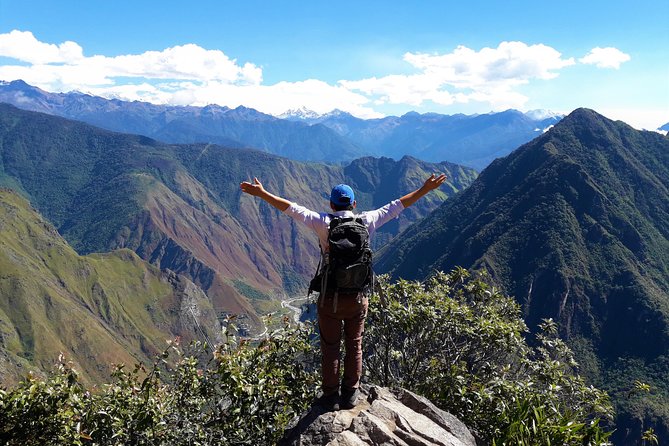
The citadel is the central reason to choose this trip. The route description places your visit on Day 3, with an early start and sunrise views around the archaeological area. The attraction is not only the ruins, but the feeling of reaching a substantial Inca site far from easy transport.
The site is described as a place where you can explore with very few other people around. That gives your guide space to explain the stonework, purpose, and setting without the constant movement found at Peru’s busiest monuments. Guides such as Elias and Sebastian have been praised for patience, encouragement, historical explanations, and practical help on steep sections. Your assigned guide may be someone else, but the operator’s guide-led format is a real advantage here.
Allow yourself time to look beyond the main stones. The surrounding canyon, distant slopes, flowers, birds, and waterfalls form part of the visit. This is not a site you simply photograph and leave. The long approach makes it worth slowing down once you arrive.
The itinerary gives different elevation figures for this portion, including a highest point around 3,100 meters and a camp elevation around 1,450 meters. Since those numbers do not line up neatly with the other days, confirm the precise camp locations and altitude profile. The broad lesson remains clear: you will be walking at changing elevations, with significant climbs and descents.
Day 3: A long day of walking
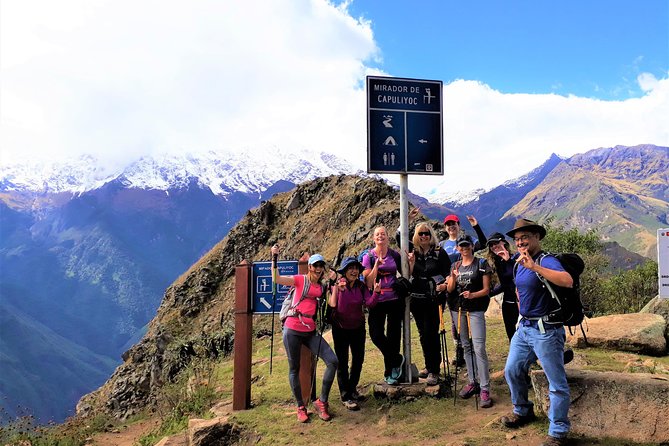
The Day 3 description says you wake near the citadel, then walk downhill for about three hours to Santa Rosa for lunch. After that, the route continues downhill for two hours and uphill for another two hours before reaching the campsite at Chiquiska.
The listed distance is inconsistent, shown once as 8 kilometers and once as 11.32 miles. Those are very different figures, so the walking time is more useful here. The schedule gives approximately eight hours and labels the difficulty moderate.
I would treat this as one of the harder days, despite that rating. Four hours of combined uphill and downhill walking after a morning descent can be tiring, particularly after the earlier approach to Choquequirao. The moderate label may fit a regular hiker, but it should not reassure someone who rarely walks steep trails.
This is also a rewarding day for scenery. You pass through areas with flowers and birdlife, and waterfalls can be seen in the distance. The route gives you a fuller sense of the canyon than a simple out-and-back visit would. You are not just returning the same way in a hurry.
Day 4: The final climb and Saywite
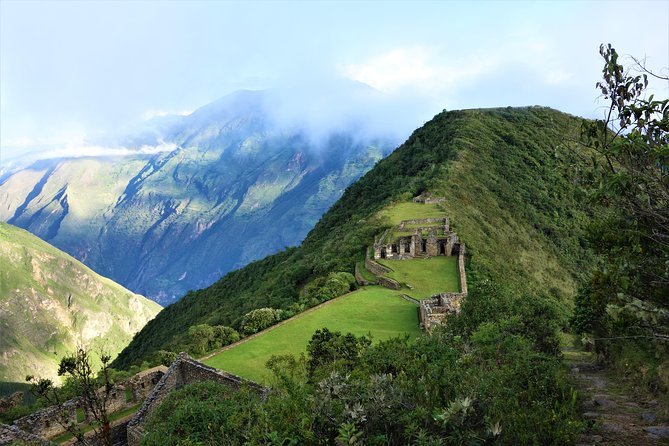
The last day begins with breakfast and preparation for the climb back to Capuliyoc. The schedule gives about four hours uphill before lunch, followed by a farewell to the trekking team.
This final climb is a useful test of the route’s difficulty. You may have already walked for three days, yet the trek ends by asking you to climb. If your knees prefer descents, this may be welcome. If you find sustained uphill walking harder, save energy and do not race early in the trip.
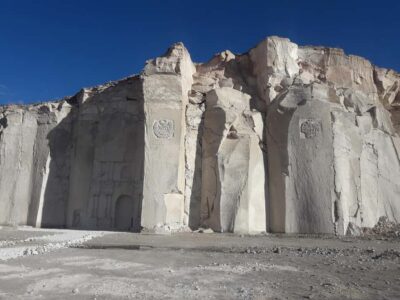
After lunch, private transport takes you to Saywite, an archaeological site known here for its mysterious carved rock. You have time to explore before returning to your hotel at about 5:00 pm.
Saywite makes a pleasant final stop because it adds a cultural visit after the physical effort is over. Still, your legs may be tired, and your attention may be limited after four days outdoors. I would view it as a worthwhile bonus rather than the reason to book the trip.
What the $698 price really covers
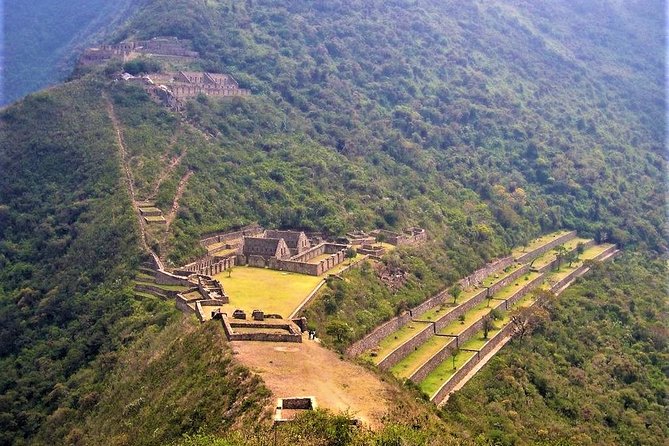
At $698 per person, the trip is not simply a guided walk. The cost includes transportation from start to finish, hotel pickup, a professional English-speaking guide, a chef, a porter for up to 7 kilograms of personal belongings, four breakfasts, four lunches, and three dinners.
That package has real value. Independent planning would require arranging early transport from Cusco, trail logistics, meals, camp support, and the return transfer. A porter also changes how you walk. You still need a daypack with essentials, but you do not have to carry every item for four days.
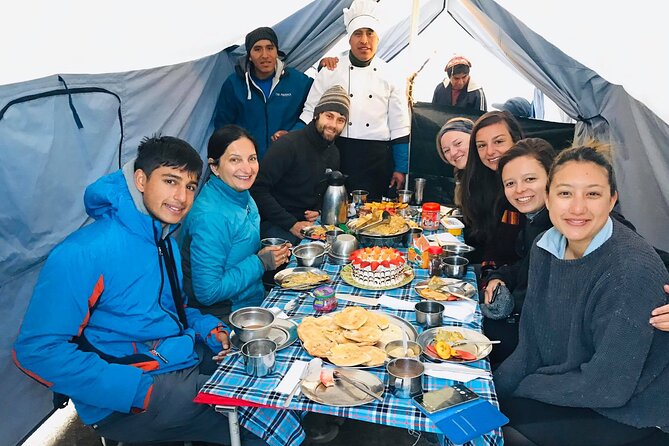
The food deserves special attention. Direct accounts of this trip praise chefs including Leandro and Oscar for preparing fresh, varied meals and avoiding the same dish twice. One account describes meals that felt surprisingly elaborate for a mountain trek. Vegetarian meals and other dietary needs can be requested when booking, which is important for a four-day route.
Sleeping bags, mattresses, and trekking poles are optional extras rather than included equipment. Ask what camping equipment the company supplies and what you must bring or rent. The tour includes the chef and camp support, but the supplied details do not spell out every piece of sleeping gear.
The people who shape the experience
A remote trek depends heavily on the staff. Your guide needs to manage pace, explain the archaeological site, and respond when someone is struggling. Elias is praised for being patient, kind, funny, and well informed about the route. Sebastian is praised for encouragement and practical help. These are individual examples, not a guarantee of who will lead your departure, but they show the kind of guide service you should expect from the company.
The cooks are just as important. Leandro, Oscar, and other named chefs receive strong praise for large, varied meals and attention to taste preferences. On a difficult trail, regular food is not a small matter. It gives you something to look forward to and helps make camp feel comfortable.
The porter and mule support also deserve respect. Boris is described as cheerful and efficient, carrying gear between camps. The package includes a personal porter allowance of up to 7 kilograms, so pack within that limit and confirm how the allowance is handled. You will still carry your own daily needs.
Who should book this trek?
I would recommend it to a fit hiker who wants an Inca site with fewer people, enjoys changing scenery, and is comfortable with early starts and basic camp conditions. It also suits someone who values a supported trek but does not want to carry a full load or organize every meal.
You should think twice if you have little recent hiking experience, dislike steep descents, or want a relaxed cultural tour. The tour details call for moderate physical fitness, but the distance, altitude changes, and long uphill sections deserve respect.
Before booking, ask for the corrected itinerary. Confirm the group maximum, the Day 2 route, the exact camping locations, the distance on Day 3, and which sleeping equipment is provided. Those questions are especially important because the published schedule contains duplicate text and mismatched figures.
Cancellation is free up to 24 hours before the start time for a full refund. Poor weather or failure to reach the minimum group size may lead to a new date, another experience, or a full refund.
Should you book the Choquequirao Trek?
Book this trek if your priority is the journey as much as the ruins. The Apurimac Canyon, changing vegetation, quiet archaeological setting, supportive staff, and included meals make the $698 price reasonable for a fully supported four-day expedition.
Do not book it simply because Choquequirao sounds like an easier alternative to Machu Picchu. It is quieter because it is harder to reach. If you are ready for long days, steep ground, and an early start, this route offers one of Peru’s more rewarding Inca experiences. Just get the inconsistent day-by-day details confirmed in writing first.
FAQ
How long is the Choquequirao Trek?
The trek lasts four days and three nights, with approximately six to eight hours of hiking on the scheduled walking days.
What time does the tour start?
Pickup begins between 4:30 and 5:00 am. The listed meeting start time is 4:30 am.
Is transportation included?
Yes. Transportation from the beginning of the tour through the return is included, along with pickup from your Cusco hotel. Airport pickup is also listed.
What meals are included?
The package includes four breakfasts, four lunches, and three dinners. A chef prepares the meals during the trek.
Can I request vegetarian food?
Yes. Vegetarian meals are available, and you should provide dietary requirements when booking.
How much luggage can the porter carry?
A personal porter is included for up to 7 kilograms of personal belongings.
Are sleeping bags and trekking poles included?
No. A mattress, sleeping bag, and trekking poles are listed as optional items. Ask the operator about renting or bringing them.
How difficult is the trek?
The tour is marked moderate and requires a moderate level of physical fitness. It includes long downhill and uphill sections, with scheduled hiking days of about six to eight hours.
Can I cancel for a refund?
You can cancel up to 24 hours before the start time for a full refund. Cancellations or changes made less than 24 hours before the start are not refunded or accepted.
More 4-Day Experiences in Cusco
- 4 Day Tour to the Manu National Park
★ 5.0 · 81 reviews - Manu National Park Tour 4days/3night
★ 5.0 · 69 reviews - 4-Day Inca Jungle Adventure, Mountain Biking, Rafting and Zipline
★ 5.0 · 60 reviews - Manu Adventure (4 Days)
★ 5.0 · 50 reviews
Just added around Cusco
- Waqrapukara 1 day trekking + meals★ 3.9 · 3 reviews
- Visit to the Cochahuasi Animal Sanctuary with rescued animal★ 4.1 · 4 reviews
- Vinicunca Mountain Tour – Full Day Tour to Rainbow Mountain★ 3.4 · 4 reviews
- Valle Sur Cusco | half day★ 4.3 · 3 reviews
- Trek to Humantay Lake from Cusco★ 4.9 · 8 reviews
- Trek to Choquequirao 4 days★ 3.8 · 4 reviews
- rainbow mountain full day★ 5.0 · 44 reviews
- Tour to the HUMANTAY LAGOON from CUSCO★ 5.0 · 35 reviews
Hiking & Trekking, compared.
7 Lakes Ausangate Trek with Breakfast and Lunch
Read our review →

Rainbow Mountain Tour and Red Valley Hike (Optional)
Read our review →
Full-Day Rainbow Mountain & Red Valley Trekking Tour
Read our review →
Browse the lists this tour appears in