
Reviewed · COOKING CLASSES
Cooking class and market tour with a local chef
Cusco’s food makes more sense after a walk through San Pedro Market, where chef Ronal introduces you to local fruits, cheeses, herbs, meats, and Peru’s remarkable potato selection. You then take those ingredients back to a clean cooking studio and turn them into a full meal.
I like two things here: the market visit gives the cooking class a real local setting, and the menu lets you choose between ceviche and lomo saltado. Ronal also adapts dishes for vegetarians, allergies, and other dietary needs, which is a big help for mixed groups.
The one caution is value. At $57 for four hours, this is not the cheapest meal in Cusco, and the included alcohol is limited to one cocktail. The class earns its price through the market tour, instruction, meal, and cultural context, but budget diners may prefer a restaurant meal.
Key points to know before booking
- San Pedro Market comes first: Taste local fruits, cheeses, bread, and other produce while learning how Cusco shops and eats.
- Chef Ronal leads the class: He teaches basic preparation, cutting, seasoning, and Peruvian cooking techniques in English or Spanish.
- You choose the main dish: Prepare lomo saltado or trout ceviche, with vegetarian adaptations available.
- The menu is a full meal: Make rocoto relleno or causa rellena, a main course, and a pisco cocktail or nonalcoholic fruit drink.
- The class suits mixed skill levels: Beginners receive close guidance, while experienced cooks can still pick up useful local techniques.
- Plan your meeting carefully: The studio is at 264 San Juan de Dios Street, opposite the Aranwa Boutique Hotel, behind an unmarked glass and wooden door.
Why the San Pedro Market visit matters
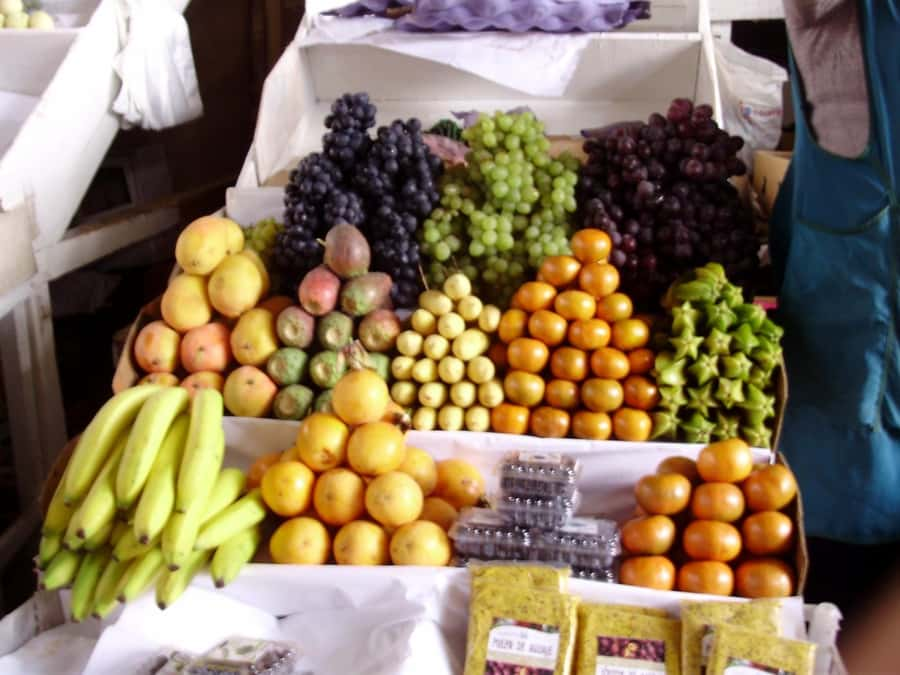
The market portion gives you the best reason to choose this experience over a cooking class held entirely indoors. You are not simply handed a basket of ingredients with their names written on a card. You first see where some of the food comes from and learn how it fits into daily life in Cusco.
Chef Ronal guides you through fruits, vegetables, meat, herbs, cheese, and other local products. You may taste fresh fruit and cheese, and the market walk can include bread and other small samples. The emphasis is not only on buying ingredients. Ronal explains what you are seeing, how it is used, and what is worth noticing.
Peru’s potatoes are an easy example of why this matters. The country has thousands of varieties, and the market makes that fact more than a statistic. You can see differences in color, shape, size, and use. That context helps explain why potato dishes such as causa are so important in Peruvian cooking.
The market also adds a bit of rough-edged reality. This is a working food market, not a polished museum display. You may see meat and other foods that are part of the local diet. If that could bother you, keep it in mind before booking.
The timing can change the feel of the visit. A morning class may find the market less crowded and easier to explore, while an afternoon class can have a busier feel. Starting earlier also gives you more time to look at produce before the cooking begins, though the exact schedule depends on the selected start time.
More Cooking Classes in Cusco
- Cusco: Peruvian Cooking Class, Cocktails & Local Market Tour
★ 4.9 · 512 reviews - Private Andean Cooking Class, Pachamanca
★ 5.0 · 54 reviews - Vegan Peruvian Cooking Class Cocktails and Local Market in Cusco
★ 5.0 · 46 reviews
Finding the small cooking studio on San Juan de Dios Street
The meeting point is easy to describe but easy to miss. Go to 264 San Juan de Dios Street, in front of the Aranwa Boutique Hotel. Look across the road for a glass and wooden door without advertising.
There is no transportation included, so you need to reach the studio on your own. If you are staying in central Cusco, allow time to walk there and confirm the address before the class begins. The unmarked entrance is the kind of detail that can cause a needless late arrival.
The activity lasts four hours. That is long enough for a proper market visit, hands-on preparation, and a sit-down meal, but it also means you should not schedule another tight activity immediately afterward. A class can be especially useful early in your Cusco stay, when you are still getting used to the city, local foods, and altitude.
The studio has been described as clean, comfortable, and well supplied. Aprons, kitchen equipment, and bar tools are included, so you do not need to bring anything special beyond a willingness to chop and taste.
Cooking rocoto relleno and causa rellena
The starter is the same for everyone, though it can be adapted to dietary needs. The listed menu includes rocoto relleno, a local stuffed pepper filled with meat, onions, peas, carrots, peanuts, and raisins, then covered with local cheese and baked.
Rocoto is a Peruvian chili pepper, so anyone sensitive to heat should ask about the spice level before preparation. The filling combines savory meat with sweet and earthy ingredients, and the cheese adds a baked finish. This is a useful dish for learning how Peruvian cooking combines several strong flavors in one plate.
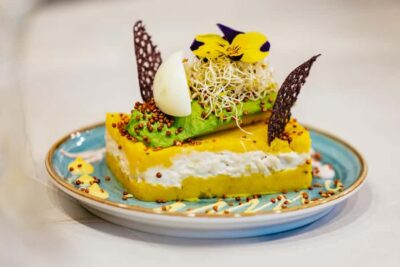
The other starter option described in the menu is causa rellena. This is a potato cake mixed with yellow chili sauce and filled with ingredients such as avocado, fish tartare, mayonnaise, and spices. Its cool, layered format contrasts with the warm, baked rocoto relleno.
The exact starter presentation can depend on the class and dietary adjustments. The important point is that you do not simply watch someone cook it. You take part in the preparation, with Ronal explaining how to handle ingredients and organize the work.
Beginners should feel at ease. The class includes guidance on cutting and basic kitchen technique, and Ronal can step in when you need help. More experienced home cooks may find the pace simple at times, but the Peruvian ingredients and local methods give the class interest beyond basic knife skills.
Choosing between lomo saltado and trout ceviche
For the main course, you choose one of two Peruvian favorites before the class starts.
Lomo saltado combines beef tenderloin with rice, onions, tomatoes, soy sauce, oyster sauce, vinegar, and native potato fries. It is a good choice if you want a hot, hearty dish with a strong savory sauce. The potatoes matter here, since they balance the beef and sauce while connecting the meal to Peru’s farming traditions.
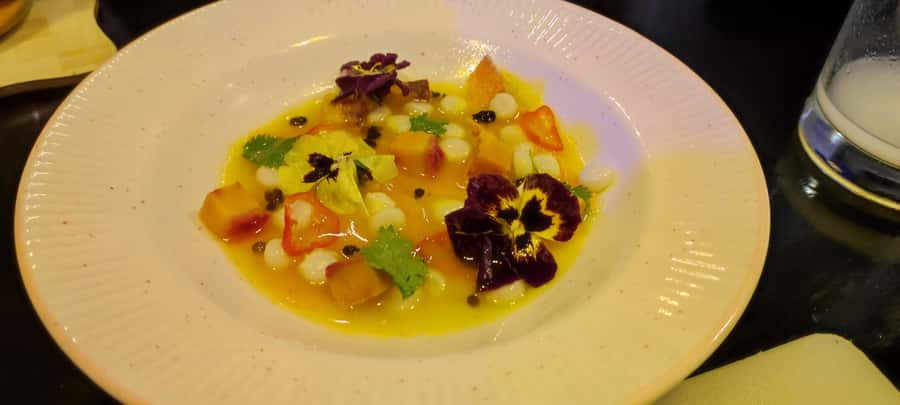
The class also teaches trout ceviche, made with trout, mango, avocado, lime juice, onions, celery, ginger, corn, and sweet potato. This is not the same flavor profile as a coastal sea-fish ceviche. Trout reflects the Andean setting, while mango and avocado add softness and sweetness to the sharp lime.
Ceviche is a particularly useful class dish because timing matters. Citrus changes the texture of fish, so the sequence of preparation affects the finished plate. You learn more than a list of ingredients. You see how acidity, fresh herbs, fruit, and vegetables are brought together.
If you do not eat meat or fish, ask for the vegetarian version when you book or at the start of the experience. The class has handled vegetarian, dairy-free, gluten-free, allergy-related, and other food preferences. Still, it is smart to state your needs clearly before cooking begins.
You should also choose your main dish based on the meal you want afterward. Lomo saltado is warm and filling. Trout ceviche is lighter and fresher, but it includes fish and citrus. Both are practical recipes to take home, though ingredients may need to be adjusted depending on what you can buy where you live.
Same base, a completely different kind of day:
- Cusco: Humantay Lake Tour with Breakfast and Buffet Lunch
★ 4.9 · 2,976 reviews - Cusco: Half-Day City Tour with Sacsayhuaman and Q’enco
★ 4.6 · 1,129 reviews - From Cusco: Vinicunca Rainbow Mountain ATV Tour with Meals
★ 4.6 · 1,060 reviews - City Tour Cusco Qoricancha Sacsayhuaman y Tambomachay
★ 4.7 · 617 reviews
Mixing a pisco sour or a fruit mocktail
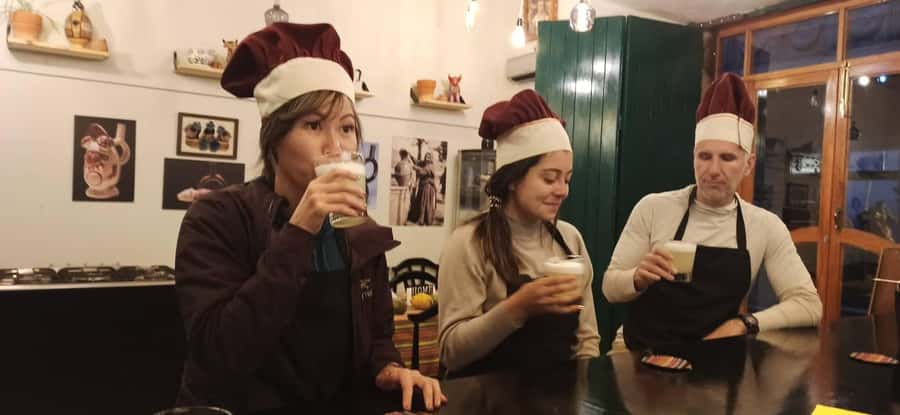
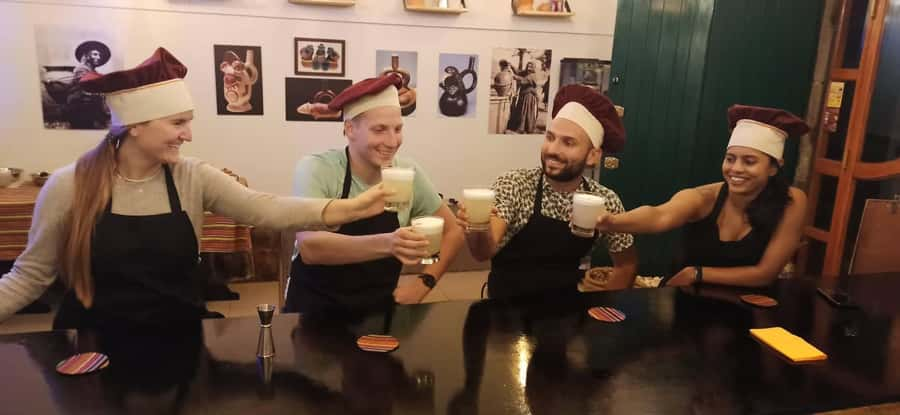
The drink portion adds a pleasant change of pace. You choose a cocktail based on pisco, Peru’s grape spirit, or select a drink without alcohol made with Peruvian fruit and honey.
The classic pisco sour uses pisco, lime, syrup, and egg white. A passion fruit sour swaps in fresh passion fruit juice for a sweeter, more tropical version. Making the drink yourself gives you a quick lesson in balance. Too much lime can overwhelm the pisco, while too much syrup hides the fruit and spirit.
The nonalcoholic option is important for people who do not drink, anyone managing altitude, and participants who simply want a fruit drink with lunch. Alcohol can affect you more strongly at altitude, so you should make the choice based on how you feel that day.
Only one cocktail is included. One person specifically felt a second pisco sour would have made the price feel better, and that is a fair point. The drink is part of the fun, but this is not a tasting session or bar crawl. The class focuses on food, with the cocktail as a small part of the meal.
How the chef and group experience affect the class
Ronal is the main reason the class feels personal rather than mechanical. He is a Cusco-born chef and guide who talks about ingredients, market customs, local food, and the wider culture of the city. His teaching style is friendly and hands-on, with advice on cutting, timing, seasoning, and presentation.
The pace appears to work for a wide range of cooks. If this is your first class, you can follow clear instructions and ask for help. If you already cook often, you can focus on local ingredients and compare Peruvian methods with your own.
Groups can be small. Some sessions have ended up as private lessons when only one or two people booked, while other classes bring together solo participants and couples. You should not assume a private class, but the format makes it easy to talk with the people around you and share the meal afterward.
That social side is useful if you are traveling alone. You cook beside other people, share tasks, and sit down to eat what you made. Families can also enjoy it, though the booking information gives several minimum-age warnings, including restrictions for children under 2, 3, 5, and 6. Because those details are inconsistent, check the age rules for your chosen date before paying.
The class is taught in English and Spanish. If clear instruction is important to you, choose the language you are most comfortable using when you reserve.
Dietary needs, altitude, and practical limits
The provider says the menu can be adjusted for dietary restrictions. That is supported by the range of dishes and substitutions described, including vegetarian versions, meat-free adaptations, mocktails, and adjustments for allergies or intolerances.
You should still explain your needs in advance. Ingredients such as fish, shellfish-related sauces, peanuts, dairy, egg white, soy sauce, mayonnaise, and gluten-containing products can appear in the menu. A clear conversation before the class is better than trying to make changes halfway through cooking.
The staff can offer natural medicine for altitude sickness and digestive teas if needed. That does not make the class suitable for someone who is actively ill. The activity is listed as unsuitable for people with altitude sickness, so rest and seek proper medical care if you feel unwell.
The restrictions also list babies, young children, people over 70, and several weight limits, including 135, 140, and 150 kilograms. These figures are not presented consistently, so check the current booking conditions if they apply to you. Baby strollers and carriages are not allowed, and alcohol and drugs are prohibited.
You may see meat from animals eaten by local residents. This is part of the market setting and local food culture, but it is worth knowing before you go.
Is $57 a fair price for four hours?
At $57 per person, the cost is higher than simply ordering ceviche or lomo saltado at a Cusco restaurant. You are paying for more than the plate, though. The price includes a professional chef and guide, the market walk, fresh ingredients, kitchen and bar equipment, an apron, water, one cocktail, a starter, and a main course.
The value is strongest if you care about food and want context. You taste local products, learn how the ingredients are used, prepare the meal yourself, and receive recipes by email after the class. That last detail helps turn a one-time activity into something you can repeat at home.
The value is weaker if you only want a quick meal or a formal market tour. Four hours is a substantial block of a short Cusco visit, and only one drink is included. You also cover your own transportation to the meeting point.
For a first visit to Cusco, I think the class works best as a cultural activity rather than a simple cooking lesson. It gives you a better sense of local produce and flavors, and it can help you recognize dishes on restaurant menus later in your trip.
Who should book this Cusco food experience?
Book it if you like to understand a place through what people eat. The market visit, local fruit tasting, potato discussion, and cooking session give you more useful context than a standard restaurant meal.
It is also a good fit for solo visitors, couples, families with eligible children, and mixed groups where one person cooks often and another is a beginner. The menu choice and dietary flexibility reduce the usual problems of a shared cooking class.
You may want to skip it if you dislike markets, are uncomfortable seeing meat, cannot manage four hours of standing and kitchen activity, or are looking for a very cheap lunch. People with altitude sickness should not attend, and anyone with complex allergies should confirm the exact substitutions before booking.
Free cancellation is available up to 24 hours before the activity, and you can reserve now and pay later. Those policies help if your Cusco schedule is still changing, but they do not replace checking the meeting point, language, age rules, and dietary arrangements.
My booking advice
I would book this class early in a Cusco stay if food is one of your main reasons for visiting. You can use what you learn for the rest of your trip, and a morning class may offer a calmer market visit.
Choose lomo saltado for a hot, filling meal, or trout ceviche for a fresher Andean take on the dish. If you drink, try the pisco sour or passion fruit sour. If not, the fruit and honey mocktail keeps the experience just as participatory.
At $57, this is a good-value half day for people who want instruction, a market visit, and lunch in one package. It is less compelling for anyone focused only on price. For most food-minded visitors, chef Ronal’s local perspective and the chance to cook with market ingredients make it worth fitting into a Cusco itinerary.
FAQ
Where does the cooking class meet?
Meet at 264 San Juan de Dios Street in Cusco, opposite the Aranwa Boutique Hotel. The entrance is a glass and wooden door with no advertising.
How long does the experience last?
The activity lasts four hours. The time includes the market visit, cooking workshop, drink preparation, and meal.
What languages are available?
The class is offered in English and Spanish.
Is transportation included?
No. You need to make your own way to the meeting point.
Which dishes can I prepare?
The menu includes a starter such as rocoto relleno or causa rellena, plus a choice of lomo saltado or trout ceviche. You also prepare a pisco-based cocktail or a nonalcoholic fruit drink.
Can the class accommodate dietary restrictions?
Yes. Vegetarian meals and adjustments for allergies, intolerances, and other dietary needs are available. Tell the provider about your requirements before the class begins.
Can I cancel or pay later?
You can cancel up to 24 hours before the activity for a full refund. Reserve now and pay later is also available.
More Market Tours in Cusco
- Cusco City Sightseeing, San Pedro Market, Cathedral and Qorikancha Temple
★ 4.5 · 139 reviews - Cusco: Peruvian Cooking Class & Market Tour
★ 4.9 · 19 reviews - Pisac Indian Market and Ollantaytambo Fortress with Lunch
★ 4.5 · 395 reviews - Lima: Historic Center Street Food, Market, and Eateries Tour
★ 4.9 · 216 reviews
Just added around Cusco
- Waqrapukara 1 day trekking + meals★ 3.9 · 3 reviews
- Visit to the Cochahuasi Animal Sanctuary with rescued animal★ 4.1 · 4 reviews
- Vinicunca Mountain Tour – Full Day Tour to Rainbow Mountain★ 3.4 · 4 reviews
- Valle Sur Cusco | half day★ 4.3 · 3 reviews
- Trek to Humantay Lake from Cusco★ 4.9 · 8 reviews
- Trek to Choquequirao 4 days★ 3.8 · 4 reviews
- rainbow mountain full day★ 5.0 · 44 reviews
- Tour to the HUMANTAY LAGOON from CUSCO★ 5.0 · 35 reviews
Cooking Classes, compared.
Peruvian Cooking Class, Cocktails & Local Market Tour
Read our review →
Market Tour, Tasting of 35 Fruits, and 4-Course Peruvian Cooking Class in Lima
Read our review →
#1 Rated Cooking Classes with Local Market Tour & Pickup
Read our review →
Amazing Peruvian Cooking Class Ceviche Seafood and Pisco Sour
Read our review →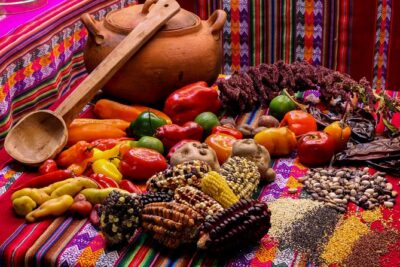
Private Cooking + Market with Maido’s Former Creative Chef (+trasportation)
Read our review →
Vegan Peruvian Cooking Class Cocktails and Local Market in Cusco
Read our review →
Browse the lists this tour appears in