
Reviewed · WALKING TOURS
Puno: History and Culture Walking Tour
Puno’s best introduction may be a short walk uphill to Huajsapata Lookout, where the city opens toward Lake Titicaca. From there, this two-hour tour links the viewpoint, the 18th-century cathedral, and the Carlos Dreyer Museum in a compact route through the city center. I like the clear mix of scenery and culture, and I like that the small group is limited to 10 people. The one catch is that the museum entrance costs another 20 soles per person.
I also like the bilingual format. You can ask questions in English or Spanish, and one guide named Samuel is associated with the experience. If you want a fast orientation before exploring Puno on your own, this is a useful choice. If you prefer a slow museum visit or plenty of free time for photos, two hours may feel tight.
Key points to know before booking
- Huajsapata Lookout comes first: Start with broad views of Puno and Lake Titicaca, plus the monument to Manco Capac.
- The cathedral shows two cultures at once: See an 18th-century building that combines Spanish Baroque design with Andean details.
- The Carlos Dreyer Museum costs extra: Allow 20 soles per person for entry.
- The group stays small: No more than 10 participants makes it easier to hear the guide and ask questions.
- The walk begins and ends at Plaza de Armas: You do not need to arrange transport between the main stops.
- English and Spanish are available: The live guide explains the visit in both languages.
Start at Plaza de Armas and get your bearings
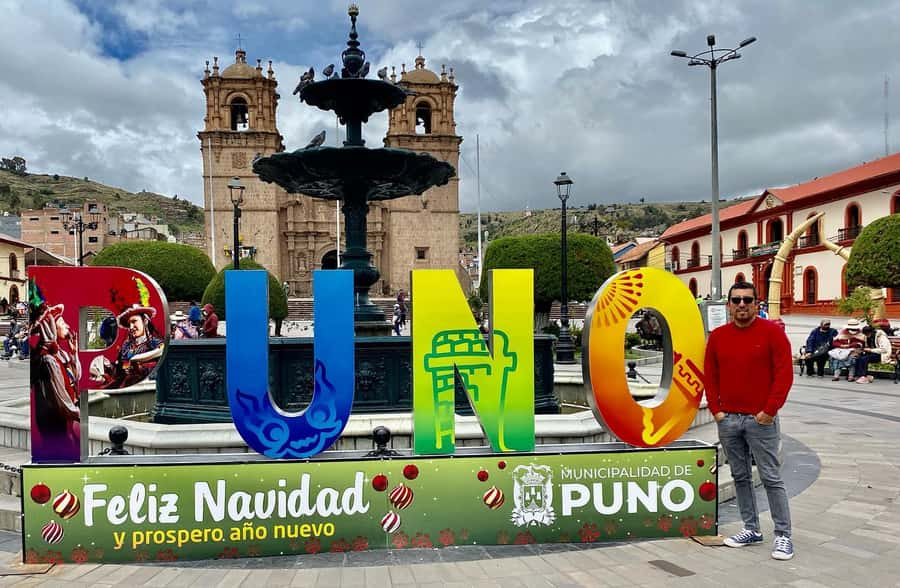
The meeting point is Plaza de Armas in central Puno. This is a practical place to begin because the tour returns here at the end, so you can continue with lunch, shopping, or your own sightseeing without arranging a pickup.
The walk gives you a quick sense of Puno’s layout. Rather than seeing isolated attractions by taxi, you move between them on foot with the city around you. That matters in a place where the streets, public squares, churches, and viewpoints help explain how Puno works.
The advertised price is $20 per person. I consider that fair for a two-hour guided walk with a live English or Spanish guide, especially if you want context rather than a checklist of buildings. The museum fee is separate, however, and costs 20 soles per person. Add that to your budget before you decide.
You should bring a passport or ID card. Large bags and luggage are not allowed, so this is best done before checking out of your hotel or after leaving your larger belongings somewhere secure.
More Historical Tours in Puno & Lake Titicaca:
- Aymara Route Mystical Cultural Tour
★ 4.7 · 27 reviews - Lima’s Vibrant Heritage: Exploring the City’s Landmarks Half-day
★ 4.5 · 581 reviews - Lima: Historic Center Street Food, Market, and Eateries Tour
★ 4.9 · 216 reviews
Huajsapata Lookout and the view toward Lake Titicaca
The first stop is Huajsapata Lookout. Its main appeal is simple: you get a broad view over Puno and toward Lake Titicaca before spending time indoors.
This opening stop gives the tour a strong visual start. You can see the city from above, then connect that view with the stories your guide tells about Puno and the surrounding region. If you have just arrived, the lookout helps you understand the city’s position beside the lake.
The viewpoint also includes a monument dedicated to Manco Capac, described as the founder of the Incan Empire. That adds a useful historical layer to what might otherwise be only a photo stop. Your guide can connect the monument with Andean traditions and the way local identity is presented in public spaces.
Bring a little patience for the walking route. The tour is not a bus excursion, and the lookout is a stop for views, explanation, and photos rather than a long visit with many separate activities. You will get the most from it if you are ready to keep moving after taking in the panorama.
Puno Cathedral and its Spanish and Andean details
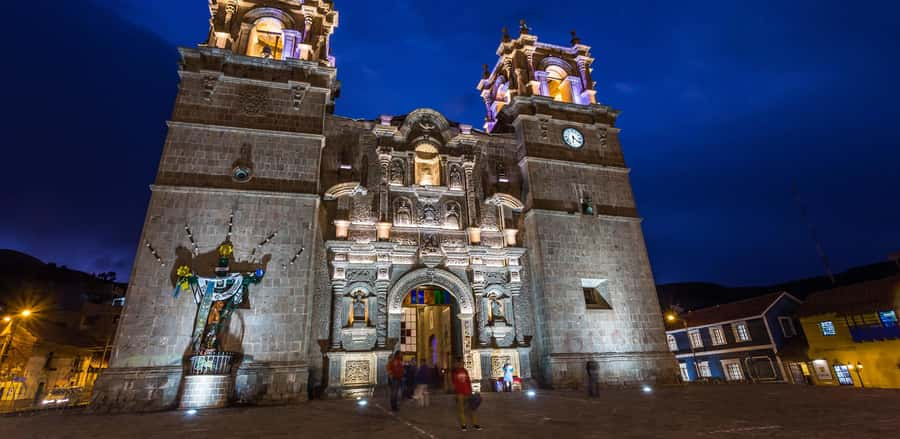
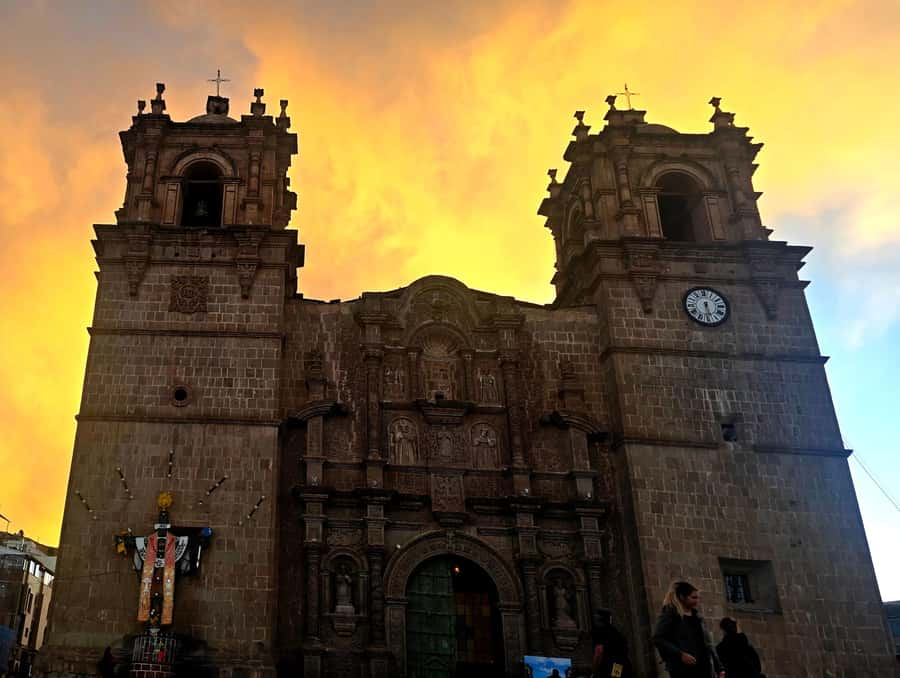
From the lookout, the route continues to the Cathedral of Puno, an 18th-century church in the city center. The building is important not just because of its age, but because it combines Spanish Baroque architecture with indigenous Andean elements.
That combination is one of the most useful themes in the tour. Instead of treating the cathedral as a purely Spanish building, the guide points out how European forms and local artistic traditions meet in Puno. The result reflects the city’s mestizo character, a blend that appears in both its architecture and its cultural story.
I would pay close attention here rather than simply taking a few photographs. Details that seem decorative at first can carry clues about the two traditions represented in the building. A guide adds value because you can ask what you are looking at instead of guessing from the outside.
The supplied details do not state whether a separate cathedral entrance fee applies, so check the current arrangements when you book or meet your guide. The only clearly listed admission charge is the 20 soles for the Carlos Dreyer Museum.
Carlos Dreyer Museum and objects from before the Spanish arrival
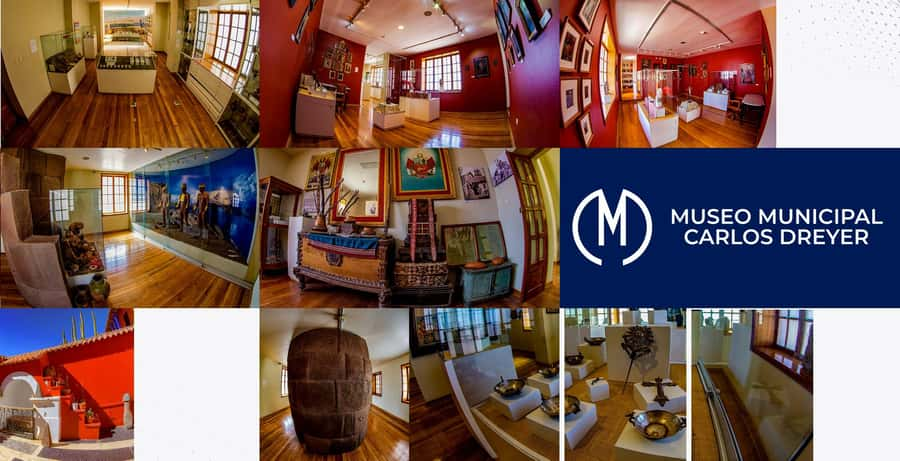
The Carlos Dreyer Museum is the tour’s main indoor stop. Here you learn about the founding of Puno and see a collection of pre-Columbian jewelry, ceramics, and textiles.
This is where the tour moves beyond broad city views and architectural style. Objects can make the past easier to understand because you are looking at the materials and skills of earlier cultures, not just hearing dates and names. Ancient jewelry can show craftsmanship and social meaning, while ceramics and textiles give a sense of everyday production and artistic work.
The museum entrance costs 20 soles per person, not included in the tour price. That extra fee is reasonable if you want a fuller cultural visit, but it changes the value calculation for anyone trying to keep costs low. At $20 for the walk plus the museum admission, you are paying for a guided overview rather than a free city stroll.
Two hours is enough for an introduction, not an exhaustive museum visit. You should expect the guide to select important parts of the collection and explain Puno’s development. If you want to read every label or study each textile at length, plan a separate return visit if possible. The tour works best when you see the museum as one part of a larger city walk.
More Walking Tours in Puno & Lake Titicaca:
- Walking tour in the Historic Center of Arequipa
★ 4.4 · 180 reviews - Lima: Miraflores Trending Flavors Half-Day Walking Tour
★ 4.9 · 98 reviews - Arequipa: Walk through the Historic Center of the City
★ 4.9 · 87 reviews - Arequipa Walking Tour city center and drinks experience
★ 5.0 · 72 reviews
What the bilingual guide adds
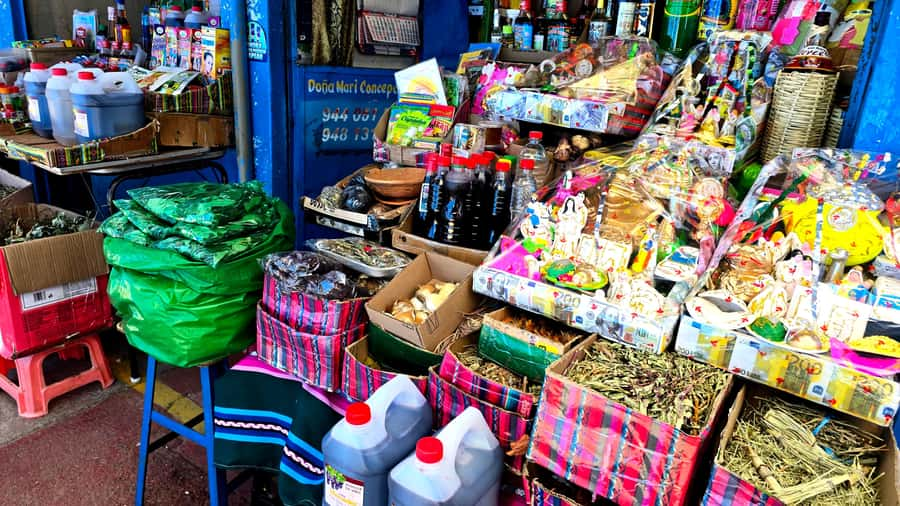
The guide is included in the price and speaks Spanish and English. That is especially useful at the cathedral and museum, where a short explanation can change what you notice.
The group limit is 10 participants. I like this size for a walking tour because it should be easier to hear the guide and ask questions than in a large group. It also keeps the visit more personal without turning it into the higher cost of a private tour.
The guide’s role is to explain the major sights, answer questions, and connect the stops. One guide named Samuel is associated with the experience, and direct feedback describes him as doing an outstanding job. Another assessment notes that the guide covered the important sights and answered questions about the city. That points to the tour’s strongest feature: it is built around orientation and explanation, not just movement from one attraction to another.
Still, guide quality can vary from one departure to the next. The advertised service is a live bilingual guide, but Samuel may not be leading every group. If having a particular guide matters to you, ask when confirming your booking.
Is two hours enough for Puno?
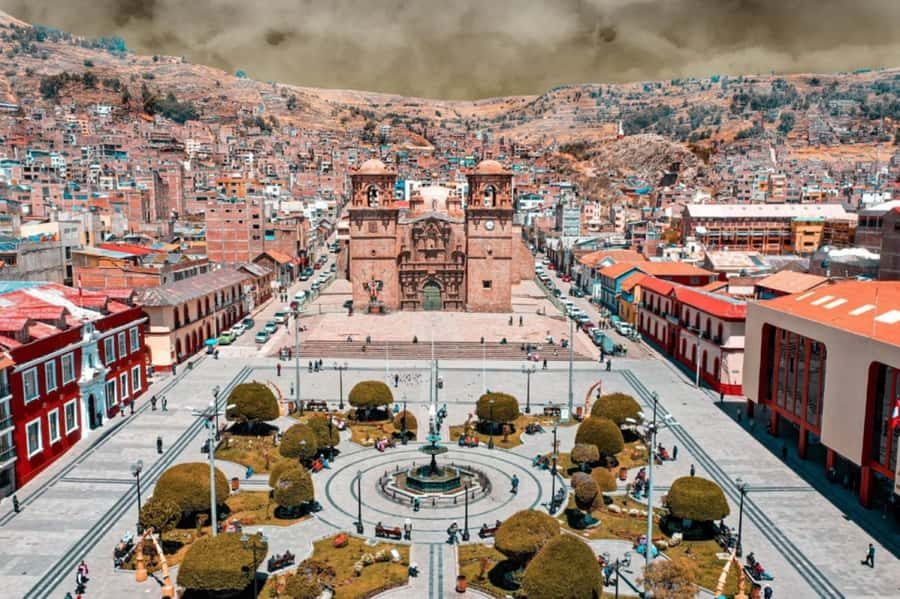
Two hours is a sensible length for a first look at the city. You get a viewpoint, a major church, and a museum without giving up most of your day.
The short format suits you if you are stopping in Puno before another activity, want help finding the main sights, or prefer a guided introduction before exploring alone. It also works well if you do not want to plan a route through the center yourself.
The tradeoff is pace. The tour has three meaningful stops, and time must be shared between walking, explanations, photographs, and the museum. You may not have much room to linger. The experience is best understood as a focused city orientation rather than a full-day cultural program.
Starting times vary, so check availability before booking. The activity begins at Plaza de Armas and ends at the same meeting point. No transport is included or needed between the listed stops.
Who will get the most from this walk?
I would choose this tour if you want the basic shape of Puno in a single outing. It combines:
- A high viewpoint with Lake Titicaca scenery
- A major religious building
- A museum with pre-Columbian objects
- A guide who can explain Spanish and Andean influences
- A small group rather than a large crowd
It suits first-time visitors who want a clear introduction and people who enjoy learning through buildings and objects. It is also a good fit if you have questions about Puno and want a guide who can respond rather than simply hand you a printed route.
You may want something else if your priority is a long museum visit, a private guide, or a relaxed schedule with no fixed route. Families with children under 5 should note that the activity is not suitable for that age group.
The walking format also means you should arrive ready to be on foot for the full two hours. The supplied information does not give a detailed accessibility description, so ask the provider directly if mobility needs are an important factor in your decision.
Practical value, timing, and cancellation
At $20 per person, the tour offers good value if you would otherwise pay for separate explanations at the cathedral and museum. The small group and bilingual guide make the price easier to justify. The separate 20 soles museum admission is the main added cost.
I would book it early in your Puno stay if possible. The route can help you understand the city before you return to places on your own. Since the tour starts and finishes at Plaza de Armas, you can also use the surrounding center for your own plans afterward.
The booking terms are flexible: you can reserve now and pay later, and cancel up to 24 hours ahead for a full refund. That is useful when your wider Peru schedule may change. Check the available starting times because the two-hour duration does not guarantee a particular departure hour.
Bring your passport or another ID card. Leave suitcases and large bags behind, since they are not allowed on the activity.
Should you book the Puno walking tour?
Book it if you want a compact, reasonably priced introduction to Puno that joins Lake Titicaca views with the cathedral and Carlos Dreyer Museum. The strongest reasons are the small group, bilingual guide, and mix of outdoor scenery with actual cultural displays.
Think twice if you dislike walking, want to spend a long time inside the museum, or need a private and highly flexible itinerary. Remember to add the 20 soles museum fee and confirm the starting time.
For most visitors with two free hours in central Puno, I would consider this a practical first outing. It gives you enough background to make the rest of your time in the city more meaningful, without taking over the day.
FAQ
Where does the Puno walking tour start?
The tour starts at Plaza de Armas of Puno, also called Plaza Mayor de Puno.
Where does the tour end?
The activity ends back at the same meeting point, Plaza de Armas.
How long does the tour last?
The walking tour lasts two hours.
What languages does the guide speak?
The live guide speaks Spanish and English.
How large is the group?
The group is limited to 10 participants.
What sights are included in the route?
The route includes Huajsapata Lookout, the Cathedral of Puno, and the Carlos Dreyer Museum.
Is the museum entrance included?
No. Entrance to the Carlos Dreyer Museum costs 20 soles per person.
What should I bring?
Bring your passport or ID card.
Can I bring luggage?
No. Luggage and large bags are not allowed.
Is the tour suitable for children under 5?
No. The activity is not suitable for children under 5 years old.
Just added around Puno & Lake Titicaca
- Uros Floating Islands Tour in Puno★ 3.7 · 9 reviews
- TRIP FROM PUNO TO CUSCO WITH THE ROUTE OF THE SUN★ 4.7 · 16 reviews
- Two Day Lake Titicaca Tour With Homestay★ 3.7 · 6 reviews
- Two-Day Tour to Uros with Amantani and Taquile from Puno★ 5.0 · 44 reviews
- Full Day Guided Tour of the Aymara Route from Puno★ 5.0 · 55 reviews
- Full-Day Tour of Uros, Taquile and Sillustani from Puno★ 5.0 · 41 reviews
- Full Day Lake Titicaca Tour to Uros and Taquile Islands★ 4.5 · 56 reviews
- Titicaca Lake 2 Day 1 Night from Cusco to Puno★ 4.5 · 33 reviews
Walking Tours, compared.
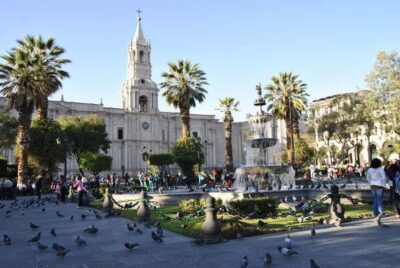
Walking tour in the Historic Center of Arequipa
Read our review →
Miraflores Trending Flavors Half-Day Walking Tour
Read our review →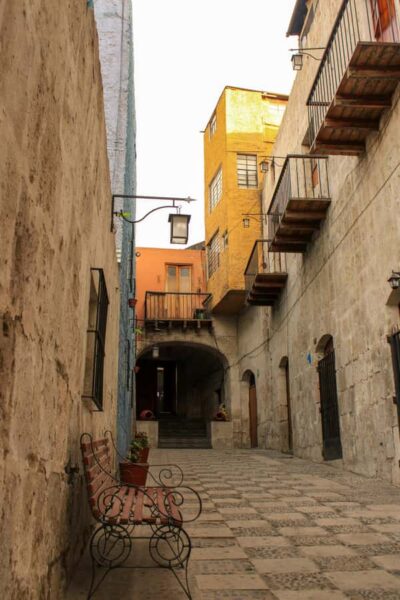
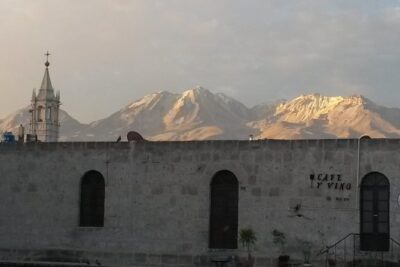
Arequipa Walking Tour city center and drinks experience
Read our review →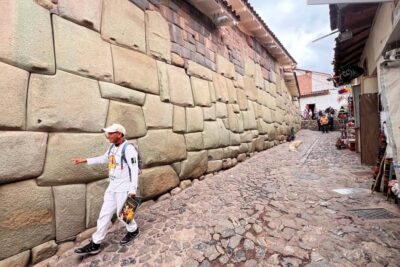
Historic Walking Tour with Pisco Sour and Music Show
Read our review →

Trending Flavors: Miraflores Walking Tour Including Food and Drinks Tasting
Read our review →
City Tour by Panoramic Bus – Walking & Catacombs
Read our review →Browse the lists this tour appears in