
Reviewed · MARAS & MORAY TOURS
Maras Moray
Moray’s great circular terraces look like an ancient amphitheater carved into the earth, while Maras spreads thousands of small salt pools across a mountainside. This half-day trip gives you two very different Inca-era sights without taking up a full day in the Cusco Region. I especially like the short six-hour schedule and the chance to see traditional wool work in Chinchero along the way.
I also like that the tour includes hotel pickup, transport, and a professional English- and Spanish-speaking guide. Guide Raul has been especially attentive with English explanations and photo time. The main drawback is that the Chinchero stop may be focused on a textile center rather than free time in town, and you’ll need to pay the entrance fees separately.
Key points to know before you book
- Moray’s circular terraces were built as agricultural platforms and are unlike the usual straight Inca terraces.
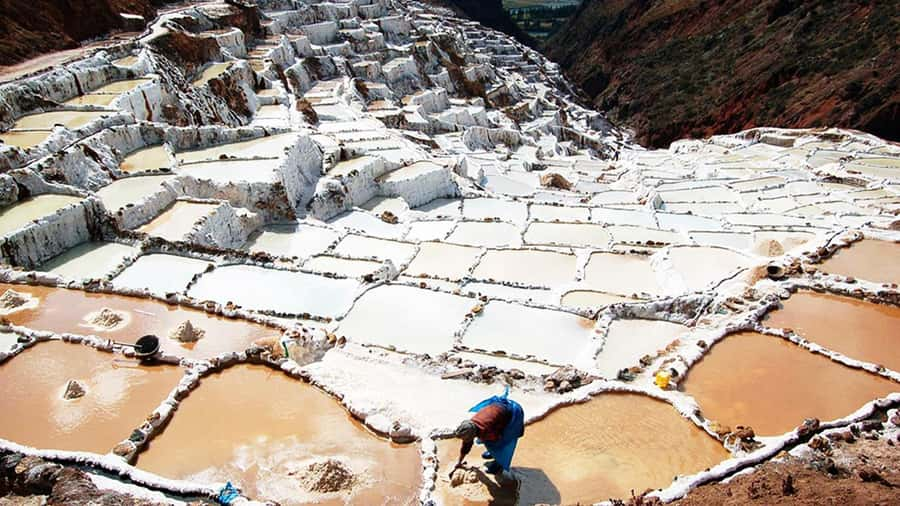
- Maras has about 3,800 salt-producing pools, fed by salty water from mountain springs.
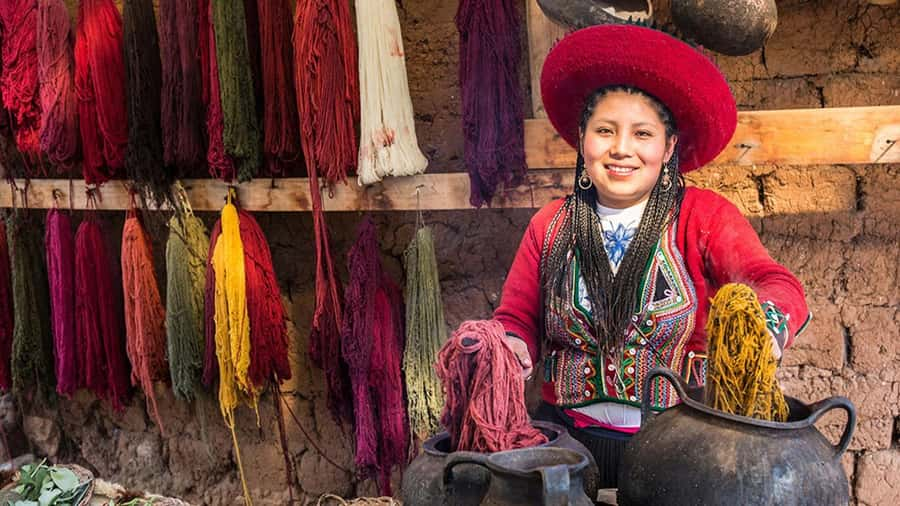
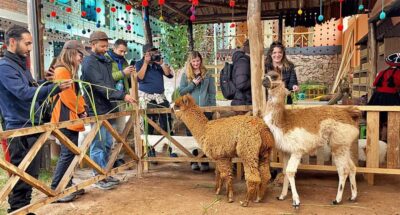
- Chinchero adds a living craft tradition, with alpaca and llama wool dyed using natural materials.
- The $18 price covers the basic outing, but entrance fees add $27 per person.
- The pace is manageable, with time at each main stop and no high physical effort required.
- Photo lovers should plan ahead, since the route passes viewpoints but does not promise dedicated stops at each one.
Why Moray and Maras make a strong half-day pairing
I like this outing because the sights complement each other. Moray is about farming, design, and the Inca effort to work with the high-altitude climate. Maras is about water, salt, family production, and a trade that still gives the area its character.
You leave Cusco at about 8:30 in the morning and return after roughly six hours. That timing works well if you want to keep your afternoon open for Cusco museums, markets, or a quiet rest after arriving at altitude.
The tour does not require intense exercise, but you are still visiting high-altitude sites with uneven ground and open-air paths. If you have just arrived in Cusco and feel the effects of altitude, take the morning slowly, drink water, and bring any personal medication you need.
More Maras salt pan and Moray trips:
- From Cusco: Sacred Valley & Maras Salt Mines Tour with Lunch
★ 4.8 · 2,227 reviews - From Cusco: Moray, Maras Salt Mines & Chinchero Weavers Tour
★ 4.8 · 1,925 reviews - Cusco: Sacred Valley, Pisac, Ollantaytambo, Salt Mines Moray
★ 4.6 · 1,058 reviews
Chinchero: textiles before the major ruins
The first stop is Chinchero, a town known for textile production passed down through generations since Inca times. At the textile center, you can see how wool from alpacas and llamas is prepared and colored with natural materials.
This is useful context for the rest of your visit. In the Andes, textiles are not just souvenirs. The process connects local craft with animals, plants, mineral colors, and older methods that remain part of daily production.
Expect this stop to focus on the textile process and the products made there. The published plan describes a visit to a textile center, but you should not count on a long period of free wandering around the town. If you prefer markets and independent exploring, this part may feel brief or sales-oriented.
Still, I find it worthwhile if you want to understand how local wool becomes colored yarn and finished goods. It also gives you a more human connection to the region before you reach the archaeological sites.
Bring cash if you think you may want to buy something. Cash is listed among the recommended items, and it is useful for entrance fees and small purchases. Food is not included, so a snack is a sensible addition.
Moray’s terraces and the Inca approach to farming
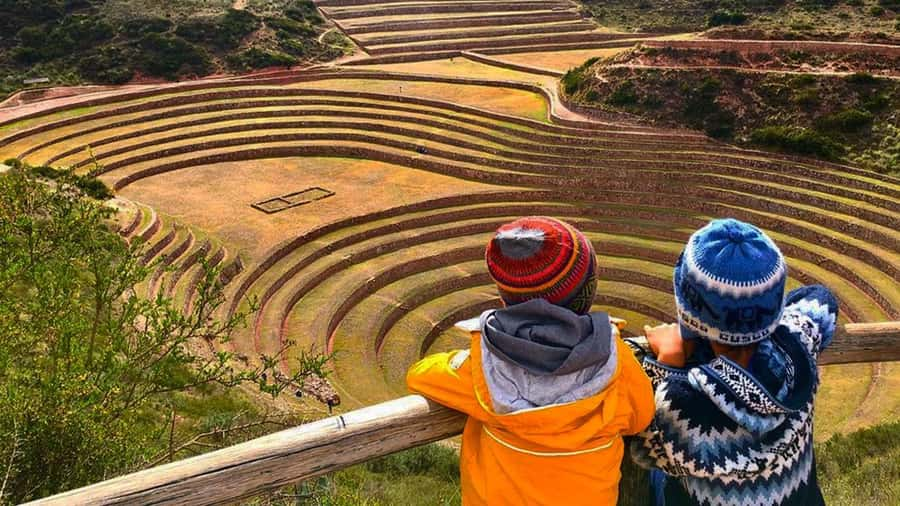
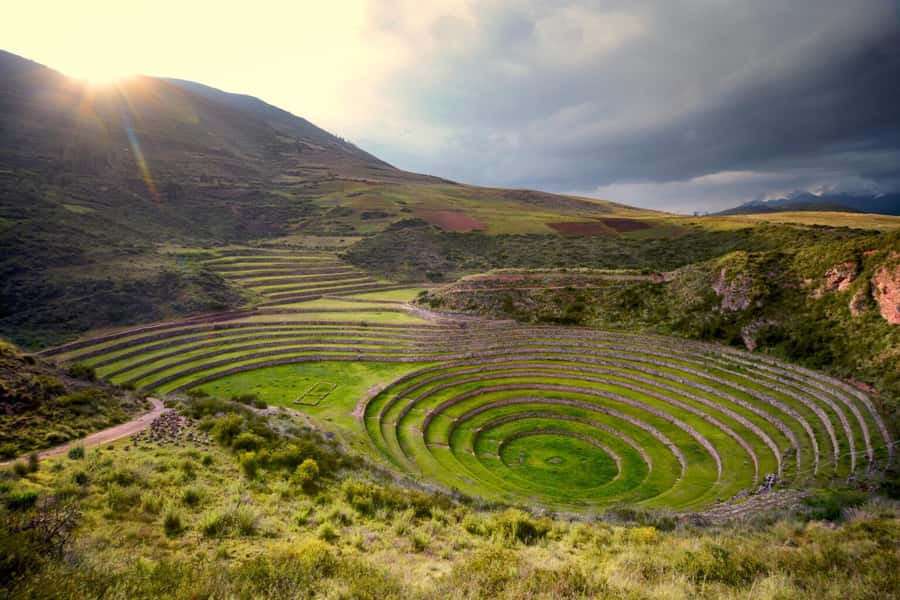
After Chinchero, the bus continues to the archaeological park of Moray. Here, wide circular terraces descend into the ground in a series of rings. They are the only circular platforms among the Inca constructions described on this route, which makes Moray feel very different from the long, straight agricultural terraces seen elsewhere around Cusco.
The terraces are linked with agricultural experimentation. The site is associated with testing and domesticating crops and varieties such as corn, potatoes, and olluco. You will hear how the Inca used the terraces to work with different growing conditions.
The shape is the main visual surprise. From above, the rings look carefully planned, almost like a giant stone bowl. From ground level, their scale becomes clearer as the walls rise around you. You can appreciate both the engineering and the practical problem the site addressed: how to grow useful crops in a challenging mountain environment.
The surrounding views add to the stop. Mountains and snow-capped peaks, known as apus or sacred mountain beings in Inca belief, frame the terraces. Have your camera ready, but keep in mind that the itinerary does not promise separate photo stops at every viewpoint along the road.
You should have enough time to look around, listen to the guide, and take pictures. One useful feature of this tour is its flexible pace at the main stops. Raul, the English-speaking guide named in the feedback, has allowed visitors who were taking many photos to continue walking while he explained the site in Spanish, then gave them a separate English explanation.
That kind of arrangement can help a bilingual group. It also means you may need to stay aware of where the guide is and when the English explanation begins. One English-speaking visitor found that Raul sometimes spoke quickly, especially on the first day at altitude. If your head feels heavy from Cusco’s elevation, ask him to slow down.
Maras salt pools: water, work, and a striking view
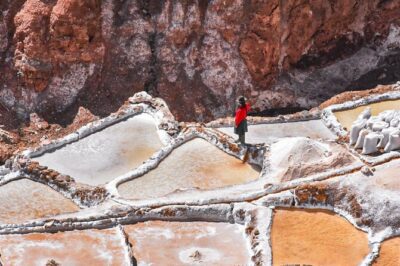
The final major stop is Maras, known for its salt mines. The pools are fed by salty water that comes from the mountains. As the water moves through the system and evaporates, salt collects in the many shallow pools.
The site includes approximately 3,800 salt-producing plots. Together they create a broad patchwork of pale pools on the mountainside, a sharp contrast to the dark rock and high mountain surroundings.
Maras is valuable because it is not only an archaeological stop. It shows a working form of local production tied to water, geography, and family labor. The salt is not simply an old relic to look at. The arrangement of the pools explains how a natural water source can support a long-running local industry at more than 3,000 meters above sea level.
Your guide can help explain how the water and salt extraction work. Take time to look across the full site rather than focusing only on the closest pools. The repeating shapes are what make the view memorable.
The route is not suitable for people with mobility impairments, so consider your comfort with walking and uneven surfaces before booking. The tour is described as requiring no high physical effort, but that does not mean every path is fully accessible.
A few more Sacred Valley days worth weighing up
- Cusco:Chinchero,Moray & Salt Mines drop-off in Ollantaytambo
★ 4.8 · 793 reviews - Sacred Valley: Chinchero, Moray, Ollantaytambo & Pisac+Lunch
★ 4.8 · 501 reviews - Sacred Valley: Maras & Moray by Quad Bike from Cusco
★ 4.6 · 418 reviews - Pisac Indian Market and Ollantaytambo Fortress with Lunch
★ 4.5 · 395 reviews
What the $18 price really covers
At $18 per person, the tour is reasonably priced for a six-hour trip that includes hotel pickup, tourist transport, and a professional guide in English and Spanish. The price is best understood as transportation and guiding, not as an all-inclusive admission package.
You must budget an additional $20 for the tourist ticket and $7 for entrance to Maras. That brings the stated total to $45 per person before food or personal purchases. Check the current fees when booking, since entrance charges can change.
Food is not included. The outing lasts half a day, and you can bring a snack and a bottle of water. This is an easy way to avoid being hungry between stops, especially if your hotel pickup is early.
The value is strongest if you want the convenience of transport between three locations and prefer a guide to explain the sites. It is less attractive if you already have private transport or want to set your own schedule at each stop.
The morning schedule and transport
Pickup is scheduled for about 8:30 a.m. from your hotel or accommodation. Wait at the hotel reception five minutes before the pickup time. The guide will call your name, so keep your phone available and listen for the guide in the reception area.
The tour uses tourist transport for the route from Cusco through Chinchero, Moray, and Maras before returning to the city. The six-hour length keeps the trip compact, though road time naturally takes up part of the morning.
One benefit of the set route is that you do not need to arrange separate taxis or negotiate several fares. You can focus on the sites rather than the connections. The tradeoff is less control over how long you stay and where the vehicle stops.
The route passes viewpoints, but there are no guaranteed photo stops at one or two of them. If scenic road photos matter to you, ask the guide early in the morning if a safe stop is possible. Do not assume every attractive view will become part of the schedule.
English guiding and the pace of the visit
The tour operates in English and Spanish, with a live guide rather than a recorded explanation. That matters at Moray and Maras, where the shapes alone do not explain how the sites were used.
Raul is specifically named as a guide who translated the explanations into clear English and adjusted his timing for people taking photographs. That is a useful detail for anyone who wants both instruction and freedom to walk around.
The one caution is speaking speed. English explanations may occasionally come quickly, and altitude can make it harder to concentrate during your first days in Cusco. Ask questions, request a slower explanation, and carry water.
The overall pace is designed for people who do not want a full-day excursion. You get enough time at each main stop without committing the entire day. For some people, that is the ideal balance. For others, especially photographers or independent explorers, the schedule may feel too fixed.
What to bring for Moray and Maras
Wear sports shoes with a secure sole. The tour is not described as physically demanding, but comfortable footwear is still important for walking around archaeological ground and the salt works.
Bring sunscreen and a camera. The open setting, high elevation, terraces, mountains, and salt pools create plenty of photo opportunities, even if the vehicle does not stop at every viewpoint.
Carry cash for entrance fees and possible purchases at the textile center. Also pack a snack and a bottle of water because the tour lasts half a day and food is not supplied.
Bring your passport or identification card and any personal medication. These are specifically listed among the recommended items, so do not leave them behind at your accommodation.
Who should book this Cusco excursion
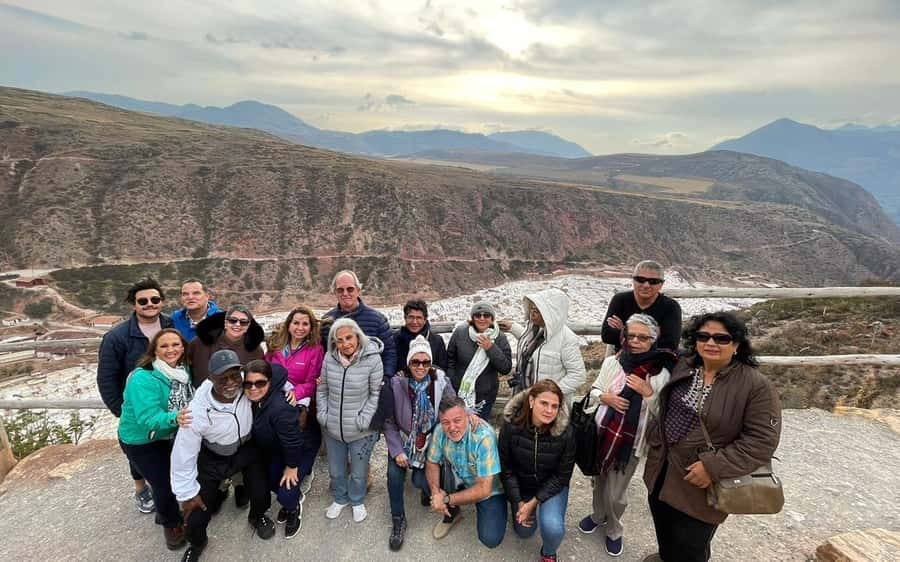
I would recommend this tour to you if you want to see Moray and Maras in one morning, prefer organized transport, and value a guide who can explain the practical purpose behind the sites. It also suits first-time visitors who want a manageable introduction to the Cusco Region beyond the city.
It is a good choice for people who want a shorter outing rather than a full-day trip. The schedule leaves room for other Cusco plans, and the physical effort is described as low.
You may want another option if you use a wheelchair or have a mobility impairment. You may also prefer private transport if you want long photo stops, independent time in Chinchero, or full control over the route.
Keep your expectations clear about Chinchero. The stop centers on textile production and wool coloring, not necessarily on free time to explore the town. That is valuable if you like traditional crafts, but less satisfying if you mainly want an extra village walk.
Should you book Maras and Moray?
Book it if you want two distinctive highland sights, a half-day schedule, and the convenience of hotel pickup for $18 before entrance fees. Moray gives you unusual circular terraces and an agricultural story, while Maras shows how mountain water becomes salt in thousands of small pools.
Add Chinchero if you appreciate Andean textiles and natural dyeing. Just budget $27 for the stated entrance charges, bring water and cash, and be ready for a guide-led pace.
If your first day in Cusco includes this trip, allow for altitude and ask the guide to slow down when needed. With that small bit of planning, the tour offers a practical, reasonably priced way to see three distinct sides of the Cusco Region.
FAQ
How long does the Maras Moray tour last?
The tour lasts approximately six hours, including the visits to Chinchero, Moray, and the Maras salt mines, followed by the return to Cusco.
What time does pickup take place?
Pickup is scheduled for approximately 8:30 a.m. from your hotel or accommodation. You should wait at the hotel reception five minutes before the scheduled time.
Is hotel pickup included?
Yes. Hotel or accommodation pickup is included, along with tourist transport and a professional English- and Spanish-speaking guide.
Is the guide available in English?
Yes. The tour offers live guiding in English and Spanish. Guide Raul has provided English explanations during the visit.
Are entrance fees included in the tour price?
No. The stated additional fees are $20 for the tourist ticket and $7 for entrance to Maras.
Is food included?
No. Food is not included. You can bring a snack and a bottle of water for the half-day outing.
Does the tour require strenuous exercise?
The tour does not require high physical effort. However, it is not suitable for people with mobility impairments.
What should I bring?
Bring a camera, sports shoes, cash, sunscreen, your passport or identification card, personal medication, a snack, and water.
Can I cancel the booking for a refund?
Yes. You can cancel up to 24 hours in advance for a full refund. The tour also offers a reserve-now-and-pay-later option.
Just added around Sacred Valley
- Zipline over the Sacred Valley Trip★ 5.0 · 11 reviews
- Visit Pisac from Cusco: Private Transport★ 4.6 · 9 reviews
- Maras and Huaypo lagoon by ATV from Cuzco | Local Operator★ 4.7 · 4 reviews
- Transfer from Cusco to Ollantaytambo★ 5.0 · 30 reviews
- Sacred Valley VIP Tour with Maras and Moray from Cusco★ 4.5 · 35 reviews
- Sacred Valley Private Tour, Moray & Salt Mines Incluided★ 5.0 · 41 reviews
- Salt Mines(Maras),Moray and Chincheros★ 5.0 · 41 reviews
- Excursion to Sacred Valley of the Incas tour – Private service.★ 5.0 · 35 reviews
Maras & Moray Tours, compared.
Sacred Valley & Maras Salt Mines Tour with Lunch
Read our review →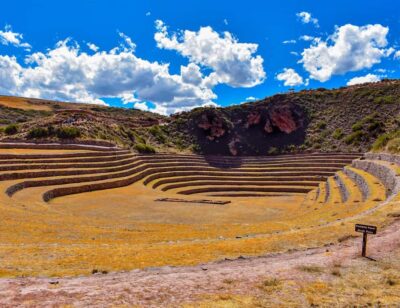
Moray, Maras Salt Mines & Chinchero Weavers Tour
Read our review →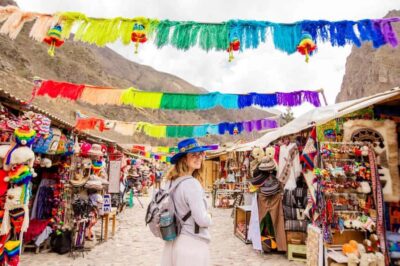
Sacred Valley, Pisac, Ollantaytambo, Salt Mines Moray
Read our review →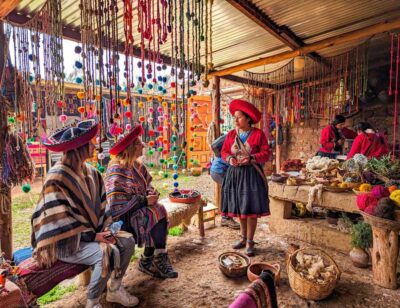
Chinchero,Moray & Salt Mines drop-off in Ollantaytambo
Read our review →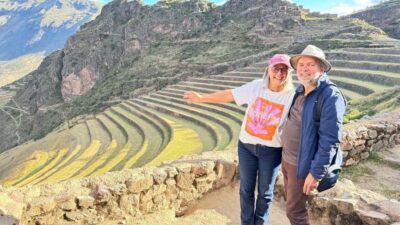

Moray, Maras Salt Mines & Chinchero Weavers Half-Day
Read our review →Browse the lists this tour appears in