
Reviewed · MARAS & MORAY TOURS
From Cuzco: Sacred Valley, Moray Terraces, and Salt Mines
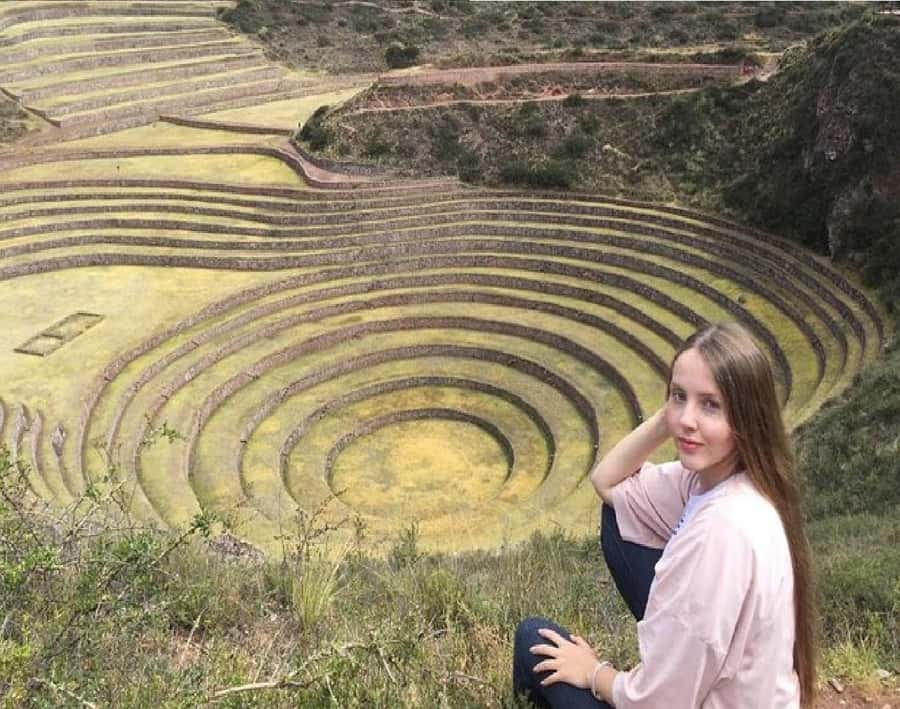
Moray’s great circular terraces are the star here. Cut into a high Andean basin, they look almost like a giant amphitheater, yet they were built for farming. I like that this outing pairs Moray’s unusual design with the Maras salt pools, where dozens of small ponds still collect mineral-rich water. You get two very different examples of Inca-era ingenuity in one trip.
I also like the choice of formats. The half-day trip keeps the focus on Moray and Maras, while the longer route adds Chinchero, Urubamba, Ollantaytambo, and Pisac. The main drawback is the road time and early start. One booking had a pickup an hour late, and another guest found the driving uncomfortably rough, so clear timing and transport expectations matter.
Key points to know before booking
- Moray is the main event: Spend about 50 minutes seeing the circular agricultural terraces with a guide and free time for photos.
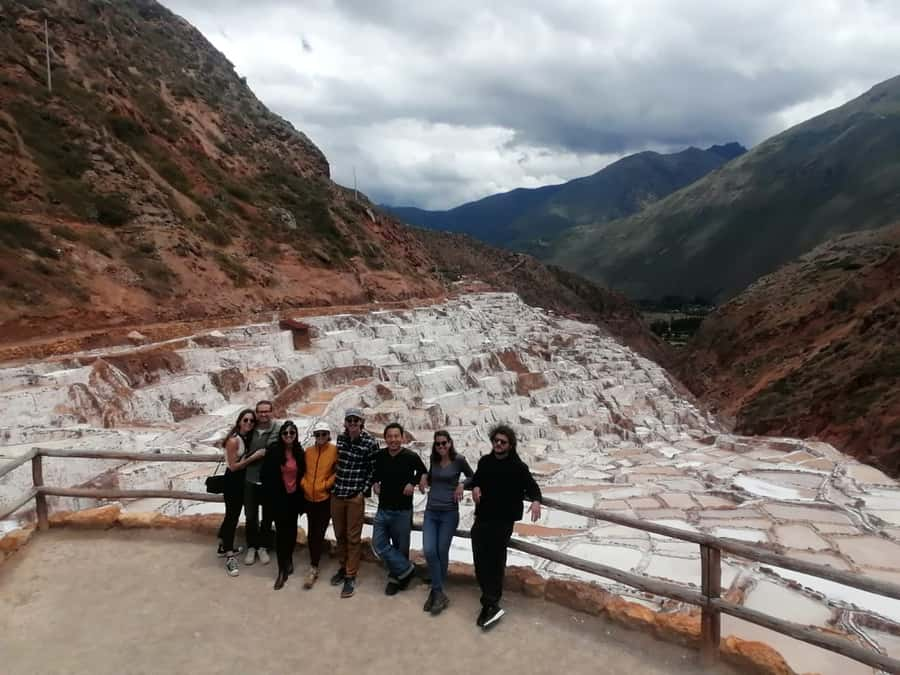
- Maras adds a completely different view: The salt pools spread across the hillside in small white and tan patches.
- The full-day route covers a lot: Chinchero, Moray, Maras, Urubamba, Ollantaytambo, and Pisac can mean roughly 12 hours on the road.
- The $25 price is only part of the cost: Moray’s tourist ticket, the Maras entrance fee, and food are not included.
- Hotel pickup is included: Pickup is offered from many Cusco hotels and central locations, with drop-off on Calle Plateros or Calle Saphy.
- This is best for mobile visitors: Uneven archaeological sites, stairs, and a long day make it unsuitable for people with mobility impairments.
Why Moray deserves a place on your Cusco schedule
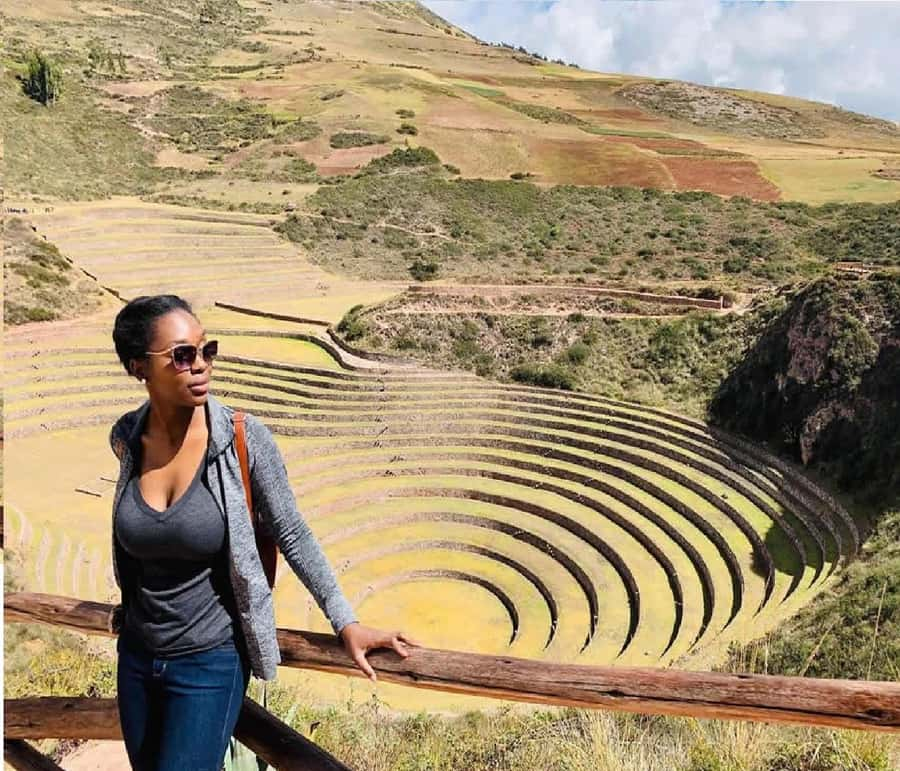
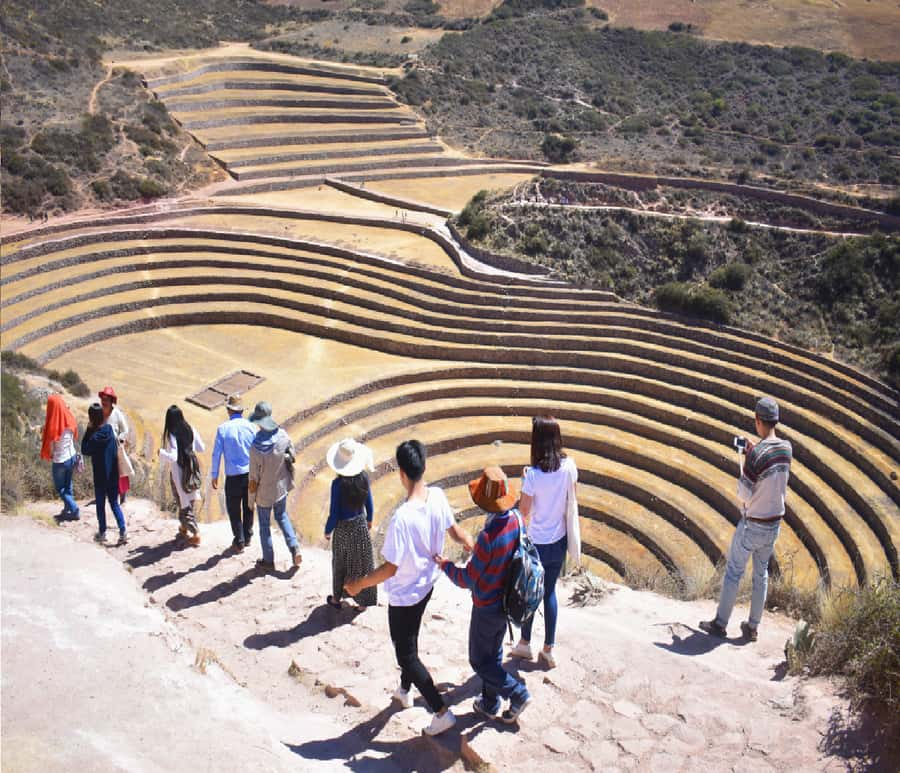
Moray does not look like a standard ruin. Instead of walls, temples, or carved stonework, you see several enormous circular depressions ringed by terraces. The rings step down toward the center, creating a strange, ordered pattern in the earth.
Your guide explains how the Incas used the different terrace levels for agriculture. The changing heights and conditions may have helped them test crops suited to different parts of the Andes. The exact purpose of Moray is still discussed, but the site clearly shows careful planning and practical engineering.
I like this stop because it rewards both the curious history buff and the person who simply wants striking photographs. The circular form is easy to grasp even if you are not an archaeology expert. At the same time, the guide gives the place more meaning than a quick photo stop would.
You get about 50 minutes at Moray for a guided visit, photos, and free time. That is enough to see the main terraces, but not enough for a slow, extended exploration. Wear shoes with a firm sole, since this is an outdoor archaeological site rather than a paved museum.
The altitude also matters. Cusco and the nearby Sacred Valley sit high in the Andes, and the early start can make the first hours feel tiring. Bring water, wear breathable clothing, and take your time on any uphill paths.
More Maras salt pan and Moray trips:
- From Cusco: Sacred Valley & Maras Salt Mines Tour with Lunch
★ 4.8 · 2,227 reviews - From Cusco: Moray, Maras Salt Mines & Chinchero Weavers Tour
★ 4.8 · 1,925 reviews - Cusco: Sacred Valley, Pisac, Ollantaytambo, Salt Mines Moray
★ 4.6 · 1,058 reviews
Maras salt pools: Andean industry in miniature
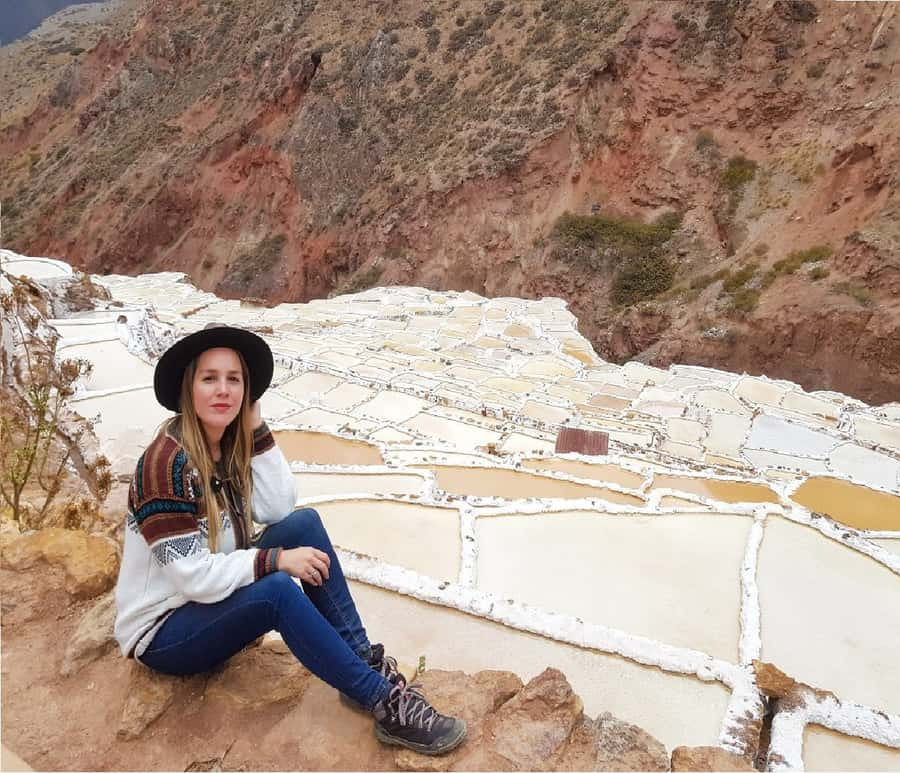
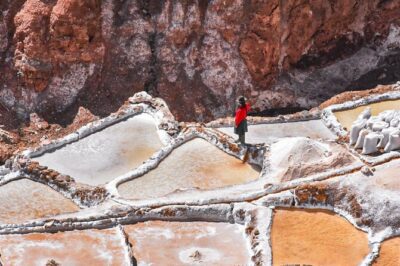
The Maras salt mines sit near the town of Maras and look very different from Moray. Here, hundreds of small pools cover the side of the mountain. Salt water flows through the system, and evaporation leaves salt behind for collection.
The effect is especially striking from above. The pools form a patchwork of pale whites, creams, and earthy browns, with the surrounding mountains adding scale. The color and appearance can vary with the season and the amount of water in each pool, so you should treat this as a working site, not a polished attraction designed only for photographs.
The guided visit lasts about 50 minutes. Your guide explains the history of salt production and helps connect the small pools to the wider story of Andean trade and daily life. You will also have time to stop for pictures.
There is an important cost detail here. The supplied information gives two different figures for the Maras entrance fee, 20 soles in one place and 10 soles in another. Ask your provider for the current amount before departure. Carry cash, since the fee is not part of the advertised tour price.
Moray also requires a separate tourist ticket listed at 70 soles. That extra charge makes the $25 starting price less than the final cost. The tour can still be good value if you want transport and a bilingual guide, but you should add the entrance fees before comparing it with other outings.
The half-day option keeps the focus sharp
The shorter option begins with hotel pickup around 7:40 a.m., with general instructions asking you to wait between 7:30 and 8:00 a.m. You travel from Cusco through the Urubamba Valley, passing Andean scenery and snow-capped peaks on the route toward Moray.
This format visits Moray first, then continues to Maras. It is the simplest choice if you have limited time in Cusco or want to keep your afternoon open. You see the two main sites without adding several more archaeological complexes to the day.
I would choose this version if Moray and the salt pools are your priorities. It gives you a clear theme: Inca farming, Andean engineering, and salt production. You also avoid the very long circuit that includes Pisac and Ollantaytambo.
The tradeoff is that you do not visit Chinchero, Urubamba, Ollantaytambo, or Pisac. If this is your only Sacred Valley outing, the shorter trip will feel selective rather than complete. That is not a flaw, but you should book it knowing exactly what it leaves out.
Pickup is offered from a long list of Cusco hotels and central locations, including places near the Plaza de Armas, San Blas, Wanchaq, and the historic center. The return points are Calle Plateros and Calle Saphy. Check your exact pickup point carefully, especially if your accommodation is outside the listed area.
The full-day Sacred Valley route covers six major stops
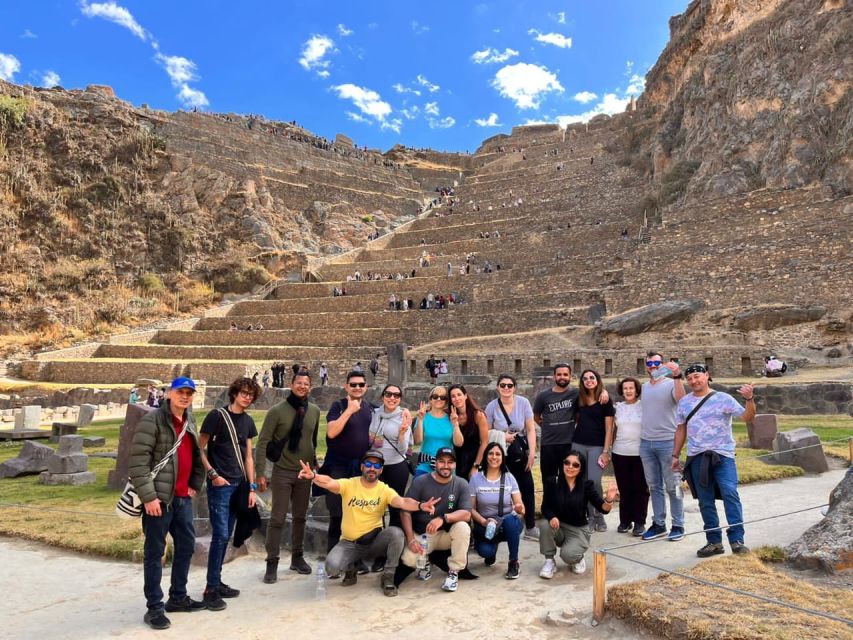
The longer option starts earlier, generally between 6:35 and 6:55 a.m. It finishes around 7:00 p.m., with transport leaving you on Plateros Street near the Plaza de Armas. This is a full day, not a relaxed morning excursion.
The route includes:
- Chinchero
- Moray
- Maras salt mines
- Urubamba
- Ollantaytambo
- Pisac
Each stop offers something different, but the number of visits means you will spend a fair amount of time in the vehicle. I would pick this option if you want to cover as much of the Sacred Valley as possible in one day and have enough energy for a long schedule.
A few more Sacred Valley days worth weighing up
- Cusco:Chinchero,Moray & Salt Mines drop-off in Ollantaytambo
★ 4.8 · 793 reviews - Sacred Valley: Chinchero, Moray, Ollantaytambo & Pisac+Lunch
★ 4.8 · 501 reviews - Sacred Valley: Maras & Moray by Quad Bike from Cusco
★ 4.6 · 418 reviews - Pisac Indian Market and Ollantaytambo Fortress with Lunch
★ 4.5 · 395 reviews
Chinchero and its Inca wall
The first stop is Chinchero, known here for the remains of the royal estate associated with Túpac Inca Yupanqui. You see a well-preserved Inca wall near the main square and hear about the site’s place in the imperial system.
Chinchero gives the full route a useful opening. Before you reach Moray’s agricultural terraces, you see the stonework and urban setting of an Inca center. It also helps you understand that the Sacred Valley was not just a scenic farming area. It was organized, defended, and closely tied to royal power.
Urubamba and the included lunch
After Moray and Maras, the full-day route continues to Urubamba for lunch. The meal includes more than 30 varieties of typical dishes, according to the tour details. Food is not included on the shorter option, so this lunch is a specific benefit of booking the full-day version.
The schedule does not identify the restaurant or list every dish, so you should not assume a particular menu. Still, the meal break gives you a chance to rest after several outdoor stops and prepare for the afternoon sites.
Ollantaytambo and its defensive position
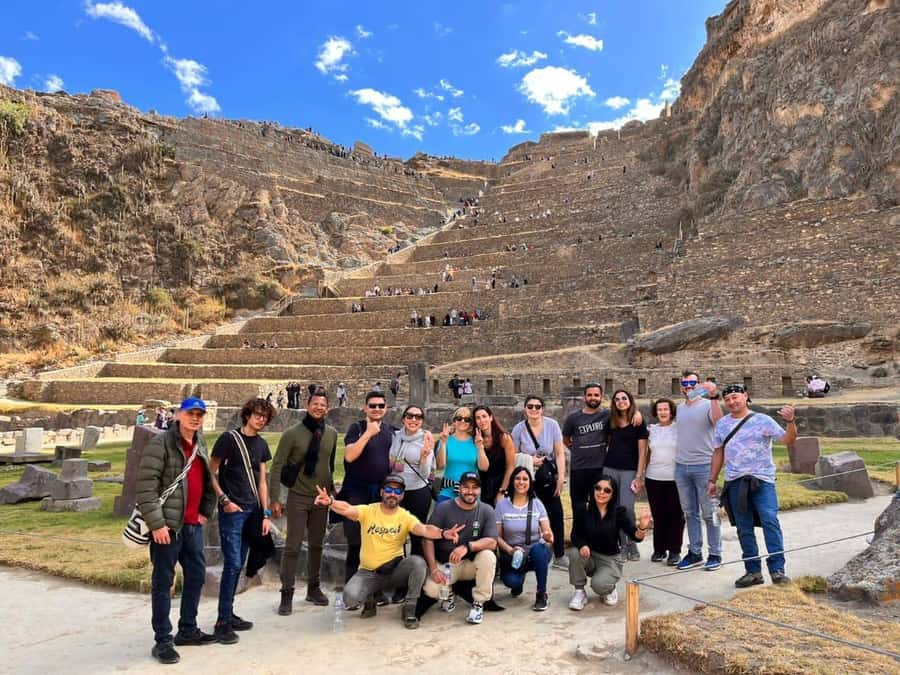
Ollantaytambo was built to guard the entrance to this part of the valley and protect it from possible attacks from the jungle region. The route includes time to walk through the small streets of the town, which helps you see how the settlement connects to the archaeological complex.
This is one of the most substantial stops on the full route. The site combines military, religious, and cultural roles, so it adds more depth than a simple scenic viewpoint. You can expect stone terraces, large construction, and a town layout that still reflects its Inca past.
The drawback is time. After an early start and visits to Chinchero, Moray, and Maras, Ollantaytambo may arrive when you are already tired. Comfortable shoes and a steady pace will make a real difference.
Pisac and its hillside ruins
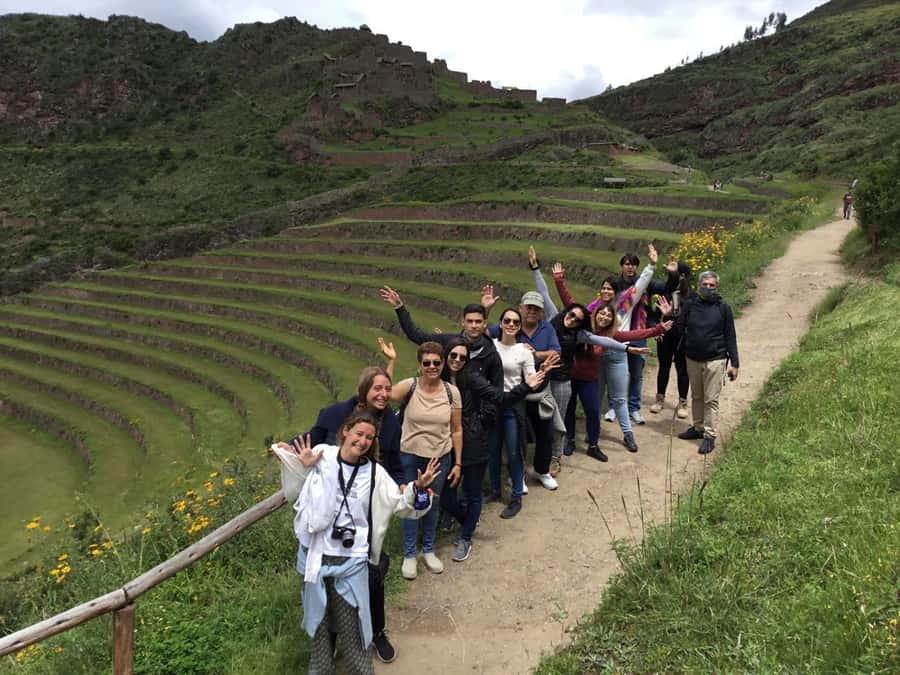
Pisac is the last major stop. Its archaeological complex includes groups of terraces and buildings scattered along the slopes and summit of the mountain. The site is known for combining dramatic scenery with carefully finished stonework.
Pisac gives the day a strong final view of how the Incas shaped steep mountain terrain. The terraces are not only impressive to look at. They show how farming, defense, settlement, and religious life could occupy one carefully planned area.
The full route finishes in Cusco around 7:00 p.m. You will have seen a great deal, but this is not the right schedule if you prefer lingering at one place. The short visits and long transfers are the price of covering so much ground.
Transport and guide quality can shape the day
The tour includes shared round-trip transportation and a professional bilingual guide in English or Spanish. Private and small-group formats are also available, which may be worth considering if you want a quieter day or more control over photo stops.
The information does not provide guide names, so you should not book expecting a particular person. Guide quality can vary, and language balance may matter. One booking found that Spanish was used more often because most people in that group spoke Spanish. If you need detailed English explanations, confirm the language arrangement before departure.
The driving deserves attention too. The route includes mountain roads and several valley transfers. One booking reported a very late pickup, while another described the driving as rough enough to cause discomfort. These are isolated experiences rather than a complete picture of every departure, but they are useful warnings.
I would confirm the pickup time and wait at your hotel from 7:30 to 8:00 a.m. for the half-day departure. Keep your phone available in case the provider needs to contact you. If you are prone to motion sickness, bring whatever usually helps you, though the tour details do not specify whether this is provided.
The flexible private option may suit photographers
A third format allows an agreed pickup time and a visit to Moray and the Maras salt mines with a guide. The description also says you can stop at places you want for photographs and personal memories.
That flexibility matters if you care more about taking your time than checking off every Sacred Valley site. It may also suit private groups, couples, or families who do not want to follow a fixed shared schedule.
The details are less specific than for the first two options. Confirm the exact departure time, length, vehicle arrangement, entrance fees, and final drop-off before paying. The flexible wording should not be treated as unlimited time or a promise to visit sites beyond Moray and Maras.
What the $25 price really buys you
At $25 per person, the tour offers a low-cost way to arrange transport from Cusco and receive guiding at two major sites. That can be useful if you do not want to organize a taxi, driver, or separate entrance arrangements yourself.
The headline price does not include the Moray tourist ticket, the Maras entrance fee, or food and drinks. With Moray listed at 70 soles and Maras listed at either 10 or 20 soles in the supplied details, your real cost will be higher. The full-day option includes lunch in Urubamba, but the shorter trip does not.
The value is strongest when you want convenience and a basic introduction to the sites. It is less attractive if you want long visits, detailed specialist interpretation, or a guaranteed private vehicle. A private or small-group option may cost more, but it could reduce the problems caused by a large group and a tight schedule.
The overall rating is 4.6 from 11 bookings, with especially strong praise for the Moray terraces and salt mines and for professional guiding on a highly enjoyable, if tiring, day. I would keep those positive points in mind while also treating the late pickup and rough-driving report seriously.
Practical details for a smoother visit
Bring your passport or another accepted identity document, comfortable shoes, breathable clothing, and cash. You will need cash for entrance fees and any food or drinks not covered by your chosen option.
Bikes, alcohol, and drugs are not allowed. The activity is not suitable for people with mobility impairments, and it is not recommended for people over 95.
The tour offers free cancellation up to 24 hours before departure and allows you to reserve now and pay later. Those policies help if your Cusco schedule depends on weather, altitude adjustment, or a changing Machu Picchu plan.
I would also avoid overpacking. You will move between several stops, walk around archaeological sites, and return to Cusco late on the full-day route. A small day bag with water, sun protection, and cash is more useful than a heavy pack.
Should you book this Moray and Maras tour?
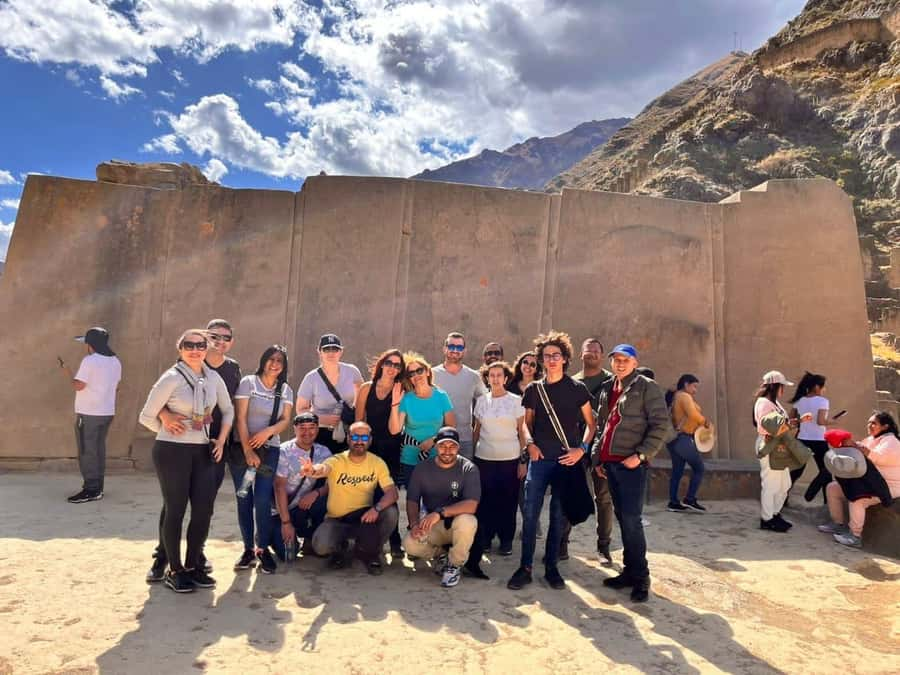
Book it if you want an affordable, guided visit to Moray and Maras without arranging transport yourself. The half-day version is the better fit for most people who want these two sites and still need time in Cusco.
Choose the full-day route if this is your main Sacred Valley day and you want Chinchero, Ollantaytambo, and Pisac as well. You will see more, but you must accept an early pickup, a long return, shared transport, and short visits at several major places.
I would choose the flexible or private format if photo stops and a slower pace matter more than the lowest price. Before booking, confirm the pickup time, language, current Maras fee, Moray ticket, and vehicle arrangements. With those details clear, this is a practical way to see two memorable examples of Andean engineering, with the option to add the Sacred Valley’s best-known archaeological centers.
FAQ
How long does the tour last?
The activity can last from 6 to 12 hours, depending on the option you choose. The half-day route visits Moray and Maras, while the full-day Sacred Valley route begins early and finishes around 7:00 p.m.
What time is hotel pickup?
For the half-day route, you should wait at your hotel from 7:30 to 8:00 a.m., with pickup listed around 7:40 a.m. The full-day option gives an earlier pickup window of about 6:35 to 6:55 a.m.
What places are included in the full-day option?
The full-day route visits Chinchero, Moray, the Maras salt mines, Urubamba, Ollantaytambo, and Pisac before returning to Cusco.
Is lunch included?
Lunch in Urubamba is included only with the full-day Sacred Valley option. Food and drinks are not included in the shorter trip.
Are entrance fees included?
No. The Moray tourist ticket and the Maras salt mine entrance fee are paid separately. The supplied details list the Moray ticket at 70 soles and the Maras fee at either 10 or 20 soles, so confirm the current amount before departure.
Is hotel pickup included?
Yes. Pickup is available from many listed hotels and central Cusco locations. Drop-off is provided at Calle Plateros or Calle Saphy.
What languages are available?
The tour offers live guiding in English and Spanish. Private and small-group options are also available.
What should I bring?
Bring your passport or ID card, comfortable shoes, breathable clothing, and cash. Cash is useful for entrance fees, food, and drinks.
Just added around Sacred Valley
- Zipline over the Sacred Valley Trip★ 5.0 · 11 reviews
- Visit Pisac from Cusco: Private Transport★ 4.6 · 9 reviews
- Maras and Huaypo lagoon by ATV from Cuzco | Local Operator★ 4.7 · 4 reviews
- Transfer from Cusco to Ollantaytambo★ 5.0 · 30 reviews
- Sacred Valley VIP Tour with Maras and Moray from Cusco★ 4.5 · 35 reviews
- Sacred Valley Private Tour, Moray & Salt Mines Incluided★ 5.0 · 41 reviews
- Salt Mines(Maras),Moray and Chincheros★ 5.0 · 41 reviews
- Excursion to Sacred Valley of the Incas tour – Private service.★ 5.0 · 35 reviews
Maras & Moray Tours, compared.
Sacred Valley & Maras Salt Mines Tour with Lunch
Read our review →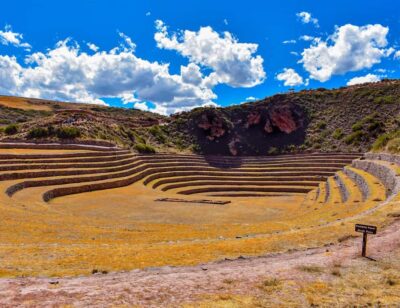
Moray, Maras Salt Mines & Chinchero Weavers Tour
Read our review →
Sacred Valley, Pisac, Ollantaytambo, Salt Mines Moray
Read our review →
Chinchero,Moray & Salt Mines drop-off in Ollantaytambo
Read our review →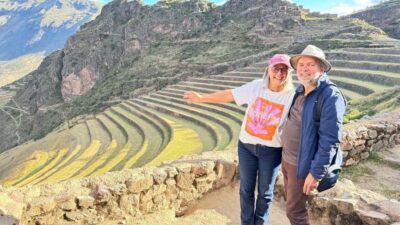

Moray, Maras Salt Mines & Chinchero Weavers Half-Day
Read our review →Browse the lists this tour appears in