
Reviewed · FOOD & DRINK
Food and Culture Full day Tour in the Sacred Valley
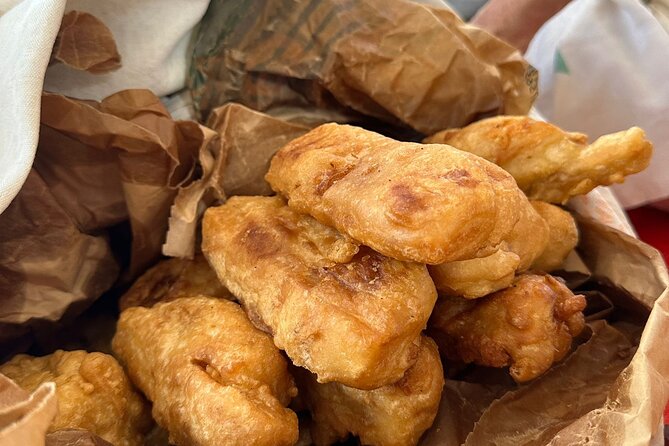
The best part of this Sacred Valley day is that food is the doorway into local life. You begin with market bites in Urubamba, drink Chicha in an old-style Chicheria at Ollantaytambo, and finish with a festive meal in the Huilloc community.
I like the small-group limit of 15 and the chance to spend real time with an Indigenous family, not just stop for a quick photo. I also like the care Liat brings to the day, especially for anyone nervous about trying unfamiliar foods.
The main drawback is logistics: the tour starts in Urubamba at 9 a.m., not Cusco, and transport from Cusco costs extra. The Ollantaytambo archaeological entrance is also not included, so budget for that separately if you want to enter the site.
Key points at a glance
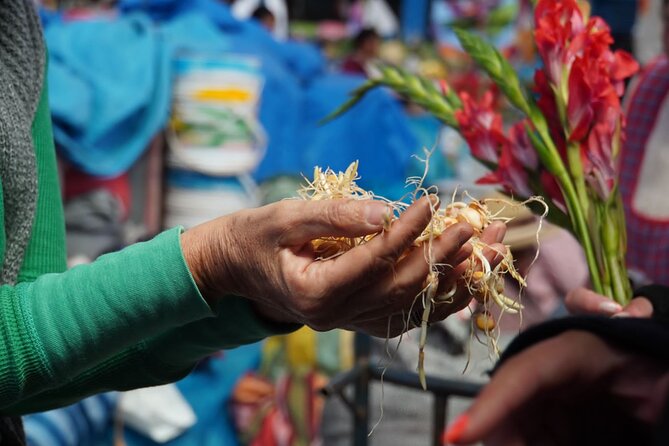
- Urubamba market tasting: Start with breakfast-style street food, market flavors, snacks, and local stories in the Sacred Valley’s main town.
- Ollantaytambo Chicheria visit: Explore the old Inca town, then try Chicha, a traditional Peruvian corn drink, in an authentic local setting.
- Huilloc family lunch: Spend four hours meeting an Indigenous family, learning about daily life and traditional crafts, and sharing a festive meal.
- Liat’s personal guiding style: Expect an English-speaking guide who is warm, energetic, attentive, and willing to help you try foods outside your comfort zone.
- A full day at altitude: The experience lasts about 10 hours and includes mountain roads, food stops, cultural visits, and plenty of sitting down to eat.
- Good value for food-focused visitors: The $200 price includes breakfast tastings, snacks, lunch, dessert, guide service, and transport during the tour, but not Cusco pickup or the Ollantaytambo entrance fee.
Why this Sacred Valley food tour feels different
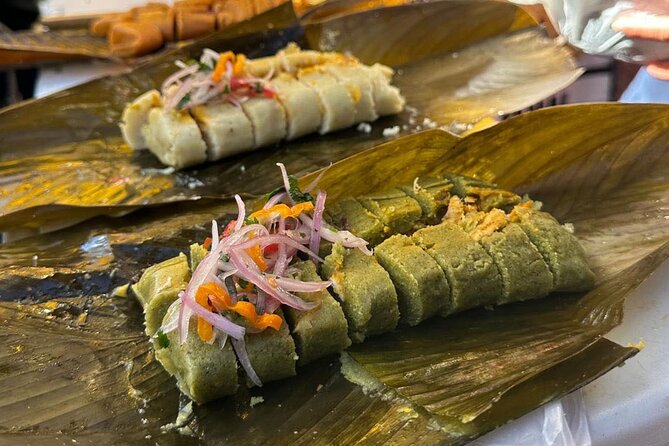
Many Sacred Valley outings move from one famous viewpoint to the next. This one uses food to slow the day down. You see towns and mountains, but the focus is on what people eat, how they prepare it, and the family and community ties around it.
That makes the experience a good choice if you want more than a standard sightseeing loop. You will still visit two of the valley’s best-known towns, but the strongest moments are likely to come from the market, the Chicheria, and the long visit with a family in Huilloc.
The guide, Liat, is central to the experience. The supplied feedback repeatedly points to her warmth, humor, energy, and close attention to each person in the group. I would especially value that if you are cautious about street food or unsure how to approach a new cultural setting. Her role is not simply to name dishes. She helps you understand what you are eating and gives you the confidence to try it.
The tone also appears personal rather than formal. Several comments describe the experience as much more than a food tour, with an emphasis on connection, kindness, and learning about Peruvian life. That does not mean the day is quiet or academic. It sounds social, generous, and food-heavy.
More Food Tours in Sacred Valley:
- Lima: Ultimate Peruvian Food Tour
★ 4.9 · 700 reviews - Lima: Historic Center Street Food, Market, and Eateries Tour
★ 4.9 · 216 reviews - Experience Lima: Taste 12 Snacks and Visit Top Monuments
★ 5.0 · 138 reviews
Urubamba market: three hours of local tasting
The day starts at 9 a.m. at Tienda Ampay, near Avenida Ferrocarril in Urubamba. From there, you spend about three hours around the market area and main square of the town.
Urubamba is the main town of the Sacred Valley, so this is a useful place to begin. Rather than meeting at a hotel dining room, you start in an ordinary local setting, where the food is part of daily life. The included breakfast tastings cover street food in the market area, with additional snacks and local tastes during the morning.
The exact dishes are not specified, so you should expect variety rather than a fixed restaurant menu. That is part of the appeal. You might find unfamiliar flavors, ingredients, or textures, and Liat can help explain what you are trying. If you have allergies or strong food sensitivities, speak with her at the beginning of the tour.
Three hours is a generous amount of time for this first stop. You are not being rushed through one stand before piling back into the vehicle. The pace leaves room for tasting, questions, walking around the town, and getting a feel for how Urubamba functions.
I would not choose this tour if you want a polished culinary class or a carefully plated restaurant meal. The appeal is more direct and local. You eat in the market area, hear explanations, and let the morning unfold around ordinary town life.
Ollantaytambo and the Peruvian drink called Chicha
The next stop lasts about two hours in Ollantaytambo, one of the Sacred Valley’s most memorable towns. The plan includes a walk through the old city and a visit to an authentic Chicheria.
Chicha is a traditional Peruvian drink, commonly associated with corn and long-standing local customs. Here, the drink is not treated as a museum object. You try it in a Chicheria, a place connected to local drinking culture and community life.
This stop adds useful balance to the morning. Urubamba brings market food, while Ollantaytambo adds architecture, streets, and a drink with cultural meaning. The tour gives you enough time to see the old city rather than simply photograph the town from a roadside stop.
The entrance to the Ollantaytambo archaeological site is not included. That matters because the town and the archaeological complex are related but not identical experiences. If entering the ruins is important to you, ask about the extra ticket and budget for it. If your priority is food and local culture, the included old-city visit and Chicheria may already be the part you want.
Ollantaytambo can also be a busy stop on a Sacred Valley route, so this is not a private discovery of an unknown village. The more distinctive part of this tour is the way the town visit is tied to Chicha and conversation, rather than treated as a quick monument stop.
The mountain road to Huilloc
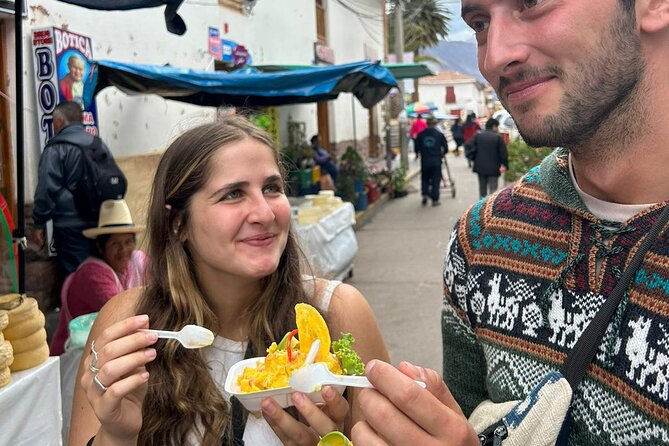
After Ollantaytambo, the vehicle climbs into the Andes toward the Huilloc community. This portion takes you away from the valley towns and into a higher mountain setting.
The drive is part of the experience, though it may not suit anyone who dislikes long vehicle rides or winding mountain roads. The tour uses an air-conditioned vehicle, with the exact vehicle depending on group size. The group can have up to 15 people, so you should expect a shared outing rather than a private car and completely flexible schedule.
Huilloc receives about four hours, the longest stop of the day. That is significant. You are not simply stopping to look at a family’s crafts before moving on. The schedule allows time to meet family members, hear about their way of life, learn about traditional crafts, and sit down for a festive lunch.
The information provided does not specify the family’s names, the precise menu, or the craft techniques. I would treat that as a good reason to arrive with an open mind instead of expecting a particular dish or demonstration. The central value is the time spent with the family and the chance to ask questions through the guide.
A few more Sacred Valley days worth weighing up
- Full-Day Excursion to Sacred Valley, Pisac and Ollantaytambo from Cusco
★ 4.5 · 174 reviews - Sacred Valley Full-Day Private Tour from Urubamba & Ollantaytambo
★ 5.0 · 112 reviews - Excursion to Sacred Valley Full Day & Buffet Lunch |Group Tour|
★ 5.0 · 81 reviews - Cusco: Full-Day Sacred Valley and Maras Tour
★ 4.5 · 79 reviews
A festive lunch with an Indigenous family
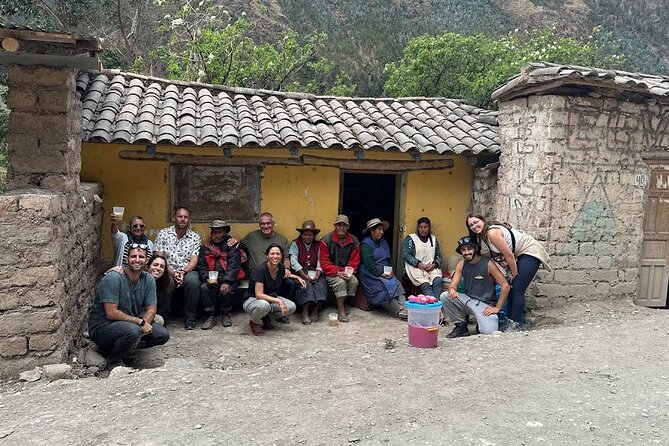
Lunch is included and described as a traditional festive meal with an Indigenous Peruvian family. This is likely the emotional center of the day, especially if you want a cultural exchange rather than a succession of commercial attractions.
A family meal carries a different feeling from eating in a tourist restaurant. You get a direct look at hospitality, food customs, and the social importance of sharing a table. You also have the chance to connect the ingredients and cooking styles from the Urubamba market with the people and traditions of the high Andes.
The food is generous. The feedback about the experience repeatedly points to large servings and an open invitation to ask for more. That is useful to know if you enjoy tasting many things, but it may feel like a lot if you prefer light meals. Breakfast tastings, snacks, lunch, and dessert make this a food-centered day from start to finish.
Liat’s style appears particularly helpful here. The comments describe her as caring and attentive, with a way of making people feel comfortable quickly. That can matter in a family setting, where respectful behavior and curiosity are more important than trying to act like an expert.
I would encourage you to ask questions, but also to listen carefully. The visit is not only about collecting photos or checking off a community stop. The value comes from learning how the family lives and works, and from treating the meal as an exchange rather than a performance.
Returning to Urubamba for dessert
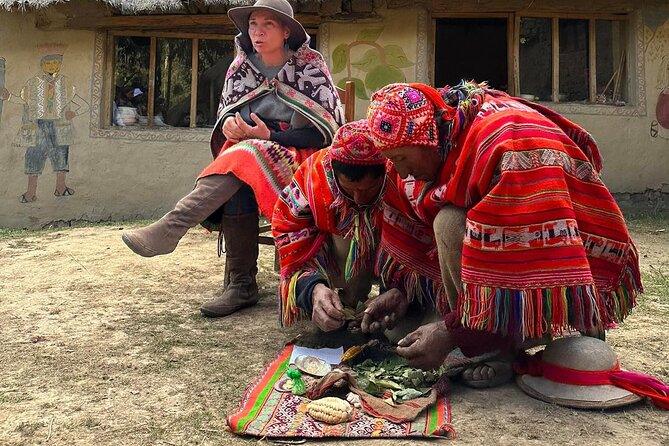
The final stop returns you to Urubamba for a local dessert. This lasts about one hour and gives the day a relaxed ending before you return to the original meeting point.
I like this design. After a long mountain visit and a substantial lunch, ending with something sweet creates a clear finish instead of dropping you back at the start without a final taste. It also gives you one more chance to ask Liat about foods you tried earlier in the day.
The exact dessert is not listed, so do not book this expecting a particular pastry or recipe. Think of it as a final local treat and a chance to wind down.
The activity ends back at Tienda Ampay. If you have a separate afternoon plan, allow for the full 10-hour duration and some flexibility. This is not a short morning excursion that leaves you free by lunchtime.
Is $200 a fair price?
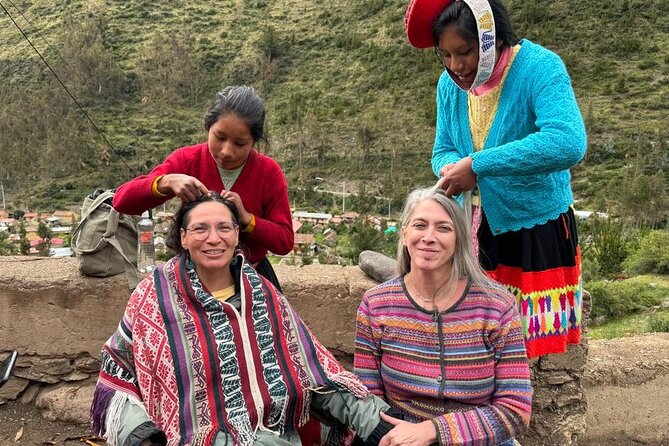
At $200 per person, this is not the cheapest way to see the Sacred Valley. The price makes more sense when you count what is included: breakfast tastings, snacks, a traditional family lunch, a local dessert, an English-speaking guide, and air-conditioned transport during the experience.
You are also paying for access and context. A market visit on your own can be inexpensive, but you may not know what to order, how foods are used, or how to ask questions. The Huilloc visit is harder to arrange independently, and the guide helps connect the family, the food, the crafts, and the wider culture.
The price is easiest to justify if you care deeply about food and personal contact. It is less attractive if your main aim is to visit archaeological sites. The Ollantaytambo entrance fee is extra, and transport from Cusco is also extra, so compare the final cost with your budget before booking.
For a group of up to 15, the experience is shared. That keeps the price below what a private day would normally cost, but it also means you will not control every stop or conversation. If you want a more intimate outing, check whether a private option is available before paying.
Who should book this experience?
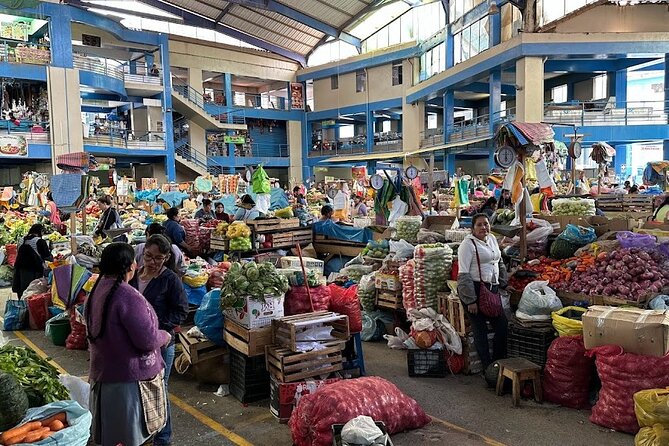
I would recommend it most strongly to people who want to taste unfamiliar food, ask questions, and spend time with local people. It suits couples, families, solo visitors, and small groups who value conversation as much as sightseeing.
It is also a good choice early in a Peru trip. The market tasting can help you understand local foods, while Liat’s explanations may make you more comfortable trying dishes during the rest of your journey. It can work just as well near the end, when you want one thoughtful day focused on people and food rather than another major attraction.
The experience is suitable for most people, and service animals are allowed. Still, you should be comfortable with a long day, shared transport, mountain roads, and a full eating schedule. Anyone with allergies or serious food sensitivities should speak with the guide at the start.
You should skip it if you want a tightly scheduled archaeological tour, a quiet luxury meal, or a short excursion from Cusco with hotel pickup included. The starting point is in Urubamba, and the day asks you to give food and personal exchange top priority.
Booking and cancellation details
Confirmation is provided within 48 hours of booking, subject to availability. The tour is often reserved well ahead of time, with an average booking window of about 50 days, so I would not leave it until the last moment if your dates are fixed.
You can cancel for a full refund up to 24 hours before the local start time. Changes or cancellations made within 24 hours are not refunded. Because the activity requires good weather, poor conditions can lead to a different date or a full refund.
Should you book the Sacred Valley Food and Culture Tour?
Book it if you want the Sacred Valley to feel like a place where people live, cook, work, and share meals, not just a route between famous ruins. The combination of Urubamba market food, Chicha in Ollantaytambo, and a long family visit in Huilloc gives the day a clear purpose.
The strongest reason to choose it is Liat’s warm, hands-on guiding style. The strongest practical concerns are the extra Cusco transfer, the excluded archaeological entrance, the 10-hour schedule, and the large amount of food.
For an authentic, food-first day with room for human connection, I think the $200 cost can be worthwhile. If you mainly want ruins and scenic stops, spend that money elsewhere.
FAQ
Where does the tour start?
It starts at 9 a.m. at Tienda Ampay, Palomino Cargo, MVQQ+Q9F, Avenida Ferrocarril, Urubamba 08660, Peru.
Does the tour include transportation from Cusco?
Transportation from Cusco is available for an additional fee. The listed meeting point is in Urubamba.
How long does the experience last?
The tour lasts approximately 10 hours and ends back at the original meeting point in Urubamba.
What food is included?
The tour includes breakfast tastings from the Urubamba market area, snacks, a traditional festive lunch with an Indigenous Peruvian family, and a local dessert.
Is the Ollantaytambo archaeological entrance included?
No. Entrance to the Ollantaytambo archaeological site is not included in the tour price.
How many people can join the tour?
It is a shared group experience with a maximum of 15 people. The type of air-conditioned vehicle depends on the number of participants.
Is the tour suitable for people with food allergies?
People with allergies or special sensitivities are advised to speak with the guide at the beginning of the tour.
What is the cancellation policy?
You can cancel at least 24 hours before the start time for a full refund. Cancellations or changes made less than 24 hours before the start time are not refunded. If poor weather causes the tour to be canceled, you will be offered another date or a full refund.
Just added around Sacred Valley
- Zipline over the Sacred Valley Trip★ 5.0 · 11 reviews
- Visit Pisac from Cusco: Private Transport★ 4.6 · 9 reviews
- Maras and Huaypo lagoon by ATV from Cuzco | Local Operator★ 4.7 · 4 reviews
- Transfer from Cusco to Ollantaytambo★ 5.0 · 30 reviews
- Sacred Valley VIP Tour with Maras and Moray from Cusco★ 4.5 · 35 reviews
- Sacred Valley Private Tour, Moray & Salt Mines Incluided★ 5.0 · 41 reviews
- Salt Mines(Maras),Moray and Chincheros★ 5.0 · 41 reviews
- Excursion to Sacred Valley of the Incas tour – Private service.★ 5.0 · 35 reviews
Food & Drink, compared.
Historic Center Street Food, Market, and Eateries Tour
Read our review →
Experience Lima: Taste 12 Snacks and Visit Top Monuments
Read our review →
Cook an Authentic Ceviche And Peruvian Pisco Sour!
Read our review →
Miraflores Trending Flavors Half-Day Walking Tour
Read our review →
Browse the lists this tour appears in