
Reviewed · SACSAYHUAMAN & CUSCO RUINS TOURS
Cusco: Pisac, Sacsayhuaman, Q’enqo, and Tambomachay Tour
Pisac gives this tour its best change of pace: you move from Cusco’s high-altitude streets to an Andean market, then look across the Sacred Valley from Taray Viewpoint before returning to four major Inca-era sites above the city. The mix of market, mountain views, and stonework makes the six hours feel usefully packed.
I like the private group format, which gives you a better chance to ask questions and set the pace. I also like the guides’ strong record, especially Juan Carlos, a trained archaeologist, and Jessica, who was praised for handling a transport problem with care.
The main drawback is the schedule. Pisac and four Cusco-area sites in six hours leaves little room for lingering, and the archaeological admission fee is extra. A vehicle may also feel tight for four adults, so confirm the group size and car before you pay.
Key points at a glance
- Pisac combines a market with an archaeological park, so you get local shopping and Inca remains in one stop.
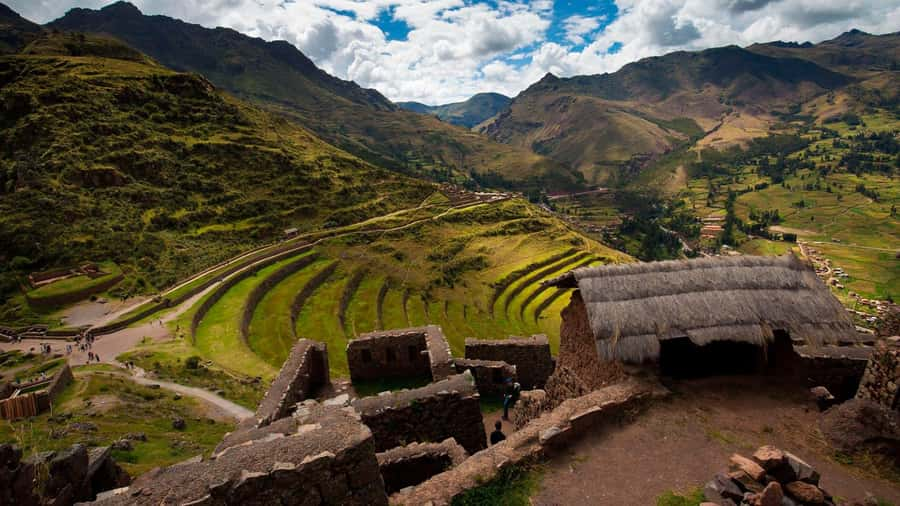
- Taray Viewpoint gives you the wide Sacred Valley view, including the striking pattern of hillside terraces.
- Sacsayhuaman, Q’enqo, Tambomachay, and Puka-Pukara sit close to Cusco, making this an efficient circuit of nearby ruins.
- Private touring makes questions easier, with English and Spanish available.
- Juan Carlos is a strong choice for archaeology-minded visitors, while Jessica has been praised for both guiding and driving.
- The $77 price excludes admission, adding S/ 70 for foreign visitors or S/ 40 for Peruvians.
Pisac market and the first look at Inca country
Your day begins with pickup at your hotel in Cusco’s historic center. If your hotel sits outside that area, the operator arranges a meeting point instead. Transport is by car or minibus, and the group is private rather than shared with a large coach party.
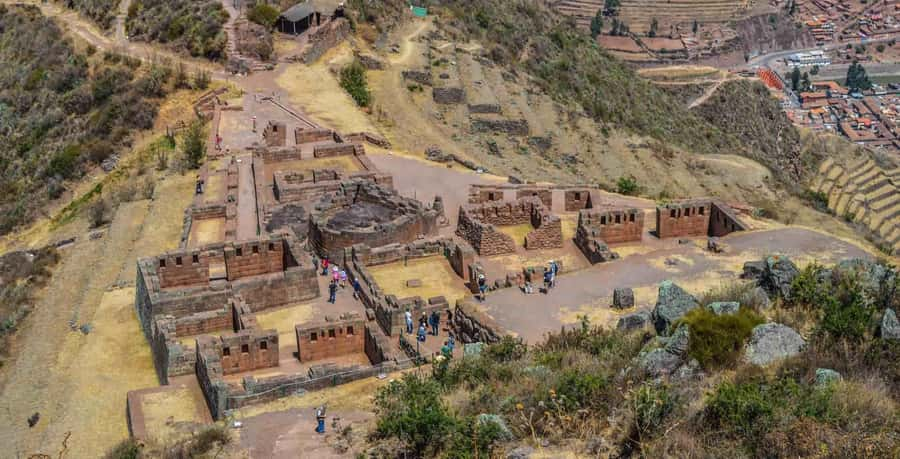
Pisac is the first major stop. The town is known for its market and its artisan stalls, giving you time to walk along its streets and browse local goods before visiting the archaeological park. The market makes the morning feel less like a sequence of ruins and more like a look at a living town.
You should keep your expectations sensible. This is a guided visit, not an open-ended shopping morning. The tour also needs to reach the sites around Cusco later, so your time at the stalls and in town will be limited by the six-hour schedule.
The archaeological park adds a second side to Pisac. From the market, you shift to terraces, stone remains, and the wider setting of the Sacred Valley. Your guide explains the site and places it within the broader story of the Incas and the Spanish conquest.
I would pay close attention here rather than treating Pisac as a quick photo stop. The value is in seeing how the town, agricultural terraces, and high ruins fit together. If you only visit the market, you miss the reason Pisac matters on an archaeological route.
More Inca ruins above Cusco:
- Cusco: Half-Day City Tour with Sacsayhuaman and Q’enco
★ 4.6 · 1,129 reviews - City Tour Cusco Qoricancha Sacsayhuaman y Tambomachay
★ 4.7 · 617 reviews - Cusco City Sightseeing, San Pedro Market, Cathedral and Qorikancha Temple
★ 4.5 · 139 reviews
Taray Viewpoint and the Sacred Valley panorama
On the return toward Cusco, the tour stops at Taray Viewpoint. This is one of the clearest visual moments of the day, with a broad view across the Sacred Valley and its many terraces.
The terraces are the detail to watch. From above, they appear as long bands cut into the slopes, showing the scale of Inca agricultural work more clearly than you can from ground level. Your guide can connect the view to the practical work of farming in steep Andean terrain.
Taray is also a useful pause between Pisac and the Cusco ruins. You get a chance to stretch, take photographs, and reset before the afternoon portion. Bring water, a hat, and sunscreen, since the high-altitude sun can be strong even when the air feels cool.
Weather can change quickly, so pack clothing that works for sun, wind, and a passing shower. The tour does not promise a particular view condition, and clouds may affect what you see from the lookout.
Sacsayhuaman and the scale of Inca stonework
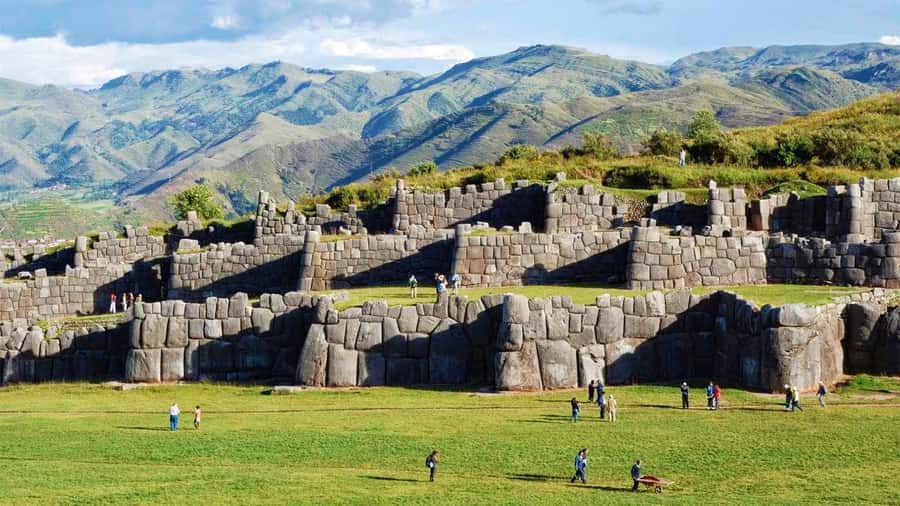
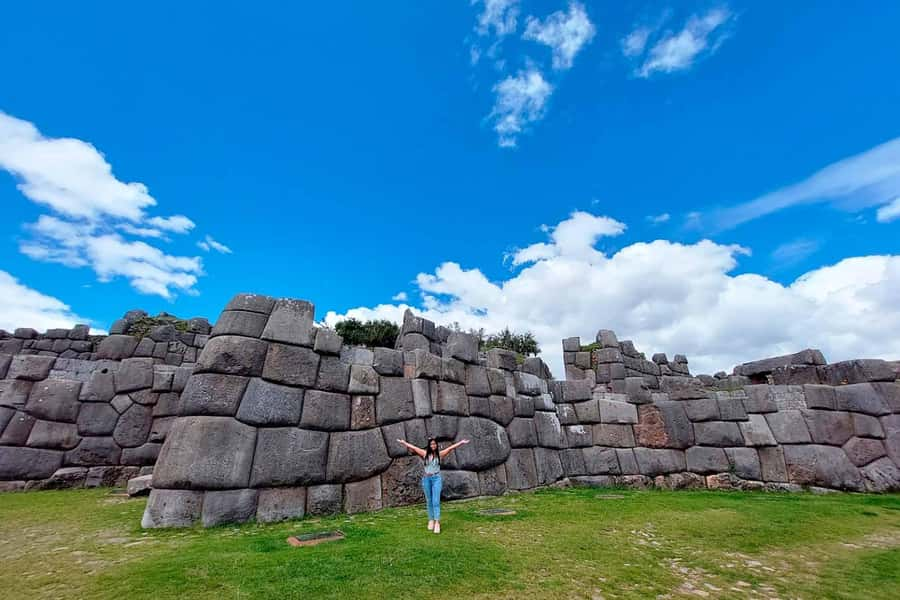
The circuit around Cusco begins with Sacsayhuaman, described as a ceremonial fort of massive stone monuments. It is the largest and most imposing site on this route, and it can be hard to grasp its scale from a quick glance.
Your guide’s explanation matters here. The walls are not simply impressive blocks placed on a hill. Their size, careful fitting, and position above Cusco raise useful questions about ceremony, defense, labor, and engineering. A strong guide can help you sort established facts from the easy myths that often gather around famous Inca sites.
The open setting also provides broad views over Cusco. You will be walking outdoors on uneven ground, so comfortable shoes are more useful than stylish ones. People with back problems should take the physical demands seriously, and the tour is not suitable for wheelchair users.
Sacsayhuaman is one place where a private guide can earn the extra cost of a private format. You can stop to ask how the stones were shaped, what the site was used for, or how the Spanish conquest changed its role. The visit is much more rewarding when you are not simply following a flag through the ruins.
Q’enqo, a ritual site with a shorter visit
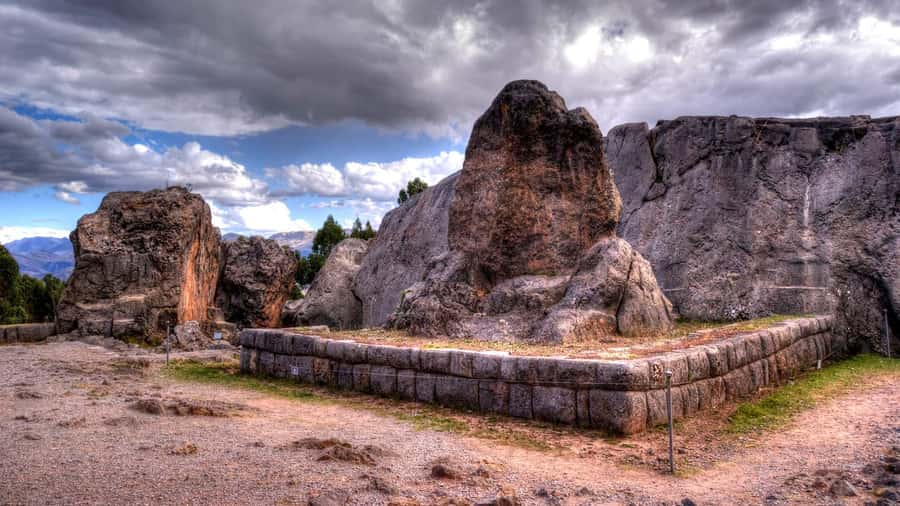
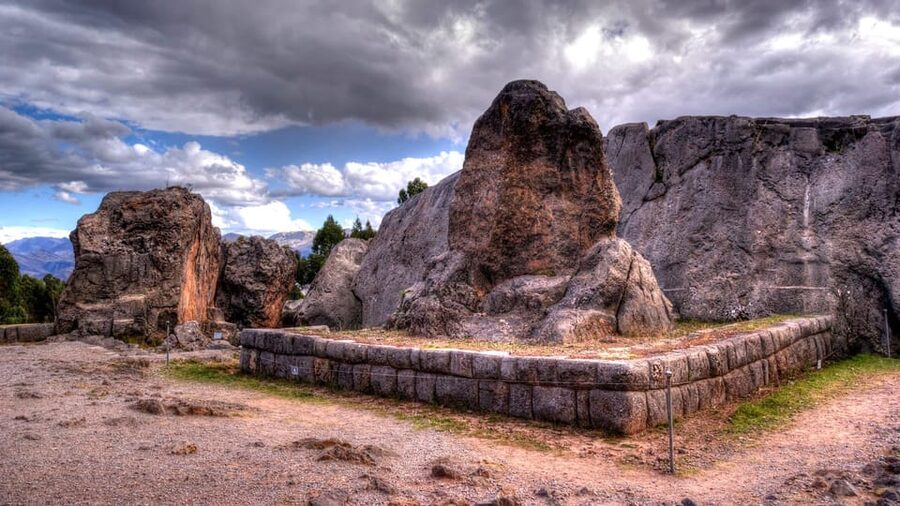
Q’enqo is a ritual site associated with sacrifices. It is a different experience from Sacsayhuaman because the interest comes less from huge walls and more from the purpose of the carved spaces and ceremonial setting.
The stop is usually shorter than Sacsayhuaman, but that does not make it disposable. Listen for your guide’s explanation of what is known about ritual activity and what remains uncertain. An archaeologically careful guide, such as Juan Carlos, can add real value by avoiding overconfident claims.
The site also shows why this route works as a set. Sacsayhuaman gives you monumental stone construction. Q’enqo shifts the focus to ritual practice. Tambomachay then turns your attention to water. Together, the sites offer a more rounded picture than visiting only the largest ruin.
A few more Sacred Valley days worth weighing up
- From Cusco: Sacred Valley & Maras Salt Mines Tour with Lunch
★ 4.8 · 2,227 reviews - From Cusco: Moray, Maras Salt Mines & Chinchero Weavers Tour
★ 4.8 · 1,925 reviews - Cusco: Sacred Valley, Pisac, Ollantaytambo, Salt Mines Moray
★ 4.6 · 1,058 reviews - Cusco:Chinchero,Moray & Salt Mines drop-off in Ollantaytambo
★ 4.8 · 793 reviews
Tambomachay and the worship of water
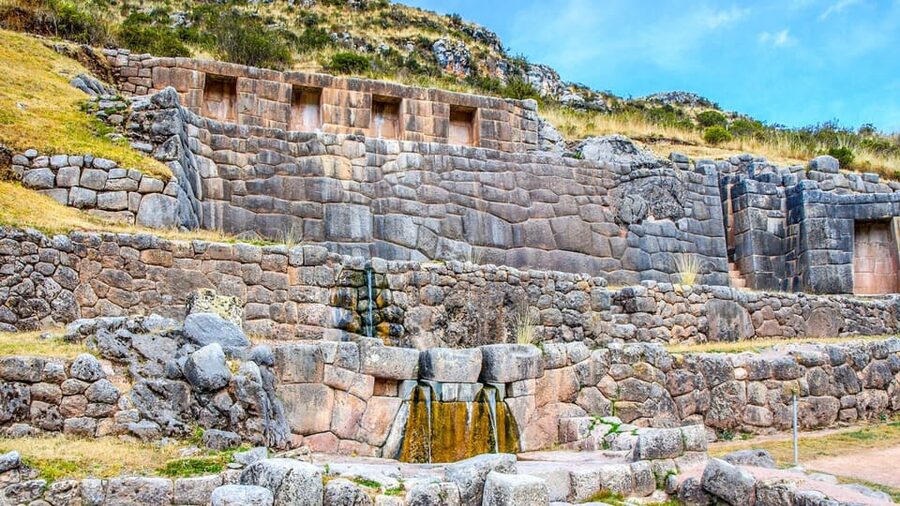
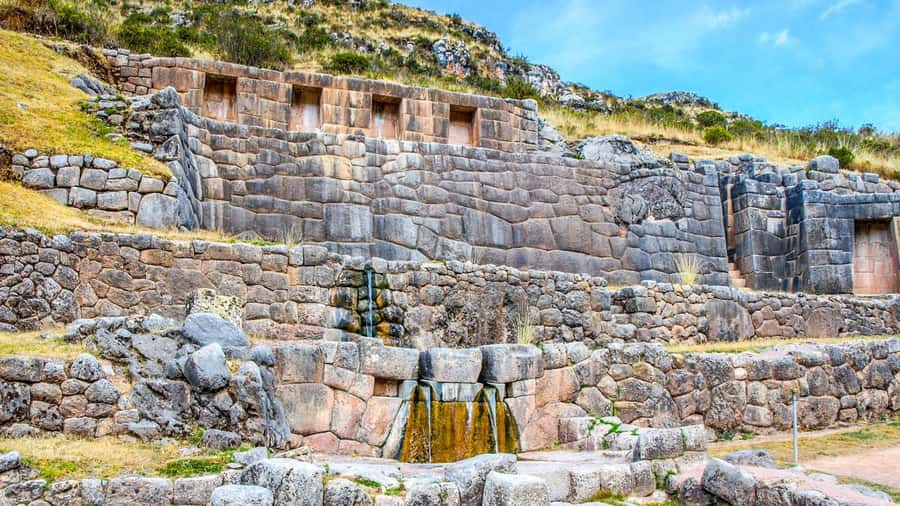
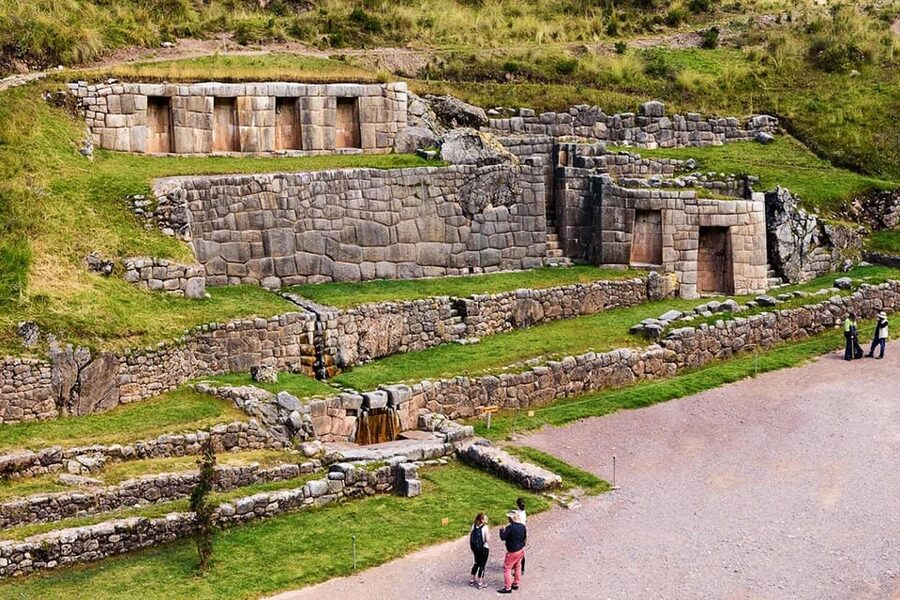
Tambomachay is a temple linked with worship of the God of Water. Its channels and water features make it one of the more distinctive stops on the circuit, especially after the broad, heavy stonework at Sacsayhuaman.
You can expect another outdoor visit with walking on uneven surfaces. The site itself is not a long stop, but your guide provides the context that helps the waterworks make sense. Pay attention to how the site’s purpose differs from the nearby fort and ritual complex.
Tambomachay is also a reminder that Inca sacred places were tied to natural forces and practical resources. Water was not an abstract religious idea. It supported farming, settlement, and daily life, which gives this small site weight beyond its size.
Puka-Pukara from the road and viewpoint
The final site is Puka-Pukara, an ancient tambo, or guard post, along the Inca roads. The tour includes a panoramic view of the site rather than promising a long exploration of every structure.
That makes Puka-Pukara a fitting final stop. After ceremonial spaces and water channels, you see a place linked with movement and roads. Its position helps explain how the route around Cusco connected important sites and watched over travel through the area.
Do not expect the same scale as Sacsayhuaman. Puka-Pukara’s value is partly its setting and role in the wider road network. The panoramic stop is useful for photographs and for tying together the day’s different kinds of Inca sites.
What the guide adds to the six-hour route
The guide can make or break a packed archaeological day. You are not just being driven from one ruin to another. You need clear explanations, sensible timing, and enough room to ask questions.
Juan Carlos received especially strong praise for his archaeological training, clear explanations, and evidence-based approach. He was also able to answer questions that had not been settled during earlier visits elsewhere in Peru. If archaeology is your main reason for booking, ask if he is available, though a specific guide cannot be guaranteed.
Jessica was praised as both driver and guide. When a transport problem affected the day, she worked to make up for it, and her kind, capable handling left a strong impression. That matters because this tour involves both road time and repeated stops, not just a single guided site.
English and Spanish are offered. Since the tour is private, you can ask for clarification without holding up a large group. Still, the schedule is fixed enough that you should not expect unlimited time at each stop.
The real cost: $77 plus the site ticket
At $77 per person, the tour includes hotel pickup and drop-off, transport, and an English or Spanish-speaking guide. It does not include archaeological admission.
The stated entrance fees are S/ 70, about $18.70, for foreign visitors and S/ 40, about $10.70, for Peruvians. That brings the foreign visitor’s listed total to roughly $95.70 per person before any personal purchases or meals.
The price makes better sense if you value a private vehicle and a guide who can explain the sites. For a solo visitor or couple, it may be a convenient way to cover places that would take more planning by yourself. For four adults, confirm the vehicle size first. One booking had a car that felt uncomfortable for four adults, despite the reservation being made for four people.
Food is not listed as included. A guide may suggest a restaurant near Pisac, and one highly praised day included an excellent meal there, but you should treat lunch as an extra and confirm the plan before setting out.
How to prepare for the altitude and walking
Wear comfortable shoes and clothing suited to walking. The tour does not give a distance total, but you will leave the vehicle at several archaeological sites and walk over uneven ground.
Bring:
- Water
- Sunscreen
- A hat
- A camera
- Comfortable shoes
- Clothing for changing weather
Smoking is not allowed during the activity. The tour is not suitable for wheelchair users or people with back problems. If either issue affects you, this is the point to reconsider the route rather than hope the sites will be easier than expected.
The high-altitude sun deserves respect. A cool breeze can make the day feel mild while exposed skin still burns. Water and sunscreen are simple items, but they make a real difference during a six-hour circuit.
Who will get the most from this tour
I would choose this tour if you have one day for the Sacred Valley and Cusco’s nearby ruins, and you want both in the same outing. It works particularly well for first-time visitors who want a guide to explain how the sites connect.
It also suits you if you prefer a private group to a large bus. The chance to ask questions is a real benefit, especially at Sacsayhuaman and Q’enqo, where a short explanation can leave you with more questions than answers.
The route is less suitable if you want a slow market morning, long independent photography sessions, or a relaxed meal in Pisac. Six hours is efficient, but efficiency means moving on.
I would also think twice if you have limited mobility, back trouble, or difficulty walking on uneven surfaces. The operator specifically lists wheelchair users and people with back problems as unsuitable for this activity.
Should you book this Cusco ruins tour?
Book it if you want a tightly organized day that combines Pisac, a Sacred Valley viewpoint, and four important sites near Cusco. The strongest reasons are the private format, central hotel pickup, and the chance to work with a guide such as Juan Carlos or Jessica.
Before booking, ask two practical questions: which vehicle will carry your group, and which guide is assigned? Also add the archaeological ticket to your budget. If you want the widest possible archaeological context in a short window, this is a good use of one day. If you want slow, unhurried exploration, choose a tour with fewer stops.
FAQ
How long does the tour last?
The tour lasts six hours, including pickup and drop-off in Cusco.
Where does pickup take place?
Pickup is available at hotels within Cusco’s historic center. If your hotel is farther away, a meeting point is arranged in advance.
What places does the tour visit?
The route includes Pisac town and market, the Pisac archaeological park, Taray Viewpoint, Sacsayhuaman, Q’enqo, Tambomachay, and a panoramic view of Puka-Pukara.
Are entrance tickets included?
No. Admission costs S/ 70, about $18.70, for foreign visitors and S/ 40, about $10.70, for Peruvians.
What languages are available?
The live guide service is available in English and Spanish.
Is this a private tour?
Yes. The activity is operated as a private group tour.
Is transport included?
Yes. Transport by car or minibus, along with hotel pickup and drop-off, is included.
What should I bring?
Bring comfortable shoes, a hat, sunscreen, water, and a camera. You should also wear clothing suitable for changing weather.
Can I cancel the booking?
You can cancel up to 24 hours in advance for a full refund. The reserve-now, pay-later option lets you hold a place without paying at the time of booking.
Just added around Sacred Valley
- Zipline over the Sacred Valley Trip★ 5.0 · 11 reviews
- Visit Pisac from Cusco: Private Transport★ 4.6 · 9 reviews
- Maras and Huaypo lagoon by ATV from Cuzco | Local Operator★ 4.7 · 4 reviews
- Transfer from Cusco to Ollantaytambo★ 5.0 · 30 reviews
- Sacred Valley VIP Tour with Maras and Moray from Cusco★ 4.5 · 35 reviews
- Sacred Valley Private Tour, Moray & Salt Mines Incluided★ 5.0 · 41 reviews
- Salt Mines(Maras),Moray and Chincheros★ 5.0 · 41 reviews
- Excursion to Sacred Valley of the Incas tour – Private service.★ 5.0 · 35 reviews
Sacsayhuaman & Cusco Ruins Tours, compared.
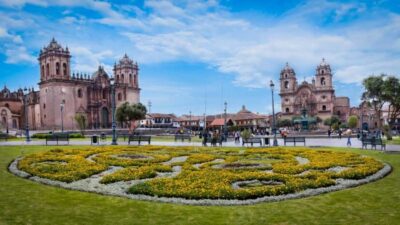
Half-Day City Tour with Sacsayhuaman and Q’enco
Read our review →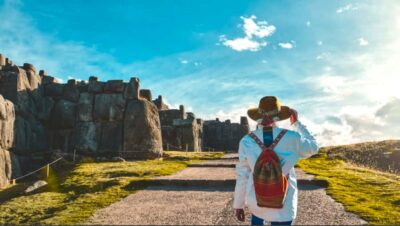
City Tour Cusco Qoricancha Sacsayhuaman y Tambomachay
Read our review →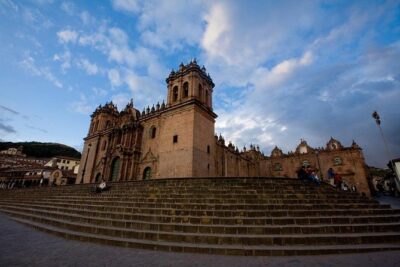
Cusco City Sightseeing, San Pedro Market, Cathedral and Qorikancha Temple
Read our review →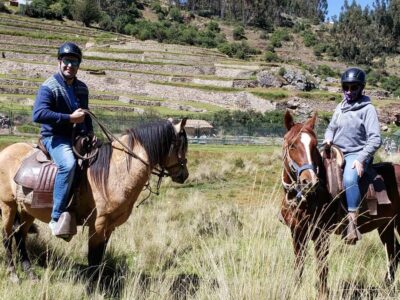
3-Hour Horse Riding Tour to the Temple of the Moon
Read our review →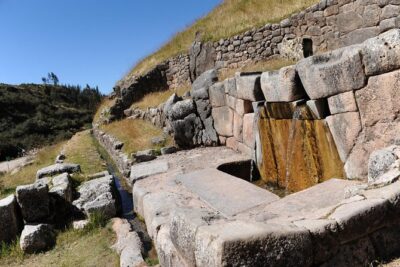
Cusco City Sightseeing and Sacsayhuaman Archeological Park Tour
Read our review →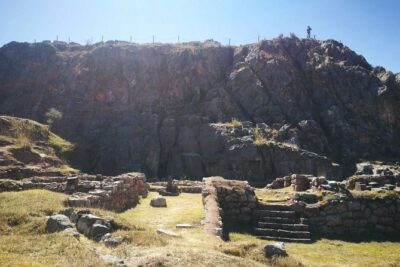
Horse Riding Chacan Mountain And Temple Of The Moon
Read our review →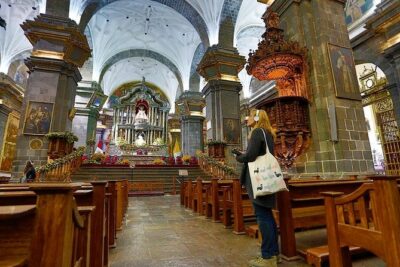
Cusco 4-Hour Private Tour Including Sacsayhuaman and Qenqo
Read our review →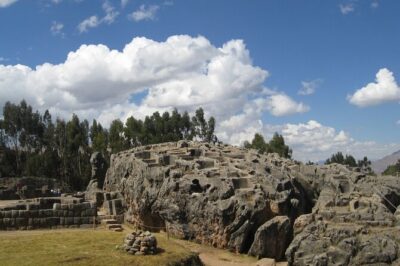
Sacsayhuaman Temple, Tambomachay and Puca Pucara Half-Day Tour
Read our review →Browse the lists this tour appears in