
Reviewed · COOKING CLASSES
Cusco: 3-Hour Peruvian Cooking Class
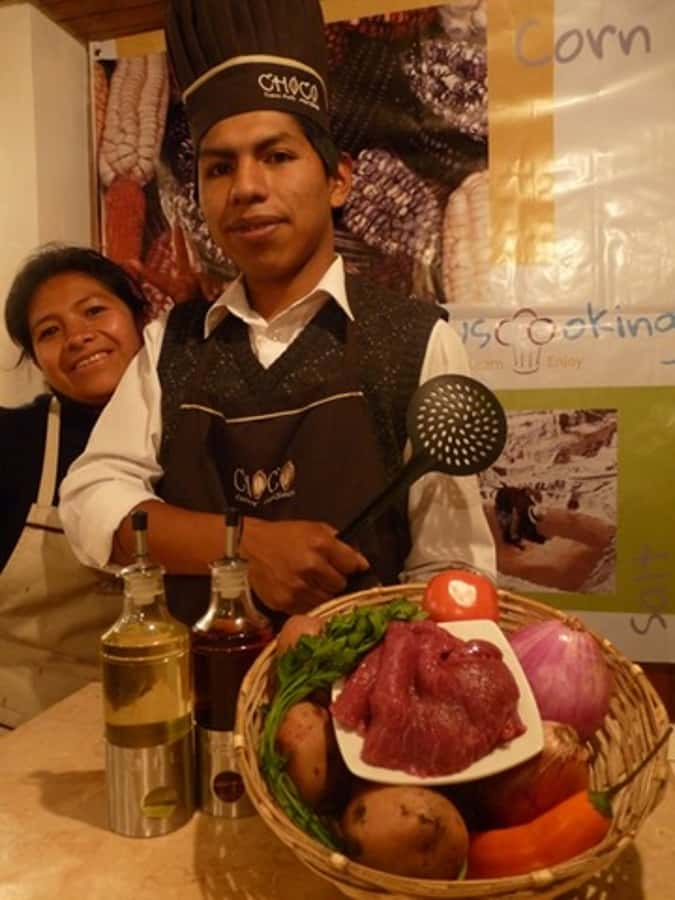
Cusco’s best food lesson starts before you reach the kitchen. You first visit the Peruvian Central Market, where an instructor explains the produce, potatoes, fruits, and other ingredients that shape the country’s cooking. Then you return to ChocoMuseo near Plaza Regocijo and turn those ingredients into a four-part meal.
I like the market visit because it gives the cooking class a local setting, not just a recipe sheet. I also like the small group size, with no more than 10 people, and the chance to learn from guides such as Miguel and Yil, who add food and cultural stories to the lesson. The main thing to watch is the menu choice: the first person booked decides between lomo saltado and ají de gallina, so tell the operator your preference early.
Key points to know before booking
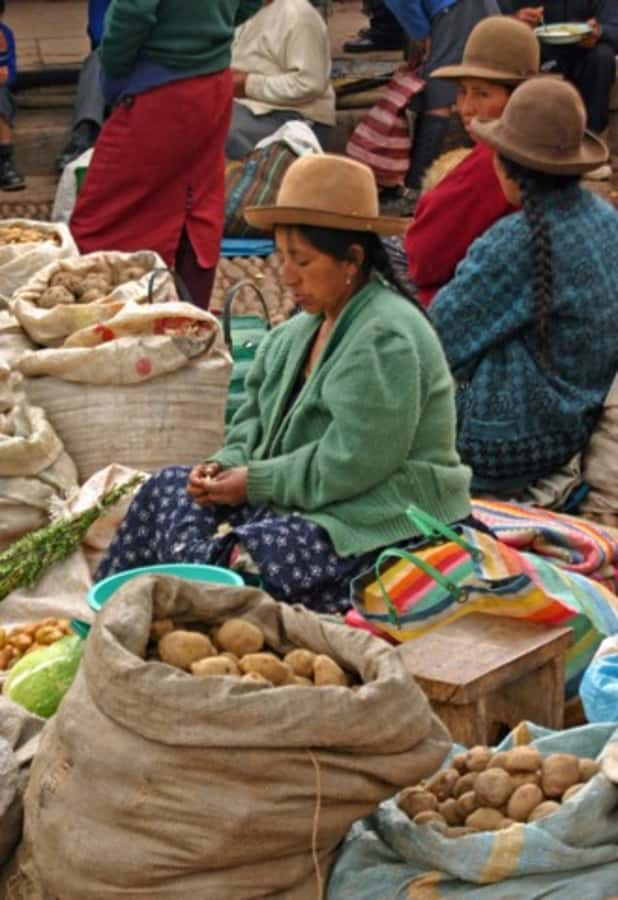
- The market comes first: You’ll see and discuss Peruvian ingredients before cooking with them.
- The menu has four memorable parts: Ceviche, a choice of lomo saltado or ají de gallina, pisco sour, and chocolate fondue with local fruit.
- Miguel and Yil have led highly praised sessions: Their lessons include knife skills, ingredient origins, history, and culture.
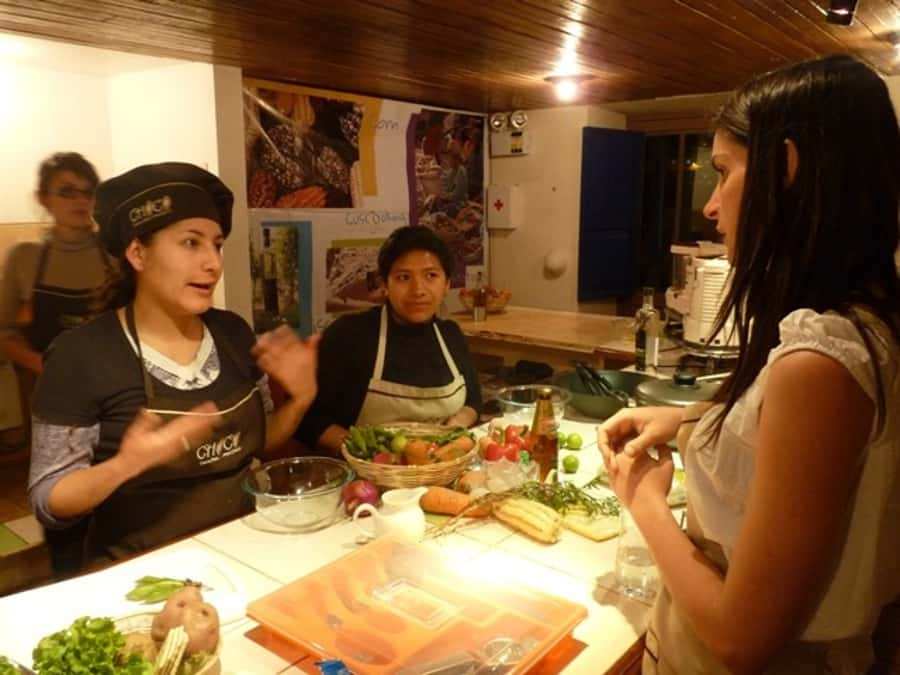
- The class is genuinely hands-on: You prepare the food, learn techniques, and eat what you make.
- The first booking controls the main course: Request your preferred dish, but understand that the earliest reservation has priority.
- Vegetarian and nonalcoholic options are possible: Ask in advance to replace the meat or swap the pisco sour for fresh juice.
Why a Cusco cooking class makes sense
Food gives you a quick way into Peru. A cooking class can explain why ceviche is treated with care, how local peppers shape sauces, and why potatoes appear in so many meals. You do not need to be an experienced cook. The point is to learn a few useful methods and understand what is on your plate.
This class works well because it connects three parts of the experience: shopping, cooking, and eating. The market gives you the setting and ingredients. The kitchen gives you instruction. The meal at the end lets you judge your work for yourself.
I especially like that the menu is not limited to one famous dish. You prepare ceviche, a substantial main course, a pisco sour, and a chocolate dessert with local fruit. That gives you a wider look at Peruvian food than a single demonstration would.
At $49 per person, the value comes from the amount packed into three hours. You are paying for a market tour, ingredients, cooking supplies, instruction, and a meal. You are not simply buying dinner, though dinner is part of the deal. If you would otherwise eat a restaurant meal and book a separate market visit, the price looks reasonable.
More Cooking Classes in Cusco
- Cusco: Peruvian Cooking Class, Cocktails & Local Market Tour
★ 4.9 · 512 reviews - Cooking class and market tour with a local chef
★ 5.0 · 186 reviews - Private Andean Cooking Class, Pachamanca
★ 5.0 · 54 reviews
Meeting at ChocoMuseo by Plaza Regocijo
The class takes place inside ChocoMuseo, on the corner of Plaza Regocijo. Look for the green and orange flags hanging from the balconies. This detail matters in central Cusco, where a clear landmark saves time and prevents a hurried start.
The meeting point also makes the class easy to pair with a day spent around the historic center. You can schedule it after sightseeing, but keep enough energy for a hands-on session. Three hours is not a quick tasting. You will be moving between the market and kitchen, listening to instruction, preparing ingredients, and sitting down to eat.
Starting times vary, so check availability before you book. The operator asks for at least 24 hours’ notice because the ingredients and kitchen need to be prepared. That is a practical request, not a minor technicality. A last-minute booking might not give the team enough time to organize the class.
The group limit is 10 people. That is small enough for an instructor to watch knife work and answer questions, while still giving the lesson a social feel. The class is offered in English or Spanish.
Exploring Cusco’s central market
The market visit is more than a shopping errand. It is where you meet the ingredients before they are cleaned, chopped, and arranged on a plate.
Your instructor introduces the range of produce available in Peru and explains the origins and uses of what you are buying. Past sessions have included discussion of vegetables and potatoes, as well as tastings of Peruvian fruit. This is useful context because Peruvian cooking depends heavily on ingredients that may be unfamiliar to you at home.
You might hear about the role of potatoes in local cooking, learn how different produce is used, and try fruit you would not normally choose for yourself. The market also gives you a better sense of how ordinary ingredients fit into daily life in Cusco.
I would pay close attention here rather than treating the market as a quick walk-through. Ask about ingredients that catch your eye. If you like food photography, this is also the part of the activity with the most visual variety, though the focus remains on preparing the meal.
The market visit has one practical limit: the information provided does not specify how long you spend there or exactly which stalls you visit. Expect an introduction to local ingredients tied to the class, not a full market history tour.
Preparing ceviche from the start
Ceviche is the first dish on the menu. It is a good choice for a cooking class because it shows how a few ingredients can create a dish with a strong identity.
You will be guided through the preparation rather than simply being handed a finished plate. The instructor explains the ingredients and helps you work through the process. The class description does not list each step or specify the type of fish, so you should not expect a fixed recipe with every detail known in advance.
The value here is learning how the dish comes together. You can ask questions about seasoning, preparation, and presentation as you work. Participants have particularly appreciated the step-by-step approach and the chance to improve practical skills, including knife work.
If you are nervous about cutting ingredients, the small group helps. An instructor can watch your technique more closely than in a large demonstration. Still, this is a working class, so you should be ready to participate rather than simply watch.
Same base, a completely different kind of day:
- Cusco: Humantay Lake Tour with Breakfast and Buffet Lunch
★ 4.9 · 2,976 reviews - Cusco: Half-Day City Tour with Sacsayhuaman and Q’enco
★ 4.6 · 1,129 reviews - From Cusco: Vinicunca Rainbow Mountain ATV Tour with Meals
★ 4.6 · 1,060 reviews - City Tour Cusco Qoricancha Sacsayhuaman y Tambomachay
★ 4.7 · 617 reviews
Choosing between lomo saltado and ají de gallina
The main course is where you need to make a booking decision. The choices are lomo saltado, sautéed beef, or ají de gallina, chicken in a yellow pepper sauce.
Lomo saltado gives you a chance to prepare one of Peru’s best-known beef dishes. Ají de gallina offers a different experience, with a creamy chicken preparation built around yellow pepper. Both are useful introductions to Peruvian home-style cooking, but they are not interchangeable in flavor or texture.
The first person booked chooses which main course the group prepares. You can tell the operator your preference, but your request may not control the final menu. If you are strongly attached to one dish, book early and state your choice clearly.
This rule may frustrate some people, especially if one person in the group has a dietary concern or has already tried one of the dishes. The operator can replace the meat with a vegetarian option on request, but you should arrange that before the class rather than waiting until you arrive.
One useful detail from the cooking sessions is the attention to basic technique. You can learn knife skills and the order in which ingredients are prepared, not just the names of the dishes. Those are the lessons most likely to follow you home.
Mixing a pisco sour in Cusco
The pisco sour is part of the lesson, not merely a drink served with dinner. You learn how to prepare it and then taste the result with the meal.
The class description identifies pisco sour as part of the included food and drink. Water is also included. Wine can be purchased separately, while other alcoholic drinks are not included.
You can ask to replace the pisco sour with fresh fruit juice. That option makes the activity easier to recommend to people who do not drink alcohol, though you should make the request in advance.
One past session featured a chicha pisco sour, which suggests that the drink may sometimes receive a local twist. Do not assume that version is guaranteed, but it is worth asking about the day’s preparation. The important point is that you learn the basic drink rather than simply receiving one at the table.
Finishing with chocolate and local fruit
Dessert is chocolate fondue with local fruits. It is a simple ending, but it gives you another way to use Peruvian ingredients and keeps the class from becoming a meat-and-seafood-only lesson.
The dessert also fits the ChocoMuseo setting. You finish with something sweet, colorful, and easy to share around the table. The available information does not specify which fruits are served, so expect the selection to depend on what is available at the time.
This part is less about advanced technique than about enjoying the meal you prepared. After working through the savory dishes and drink, sitting down together gives the lesson a relaxed finish.
Sitting down to eat what you prepared
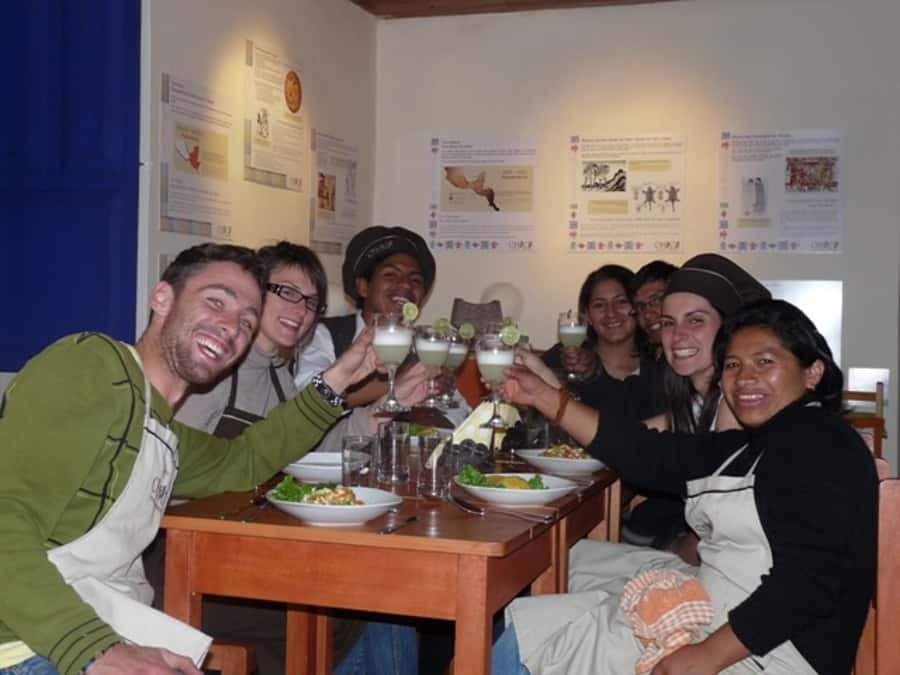
The meal is the reward for the work, but it is also a chance to see how the dishes came together. The experience includes a dinner with a three-course meal and a pisco sour, while the menu description presents four parts: ceviche, the main course, the drink, and chocolate fondue with fruit.
That wording can sound confusing. The practical takeaway is that you should expect the ceviche, one main dish, a pisco sour, and the chocolate fruit dessert. Water is included. Wine is available for purchase if you want it.
The atmosphere is intended to be friendly and relaxed. The small group makes it natural to compare preparations and talk while you eat. The instructor may also discuss presentation, and one session included guidance on plating as well as cooking.
There is one food-service detail worth keeping in mind. One participant found the rice and potatoes in the main course had gone cold because they were prepared well before the rest of the dish. That is not a reason to dismiss the class, but it is a fair reminder that a group cooking lesson may not produce restaurant-perfect timing at every table.
The guides and teaching style
The strongest part of the class is the instruction. Miguel has been praised for taking the group through the market, explaining ingredient origins, guiding each cooking step, and adding cultural facts. Yil has also led sessions that included history, food stories, fruit tasting, and a creative pisco sour.
The exact guide is not guaranteed, so book this for the structure of the activity rather than for a specific person. Still, the named instructors give you a useful sense of the teaching style: practical, friendly, and full of context.
English and Spanish are available. If you want to get the most from the class, ask questions as you go. The format leaves room for useful details about ingredients, but you will get more from it if you take part instead of waiting for a formal lecture.
Who will enjoy this class most
I would recommend this to you if food is one of your main reasons for visiting Peru. It suits curious cooks, couples, families, and solo visitors who like meeting people through a shared activity.
It is also a good choice if you want a structured evening in central Cusco. You do not need to plan a restaurant afterward because the prepared meal is part of the experience.
The class may be less suitable if you want a quiet market walk, a polished restaurant dinner, or a fully vegetarian menu without advance planning. The group decides the main course based on the first booking, and the kitchen timing may not be perfect.
People with strong dietary needs should contact the operator before booking. Vegetarian substitutions and a fresh juice in place of the pisco sour are possible upon request, but the provided information does not promise a wider range of dietary adaptations.
Price, timing, and booking advice
At $49, this is a fair price for a three-hour activity that combines a guided market visit, ingredients, cooking supplies, instruction, and a meal. You also receive water and a pisco sour, unless you request juice instead.
The best value comes when you care about learning, not just eating. If you want four prepared items, a market introduction, and practical instruction, the price is sensible. If your main goal is a quick dinner, a restaurant may be easier.
Book at least 24 hours ahead. The operator specifically warns that insufficient notice can lead to cancellation because the kitchen needs time to prepare. You can cancel for a full refund up to 24 hours before the activity, and reserve now while paying later, which helps if your Cusco schedule is still changing.
Should you book the Cusco cooking class?
Book it if you want to connect Cusco’s market ingredients with dishes you can understand and attempt at home. The combination of produce, knife skills, ceviche, a Peruvian main course, pisco sour, and chocolate fruit dessert gives you plenty to remember.
I would book early, state your preference between lomo saltado and ají de gallina, and request vegetarian or nonalcoholic substitutions at the same time. With those details handled, this is a well-priced, friendly way to spend three hours eating, learning, and seeing a practical side of Peruvian culture.
FAQ
Where does the cooking class meet?
The class meets inside ChocoMuseo on the corner of Plaza Regocijo in Cusco. Look for the green and orange flags hanging from the balconies.
How long does the activity last?
The cooking class lasts three hours. Starting times vary, so check availability when booking.
What dishes will I prepare?
The menu includes ceviche, either lomo saltado or ají de gallina, a pisco sour, and chocolate fondue with local fruit.
Can I choose the main course?
You can state your preference for lomo saltado or ají de gallina, but the first participant booked makes the final choice for the group.
Are vegetarian and nonalcoholic options available?
Yes. The meat can be replaced with a vegetarian option, and the pisco sour can be replaced with fresh fruit juice upon request.
What is included in the price?
The price includes a guided market visit, ingredients, cooking instruction, cooking supplies, water, and the meal with a pisco sour. Gratuity, wine, and other alcoholic drinks are not included.
More 3-Hour Experiences in Cusco
- Cusco: 3-Hour Horse Riding Tour to the Temple of the Moon
★ 5.0 · 105 reviews - From Puno: 3-Hour Uros Floating Islands Tour
★ 4.4 · 67 reviews - 5 iconic restaurants of Lima a 3-hour guided food tour in Barranco
★ 4.5 · 48 reviews - Belen Market & Floating City 2-3 Hour Private Tour
★ 4.9 · 38 reviews
Just added around Cusco
- Waqrapukara 1 day trekking + meals★ 3.9 · 3 reviews
- Visit to the Cochahuasi Animal Sanctuary with rescued animal★ 4.1 · 4 reviews
- Vinicunca Mountain Tour – Full Day Tour to Rainbow Mountain★ 3.4 · 4 reviews
- Valle Sur Cusco | half day★ 4.3 · 3 reviews
- Trek to Humantay Lake from Cusco★ 4.9 · 8 reviews
- Trek to Choquequirao 4 days★ 3.8 · 4 reviews
- rainbow mountain full day★ 5.0 · 44 reviews
- Tour to the HUMANTAY LAGOON from CUSCO★ 5.0 · 35 reviews
Cooking Classes, compared.
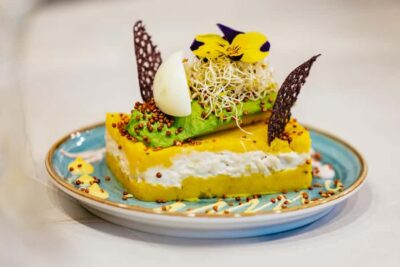
Peruvian Cooking Class, Cocktails & Local Market Tour
Read our review →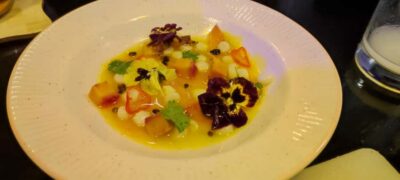
Cooking class and market tour with a local chef
Read our review →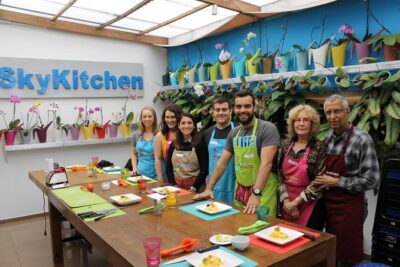
Market Tour, Tasting of 35 Fruits, and 4-Course Peruvian Cooking Class in Lima
Read our review →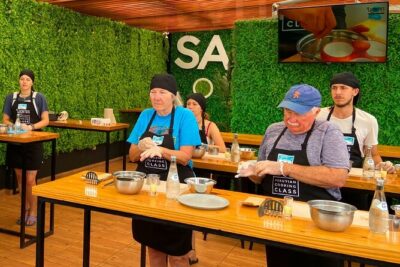
#1 Rated Cooking Classes with Local Market Tour & Pickup
Read our review →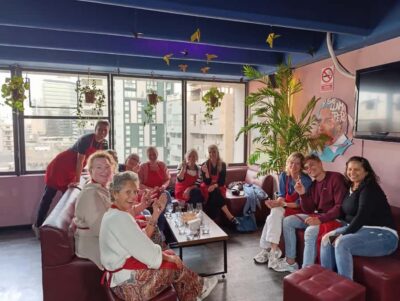
Amazing Peruvian Cooking Class Ceviche Seafood and Pisco Sour
Read our review →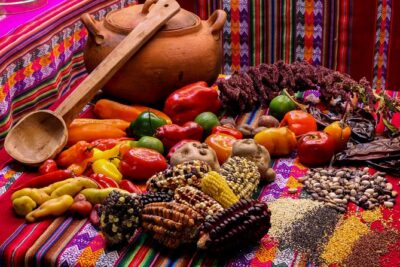
Private Cooking + Market with Maido’s Former Creative Chef (+trasportation)
Read our review →
Vegan Peruvian Cooking Class Cocktails and Local Market in Cusco
Read our review →Browse the lists this tour appears in