
Reviewed · TICKETS
Cochahuasi Animal Sanctuary® Admission Ticket
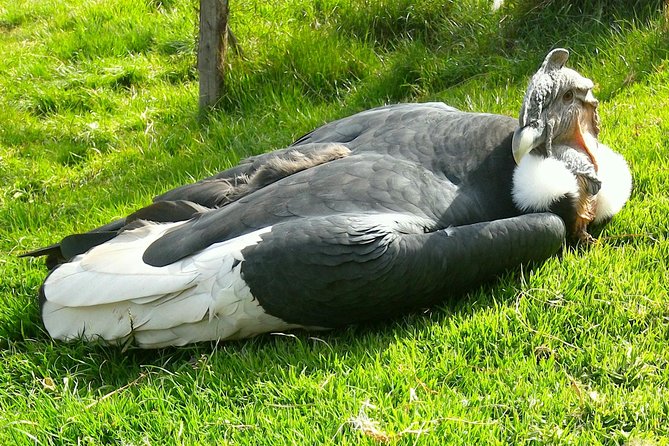
Cochahuasi Animal Sanctuary gives you a close look at rescued Andean animals, including pumas, condors, bears, monkeys, llamas and alpacas. Some animals were abused or trafficked and can never return to the wild, so your admission helps provide permanent care.
I like the personal local guide, who explains each animal’s past rather than leaving you to read signs. I also like the easy half-day format from Cusco. The main drawback is that some enclosures may feel small or poorly maintained, and transport back can be awkward if you arrive by yourself.
Key points to know before you go
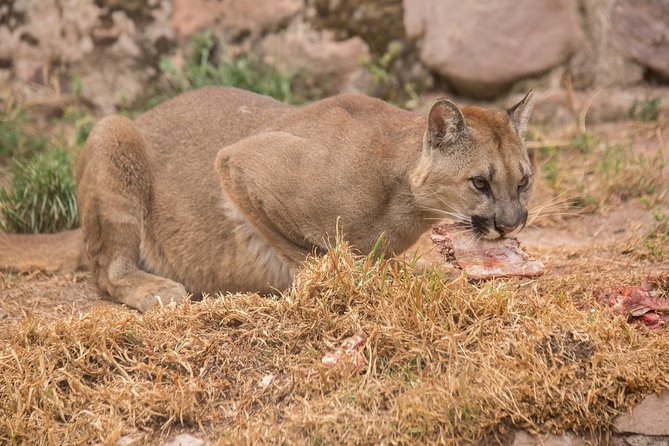
- Rescued pumas with a heartbreaking past: Two pumas were reportedly taken from a Lima disco after their teeth and claws had been removed. The sanctuary made dentures so they could eat meat.
- A short visit with real conservation value: Plan on roughly 45 minutes to 1.5 hours, making this a manageable stop on a Cusco outing.
- A guide comes with admission: A local guide walks you through the sanctuary and explains which animals may return to the wild and which need permanent care.
- Transportation needs planning: The sanctuary is about 30 minutes from Cusco, and a taxi or ride-hailing car may not be waiting when you finish.
- Some animal contact may cost extra: Alpaca feeding and petting were available during one visit, but the interaction was not part of the basic admission.
- A small-group experience: The maximum group size is 15 people, though the sanctuary may feel quiet at some times.
Why Cochahuasi matters near Cusco
Cochahuasi is not a polished city zoo. It is a rescue center for animals harmed by illegal trafficking, abandonment, neglect and human use. That distinction matters. You are not simply looking at Andean wildlife for entertainment. You are seeing animals that need care because returning them to nature is not always possible.
Some arrive with physical injuries. Others have been raised around people and no longer have the skills or fear needed to survive. A puma with damaged teeth, for example, may need a permanent home and special care. An animal that looks calm behind a fence may be calm because it has adapted to life in captivity, not because its past was gentle.
The center’s conservation message is clearest when your guide explains each animal’s situation. Some animals can be released after rehabilitation. Others remain at Cochahuasi for life. That makes the visit more personal than a quick walk past cages, but it also brings an important responsibility: look closely at the conditions and decide how comfortable you are with the facility.
The sanctuary receives a strong overall response, with a 4.6 rating from 74 reviews and 92 percent of visitors recommending it. Those numbers suggest that most people find the visit worthwhile, especially because of the guide and the rescue mission. They do not erase the more critical comments about enclosure size and maintenance, so I would go with realistic expectations.
A few more Cusco days worth weighing up
- Cusco: Humantay Lake Tour with Breakfast and Buffet Lunch
★ 4.9 · 2,976 reviews - Cusco: Half-Day City Tour with Sacsayhuaman and Q’enco
★ 4.6 · 1,129 reviews - From Cusco: Vinicunca Rainbow Mountain ATV Tour with Meals
★ 4.6 · 1,060 reviews
What you see during the 45-minute to 90-minute visit
Your visit begins at Cochahuasi Animal Sanctuary, where admission includes a local guide. You then walk through the animal areas while learning about the animals’ origins, injuries and chances of rehabilitation.
The visit is not built around a long list of formal activities. Its value comes from the explanations. A guide can tell you why one animal may be released while another must stay, and that context changes how you see the enclosures. Without that background, you might simply see a bear, puma or condor. With it, you understand why the animal is there.
The length varies from about 45 minutes to 1.5 hours. The shorter visit suits you if Cochahuasi is one stop on a busy day around Cusco. The longer visit gives you more time to ask questions and move at an easy pace. The group limit of 15 should help keep the tour manageable, although the actual feel depends on how many people are present when you arrive.
The animal list is a strong reason to come. You may see:
- Pumas
- Andean bears
- Condors
- Monkeys
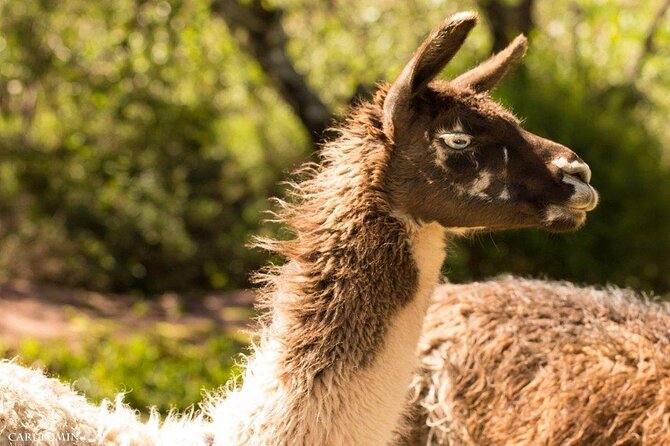
- Llamas
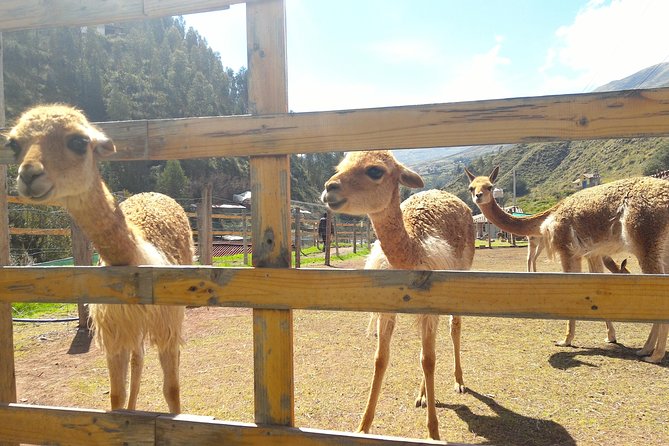
- Alpacas
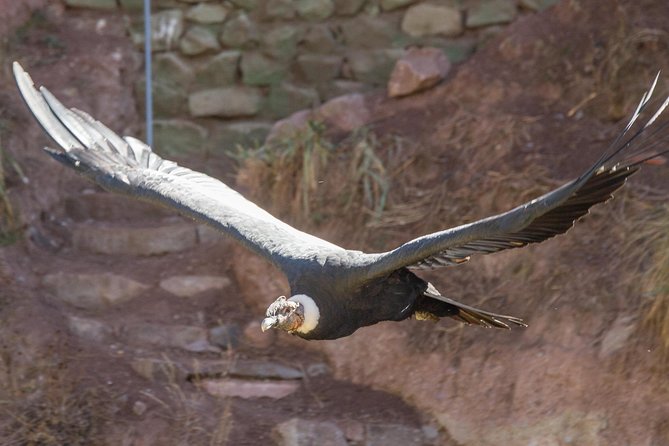
The larger animals are the main draw, but the stories behind them are the real substance of the visit. The condors offer a rare close look at a powerful Andean bird. The pumas bring the strongest emotional weight, especially when you learn how some were used in a disco in Lima and had their teeth and claws removed. The sanctuary reportedly made dentures for two of them, allowing them to eat meat again.
That detail explains both the good and the uncomfortable side of Cochahuasi. You are seeing dedicated care in action, but you are also seeing the lasting damage caused by people who treated wild animals as props or pets.
The guide makes the difference
The local guide is included in your ticket, and this is one of the best reasons to book rather than simply walk through on your own. The guide explains the history of each animal and its current condition. You can ask questions instead of guessing why an animal cannot be released.
One visitor described an English-speaking guide who communicated very well. Another visit was led by the owner, who personally walked through the sanctuary and answered questions. Specific guide assignments are not guaranteed, but the information provided indicates that a local expert accompanies the visit.
The guide also helps you understand the sanctuary’s limits. A rescue center cannot undo every injury. It cannot always recreate the space or conditions of the wild. It can provide food, medical attention and protection for animals that would otherwise have little chance of survival.
I would pay attention to the guide’s explanation of rehabilitation. An animal that can return to the wild needs different care from one that has been domesticated, injured or imprinted on humans. This is where the visit becomes more than a photo stop.
The guide-led format also works well for families, provided an adult accompanies children. Young visitors may remember the alpacas and condors, but the guide can help them understand why touching or feeding wildlife is not always appropriate.
Alpacas, condors and possible animal interaction
The chance to feed and pet alpacas was a highlight during one visit. This can be a pleasant extra, especially for families and anyone who wants a more direct connection with Andean animals. However, you should not assume it is included in the basic ticket. One account specifically noted that animal interaction required an additional payment.
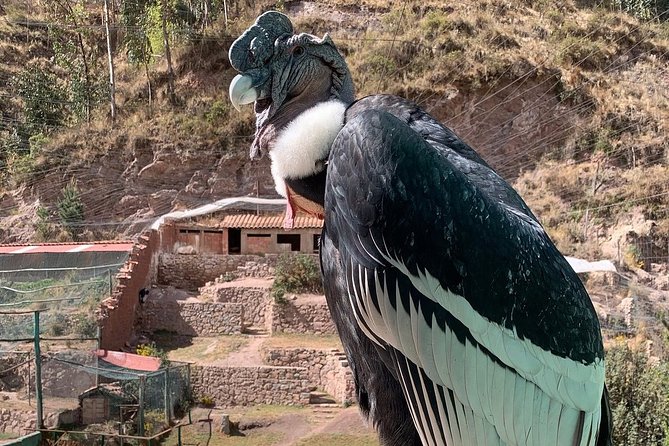
The condors are another strong part of the visit. Seeing these large Andean birds at close range gives you a better sense of their size and presence than a distant sighting in the mountains. Still, close viewing can be a mixed experience if you prefer to see wild animals in open habitats.
That is the central tradeoff at Cochahuasi. You get access to animals you might never see in nature, along with the stories of their rescue. In return, you must accept that the setting is a sanctuary with enclosures, not a protected wilderness area.
I would not book this expecting a petting zoo or a large modern wildlife park. Go to learn about rescue work and see animals that need human care. If animal interaction matters to you, ask about any extra fee when you arrive.
Same base, a completely different kind of day:
- City Tour Cusco Qoricancha Sacsayhuaman y Tambomachay
★ 4.7 · 617 reviews - From Cusco: Excursion to Humantay lake from Cusco
★ 4.7 · 514 reviews - Cusco: Peruvian Cooking Class, Cocktails & Local Market Tour
★ 4.9 · 512 reviews - Cusco: Sightseeing Tour of the City on an Open-Top Bus
★ 4.0 · 481 reviews
The difficult question of enclosure quality
The most important criticism concerns the condition and size of the animal areas. One visitor felt that the cages were small and the property was poorly maintained. That concern deserves attention, especially if you are sensitive to captive wildlife facilities.
Other visitors felt the animals were safe, cared for and content. The sanctuary’s explanation is that every animal came from abuse, illegal trafficking or another harmful situation, and that some cannot be released because of health or behavior. Both points can be true at once. A sanctuary can save animals from a worse fate while still having room to improve its facilities.
You should look at the enclosures for yourself and ask the guide how each animal arrived, what care it receives and what rehabilitation means in that case. The answer may make the setting easier to understand, or it may confirm that you prefer wildlife experiences in natural reserves.
This is not a reason to dismiss the sanctuary outright. It is a reason to visit with open eyes. Your admission supports the center, and extra donations are welcomed. If you choose to go, listen carefully and judge the care by what you see, not just by the emotional appeal of the rescue stories.
Getting there from Cusco without getting stranded
Cochahuasi is roughly 30 minutes from Cusco. Admission does not include transportation, so this is the part of the outing that needs the most planning.
A taxi or ride-hailing service can take you there, but getting back may be harder. One person arrived by Uber without realizing how remote the sanctuary felt and had trouble finding a return ride. The simple fix is to arrange a round trip or ask a taxi driver to wait.
A taxi from Cusco that waited during the visit and returned to the city cost about 100 soles in one reported case. Treat that as a useful reference, not a fixed fare. Confirm the total cost before setting off, including the waiting time.
This arrangement also makes the short visit more practical. You can spend your 45 to 90 minutes with the animals instead of worrying about a phone signal or searching for a car. If you are already taking a private vehicle toward another Cusco-area sight, Cochahuasi may fit neatly into the route.
The sanctuary’s remote feel is part of its appeal, but it is not ideal for an unplanned drop-off. Secure the return ride first.
Is the $10 admission a good value?
The listed price is $10 per person. A visitor reported paying 20 soles directly at the sanctuary, though exchange rates change and local prices can be updated. At the stated online price, the ticket is reasonable if you value the guide and want to support animal care.
You are not paying for a full-day tour or extensive facilities. You are paying for a short visit, a local guide and the chance to contribute to a rescue center. The value is strongest when you ask questions and give yourself enough time to understand the animals’ stories.
Food and drinks are not included. The experience is also short enough that most people can fit it around another activity rather than treating it as the main event of the day.
If your priority is a large, immaculate facility with spacious natural habitats, $10 may not feel like a bargain. If your priority is learning about rescued Andean wildlife and supporting a center with limited resources, the price is easier to justify. You can also donate more if you want to contribute beyond admission.
Who will enjoy this visit most
Cochahuasi suits you if you enjoy wildlife, conservation and short local outings from Cusco. It is a good choice for families with children, couples, photographers and anyone who wants a break from churches, museums and archaeological sites.
It also suits people who prefer guided interpretation. The visit is more meaningful when you learn why an animal is at the sanctuary and what its future may be. English guidance has been available, but a particular language or guide cannot be guaranteed from the information provided.
You may want to skip it if you dislike seeing animals in cages or if enclosure standards are a major concern for you. The critical comments about small areas and maintenance are not minor details. They are part of the decision.
I would also avoid making this your only wildlife experience in Peru. Cochahuasi is a rescue center, not a substitute for seeing animals in a protected natural setting. It is best understood as an educational stop that supports animals already unable to live safely in the wild.
Practical details before booking
The experience accepts a maximum of 15 people. Children must be accompanied by an adult, and you should have a moderate level of physical fitness. The visit involves walking around the sanctuary, though no difficult trek is described.
Your booking confirmation is provided at the time of booking. Free cancellation is available if you cancel at least 24 hours before the scheduled start time. Cancellations made within 24 hours, along with late changes, are not refunded.
I would book ahead if you want to avoid waiting in line and prefer to have the admission arranged before leaving Cusco. The experience is booked about six days in advance on average, so it is not usually a last-minute city attraction for everyone.
Plan your transport at the same time. That small step will make the outing calmer and protect you from being left at a remote stop without an easy ride home.
Should you book Cochahuasi Animal Sanctuary?
Book it if you want a short, meaningful wildlife visit with a guide and you are comfortable supporting a modest rescue facility. The rescued pumas, close-up condors and stories of rehabilitation give the visit real emotional weight. The price is fair, and the 30-minute ride from Cusco makes it an easy half-day addition.
Do not book it expecting polished grounds, expansive habitats or a guaranteed hands-on encounter. Ask about any extra fee for feeding or petting alpacas, and arrange a taxi to wait or return for you.
My call: book Cochahuasi if conservation matters more to you than presentation, and arrive ready to look closely, ask questions and accept the limits of a small sanctuary. For many people, that honest look at rescue work is exactly what makes the visit worthwhile.
FAQ
How long does a visit to Cochahuasi Animal Sanctuary take?
The visit takes approximately 45 minutes to 1.5 hours, depending on how much time you spend walking through the sanctuary and speaking with the guide.
How much does admission cost?
The listed admission price is $10 per person. One visitor reported paying 20 soles at the sanctuary, though local prices and exchange rates may change.
Is a guide included with admission?
Yes. Admission includes a local guide who explains the animals’ histories, rescue situations and current status.
What animals can I see at the sanctuary?
The sanctuary has rescued pumas, bears, condors, monkeys, llamas and alpacas.
Is transportation from Cusco included?
No. Food, drinks and transportation are not included. The sanctuary is about 30 minutes from Cusco, so you should arrange a taxi or other ride separately.
Can I feed or pet the alpacas?
Feeding and petting alpacas has been available, but this interaction may require an additional payment and is not included in the basic admission.
Is the visit suitable for children?
Yes, children can visit, but every child must be accompanied by an adult.
What is the cancellation policy?
You receive a full refund if you cancel at least 24 hours before the experience begins. Cancellations or changes made within 24 hours are not refunded.
Just added around Cusco
- Waqrapukara 1 day trekking + meals★ 3.9 · 3 reviews
- Visit to the Cochahuasi Animal Sanctuary with rescued animal★ 4.1 · 4 reviews
- Vinicunca Mountain Tour – Full Day Tour to Rainbow Mountain★ 3.4 · 4 reviews
- Valle Sur Cusco | half day★ 4.3 · 3 reviews
- Trek to Humantay Lake from Cusco★ 4.9 · 8 reviews
- Trek to Choquequirao 4 days★ 3.8 · 4 reviews
- rainbow mountain full day★ 5.0 · 44 reviews
- Tour to the HUMANTAY LAGOON from CUSCO★ 5.0 · 35 reviews
Tickets, compared.
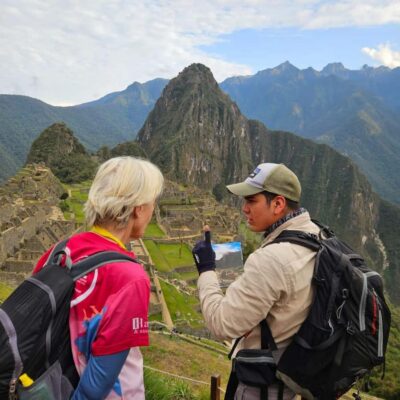
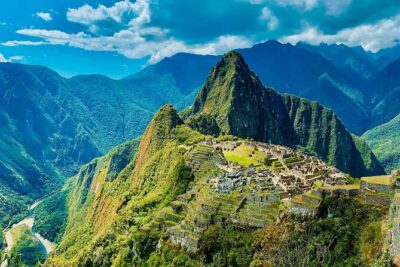
Machu Picchu Private Tour from Aguas Calientes (Tickets included)
Read our review →
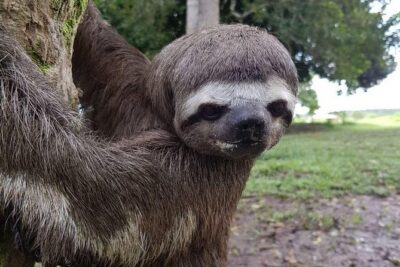
Amazon Rescue Center – Manatees Conservation Center Admission Ticket
Read our review →
Monkey Island,Amazon River & Native Aquatic Species – All tickets
Read our review →
2-Day Tour: Sacred Valley & Machu Picchu – All Tickets Included
Read our review →
Cusco Tourist Ticket and Sacred Valley Site Pass
Read our review →Browse the lists this tour appears in