
Reviewed · SACSAYHUAMAN & CUSCO RUINS TOURS
In Cusco: Saqsaywaman, Qenqo, Pukapukara, Tambomachay.
The most striking part of this Cusco tour is the run of enormous Inca stonework just outside the city. At Sacsayhuaman, you see massive fitted blocks, then move through the ritual spaces of Qenqo, the lookout post at Puka Pukara, and the water channels of Tambomachay. Add Qoricancha, and you get a useful half-day introduction to the Inca capital.
I like the low $15 price and the fact that round-trip tourist transport, a guide, and five major sites are included. I also like the clear variety: temple, fortress, carved rock, military post, and water shrine. The drawback is that the schedule can give too much time to the shopping stop while keeping the archaeological visits tight, and the quality of English explanations may depend on the guide and group.
Key points to know before booking
- Qoricancha is optional: The temple visit is included only in the 9 a.m. and 1 p.m. versions. The later morning and afternoon departures skip it.
- Sacsayhuaman is the star stop: Expect huge carved stones, broad views around Cusco, and the setting used for Inti Raymi.
- Four archaeological sites fit into one half-day: Each stop lasts about 35 to 40 minutes, so keep your pace steady.
- Tickets cost extra: Qoricancha costs S/20, while the Cusco Tourist Ticket costs S/70, or S/40 for Peruvian nationals.
- Plan food around your departure: The morning trip returns around lunch, while the afternoon trip returns around dinner.
- The tour ends at Plaza Regocijo: It does not return you to the original office.
Why this Cusco tour works as a first look
Cusco can feel like a puzzle of temples, plazas, colonial buildings, and Inca foundations. This tour gives you a practical way to connect the pieces. You begin with the center of Inca religious power, then ride uphill and outward to four sites that guarded, served, or symbolized the imperial capital.
The tour lasts about five and a half hours when Qoricancha is included. The version without Qoricancha lasts about four hours. That difference matters. Qoricancha is not just another stop. It gives you the religious center of the Inca world before you see the military and ceremonial sites outside Cusco.
You can choose a morning departure with Qoricancha at 9 a.m., or an afternoon departure with Qoricancha at 1 p.m. Versions without the temple are listed at 10 a.m. and 2 p.m. The published information also refers to 9:50 a.m. and 1:50 p.m. departures, so confirm your exact start time before setting your day around it.
More Inca ruins above Cusco:
- Cusco: Half-Day City Tour with Sacsayhuaman and Q’enco
★ 4.6 · 1,129 reviews - City Tour Cusco Qoricancha Sacsayhuaman y Tambomachay
★ 4.7 · 617 reviews - Cusco City Sightseeing, San Pedro Market, Cathedral and Qorikancha Temple
★ 4.5 · 139 reviews
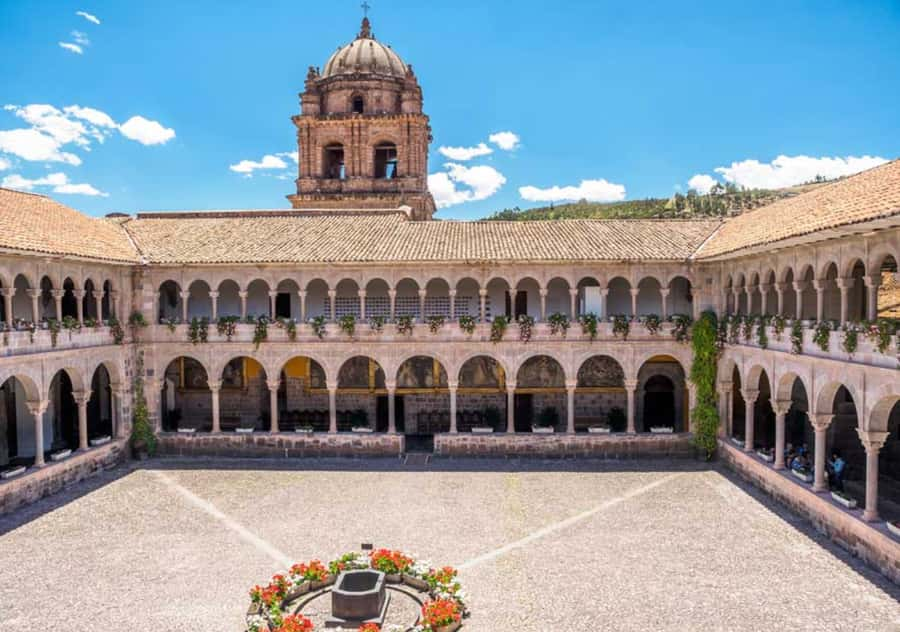
Starting at Qoricancha, the Temple of the Sun
Qoricancha means Golden Wall, or Temple of the Sun. It was the main place of worship for Inti, the Sun God, and it gives this outing its strongest cultural starting point.
You get about 40 minutes here with a guide and some free time. That is enough for an introduction, but not enough for a slow museum visit. If you want to study every room, inscription, and display, plan a separate visit.
The entrance ticket is not included. Expect to pay S/20 per person in cash. The operator says it can help you buy tickets if you have not arranged them, so carry soles and do not assume the $15 tour price covers every entry.
This is the main reason I would choose the 9 a.m. or 1 p.m. option. Without Qoricancha, the outing still covers the four major sites outside Cusco, but you miss the religious heart of the route.
Sacsayhuaman and the stones that stop you short
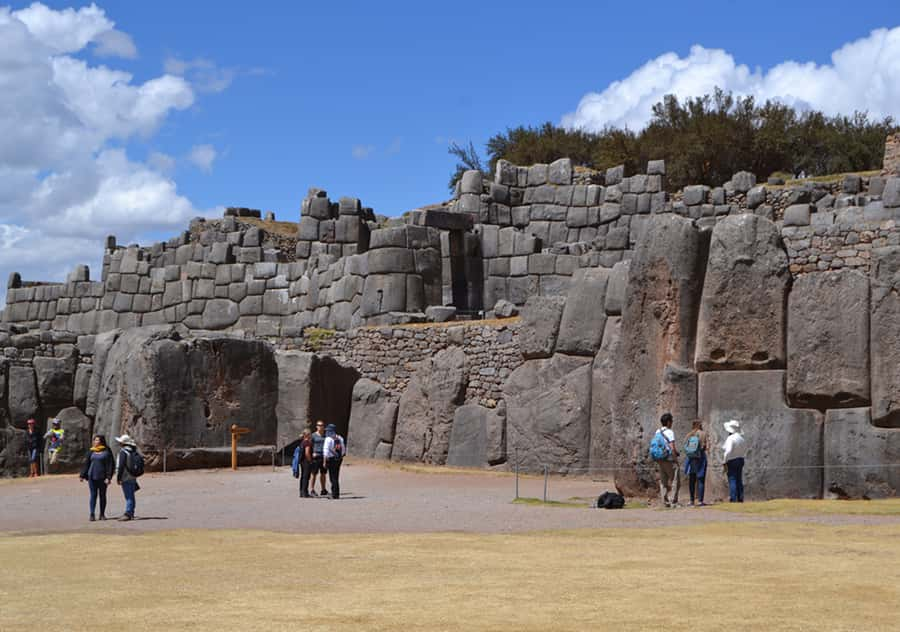
After Qoricancha, the vehicle ride to Sacsayhuaman takes about 25 minutes. This is the longest transfer on the route, and it brings you to the stop most likely to dominate your memory.
You get roughly 40 minutes for a guided visit, photographs, walking, and free time. Sacsayhuaman is famous for its enormous carved stone blocks, fitted together with remarkable precision. The scale is the point. Photos help, but they do not fully show how large the stones are until you are standing beside them.
This is also where the annual Inti Raymi, the Festival of the Sun, is held around the winter solstice. The tour connects the ancient ceremonial site with a living public celebration, which gives the place more meaning than a quick photo stop.
The tradeoff is time. Forty minutes passes quickly here, especially if the guide gives a general introduction, you want photographs, and the group has to stay together. Keep your questions focused and be ready to walk when the guide calls the group.
Qenqo and its carved ritual spaces
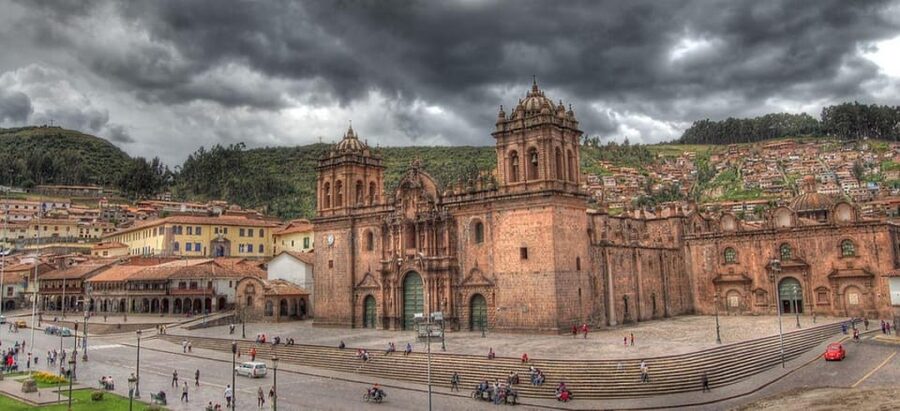
The vehicle ride from Sacsayhuaman to Qenqo takes about five minutes. That short transfer makes the route efficient, but it also means you move from one major site to the next without much pause.
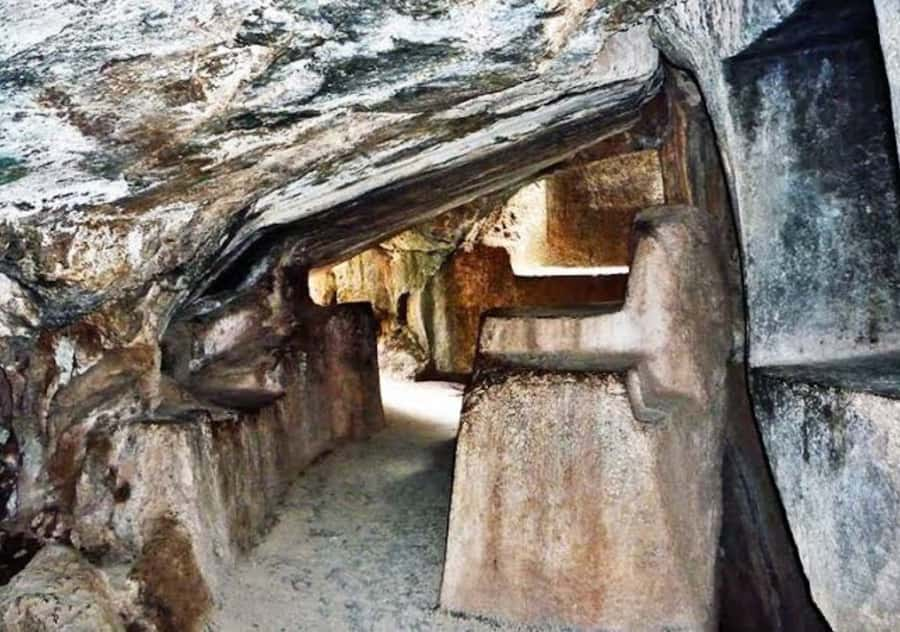
Qenqo receives about 40 minutes. You can expect a guided visit, photographs, sightseeing, and some walking. The complex is known for carved stone features and ritual spaces. It feels different from Sacsayhuaman because the interest is not only in size. Here, you look more closely at the rock and the way the site was shaped for ceremonial use.
This is a stop where a strong guide matters. General facts about the Inca are easy to give anywhere. The better experience comes from connecting the carvings and spaces at Qenqo to what you are actually seeing. Some people on this tour have found the explanations too broad, so ask directly about the feature in front of you if the talk stays vague.
A few more Cusco days worth weighing up
- Cusco: Humantay Lake Tour with Breakfast and Buffet Lunch
★ 4.9 · 2,976 reviews - From Cusco: Vinicunca Rainbow Mountain ATV Tour with Meals
★ 4.6 · 1,060 reviews - From Cusco: Excursion to Humantay lake from Cusco
★ 4.7 · 514 reviews - Cusco: Peruvian Cooking Class, Cocktails & Local Market Tour
★ 4.9 · 512 reviews
Puka Pukara, the red fortress above Cusco
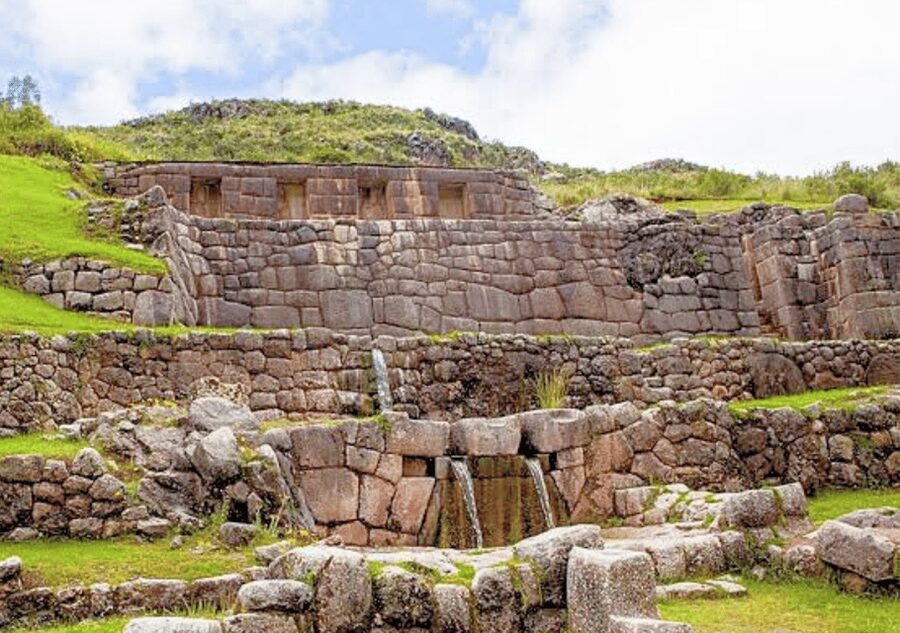
The next ride lasts about 15 minutes. Puka Pukara gets around 35 minutes, slightly less than the other major stops.
You will have time for a guided explanation, photos, walking, and free exploration. The name is often translated as Red Fortress, and the site is associated with control and movement along the approaches to Cusco. Its position gives it a different feel from the enclosed ritual areas at Qenqo.
Do not expect a long, detailed visit. This is a compact stop within a packed route. I would use the time for a few photographs, listen for the guide’s explanation of the site’s purpose, and avoid wandering too far from the meeting point.
The shorter visit works well for people who want an overview of several sites in one afternoon. If you want to study each complex at length, this tour will feel hurried.
Tambomachay and its carefully managed water
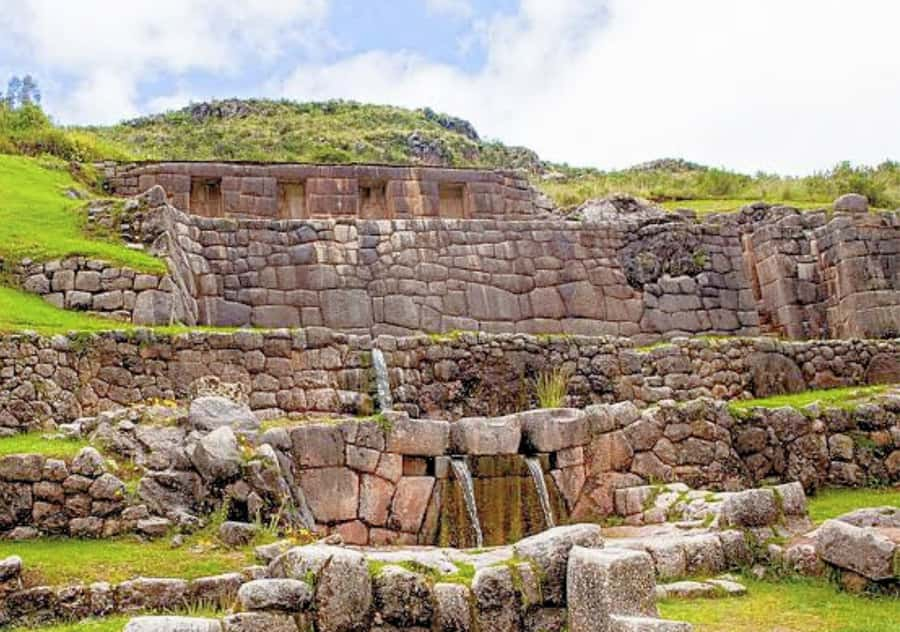
From Puka Pukara, the drive takes only about two minutes. Tambomachay is the final archaeological stop, with about 40 minutes for a visit, photos, walking, and explanation.
The site is often called the Inca shower. Its channels and water features show the importance of controlled water in Inca ceremonial architecture. After the huge masonry at Sacsayhuaman and the carved spaces at Qenqo, Tambomachay offers a quieter change of pace.
The name may suggest a large bathing area, but the visit is still a short archaeological stop rather than a long activity. Pay attention to the stone channels and the way water is presented within the site. This is a good place to ask the guide what is known about its ceremonial role, since a quick generic explanation will not tell you much about the details in front of you.
The llama and alpaca stop
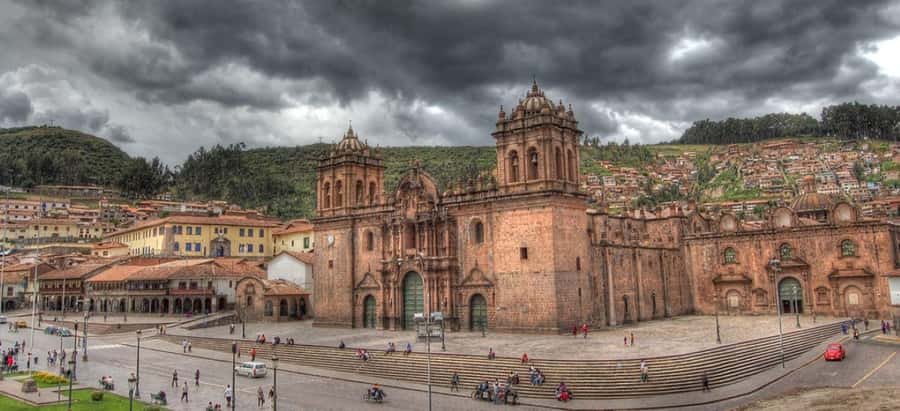
Before returning to Cusco, the group stops at a place where you can spend free time with Peruvian llamas and alpacas. There is also time to shop for local products.
This can be a pleasant final break, especially if you want a quick animal photo or a chance to look at woven goods. It is also the part of the tour that needs the most caution. The schedule can feel generous at the shopping stop while the archaeological sites receive strict time limits.
If your priority is the ruins, keep this stop short and protect your time. If you want souvenirs, compare prices and decide in advance what you actually want to buy. A shopping visit is fine, but it should not become the main event after you have paid to see four important sites.
Transport, timing, and the food question
Round-trip tourist transportation is included. The route has transfers of about 25 minutes from Qoricancha to Sacsayhuaman, five minutes to Qenqo, 15 minutes to Puka Pukara, two minutes to Tambomachay, and about 35 minutes back toward Cusco.
The tour finishes at Plaza Regocijo, not at the starting office. That is useful because you end near central Cusco, but plan your next move from the plaza rather than expecting a return to the meeting point.
The morning group finishes between 1:30 and 2 p.m. The afternoon group finishes between 6 and 6:30 p.m. Eat before you go. Breakfast is not provided for the morning departure, and lunch is not provided for either option. If you take the afternoon tour, have lunch first because you may not return until dinner time.
The meeting point is Machu Picchu Jungle Trek, Office 104, at Asociación de artesanos souvenir, San Andres 218. On Sundays, pickup is at the Plaza de Armas, beside the Inca fountain. The office is listed as open from 8 a.m. to 9:30 p.m.
How much value do you get for $15?
At $15 per person, this is a strong value if you want transport and a basic guided route through the main sites. Hiring transport separately to reach Sacsayhuaman, Qenqo, Puka Pukara, and Tambomachay could be less convenient, especially if you are still finding your way around Cusco.
But the true cost is higher because admission is separate. Add S/20 for Qoricancha and S/70 for the Cusco Tourist Ticket, or S/40 for Peruvian nationals. The operator says to bring cash and offers help with ticket purchases.
The value is best for a first visit, a tight schedule, or anyone who wants orientation before returning to selected sites independently. It is less ideal if you want long, detailed talks at every stop. The route covers a lot, but the price reflects a group overview rather than a private specialist tour.
Guide quality and language expectations
The tour offers live guiding in English and Spanish. The guide is meant to lead the visits, explain the sites, and provide ongoing assistance.
Language delivery can affect your experience. One strong account describes a guide making a real effort to translate for the only French and English speakers in the group. Another account describes explanations that were mostly in Spanish, with limited English, and felt too general. These are important differences.
If you are booking in English, confirm the language arrangement at the meeting point. During the tour, ask for clarification when a point is unclear. A short question about a specific wall, carving, or water channel is more likely to produce a useful answer than waiting through a broad lecture.
The tone of the guide also matters. One account describes a guide speaking harshly to two people who were slightly late. That is a reminder to stay close to the group and return promptly after free time. You should not have to rush recklessly, but this schedule leaves little room for delays.
What to bring and what to leave behind
Bring your passport or ID card, especially since the activity information specifically requests one. Pack sunglasses, a sun hat, sunscreen, water, and any personal medication you need.
If you qualify for a student rate, bring your student card. The tour information also advises cash for entrance tickets.
Large bags and luggage are not allowed. Pets, bicycles, weapons, sharp objects, smoking, alcohol, drugs, fireworks, explosives, and making fires are prohibited. Baby carriages are also listed as not allowed, so families should plan accordingly.
Wear shoes suitable for short walks over archaeological ground. The tour data does not promise a fully even route, and every site includes some walking. Keep your hands free and your bag small.
Who should book this tour?
I would choose this tour if you want to see the main sites around Cusco in one organized half-day. It suits first-time visitors, people with limited time, and anyone who values included transport more than a private pace.
It is also a good option if you want to understand the basic shape of Inca Cusco before choosing which sites deserve a longer return visit. The combination of Qoricancha and the four outer sites gives you a useful first map of the area.
I would hesitate if you want detailed archaeology, long quiet periods at each ruin, or full control over how long you stay. The shopping stop may take more time than you expect, and some explanations may be broad or weighted toward Spanish.
Cancellation is free up to 24 hours before departure, and you can reserve now and pay later. That helps if your Cusco plans are still moving around, but confirm the exact departure time and whether Qoricancha is included before you book.
Should you book it?
Book it if you want maximum site coverage for a low tour price and can accept a brisk group schedule. Choose the Qoricancha version, preferably the 9 a.m. departure if you want the cooler part of the day and a finish near lunch.
Skip it if your main goal is slow, highly detailed interpretation. In that case, a private guide or separate visits may suit you better. For most people who want a practical introduction to Cusco’s Inca sites, this tour offers a lot in five hours, provided you budget for entrance tickets, eat beforehand, and keep an eye on the clock.
FAQ
Is Qoricancha included in every departure?
No. Qoricancha is visited with the 9 a.m. morning group and the 1 p.m. afternoon group. The versions without Qoricancha are listed at 10 a.m. and 2 p.m. Confirm the exact time when booking.
How long does the tour last?
The version with Qoricancha lasts about 5 hours and 30 minutes. The version without Qoricancha lasts about 4 hours.
What sites are included?
The route includes Qoricancha when that option is selected, followed by Sacsayhuaman, Qenqo, Puka Pukara, and Tambomachay.
Are entrance tickets included in the $15 price?
No. Qoricancha costs S/20 per person. The Cusco Tourist Ticket costs S/70 per person, or S/40 for Peruvian nationals.
Is transportation included?
Yes. Round-trip tourist transportation is included, with transfers between the city, the archaeological sites, and the return to Cusco.
What languages are available?
The live tour guide service is offered in English and Spanish.
Where does the tour finish?
The tour finishes at Plaza Regocijo. On Sundays, the pickup point is at the Plaza de Armas beside the Inca fountain.
What should I bring?
Bring your passport or ID card, sunglasses, a sun hat, sunscreen, water, personal medication, and a student card if you plan to use a student rate. Carry cash for entrance tickets.
Just added around Cusco
- Waqrapukara 1 day trekking + meals★ 3.9 · 3 reviews
- Visit to the Cochahuasi Animal Sanctuary with rescued animal★ 4.1 · 4 reviews
- Vinicunca Mountain Tour – Full Day Tour to Rainbow Mountain★ 3.4 · 4 reviews
- Valle Sur Cusco | half day★ 4.3 · 3 reviews
- Trek to Humantay Lake from Cusco★ 4.9 · 8 reviews
- Trek to Choquequirao 4 days★ 3.8 · 4 reviews
- rainbow mountain full day★ 5.0 · 44 reviews
- Tour to the HUMANTAY LAGOON from CUSCO★ 5.0 · 35 reviews
Sacsayhuaman & Cusco Ruins Tours, compared.
Half-Day City Tour with Sacsayhuaman and Q’enco
Read our review →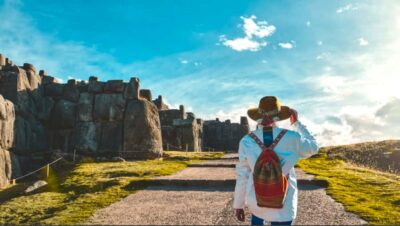
City Tour Cusco Qoricancha Sacsayhuaman y Tambomachay
Read our review →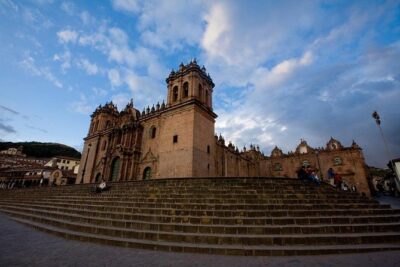
Cusco City Sightseeing, San Pedro Market, Cathedral and Qorikancha Temple
Read our review →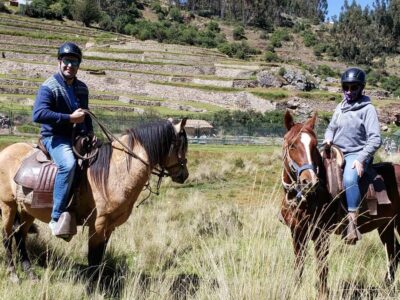
3-Hour Horse Riding Tour to the Temple of the Moon
Read our review →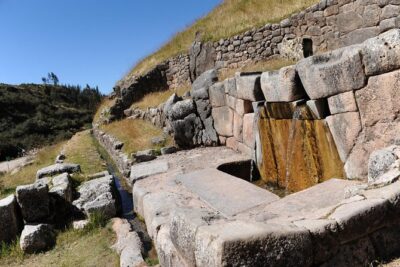
Cusco City Sightseeing and Sacsayhuaman Archeological Park Tour
Read our review →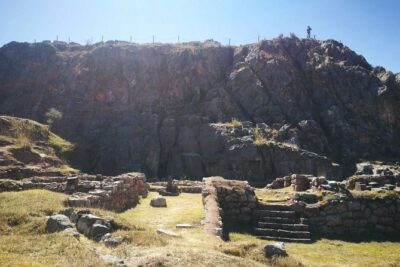
Horse Riding Chacan Mountain And Temple Of The Moon
Read our review →
Cusco 4-Hour Private Tour Including Sacsayhuaman and Qenqo
Read our review →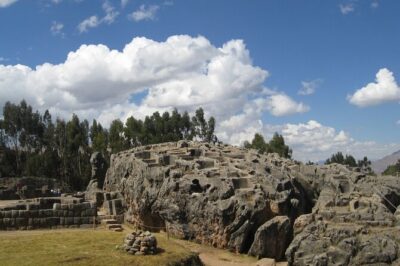
Sacsayhuaman Temple, Tambomachay and Puca Pucara Half-Day Tour
Read our review →Browse the lists this tour appears in