
Reviewed · MARAS & MORAY TOURS
From Cusco: Sacred Valley & Maras Salt Mines Tour with Lunch
The best thing about this tour is its sheer reach. In one very long day, you connect Chinchero, Moray, Maras, Ollantaytambo, and Pisac, five very different places that are spread across the Cusco region. I like the early start because it helps you reach the main sites before the crowds build. I also like the generous buffet lunch in Urubamba, a welcome break after a morning of walking.
The trade-off is simple: this is a fast overview, not a slow archaeological study. You spend a good part of the day in the van, and each stop has a firm timetable. If you have several days, I would split these sights over two days. If you have only one day, this is an unusually good use of it.
Key points to know before you book
- Five major stops in one day: Chinchero, Moray, Maras, Ollantaytambo, and Pisac give you a broad look at Inca farming, salt production, textiles, towns, and ruins.
- Early departure matters: Pickup or meeting-point arrangements begin around 6:00 to 6:30 AM, helping the group reach the sites ahead of larger crowds.
- The lunch is a real part of the value: A buffet in Urubamba is included, with plenty of food after a busy morning.
- Ollantaytambo requires effort: You climb more than 200 steps to reach the upper fortress, with no elevator.
- Bring cash in soles: The partial tourist ticket costs 70 soles and the salt mine entrance costs 20 soles. Entrance payments are cash-only in local currency.
- You can finish in Ollantaytambo: An optional drop-off is available, useful if you plan to stay there or catch a train later than 4:00 PM.
Why this one-day Sacred Valley route works
At $28 per person, this tour gives you transport, a bilingual guide, and buffet lunch for less than many private transfers between the same places would cost. You still pay the entrance fees, but the basic price is strong for anyone trying to cover a lot of ground without arranging several separate rides.
The route is also sensibly varied. Chinchero introduces living textile traditions. Moray shows how the Incas adapted farming to difficult mountain terrain. Maras shifts the focus to salt production. Ollantaytambo brings monumental stonework and steep steps, while Pisac closes the day with another major archaeological site.
I would not choose this trip if you want long quiet visits, independent wandering, or detailed time at every ruin. You are moving on schedule. But I like the rhythm for a first visit because the day rarely drags. You get a taste of several sides of the Sacred Valley instead of spending the entire day at one site.
Groups are bilingual in English and Spanish. The quality of the experience depends partly on how well the guide manages both languages. Guides named Liliana, Lily, Jorge, Kevin, Elisabeth, and Jenny have been praised for clear explanations, careful organization, and making sure both language groups stay involved. That matters on a long day with many stops.
More Maras salt pan and Moray trips:
- From Cusco: Moray, Maras Salt Mines & Chinchero Weavers Tour
★ 4.8 · 1,925 reviews - Cusco: Sacred Valley, Pisac, Ollantaytambo, Salt Mines Moray
★ 4.6 · 1,058 reviews - Cusco:Chinchero,Moray & Salt Mines drop-off in Ollantaytambo
★ 4.8 · 793 reviews
Chinchero: textiles and an old church
Your day begins with a roughly 1.5-hour drive from Cusco, depending on pickup arrangements and traffic. If your accommodation is in the historic center, pickup may be included. Otherwise, you will receive a nearby meeting point, commonly in front of the Inka Altitude office. Arrive early, since the van may already be gathering passengers.
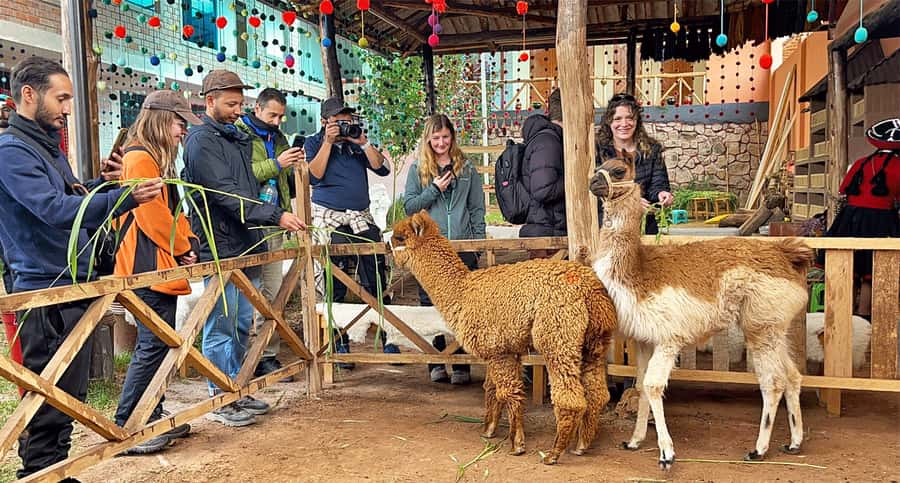
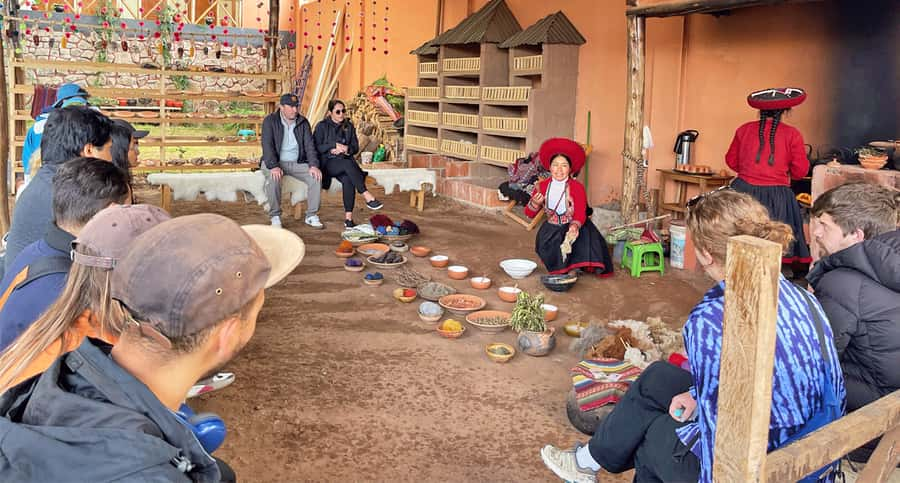
Chinchero is a small, rustic town with a strong weaving tradition. The first stop is a textile workshop where you can see wool being prepared and woven using techniques associated with the Inca tradition. This is more useful than a standard souvenir stop when the demonstration is done well, because it shows how patterns, materials, and local skills connect to daily life.
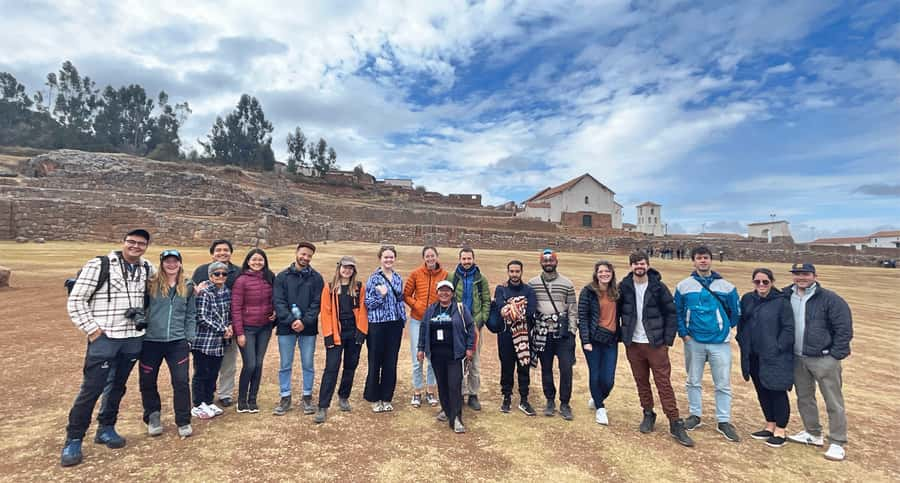
You will also visit the archaeological site and an old church. The combination gives you two different views of Chinchero: one rooted in living craft and one rooted in the region’s colonial and Inca past.
Allow about 35 minutes for the workshop. That is enough to understand the process, but not enough for a leisurely browse. You may see textiles and other goods for sale. The visit does create a shopping opportunity, so decide in advance how much time and money you want to spend. The experience is most useful if you treat the demonstration as a cultural stop first and a shopping stop second.
Moray: Inca farming in circular terraces
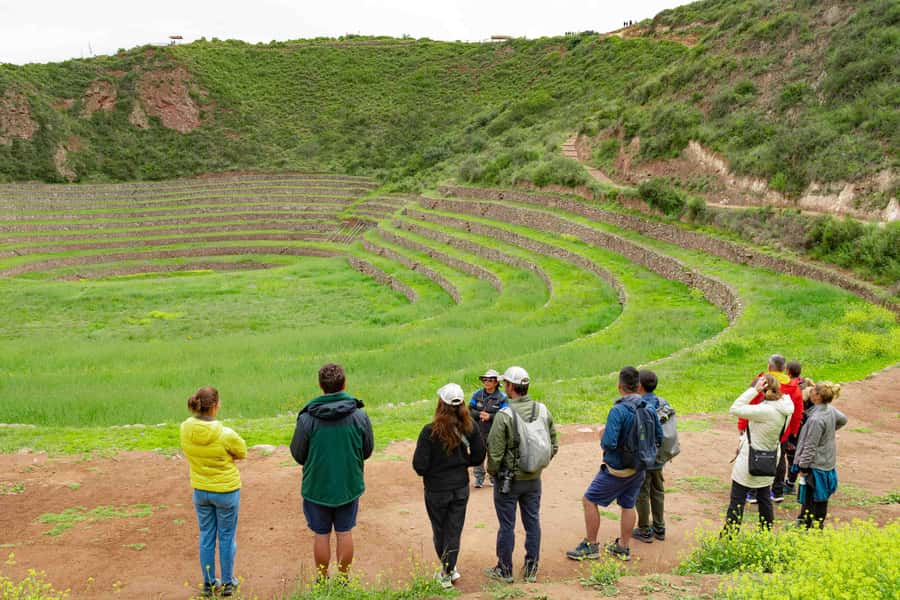
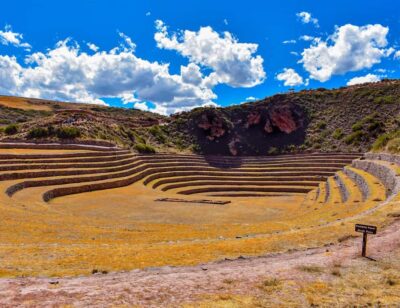
After another drive of about 45 minutes, you reach Moray. The guided visit lasts around 30 minutes, so listen closely when the guide explains the terraces and their purpose.
Moray is memorable because its broad circular terraces drop into the ground in a series of rings. The Incas built these agricultural terraces to grow crops in difficult mountain conditions. The site gives you a clear example of practical engineering rather than just impressive stonework.
I find Moray especially valuable because it changes how you think about the Inca world. The Sacred Valley was not only a place of temples and royal settlements. It was also a carefully managed food-producing region. The terraces show how people worked with elevation, slopes, and changing conditions to support agriculture.
The short visit is enough for an explanation and photographs, but you will not have unlimited time to walk around. Wear shoes with a good grip, and keep your clothing comfortable. The tour information specifically warns that this outing is not suitable for people with mobility impairments, and the day includes uneven ground and repeated walking.
Maras: thousands of salt ponds on a mountainside
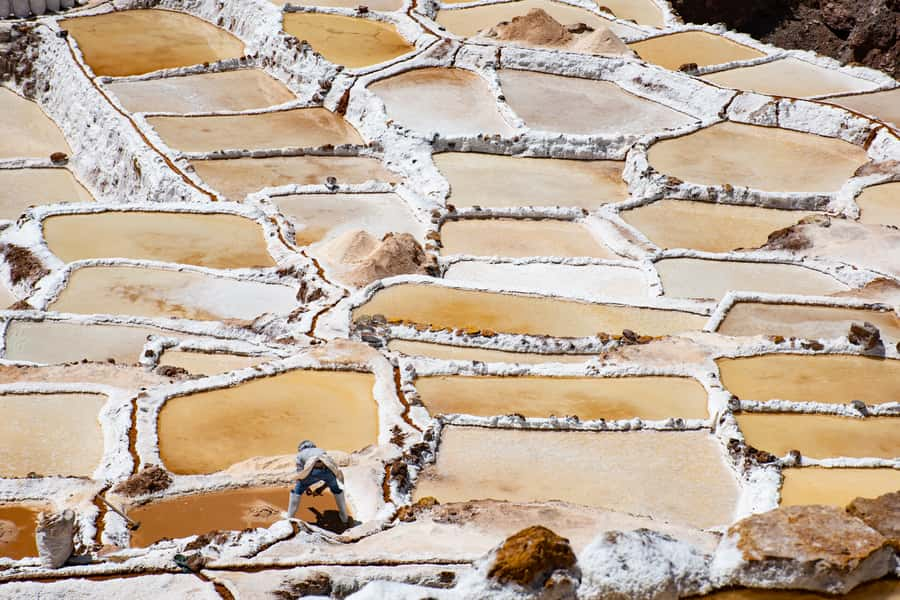
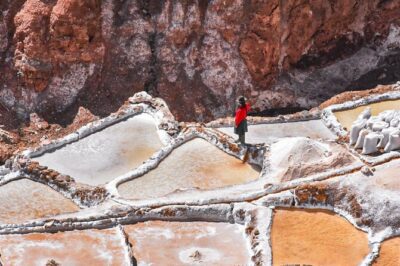
A drive of about 30 minutes brings you to the Maras salt mines, followed by a guided visit of roughly 30 minutes. The salt ponds are one of the most striking sights on the route. More than 5,000 small pools spread across the hillside, creating a scene that looks very different from the nearby farmland and ruins.
The Incas used the area for salt extraction, and salt helped preserve food for long periods. Your guide will explain how the ponds and salt production fit into the wider system of Inca agriculture and storage.
After the guided visit, there is about 30 minutes in Maras for shopping. This is your chance to buy local salt or other small items if you wish. Bring soles, not just a bank card. The entrance fee to the salt mine is 20 soles, and entrance tickets must be paid in cash using the local currency.
The salt mine can be visually dramatic, but the stop also has practical limits. You are visiting an active commercial site rather than an untouched archaeological ruin, and the paths may not suit everyone. Keep your expectations focused on the unusual setting and the explanation of salt production.
A few more Sacred Valley days worth weighing up
- Sacred Valley: Chinchero, Moray, Ollantaytambo & Pisac+Lunch
★ 4.8 · 501 reviews - Sacred Valley: Maras & Moray by Quad Bike from Cusco
★ 4.6 · 418 reviews - Pisac Indian Market and Ollantaytambo Fortress with Lunch
★ 4.5 · 395 reviews - From Cusco: Quad bike tour Moray and Salt Mines
★ 4.7 · 314 reviews
Urubamba: a useful lunch break
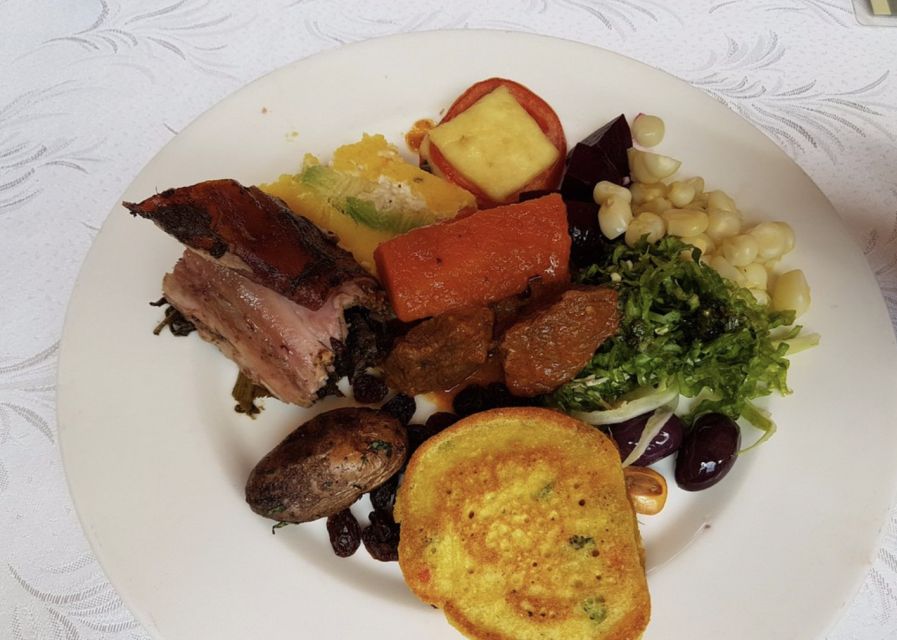
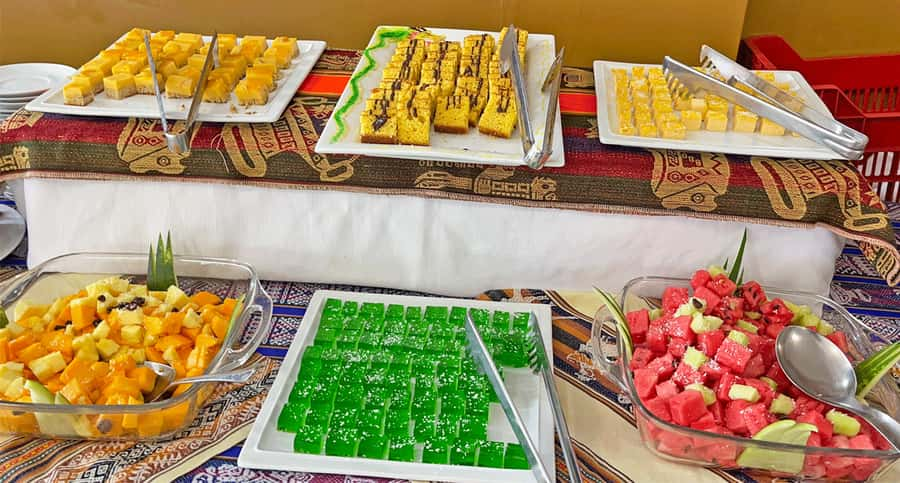
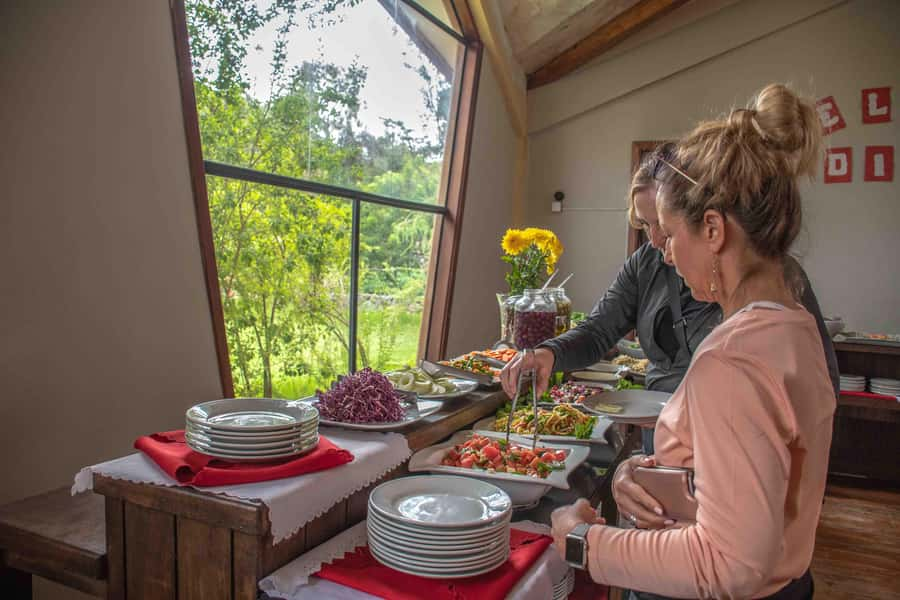
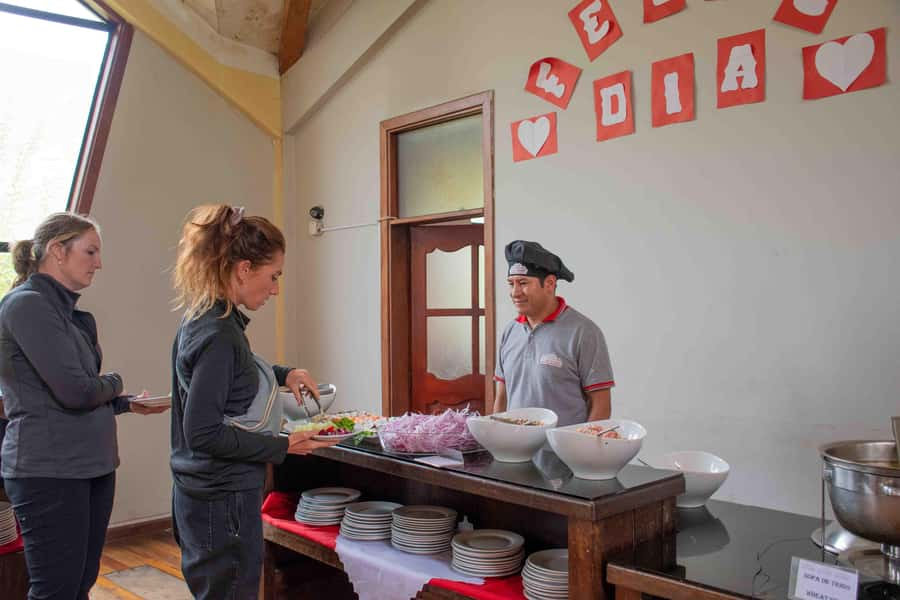
After roughly 45 minutes in the van, you reach Urubamba, the main town of the Sacred Valley, for a buffet lunch. The meal lasts about 45 minutes and is included in the tour price.
This is one of the tour’s strongest practical features. By this point, you have already visited Chinchero, Moray, and Maras, often with an early breakfast or only a snack behind you. A sit-down buffet gives you time to eat properly before the afternoon ruins.
The meal is designed for a group, so do not expect a long restaurant experience. Still, the food is described as abundant and varied, with local dishes available. I would eat a light breakfast before departure and carry a small snack, since the first meal comes several hours after leaving Cusco.
Drinks are not included. Keep some cash handy, and remember that the tour does not include the archaeological entrance fees either.
Ollantaytambo: the day’s toughest climb
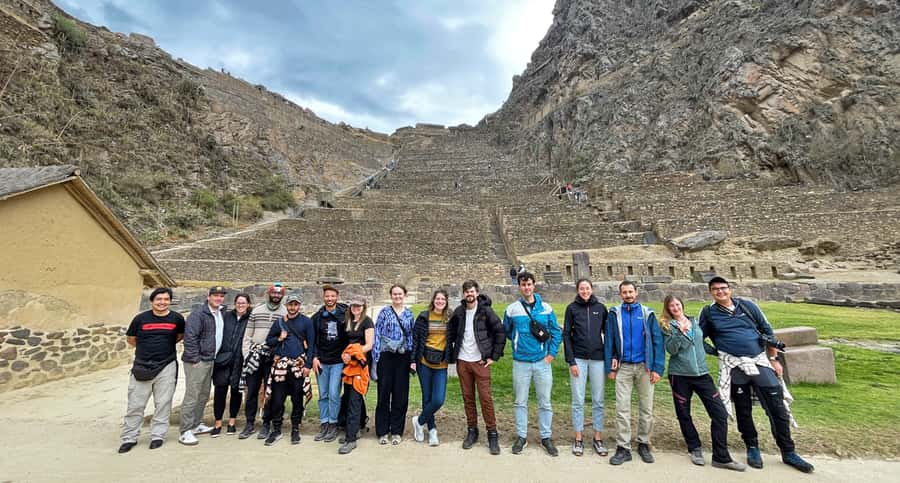
From Urubamba, the group drives for around 45 minutes to Ollantaytambo. This is one of the most important stops and often one of the day’s highlights.
The ancient fortress rises above the town, and reaching the upper section means climbing more than 200 steps. There is no elevator. The climb can be tiring after a full morning, but the higher you go, the better the view over the town and surrounding valley.
Your guided visit lasts approximately 45 minutes. That is enough to hear the main story of the fortress and see the major terraces, but the steep route limits the pace. If you have breathing problems, limited mobility, or simply dislike stairs, this is the point to consider carefully.
Ollantaytambo is also where the tour can become more useful than a simple round trip from Cusco. You may choose an optional drop-off in town instead of returning with the group. This works well if you plan to stay in Ollantaytambo or continue by train. If you need a train, the advice is to choose one departing after 4:00 PM. The day’s schedule can shift, so do not plan a tight connection.
If you are staying in Ollantaytambo, this drop-off may save you a separate transfer. If you are returning to Cusco, stay with the group and prepare for another visit before the ride home.
Pisac: a final archaeological stop
After Ollantaytambo, the drive to Pisac takes about 75 minutes. By now, you may be ready for a rest, and the van gives you that chance. It is also why I call this a full day rather than a casual outing.
The Pisac section begins with a workshop lasting around 30 minutes, followed by about 15 minutes of transport and a 30-minute guided visit to the archaeological site. The stop adds another important Inca site to the day, but the timing is short.
Pisac works best as a final sample of the Sacred Valley rather than a complete visit. You will see the ruins and receive an explanation, but you will not have the freedom to explore every corner. The value here is the overall route: after seeing Chinchero’s textiles, Moray’s farming terraces, and Maras’s salt ponds, Pisac adds another layer of Inca architecture and settlement.
The return drive to Cusco takes about an hour. The scheduled finish is at Calle Saphy 440, with drop-off at Plaza Regocijos noted as part of the service. Arrival in the historic center is generally expected between 6:00 and 7:00 PM.
What the long day feels like
The schedule adds up to roughly 12 hours once pickup, traffic, stops, and the return drive are included. You will spend a good part of the day in the van because the sights are spread far apart.
That sounds tiring, and it is. But the transport also gives you regular chances to sit, nap, and recover between walks. A skilled driver makes a real difference on the winding roads, and the transport has been described as comfortable and smooth.
The early departure is worth taking seriously. Pickup can take 30 to 45 minutes while the van gathers the group, especially if you are among the first passengers. Arrive ready to wait, and do not assume the vehicle will leave the instant you are collected.
The biggest advantage of the schedule is crowd control. Starting early can help you reach several sites before they become especially busy. The biggest disadvantage is that you must follow the clock. If you stop often for photographs, shop slowly, or want to sit quietly at each ruin, the day may feel rushed.
Tickets, cash, clothing, and physical effort
The advertised price does not cover every cost. Set aside:
- 70 soles for the partial tourist ticket
- 20 soles for the Maras salt mine entrance
- Cash for drinks and optional purchases
Entrance tickets are available only with cash in local currency. The full tourist ticket is valid for 10 days and covers most Inca sites around Cusco and the Sacred Valley, but this tour specifically notes the partial ticket price. Check exactly which ticket your selected option requires before departure.
Bring your passport or identification, comfortable shoes, comfortable clothing, and cash. Large bags and luggage are not allowed, and drones are prohibited.
This tour is not suitable for wheelchair users, people with mobility impairments, people with respiratory issues, or people with hearing impairments. The stairs at Ollantaytambo are the clearest challenge, but the entire day involves walking, uneven surfaces, altitude, and repeated climbs.
Who should book this tour
I would choose this tour if you have one free day in Cusco and want to see as many major Sacred Valley sights as possible. It is also useful if you want transport and a guide without paying for a private car.
It suits an energetic first-time visitor, a short-stay traveler, or anyone who values range over lingering. The bilingual guiding can work well when the guide keeps both English and Spanish groups included. Guides such as Lily, Liliana, Jorge, and Kevin have been praised for clear pacing, strong historical explanations, and careful attention to the group.
I would choose a slower two-day plan if you have more time. Staying in Ollantaytambo would let you see that town without rushing back to Cusco and could make the Sacred Valley feel less like a checklist.
The free cancellation policy allows cancellation up to 24 hours before departure for a full refund, and reserve-now-pay-later booking is available. Those terms are useful if your Cusco plans are still shifting, but the main decision is your preferred pace.
Should you book it?
Book it if you want an affordable, highly active introduction to the Sacred Valley, especially with only one day available. The included lunch, reliable transport, early start, and five major stops make the $28 price unusually good, even after adding entrance fees.
Skip it if you need a relaxed schedule, have difficulty with stairs, or want detailed time at each archaeological site. For everyone else, this is a practical way to see a remarkable amount of the Cusco region in one demanding but rewarding day.
FAQ
How much does the tour cost?
The listed price is $28 per person. It includes transport, a bilingual guide, and buffet lunch, but not the archaeological and salt mine entrance fees.
How long does the tour last?
It lasts one full day, with pickup beginning around 6:00 to 6:30 AM and return to Cusco expected around 6:00 to 7:00 PM.
Where does the tour start?
Pickup depends on the option selected. If you are staying in private accommodation, you may receive a nearby meeting point. The stated meeting point is in front of the Inka Altitude office, where the guide will call your name.
Is hotel pickup included?
Pickup from accommodations in Cusco’s historic center is available with selected options. Other options provide a nearby meeting point, and the driver may need up to 10 minutes to locate you.
What languages are available?
The live tour guide service is offered in English and Spanish. Groups are bilingual.
Is lunch included?
Yes. A buffet lunch in Urubamba is included. Drinks are not included.
What entrance fees must I pay?
The tour information lists a partial tourist ticket costing 70 soles and a Maras salt mine entrance costing 20 soles. Entrance tickets must be paid in cash using local currency.
How difficult is the Ollantaytambo visit?
You must climb more than 200 steps to reach the top of the fortress, and there is no elevator. Comfortable shoes are important.
Can I finish the tour in Ollantaytambo?
Yes. An optional drop-off in Ollantaytambo is available for people staying there or continuing with other plans. If you need a train, a departure later than 4:00 PM is recommended.
Can I bring luggage or a drone?
No. Large bags and luggage are not allowed, and drones are prohibited. Bring only what you need for the day.
Just added around Sacred Valley
- Zipline over the Sacred Valley Trip★ 5.0 · 11 reviews
- Visit Pisac from Cusco: Private Transport★ 4.6 · 9 reviews
- Maras and Huaypo lagoon by ATV from Cuzco | Local Operator★ 4.7 · 4 reviews
- Transfer from Cusco to Ollantaytambo★ 5.0 · 30 reviews
- Sacred Valley VIP Tour with Maras and Moray from Cusco★ 4.5 · 35 reviews
- Sacred Valley Private Tour, Moray & Salt Mines Incluided★ 5.0 · 41 reviews
- Salt Mines(Maras),Moray and Chincheros★ 5.0 · 41 reviews
- Excursion to Sacred Valley of the Incas tour – Private service.★ 5.0 · 35 reviews
Maras & Moray Tours, compared.
Moray, Maras Salt Mines & Chinchero Weavers Tour
Read our review →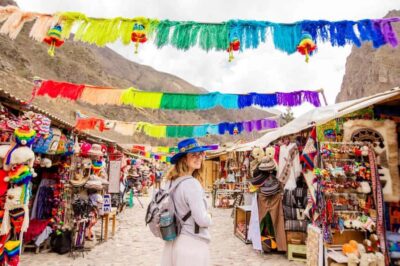
Sacred Valley, Pisac, Ollantaytambo, Salt Mines Moray
Read our review →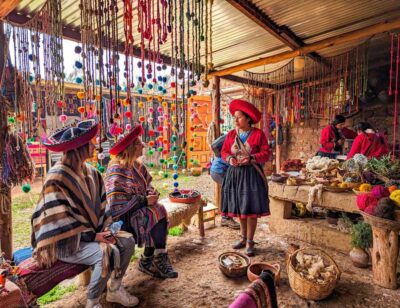
Chinchero,Moray & Salt Mines drop-off in Ollantaytambo
Read our review →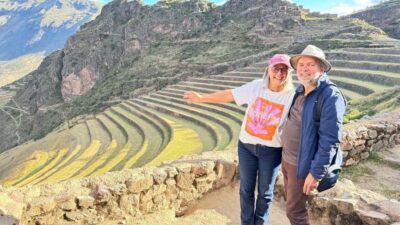

Moray, Maras Salt Mines & Chinchero Weavers Half-Day
Read our review →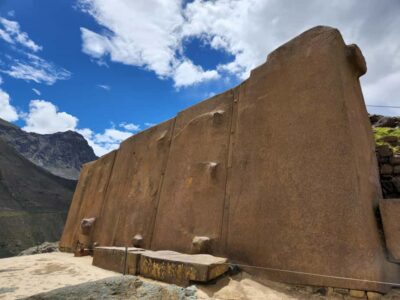
Browse the lists this tour appears in